oleh admin | Mar 14, 2025 | crime, culture, news, tourists, world
________________
Two young Japanese tourists in their twenties were held for two weeks in China before being expelled for snapping photographs that revealed bare backsides at the Great Wall, according to reports from local media.
NTV and other Japanese news organizations reported on Thursday about an occurrence at a World Heritage location close to Beijing. The event involved a man exposing himself and a woman taking photographs of the incident.
The foreign ministry of Tokyo stated on Friday that “the Japanese embassy in China verified on January 3 that two Japanese citizens were apprehended by local authorities at the Great Wall.”
The statement indicated that they were “released later and returned to Japan throughout January.”
Requests for comments from the Japanese embassy in Beijing went unanswered.
According to the reports, which cited sources, the tourists were apprehended immediately by security personnel and kept for approximately two weeks.
Showing the bottom part of one’s body in public areas is illegal in China, as reported.
It is said that the tourists informed the Japanese embassy about their actions, claiming it was just a joke.
The reports ignited anger in China, a nation whose historical memory retains vivid recollections of the brutalities inflicted during Japan’s colonization of the country in the 1930s and 40s, evoking intense emotions even today.
A hashtag translating to “Japanese man and woman detained for indecent behaviour at the Great Wall” had been viewed over 60 million times on social media platform Weibo by Friday morning.
A lot of highly upvoted comments criticized the tourists for their actions, with several resorting to hate speech directed at Japanese individuals.
A remark from Chinese actor Chen Yitian, who boasts more than 7 million followers online, criticized them for performing “disgraceful acts at my Great Wall.”
Some proposed that China should prohibit all visitors from Japan.
Provided by SyndiGate Media Inc.
Syndigate.info
).
oleh admin | Mar 10, 2025 | expenses, tax policy and law, taxes, tourists, Travel
From Venice to Barcelona, popular tourist spots are overwhelming visitors. However, do these measures truly help in decreasing overtourism, and where exactly does this revenue end up?
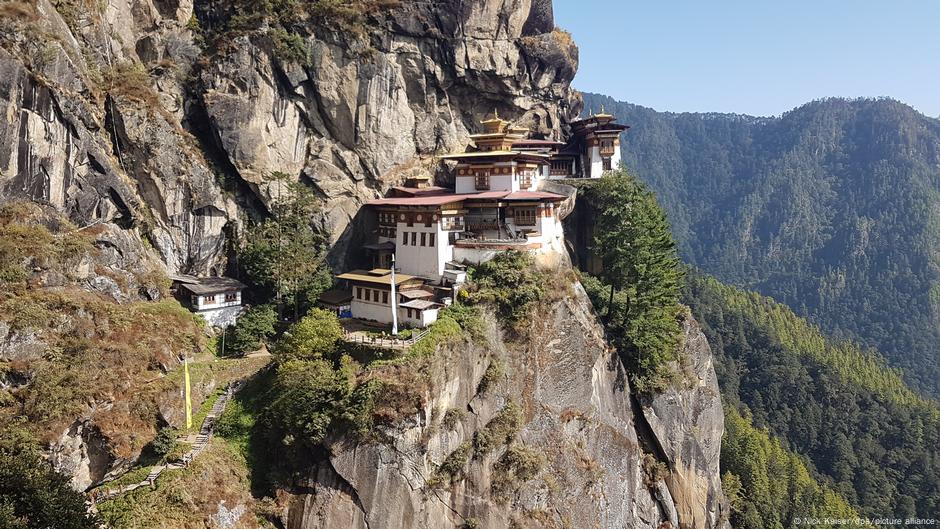
Despite the high tourist taxes, 39-year-old Susanne Meier has visited the Himalayan nation of Bhutan twice. Bhutan actually imposes the globe’s highest tourist tax, referred to as the “Sustainable Development Fee,” which amounts to $100 (€95) per person per day. This substantial fee deters many potential visitors.
tourism tax
is added to the extra travel expenses, including a driver and guide, typically organized by tour operators for an additional fee.
“People there prefer sustainable tourism over inexpensive tourism,” explains Meier, who is employed by Bhutan Travel located in Moosburg, Bavaria. She mentions that her clients are content with paying the additional taxes once they realize the beneficial impact it has on the area.
Taxes contribute to enhancing Bhutan
The nation’s tourism board states that these funds are channeled directly into supporting Bhutan’s roughly 800,000 inhabitants. The government allocates visitors’ contributions toward enhancing healthcare services, educational facilities, and upgrading infrastructural developments. Additionally, this income bolsters programs aimed at environmental conservation and aids in fostering growth for small enterprises within the community.
The nation reported generating $26 million (€25 million) in income during 2023 from the charge.
Certainly with such high
tourism tax
serves as a deterrent as well: Officials stated that approximately 103,000 visitors traveled to the nation in 2023. Most of these visitors originated from India, which is the sole country where travelers incur a reduced daily fee for their trip.
With a population of 962,000 million inhabitants, Mallorca, the Spanish island, mirrors the size of Bhutan’s populace; nonetheless, residents have faced an overwhelming influx of tourists in recent times and have
staged numerous protests
.
In 2024, approximately 13 million tourists visited the island. Consequently, it comes as little surprise that numerous locals have been advocating for restrictions on mass tourism.
In 2016, the island introduced an accommodation tax. According to the hotel classification, visitors might have to pay as much as €4 ($4.16) daily.
As per the plan proposed by the Balearic Islands’ government, the levy might increase up to six euros.
The funds are utilized to support initiatives focused on rendering Majorca more environmentally friendly. Nonetheless, this levy has had minimal impact in discouraging visitors—the island continues to achieve new highs in tourism each year.
![]()
Tourism accommodation taxes have minimal impact as a deterrent for visitors.
“As stated by Jaume Rossello, an economics professor at the University of the Balearics in Palma de Mallorca, the impact of these taxes on tourism demand is minimal,” he notes.
In
Barcelona,
For instance, travelers presently incur costs as high as €7.50 each day, varying based on the hotel category. In Berlin, a levy of 7.5% on the cost of an overnight stay applies, whereas in Paris, guests could be faced with payments nearing €16 nightly for top-tier accommodations. Despite this, Rossello indicates that it remains uncertain when tourists would begin reconsidering their choices.
changing their destination
.
As stated by Professor Harald Zeiss from the Institute for Sustainable Tourism in Wernigerode, Germany, numerous locations utilize the income generated from tourist taxes to compensate
environmental impacts
“At the very least, this is how it’s portrayed when these taxes are being proposed and implemented,” he adds.
Nevertheless, the actual utilization of these funds differs significantly. They might be allocated towards fostering eco-friendly transportation options or merely bolstering municipal finances. “Therefore, it’s essential to clearly designate fund usage with transparency,” emphasizes Zeiss. “Yet, when resources are scarce, their intended application tends to be more vaguely outlined.”
Loathe to criticize tourism
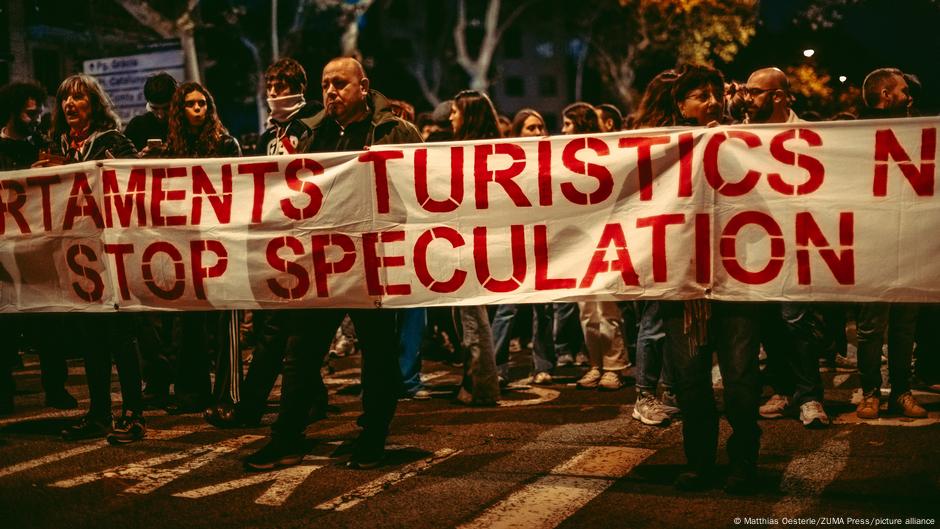
Across numerous locations, the earnings generated from tourism taxes often constitute a substantial part of a city’s overall tax-based revenue. For instance, in Barcelona, these taxes bring in approximately €100 million ($104 million) annually, positioning them as the third-highest contributor to local government funds, based on official figures provided by the municipality. Nevertheless, this destination continues to experience intense anti-tourism demonstrations driven by rising rental costs attributed largely to short-term vacation accommodations managed by firms such as
Airbnb
As a consequence, officials in Barcelona have decided to concentrate their efforts on funding initiatives aimed at benefiting the local population rather than solely supporting the tourism industry. Approximately €100 million ($104 million) obtained through taxes levied on tourists’ overnight stays will be invested in the Barcelona School Climate Plan. This initiative involves installing air conditioning systems in the city’s educational institutions.
The income generated from the overnight accommodation tax in Berlin, referred to as the City Tax, has not been designated for specific purposes yet. This amount, totaling nearly €90 million in 2024, presently gets incorporated into the overall municipal budget.
In Amsterdam, a tourist tax has been implemented since 1973. This levy stands at 12.5% of the cost of an overnight stay and is projected to yield approximately €260 million in income for 2025, as stated by a representative from the municipal government. Local authorities assert that this tax serves not only as a significant financial resource but also as a means to regulate the influx of tourists. Nonetheless, the impact of this tax in deterring visitors may be minimal.
Venice makes changes
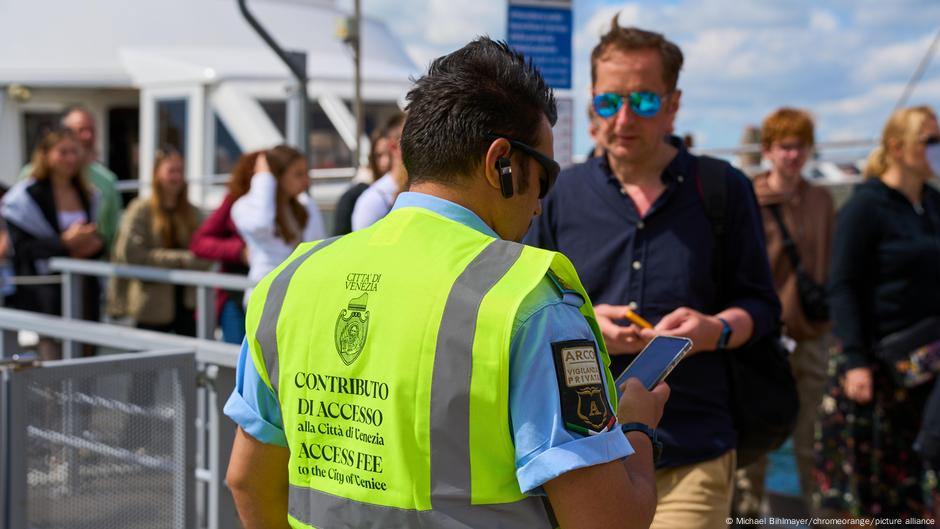
Following considerable discussion, Venice, Italy finally implemented its highly anticipated tourism levy in 2024. During the busy season, day visitors were required to pay an entry fee of €5 on 29 designated high-traffic days. Critics from opposing political parties argued that this charge was insufficient to discourage travelers from flocking to the overburdened city. Consequently, Venice increased the number of charging days to 54. Those failing to make the payment at least four days prior to their trip must now cough up €10 upon arrival.
It remains unclear whether the additional euros might discourage visitors from exploring the declining metropolis.
Jaume Rosselló, a researcher at the University of the Balearic Islands, expresses skepticism. According to him, for many individuals, taking a holiday is not an extravagance but rather a fundamental necessity. He cites the case of Mallorca, noting that most visitors willingly cover the lodging tax with little complaint. “These kinds of taxes tend to be quite popular,” states Rosselló, “especially when they help enhance the environmental sustainability of a location.”
Nevertheless, numerous visitors still face constraints, which can be illustrated by Bhutan’s case. After increasing the tourism levy from $65 to $200 following years of stability at the lower rate, the country observed a decline in visitor numbers. Susanne Meier noted a distinct change: “The booking figures reflected this shift clearly; people were unwilling to cover such costs.”
The article was originally in German.
Author: Jonas Martiny

oleh admin | Mar 7, 2025 | saudi arabia, tourist attractions, tourists, Travel, travel destinations
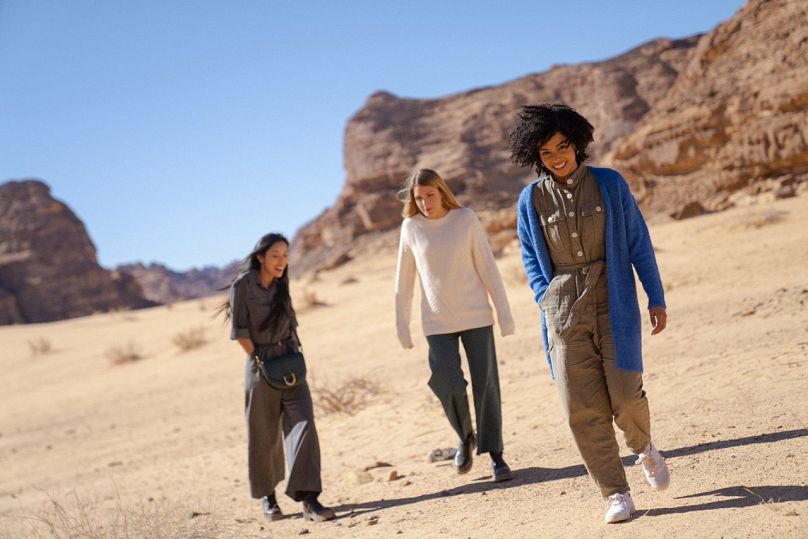
Previously considered the “best-kept secret” among global travelers, Saudi Arabia has emerged as an essential travel destination for Europeans.
At the ITB Berlin 2025 conference, Saudi Tourism Authority’s CEO, Fahd Hamidaddin, informed Euronews Travel that European arrivals increased by 24 percent in 2024, positioning the nation as an emerging global center for sports, with a higher number of events compared to Las Vegas.
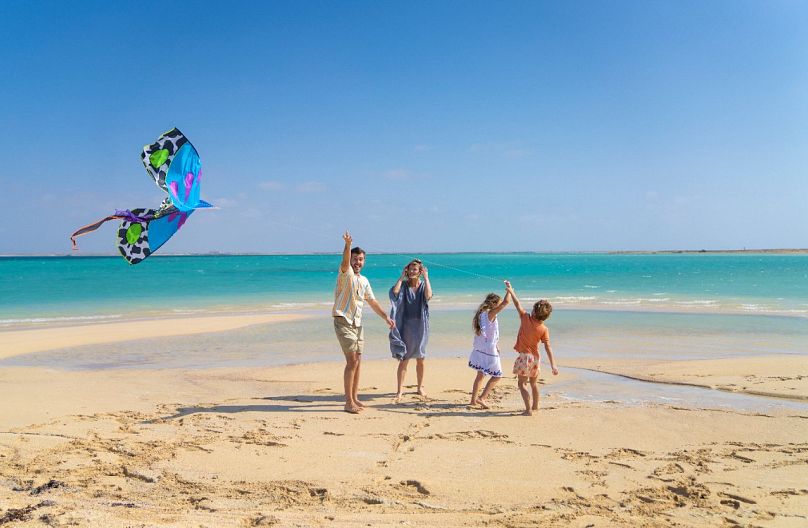
With major sporting spectacles such as the 2034 FIFA World Cup on the horizon, alongside opulent getaways along the picturesque shores of the Red Sea and adventurous desert camps beneath the vast starlit skies, Saudi Arabia caters to a wide array of traveler preferences. This makes it a perfect ‘best of both worlds’ destination for visitors with varied interests.
There are more tourists from Europe visiting Saudi Arabia than any other place.
“Saudi Arabia remains one of the greatest and biggest mysteries hidden from travelers across the globe,” asserts Fahd Hamidaddin, Chief Executive Officer of the Saudi Tourism Authority.
Last year, we saw the most significant expansion originating from Europe, where growth attributed solely to this region reached 24 percent, including women accounting for 44 percent of that total.
When we began in 2019, our aim was to reach 100 million visitors by 2030. However, by the close of 2023, we surpassed this target with over 106 million visits.
“The current objective has been set at 150 million, with our growth rate consistently doubling each year. Over the last four years, we have maintained our position as the quickest-expanding travel destination globally.”
From the breathtaking Red Sea shoreline to extensive
desert landscapes
And with premier sporting events, Saudi Arabia provides a distinctive mix of adventurous activities, rich cultural experiences, and luxurious amenities.
Below are the top methods to explore the Kingdom in 2025.
From FIFA World Cup to Formula 1 Grand Prix: The globe’s top athletic mecca
Saudi Arabia has rapidly emerged as a major force in international sports tourism.
Elite sports figures such as Cristiano Ronaldo, Tyson Fury, and Max Verstappen have all participated in events on Saudi Arabian turf, along with significant
sporting events
attract people from all over the world.
In 2034, millions of people will descend upon Saudi Arabia for the FIFA World Cup, whereas 2025 is poised to be brimming with various sports competitions.
This April, the AFC Asian U17 Cup will highlight some of Asia’s most promising young football talents, whereas motorsport enthusiasts can watch Lewis Hamilton adorned in Ferrari red as he competes at the Jeddah Corniche Circuit during the Saudi Arabian Formula One Grand Prix.
During August, basketball enthusiasts have the opportunity to see top-tier national teams from across the continent compete for glory at the FIBA Asia Cup. In contrast, tennis aficionados will be treated to matches featuring the planet’s elite eight players when they take center stage at the WTA Tour Finals in November.
“Every major sports event, whether it’s a Formula One race or the World Cup, is accompanied by a range of cultural activities,” according to Hamidaddin.
“Saudi has been hosting more events per week than Vegas had events per week, from the Formulas, to boxing, to the World Cup, to tennis, and Dakar [Rally – the off-road endurance event].”
Sun, sand, and tranquility: Enjoy ultimate luxury at The Red Sea
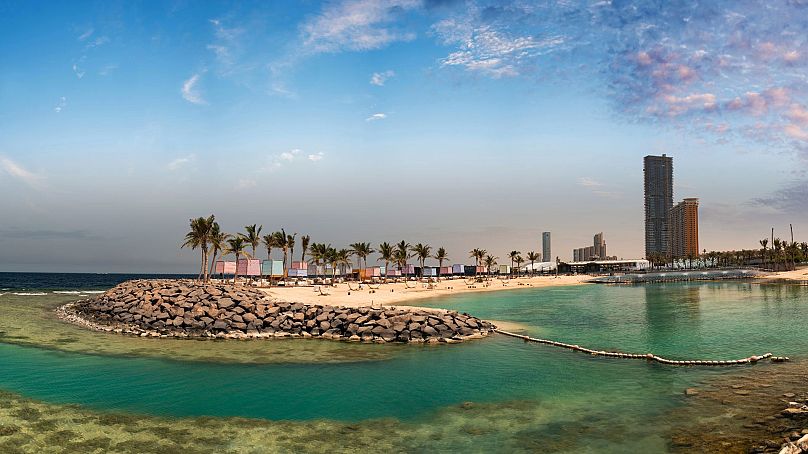
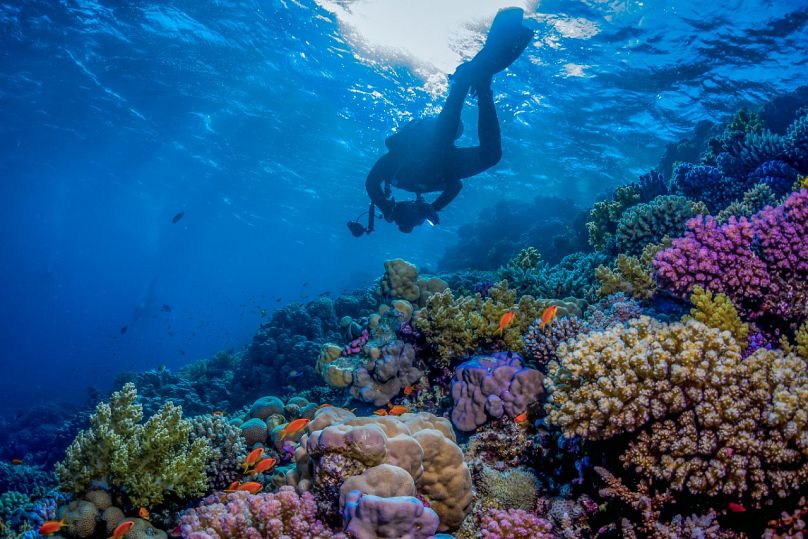
Boasting untouched shorelines, exceptional sea creatures, and an array of luxurious five-star resorts, the Red Sea spans across 28,000 square kilometres along Saudi Arabia’s west coast, making it a heavenly destination.
So far, two upscale developments have debuted along its coastline, featuring the Six Senses Southern Dunes, and the St. Regis Red Sea Resort which boasts overwater bungalows extending out above the clear blue waters.
The Saudi Red Sea is the biggest vertical Riviera globally,” says Hamidaddin. “It’s an exceptional location extending from the northernmost point of Neom and Sindalah Island all the way down to the southern part of the Saudi coastline.
By the conclusion of 2025, this location will accommodate 16 resorts, and by 2030, an additional 34 resorts will bring the total count up to 50.
luxury marinas
, golf courses, and housing developments.
The developer of Red Sea, the destination manager, emphasizes that sustainable growth lies at the core of their initiative. Seventy-five percent of the area’s islands will remain undisturbed, with the remaining portion set for development.
renewable energy
.
Setting up camp beneath the stars in Saudi Arabia’s desert regions
Approximately 30 percent of Saudi Arabia’s land area is blanketed by
desert
,
Moreover, the region is renowned for its majestic dunes, ranging from the crimson tones of the Ad Dahna Desert to the vast wilderness of Rub’Al Khali (TheEmptyQuarter), which holds the title as the planet’s most extensive uninterrupted sandy terrain.
The vast Arabian sand dunes present a globally renowned attraction in the winter season, possibly rivaling major attractions around the world.
safari
in Africa and
skiing in the Alps
,” says Hamidaddin.
“Whether you’re into sand therapies, engaging in sand sports, seeking thrilling adventures, or enjoying stargazing, there’s an abundance of activities to experience, such as bearing witness to
rewilding initiatives
Through which we’ve introduced 21 species to establish a new animal kingdom.”
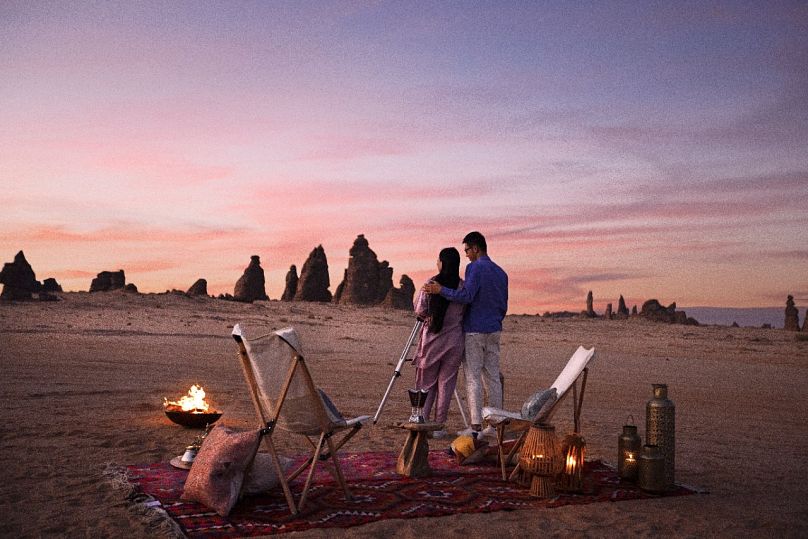
In the historic city of AlUla, you have the opportunity to go on camel rides, camp out in the desert, and gaze at the stars across the expansive night sky.
To seek further adventures, trek through the Red Sands vicinity.
Riyadh
Or venture into the historic Najd region, where off-road adventures stand unmatched.
If you’re seeking an adrenaline-pumping experience amidst the desert landscape, visit the Edge of the World—a breathtaking 1,131-meter cliff located within the Tuwaik mountain range close to Riyadh. This spot offers climbers the opportunity to ascend dizzying elevations and enjoy some of the nation’s most stunning vistas.

oleh admin | Feb 13, 2025 | hiking, tourists, Travel, travel destinations, walking
Underfoot lies the weathered black stone of the Nakasendo pathway, covered in moss. For more than four centuries, travelers have walked this route, an idea that sends shivers down my spine—though maybe those chills come from the frigid air at freezing five degrees below zero.
Tall magnolias and dense bamboo groves block out the sun, leaving icy spots of snow blanketing the earth beneath them.
Atop the Japanese Alps, all I can hear are bird calls and water trickling through the stream next to the trail. However, when travelers initially traversed this historic pathway, it would have been much more chaotic.
The Nakasendo Road: An Ancient Path in Japan That Still Welcomes Travelers After 400 Years
The Nakasendo highway came into existence during the 17th century to promote commerce and transportation.
travel
Between Kyoto and the Shogun capital Edo – now Tokyo – for military leaders, samurais, and warlords.
Wandering processions of individuals and packhorses occasionally required several days to traverse a solitary village. The travelers on this path held significant status and considerable riches, prompting the emergence of teahouses, stores, and lodging options alongside their routes, which eventually developed into modest townships.
The entire Nakasendo Road remains intact, along with many of the post towns it connects, making for an impressive hiking trail through central Japan.
Japan
.
Much of the path follows contemporary roadways, yet the stretch passing through the Gifu prefecture offers an idyllic 2-3 day hike that transports you back to the rustic ambiance of feudal Japan.
Woodblock prints depicting the Nakasendo in Ena City
I start my trek in Ena city, visiting the Hiroshige Museum of Art to inspire my journey ahead.
This center focuses on 19th-century ukiyo-e woodblock prints, such as the collection ‘Sixty-nine Stations of the Nakasendo’. These works portray ordinary scenarios featuring people carrying heavy loads.
travellers
, pit stops at tea houses, visitors enjoying baths at an onsen, and bustling market towns.
Behind them stand soft mountains, gentle cherry blossoms, distant shrines, and hints of an almost clear ocean.
A particular scene from “Oi Juku,” a post station only a few hills distant from Ena, appears notably fitting as the indistinct figures of travelers cloaked in robes struggle through snow up to their ankles.
landscape
.
Teahouses and mountain sanctuaries dotting the Nakasendo route
The section with the greatest ambiance along the historic highway in the Gifu Prefecture lies just beyond the village of Ochiai, on the edge of Nakatsugawa city.
In Ochiai, you can explore a ‘honjin,’ which was formerly an official resting place and now operates as a museum showcasing the security measures once necessary at roadside lodgings. This site features a hidden escape window, a concealed passageway used by ninjas who protected traveling nobles, along with translucent panels designed to prevent attackers from hiding.
The town features an distinctive S-curved turn in the roadway, typical of post towns, which aided travelers evading attacks by allowing them to lose pursuers more easily.
Leaving Ochiai, you start the steep climb up to Jikkoku Pass. Along the way, you have the option to visit Io-ji Temple, which is devoted to aiding travelers’ recoveries and houses deities associated with healing in alcoves.
Just past this point lies the sole stretch of the 400-year-old cobblestone path that has been maintained—and even augmented—enabling you to stroll for about half an hour much like travelers from the Edo period did.
The section concludes at the two-story Shin Chaya inn, offering you the chance to enjoy tea, homemade plum wine, or secure a futon for the evening.
Step back into the past in two Edo-era post stations
The path extends towards the postal town of Magome, with the snow-covered Kiso Mountains serving as a dramatic background.
As tour buses arrive and depart, it maintains the bustling atmosphere of a longstanding destination.
journey
At pit stops, expansive eateries offering views of the mountains alongside road-side vendors provide quick bite options such as glutinous rice balls drenched in savory sesame sauce and zesty miso served with spoons, complemented by thermos flasks filled with piping hot green tea.
Magome features a partially restored 17th-century main street with small, dark wooden buildings, sake distilleries, and stores offering items such as straw hats and yukata robes for tourists.
More historically significant is the Manpuku-an Eishoji Buddhist temple.
temple
Just uphill stands a large bell ready to be rung with a bamboo pole, alongside an inner sanctuary adorned with shimmering silver curtains and ornate golden lanterns.
The portion of the Nakasendo Road in Gifu Prefecture concludes at Magome, yet just across the border in the Nagano Prefecture lies the well-preserved village of Tsumago.
Automobiles are banned from the principal thoroughfare lined with closed-up homes featuring classic lattice screens, while telephone wires and electrical cables have been rerouted out of sight.
Experience staying at a traditional ryokan as Edo-period travelers did.
To enhance your historical walking adventure, avoid modern lodging options and choose to stay at a ‘ryokan’ instead. These traditional guesthouses offer an affordable yet culturally enriching experience.
experiential offerings
.
In Ena City, Ryokan Ichikawa has served as an inn for four centuries; however, the present building was constructed in the 1950s. Despite this, it maintains the traditional ambiance of welcoming visitors. Upon entering, guests remove their shoes in the lobby and are provided with plastic slippers.
The rooms come equipped with tatami flooring, soft futon mattresses paired with soothing rice husk pillows, traditional sliding paper partitions, and low tables. Typically, ryokans do not offer en-suite facilities; instead, they usually have shared restrooms and a common bath area for guests to use.
Dinners are where these
traditional inns
In a large room where heaters are operating at full blast, I’m served a seven-course meal by the 15th and 16th generation of innkeepers — a mother-daughter duo dressed in silk kimonos with their hair neatly arranged.
The sequence of dishes starts with a selection of small bowls filled with bits of black mushrooms braised in soy sauce, crispy shrimp encased in kadaif dough, and deep-fried millet gluten crowned with miso.
Next comes succulent raw blue prawns, amberjack, and konjac, all delicately fresh. For the second course, you get marbled Hida beef served sizzling on personal grills along with pools of melting butter and slices of vegetables. This is followed by steamed shrimp dumplings in broth, pickles, and rice, concluding with a pumpkin pudding for dessert.
After that
feast
, I swiftly fall asleep beneath the fluffy duvet, although not before ensuring there are no hidden threats behind the curtains.
oleh admin | Feb 8, 2025 | cities and towns, tourist attractions, tourists, travel destinations, vietnam
Explore Ho Chi Minh City, where historical sites, bustling markets, architectural wonders, and contemporary attractions blend together to provide an energetic and memorable journey.
1. War Remnants Museum
The War Remnants Museum provides a poignant look at Vietnam’s tumultuous past during the Vietnam War era. Exhibits include photos, memorabilia, and military hardware that illustrate how the conflict affected both Vietnam and its population.

|
|
A Belgian visitor examining an airplane at the War Remnants Museum in Ho Chi Minh City. Image courtesy of VnExpress/Quynh Tran.
|
The collection consists of 20,000 items such as weaponry, personal effects belonging to soldiers, propaganda materials, and correspondence sent home by combatants during the conflict. Among these are photos and documentary pieces that graphically illustrate the brutal acts carried out by American forces, encompassing mass killings, deployment of chemicals like Agent Orange, and severe harm inflicted upon non-combatant populations. A considerable number of Vietnamese people still grapple with long-term consequences stemming from those occurrences, which manifest as medical problems, hereditary conditions, mental distress, and economic hurdles faced when trying to reconstruct society post-war. In 2022, the Canadian travel site
The Travel
Included the War Remnants Museum in the list of 10 “top historical museums” in Asia.
The War Remnants Museum remains one of the top draws for tourists not only in Ho Chi Minh City but also throughout Vietnam, attracting approximately one million visitors each year.
The museum operates every day from 7:30 a.m. to 6:00 p.m., with an entry fee of VND40,000 (approximately US$1.60). Its location is at 28 Vo Van Tan Street in District 3.
2. The Basilica of Our Lady of Saigon Cathedral
|
|
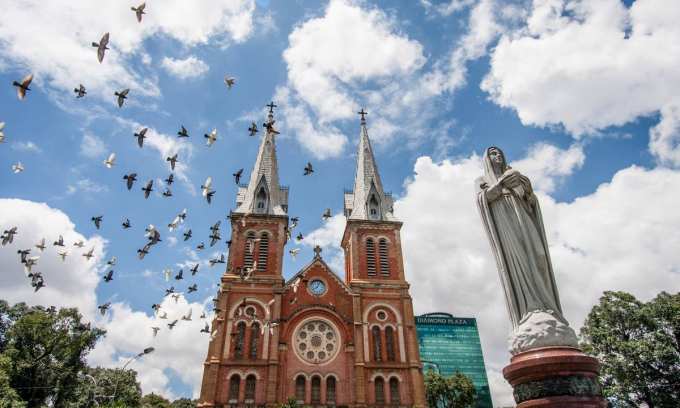
Pigeons soar above the Notre-Dame Cathedral Basilica in District 1 of Ho Chi Minh City. The photo was taken by VnExpress/Thanh Nguyen.
|
Situated in the center of the city at Cong Xa Paris Square in District 1, this cathedral from the French colonial era was constructed between 1863 and 1880. Featuring a neo-Romanesque style, stunning stained glass windows, and two prominent bell towers reaching 58 meters high, it stands as a remarkable testament to Ho Chi Minh City’s colonial past.
The crimson bricks of the cathedral, sourced from Marseille, lend it a cozy and enduring look, whereas inside, you’ll find elaborate engravings and an atmosphere of peace. This site functions as a sanctuary for worshipers and photographers alike, providing guests with insight into the town’s historical and religious legacy.
Admission is complimentary, and the church operates every day. Since 2017, it has been subject to renovations, with completion now anticipated around 2027 because of setbacks linked to importing specific supplies. Even during this period of building, guests may visit inside; however, several sections remain off-limits for security purposes.
3. Ben Thanh Market
|
|
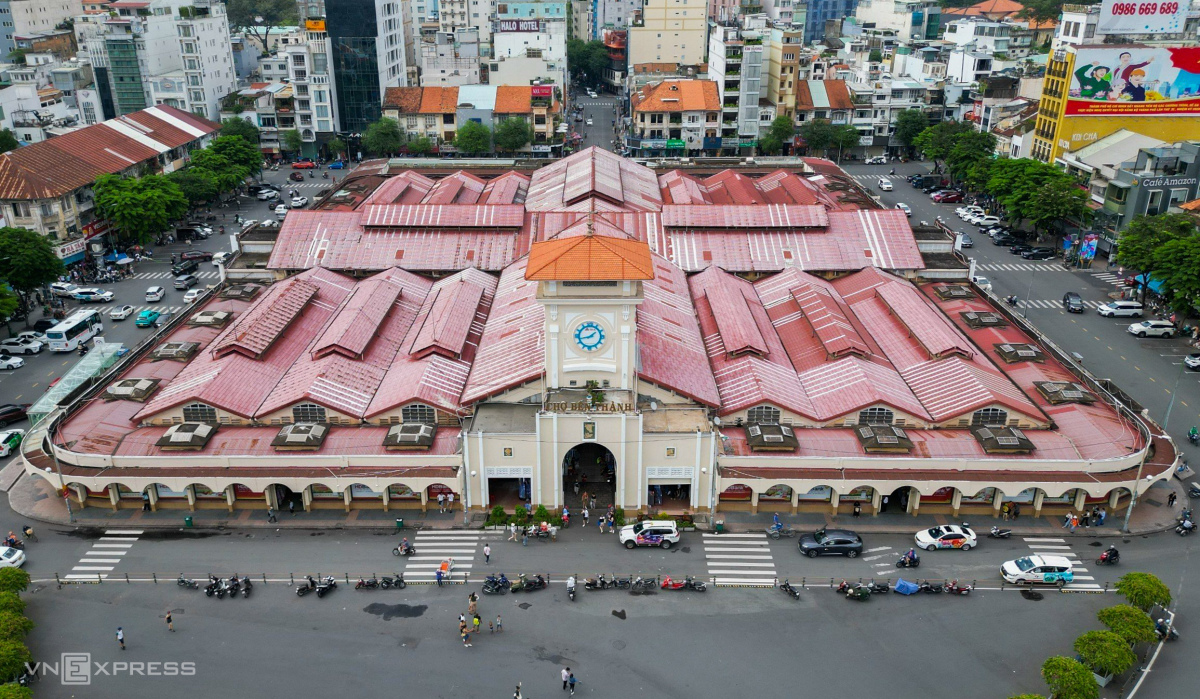
The perspective of Ben Thanh Market seen from above. Photo by VnExpress/Quynh Tran
|
Located in District 1, Ben Thanh Market serves as a lively center of activity and is among the city’s earliest and most recognizable landmarks. Founded during the early 1900s, this dynamic marketplace embodies the essence of local culture where both residents and visitors can fully engage with their surroundings.
This spot is ideal for purchasing local crafts, fabrics, keepsakes, and an array of fresh goods. Additionally, the marketplace serves as a food lover’s paradise, providing classic Vietnamese cuisine such as pho and crispy pancakes.
banh xeo
, accompanied by crisp spring rolls along with invigorating beverages such as sugarcane juice and Vietnamese iced coffee. Adjacent to the market lies a recently constructed plaza where guests can unwind comfortably, whereas the close-by subway station ensures easy navigation for tourists.
The space in front of Ben Thanh Market is currently undergoing preparations for an upcoming renovation scheduled to begin prior to April 2025.
Ben Thanh Market operates every day from 6:00 a.m. to 6:00 p.m., and features an evening market that extends until 10:00 p.m., providing a distinct ambiance with food carts and outside booths populating the surrounding streets.
It should be noted that Ben Thanh Market is known for charging higher prices to international visitors.
Japanese tourist was charged
VND700,000 ($30) for three pairs of socks in 2023. The vendor was temporarily banned from operating by the market authorities for one week. Keep this in mind during your visit.
4. Reunification Palace

|
|
Tourists basking in the sunshine at the Reunification Palace in Ho Chi Minh City. Image courtesy of Vnexpress/Thanh Nguyen.
|
Commonly referred to as Independence Palace, this significant location at 135 Nam Ky Khoi Nghia Street, District 1, stands as a emblematic monument of Vietnam’s past and the conclusion of the Vietnam War. Constructed during the 1960s, it functioned both as the home and office for the President of South Vietnam.
The palace gained prominence on April 30, 1975, when a North Vietnamese tank burst through its entrance, symbolizing the collapse of U.S.-supported Saigon and the unification of Vietnam. Nowadays, it functions as a museum, providing guests with an insight into its lavish interior spaces, hidden underground chambers, and strategic control centers that were crucial during the conflict. As such, it serves as a potent testament to Vietnam’s endurance and change over time.
Guests have the opportunity to tour the intact chambers, encompassing the head of state’s workspace, the meeting area for cabinet members, and the dining space where formal gatherings took place. These areas served crucial functions like hosting key discussions, making critical decisions, and conducting diplomatic events. Additionally, the subterranean shelters, formerly operational hubs during the Vietnam War era, provide insight into strategic planning from beneath the surface. Various displays feature items related to warfare, archival images documenting past times, along with transportation vehicles—such as armored fighting vehicles and rotary aircraft—that were pivotal during those confrontations.
The palace is accessible every day from 8:00 a.m. to 5:00 p.m. The ticket price is VND65,000 ($2.60).
5. Cu Chi Tunnels

|
|
International visitors observe a tour guide demonstrating how to navigate the entrances of the Cu Chi Tunnels in Ho Chi Minh City. The image was shared by jwrach007 on Instagram.
|
Located approximately 70 kilometers (43 miles) away from central Ho Chi Minh City, the Cu Chi Tunnels form an intricate subterranean system with significant historical importance dating back to the Vietnam War era. Originally constructed and utilized by Vietnamese combatants starting in the late 1940s during the First Indochina War, this vast tunnel complex functioned both as protective hideouts and operational hubs for logistical support, daily life activities, and tactical military engagements in asymmetric warfare.
Tourists can traverse parts of the tunnels, which were expanded from their initial narrow dimensions to recreate the difficult circumstances endured by the soldiers. The site features historical relics from wartime, simulated booby traps, and engaging displays highlighting the tactics and fortitude of the Vietnamese fighters. This location serves as an educational destination for individuals interested in gaining more insight into Vietnam’s past.
Tours can be booked every day, with costs differing based on the operator, beginning around VND110,000 ($4.40) for admission.
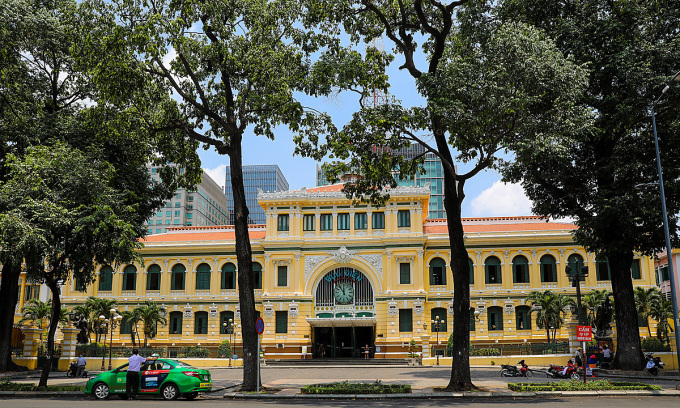
6. Ho Chi Minh City Central Post Office
|
|
The entrance to the Saigon Central Post Office. Image courtesy of VnExpress/Quynh Tran
|
The magnificent Central Post Office located at 2 Cong Xa Paris, District 1, was designed by Gustave Eiffel and constructed in 1891. It stands as an exemplary piece of French colonial architecture, featuring intricate iron decorations alongside arched windows that blend elements from Gothic, Renaissance, and French styles. This iconic building is conveniently situated adjacent to one of the city’s most frequented attractions.
Street Nguyen Van Binh book
.
The structure still operates as an active post office and attracts many tourists who come to admire its well-maintained interior. Upon entering, one can observe a grand arched ceiling held up by elaborate ironwork alongside old-fashioned phone stalls, enhancing its timeless allure.
The postal facility operates every day between 8:00 a.m. and 5:00 p.m., with no admission fee.
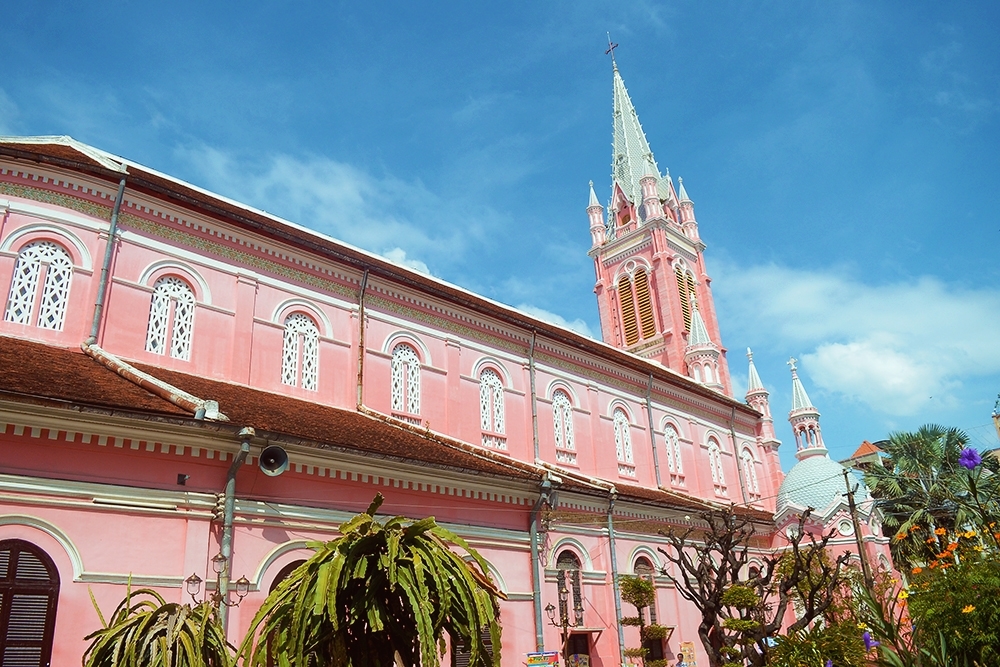
7. Tan Dinh Church
|
|
A side view of Tan Dinh Church in Ho Chi Minh City. The photo was taken by VnExpress/Phong Vinh.
|
Renowned for its distinctive pastel exterior, Tan Dinh Church—also referred to as The Pink Church—at 289 Hai Ba Trung Street in District 3, is an additional example of architectural beauty from the French colonial period. Constructed in 1876, this church ranks among the earliest places of worship in Ho Chi Minh City and distinguishes itself with a blend of Romanesque, Gothic, and Baroque elements.
The elaborate facade of the church, adorned with white accents and detailed ornamentation, creates a striking contrast against its vibrant pink color, rendering it a popular location for photoshoots. Within, guests can marvel at the lofty arched ceilings, elegant altars, and colored glass windows, enhancing both its allure and historic importance. Tan Dinh Church serves as more than just a religious site; it stands as a cultural monument emblematic of the area’s deep-rooted traditions.
The church operates every day.
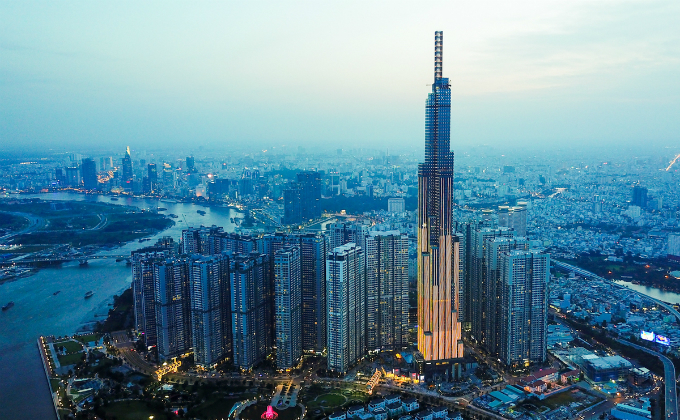
8. Landmark 81
|
|
Night view of Landmark 81 in Ho Chi Minh City. Image courtesy of VnExpress/Quynh Tran
|
Standing tall as Vietnam’s highest building, Landmark 81 in Binh Thanh District represents contemporary elegance and opulence, reaching an astounding height of 461.2 meters (1,513 feet).
The viewing area on the higher levels offers unobstructed 360-degree vistas of Ho Chi Minh City, particularly breathtaking at dusk and after dark.
Within the structure, you’ll find upscale stores, fine dining eateries, a luxurious hotel, and cutting-edge recreational amenities such as an ice skating rink and a movie theater.
The viewing platform is accessible every day from 9:00 a.m. to 9:00 p.m., with entry fees beginning at VND300,000 ($12). Additionally, the shopping center, eateries, and various amenities within the structure operate during different timeslots; typically, most retail outlets and food establishments are available from 10:00 a.m. until 10:00 p.m.
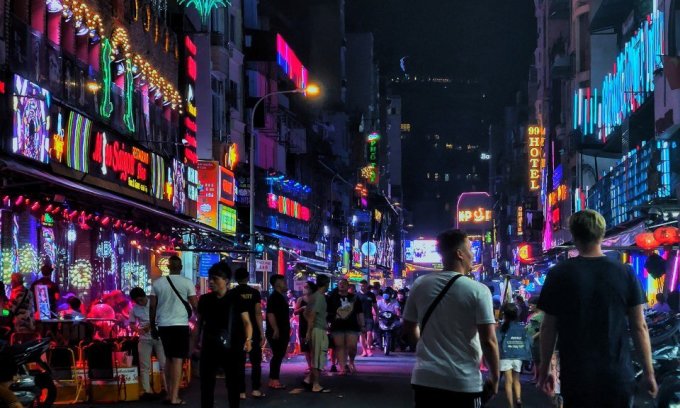
9. Bui Vien Pedestrian Street
|
|
The Bui Vien pedestrian street in Ho Chi Minh City at nighttime. Photo: VnExpress/Bich Phuong
|
Bui Vien Walking Street in District 1 serves as the pulsating core of Ho Chi Minh City’s nocturnal scene, attracting both residents and visitors alike. As dusk falls, this lively footpath transforms into a hubbub of activity featuring numerous bars, clubs, and live musical acts, generating a charged and spirited ambiance.
This location is renowned for its array of street food stalls that serve an extensive selection of tasty regional bites like banh mi, pho, broken rice com tam, and crispy spring rolls—ideal for quelling midnight hunger pangs. If you seek dancing, refreshing beverages, or just want to immerse yourself in the vibrant ambiance, Bui Vien Walking Street stands out as the prime spot for entertainment, cuisine, and thrills within Ho Chi Minh City.
As one might expect, the street becomes particularly vibrant during the evening hours.
10. Chinatown (Cho Lon)
|
|
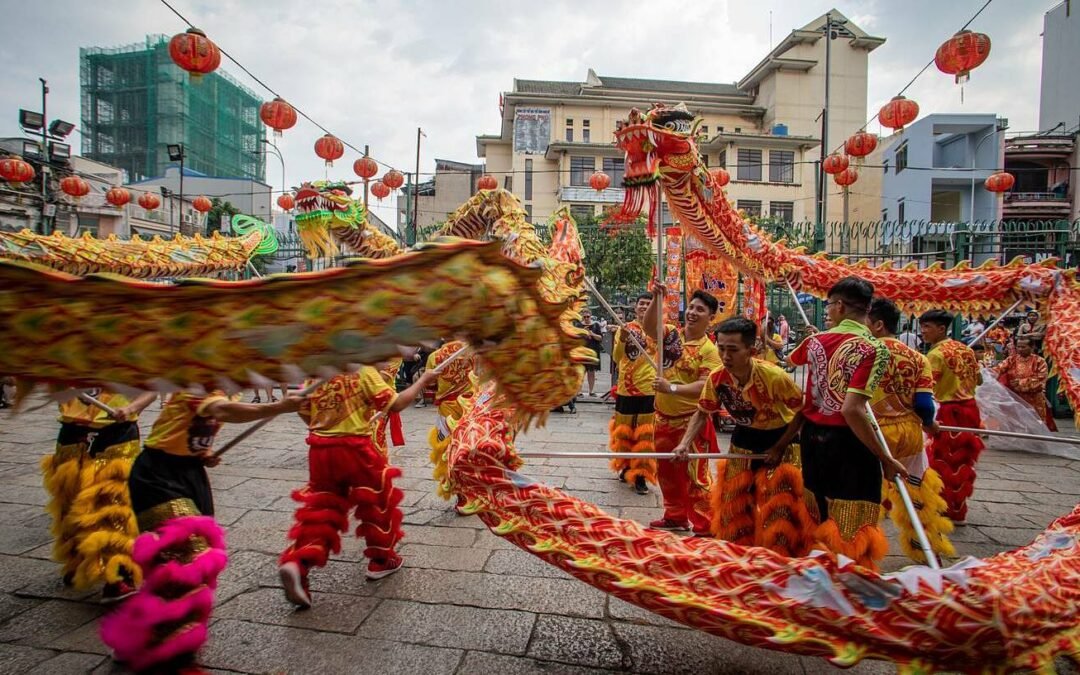
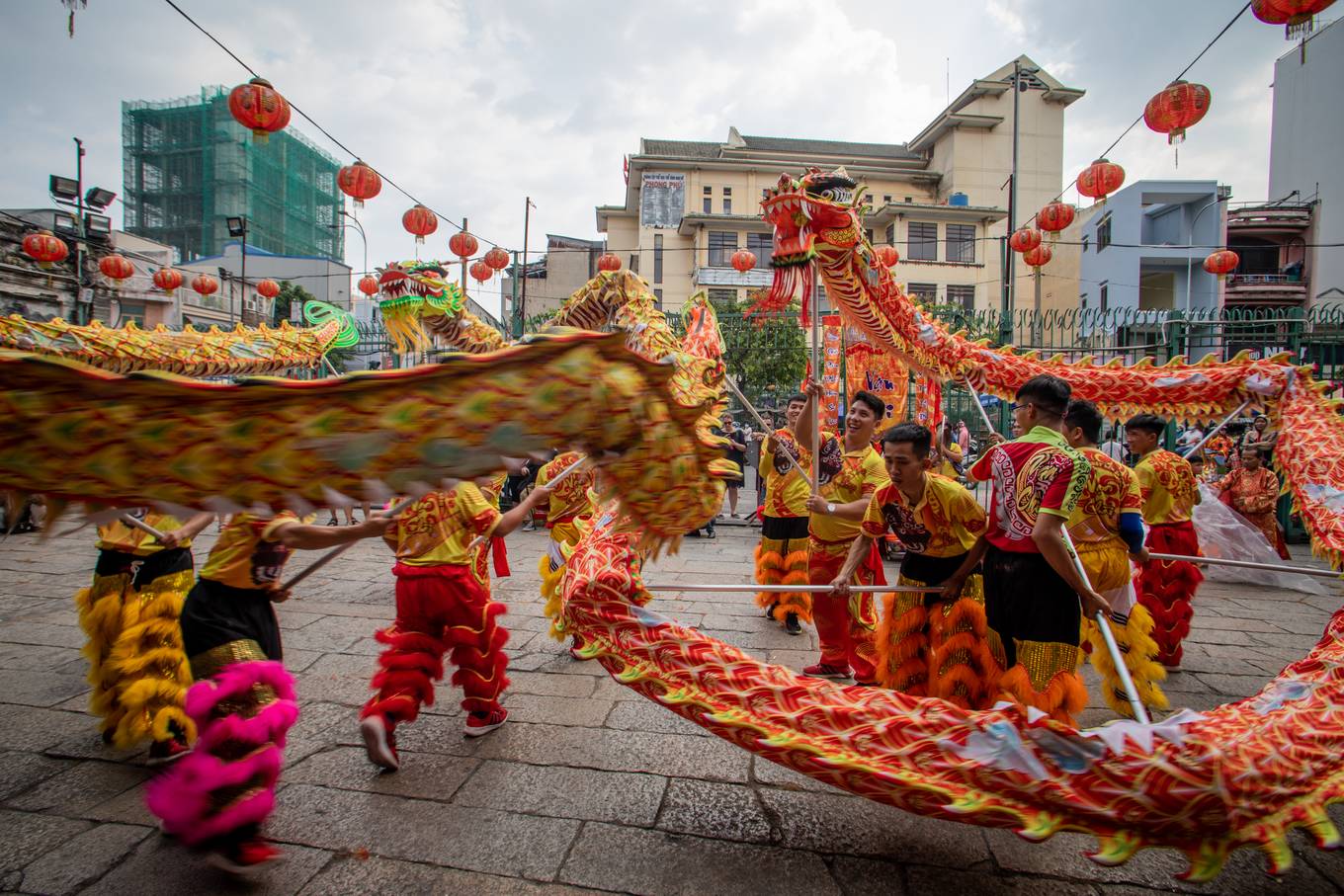
Chinatown of Saigon during the Tet holiday. Image captured by VnExpress/Thanh Nguyen.
|
Situated in District 5, Chinatown—also known as Cho Lon—is a lively neighborhood brimming with Chinese-Vietnamese heritage and history. This dynamic area features an array of traditional Chinese buildings alongside local markets and genuine restaurants serving up Chinese cuisine, which makes it essential for visitors wanting to immerse themselves in this cultural amalgamation.
Tourists have the opportunity to visit historical sites such as the Thien Hau Temple, which honors the Chinese deity of the seas, and Binh Tay Market, a bustling bazaar offering an array of goods including spices, traditional medicines, fabrics, and keepsakes.
The winding lanes are flanked by stores peddling authentic Chinese merchandise, and the scent of street cuisine permeates the atmosphere, providing a genuine sampling of regional tastes and traditions.
Access to the majority of these sites is complimentary; however, certain temples might impose a nominal entry charge.
11. Thao Dien
|
|
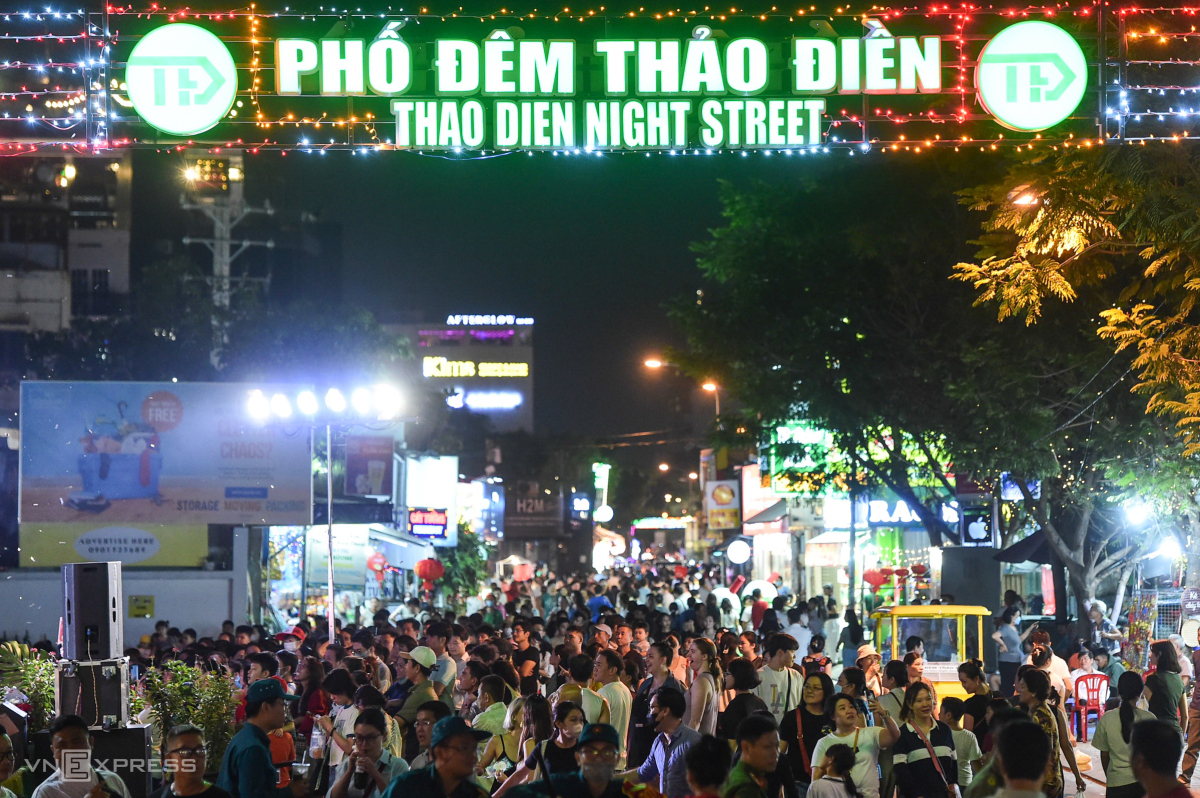
Thao Dien Night Street in Ho Chi Minh City. Image courtesy of VnExpress/Phong Anh
|
Located in District 2, Thao Dien stands out as an elegant and fashionable district recognized for its global atmosphere and varied international population. Ideal for individuals who value tranquility and sophistication, this locale offers numerous cafés, chic boutiques, and cutting-edge art galleries perfect for casual discovery.
Thao Dien features waterfront dining spots where guests can savor tasty dishes while admiring breathtaking vistas of the Saigon River. This area is ideal for families due to its abundance of parks, play areas, and leisure zones, rendering it an excellent choice for residents and travelers seeking a serene yet lively environment distant from the urban chaos.
The British magazine Time Out placed Thao Dien at number 16 on their list.
world’s 38 coolest neighborhoods
in October 2024.

oleh admin | Jul 16, 2024 | europe, international travel, tourists, travel destinations, world
ITALY, GREECE, THE UNITED STATES… WHICH ARE THE TOP TRAVEL DESTINATIONS GLOBALLY?
As reported by the World Tourism Organization (UNWTO), global destinations recorded approximately 1.3 billion international tourist arrivals in 2023. Tourists seeking new landscapes visited all five continents, ranging from France to Mexico to Turkey.
France, the topmost toured nation globally
France has been at the top of the list for the most visited countries globally for over three decades. It offers attractions suited to all kinds of travelers.
breathtaking natural sites
, cities offering culture and cuisine to suit every palate, along with charming historic villages.
Even though Paris continues to be the premier tourist destination in France, international travelers have a particular preference for mid-size coastal towns or mountain retreats. Among the most favored locations in France are Chamonix, which transforms into an energetic hub both during ski season and throughout warmer months; Aix-en-Provence, the historic Provencal town known for its charming ambiance; and Strasbourg, the capital of the Grand Est region, celebrated for its magnificent Christmas markets.
among the most captivating in Europe
.
With the
Olympic Games
And for the 80th anniversary of the D-Day landings in France, the country is expected to host more than 100 million visitors in 2024.
The 10 most toured nations globally in 2022
-
France – 87 million tourists
-
Spain – 82 million tourists
-
United States – 77 million tourists
-
China — 61 million tourists
-
Italy – 58 million tourists
-
Mexico — 39 million tourists
-
United Kingdom – Received 38 million tourists
-
Turkey — 38 million tourists
-
Germany – 38 million tourists
-
Thailand – 35 million tourists
Halaman 7 dari 8« Awal«...45678»