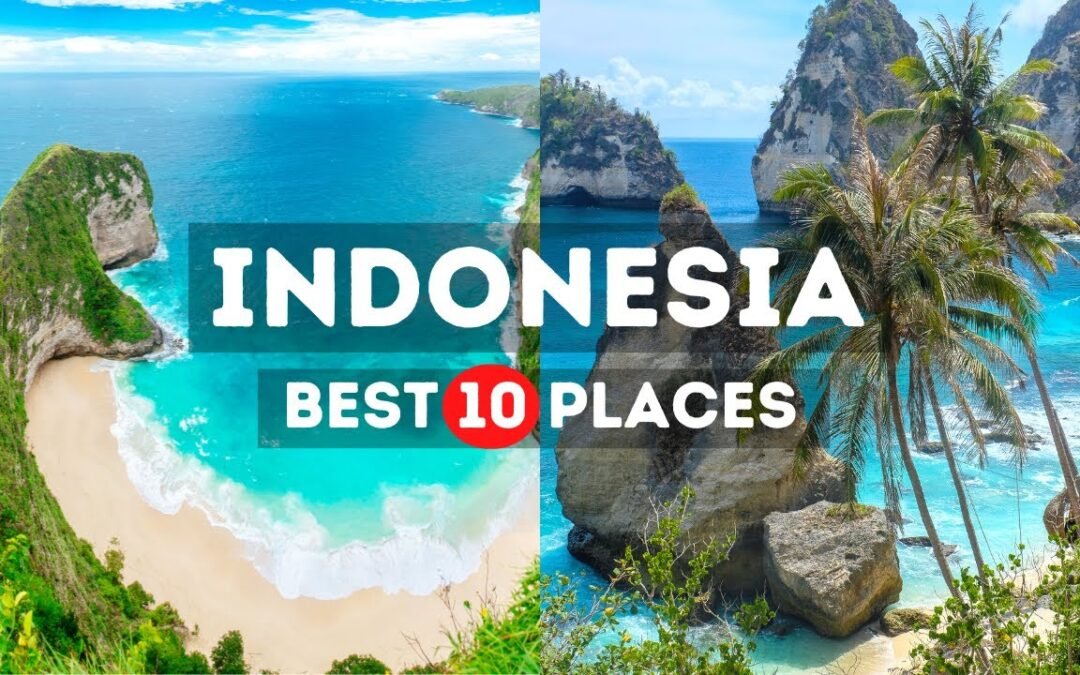





Indonesia dikenal memiliki banyak objek wisata yang eksotis dan mendunia. Keindahan alam dan keragaman budaya Indonesia banyak memikat turis mancanegara, baik untuk sekadar singgah maupun mempelajari secara mendalam. Perusahaan biro perjalanan daring (online) asal...
Exploring Yogyakarta: A Traveler’s Guide to Culinary Delights, Shopping, and Cultural Experiences

Discovering Yogyakarta: A Cultural Hub of Indonesia
Yogyakarta, often referred to as Jogja, stands as a testament to the rich cultural tapestry of Indonesia, particularly highlighting Javanese traditions. Renowned for its historical significance, the city serves as a cultural epicenter, markedly influencing the arts, education, and governance of Indonesia. Visitors to Yogyakarta will find themselves immersed in a myriad of cultural experiences that are both enlightening and transformative.
One cannot discuss Yogyakarta’s cultural prominence without mentioning the Sultan’s Palace, locally known as Kraton. This majestic structure functions not only as the residence of the Sultan of Yogyakarta but also as a living museum that chronicles the region’s royal heritage. The Kraton is a focal point for visitors eager to explore traditional Javanese culture, featuring elaborate architecture and exquisite artworks, which collectively narrate centuries of history.
Alongside Kraton lies Taman Sari Water Castle, a historical site that signifies the artistic and architectural ingenuity of the Javanese people. Originally built as a royal garden and bathing complex, it invites travelers to wander through its remnants while contemplating its past utilitarian and spiritual roles in the royal court. As visitors explore these historic sites, they can appreciate the intricate designs and functionality that characterized traditional Javanese architecture.
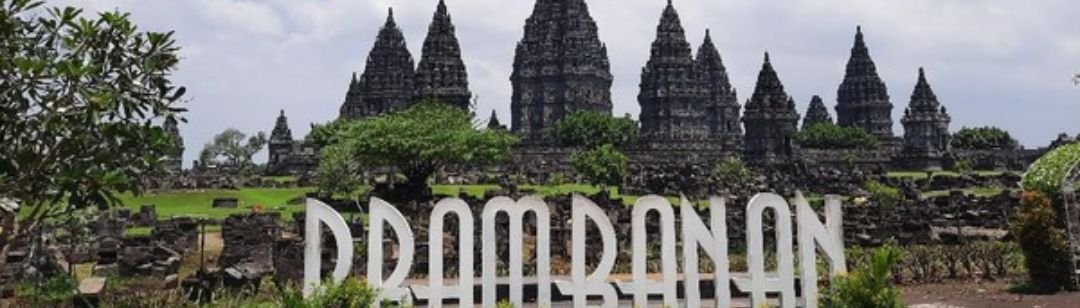
Furthermore, no exploration of Yogyakarta’s cultural scene would be complete without mentioning the ancient temples of Borobudur and Prambanan. Borobudur, a UNESCO World Heritage site, is the world’s largest Buddhist temple and a symbol of serenity, characterized by its stupas and relief panels. Conversely, Prambanan stands as the epitome of Hindu architecture in Indonesia, showcasing elaborate carvings dedicated to deities, with its majestic spires commanding the skyline. Together, these temples serve as vital points of interest that reflect the diverse cultural influences that have shaped Yogyakarta over the centuries.
The vibrant arts scene in Yogyakarta further enhances its cultural identity. Traditional Javanese dance and music play pivotal roles in community life, with various performances available for tourists. The craft of batik-making, recognized by UNESCO, continues to flourish in the city, allowing visitors to witness the intricate process of this iconic textile art. The fusion of tradition and modernity in Yogyakarta manifests through these artistic expressions, revealing the city’s continuous evolution while preserving its roots.
Culinary Adventures: Must-Try Foods in Yogyakarta
The culinary landscape of Yogyakarta is rich and diverse, reflecting its cultural heritage and local ingredients. A visit to this vibrant city is incomplete without indulging in its traditional dishes that have gained recognition both locally and globally. One of the most iconic dishes you must try is Gudeg, a hearty jackfruit stew that is slightly sweet and typically served with rice, boiled eggs, and tempeh. This dish is often enjoyed for breakfast and is best sampled at established eateries like Gudeg Yu Djum, renowned for its authentic flavors.
Another culinary delight to savor in Yogyakarta is Sate Klathak, which consists of tender skewers of grilled meat, often seasoned with a unique blend of spices. Unlike typical Indonesian satay, Sate Klathak is prepared with mutton and grilled over charcoal, giving it a distinctive smoky flavor. The combination of spices and the method of preparation makes it a favorite among locals and visitors alike. For an authentic experience, visit the stalls in the area around Tlingo, where vendors specialize in this savory dish.
Additionally, Nasi Kucing, or “cat rice,” is a popular street food option that offers a compact portion of rice served with various side dishes, such as fried chicken, chili paste, and tempeh. This meal is perfect for those looking to sample a variety of flavors in one sitting. Numerous food stalls across the city serve Nasi Kucing, making it widely accessible for adventurous eaters.
No culinary exploration in Yogyakarta is complete without trying the local beverages. Wedang jahe, a traditional ginger tea known for its warming properties and strong flavor, is often enjoyed after meals. On hot days, es dawet, a refreshing drink made from coconut milk and rice flour jelly, provides a delectable respite. Street vendors and local cafes serve these beverages, making them easy to find throughout the city. With a plethora of options available, Yogyakarta promises a memorable culinary journey for all its visitors.
Shopping in Yogyakarta: Crafts, Souvenirs and Local Markets
Yogyakarta, known for its rich cultural heritage, offers an impressive shopping scene that attracts travelers looking for unique souvenirs and traditional crafts. A visit to this vibrant city would be incomplete without exploring its diverse markets and artisan shops. Among the most notable shopping destinations is Malioboro Street, often regarded as the heart of Yogyakarta’s shopping culture. This bustling street is lined with vendors selling everything from batik fabrics to handmade crafts. Visitors can find beautiful textiles, clothing, and local snacks that reflect the city’s artistry.
Another essential stop is Beringharjo Market, a traditional market that showcases various local products. Here, shoppers can stroll through narrow aisles filled with colorful stalls offering food, clothing, and souvenirs, all while experiencing Yogyakarta’s lively atmosphere. Beringharjo Market is particularly famous for its batik—a traditional Indonesian fabric that features intricate patterns and vibrant colors. Travelers can purchase batik shirts, dresses, and sarongs, making for ideal keepsakes of their journey.
When shopping in Yogyakarta, it is important to celebrate the work of local artisans. Many small shops can be found that specialize in silver jewelry, pottery, and other handcrafted items. These shops not only provide visitors with authentic treasures but also support local craftsmanship. It is advisable to engage with the artisans, ask about their work process, and show appreciation for their skills, adding an enriching dimension to the shopping experience.
Bargaining is a common practice in Yogyakarta’s markets. Shoppers should approach negotiations with respect and a friendly attitude, as this is part of the culture. It is important to establish a fair price while enjoying the interactions with local sellers. Whether seeking batik, silver jewelry, or unique handmade crafts, Yogyakarta’s shopping scene guarantees a delightful experience filled with cultural connections and cherished memories.
Cultural Stories: Traditions and Festivals in Yogyakarta
Yogyakarta, often revered as the heart of Javanese culture, hosts a myriad of rich traditions and colorful festivals that reveal the region’s unique identity. One of the most significant celebrations is the Sekaten Festival, commemorating the birth of the Prophet Muhammad. This vibrant festivity features a grand ceremony wherein the royal gamelan orchestra plays traditional music, accompanied by processions adorned with ornate decorations. Sekaten typically occurs during the month of Safar in the Javanese calendar, and its lively atmosphere draws both locals and tourists, keen to experience Yogyakarta’s deep-rooted customs.
Another prominent event is the annual Grebeg Festival, which epitomizes the city’s cultural heritage. This festival, rooted in Islamic traditions, marks the end of the fasting month and emphasizes the importance of agriculture in the region. During this event, massive offerings of rice, fruits, and vegetables are paraded through the streets, showcasing the communal effort and gratitude towards nature’s bounty. Each Grebeg event varies in theme, reflecting the respect for local traditions, and serves as a platform for communal gatherings where families and friends participate together.
In addition to these festivals, Yogyakarta’s cultural landscape is enriched with various traditional practices, such as batik-making, shadow puppetry, and gamelan music. These rituals and ceremonies play an integral role in the lives of local residents, with each possessing significant spiritual and historical connotations tied to Javanese beliefs. The preservation and celebration of these cultural elements not only foster a sense of identity among the inhabitants but also provide visitors with an authentic glimpse into the traditions that define Yogyakarta. By partaking in these events, travelers can deepen their understanding of the vibrant and intricate tapestry that comprises this remarkable city.