


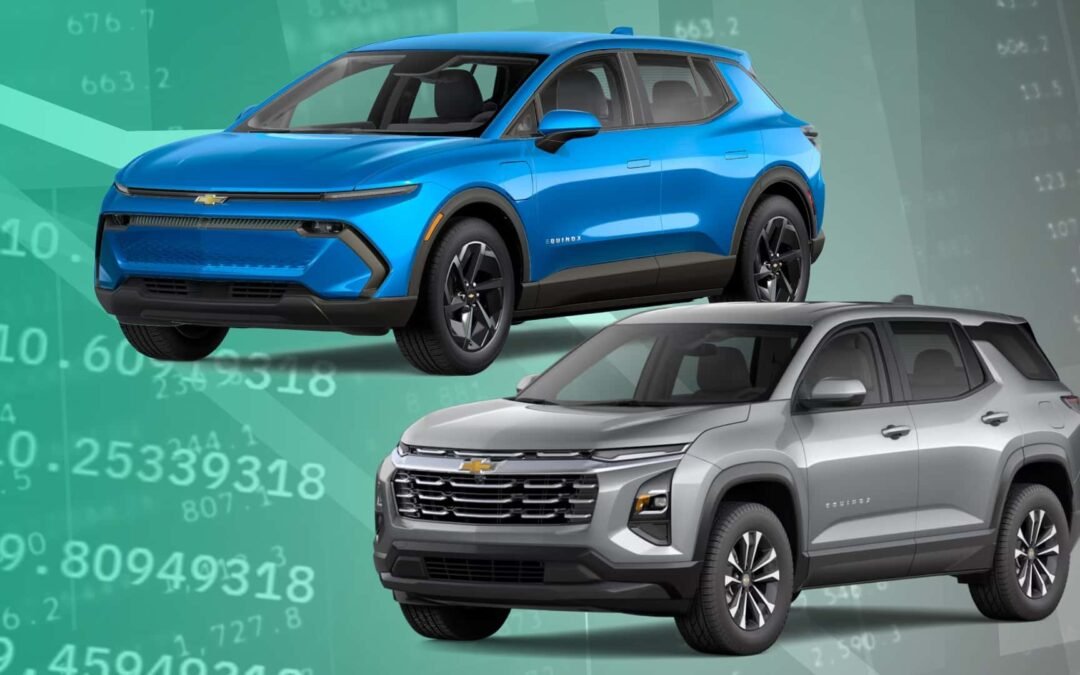
Electric vehicles can serve as the accessible and dependable means of transport we require. However, this is true only if we cease attempting to confine them within the frameworks designed for gasoline-powered cars.
There are numerous explanations for why China dominates the electric vehicle (EV) market. The Chinese government invested heavily in this sector, streamlined regulations, offered incentives to consumers, and made land more affordable. Local firms with little to no background in manufacturing internal combustion engine (ICE) vehicles viewed this shift as a chance rather than a burden, unlike many Western companies who see it differently. However, one crucial aspect remains less discussed than it should be.
A
A significantly higher percentage of Chinese individuals purchasing electric vehicles (EVs) are doing so for their first car.
Many people previously owned just one or two vehicles. This is crucial because in China, electric vehicles came without most of the burdens that still hampered their adoption elsewhere.
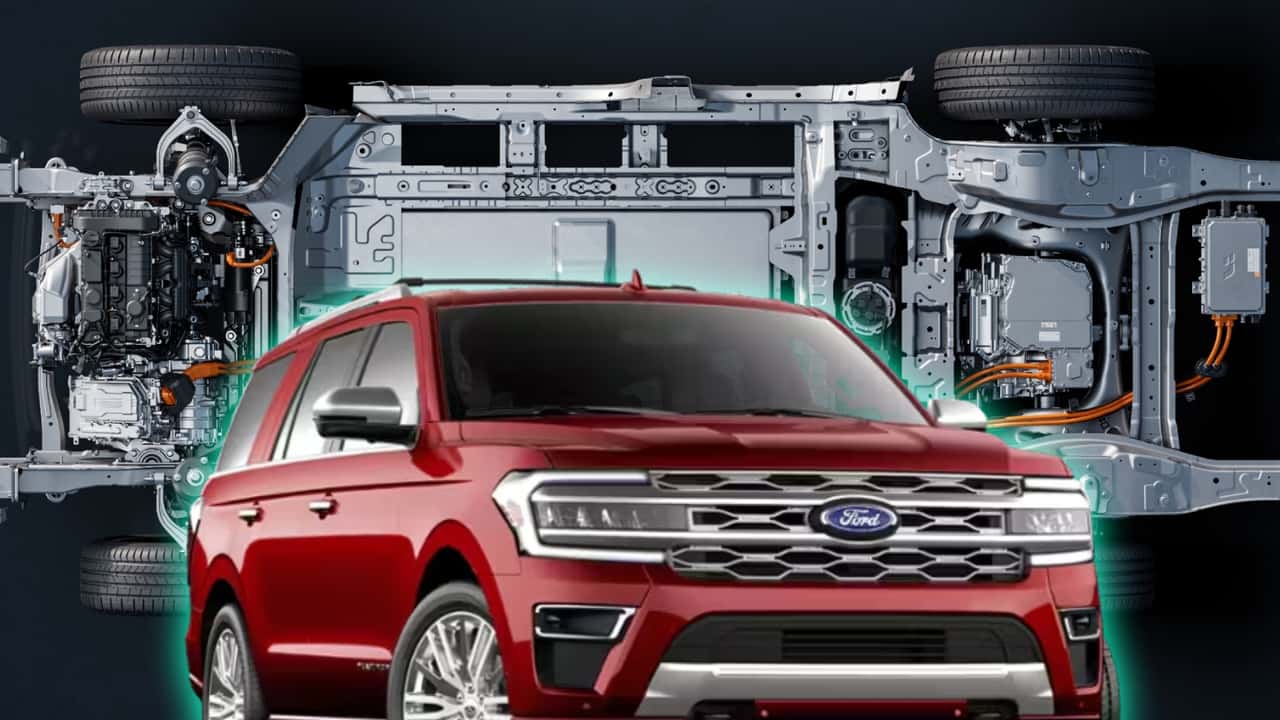
Ford’s CEO has recently stated that the economics behind large SUV electric vehicles are “unsolvable.” I concur with this viewpoint, hence I believe that extended-range electric vehicles and hybrid models will continue to be prevalent in these market segments for an extensive period.
In 2022, the typical purchaser of a new car in the United States was approximately 51 years old.
per Cox Automotive
Even typical buyers of used cars were around 49 years old, with both demographics having above-average incomes. This indicates they are affluent individuals who came of age in an era heavily influenced by automobiles. Growing up during times when internal combustion engines were predominant, these folks also recall a period when air travel was considerably more expensive and less common. Consequently, many retain memories from childhood involving family trips taken in gasoline-powered vehicles. Throughout adulthood, they have primarily bought gas-fueled cars and depended on them extensively for transportation needs.
Currently, they are being informed that electric vehicles will soon supersede their traditional counterparts. However, for large, bulky vehicles which most consumers are used to purchasing, embarking on lengthy trips necessitates paying a significant additional cost, utilizing an array of planning and charging applications, and enduring a more time-consuming and challenging driving process. These individuals are now advised to acquire from the same company that previously provided gasoline-powered models—a brand known for selling familiar vehicle designs—at higher prices and generally inferior performance levels compared to what they have been accustomed to.
worse reliability
.
So
of course
they’re pissed off.
I know I am.
When looking to substitute a $2,500 Chevy Tahoe for camping trips, I opted to lease a Chevy Blazer EV instead.
I enjoy cruising around town with it, but the eco-friendly tires restrict its ability to handle unpaved roads. The seats cannot be fully flattened, which prevents me from using it for camping naps like I do in my Tahoe.
During a 1,000-mile round trip to Utah, I spent hours trying to keep it charged.
.
I missed out on seeing an incredible view at Bryce Canyon due to range anxiety and having just one of the two required Tesla charging adapters. The adapter I possessed was not enough.
permitted me to utilize Superchargers
, but this meant occupying two parking spaces, making me appear rather rude. What really put things into perspective was that with electricity rates between $0.53 and $0.65 per kWh at numerous charging points, I ended up not saving anything compared to completing the journey in a gasoline-powered crossover.
The experience sucks.
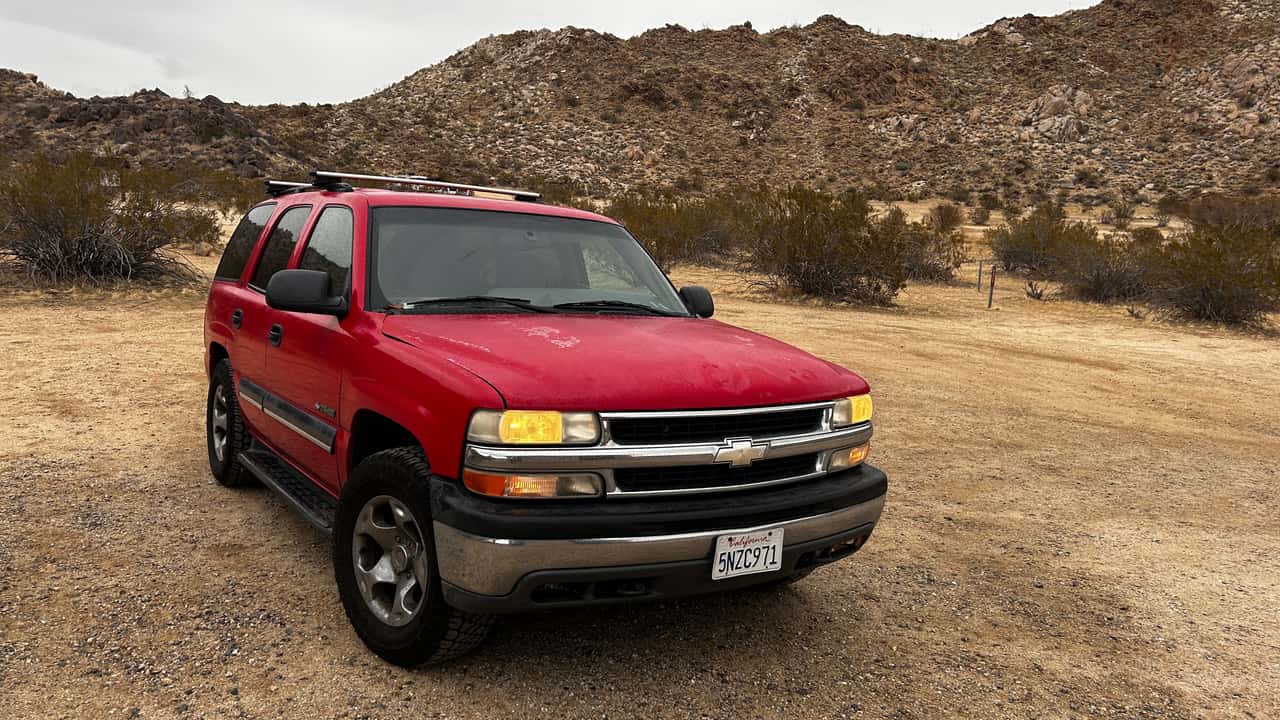
I haven’t come across a direct equivalent as an electric vehicle (EV) option for this, since honestly, it seems ridiculous for someone who is 27 years old without children to drive such a large SUV that could practically serve as a bed. There isn’t really a necessity for an EV version of something like this.
If you’re coming at this from the perspective of a gasoline-powered vehicle, I understand completely. You might be thinking about long road trips. Or perhaps driving through remote areas. Maybe even imagining summertime excursions to Hilton Head from Cleveland, which takes around 14 hours. You could also be envisioning fussy children at service stations and all the inconvenience of adapting to a method that your old gas-guzzler handled effortlessly for years.
However, an electric vehicle is not like a gasoline-powered car; they operate quite differently. This difference leads to distinct compromises, as extensively discussed: today’s models tend to be either overpriced or poor for long-distance travel.
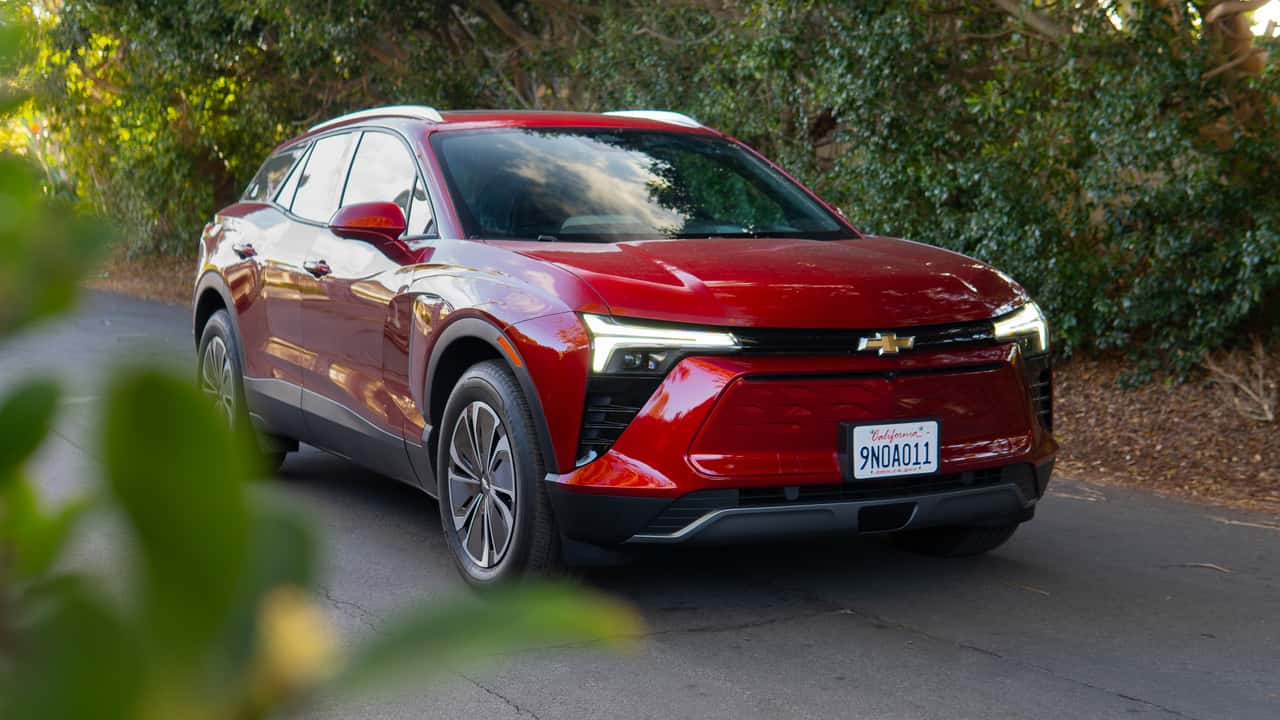
I enjoy driving my Blazer EV, yet I wouldn’t have forked over the $52,000 asking price. Instead, I acquired it for just $273 per month plus an upfront payment of $2,000, as both the dealership and GM absorbed some costs—a clear indication that high-priced electric vehicles may not be attracting buyers purely based on their merits.
These two issues are interconnected. Once electric vehicles are freed from the requirement for long-distance travel, all other concerns become less significant.
Drive the Blazer. The account provided here encompasses roughly three out of eight months since acquiring the vehicle. These instances represent some of the most extreme scenarios encountered during this period—a journey exceeding 1,000 miles through rural parts of America. This aligns with the quintessential idea of an adventurous cross-country adventure cherished by so many Americans. Nonetheless, such long-distance travel isn’t what we primarily use our car for. Having resided in California for approximately three years, this was merely the second occasion where I ventured over 500 miles from home. More common excursions like those to Joshua Tree National Park and Anza Borrego Desert State Park fall comfortably within the capabilities of the Blazer. Despite being routine activities, they still stand as exceptions rather than regular occurrences.
Even though most advertisements depict mountain routes and emphasize features like towing capability, performance, exploring uncharted territories, or mastering the open road out west, these scenarios likely account for only about ten percent of actual driving experiences. Most often, your vehicle simply gets you to work, school, visits with friends, or nearby cities. There isn’t much in the way of grand adventures; it merely transports you between locations routinely.

Listen, it would be awesome if this were our everyday reality. However, in trying to address extremely rare scenarios—such as people driving large luxury SUVs off-road—the Hummer EV became pricier, even more outlandish, and significantly heavier. Perhaps we could let hybrids and EREVs handle rock crawling instead.
In all these scenarios, an electric vehicle (EV) presents a much superior option. However, concentrating on the alternate scenario—long-distance travel—diminishes this benefit. Electric vehicles demand virtually no routine upkeep due to their enclosed motors and less complex drive systems. But once you adapt an EV for long drives, it needs to be heavier, leading to higher tire costs. The straightforward design of EVs also suggests they would be more economical to manufacture. Nonetheless, as expected, the substantial battery significantly bumps up the price, making it $15,000 dearer than its gasoline counterpart.
I understand, I understand. You
need
To embark on that road trip. Despite occurring annually, it is crucial, regardless of the reason. Believe me, I have no intention of seeking you out. Instead, my message emphasizes this: Allow gasoline to manage these tasks for now.
Offer extended-range EVs
, as well as hybrid and even pure gasoline-powered drivetrains for those who often embark on lengthy journeys. Gasoline trucks are remarkable vehicles, and it will be some time before any electric vehicle can match the Ford F-150’s capabilities at an equivalent cost. Let the internal combustion engines tackle the cross-country drives; they have proven their mettle over many years.
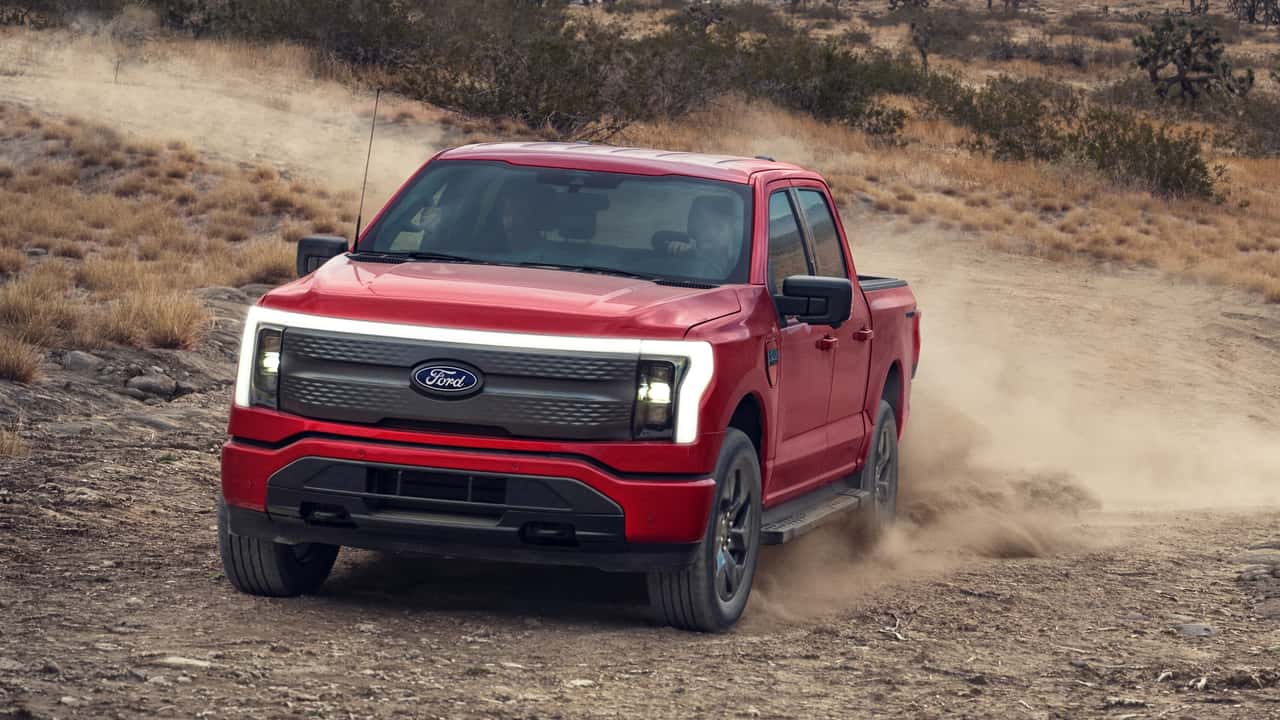
The Lightning is an excellent pickup truck, yet it remains a hard sell compared to a gasoline-powered F-150 that offers lower costs and superior towing capabilities regardless of location.
This will allow electric vehicle designers to concentrate on the genuine benefits of this shift. Car manufacturers are opting to produce range-extender EVs equipped with smaller battery packs and gasoline powertrains for extended mileage. Instead, they may provide a higher-end all-electric option, boasting several hundred miles of driving range.
Reverse the approach. Provide the same compact battery option for both choices. Equip the electric vehicle with a 150-mile range and emphasize long-distance travel as an additional feature. Consider offering rental services for range extenders or extra battery units. Service centers at dealerships will likely seek fresh avenues to remain active as electric vehicles rapidly surpass internal combustion engine reliability.
Provide affordable electric vehicles that still manage to be engaging. Although buyers might have dismissed models like the Nissan Leaf and Mini Cooper SE, did the planners contemplate that Americans generally avoid buying hatchbacks irrespective of their powertrain type? Instead, introduce an urban-friendly SUV equipped with ample interior space and sufficient driving range to transport your mountain bike into the wilderness. This model should come at a pre-credit cost of around $30,000. Given Chevrolet’s promise of offering a 319-mile-range Equinox EV for approximately $35,000, achieving even better value seems entirely feasible.
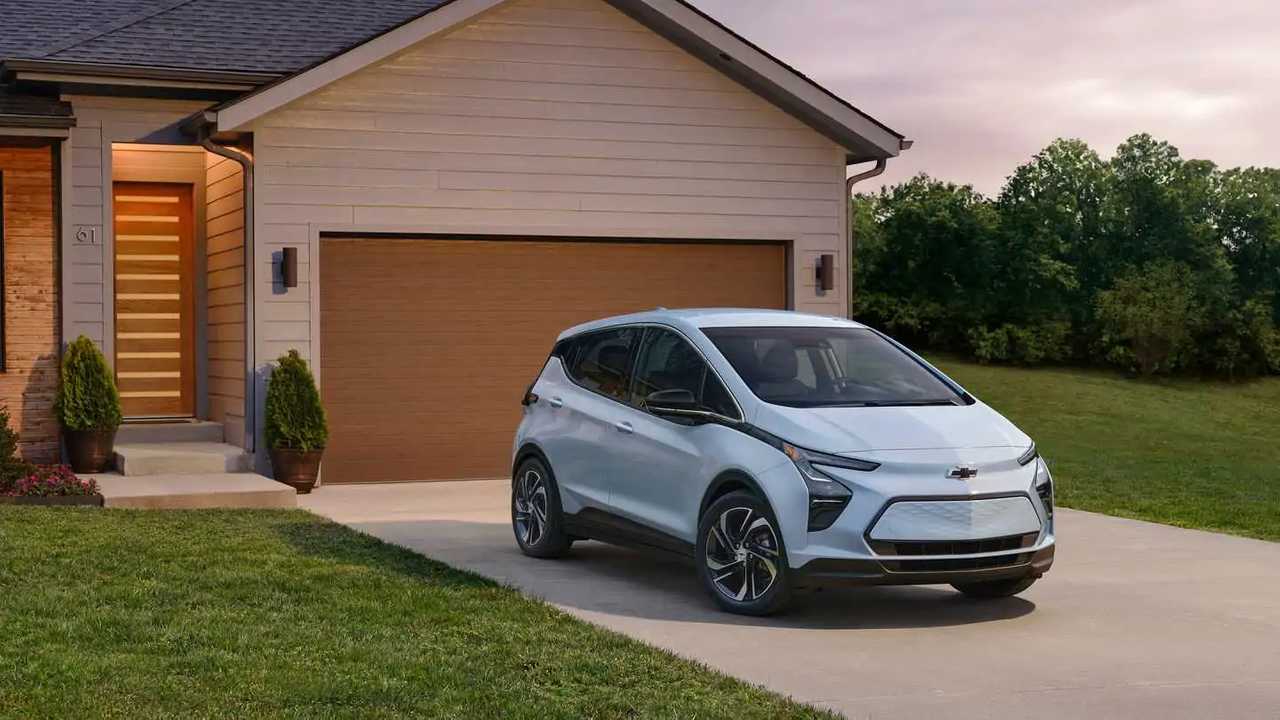
The Chevy Bolt might suit anybody’s daily travel needs and also cope well with moderately long drives. Should someone succeed in giving it a more appealing design—something less bland than a laser printer—it could become the electric vehicle for the masses that we’ve been looking for.
Create a luxurious variant as well. If given the choice, I wouldn’t mind keeping my old, worn-out gasoline pickup indefinitely—if only my primary vehicle were a sleek, leather-appointed electric pod equipped with top-of-the-line audio systems and seating. By incorporating compact motors and batteries, this minimalist approach could make premium finishes easier to achieve. Also, develop an all-electric Ford Ranger; suggest opting for the hybrid model if extended travel range is needed. Electric vehicles offer affordability, simplicity, and smooth operation—not direct substitutes but rather complementary options where traditional models have reached near perfection.
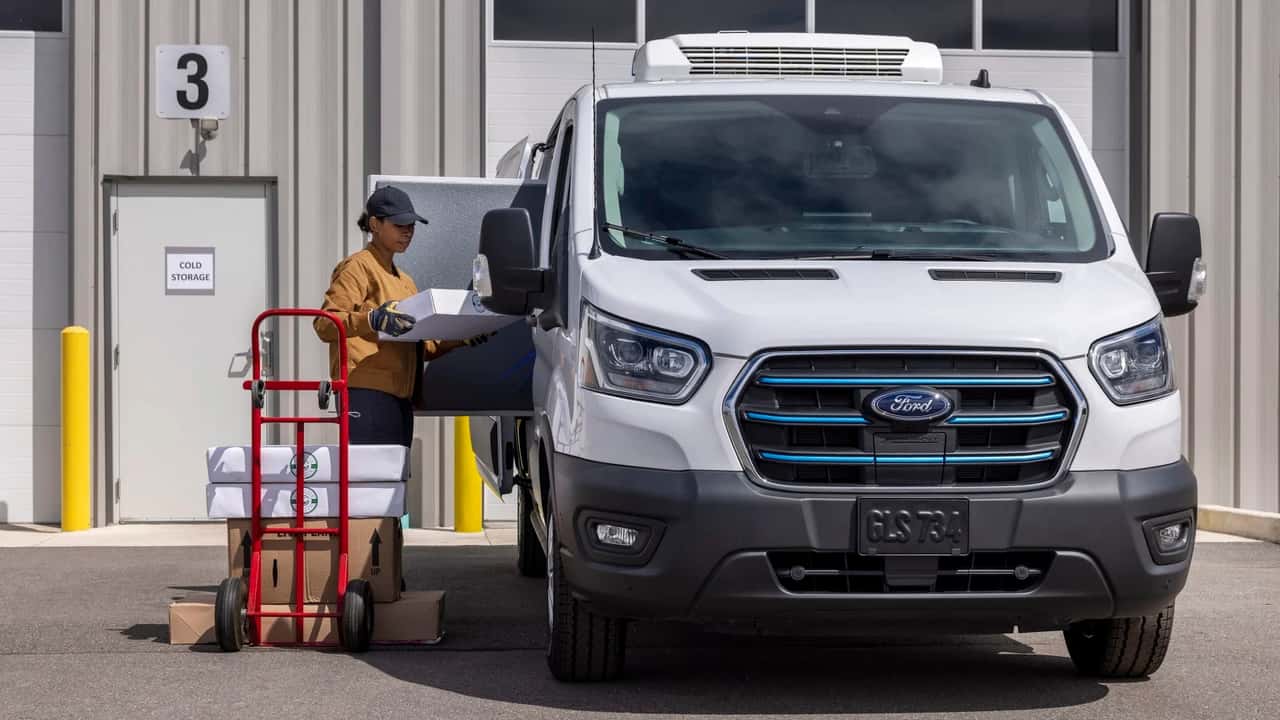
Electric vehicles are already gaining traction in the commercial van market, as purchasers in this category concentrate on their daily activities instead of an occasional yearly journey they might undertake.
This presents an occasion for reinvention. However, it necessitates moving away from viewing electric vehicles (EVs) as superior or inferior to those powered by gasoline. We must cease treating them merely as automobiles equipped with battery packs and start seeing them as a distinct mode of transport. They won’t entirely supplant petrol in all scenarios just yet. Yet, for our day-to-day existence and the vast majority—about 90 percent—of the journeys we undertake, they represent the perfect answer.
Electric vehicles aren’t like gasoline cars. This is a positive aspect.
Contact the author:
Mack.Hogan@insideevs.com
.
Related Stories
- Why Level 1 Electric Vehicle Home Charging Might Be More Beneficial Than You Realize
- 2024 Chevy Blazer EV Owner Review After Six Months: Pros and Cons
- The Issue With Taking Electric Cars on Long Journeys
- Will Hybrids Be the Next Big Thing in Electric Vehicles?
- Ford States Big Electric Trucks and SUVs Face ‘Insurmountable’ Issues
- Creating a plug-in hybrid vehicle is much more challenging than you might assume.