by admin | Aug 29, 2024 | asia, culture, international news, politics, world
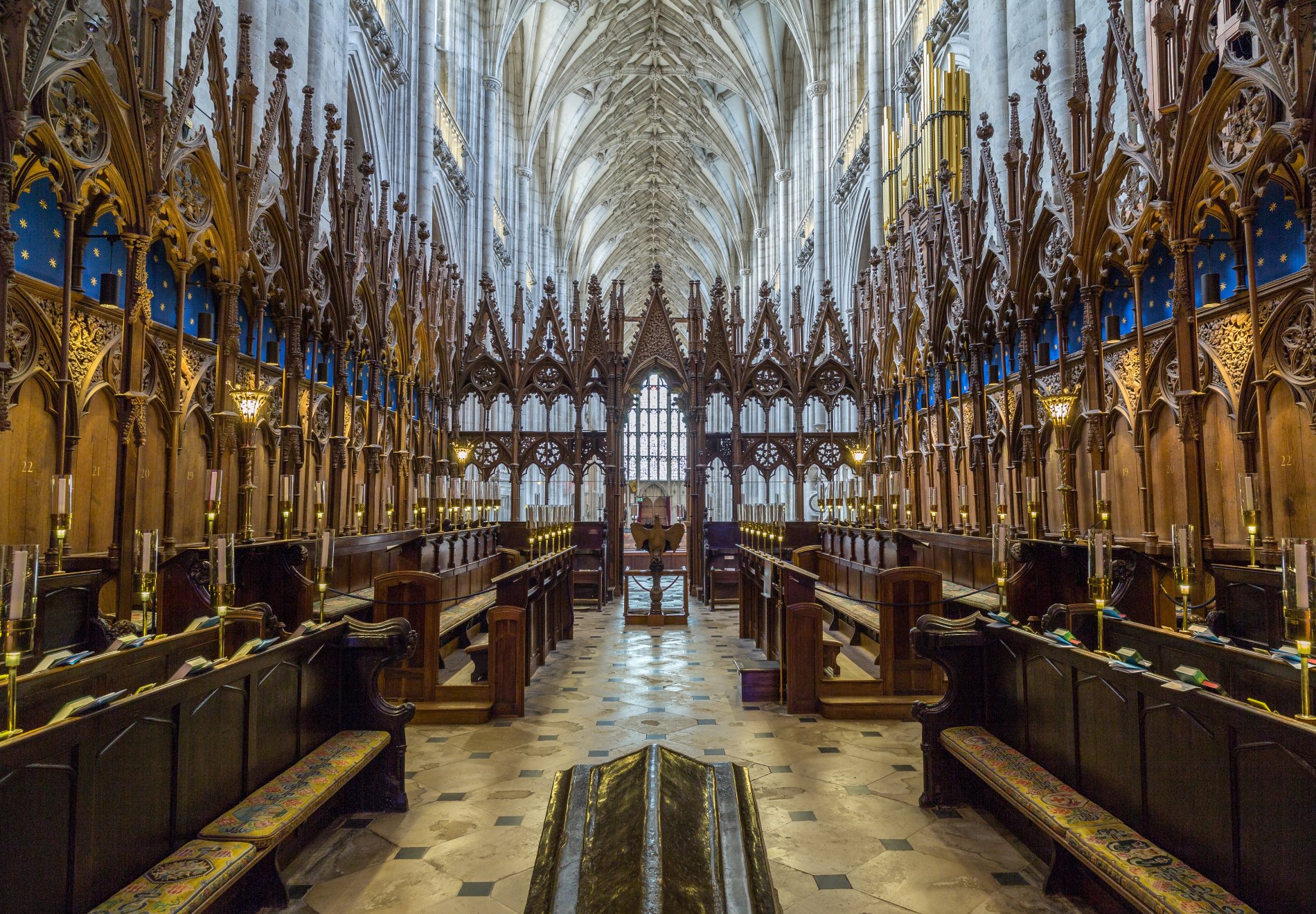
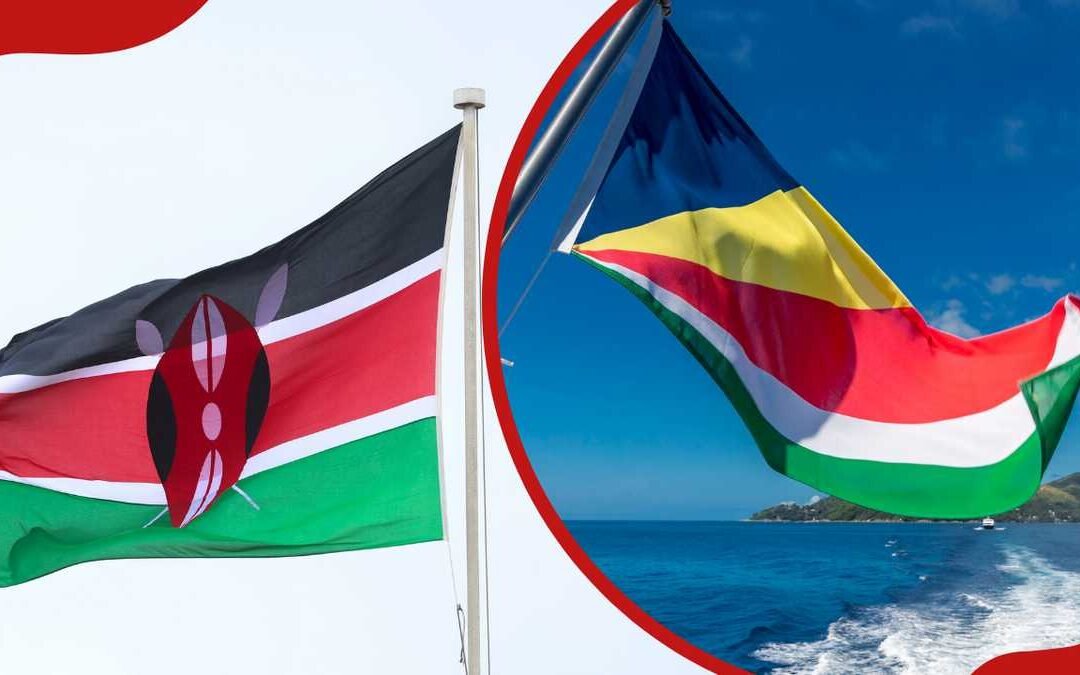
National flags embody much more than just national pride and identity; they symbolize freedom and the unwavering spirit of the people who fight for them. This is why an unspoken competition persists even now over which nations boast the most stunning flags. Explore the lands adorned with these captivating banners today.
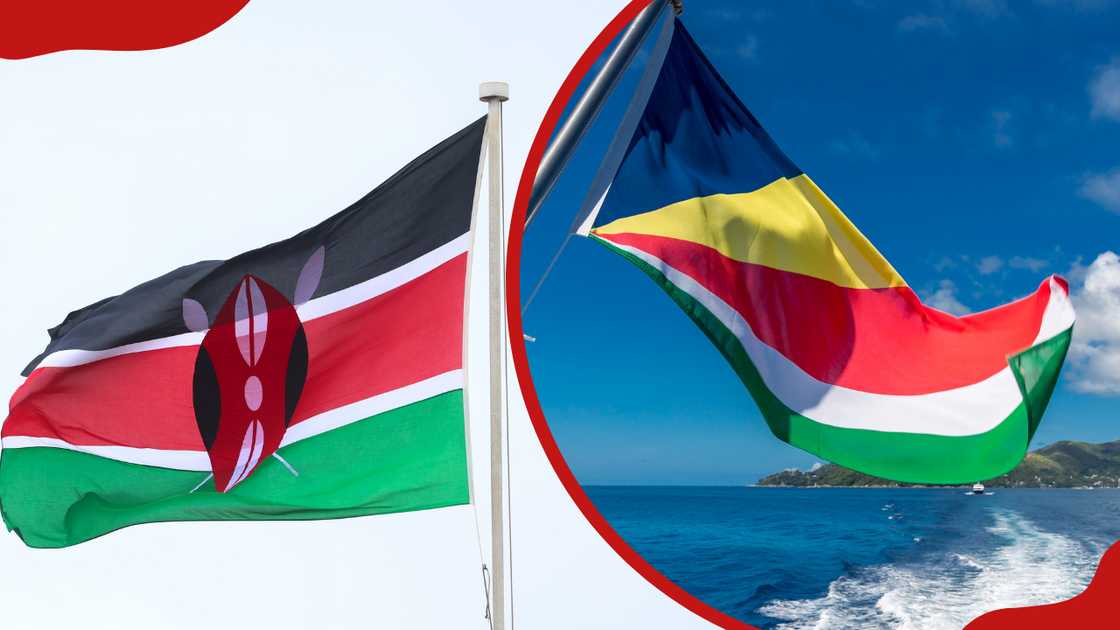
Many of us inherently feel a sense of patriotism without realizing it, which makes us quick to consider our national flags as the loveliest ones around, regardless of their actual appearance. This could be due to the colors and emblems incorporated into these banners. Discover what some people deem to be the most attractive flags globally nowadays. Keep in mind that this ranking is subjective since beauty depends on individual perception.
Summary of the Most Stunning Flags Worldwide Today
Ranking
|
Country
|
Continent
|
1
|
Kenya
|
Africa
|
2
|
South Africa
|
Africa
|
3
|
Mozambique
|
Africa
|
4
|
Malaysia
|
Asia
|
5
|
Nepal
|
Asia
|
6
|
Kyrgyzstan
|
Asia
|
7
|
Australia
|
Oceania
|
8
|
Argentina
|
South America
|
9
|
Brazil
|
South America
|
10
|
Cuba
|
North America
|
11
|
Greece
|
Europe
|
12
|
Canada
|
North America
|
13
|
New Zealand
|
Oceania
|
14
|
Bosnia and Herzegovina
|
Europe
|
15
|
United States of America
|
North America
|
16
|
Denmark
|
Europe
|
17
|
Mauritania
|
Africa
|
18
|
Tanzania
|
Africa
|
19
|
Guyana
|
South America
|
20
|
North Macedonia
|
Europe
|
21
|
Seychelles
|
Africa
|
22
|
Bhutan
|
Asia
|
23
|
India
|
Asia
|
24
|
France
|
Europe
|
25
|
Portugal
|
Europe
|
Top 25 Most Stunning Flags Worldwide Today
Across time, countries have altered their flags to represent the strength of spirit among those who relate to the emblem.
These flags act as symbols of national pride, particularly when their citizens find themselves abroad. Although many nations claim to possess the finest-looking banner, we’ve ranked the top 25 countries with the most attractive flags.
1. Kenya
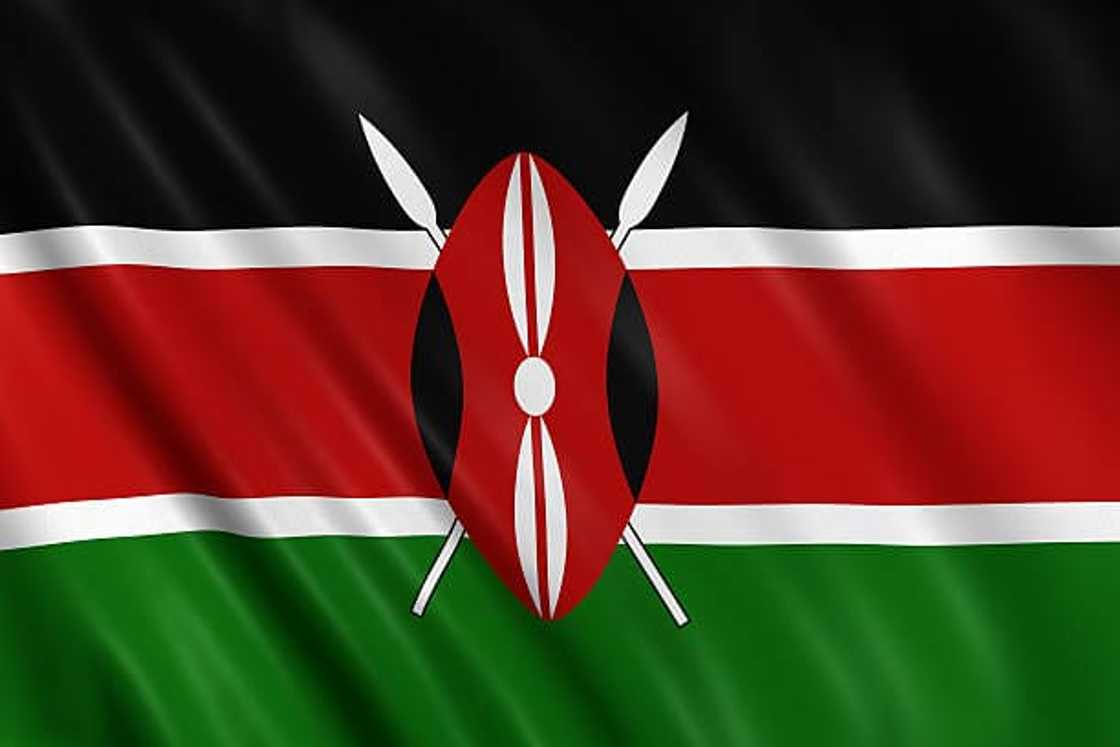
In 2024, the Kenyan flag might be considered one of the most stunning globally. Adopted in 1963, this emblematic banner includes a central shield flanked by two intersecting spears, set against a tri-color band of black, red, and white with green borders. Green symbolizes Kenya’s lush environment and abundant resources.
Black symbolizes the Kenyan population and the broader African continent. The color red stands for the blood shed during the fight for independence. White embodies peace and cohesion, whereas the shield and spears signify Kenya’s protection of these values and others depicted.
2. South Africa

Since its adoption and use beginning in 1994, the South African flag ranks amongst the top five most attractive flags globally. It encapsulates hundreds of years of the nation’s heritage. Despite its elegant design, the official meanings behind the colors of South Africa’s flag have never been formally articulated.
The belief is that the black, green, and yellow hues were adopted from Nelson Mandela’s African National Congress (ANC) emblem. Conversely, the shades of red, white, and blue originated from the Transvaal flag. It’s thought that the Y-shaped arrangement of these colors represents the blending of various cultures into a single nation.
3. Mozambique

The Mozambican flag stands out due to its inclusion of an AK-47, which serves as a reminder of the sacrifices made during their fight for freedom from colonial rule. In 2024, this distinctive banner ranks within the top 10 most aesthetically pleasing national flags globally.
Officially introduced in 1983, this emblem features several symbols on its hoist side: a djembe, an AK-47, a book, and a star. The book signifies the significance of education, while the djembe underscores the role of agriculture as the foundation of the nation’s economy.
The green color symbolizes Mozambique’s abundant natural resources; white stands for peace, black signifies the African continent, yellow indicates the nation’s mineral wealth, and red reflects the sacrifices made through bloodshed during the fight for independence.
4. Malaysia
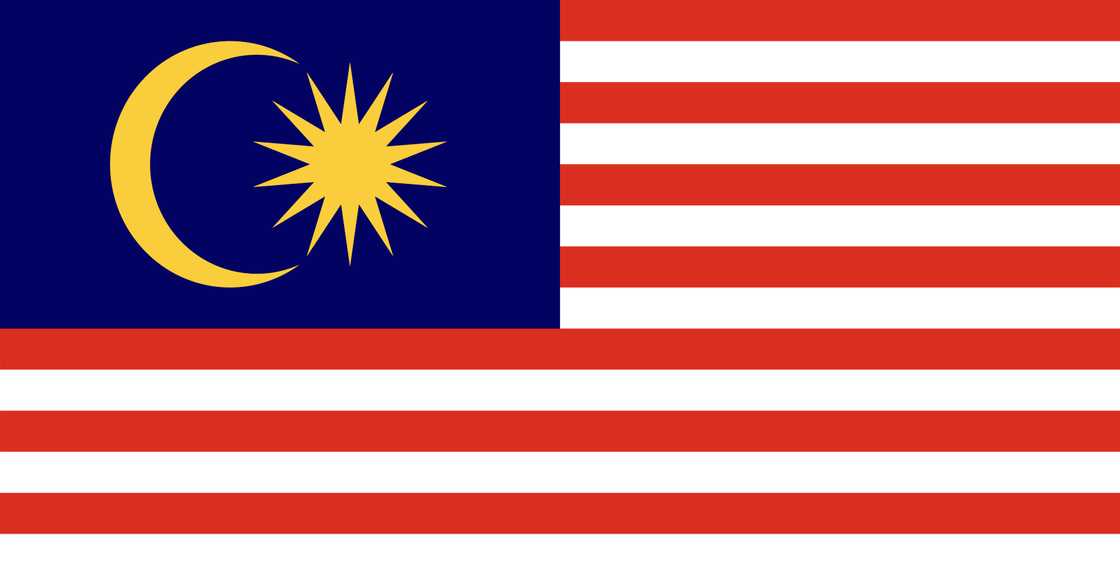
Malaysia’s flag ranks among the ten most stunning flags in Asia. It is widely referred to as
Jalur Gemilang
(Marks of Honor) and has been in use since 1963. The Malaysian flag includes 14 alternating stripes of white and red. Additionally, it comprises a blue canton containing a crescent and a fourteen-pointed star known as the Bintang Persekutuan (Federal Star).
The white and red stripes stand for Malaysia’s 13 states along with its federal territories. The 14 rays of the star embody the solidarity among these regions. Meanwhile, the crescent alludes to Islam, which is the nation’s official faith. Finally, yellow denotes the regal color associated with the Malay rulers.
5. Nepal
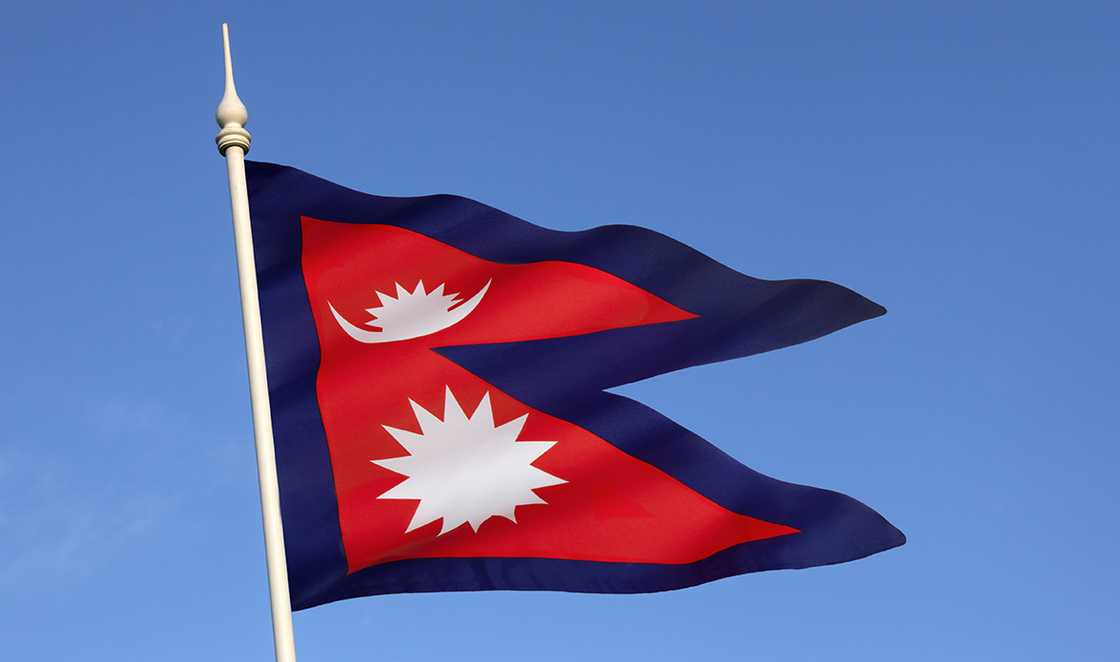
The Nepalese flag ranks among the top ten most attractive flags globally. Its beauty and distinctiveness stem from an unconventional shape; unlike typical banners, it isn’t rectangular. Instead, its inspiration comes directly from the majestic peaks of Mount Everest.
Two themes, the moon and sun, embody serenity and determination. The predominant color is deep crimson red, representing the nation’s emblematic flower—the rhododondron. The borders are adorned with blue, signifying tranquility.
6. Kyrgyzstan

Kyrgyzstan was once part of the Soviet Union prior to its dissolution. The nation did not use its own flag until 1992, half a year following its declaration of independence. The national flag of Kyrgyzstan showcases a vibrant red backdrop symbolizing the courage of its populace.
At the heart of this emblem lies a golden depiction of an intense sun, signifying tranquility and prosperity. Surrounding this solar motif are forty radiant beams, each representing one of the Kyrgyz clans that united to combat the Mongol invasion. Within the sun’s disc, intricate lines mirror a tunduk—the apex of a traditional Kyrgyz yurt, which stands as a metaphor for their familial dwelling.
7. Australia

Australia’s flag is stunning not only aesthetically but also symbolically. It ranks within the top 20 most attractive flags globally. The design prominently includes the Union Jack in the upper left corner, signifying its connection to the Commonwealth.
Beneath the Union Jack, there is a prominent seven-pointed star similar to the one used in the Commonwealth design. To the right side of the Australian flag, five differently sized stars depict the Southern Cross constellation, which is visible from Australia.
8. Argentina
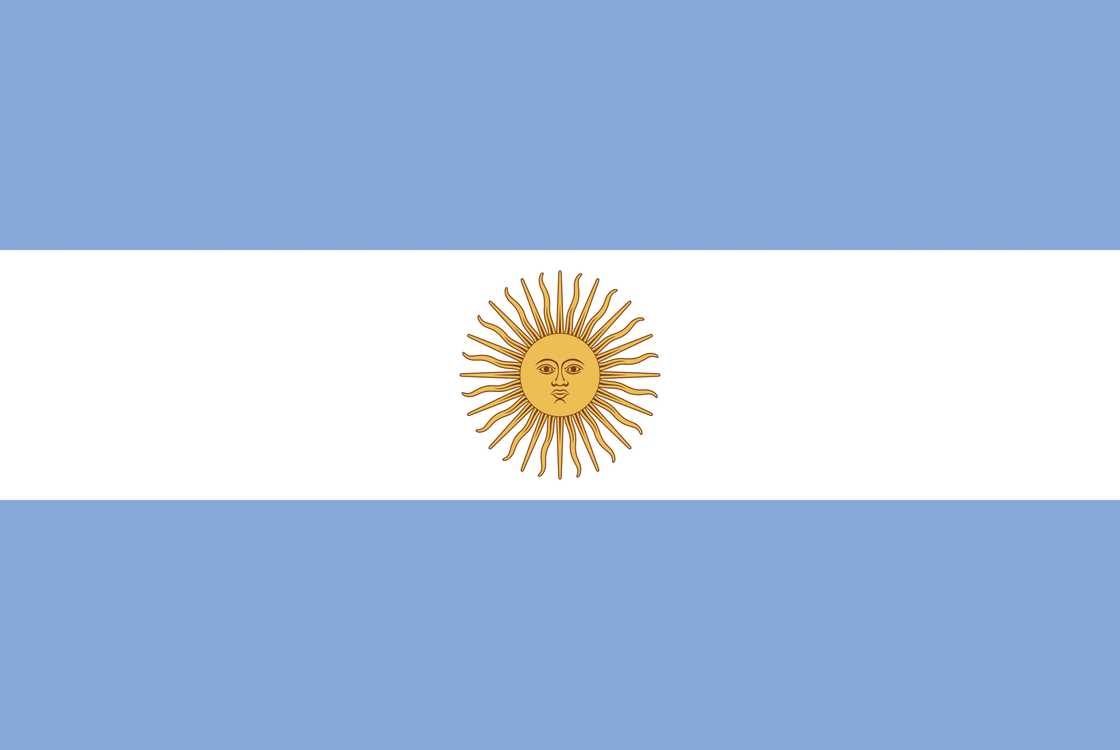
Argentina boasts one of the world’s ten most attractive flags. The nation’s banner features two pale blue stripes at the top and bottom, sandwiching a single white stripe in between. At its center shines an exquisite gold “Sun of May.”
9. Brazil

The Auriverde has served as Brazil’s official flag since 1889 and stands out among national flags due to its rich symbolic elements. The green hue symbolizes the nation’s vast landscapes and woodlands, whereas yellow signifies the abundance of gold within the country.
In the center lies a blue area shaped like a celestial sphere symbolizing the nighttime sky above Rio de Janeiro. Small white stars represent individual Brazilian states within this spherical depiction. The phrase “Ordem e Progresso” (Order and Progress) spans the design, inspired by the positivist slogan of French philosopher Auguste Comte.
10. Cuba
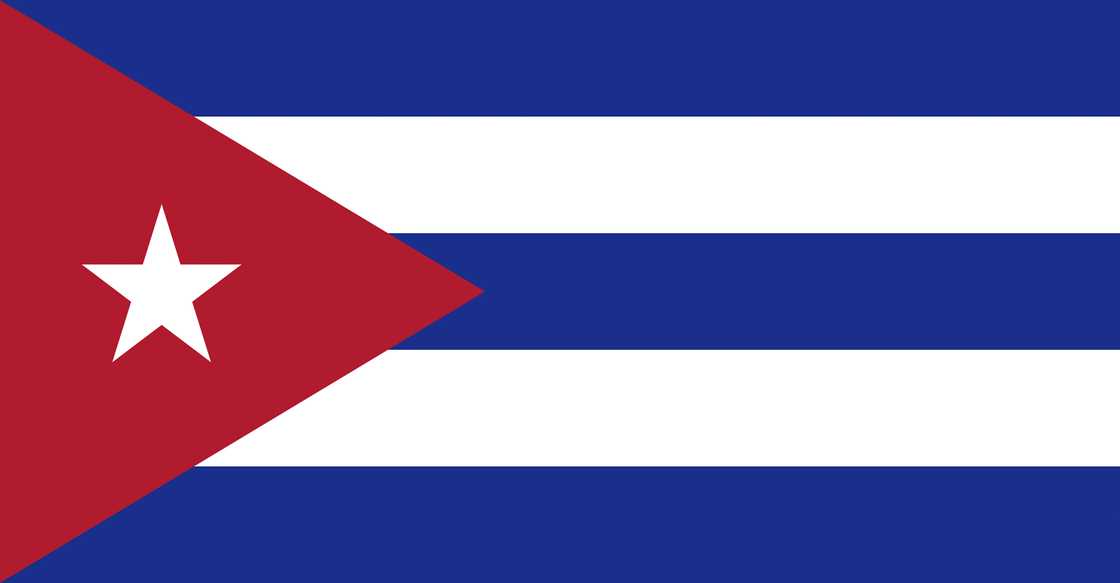
The Cuban flag was conceived well ahead of the nation achieving freedom. The vision of a liberated Cuba shaped its creation. Designed in 1849 by Narciso López, despite him not witnessing it waving above Cuba, his contribution stands as a timeless emblem of the country’s fortitude and fight for autonomy.
The white stripes signify the purity of thoughts, whereas the corresponding blue stripes denote the three governing sections of Cuba. The red section at the edge stands for bravery, with the star within the red triangle representing the sovereignty of the recently established nation.
11. Greece

The Greek flag brings to mind images of the nation’s enchanting azure seas and picturesque shorelines. Despite appearing rather simple, its symbols hold significant meaning. In 2023, it ranks among the world’s most stunning national flags.
The blue color signifies the ocean and the heavens. White stands for the unblemished nature of the fight for freedom, distinct from the famous structures along the coastlines. The sequence of nine alternating blue and white stripes embodies the nation’s slogan.
Eleftheria I Thanatos
, meaning freedom or death.
The cross located in the farthest corner signifies the nation’s official faith, which is Eastern Orthodox Christianity.
12. Canada

Canada boasts one of the most impressive flags globally, distinguished by its iconic red maple leaf at the center. Historically, the British Empire colonized Canada. The country adopted its official flag in 1965 from among three proposed designs; the final choice became the preferred version. This design prominently features two colors: white and red.
The maple leaf serves as a symbol of Canadian identity, embodying values such as bravery, faithfulness, and dignity. This iconic image includes 11 points; ten points stand for the Canadian provinces, with the eleventh point signifying the nation’s three territories.
13. New Zealand

For much of its history, New Zealand flew the Union Jack as its national symbol, serving as both a British colony and dominion. In 1902, however, it adopted its present-day flag. Despite this change, the country’s flag continues to feature the British emblem in the top-left corner.
New Zealand’s flag features three colors: royal blue, red, and white. The shade of blue aligns with the Royal Navy’s Blue Squadron ensign. The red stars represent the nation’s position in the Southern Hemisphere and honor traditional Māori legends.
As recently as 2016, New Zealand citizens could vote between the current flag design and a new one featuring their iconic silver fern – but the original won and remains the national standard to this day.
14. Bosnia and Herzegovina

Although Bosnia and Herzegovina may not be among the top destinations globally, it likely boasts the finest flag worldwide. This striking emblem combines aesthetic appeal with profound symbolic meaning. The colors featured on the flag of Bosnia and Herzegovina are yellow, blue, and white.
The vertices of the yellow triangle symbolize the three principal ethnic communities: the Bosniaks, Croats, and Serbs. The diagonal row of white stars signifies numerous European nations, highlighting Bosnia & Herzegovina’s position as part of an amicable community.
15. The USA

The United States’ flag stands out for its historical significance and widespread recognition. Among global banners, it holds a prominent position. Its design was finalized in 1960 following the admission of Hawaii into the Union as the fiftieth state. This version features 50 stars, each representing one of the present-day American states. Meanwhile, the alternating red and white stripes symbolize the original 13 colonies which declared independence from Britain and later formed the core member-states of the U.S.A.
The American flag could stay unchanged for now, as both Washington D.C. and Puerto Rico express their desire to become U.S. states. Should this happen, the flag’s design would require modification to include additional stars symbolizing these newly admitted states.
16. Denmark
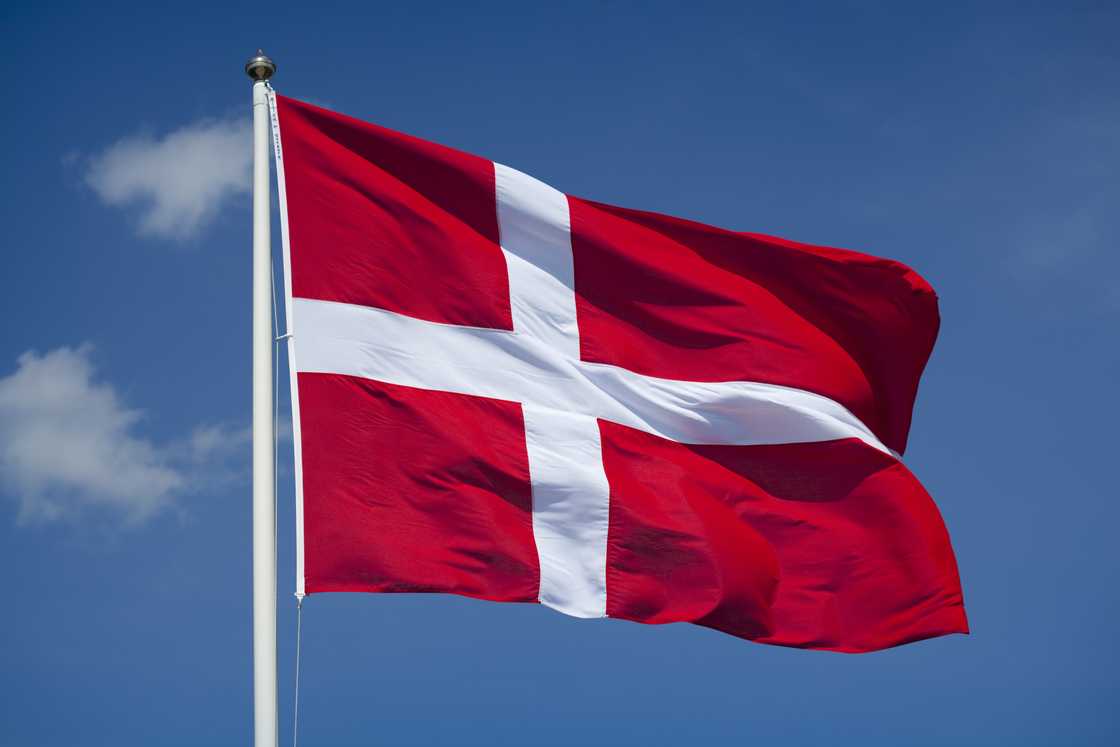
The Danish flag displays a red field adorned with a white Nordic cross extending from edge to edge. This cross embodies the Christian faith shared among Danes, whereas the crimson backdrop signifies the nation’s monarchical past. In use since the 13th century, this banner stands as the world’s oldest continually employed national flag.
17. Mauritania
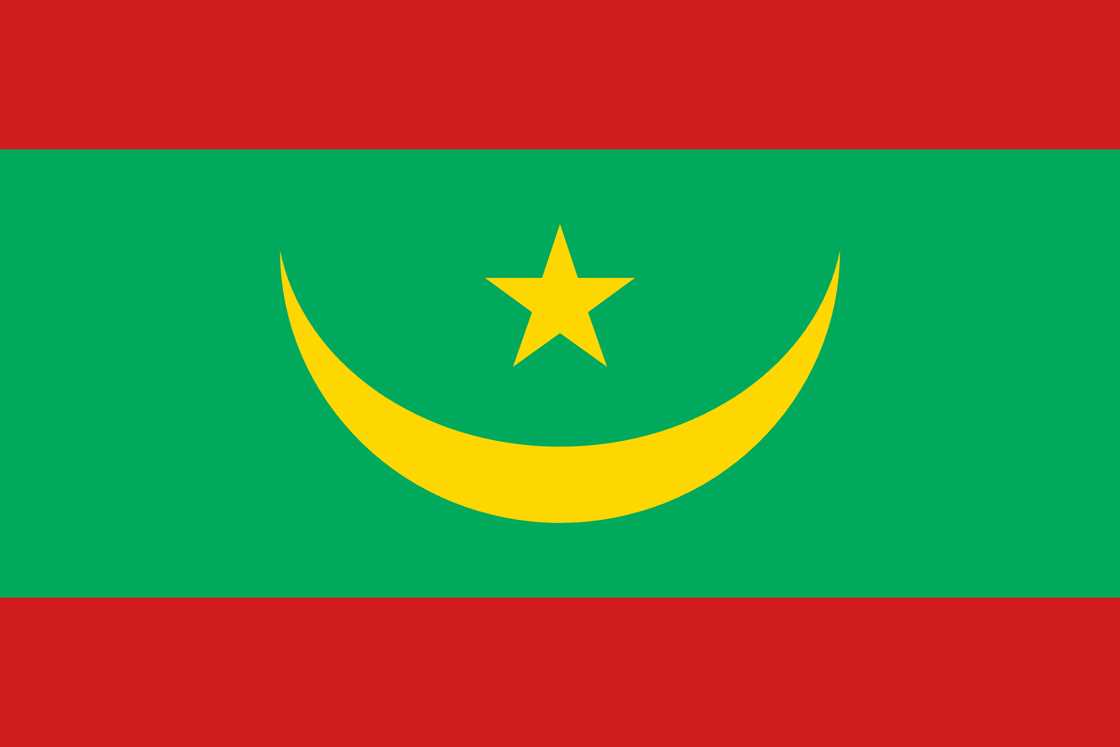
The flag of Mauritania features a green background with a yellow crescent and star at its center. Green represents Islam, whereas the crescent and star stand as emblems of this religion. Additionally, these colors denote the nation’s principal ethnic divisions: the predominantly Black population and the Arab-Berber community. This distinctive emblem was formally accepted in 1959 and serves as an exclusive marker of Mauritanian heritage.
18. Tanzania

The Tanzanian flag features a black diagonal stripe bordered with yellow, dividing the flag into two triangles; the top triangle near the staff is green, and the bottom one is blue. This design was formally accepted on June 30, 1964, following the independence of the Tanganyika territory.
The black stripe with yellow borders signifies the African continent along with the populace of Tanzania. The green section depicts the nation’s abundant flora and fertile farmlands. Meanwhile, the blue segment stands for the Indian Ocean and embodies the country’s ambitions towards advancement.
19. Guyana
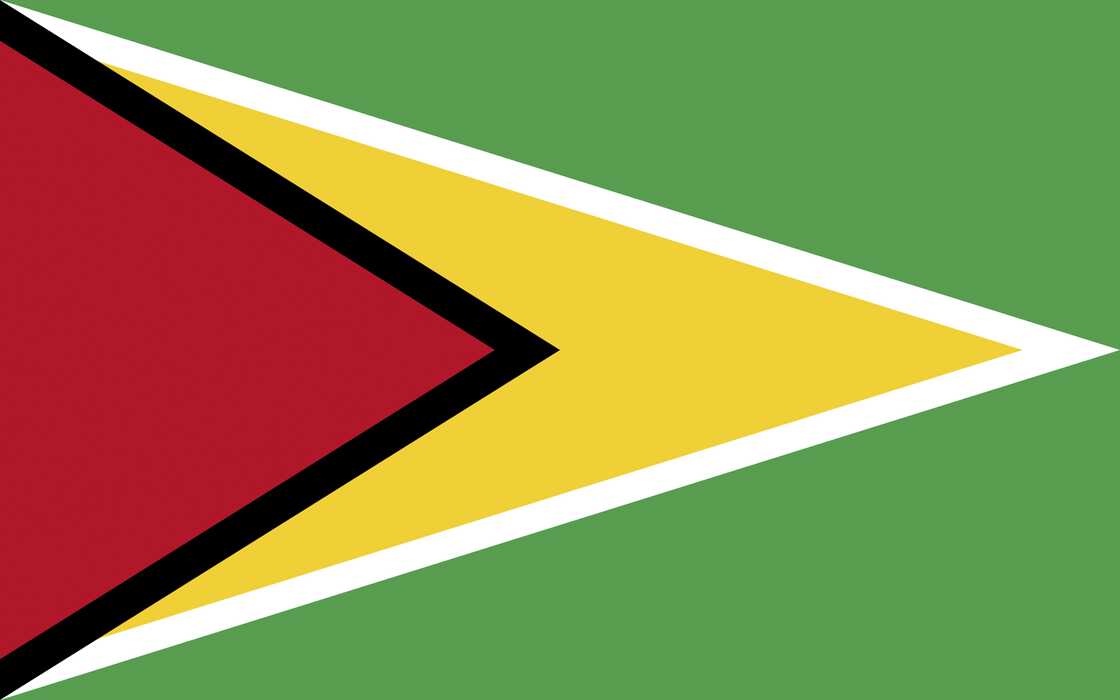
The national flag of Guyana features five colors: green, gold, white, black, and red. The emerald-green band represents the nation’s agriculture and forests, whereas the golden stripe signifies its abundant minerals.
White symbolizes Guyana’s numerous rivers, oceans, and cascading waterfalls, while black embodies resilience and diligent labor. The vibrant red signifies the passion and spirited nature of the country’s inhabitants. Additionally, the flag features the nation’s coat of arms, which includes imagery of a sugar mill reflecting Guyana’s industrial past and an indigenous canoe equipped with a paddle, highlighting the region’s historical connection to agriculture and native culture.
20. North Macedonia

The flag of North Macedonia features a horizontal tricolor with shades of red, yellow, and green. Red signifies courage, yellow denotes the nation’s richness and splendor, while green stands for the country’s natural assets as well as aspirations for economic growth. This official banner was established in 1995 after the dissolution of the previous federation, Yugoslavia.
21. Seychelles
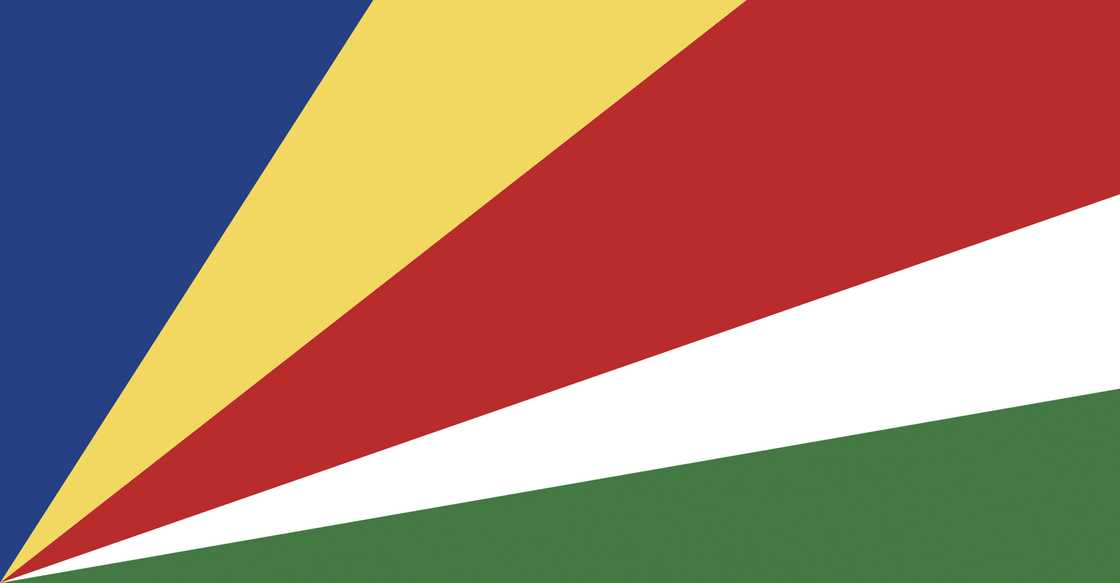
The Seychelles’ flag is both vivid and distinctive, reflecting the nation’s energetic character. This particular design was officially chosen for the national flag on June 18, 1996.
The flag has a rectangular design featuring five diagonal stripes that start from the lower left corner and extend towards the upper right side. The blue stripe in the top-left section symbolizes the sky above and the ocean enveloping the islands.
The color yellow signifies the sun, providing illumination and vitality. Red embodies the populace and their resolve to collectively strive towards a better future with unity and affection. White denotes fairness and concord. Meanwhile, green represents the soil and the natural landscape of Seychelles.
22. Bhutan

The official adoption of Bhutan’s flag took place in 1969. This banner stands out due to its deep symbolic significance, encapsulating elements of the nation’s culture and Buddhist practices. It features a rectangle with diagonal stripes running from the bottom left to the top right side. The yellow hue signifies the temporal power held by the king as well as his leadership over Bhutan.
The color orange embodies the spiritual heritage, notably Buddhism, which is firmly embedded within the nation’s traditions. White-dressed dragons denote purity and clasp gems that stand for national prosperity and stability. The fiercely bared teeth of these dragons illustrate the tenacity with which citizens protect their homeland.
23. India
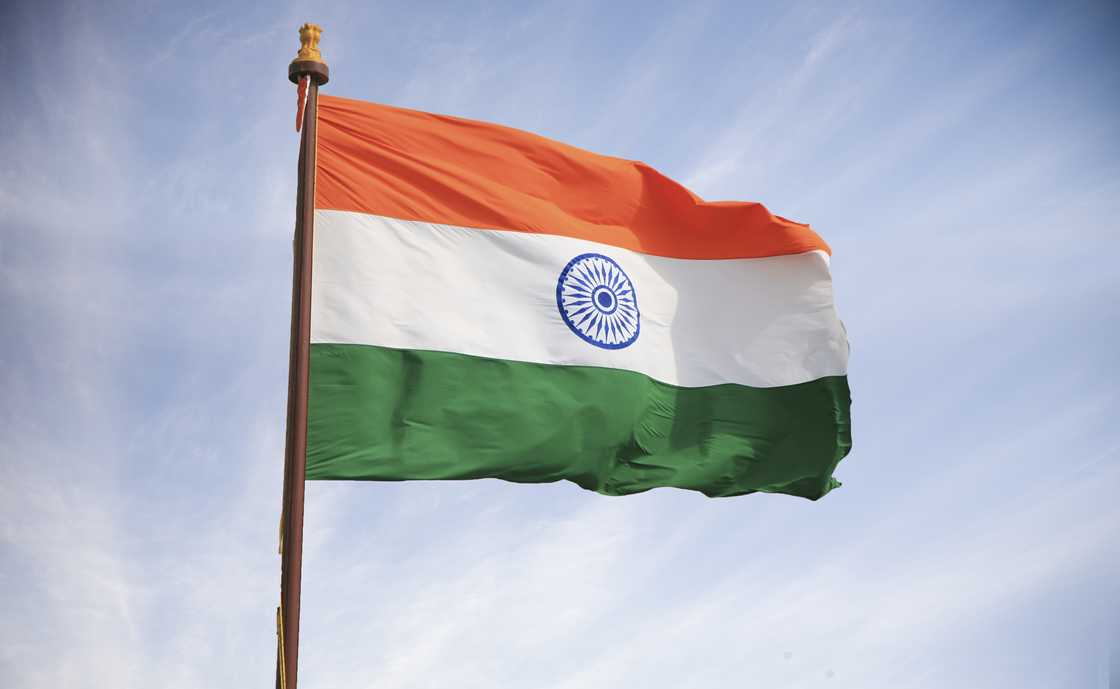
The Indian flag was officially adopted on July 22, 1947, just prior to India’s liberation from British governance. This tricolour flag consists of three horizontal bands in distinct hues.
The color orange signifies bravery, self-sacrifice, and the concept of giving up. White stands for honesty, tranquility, and cleanliness, whereas green embodies belief, fecundity, and the richness of nature. In the middle of the white band lies a dark blue emblem known as the Ashoka Chakra. This insignia features 24 spokes which denote the Dharmachakra.
24. France

The French flag, called the Tricolor, is both simple and instantly recognizable as a national emblem. This rectangular banner consists of three equally wide vertical bands. The blue band on the left embodies freedom, the central white band stands for equality, and the red band on the right denotes brotherhood.
25. Portugal

The flag of Portugal came into use on June 30, 1911, following the formation of the Portuguese Republic. This banner features a rectangle split unevenly down its length into two vertical segments.
On the left side of the flag, approximately two-fifths of its total width, lies a band of green. This color represents hope and marks the Portuguese Revolution of 1640, when Portugal regained its sovereignty from Spanish rule.
On the right side, the color red symbolizes the blood shed and ongoing battles faced by the Portuguese people across their history. At the point where the green and red sections intersect, the flag includes Portugal’s national coat of arms. Additionally, the design incorporates a detailed emblem as part of its decoration.
What is considered the most beautiful flag globally?
Among the most beautiful flags globally, one can find those belonging to Kenya, Tanzania, the United States of America, South Africa, Mozambique, Portugal, India, Nepal, Malaysia, Australia, and Seychelles.
What nation boasts the most distinctive flag?
Nepal boasts the most distinctive flag featuring an intriguing design. It stands out as the sole national banner globally that deviates from a rectangular form. Composed of two triangular pennants, this emblematic flag features a rich blue outline surrounding a vibrant crimson-red background.
What is considered the most vibrant flag globally?
Belize boasts the most vibrant flag globally. This banner features twelve colors, a majority of which compose the intricate coat of arms adorning it.
In which nation’s banner do you think the most appeal lies?
Countries known for their visually appealing flags encompass India, Kenya, Australia, Nepal, South Africa, the United States, Seychelles, New Zealand, Portugal, North Macedonia, and Bhutan.
Flags play a crucial role in uniting citizens and fostering patriotic sentiment within a nation. These emblems represent pride and cohesion, sometimes becoming so significant that nations might even fight wars over them. Among the world’s finest flags, many stand out not only for their visual appeal but also for the profound symbols they convey.
SANGGRALOKA.co.ke has released a compilation of the most hazardous countries in Africa for travelers. The primary factors contributing to the decline in peace across these African nations include terrorist activities and political unrest.
Various uprisings and clashes throughout history have resulted from numerous coups, disputed electoral outcomes, ethnicity-based disagreements, and claims of misconduct. Discover which African nations pose the highest risks for travelers due to these issues.
by admin | Aug 23, 2024 | ancient rome, culture, italy, tourist attractions, travel in italy
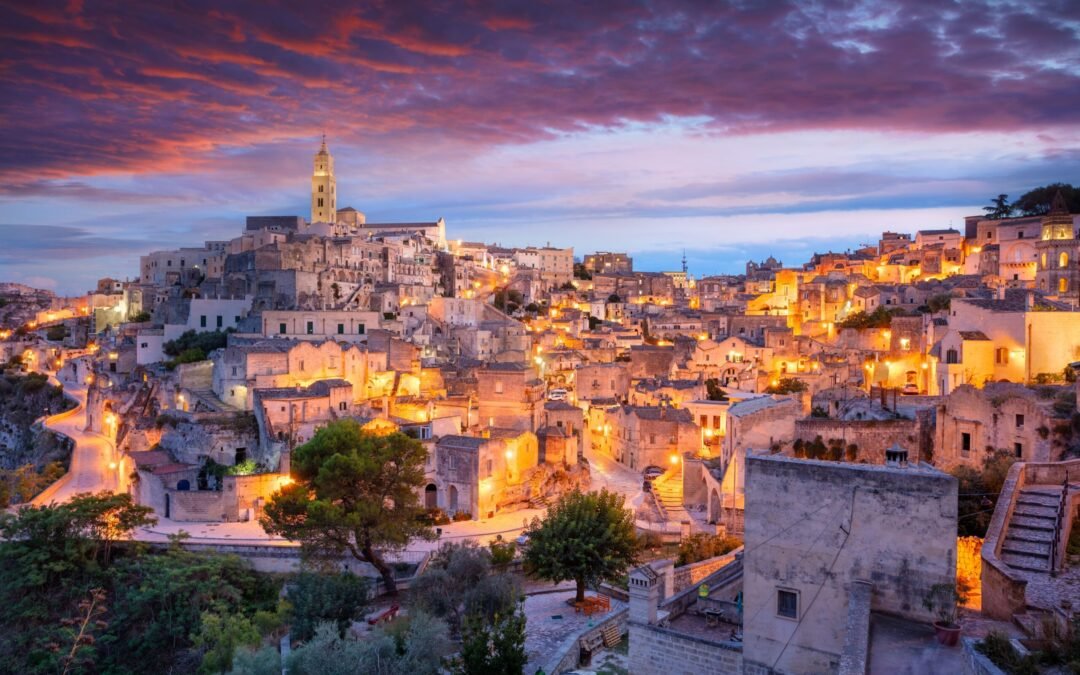
The town of Matera, etched right into the stone, stands as one of Italy’s most recognizable attractions. This historic settlement features distinctive architecture and possesses one of the region’s most remarkable cultural legacies. Overflowing with history and traditions, it showcases remnants from various civilizations that once called it home.
The “City of the Sassi,”
Matera
Matera stands as the longest continuously inhabited town in Italy. Situated at the center of the Basilicata area in southern Italy, this city attracts visitors with its distinctive rock-cut architecture and significant cultural influence across the nation. Among its earliest relics are those from the Stone Age, which makes Matera one of the oldest known human settlements globally.
Are you interested in visiting Italy? Here are
some
pieces to assist you with planning
out your trip
:
-
The Aeolian Islands: 7 hidden gems offshore Sicily you should discover
-
One of Italy’s most stunning architectural wonders and a emblem of the Italian Renaissance.
-
This route in the Dolomites will lead you through stunning vistas.
-
The 15 Most Stunning Beaches in Italy for This Summer Enjoyment
The
heart
of humanity
The presence of ancient structures within the city demonstrates that Matera has hosted human settlements for nearly 12,000 years. Established by a Roman official named Matheola in 251 BC, the town has accommodated various groups over time up until the 15th century.
th
Throughout the centuries, various groups such as the Lombards, Byzantines, Arabs, and Ottomans inhabited the city. Each group introduced their distinct cultures and lifestyles, leaving lasting imprints that endured long after they were gone.
In 1514, Matera began playing a significant part in regional affairs. Owing to its isolation from key Italian urban centers, the nobility abandoned the area, leaving the residents to fend for themselves amidst severe economic hardship. Consequently, they were compelled to organize collectively to survive this challenging era and support one another. Thus, the community relied heavily on their age-old traditions.
troglodyte
The residences underwent redevelopment, and new caves called
Sassi
were constructed directly on the mountainside. For over four hundred years, the
Sassi
Matera emerged as the emblem of a disadvantaged region, standing in stark contrast to a thriving Italy.
A mix of
modernity and ancient charm
Launched in 1950 by the Italian government, the Matera urban development project has given the town a new lease of life. The explicit goal is to breathe new life into the region while preserving the traditional and unique character that makes it so beautiful. When visiting Matera, you quickly realise that it has a very special atmosphere. Narrow, car-free streets from which you can see houses in all styles. From the top of the walls, you can enjoy breathtaking views of the Italian countryside – a balance between vast green plains and rugged mountains.
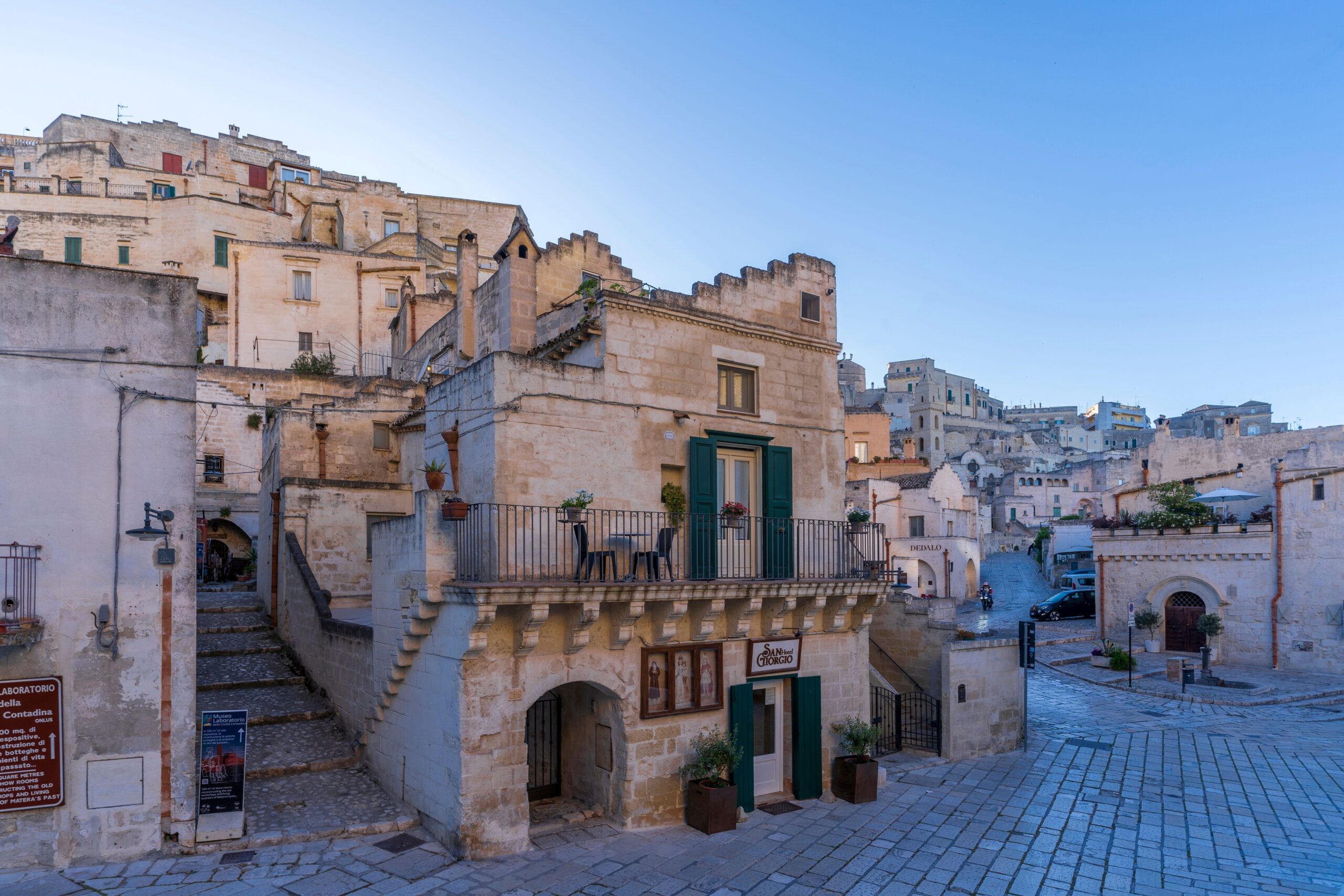
Matera is increasingly engaging with the global community through its profound historical heritage. In 1993, the city’s
Sassi
and rock churches were designated as
UNESCO
The location has been named a World Heritage Site, and in 2019, this historic city will be crowned as the “European Capital of Culture,” solidifying its position on the global scene. The allure of tourism in Matera hinges on its charmingly rustic ambiance and uniquely preserved cultural heritage.
Locations to visit in Matera
The
Sassi
of Matera
The town’s primary attraction, the
Sassi
In Matera, you’ll find structures that are dug into the mountainside, featuring bright white facades and windows. The interiors are equally innovative, with furnishings hewn directly from the stone and intricate carvings etched onto the walls. These cave-like homes can be explored for mere pennies. While some remain intact in their original condition, others have undergone complete renovation to serve as temporary residences or small artisan workshops.
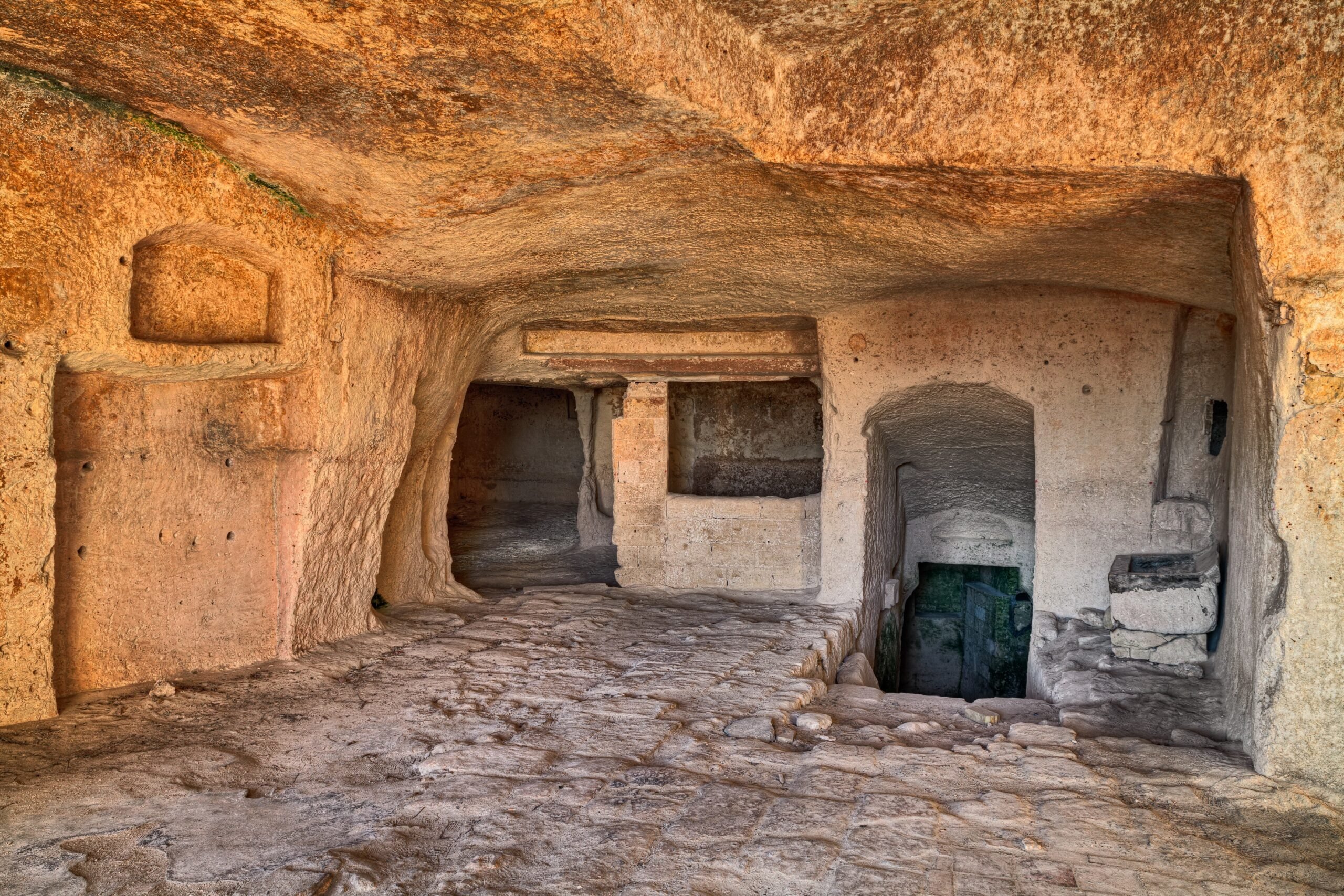
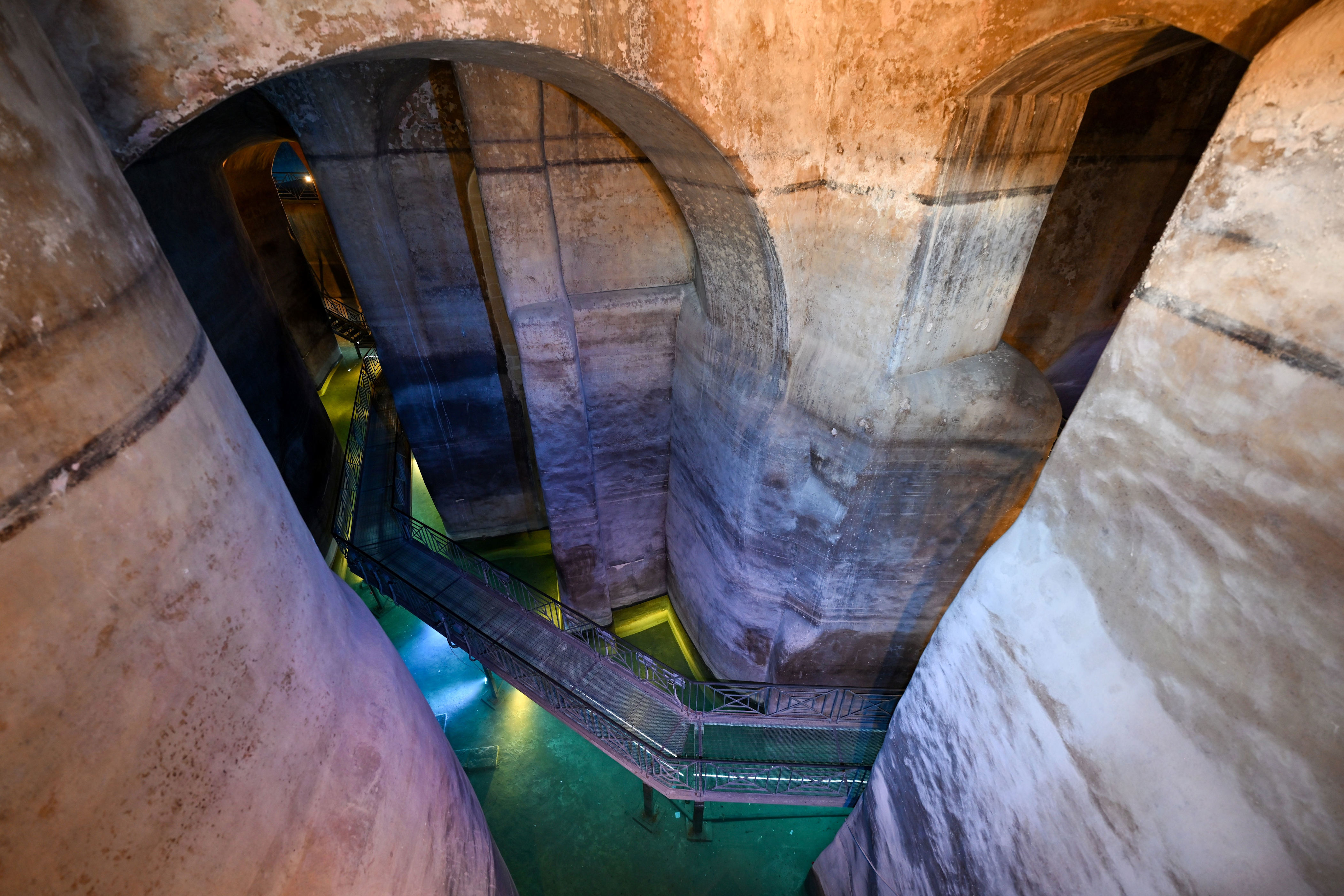
The Palombaro Lungo, the cistern in Matera
Sat upon a limestone mountain far from any running water, Matera has for centuries used an immense underground network of canals linked to a huge cistern that collects rainwater… which you can visit. Dive into the belly of the city via a series of pontoons and tunnels to discover how the collected water was treated and then redistributed to the inhabitants.
The Luigi Guerricchio belvedere
After visiting the underground passages, time to head for the roofs of Matera. From this immense terrace, you can enjoy an almost bird’s-eye view of the town centre and its many stone houses. This is the perfect place to rest during your expedition, and to capture the moment with some excellent shots.
The
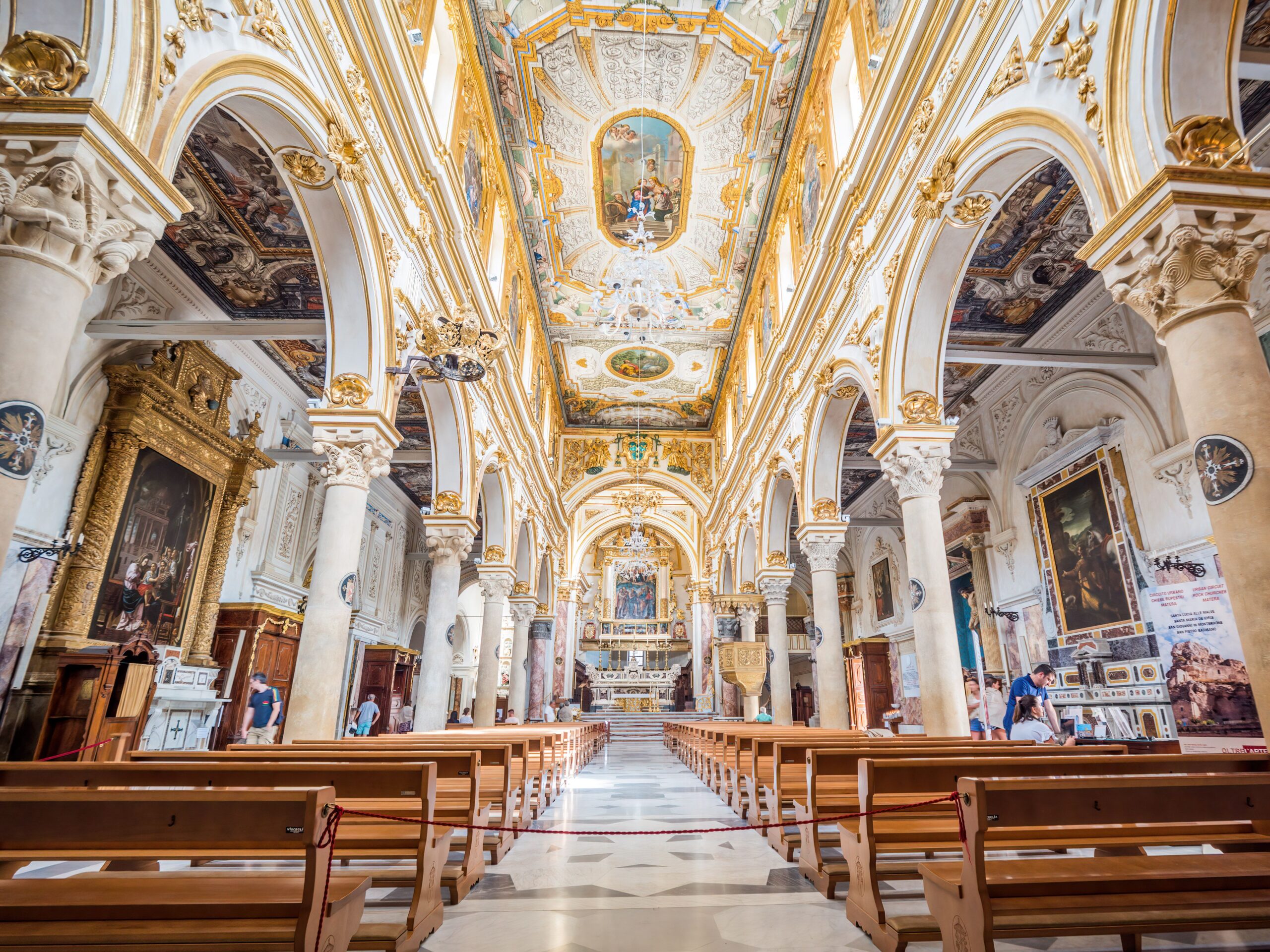
Duomo Cathedral of Matera
Named
Madonna della Bruna e di Sant’Eustachio
This colossal structure ranks among the most stunning in the area. Situated at the pinnacle of the city, the Romanesque cathedral is distinguished by its elaborate embellishments and a ceiling featuring a mix of carvings and artwork. Towards the rear, visitors can admire a massive stone altar and decorative murals, remnants from the site’s ancient medieval decor.
The Matera Cathedral
Piazza Duomo, 75100 Matera MT, Italy
+39 0835 332908
The canyon
Beneath the town lies a significant fissure in the ground, providing an excellent beginning for numerous hiking trails. A robust suspension bridge allows you to traverse this gap. Beyond the bridge, a trail leads to the area’s most ancient cave dwellings—dating from prehistoric eras. Above it all stands a church constructed entirely out of stone, offering panoramic views of Matera when viewed externally.
by admin | Aug 22, 2024 | culture, dining, food and drink, food culture, meals
![]()
Here’s a dream scenario: You spin around blindfolded and place your finger on a map of the U.S. Wherever you land, that’s where you get to eat for a whole week. In my heart of hearts, let’s be honest, I’m hoping to land
anywhere
in the
American South
, and not just for
their many (many!) BBQ styles alone
.
The south boasts numerous other culinary delights that originate from different regions (apologies to the
Midwest’s beautiful casseroles
) trembling with fear. And let’s not forget about my own Southern-but-not-
truly
– The southern homeland of Florida, known for its array of gator-inspired cuisine. Below are some of the top dishes from this area that contribute to making the American South one of the tastiest spots in the United States.

Pineapple Fluff
In simple terms, people from the South behave this way.
interesting
Items featuring fruits, where one stands out distinctly: pineapple fluff. This treat truly matches its title since it’s made from maximum blend proportions of pineapple components like canned pineapple chunks, pineapple Jell-O, and pineapple juice mixed with fluffy elements such as Cool Whip, cream cheese, marshmallows, and shredded coconut. Can we consider this concoction the ultimate dish ever? Absolutely, particularly when savored.
pie form
.
Chowchow
Winning one of life’s top accolades could easily be considered receiving a jar of homemade chowchow from a Southern buddy. This present is indeed one that continues to bestow joy, as chowchow stands as an iconic South Carolinian pickled relish crafted with green tomatoes, onions, bell peppers, cabbage, along with essential pickling spices such as mustard seeds, celery salt, and turmeric. To put it succinctly, this zesty blend of sweet, salty, and tangy flavors pairs wonderfully with nearly anything you can think of.
especially
hot dogs.

Sausage Balls
During our family gatherings, particularly during holidays, we always have an enormous platter filled with sausage balls. This particular dish creates quite a stir; people actually compete for the chance to prepare them every year. These sausage balls are incredibly simple to whip up.
sausage balls
You’ll understand why. These will combine a pancake mixture, crushed sage-infused sausage, shredded cheddar cheese, and some fresh herbs, and they’re certain to be a must-have tradition for you annually as well.

Boiled Peanuts
Having a lot of spicy, salty
boiled peanuts
While heading to the beach or traveling through the South, this experience is essential. The blend of peanuts still in their shells, water, seasonings, and time transforms this delicacy into something greater than its individual components. Pair it with a cold beer for the perfect Southern snack.
Chitlins
For some reason, numerous nations boast a significant custom around consuming animal innards and organs (think: tripe, saucisson, haggis), and this holds true for the Southern regions as well, where they hold dear their fondness for chitlins (also known as chitterlings). This staple is integral within African American cuisine.
soul food traditions
, you may come across chitlins (cleaned pig intestines) prepared either as a vinegary stew or coated and deep-fried.

Fried Bologna Sandwiches
One of my cherished childhood memories revolves around my mother preparing fried bologna sandwiches for every conceivable moment. Whether it was a midnight feast or an impromptu breakfast, we’d have fried bologna sandwiches. Even when groceries were forgotten, those sandwiches came to our rescue. These culinary delights are commonly found at eateries and ballparks throughout the Southern states and pair wonderfully with a serving of chips and a pickled cucumber alongside them.

Snow Cream
Snow Cream is indeed a genuine Southern treat that you should experience before forming an opinion about it, particularly considering how uncommon snow can be in this part of the world. It has garnered much affection from numerous people including
Reese Witherspoon
Sure! Here’s another version:
It includes freshly fallen snow (yes, really!), cream, and whichever toppings you prefer for your ice cream. Simply put a bowl outdoors when it starts snowing, let enough accumulate, and then start blending. My clan enjoys adding Nesquik powder and/or chocolate syrup into the mix.

Hoecakes
Move over, pancakes. Hoecakes are stepping into the spotlight as the king of fried batters. Revered by President George Washington himself, these delectable treats consist of a cornmeal mixture cooked until crispy at the edges with golden pools ready to soak up some maple syrup.
Crawfish Boils
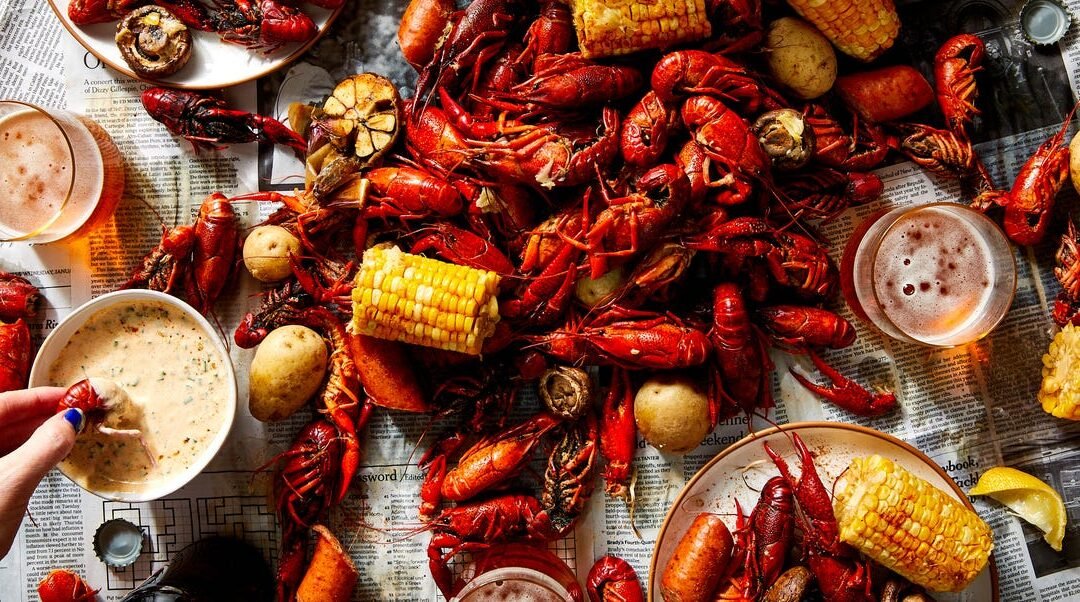
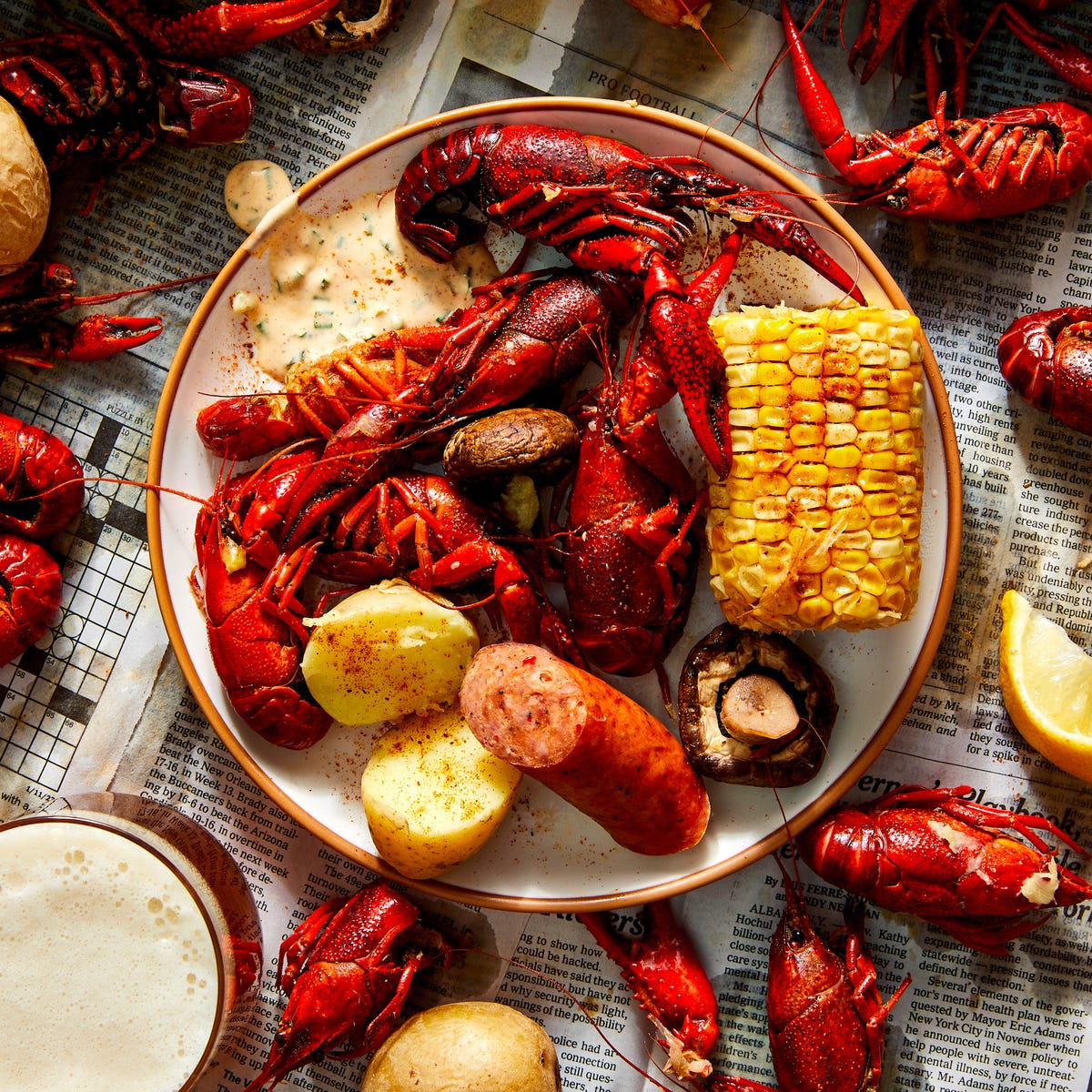
Any meal placed over a layer of newspapers is totally my style, and that surely applies to Southern cuisine as well.
crawfish boil
Packed with corn, potatoes, sausage, an abundance of seasonings, and heaps of crawfish, these boils put ordinary lobster boils to shame.
Carolina Red Rice
A vital Lowcountry side dish in South Carolina, red rice is exactly what you hope to find at every significant family event. Similar to dishes from Nigeria,
jollof rice
, Carolina Red Rice has a savory flavor with a hint of tomatoes, and what sets it apart the most is possibly the
lot
of bacon.
Hush Puppies
My uncle owned a seafood restaurant, so I have
opinions
on what a good
hush puppy
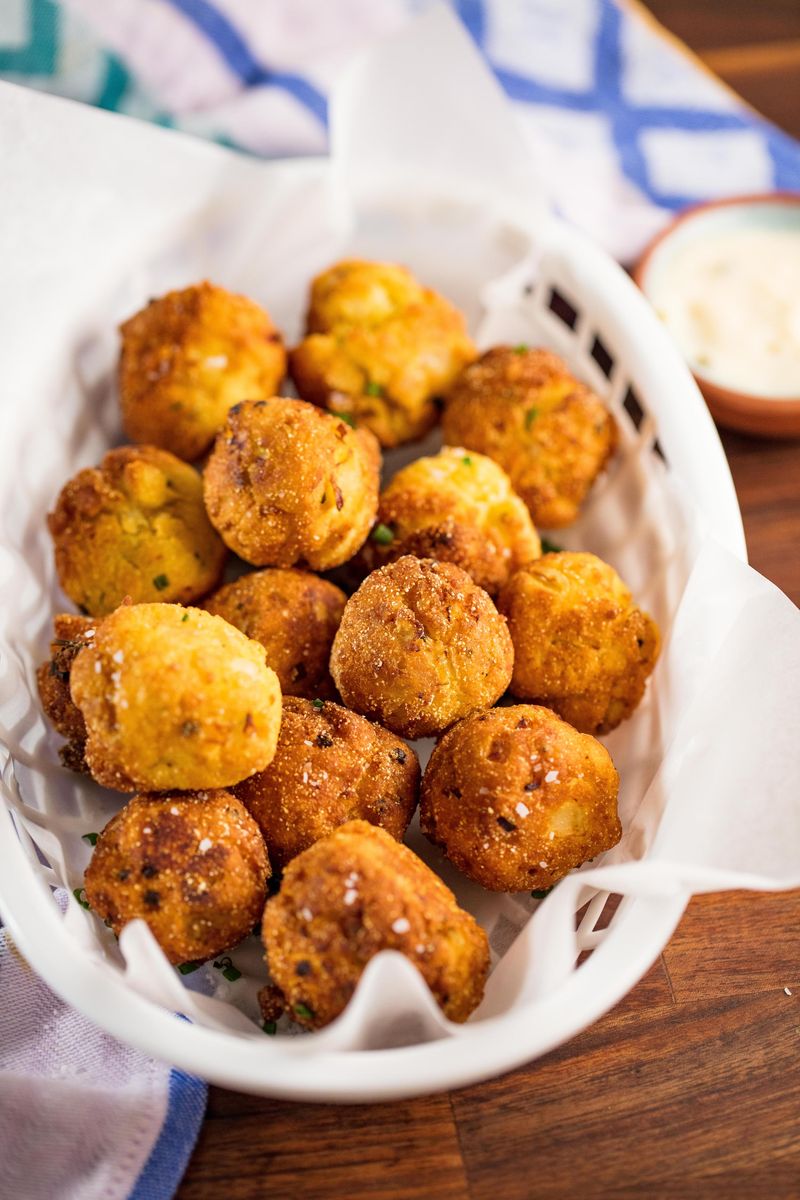
First of all, hush puppies are delightful little cornmeal fritters (what an incredible beginning) that come packed with chopped onions and fresh herbs (absolutely perfect), then they’re deep-fried to golden goodness (simply brilliant). In my book, these triumph over regular cornbread any day.

Pimento Cheese
Inquire of any person from the south about how they prepare their dish.
pimento cheese
And I’m sure you’ll hear a million varying opinions. Some prefer their version slightly sweet (thanks to Miracle Whip—I couldn’t do it), whereas others opt purely for cheese overload, mixing cream cheese with sharp cheddar, dotted with pimentos. That’s why they call it the “pâté of the South.” Enjoy it over crackers or between slices of bread with your pinky raised high.
Charleston Chewies
There’s another “chewy” treat you ought to know about: Charleston Chewies. These bars feature an abundance of brown butter and pecans, making them similar to blondies but much more indulgent due to their rich flavors.
browned butter
.

Brunswick Stew
Once you’ve collected enough snow for your snow cream, you’ll crave another Southern favorite to help you warm up. No need to look elsewhere;
Brunswick stew
a robust chicken stew filled with corn, butter beans, tomatoes, and potatoes, making it an ideal meal for cold winter evenings accompanied by a basket of bread
biscuits
.
Collard Greens
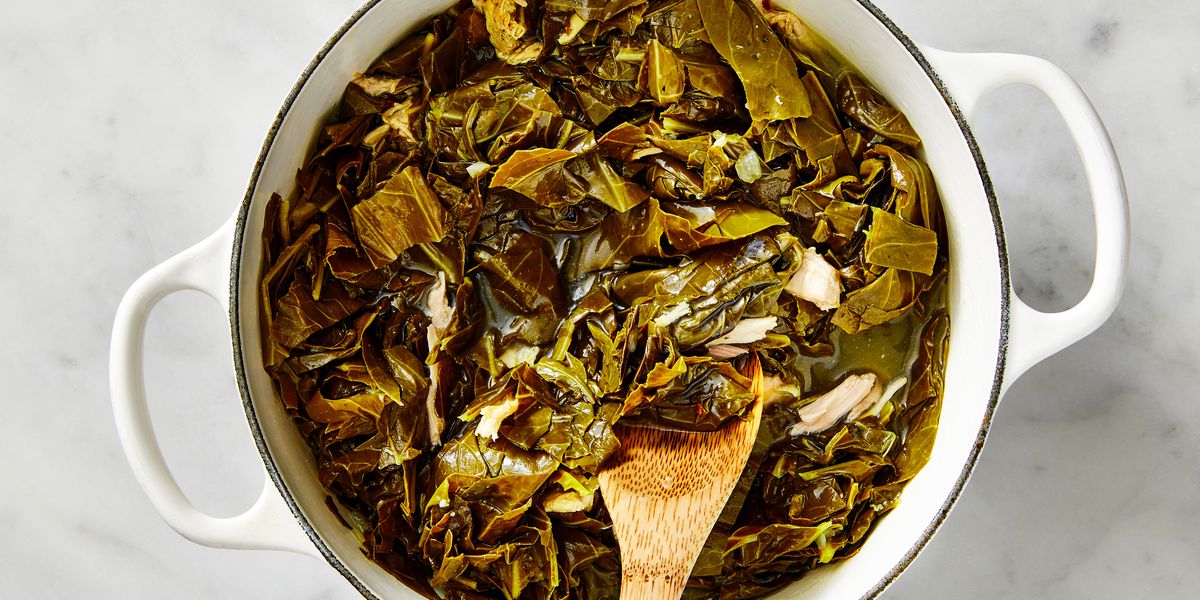
Have some extra smoked turkey or ham hocks? Don’t toss them out just yet! They have another role to play: turning into incredibly savory
collard greens
Some people might argue that collard greens are the finest component of a ham dinner, and I wholeheartedly concur.
by admin | Aug 17, 2024 | asia, culture, Travel, travel destinations, world
The Indian Ocean is surrounded by nations boasting unparalleled cultural and natural treasures. No matter where your travels take you, there will be numerous discoveries awaiting.
The third-largest ocean globally, the Indian Ocean, borders nations featuring an array of distinct terrains and rich cultural heritages.
From India
to
Mauritius
Each country brings something unique for travelers. From historic landmarks to serene shorelines, along with various activities and distinctive cuisine, these destinations truly deserve a spot on your must-visit list today.
Interested in discovering the nations around the Indian Ocean? Learn more about them here:
-
5 Lesser-Known Paradise Islands in the Indian Ocean
-
How do the Maldives and the Seychelles differ from each other?
-
The Andaman Islands: A secluded haven in the Indian Ocean
India, a captivating mixture of culture and spiritual essence
Vast and fascinating, India
it is a place marked by stark differences
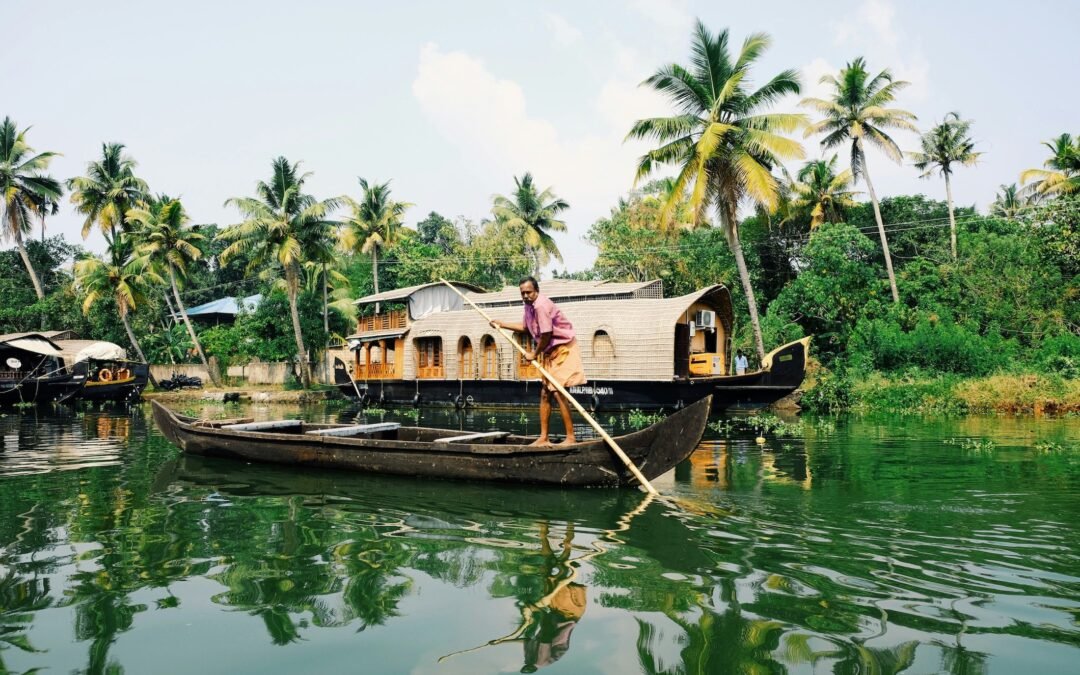
Where tradition and opulence blend seamlessly together. If you’re eager to delve deeper into the cultural tapestry, Tamil Nadu stands out with its magnificent temples like the Meenakshi Temple in Madurai. Meanwhile, in Kerala, tranquil houseboat journeys weave their way through an intricate network of backwaters—comprising rivers, lakes, and lagoons—that invite relaxation. Additionally, make sure to visit the shores of Goa, renowned for providing a plethora of aquatic activities.
While you’re here, make sure not to skip the local delicacies like fish curry, crisp dosas, and zesty biryani.
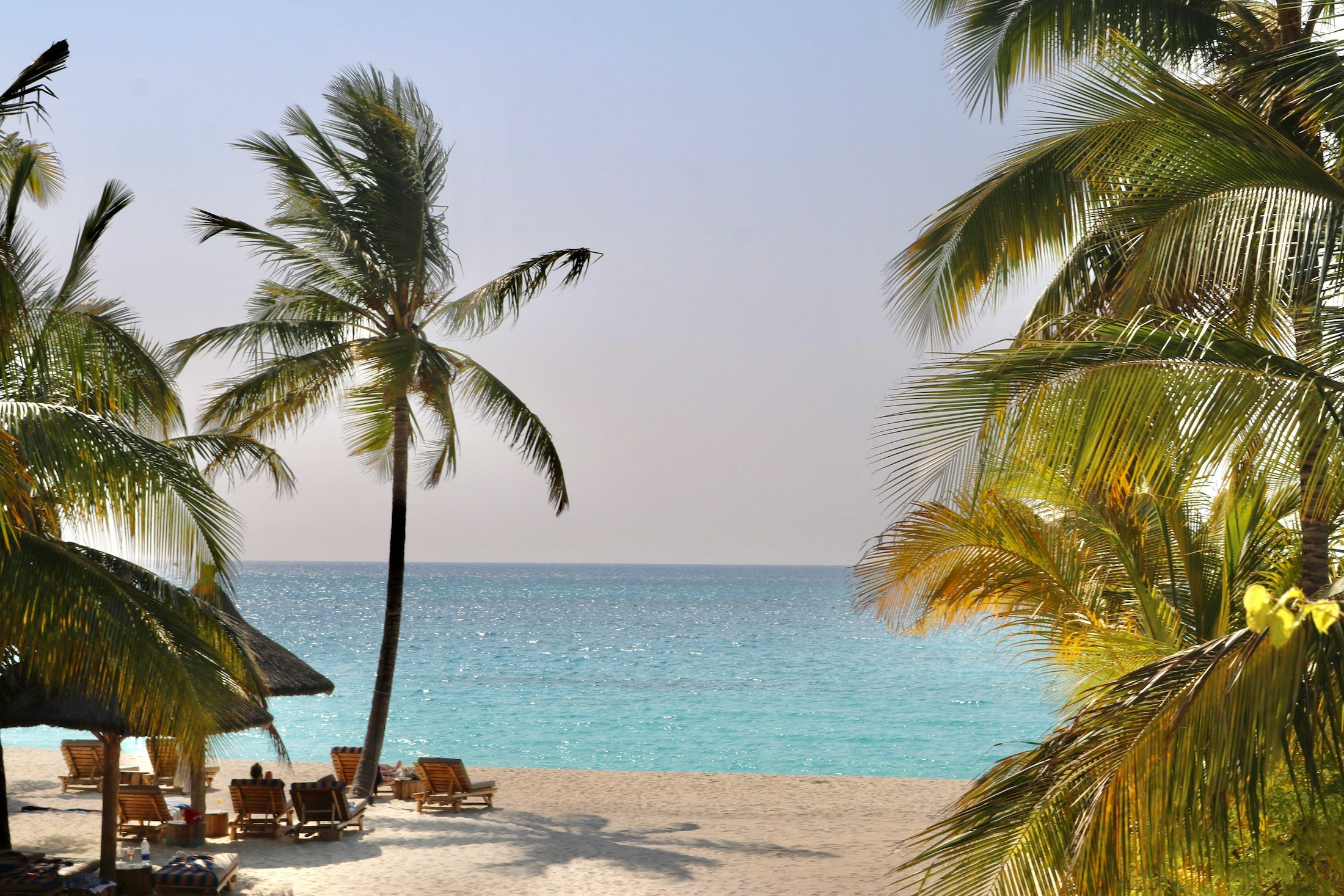
The Maldives, paradise on Earth
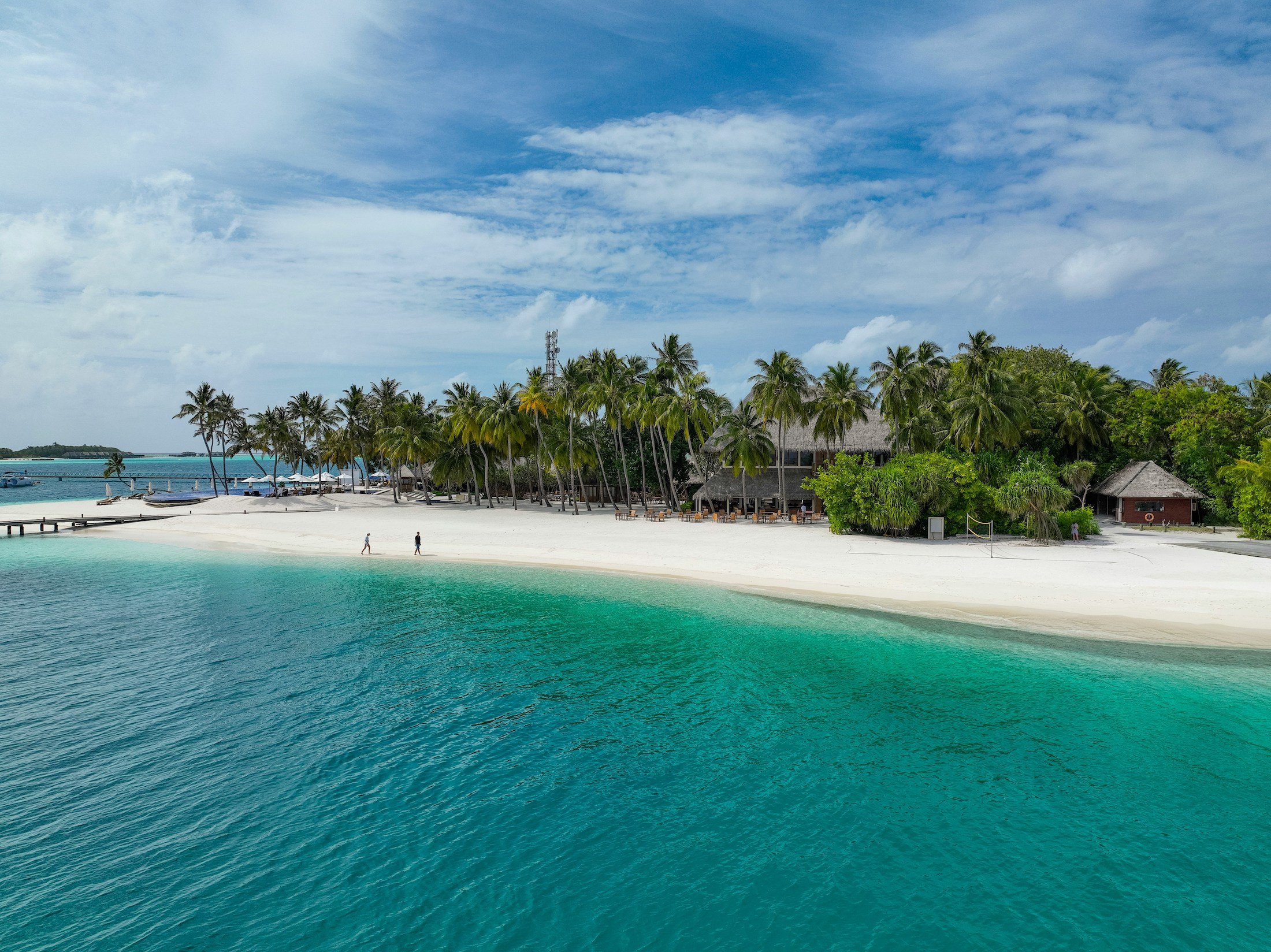
Being an archipelago comprising more than 1,000 islands, the Maldives are renowned for their pristine and transparent seas.
white sandy beaches
It is without a doubt the ultimate paradise for scuba divers.
Following your seaside activities for the day, indulge in further excitement by residing in an elevated hut to fully embrace the ambiance. In terms of local cuisine, make sure to sample garudhiya, a classic fish soup, along with mas huni, which combines tuna, coconut, and chilies.
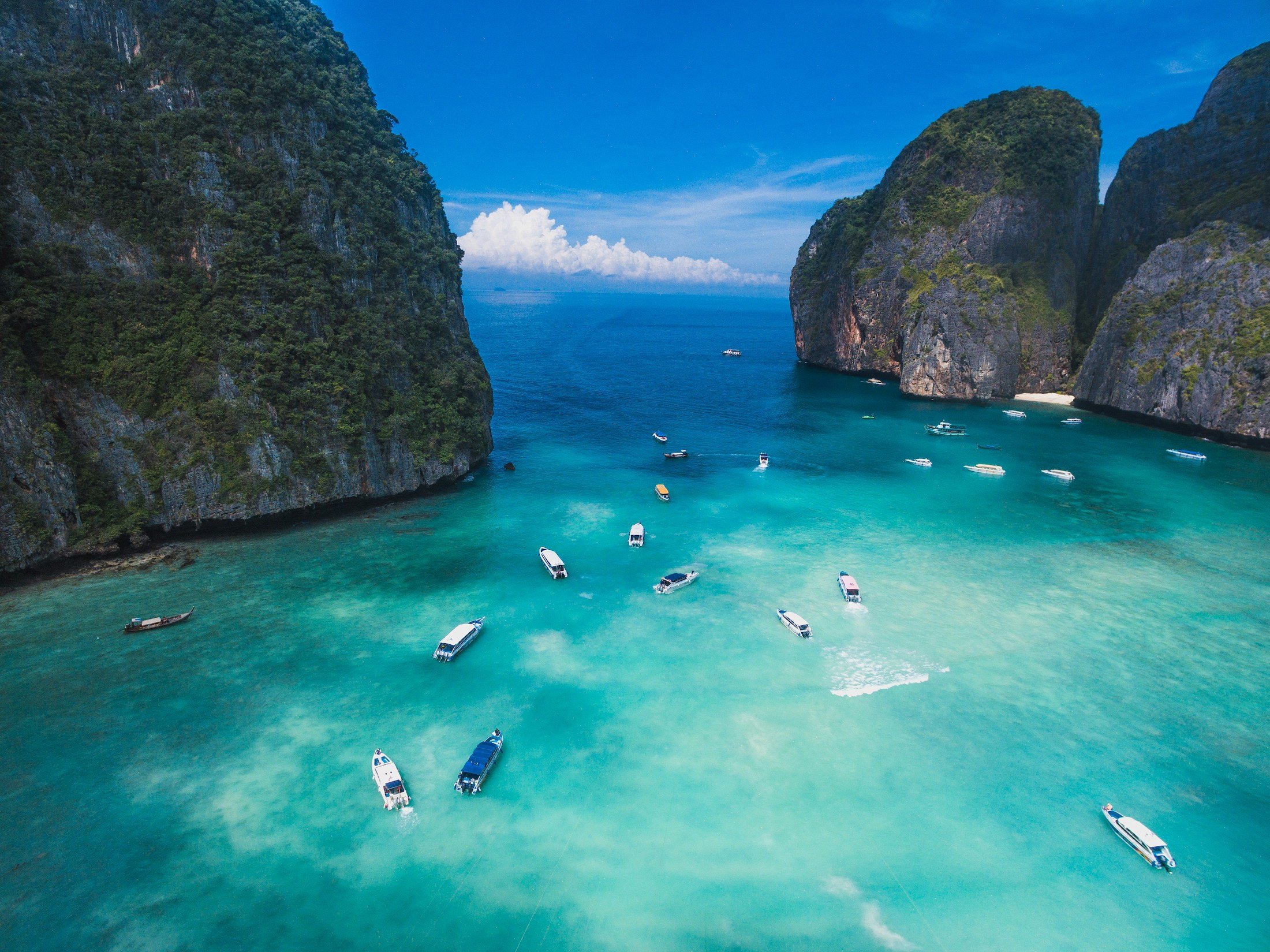
Thailand, amidst ancient temples and serene beaches
Thailand boasts an extensive shoreline along the Andaman Sea, offering everything one could desire. In Phuket, you have the opportunity to unwind at Patong Beach and explore the historic Wat Chalong Temple.
The Similan Islands
shouldn’t be overlooked either. This location stands out as a premier dive site, renowned for its crystal-clear waters and vibrant, multi-colored corals.
For those who love good food, night markets are quite prevalent and provide
Thai specialities
like pad thai and som tam, which is a spicy papaya salad.
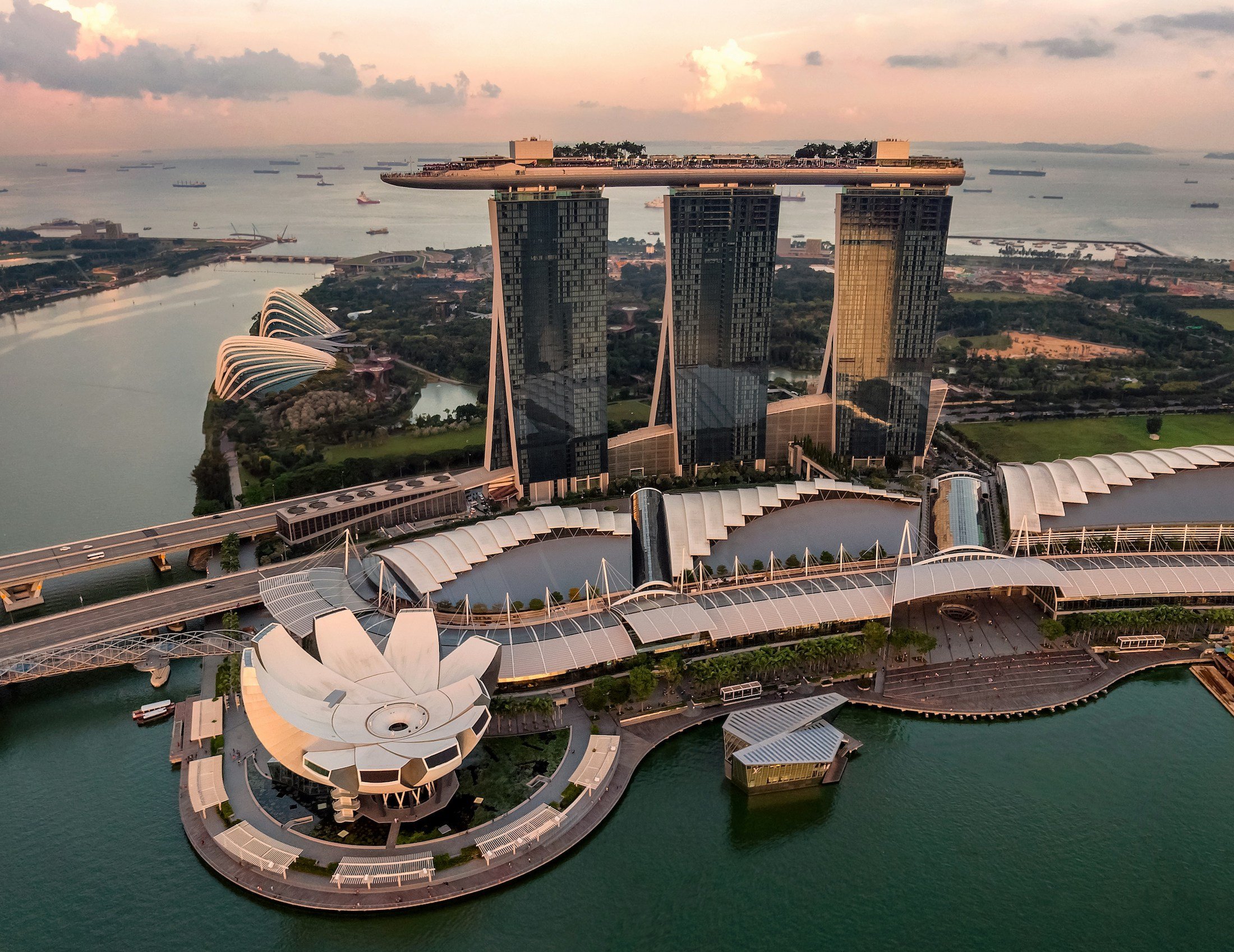
Singapore: A Blend of Futurism and Tradition in Harmony
As a forward-thinking city-state, Singapore serves as a vibrant cultural blend. Head over there to explore its ultramodern attractions.
Gardens by the Bay
, the iconic
Marina Bay Sands
In addition to the historic Chinatown district, be sure not to miss Sentosa Island, which offers a wide range of recreational facilities.
Next, take a leisurely walk through the
Little India
neighborhood for retail therapy. Should you desire to sample Singaporean fare, numerous eateries offer delicacies like chili crab and roasted satay sticks.
In Tanzania, the plan includes a safari and beautiful beaches.
Tanzania is a paradise for nature enthusiasts. The Serengeti National Park and the Ngorongoro Crater rank as some of the top locations to spot the Big Five wildlife—lions, elephants, leopards, buffalos, and rhinos—on safari. Don’t forget to explore the shores of Zanzibar, famous for their crystal-clear waters and vibrant coral reefs.
Don’t overlook the opportunity to sample Tanzanian cuisine, known for its robust flavors. Try ugali, a cornmeal dish, along with nyama choma, which is grilled meat typically accompanied by veggies.
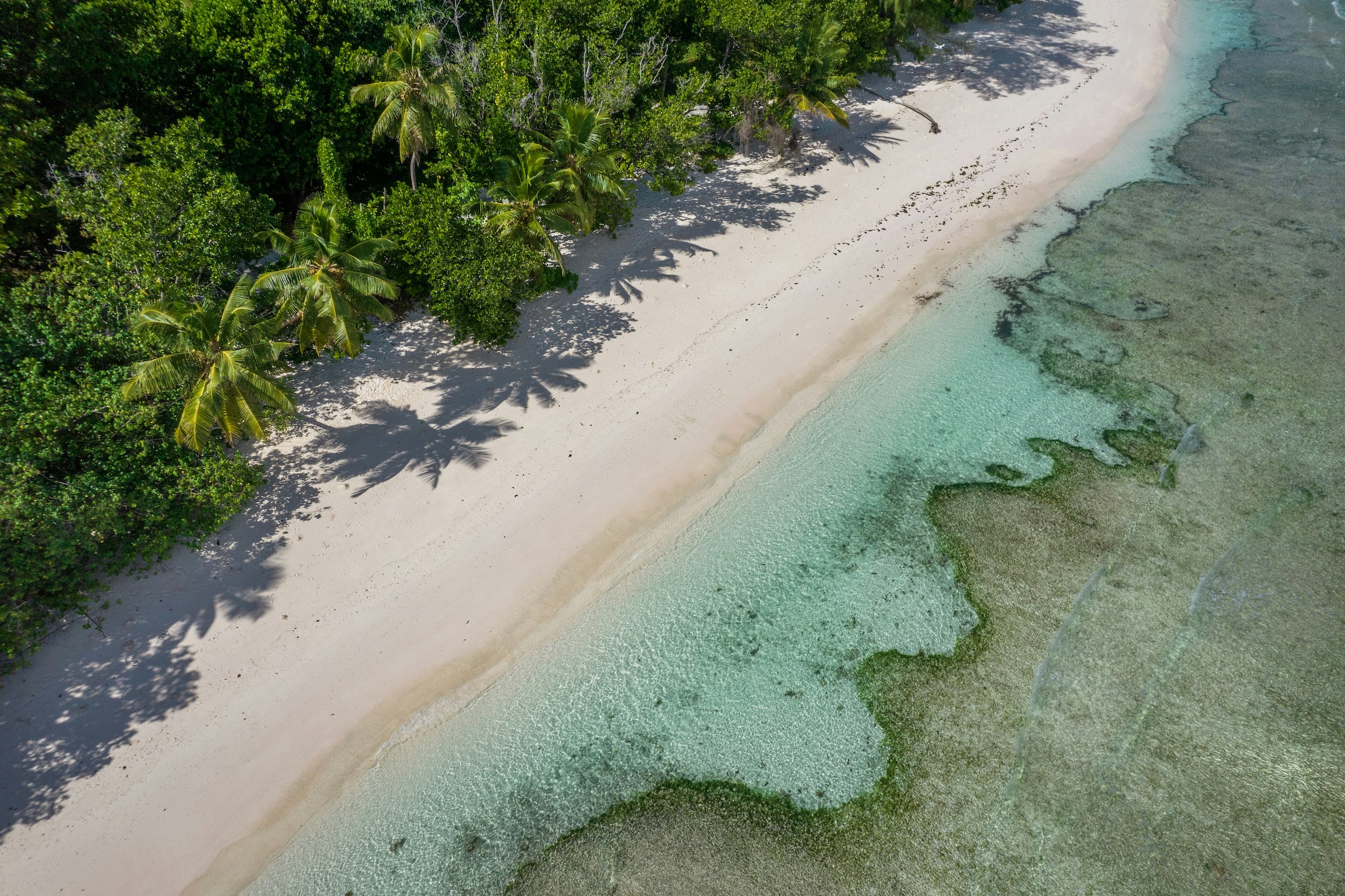
The Seychelles, a breathtaking island chain
The Seychelles, known for their untouched shores and clear blue seas, are ideal for nature lovers. Visitors will be enchanted by the island of La Digue, which boasts Anse Source d’Argent beach—one of the planet’s most iconic photographic spots.
If you love hiking, consider exploring the Morne Seychellois National Park on the island of Mahé. For food enthusiasts, the archipelago provides a diverse array of gourmet specialties.
Mauritius, a fusion of cultures
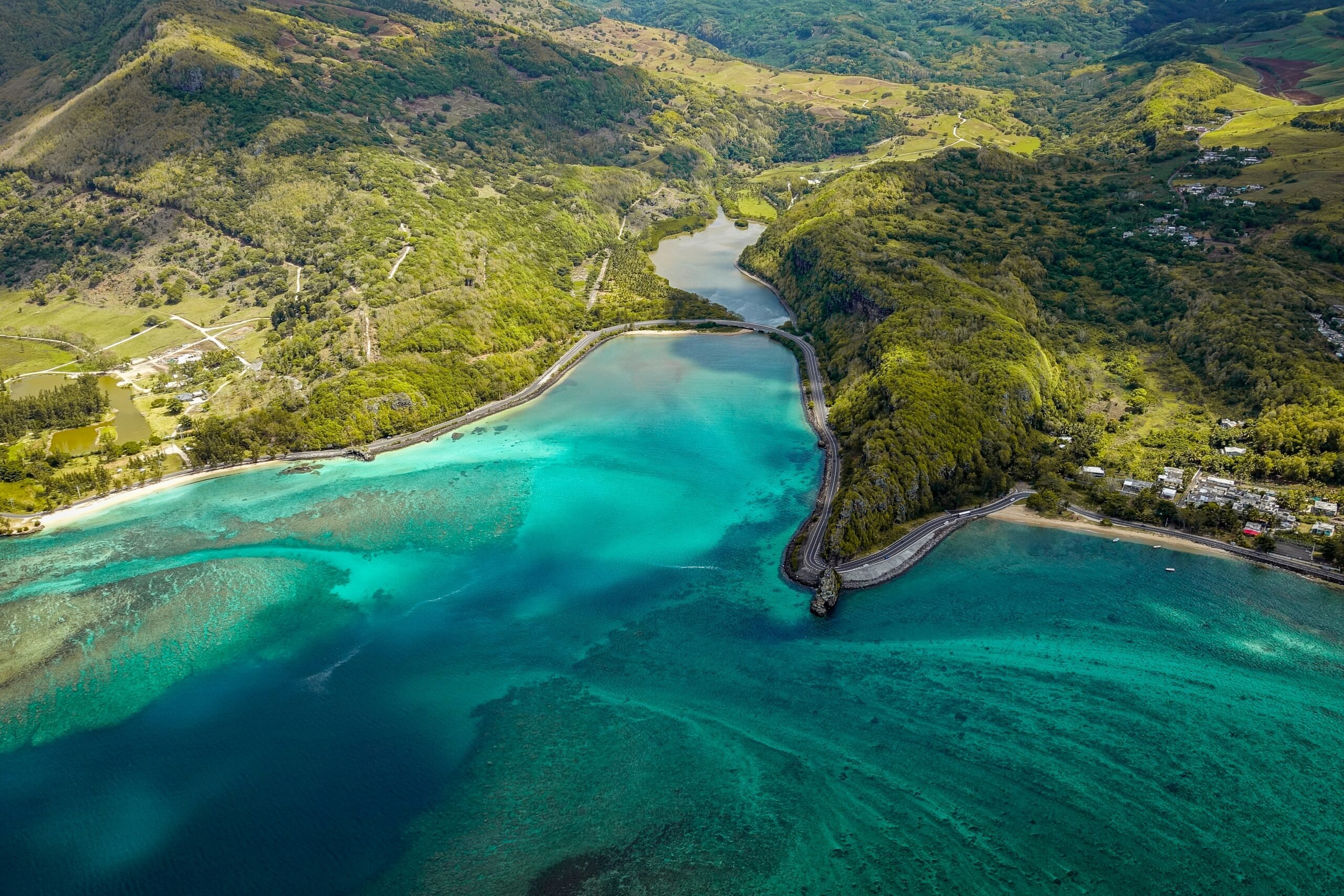
Renowned for its pristine white sand shores and crystal-clear blue waters, Mauritius offers a captivating mix of Indian, African, and European influences. To fully enjoy your visit, be sure to explore the Pamplemousses Botanical Garden as well as the stunning landscapes within the Black River Gorges National Park.
The island boasts historical landmarks like the Aapravasi Ghat, which is part of a UNESCO World Heritage Site. For food lovers, make sure to sample dholl puri, a type of lentil flatbread, and pimento cake, akin to a spiced version of a doughnut. You’ll thank us afterward!

by admin | Aug 10, 2024 | africa, cuisine, culture, food and drink, south africa
A nation brimming with historical significance and cultural richness, South Africa boasts an array of distinct ecological zones—from interior woodlands to idyllic coastal shores. This multifaceted country continues to astonish with its unexpected delights. Let’s explore its intricate culinary landscape.
While
South Africa is renowned for its wine estates.
With its numerous safaris showcasing the Big Five (lions, leopards, elephants, rhinos, and Cape buffalos), stunning national parks, and bustling urban centers, South Africa’s culinary scene merits greater acclaim. This gastronomy offers an extensive array of flavors and textures, transporting diners on a sensory adventure spanning multiple continents. Influences permeate from various corners of the globe—from Dutch settlers to Boer farmers, Zulus, native tribes, Britons, Indians, and Malaysians. At the heart of this cuisine lies a focus on high-quality meats—sometimes including unconventional choices like ostrich or crocodile.
Interested in visiting South Africa? Check out these articles for tips on planning your journey:
-
South Africa: The Most Stunning UNESCO Sites to Explore Immediately
-
South Africa: Top Treks and Hikes in a Walker’s Haven
-
South African Lodgings: Five Unique Hideaways Amidst Nature’s Embrace
-
The Most Stunning National Parks in South Africa
Braai, which includes barbecuing and the traditional Boerewors.
A visit to South Africa isn’t fully realized until you’ve sampled a classic braai, which stands as one of the country’s quintessential barbecue traditions. This dining event is typically reserved for festive occasions and offers an unparalleled taste of local cuisine. Be sure to savor some boerewors, a savory blend of pork, beef, or game meat flavored with spices like coriander, pepper, and nutmeg—a dish that captures genuine authenticity better than what can be found at restaurants.

Biltong, dried meat
Biltong closely resembles its relative, the dry sausage. It’s an immensely favored South African treat crafted from salted meat—a practical preservation technique before refrigeration was available. Typically prepared using beef or various types of game such as ostrich, zebra, kudu, springbok, or antelope, this cured meat is flavored with vinegar, salt, sugar, coriander, and/or chili.

Chakalaka:
when spicy meets veggies
Often referred to as “spicy relish,” Chakalaka is indeed a dish consisting primarily of raw vegetables typically enjoyed alongside meats. Composed of ingredients like onions, carrots, tomatoes, chilies, bell peppers, and various spices, this culinary creation boasts numerous renditions. Each household tends to have its distinct method for making it.
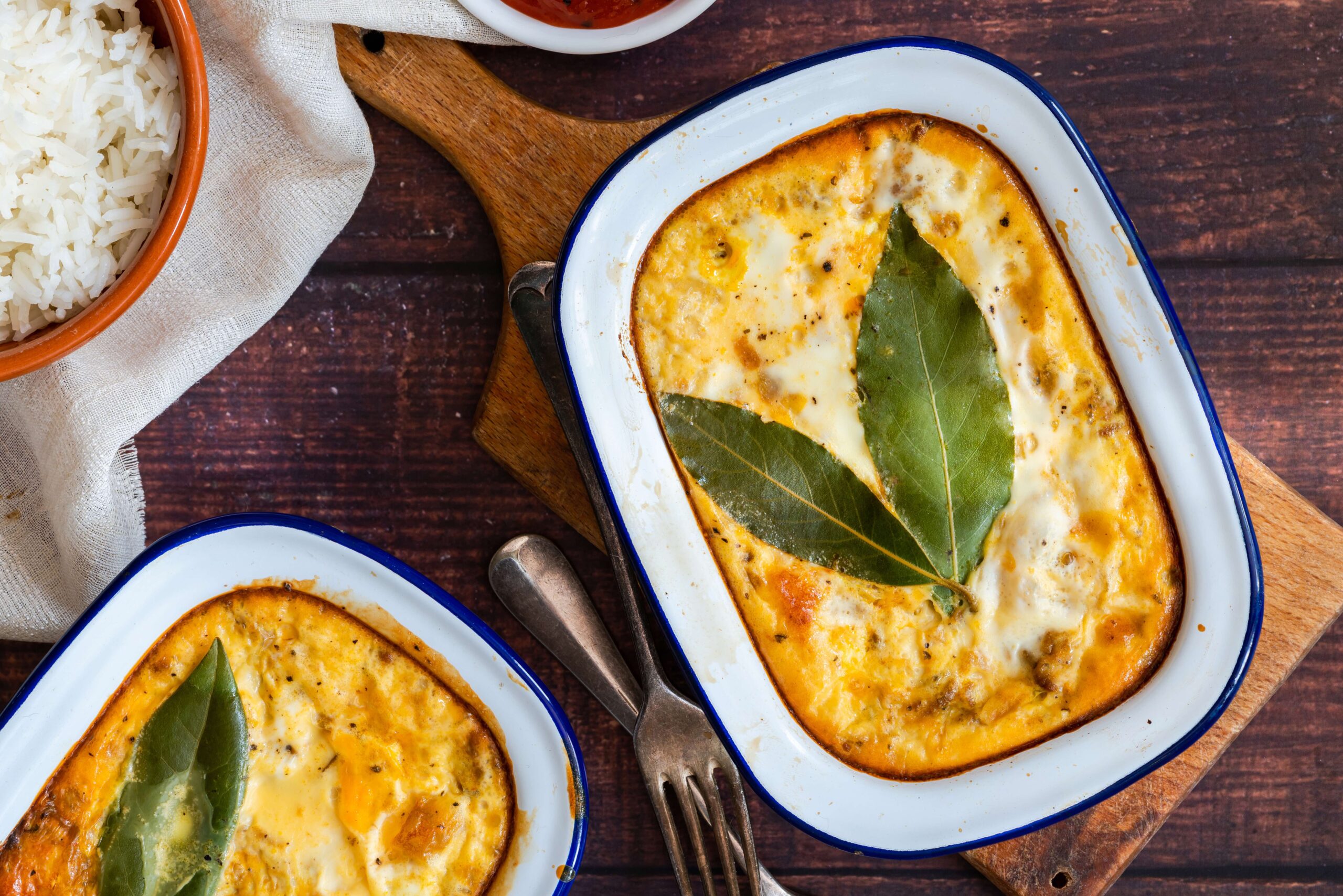
Spicy Bobotie, a variation of shepherd’s pie.
Bobotie is a meat dish that appears to have existed since the 1700s.
th
It closely resembles a classic shepherd’s pie but is prepared using tomatoes and chutney, along with crisp veggies and dried fruits. The recipe for this dish includes more spice, particularly curry. Ideally served alongside saffron-infused rice.
Bunny Chow, surprise bread
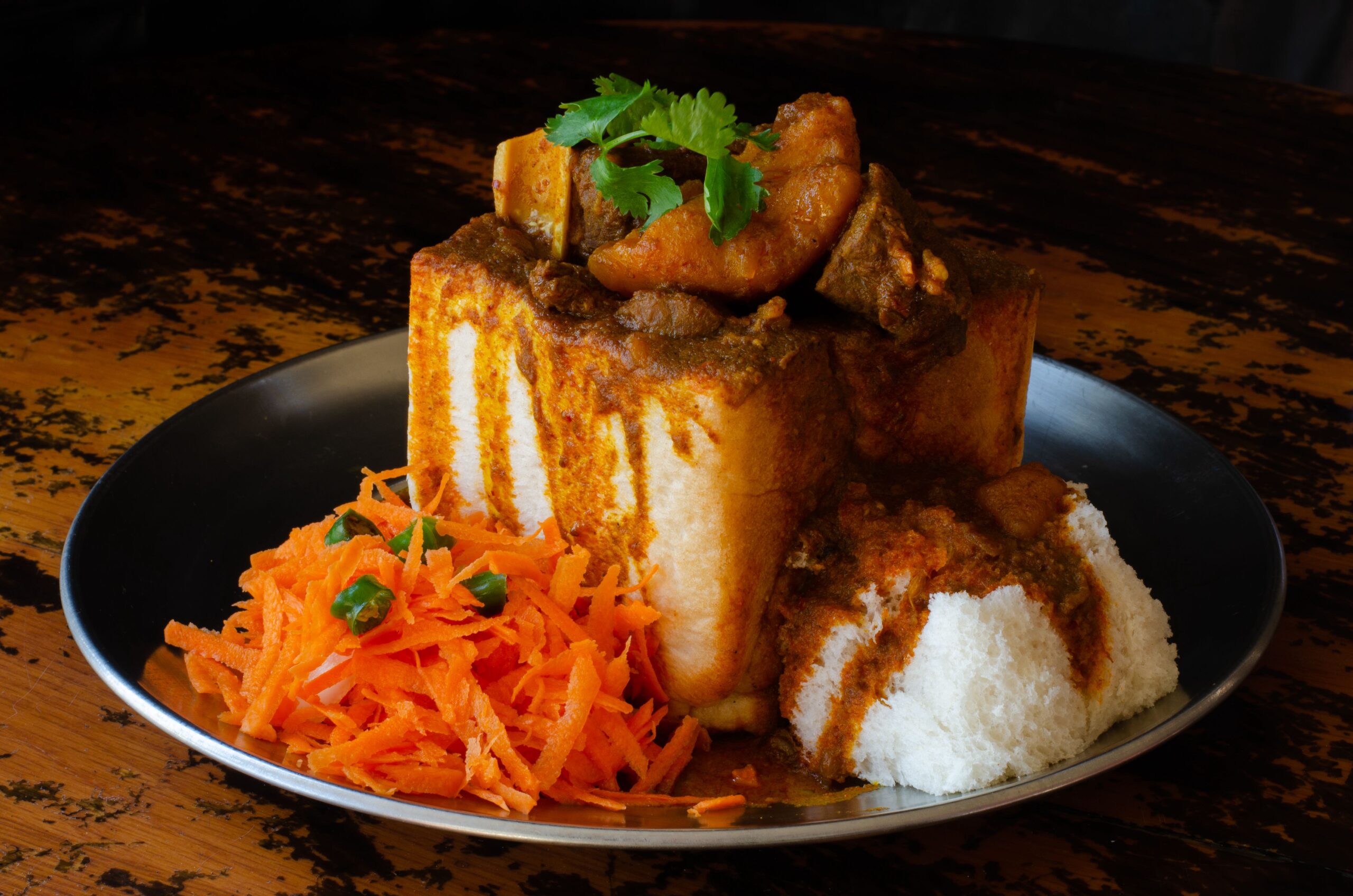
Originating from Durban, Bunny Chow has become an exceedingly popular staple, even finding favor in the markets of London. Essentially, this dish consists of a hollowed-out loaf of bread filled with flavorful curry. The uniqueness of this meal lies in its versatility; you can get it in both vegetarian options—such as those made with lentils and beans—as well as non-vegetarian choices like chicken or pork varieties.
Koeksister,
a honey
twisted doughnut
To conclude this classic South African menu, indulge in koeksisters—sweet honey-dough pastries. These braided treats are first deep-fried and occasionally topped with shredded coconut to enhance their taste.

by admin | Aug 9, 2024 | cities and towns, culture, culture & history, lifestyle, society, tourist attractions
From Hampshire to Dorset, Jane Austen witnessed the expanse of traditional England throughout her life. Embarking on an exploration of the novelist’s personal landscapes, we delve into six locations that significantly influenced the fabric of her refined and skilled prose.
From Steventon to Winchester, Bath, Southampton, Lyme Regis, and Chawton, every phase of Jane Austen’s life contributed to her development into one of the most distinctive and impactful authors in English literature.
English literature
Her collection of works, reflecting her journeys throughout England, offers a vibrant depiction of a nation and its customs in transition.
Interested in visiting England? Here are
some
pieces to assist you with planning
out
your trip:
-
Five compelling reasons to explore the English county of Kent
-
England: Top 10 Countryside Walking Trails You Should Add to Your Bucket List
-
This delightful small town has been crowned as the top location to reside in the United Kingdom.
-
Top British Coastal Destinations to Explore This Summer
Steventon, the birthplace of
her love of words
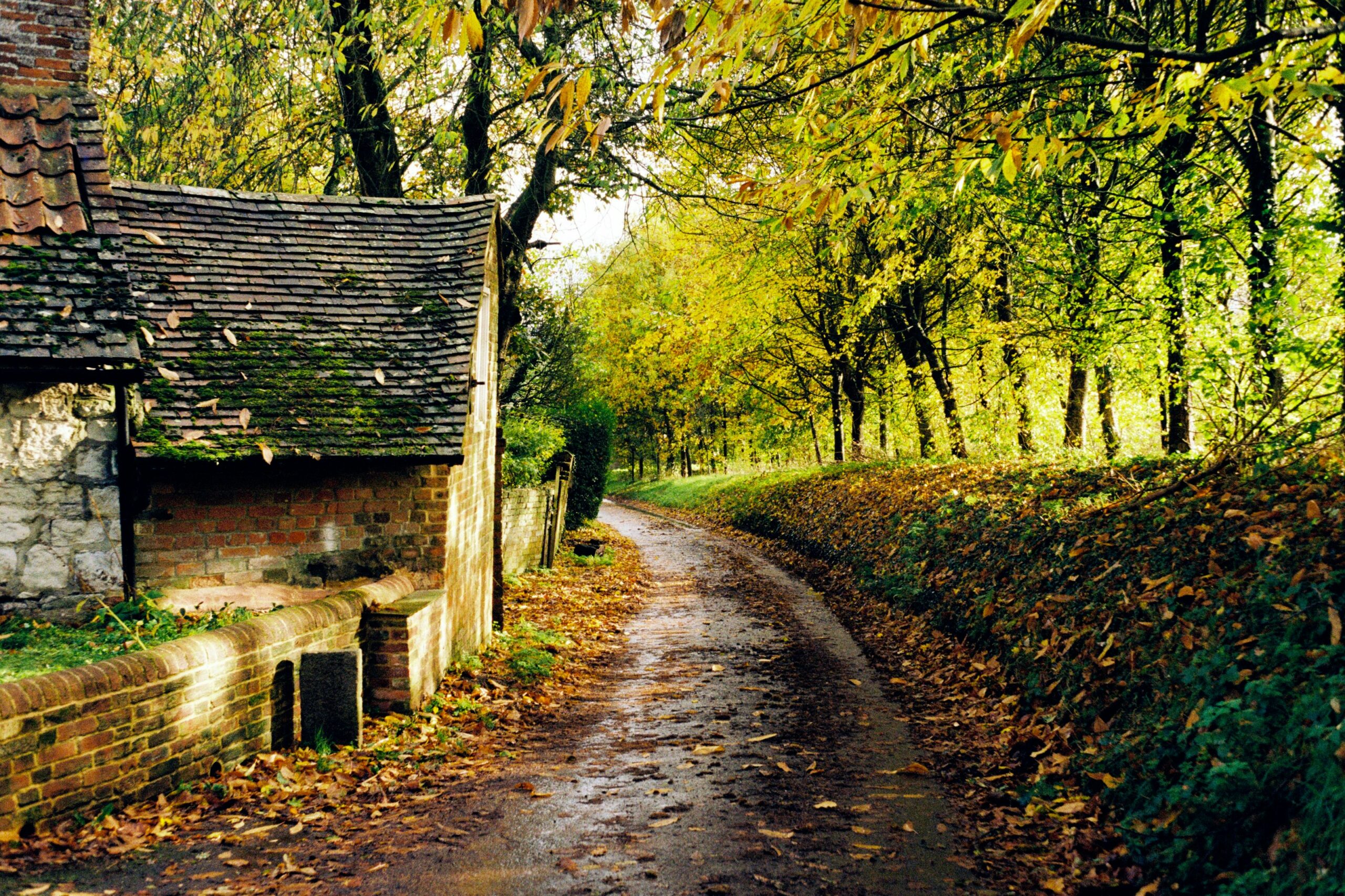
At the Steventon rectory, a young girl writes passionately. This was Jane Austen, born in 1775, who established the groundwork for her literary universe.
The picturesque landscapes of the Hampshire countryside and its close-knit rural community provided ample inspiration: attending village dances, making polite calls on neighbors, and taking leisurely strolls honed her powers of observation. This idyllic backdrop served as the stage where she developed her keen eye for detail.
drafts of
Pride and Prejudice
,
Sense and Sensibility
and
Northanger Abbey
were first written down.
Bath, the social game
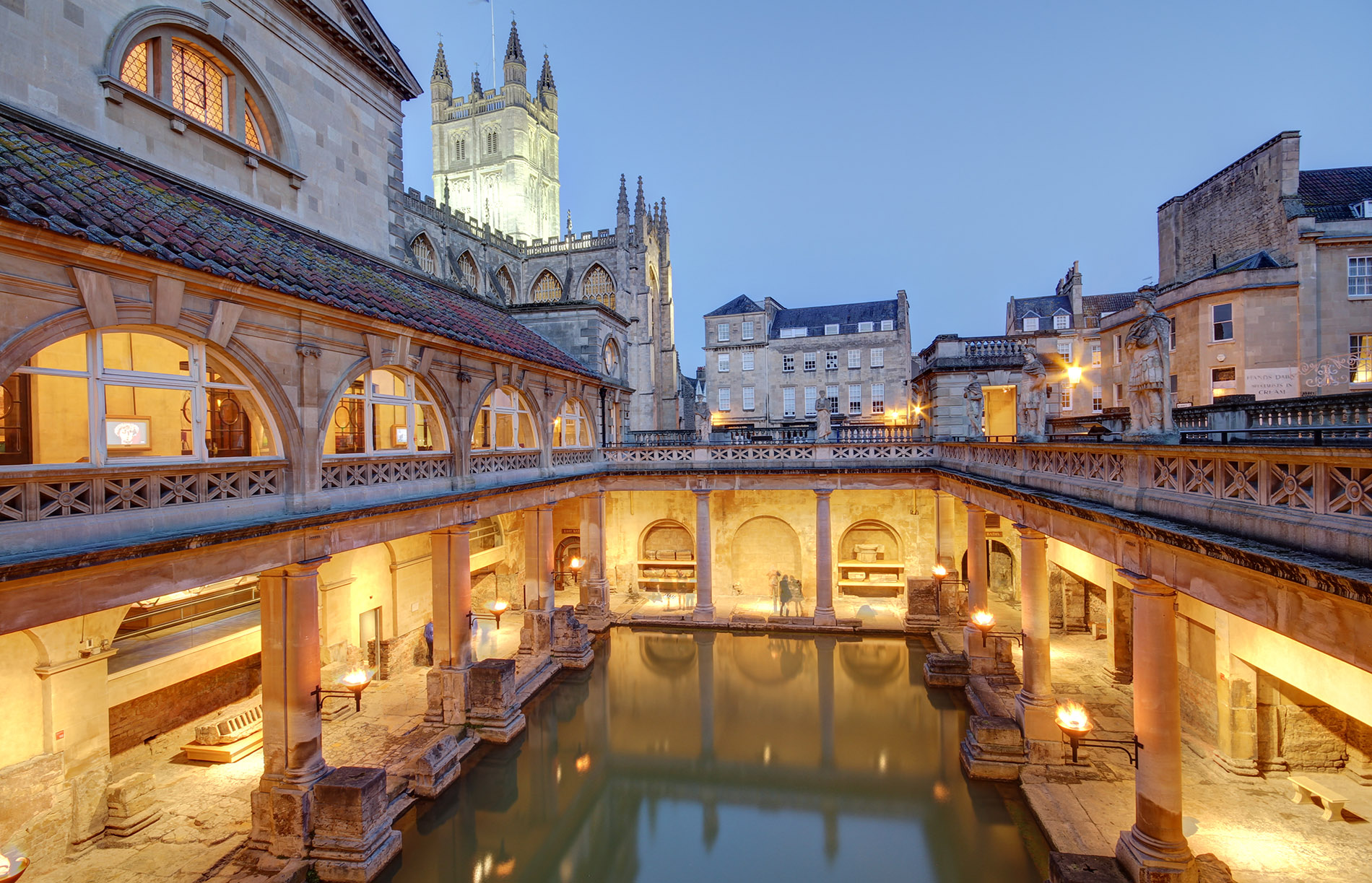
In 1801, the Austen family relocated to Bath. This move came as quite a surprise for them.
The
hubbub of the spa town
Provided a sharp contrast to the tranquil atmosphere of Steventon. Jane keenly observes, often with significant sarcasm, various social customs and events. Though she might appear unenthusiastic towards Bath in her writings, it undeniably left a lasting impression on her literature.
The charming streets and distinctive ambiance of the spa town are vividly depicted in
Northanger Abbey
and
Persuasion
. Although Austen initially disliked Bath, she eventually came to portray it as a distinct character in her literary works.
Southampton, the siren song of the ocean
In 1805, a significant change occurred. After her father passed away, Jane relocated to Southampton along with her mother and sister Cassandra.
The harbor presented fresh opportunities for the writer. The constant arrival and departure of vessels along with the lively activity at the docks expanded her understanding of life. Even though Southampton wouldn’t directly appear in her released writings, the city’s maritime impact is evident.
The naval references in
Mansfield Park
and
Persuasion
This coastal setting is referenced throughout, such that every location subtly influences Austen’s prose at times.

A Seaside Interlude in Lyme Regis
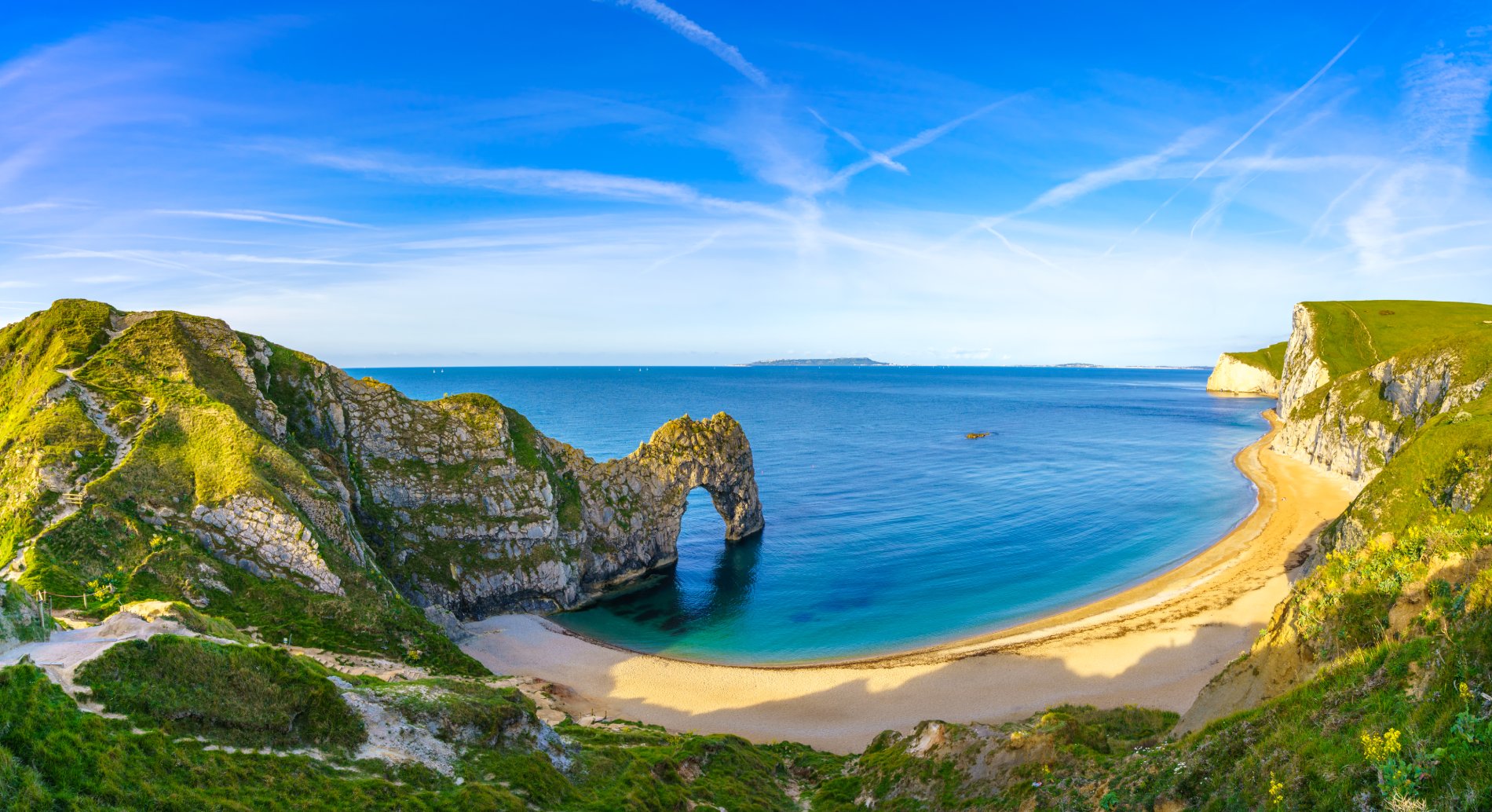
In 1804, Jane Austen came across
Lyme Regis
This short visit to Dorset instilled in her an enduring memory: the untamed allure of the Jurassic coastline and the ambiance of the coastal town enchanted the author. Lyme Regis emerged as a key element in her work.
Persuasion
The final book she finished includes an iconic scene where the character falls onto the Cobb, that legendary jetty. This moment exemplifies the influence this location had on her imagination.
Chawton, the creative refuge
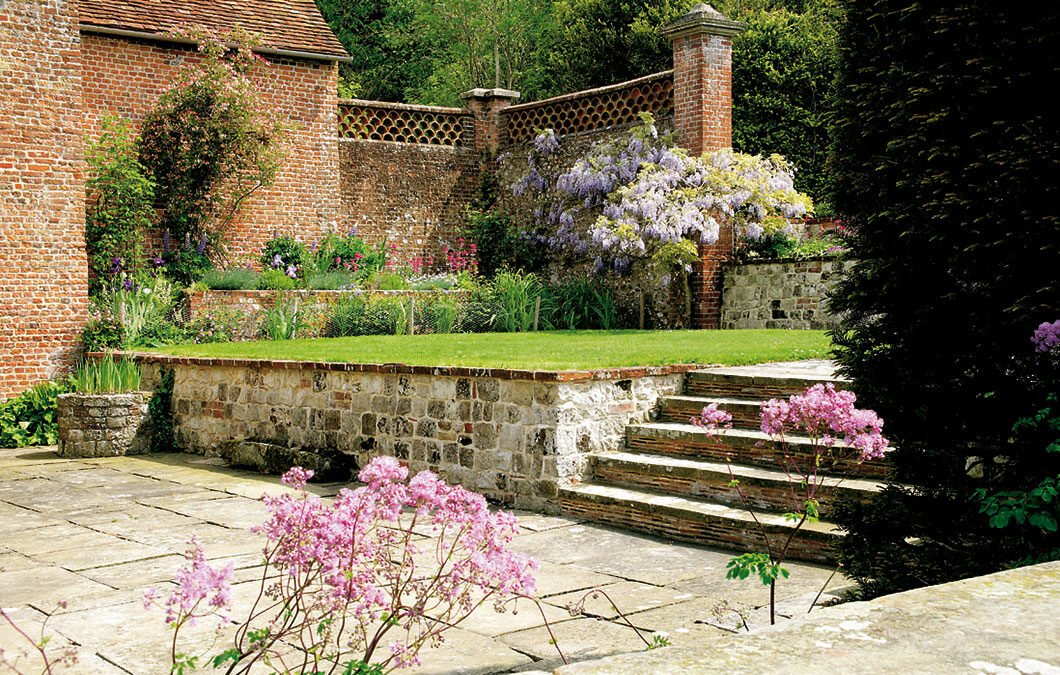
In 1809, Jane decided to embrace her origins when she relocated to Chawton, which was situated in Hampshire yet again. It was here that she spent the final eight years of her life, a period marked by intense productivity as an author.
In this tranquil village, Austen attained the height of her artistic abilities. The serenity and calmness of the rural surroundings enabled her to refine her skills as an author.
Mansfield Park
,
Emma
and
Persuasion
came to be.
Chawton House, which currently serves as a Centre for the Study of Women’s Literature, stands as evidence of that significant era when Austen’s inventive talent flourished.
More information at
chawtonhouse.org
Winchester, the final chapter
Jane Austen’s active life would conclude in Winchester. In May 1817, she fell gravely ill and traveled there seeking medical care.
On July 18th, she passed away, leaving behind a legacy that would endlessly enhance English literature. Her remains were laid to rest in
Winchester Cathedral
turned into a destination where devotees from across the globe would come to visit.
And so concluded Jane Austen’s time on Earth, yet her literary essence endures, continuing to captivate fresh audiences and transport them to early 19th-century England.
th
-century England.