by admin | Apr 14, 2025 | addictions, drug legalization, drugs, public health and safety, youth
By Albert Allotey
Accra, April 12, GNA – As stated by Mrs Olivia Agyekumwaa Boateng, who leads the Tobacco and Substance Abuse Division at the Food and Drugs Authority, they urge youth-focused organizations to collaborate with their agency to combat substance misuse within the nation.
She stated that forming partnerships would significantly help tackle the problem of drug abuse, specifically mentioning Tramadol and Tapentadol, along with newer substances like “RED,” which have been gaining attention among young people.
Mrs. Boateng initiated the call during the unveiling of the “Ghana Against Drugs – ‘Red Means Stop'” initiative by the Ministry of Youth Development and Empowerment.
This campaign serves as a nationwide effort aimed at young people to tackle the increasing problem of drug misuse within their demographic.
Mrs Boateng stated that the usage of Tapentadol, similar to other opioids, poses concerning health hazards.
Mixing Tapentadol with depressants such as alcohol and other opioids can cause severe respiratory depression, which may lead to comas or even death.
As she pointed out, “The abuse of opioids leads to both physical and psychological dependency, worsening the tough socioeconomic circumstances confronting numerous young Ghanaians.”
Mrs. Boateng stated, “Given our role as the regulatory authority tasked with protecting public health and guaranteeing the safety and effectiveness of medications in Ghana, the FDA is dedicated to tackling this problem via rigorous regulatory actions and working together with various parties involved, which has already commenced.”
She mentioned that the Authority, working alongside state organizations like the Ghana Revenue Authority, Narcotics Control Board, Ghana Police Service, and Pharmacy Council, among others, has been carrying out stringent monitoring, confiscating illegal substances, and penalizing those involved.
Mrs. Boateng observed that the worldwide opioid epidemic has spread to West Africa, with growing instances of misuse involving drugs such as fentanyl, pethidine, Tapentadol, and tramadol.
“In recent times, research has underscored a ‘tramadol crisis’ within the region, marked by an unsettling prevalence of the medication’s usage amongst young individuals, frequently associated with physical distress, mental health issues, and financial struggles,” she stated.
She mentioned that in Ghana, the FDA has noticed an increase in the unlawful importation, selling, and dissemination of unregistered opioids such as Tapentadol. She pointed out that these drugs frequently enter the nation via smuggling routes and are traded through unofficial outlets, thereby presenting considerable threats to public health.
“It needs to be clearly emphasized that the majority of these drugs are merely transiting through the country,” she stated.
Mrs Boateng mentioned that the FDA engages in numerous initiatives focused on encouraging the proper usage of controlled substances and preventing opioid misuse. She emphasized their unwavering dedication to safeguarding public health and guaranteeing the security of all regulated items within Ghana.
GNA
LAA
Provided by Syndigate Media Inc. (
Syndigate.info
).

by admin | Apr 3, 2025 | arrests, crime, criminal cases, drugs, smuggling
-
Another Kenyan woman has been arrested in Mumbai for allegedly trying to bring banned substances into the Asian nation.
-
The illegal items were found hidden within a concealed section of her rolling suitcase upon her arrival from Nairobi.
-
The authorities are looking into potential previous participation in drug trafficking and her connections to a smuggling network.
The SANGGRALOKA.co.ke correspondent Ivan Mboto boasts more than three years of expertise in covering political and contemporary issues within Kenya.
India —
Customs officials at Chhatrapati Shivaji Maharaj International Airport in Mumbai apprehended a Kenyan national for allegedly attempting to smuggle prohibited drugs into India.

The suspect, identified as 43-year-old Emily Rodha, was intercepted by customs officers shortly after she arrived from Nairobi via Doha on Qatar Airways flight on Tuesday, April 1.
Based on a mix of intelligence reports and targeted profiling, officials identified her for additional scrutiny, which resulted in finding the illegal shipment.
An inspection of her luggage showed that drugs were cleverly hidden inside a secret compartment of her rolling suitcase, apparently aiming to avoid being caught, according to The Indian Express.
As reported by The Times of India, the four packages containing a white powder believed to be illegal substances had a total weight of around 1,789 grams. Their approximate market value was estimated between Rs 15 to 20 crores based on their purity (which is roughly equivalent to KSh 300,000).
Officials promptly arrested Rodha under the strict terms of the Narcotic Drugs and Psychotropic Substances (NDPS) Act, which imposes harsh punishments for drug trafficking violations.
What amount was Emily Rhoda supposed to be paid for smuggling drugs into India?
In the following questioning, Rodha confessed to serving as a courier in an extensive smuggling scheme.
She admitted that a different woman from Nairobi gave her the illegal shipment and assured her a payment of KSh 100,000 once she successfully delivered the narcotics to an accomplice in Delhi.
Nevertheless, she refrained from revealing the identities of those behind the operation or offering more information regarding the extensive network engaged in smuggling drugs into India.
Investigators are currently carrying out a thorough examination of her travel background to ascertain if she has engaged in previous drug-smuggling activities.
The authorities are likewise investigating her potential links to an extensive drug cartel active across multiple countries.
A Kenyan woman has been condemned to death due to offenses related to narcotics.
In March, Kenyan national Macharia Margaret Nduta received a death sentence in Vietnam for drug trafficking charges. She was arrested at Tan Son Nhat International Airport in Ho Chi Minh City when authorities discovered more than two kilograms of narcotics hidden inside her luggage.
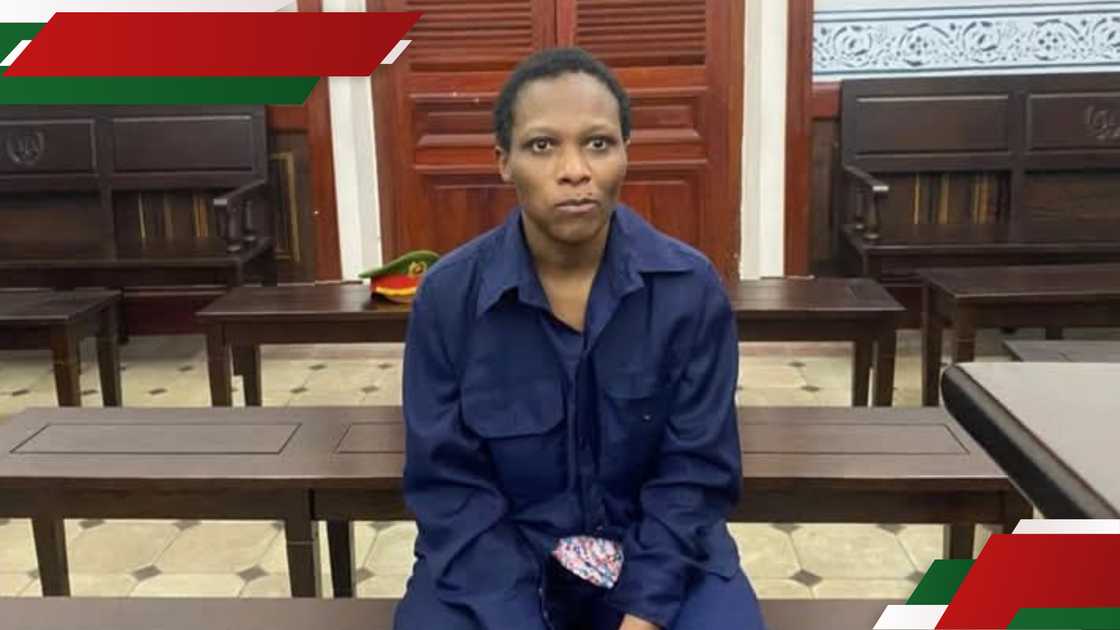
Reports indicate that Nduta, aged 37, was approached by an individual from Kenya to carry a suitcase to Laos for a payment of $1,300 (roughly KSh 167,000), including full coverage of travel costs.
Because of a flight delay, airport personnel helped her reschedule her journey to Laos; however, standard security screenings uncovered the narcotics concealed in her baggage.
On March 6th, the Ho Chi Minh City People’s Court reinforced Vietnam’s strict approach to drug offenses by condemning Nduta to death, showcasing the country’s zero-tolerance policy towards such crimes.
by admin | Apr 1, 2025 | drugs, healthcare and medicine, medicine and healthcare, pharmacy, prescription drugs
In vibrant urban centers such as Lagos, Abuja, Port Harcourt, and Kano, an unannounced public health crisis is taking shape—hidden behind pharmacy counters, throughout hospital corridors, and within medicine chests. This threat isn’t caused by a novel virus or illness; rather, it’s something closer to home yet equally perilous: counterfeit and low-quality medications.
Although the phrase counterfeit medicine frequently brings up images of intellectual property violations or illicit trafficking networks, its true effect is profoundly personal and distressingly ignored—it poses an immediate risk to patients’ well-being. Within Nigeria’s bustling health sector, where countless individuals depend on prescribed drugs and non-prescription medications every day, the danger posed by substandard medicines is both actual and widespread.
When treatment becomes a
threat
Think about this scenario: A young female patient who has been diagnosed with typhoid fever goes to a well-regarded clinic in Abuja. The doctors prescribe her some antibiotics, which she buys from an adjacent pharmacy and starts using as directed. However, several days into her treatment, her health takes a turn for the worse. Unbeknownst to her—and initially undetectable by her physician—the medications she obtained had barely detectable levels of the effective compound. Essentially, they were placebos. Sadly, such instances are not uncommon occurrences.
The World Health Organization reports that substandard and counterfeit medications are particularly widespread in lower- and middle-income nations, making up approximately one-tenth of all medical products available. Specifically, a 2018 study conducted by NAFDAC, which stands for the National Agency for Food and Drug Administration and Control in Nigeria, found that between 15% to 17% of circulating medicines were likely fraudulent or below standard quality—a concerning statistic with significant repercussions for public well-being.
Urban irony
Urban centers, despite their better infrastructure and access to healthcare, are not spared. In fact, they may be more vulnerable due to high demand for medication in dense populations; thriving informal drug markets where unregulated vendors compete with licensed pharmacies; digital pharmacies and online drug sales, which are often difficult to trace or regulate; overburdened health facilities that unintentionally source low-cost, unverified medicines to meet demand.
These elements create a harmful combination—one that erodes both the effectiveness of treatments and patients’ trust and safety.
Patient safety
The worldwide discussion about patient safety frequently centers on surgical mistakes, infections, or incorrect diagnoses. Nevertheless, ensuring the integrity of medications stands as a crucial yet largely overlooked aspect of delivering secure healthcare, particularly in Nigeria.
If someone ingests a fake medication, several serious issues could arise: their condition might deteriorate, potentially resulting in avoidable hospital stays or fatalities; antibiotic misuse can foster drug-resistant strains of bacteria; this mistake leads to extra expenses, placing financial strain on both households and medical facilities; doctors’ credibility suffers, complicating efforts to determine genuine cases of treatment ineffectiveness; ensuring patient security encompasses more than just surgical procedures or bedside care—it also involves safeguarding against compromised medications taken under trust.
Systemic gaps
Even with the efforts of oversight organizations such as NAFDAC and PCN (Pharmacists Council of Nigeria), numerous issues continue to arise: irregular implementation of pharmaceutical rules; weaknesses in tracking medications through the distribution network, particularly when they reach retailers; instances of bribery and fake products entering authorized outlets; public unawareness leading individuals to inadvertently buy medicines from unauthorized sellers; insufficient resources for customers to confirm medication legitimacy; although new technologies like the Mobile Authentication Service (MAS)—enabling people to authenticate drugs using SMS—have been introduced, their recognition and adoption among the populace still lag behind expectations.
What can be done?
Strengthen Enforcement and Surveillance: Regulatory bodies must adopt real-time supply chain tracking technologies and increase on-the-ground inspections in urban pharmacies.
Public Awareness Initiatives: It’s crucial for patients to grasp the dangers associated with purchasing from unauthorized outlets and to feel confident in questioning and authenticating their medicines.
Training for Healthcare Providers: It is essential to educate doctors and pharmacists so they can identify indications of medication failure, which might signal the presence of substandard drugs.
SUPPORT LOCAL MANUFACTURING: Encouraging domestically made, supervised medications can decrease dependence on imported products and fill in the gaps exploited by fake drug makers.
Enhance Patient Safety Protocols: Medical facilities such as hospitals and clinics should integrate drug authenticity verifications into their comprehensive patient protection measures.
Prescription
Ensuring patient safety extends further than just prescriptions. Combating fake and low-quality medications in Nigeria should not rest exclusively with regulators or police. Instead, it needs to be a central issue for healthcare professionals, patients, and policy makers collectively. Should a patient lack faith in the authenticity of their medicine, genuine patient safety will stay unattainable.
In order to safeguard the well-being of Nigerians, particularly those living in urban areas, we should start viewing medication quality not just as a pharmacy concern but rather as an essential aspect of patient safety with potentially fatal consequences.
Bakare, who works as a pharmacist and advocates for patient safety, shares insights from the United States.
Provided by Syndigate Media Inc. (
Syndigate.info
).
by admin | Mar 30, 2025 | criminal justice, drugs, healthcare and medicine, medicine and healthcare, public health and safety
The alert has been triggered at Britain’s inaugural drug consumption facility.
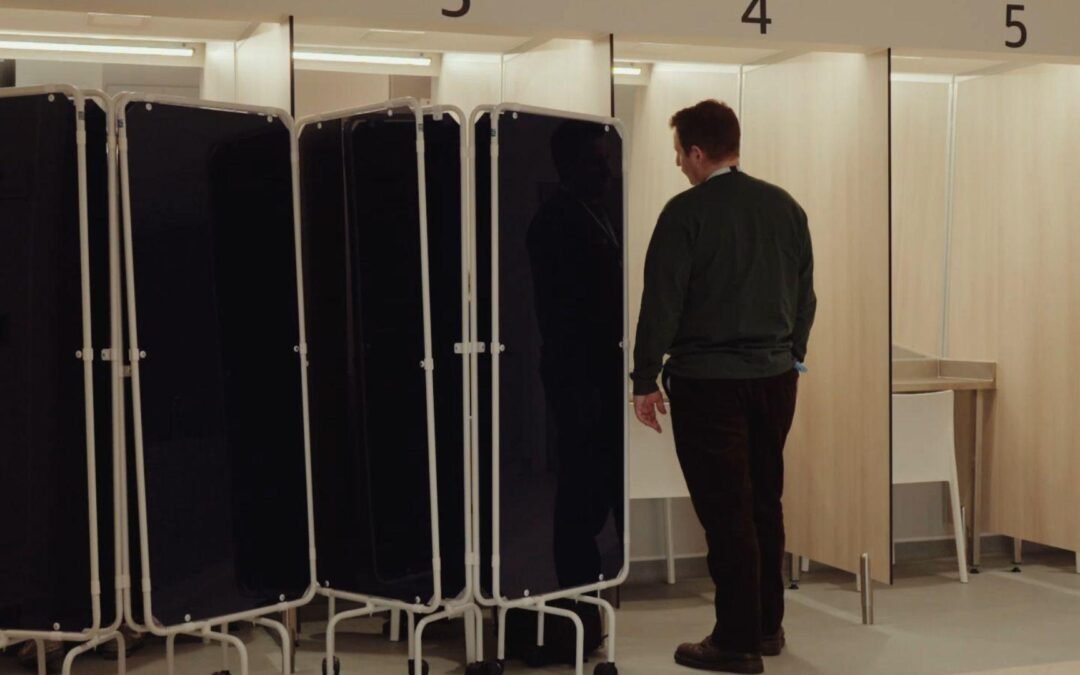
A man in his thirties has experienced an overdose in the “use area” — a section of the Glasgow center where nurses oversee injections at eight stations.
He had just gotten to The Thistle a few minutes before, excitedly talking about being checked by the police on Gallowgate.
The staff hurry over to assist, guiding him from his chair down to a safety cushion on the ground.
The filming team is asked to leave the location as an ambulance is summoned and personnel strive to resuscitate him.
Eddie Kearney, who works in harm reduction, informs us that the individual had consumed drugs on three occasions earlier that day.
“He’s using a ‘snowball,’ which means he’s taking both heroin and cocaine together,” he clarifies.
It has only been two minutes since he went inside, yet here he is lying on the floor.
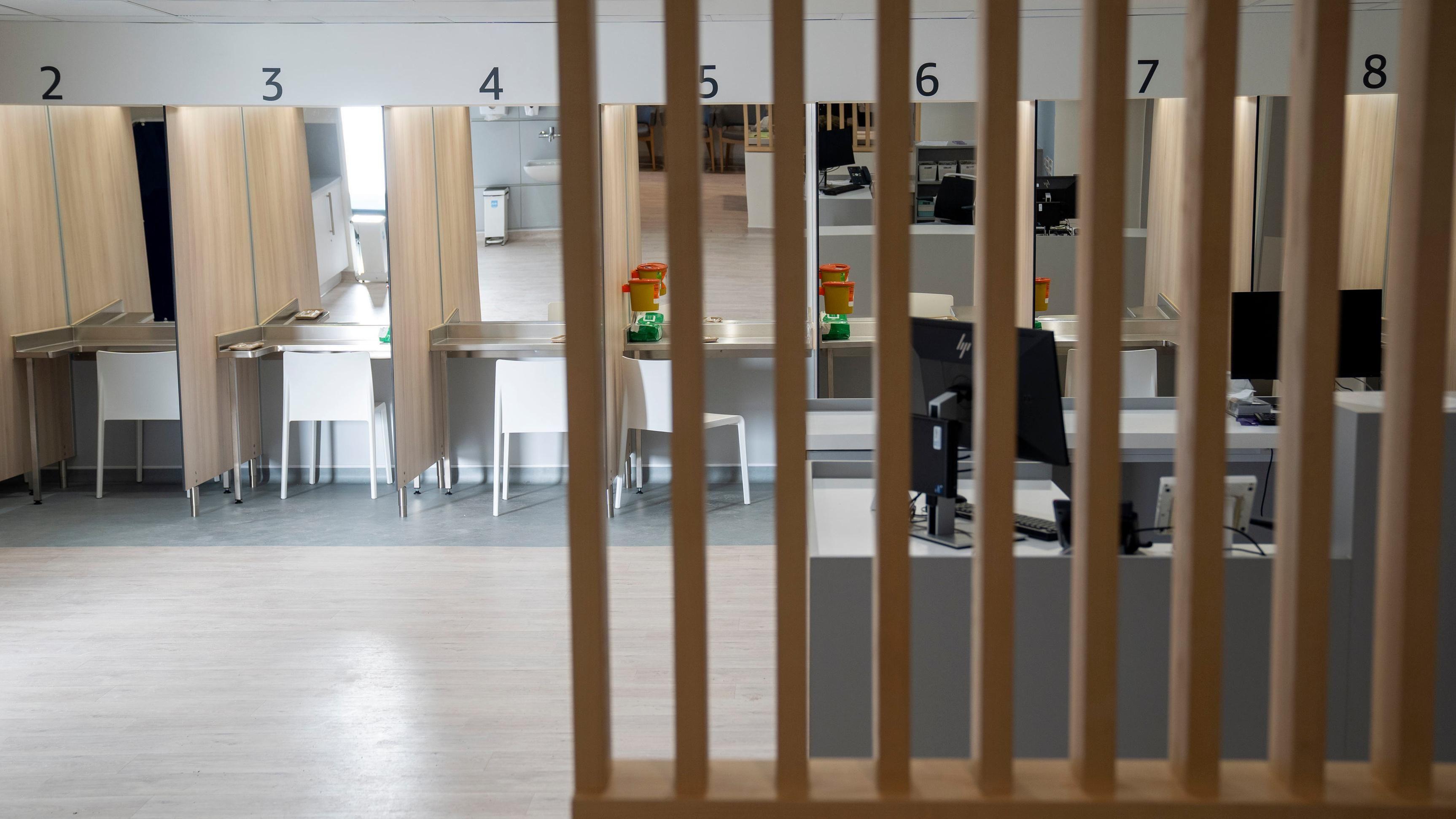
We have been permitted to film in the center for two days, exclusively gaining entry into the innovative yet contentious consumption facility.
Within less than sixty minutes, the alert rings out once more, this time signaling another individual in their thirties.
He was guided to the reception area by staff members from a charitable organization before making his way to the booths to inject heroin.
Lynn MacDonald, who serves as the service manager, informs us that this is yet another medical emergency.
In the initial four weeks, there were no medical emergencies; however, this week we have experienced five.
The issue might stem from a particular batch of drugs. Users have observed changes in the heroin when preparing it, mentioning a distinct green hue to it.
She mentions that additional paramedics are en route.
Both individuals recover after receiving the overdose-reversing medication Naloxone, prior to being attended to by paramedics. The second person is then transported to the hospital.

Lynn MacDonald subsequently informed us: “I am completely certain that without our presence during the overdoses at the Thistle, individuals would not have made it through.”
Over the past 12 weeks since The Thistle began operations in the eastern part of Glasgow, there have been 16 instances of drug overdoses.
A total of 180 individuals have visited the facility, with over 1,200 monitored injections of heroin and cocaine purchased from the streets.
In total, 27 individuals have been directed to various external services such as housing assistance by the staff members.
This service, akin to programs operating in 18 other nations, aims to decrease drug-related harm among injection drug users within one of Glasgow’s most economically disadvantaged areas.
The aim is to create a safer environment for healthcare workers, which could help in preventing overdoses, cutting down on bloodborne viruses, and cleaning up the neighborhood where discarded needles and drug remnants have been significant problems in the past.
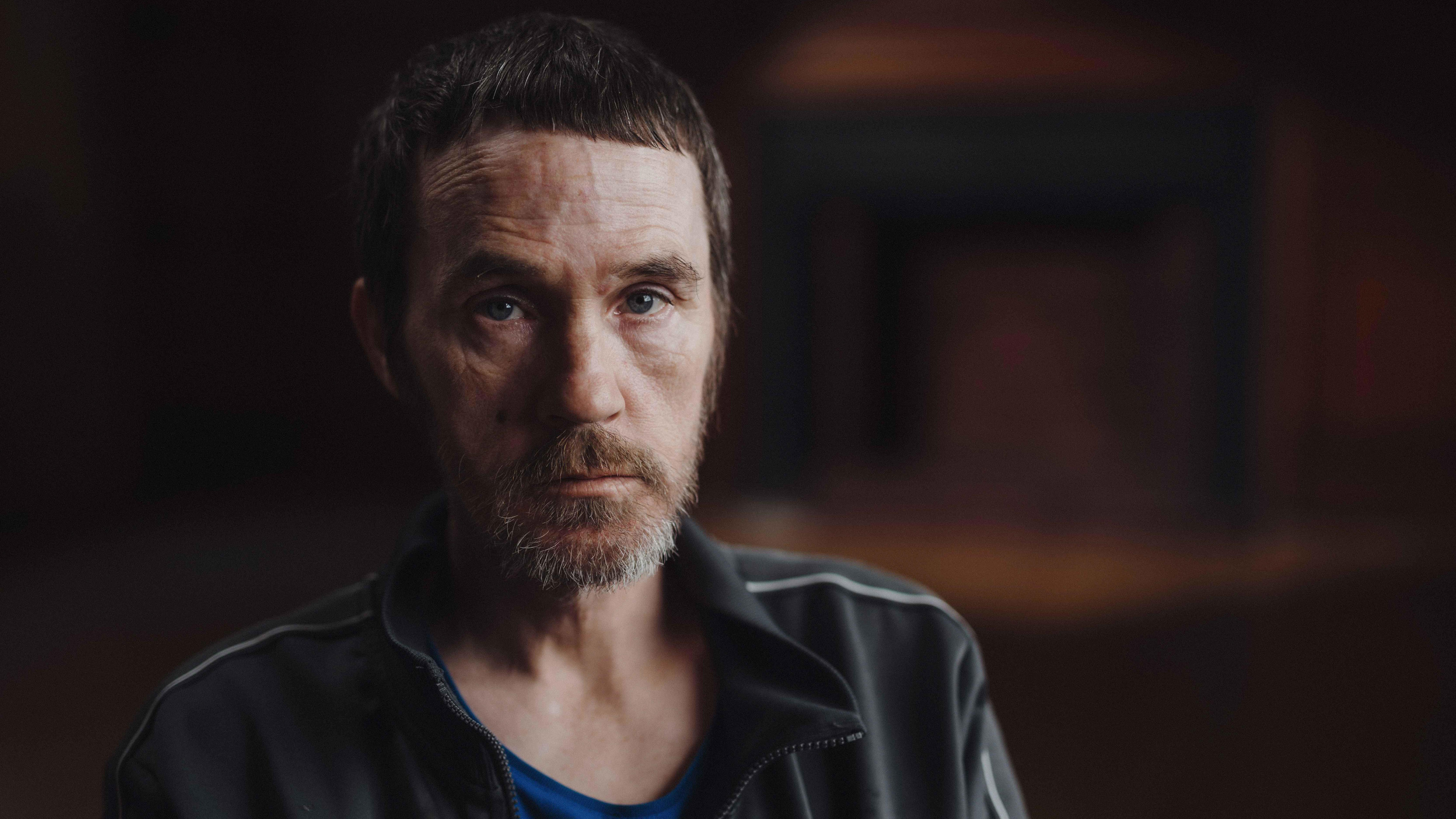
David Clark has been abusing substances for 26 years and has frequently lived on the streets during this time.
He let SANGGRALOKAScotland track his journey over a three-month span as he tried to transition from a city center homeless shelter and cease using heroin and cocaine.
The 47-year-old disclosed to Disclosure that he utilized The Thistle service for injecting cocaine in February.
Thereafter, the staff directed him towards new supported housing. During his interview, he had maintained abstinence for a fortnight.
He stated, “Upon going [to the consumption room], it didn’t meet my expectations.”
I expected you to go in, carry out your task, and leave. However, it doesn’t work that way.
The employees in that place assisted me and played a key role in helping me reach my current position.”
I’ve benefited greatly from it. It has improved how I feel about myself.
When we visited in early March, we encountered someone named James—a pseudonym—someone who had been using injectable drugs for many years. In his mid-20s, he was one of the initial attendees at The Thistle.
He describes the facility as “excellent.”
It’s much safer. I used to go to parking lots, alongside railroad tracks, forests — wherever I could find a place where I felt secure enough to do it without being detected.
He acknowledged that using drugs publicly was risky. “This is particularly true when I’m alone too. I’ve had multiple overdoses before.”
The center continues to be contentious in the local Calton neighborhood.
Before the project received approval during the preliminary consultation sessions, residents voiced worries that the location might turn into a zone with lenient attitudes toward drugs and could potentially lead to more street-level drug trafficking.
One of the most outspoken residents, Linda Watson, mentioned that the center was already drawing more individuals to the neighborhood for drug use.
She led Disclosure around Calton’s established hangouts and mentioned spotting signs of recently tossed drug syringes.
Linda likewise showed her frustration due to the insufficient funding in the region.
Initially, when we attended the meetings, the drug workers said: ‘We are offering a service to your community, which will improve conditions within your neighborhood.’
This isn’t intended for members of our community; instead, it targets those who enter our community solely to purchase drugs, use them, and then discard the remnants carelessly.
Why aren’t they assisting us so this wouldn’t have occurred initially? Why must we simply accept that this is how things will always be here?
Aren’t we entitled to something better?
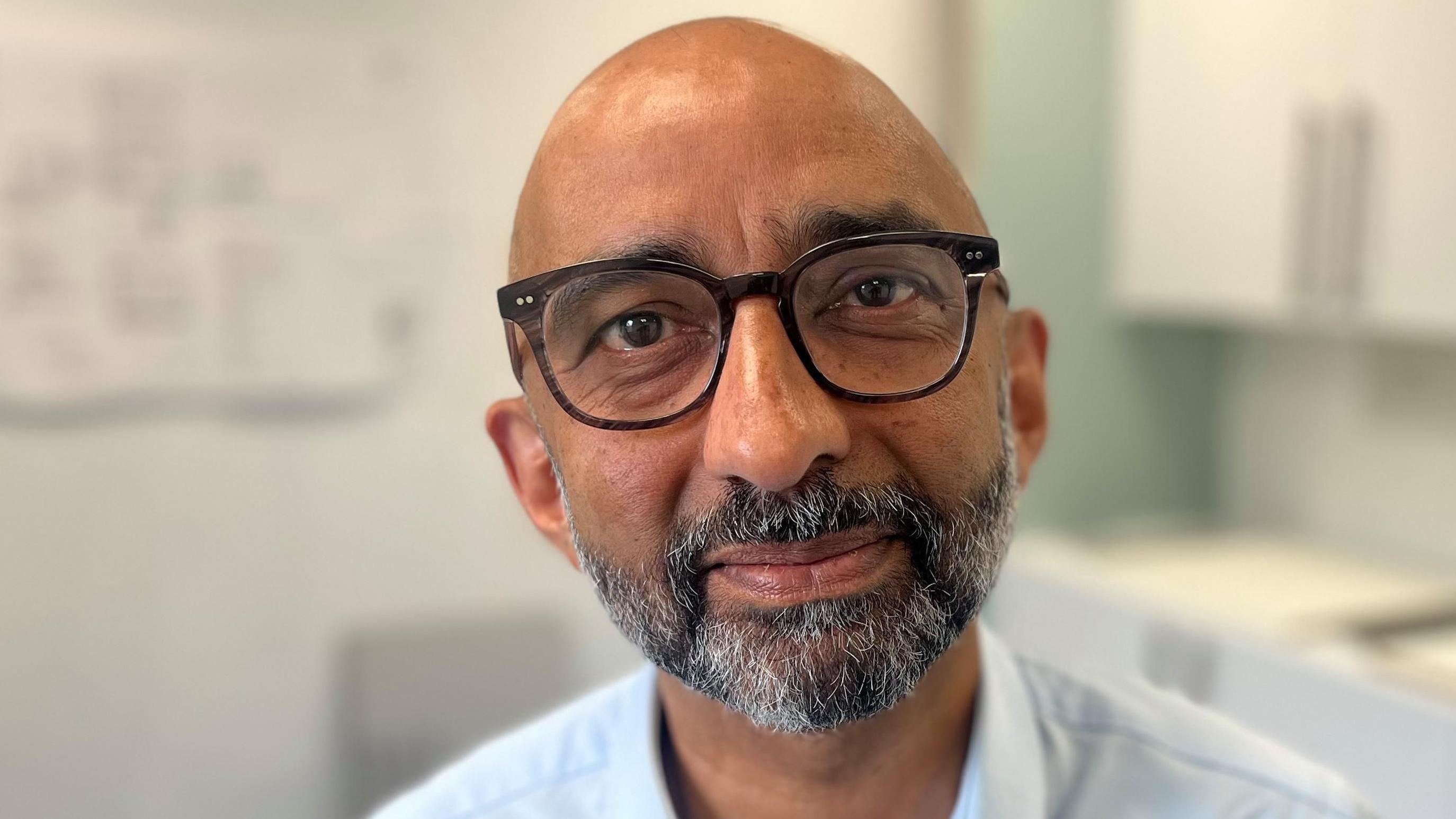
Dr. Saket Priyardarshi, who serves as the associate medical director of drug services for NHS Greater Glasgow and Clyde, stated that the purpose of the drug consumption room extends beyond catering to the health requirements of those utilizing the facility.
He added that this would enhance the social atmosphere for communities, residents, businesses, and visitors in these regions.
The Thistle aims to decrease drug-induced mortality rates among the community it serves. However, this demographic constitutes only a minor portion of Scotland’s overall populace.
The impact of this on the country’s overall drug-related fatality statistics will not be notably substantial. We must acknowledge that reality.
Dr. Priyadarshi mentioned that a significant portion of the frustration coming from the community was due to inadequate resources for various other services in the region.
“I sometimes fear that emphasizing residential rehabilitation programs or drug consumption rooms, along with the constant debates surrounding these topics, might distract us from addressing the broader issue at hand,” he noted.
What are the main factors at play? The primary factor is that communities facing significant deprivation and inequality are also the ones suffering from the highest rates of drug-related deaths and harms.
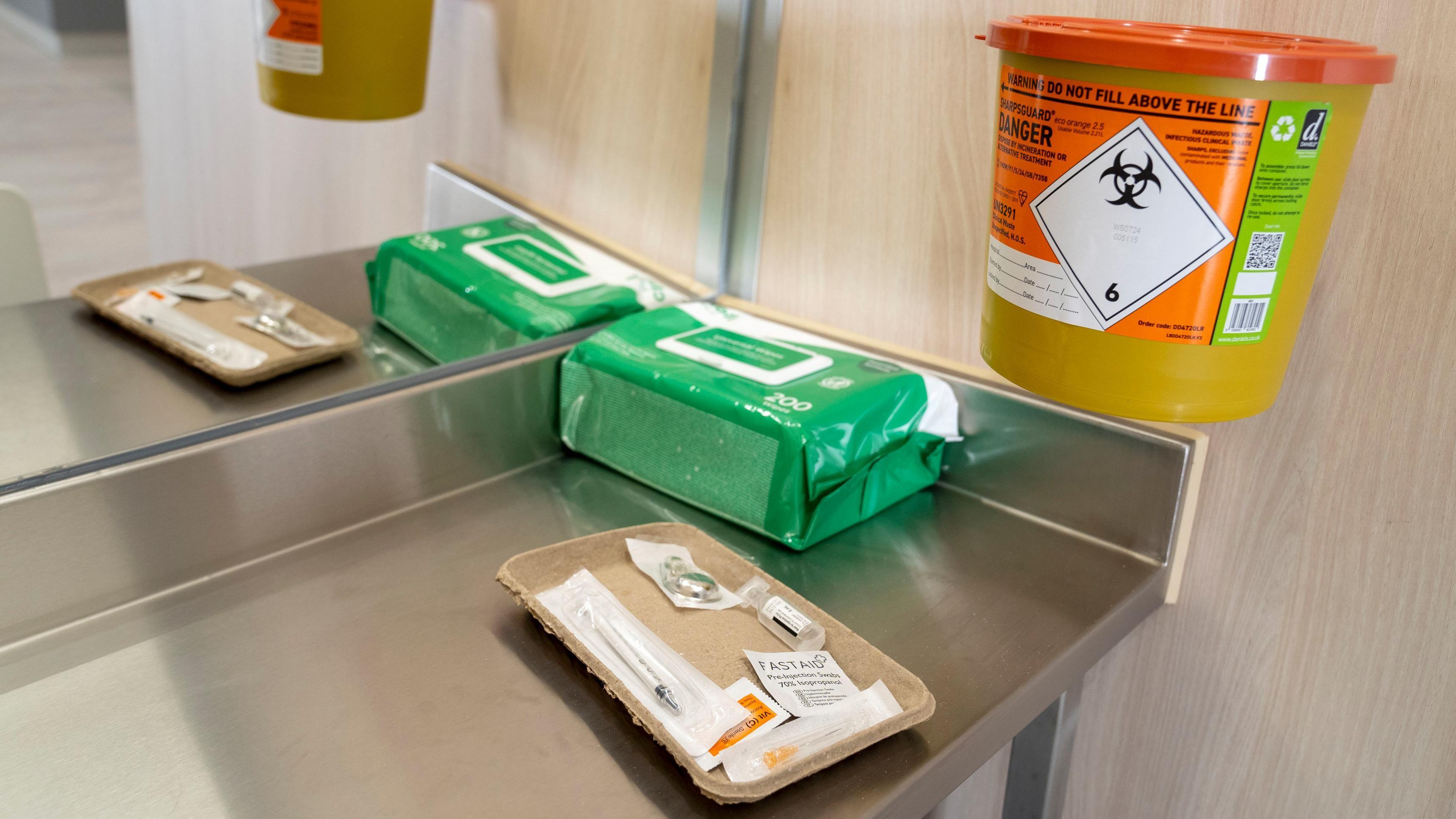
In 2017, the concept of a consumption room was introduced in reaction to an HIV outbreak among Glasgow’s intravenous drug users, which marked the most significant such incident in the UK over three decades.
Health officials were hoping that providing a clean space for individuals to inject drugs would decrease the transmission of bloodborne viruses.
Nevertheless, the plan’s detractors argued that additional funds ought to be allocated to other recuperation services.
The then Lord Advocate, James Wolfe, dismissed the suggestions, which were likewise refused by the UK Home Office.
The proposal was revived in 2021 following an announcement by the Scottish government about their national effort aimed at decreasing the nation’s high numbers of drug-related deaths.
Following adjustments to the prosecution guidelines, which enabled individuals to transport narcotics to the facility without the risk of facing charges, the center received approval in September 2023.
It will cost £2.3m per year to run, with funds being provided by the Scottish government over a three-year pilot period.
The authorities claim this is one of several steps being taken to address drug-related fatalities in Scotland, a country with the most documented death rate in Europe.
A final report on the overall impact of the unit is due after the end of the pilot period in 2028.
-
Additional contributions by Kevin Anderson and Katie McEvinney
-
Cocaine is the most consumed drug in Glasgow’s consumption room.
-
UK’s first drug consumption room given go-ahead


