by admin | Aug 26, 2025 | agriculture, economics, international relations, international trade, politics
Released on, Aug. 19 — August 19, 2025 at 10:47 AM
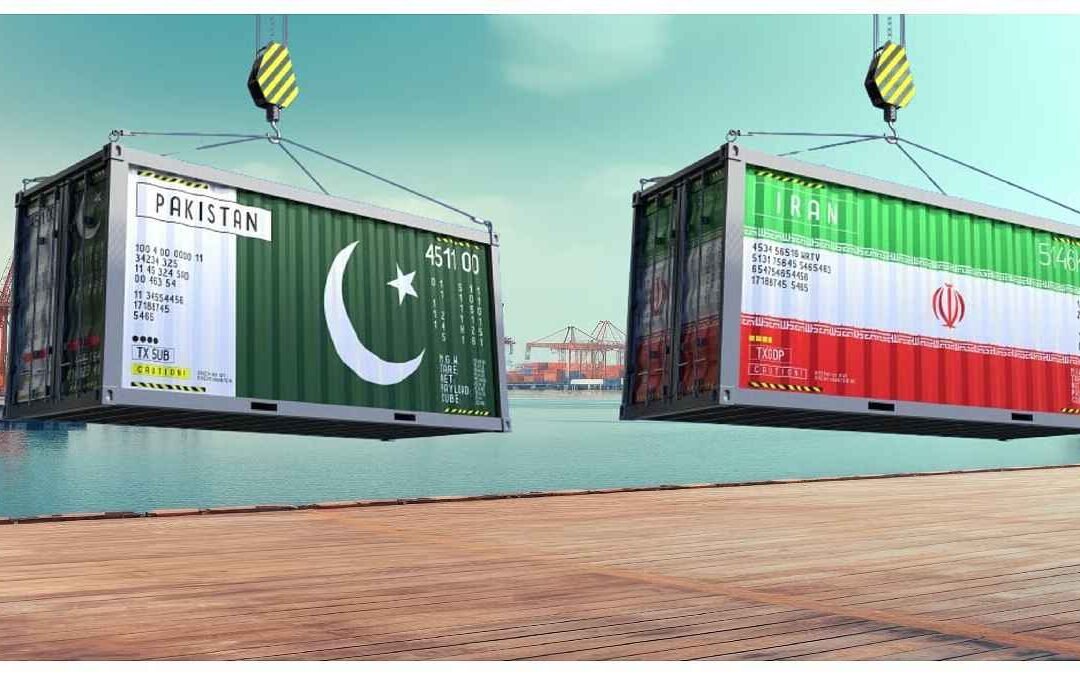
Pakistan and Iran have committed to increasing their agricultural trade value to $3 billion over the coming two years, representing a major move toward enhanced mutual economic collaboration and improved food stability.
The deal was concluded in Tehran, where Pakistan’s Federal Minister of National Food Security and Research, Rana Tanveer Hussain, headed a senior delegation and issued a joint statement alongside Iranian authorities.
Throughout the discussions, Pakistan managed to persuade Iran to purchase a significant portion of its rice needs from Pakistan, securing a consistent and dependable export market for Pakistani rice farmers.
In addition, both parties discussed matters related to the export of Pakistani mangoes, with Iran pledging prompt approvals and provision of foreign currency to eliminate current obstacles and ensure seamless commerce.
The Iranian Minister of Agriculture, Gholam Reza Nouri, mentioned that present agricultural commerce between the two nations amounts to $1.4 billion, yet emphasized significant mutual potential to meet one another’s seasonal demands.
He mentioned that Iran would provide Pakistan with milk products, dried nuts, fresh produce, and vegetables, whereas Pakistan would meet Iran’s needs for rice, corn, and about 60% of its meat imports.
The two countries also committed to enhancing cooperative research efforts regarding climate change and food stability, forming a shared agricultural committee that meets biannually, and striving to develop a comprehensive free trade agreement over time.
Furthermore, actions like enhancing customs procedures, establishing cold supply chains, and modernizing frontier facilities were completed to enable time-sensitive products to arrive at markets swiftly while upholding excellent quality requirements.
by admin | Aug 22, 2025 | economics, financial services, fiscal policy, politics and government, tax policy and law
Posted on, Aug. 19 – August 19, 2025 at 7:24 AM
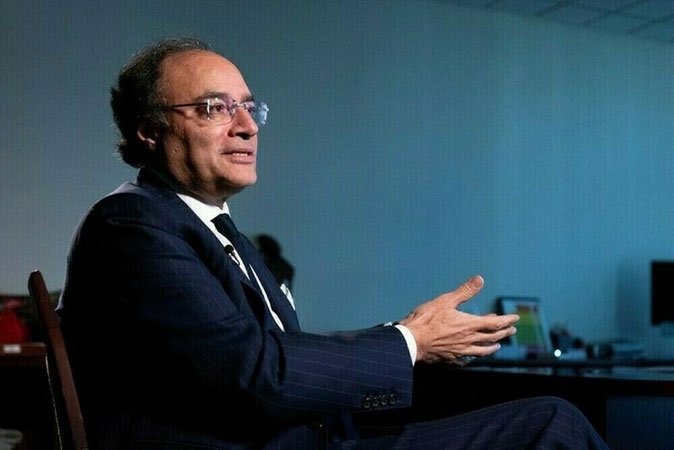
The “tax policy office” in Pakistan will cease to fall under the jurisdiction of the Federal Board of Revenue (FBR), according to an announcement made by Finance Minister Muhammad Aurangzeb on Monday. Instead, this department will now operate under the authority of the Ministry of Finance. As a result, the FBR will no longer have the key responsibility of drafting the annual budget.
“Tax policy office is now moved into the Finance Division. FBR has nothing to do with the policy. The next year’s budget to be presented in 2026 (for FY27) will be led by the finance and tax policy office and not by FBR,” Senator Aurangzeb said while speaking at a workshop titled ‘Unlocking Capital Market Potential for Banks’, organized by the Securities and Exchange Commission of Pakistan (SECP) and the Pakistan Banks Association (PBA).
Industrial strategy: He further mentioned that the government has been steadily developing an industrial plan set for release shortly, aimed at creating favorable conditions and boosting manufacturing growth within the nation.
“Haroon Akhtar (Special Assistant to Prime Minister) is working day and night to get that (industrial policy) through the cabinet and make an announcement. This is an important element of how we are going to move from stability to sustainable growth, because these underline pillars are going to be quite critical,” he said, adding that over the past couple of months the government has already announced policies for tarrifs, electric vehicles, creating a cashless economy and the digital sector.
Tariff Reforms: Delivering a speech on tariff reforms for businesses—especially those involved in exports—Aurangzeb stated that the government needs to lower customs taxes, extra customs charges, and administrative fees to a specific extent within the coming four to five years.
“This is essential to improve export competitiveness and also to take away the protection that we have provided certain industries for the longest time.”
In terms of the reforms, he said many institutions helped the government, including the World Bank.
“I just want to be very clear the IMF has nothing to do with it. Tariff reforms is very much a home-grown agenda of the government and this administration to make our industry more competitive as we go forward.” He said finance and FBR believe reducing tariffs will hurt the collection of revenue. “They say our revenue (collection) will fade away if we keep reducing duties.” However, “we have to get out of this short-term thinking and see what is the right thing to do for the country over the next four to five years if we are going to grow and move towards supporting competitiveness.”
Missing players: He noted that the corporate sector was largely missing from the workshop, even though they are key players in the development of the capital markets – as they are the one who mobilize funds (debt/equity) through the capital markets.
The minister proposed that the workshop coordinators establish a capital market advancement committee aimed at mobilizing resources for projects via local financial systems such as the Pakistan Stock Exchange (PSX). Key members of the committee might consist of the SECP, the State Bank of Pakistan, PBA, companies, banking institutions, and other relevant entities, along with input from different provinces—since significant implementation authority currently resides within them.
by admin | Aug 21, 2025 | economics, financial markets, investing market news, news, politics
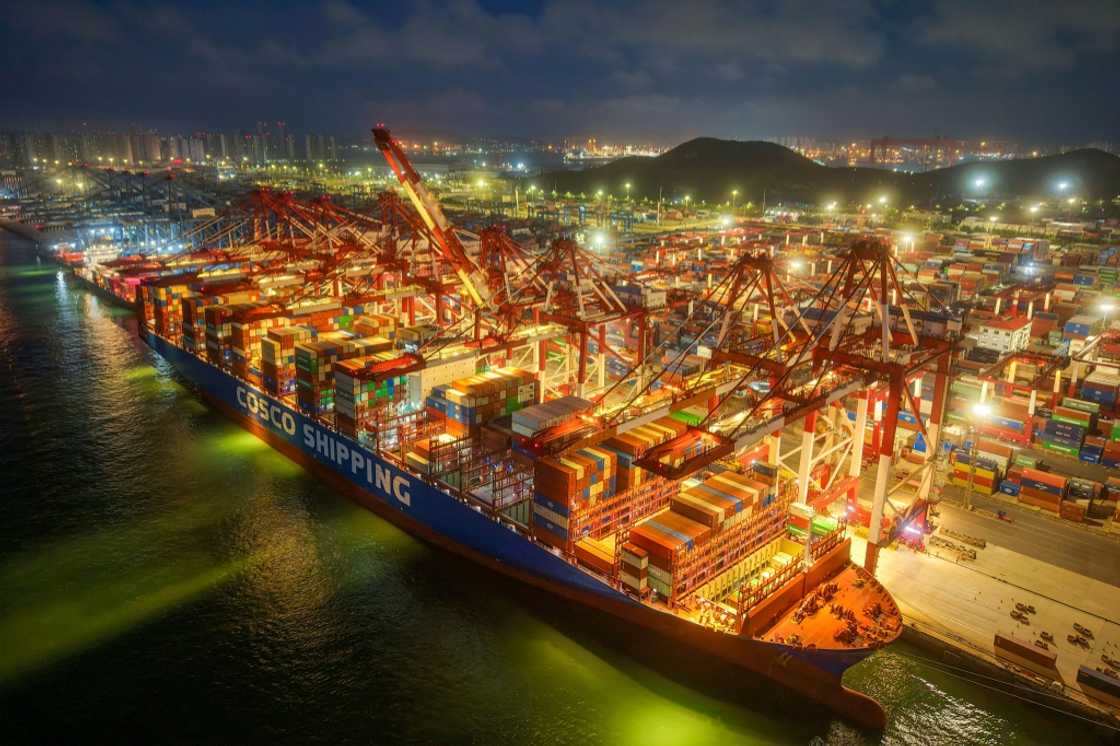
Asian markets were little changed Tuesday after Wall Street treaded water and US President Donald Trump held what he called “very good” talks with Ukrainian and European leaders on ending the three-year war.
Hopes for a breakthrough rose after Trump said he spoke by phone with Russian counterpart Vladimir Putin — whom he met in Alaska last week — after hosting the Europeans and Ukrainian President Volodymyr Zelensky at the White House.
“At the conclusion of the meetings, I called President Putin, and began the arrangements for a meeting, at a location to be determined, between President Putin and President Zelensky,” Trump said.
Oil prices, which have been volatile for several days — Russia is a major crude producer — fell back after gains on Monday.
Tokyo, Sydney, and Seoul saw minor declines, whereas Hong Kong, Shanghai, and Singapore experienced gains.
Shares of SoftBank dropped by two percent following an announcement that the company plans to inject $2 billion into Intel, amid reports that the U.S. government may acquire a 10% ownership interest in the struggling American semiconductor firm.
A new boost for investors might arise from a speech this week by U.S. Federal Reserve Chair Jerome Powell at the yearly gathering of international central bank officials in Jackson Hole.
Investors expect Powell to offer further insights into the Federal Reserve’s future decisions on interest rates during their upcoming meeting, following recent data that presented an inconsistent outlook on inflation.
“Even a nod to easing (by Powell) could be enough to trigger profit-taking, and a hint of caution could set off a scramble for the exits,” Stephen Innes at SPI Asset Management said.
Prominent individuals at approximately 0300 GMT
Tokyo – Nikkei 225: DOWN 0.1 percent at 43,652.32
Hong Kong – Hang Seng Index: UP 0.1 percent at 25,195.36
Shanghai – Composite: Up 0.2% to 3,733.74
New York – Dow: UP 0.1 percent at 44,946.12 (close)
London – FTSE 100: UP 0.2 percent at 9,157.74 (close)
Euro/U.S. Dollar: Decreased to $1.1652 from $1.1666 on Monday
Pound/dollar: DOWN at $1.3498 from $1.3503
Dollar/Yen: Decreased to 147.78 yen from 147.89 yen
Euro/pound: DOWN at 86.33 pence from 86.40 pence
West Texas Intermediate: DOWN 0.5 percent at $63.12 per barrel
Brent crude oil from the North Sea: Decreased by 0.3% to $66.32 per barrel
by admin | Aug 19, 2025 | airline industry, aviation, business, civil aviation, economics
The aviation industry was assessed at N258.9 billion in the newly published rebased GDP figures, indicating a sector facing poor performance and difficulties staying viable, according to Daily Trust.
The total represents the value of the sector included under Air Transportation in the GDP figures for 2024.
On Monday, July 21, 2025, the National Bureau of Statistics (NBS) published the updated GDP report, showing that the economy expanded by 3.13% during the first quarter of 2025, compared to 2.27% in the corresponding period of 2024.
The nominal GDP at market prices, after being recalculated, was N205.09 trillion in 2019, increased to N213.64 trillion in 2020, reached N243.30 trillion in 2021, rose to N274.23 trillion in 2022, amounted to N314.02 trillion in 2023, and totaled N372.82 trillion in 2024.
Where air transport stands
The air transport sector operates completely within a dollar-based system. The purchase of airplanes, refueling, aircraft servicing, and almost every activity within the industry are measured in U.S. dollars.
Nevertheless, based on NBS statistics, air transport was worth N258.9 billion in 2024, which equals approximately $169.3 million.
The industry was worth N215.6 billion in 2023; N178.4 billion in 2022; 145.5 billion in 2021, and N101.1 billion in 2020—the pandemic year—while reaching N222.4 billion in 2019.
According to Daily Trust, based on the exchange rate in 2019, approximately N306 per dollar, aviation expenses amounted to roughly $725.4 million.
The aviation industry faced restrictions throughout 2020 as a result of the COVID-19 outbreak, significantly impacting air travel.
As per experts, the resurgence of air travel following the coronavirus outbreak was slowed down due to the depreciation of the naira and increasing price hikes, leading to fewer individuals traveling by plane.
A sector in recession?
As per an assessment conducted by the Centre for the Promotion of Private Enterprise (CPPE), three industries performed below expectations in the updated GDP figures.
Analysts noted that three industries—air transportation, textiles, and coal extraction—are currently experiencing a downturn.
The CPPE stated, “High-achieving industries were financial services [15.3%], oil refinement [11.51%], transport [14.08], ICT [7.4%], and metallic minerals [25%].”
The subsequent industries experienced declines: Livestock (-16.7%), Fishing (-0.21%), Textiles (-1.63), Coal Mining (-22.3%), Quarries and Minerals (-21.55%), Plastics and Rubber (-3.2%), Iron and Steel (-0.35%), Air Transportation (-0.81%).
Recession-affected sectors consist of aviation, textile production, and coal extraction. This comes after they have experienced steady decline during recent periods.
As ticket costs rise, the number of travelers has decreased considerably, as reported by airline companies.
The Acting Managing Director of Ibom Air, George Uriesi, has recently expressed worry about declining passenger numbers, stating that this issue is a significant source of anxiety.
The head of Ibom Air stated that air travel demand has been decreasing since 2022, noting that the problem is worsening and steps need to be taken to draw more travelers into flying.
Decreasing passenger numbers – Service Providers
“We’ve dropped by 27% compared to 2024. We’re facing difficulties; we must figure out how to encourage more travel,” he stated.
An airline representative stated that airports need to collaborate with airlines to remain viable, noting, “Within the aviation system, the airline serves as the key force. No one would make even a small amount of currency if airlines stop operating. Everyone discusses finances since it is the airlines that keep operations running.”
The Chief Executive Officer of Aero Contractors, Capt. Ado Sanusi, told our reporter during an interview, “Passenger travel numbers have been decreasing in Nigeria. This decrease has continued, and we understand why it’s happening. I’ve discussed this in multiple interviews before. Several elements contribute to the drop in passenger volume. The flow of travelers indicates the level of economic activity within a nation. When the economy slows down, so does the movement of people.”
‘Activities picking up’
Sanusi, nevertheless, thinks the economy is showing signs of improvement slowly and mentioned that the federal government should collaborate with airlines to simplify tax procedures.
The economy is moving in the correct direction. However, the issue or challenge we face is that taxes are somewhat high, as well as ticket prices. This leads to higher costs overall, which means only a small number of people in Nigeria can afford to buy tickets.
Another party involved in aviation attributed the poor performance of the industry to the reduction in Nigerians’ available earnings.
“There’s no extra money anymore. People are definitely cutting back these days. Flying by plane has become something of a luxury,” he stated.
Nevertheless, Yinka Folami, President of the National Association of Nigerian Travel Agencies (NANTA), expressed disagreement with the notion that the aviation industry is experiencing a downturn.
Based on my experience and observations, there isn’t anything indicating such a major decline that would be categorized as a recession. Nothing suggests that to me,” he stated. “IATA data shows recovery, and the load factor remains fairly strong.
The depreciation of the Naira, with slowing inflation and progress in recovering from COVID-19 – according to an expert
An aviation specialist and the General Secretary of the Aviation Roundtable and Safety Initiative, Mr. Olumide Ohunayo, mentioned during an interview with Daily Trust that the industry had been steadily rebounding after the closure caused by the COVID-19 outbreak, but this momentum was hindered by the depreciation of the naira.
Between approximately N300 and one dollar in 2019, the local currency currently trades at N1,534 as of yesterday.
Ohunayo stated, “The aviation industry was the most impacted by the COVID-19 crisis. It was expected that it would require three years for air travel to return to levels seen before the pandemic. In my view, this forecast has only come true in two or three nations that have regained their 2019 standards.”
In our situation, as we begin to recover, there was a shortage of funding, particularly the dollar, which serves as the primary currency used in the industry. This impacted our ability to operate effectively, leading airlines to reduce their services, cancel certain routes, and prompting travelers to explore alternative choices.
The cost of tickets from dollars to naira surged sharply. As a result of this increase, travelers also stopped using air travel. Airlines no longer possess the same level of capacity as before, which has decreased and impacted the frequency and routes offered, as well as availability within the market.
The exchange rate between the dollar and the naira surged alongside the subsequent rise in inflation, making ticket prices more expensive for travelers.
Once more, the disposable income available to Nigerians previously has been significantly reduced due to inflation. As a result, individuals are no longer traveling for matters that are not essential. Therefore, the journey must hold great significance for those who undertake it.
Amidst all these circumstances, air transportation faced the greatest impact since it represents an upscale mode of travel and comes with a high cost.
‘Remember once again that they also imposed restrictions on private jets. Keep in mind that by 2019, the number of private jets exceeded that of scheduled flights. The crackdown on private jet activities and requiring them to formalize their documentation resulted in certain planes being removed from the country, with others being put into storage, which also impacted the aviation sector’s role in the economy.’
Specialist looks for focused assistance for struggling industry
The head of CPPE, Dr. Muda Yusuf, urged focused assistance for struggling industries.
“Particular focus must be placed on industries facing decline and those with sluggish expansion. Overcoming structural issues, enhancing financial accessibility, dealing with instability, and encouraging creativity will be essential for driving revival and development,” he stated.
Supplied by SyndiGate Media Inc. (
Syndigate.info
).
by admin | Aug 19, 2025 | banking, economic policy, economics, monetary policy, politics and government
Published on, Aug. 19 — August 19, 2025 11:54 AM
The International Monetary Fund (IMF) has asked Pakistan to remove the finance secretary from the State Bank of Pakistan (SBP) board and immediately fill two vacant deputy governor positions to strengthen institutional independence.
The lender has also recommended amending the Banking Companies Ordinance of 1962 to remove the federal government’s authority to instruct SBP to inspect commercial banks, further reducing state influence over financial regulation.
In its Governance and Corruption Diagnosis Mission report, the IMF stressed that these reforms would ensure stronger autonomy at the central bank, even though the government remains the sole shareholder of SBP.
Earlier, in 2022, Pakistan revised the SBP Act due to pressure from the IMF, granting complete independence to the central bank and removing the finance secretary’s vote on the SBP board.
Currently, the SBP board includes the governor and eight non-executive directors, one from each province. However, two of the three sanctioned deputy governor posts remain vacant, with only Saleem Ullah serving in finance, inclusion, and innovation.
In the meantime, Finance Minister Muhammad Aurangzeb stated that the government does not intervene in establishing interest rates or exchange rates, which are set by the State Bank of Pakistan. He further mentioned that an IMF evaluation team will arrive in Pakistan during September to discuss a $1 billion loan installment.

by admin | Aug 11, 2025 | cost of living, economics, local news, news, tourists
Las Vegas
has revealed another alarming indication of its downturn, with rising costs and consumer protests having caused tourists to leave.
The practice of tipping in Las Vegas has dropped by up to 50 percent,
according to Fox News
.
Employees are attributing a significant decrease in tourists to their reduced number of clients and diminished income.
“No tip taxes, that’s a great idea,” Charlie Mungo, 36, a tattoo artist based in downtown Las Vegas, said to the
Wall Street Journal
regarding President Trump’s latest policy
But it doesn’t truly benefit us much if there’s nobody to learn from.
Mungo mentioned that he currently earns approximately $1,500 per month and has lost almost one-third of his customers since Canadian travelers, who previously accounted for 30% of his clientele, have ceased visiting.
Several people attribute the situation to economic issues, increasing expenses, and potential political sanctions against the city.
Certain service employees are blaming
Donald Trump
claiming that his administration has caused a decrease in foreign tourists, whereas some argue the actual issue lies with Las Vegas itself.
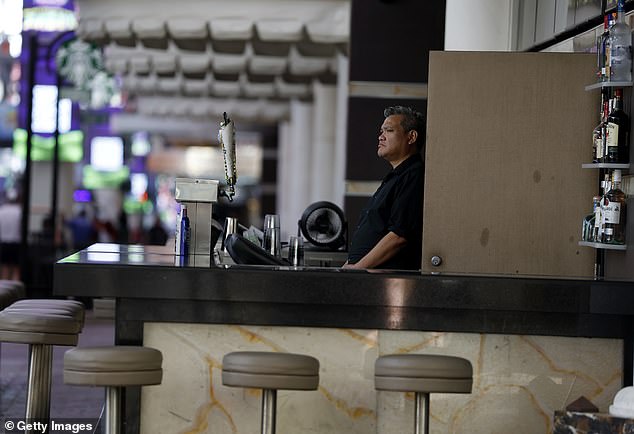

“We’re all beginning to lose our composure,” Mungo remarked.
Jacob Soto, 22, who works as a manager at Pinkbox Doughnuts located in downtown Las Vegas, shared with the Wall Street Journal that his credit card gratuities have dropped from $200 per week to between $100 and $150.
“I somewhat depend on tips by the end of the day,” he remarked.
In the r/VegasLocals section of Reddit, a bartender mentioned she previously earned roughly 80 cents per drink.
“Currently, I’m earning approximately 10 cents,” the server wrote.
A new server joined: “We’re putting in three times as much work as before but earning only a fourth of what we used to.”
As per the Las Vegas Convention and Visitors Authority, total number of visitors to Sin City has decreased by over 6 percent this year.
In March, Las Vegas received 3.39 million tourists, marking an approximate eight percent decrease compared to the 3.68 million visitors recorded in February.

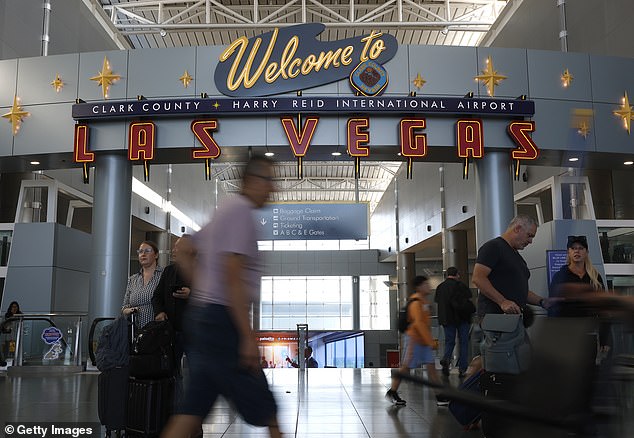
In April, more than 3.3 million guests were recorded, representing a decrease of 5.1 percent compared to the previous year.
Hotel occupancy stood at 82.9% during the same period, versus 85.3% in March 2024.
Midweek attendance saw a drop of 2.5% during the same timeframe, even though over half a million individuals participated in meetings at the location.
In June, there were reports of an 11.3% decrease in tourists when compared to June 2024, with international visits to the city declining by 10%.
Read more
Page 1 of 1112345...10...»Last »


