
by admin | Jul 11, 2024 | brain health, health, health and exercise, lifestyle, psychology
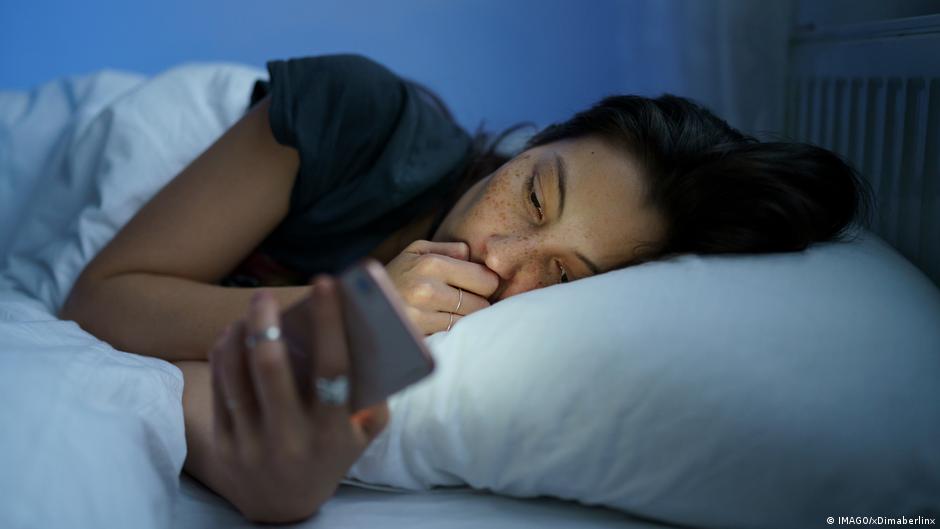
Individuals who stay up late demonstrated superior performance in mental assessments compared to those who wake early, according to research. However, this does not imply that everyone should operate throughout the nighttime hours.
Do you consider yourself a “night owl” who prefers staying up late and working deep into the evening, or perhaps a “morning lark” who rises early to make full use of the morning hours? Regardless of whether you see this as a choice, a routine, or simply part of your nature, it defines your “chronotype.”
A study indicates that your sleep schedule type might influence your overall mental abilities. It was observed that individuals who prefer staying up late typically scored higher cognitively compared to those who wake early.
The research from the UK, released on July 11, 2024, in the journal
BMJ Public Health
examined information from over 26,000 individuals who had undertaken several cognitive assessments.
The objective was to determine how various facets of sleep—such as length, routines, and quality—influenced mental acuity and comprehensive cognitive function.
What the ‘night owl’ study found
They discovered that sleeping between
7-9 hours a night
proved ideal for optimal brain function. However, they discovered that an individual’s chronotype influenced their test performance.
Individuals who were inherently more energetic during evenings scored higher on cognitive assessments compared to those who preferred mornings,” stated lead author Raha West from Imperial College London, UK, in a press release. “These sleep-wake tendencies aren’t merely individual choices; they can influence how well we process information.
However, this doesn’t imply that all early risers experience poorer cognitive function. “The results show a general pattern where most night owls tend to exhibit superior cognitive abilities,” explained West.
Moreover, your chronotype is not fixed—you have the flexibility to adjust it in any direction. Additionally, merely ensuring a restful night’s sleep can enhance your cognitive abilities as well.
The study of sleep patterns known as chronotypes
Chronotypes aren’t fixed—they can change throughout our lives.
“Kids usually prefer mornings, teenagers and young adults lean more toward evenings, and older people frequently return to a preference for mornings,” explained Feifei Wang, a sleep specialist from Eötvös Loránd University in Budapest, Hungary.
However, Wang stated that there was substantial proof indicating our tendencies regarding sleep and wakefulness periods remained consistent over time, even
When we change time zones
.
“Whether someone tends to be more active in the mornings or evenings depends on a mix of genetic, hormonal, environmental, and lifestyle elements. These components work together to define a person’s chronotype,” explained Wang, who did not participate in this latest research.
Chronotypes are partially determined by variations in our circadian rhythms—the internal bodily clocks responsible for regulating crucial processes like sleep and metabolism.
The genes associated with an individual’s internal body clock encompass those known as “CLOCK,” “PER,” and “CRY.” These play a significant role in determining one’s chronotype. As Wang explained to LIFEHACK, they determine “whether someone leans more towards being a morning person or an evening person.”
However, you can teach yourself to become a morning person or an evening person.
“We have demonstrated that undergraduate students can shift their chronotypes forward by nearly two hours within a span of two years,” stated Ignacio Estevan, a sleep specialist from Universidad de la República in Montevideo, Uruguay. It’s worth noting that Estevan was not part of the recent research.
‘Till dawn studies’ impair exam scores
Estevan has explored the link between chronotypes and academic performance. His findings indicate that the test scores of night owls and early birds were influenced by the time of day the tests were administered.
“Estevan reported that individuals with laterchronotype preferences performed poorly academically during morning shifts when compared to those who woke up earlier. This difference wasnot observedduringtheafternoonshifts,” he explainedtoLIFEHACK, emphasizingthathisstudyaddedtoscientificevidenceindicatingthatschoolstarttimesaffectchildren’sacademicresults.
Certain specialists believe that synchronizing school schedules with students’ natural body clocks could improve their future prospects.
In conclusion, stated Estevan, both testing and cognitive performance were contingent upon
good quality sleep
Research generally indicates that individuals who get more sleep tend to achieve higher scores on exams.
Estevan mentioned that this could be attributed to the significance of sleep for both learning processes and optimal brain function. His studies have revealed that pulling an ‘all-nighter’ to cram at the last minute negatively impacts exam performance.
“Approximately 15% of the students in our research didn’t get any sleep prior to the exam, and their performance was the poorest,” stated Estevan.
What’s the most effective approach for getting a restful night’s sleep? According to Wang, maintaining a consistent bedtime routine, ensuring your sleeping space is dim and peaceful, making an effort to unwind, avoiding caffeine and stimulating substances post-dusk, and minimizing nighttime light exposure—especially right before bed—are key steps.
Edited by: Zulfikar Abbany
Primary source:
Sleep duration, chronotype, health, and lifestyle factors influence cognitive function: A UK Biobank cross-sectional analysis; published by Raha West, Daqing Ma, et al. in BMJ Open Sport & Exercise Medicine (July 2024).
https://doi.org/10.1136/bmjph-2024-001000
Author: Fred Schwaller

by admin | Jun 20, 2024 | back pain, health, health and exercise, lower back pain, walking
According to a recent study, individuals who walked for 30 minutes five times per week experienced a nearly 50% reduction in episodes of lower back pain. The researchers suggested that increased emphasis on preventative measures could result in significant cost savings down the line.
A recent study featured in the medical journal The Lancet suggests that frequent walking can be an inexpensive and simple method for possibly preventing various health issues.
recurring back pain
.
The trials demonstrated that patients who engaged in 30-minute walks five days per week and received guidance from a physical therapist experienced less frequent exacerbations compared to those in the control group.
The research team noted that patients experienced an enhanced perception of their overall quality of life, and the duration of work absence decreased by nearly fifty percent.
![]()
Inexpensive and simple activities suitable for nearly everyone.
The writers expressed optimism that these inexpensive and straightforward measures could have a “significant effect” on a condition that is the primary source of disability globally.
“Walking is an affordable, easily available, and straightforward form of physical activity that nearly everyone can participate in, irrespective of their geographical setting, age, or economic background,” stated co-author Mark Hancock, a physiotherapy professor at Macquarie University in Australia.
It is estimated that approximately 800 million individuals globally experience lower back pain. Among those who recuperate from an initial incident, about seven out of ten often encounter another bout within one year.
![]()
What was the process of the research like?
The research tracked 700 adults who had recently overcome an instance of lower back pain over a span of up to three years.
One half was randomly selected for a personalized walking regimen along with support from a physical therapist, whereas the remaining participants formed a control group and followed their own individual or medically recommended actions.
Hancock stated that the intervention group experienced less frequent activity-limiting pain than the control group, and also saw a prolonged average time until their next episode, with a median duration of 208 days versus 112 days for the control group.

How could walking benefit your back health?
“Although we’re not entirely sure why walking effectively helps prevent back pain, it probably involves several factors: the rhythmic up-and-down motions, which load and strengthen spinal components and surrounding muscles; the opportunity for relaxation and reduction of stress; and the boost from feel-good chemicals called endorphins,” Hancock suggested.
He mentioned that walking provided numerous additional significant health advantages, such as enhancing cardiovascular fitness, increasing bone density, promoting weight loss, and boosting mental well-being.
The researchers pointed out that lower back pain has increasingly become a widespread health issue globally due to extended lifespans and more inactive working and recreational activities.
They additionally mentioned that given the increasing strain on healthcare systems globally, an insufficient amount of resources was being allocated to research, prevention, and treatment in this field.
msh/sms (dpa, Lancet)

by admin | Jun 12, 2024 | health, health & fitness, health and exercise, health tips, science
-
READ MORE:
The ideal equation for getting back on track with your sleep unveiled
A lot of us sometimes skip an additional hour of rest to make it to the gym before starting our day, or attend an early morning meeting.
However, have you noticed that sometimes even with reduced sleep, you feel unusually alert?
It’s a fascinating puzzle that has lately caught attention in various parts of the online world, including
Reddit
and
TikTok
.
In a video that has garnered over 30,000 views, TikToker Nathan Beaudinn posed a question to his audience about why he feels much more energetic when he gets less sleep.
On the online discussion platform Reddit, a user posed this question: “Why do I feel less fatigued and more energized upon waking up after getting fewer than seven hours of sleep, whereas if I get more than that, I end up feeling awful?”
![]()
Currently, experts who spoke with SANGGRALOKA have unveiled the intriguing explanation.


It is believed that this occurs due to the brain employing compensatory strategies aimed at addressing a deficiency in sleep.
“The body and mind are attempting to adjust to whichever problem or lack they are encountering,” Dr. Sam A. Kashani, a board-certified sleep medicine specialist at UCLA Health, explained to SANGGRALOKA.
That’s why we’ve survived for millennia upon millennia, as regardless of whatever stressor comes our way—be it sudden or long-term—our mind and body will inherently strive to adjust and find a way to function despite it.
As stated by the National Institute for Health, getting between seven and nine hours of sleep each night is best for peak mental and physical well-being.
If it’s any lower, your body, brain, and behavior will adapt to ensure you continue functioning even when you haven’t had enough rest, according to Dr. Ankit Parekh, an assistant professor of sleep medicine at the Icahn School of Medicine at Mount Sinai, who spoke with SANGGRALOKA.
This includes generating additional ‘alertness’ substances that keep your body awake and briefly boost your concentration level, Dr Parekh explained. Examples of these include cortisol, referred to as the stress hormone, and adrenaline.
Following a good night’s rest, many individuals experience their highest cortisol levels in the morning, which then gradually decrease over the course of the day, as stated.
Dr. David Rosenberg
, who engages in family medicine practice in
Florida
.
However, when you receive less sleep than required, you can disrupt this cycle, leading your body to generate cortisol at irregular times, like during later parts of the day.
Dr. Parekh mentioned this could make you feel like your energy levels are elevated during the later part of the day or in the evening.
Nevertheless, if you consistently get inundated with stress hormones, these could start taking a toll on your physical health.
For instance, persistently elevated cortisol levels may result in hypertension, an impaired immune response, and increased blood glucose which can contribute to type 2 diabetes.
diabetes
,
according to Cleveland Clinic
.
This additional strain on your brain cells hinders their normal function, causing you to feel even more fatigued over time.
Dr. Parekh mentioned, “You might think that sleeping less makes you more vigilant. However, as you stay awake for longer periods with minimal sleep, you’ll begin noticing its impact, and before long, you’ll understand the importance of recuperation.”
Research indicates that cognitive performance drops significantly due to insufficient sleep — despite feeling awake.
One study
from the
University of Pennsylvania along with Harvard
discovered that volunteers who have had poor sleep perform worse on learning tests but report feeling completely alert.
The scientists indicated that the participants appeared to be ‘mostly oblivious’ to the growing impacts of sleep deprivation.
Dr. Parekh states that according to brain scan research, individuals lacking sufficient sleep must exert considerably more effort to concentrate compared to those who get adequate rest.
Dr. Kashani mentioned that another element affecting one’s sense of alertness could be anxiety.
The stressful situations that haunt your nights and lead to poorer quality of sleep might also cause you to feel more awake during the daytime, he explained.
This ‘vicious cycle’ can be tough to escape from, and even though you might feel more awake initially, you will start experiencing the detrimental effects of sleep deprivation over time.


An additional explanation for why you may feel more alert despite getting less sleep could be due to an increase in consuming stimulants that boost your brain activity as a result of lacking sleep.
For instance, if you typically have coffee during most mornings, you may find yourself pouring an additional cup unintentionally. Generally, the higher your caffeine intake, the more likely you are to experience heightened alertness.
Lastly, there’s a slim possibility that you belong to an uncommon subset of individuals who thrive with minimal sleep compared to the typical person, according to Dr. Parekh.
GOT A HEALTH-RELATED STORY?
EMAIL: Health@SANGGRALOKA
Scientists are uncertain about the exact number of individuals who fall under this category – those impacted by short sleeper syndrome – but they have definitively identified it in approximately
Fifty Families Across the Globe
as per Cleveland Clinic.
It’s believed to be caused by a rare genetic alteration inherited from parents rather than something that develops over your lifetime.
Miraculously, short sleepers manage to obtain four to six hours of rest each night and yet remain full of energy. Additionally, they usually do not rely on alarm clocks and find it simple to fall asleep when nighttime comes.
Famously,
Prime Minister Margaret Thatcher
is claimed to fall under this category, requiring just four hours of sleep each night.
However, if you belong to the large group of individuals who require more than four hours of sleep, you’ll start feeling the impacts gradually as your consistent sleep duration falls below this threshold, according to Dr. Kashani.
In the near future, you might face difficulties concentrating, acquiring knowledge, and understanding others’ feelings if you receive fewer than eight hours of sleep.
according to the NIH.
You may become more easily irritated and short-tempered than usual, making interactions with others challenging.
Dr. Parekh mentioned that when we lack sleep, our body experiences increased inflammation, which gradually weakens all our internal systems—from the brain to the heart.
This could be one of the reasons why, over time, insufficient sleep has been associated with various health issues such as heart disease, kidney problems, diabetes, strokes, weight gain, depression, and hypertension, as stated by the NIH. Additionally, Dr. Kashani mentioned that it may lead to degenerative disorders including dementia.
This could also raise your chances of getting into accidents such as vehicular collisions.
In total, Dr. Kashani mentioned that numerous individuals ‘downplay’ the significance of sleep.
Adequate rest is essential for maintaining good health, he emphasized. He further stated, “The crucial sleep habit is simply to get enough sleep whenever your body requires it.”
Read more

by admin | May 31, 2024 | dermatologists, dermatology, health, medical conditions and diseases, skin care
Moles,
pimples
,
freckles
– The blemishes that may appear on our skin come in various forms. Some are irritating, while others are relatively harmless — they aren’t major inconveniences, but we notice them nonetheless. Skin tags fit this description well. They’re extremely prevalent—almost everybody encounters at least one during their lifetime—but despite being so common, they can still be quite bothersome.
Occasionally mistaken for moles, skin tags appear as tiny, flesh-toned growths.
noncancerous growths
Attached to the skin’s surface via a thin stalk, these growths typically develop in areas where the skin creases, such as the neck, chest, armpits, groin, and eyelids. The downside? You likely won’t escape developing skin tags altogether. However, the silver lining is that they can be readily removed through a visit to your dermatologist.
Up ahead, dermatologists shed light on everything from the removal of skin tags to their underlying causes.
Experts Highlighted in This Article
Neal Schultz
, MD, is a board-certified dermatologist based in New York City, hosts DermTV.com, and is also the founder of BeautyRx by Dr. Schultz.
Kavita Mariwalla
, MD, is a dual-board certified dermatologist and Mohs surgeon.
What Exactly Is a Skin Tag?
In the field of medicine, skin tags are referred to as acrochordons or fibroepithelial polyps. Essentially, these occur when additional skin cells develop on the surface of the skin. As explained by dermatologist Neal Schultz, MD, speaking to SANGGRALOKA, “These protrusions extend outward from your body yet remain vertical.” He further clarifies that typically, their length significantly exceeds their breadth; sometimes appearing almost suspended by a slender stalk. Fortunately, such growths generally pose little threat and tend to be more bothersome rather than harmful. According to Dr. Schultz, “While they aren’t dangerous, they can certainly be irritating and troublesome.” Moreover, removing them often requires some form of intervention since they probably will not disappear naturally.
What Causes Skin Tags?
What we understand: roughly half of all U.S. adults experience skin tags. What remains unclear: the exact cause of these growths.
“Partly, these growths are genetic and often appear in areas with skin-on-skin contact, such as folds of skin,” explains Dr. Schultz. These conditions tend to affect people who are middle-aged, overweight, or diabetic. The irritation from skin rubbing against itself or clothing might lead to skin tags. Therefore, reducing this friction—by wearing loose clothes, taking off necklaces, and using anti-chafing products—could improve the condition.
Ways to Get Rid of Skin Tags
Although skin tags pose no harm, it’s perfectly understandable to consider having them removed. Just like for any other skin issue, consulting a dermatologist regarding potential treatments is advisable. While learning self-removal methods can be helpful, getting this procedure done professionally remains ideal. “It may not require eight years of schooling to get rid of a skin tag,” explains Dr. Schultz, “but some fundamental guidelines must still be followed.” Additionally, Dermatologist Kavita Mariwalla, MD, points out: “Given their attachment via a tiny piece of skin, visiting a clinic where professionals handle removal safely would be the simplest approach.”
Understand that various techniques can be used for removing these growths. A method favored by many dermatologists includes applying a local anesthetic to numb the area followed by excising the lesion using sharp, sterile scissors. “You remain fully conscious during this process; you only feel a slight prick from a tiny needle,” explains Dr. Mariwalla. She adds that the procedure leaves behind a minor incision which typically heals within a few days.
Cryotherapy, which involves freezing the skin tag, is one alternative method, along with cauterization, where heat is used instead. However, this approach does not top Dr. Schultz’s preference list. He explains, “The process of freezing can be quite imprecise and often ends up affecting the surrounding skin area.”
Is It Possible to Remove Skin Tags at Home?
Indeed, it can be done, but it’s strongly advised against. As Dr. Mariwalla points out, “Attempting to remove them yourself might lead to incorrect execution, causing the skin tag to get inflamed and possibly infected.”
If you can’t consult a dermatologist or an expert, and you believe it’s absolutely necessary
must
Dr. Schultz recommends removing a skin tag yourself by first cleaning the string, the tag, and the nearby area with alcohol. Then, tie a snug length of thread around the base of the skin tag to restrict blood flow. Afterward, sterilize small scissors and use them to snip off the tag above where the thread is tied. Once done, apply alcohol to clean the site again, then cover it with an ointment followed by a bandage. Keep it covered as it heals to prevent scarring.
However, once more, removing them at home doesn’t have a doctor’s approval. “Just be cautious with those.”
DIY
As Dr. Mariwalla explains, “The solutions you often see advertised on television or online operate by inducing a significant irritative contact dermatitis. The skin tags drop off as the area becomes extremely inflamed.”
– Additional contributions from Emily Orofino, Holly Carter, and Jessica Harrington
Jessica Harrington
The senior beauty editor at SANGGRALOKA, where she pens articles on hair, skincare, cosmetics, piercings, tattoos, and much more, is based in New York City. With a background in journalism and over eight years of professional experience, her interests include interviewing specialists from the field, staying current with emerging trends, and evaluating novel items.
Danielle Jackson
was previously an assistant beauty editor at SANGGRALOKA.
Emily Orofino
was previously a beauty editor at SANGGRALOKA.

by admin | May 20, 2024 | diet and nutrition, health, health & fitness, health and exercise, running and fitness
-
READ MORE: Experts reveal
If you TRULY require taking 10,000 steps each day
Achieving a minimum of 10,000 steps daily has commonly been regarded as the benchmark for physical activity.
A study indicates that concentrating on the duration of your exercise might be equally effective as counting the number of steps you take.
weight loss
, increased lifespan and a lower chance of developing heart diseases.
Scientists from Brigham and Women’s Hospital in Boston examined four years of data covering approximately 15,000 women who were more than 62 years old.
Every participant utilized a fitness tracker for monitoring their activity levels and completed annual health questionnaires each year.
The group discovered that individuals performing between 8,000 and 8,500 steps each day decreased their likelihood of developing heart disease by 40%, as opposed to those taking roughly 3,000 steps daily.

Moreover, they discovered that the same level of risk reduction applied to individuals who exercised for 75 minutes daily, indicating that tracking steps might not be necessary.
![]()
This study is among multiple recent publications to
debunk the 10,000-step rule
, according to some experts, there isn’t a single ‘magical’ figure when it comes to exercise routines.
Dr. Rikuta Hamaya, who led the study and works as a researcher at the Division of Preventative Medicine at Brigham and Women’s Hospital, stated: “For many people, particularly those who are younger, exercises such as playing tennis, football, taking walks, or going jogging can often be monitored through step counts.”
Nevertheless, for some individuals, it might include activities like cycling or swimming, where tracking the length of workouts is more straightforward. This underscores the importance of having varied options within physical activity recommendations to help people achieve their objectives.
GOT A HEALTH-RELATED STORY?
‘Movement looks different for everyone and nearly all forms of movement are beneficial to our health.’
The group enrolled 14,399 women above the age of 62 who were deemed healthy, indicating that they had neither heart disease nor cancer. On average, the participants’ age was 72 years old.
From 2011 to 2015, every woman was instructed to keep a fitness tracker attached to her waist continuously, even when sleeping or taking showers.
Every year, the researchers distributed surveys covering aspects such as health practices including smoking and alcohol consumption, along with measurements of height and weight, details about menopause status, and records of both individual and familial medical backgrounds.
These were utilized to assess the participants’ likelihood of developing heart disease and facing mortality.
The team continued following up with the women throughout 2022.
Typically, participants were active for about 62 minutes each week through moderate-to-vigorous exercises and accumulated around 5,183 steps daily. As of 2022, nine percent of them had passed away and four percent were diagnosed with heart disease.
The women were grouped into percentile categories according to the total minutes they spent exercising or the count of their daily steps.
The research revealed that individuals who exercised for approximately 200 minutes per week or managed around 8,000 to 8,500 steps daily had a reduction in their risk of developing heart disease and dying by as much as 40% when contrasted with people in the bottom tier (who only got nine to twelve minutes of exercise or accumulated roughly 2,800 to 3,000 steps).
The research indicates that patients have the option to select either a step-based approach or a timed-goal strategy to reduce their chances of mortality or cardiovascular disorders, as stated by the researchers.
These findings bolster the argument for incorporating both time-dependent and steps-focused criteria into upcoming physical activity recommendations, providing people with the option to select and monitor their favored measure of engagement.
Therefore, healthcare providers might advise women aged 60 or above to utilize either time-based or step-based objectives, based on their individual preferences, for tracking their physical activity levels.
The study had multiple constraints, primarily due to the majority of participants being white females from higher economic backgrounds. Furthermore, since the research was observational, these findings lack confirmation.
The research was released on Monday in
JAMA Internal Medicine
.
Read more
Page 15 of 15« First«...1112131415


