Hanoi’s French Quarter: A Tranquil Oasis of Luxury Amidst Chaos
Hanoi’s Old Quarter is a bustling hub of activity with chaotic traffic, vibrant commerce, and throngs of tourists. Visitors opt to reside in this historical district of Vietnam’s main city to immerse themselves in its distinctive mix of weaving motorcycles, street-side eateries, and an incessant din.
However, despite the congested thoroughfares being a defining feature of the Old Quarter—where hotels frequently offer guidance on navigating these busy routes—the growing number of tourists is putting more pressure on the limited space within its cramped lanes.
Up until recently, tour buses navigated through the narrow pathways to pick up tourists staying at hotels, leading to significant traffic congestion. This practice has since been prohibited; however, taxis and Grab (the Southeast Asian equivalent of Uber) vehicles continue to congest the roads.
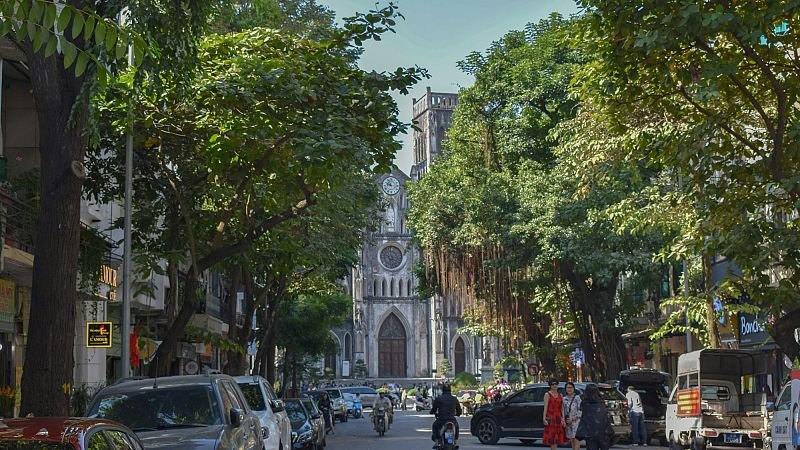
For those travelers who prefer navigating through the hustle and bustle intermittently, the adjacent French Quarter serves as an excellent location. Featuring broad avenues, a serene lake, and luxurious accommodations, it offers some respite while still being within easy walking distance of the historic Old Quarter.
This offers an intriguing look at how French elements introduced through colonialism were eventually blended with Hanoi’s local culture, resulting in a distinctive fusion.
Spend time around Hanoi’s Hoàn Kiếm Lake
In Hanoi, it’s inevitable to avoid the constant hum of scooters and the symphony of car horns. However, Hoàn Kiém Lake at the outskirts of the French Quarter offers a tranquil retreat. Strolling alongside the water, you can gaze out over the lush greens.
water
towards the moss-covered Turtle Tower — where the reptiles formerly dwelled in the nearby waters — located on an island at the center.
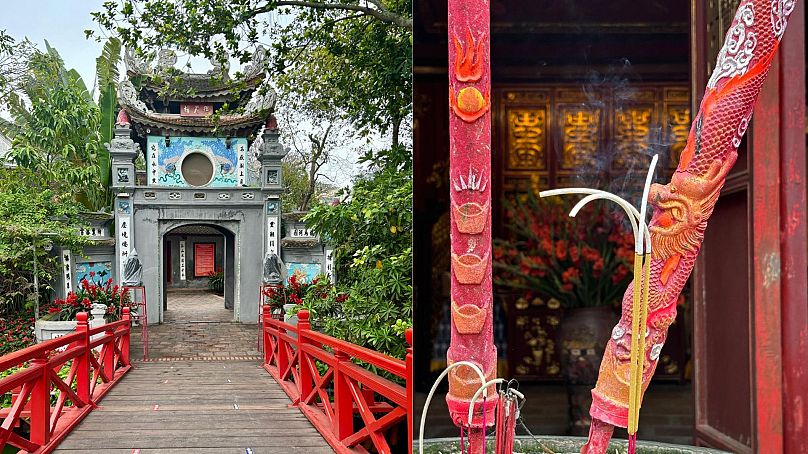
At the northern end stands Ngoc Son Temple. This temple, devoted to writing, scholarship, and literary pursuits, serves as an important site of veneration for students gearing up for their examinations. A vibrant red bridge connects to this small sanctuary.
island
Where the noise of the traffic turns into a faint murmur within the temple boundaries.
It is lovely to sit in the tree-fringed courtyard watching a cat stroll by and listen to the occasional blast of pop music drifting over from the Zumba classes on the lake shore. If you get up early, you can join Hanoi’s energetic residents for their morning workout.
Savor egg coffee where it originated.
Vietnam has turned coffee into a completely distinct offering. Each significant city within the nation boasts its own distinctive blend. In Ho Chi Minh City, you’ll find coconut-infused coffee, whereas in Hue, it comes crowned with savory cream. In Hanoi, due to the scarcity of milk and cream during the French occupation in the 1940s, a creative bartender developed an egg-based concoction.
coffee
.
Nguyen Van Giang was employed at the bar of the Grand Metropole Hotel, which remains operational and is now under the management of the Sofitel group. The hotel commenced operations in 1901, just one year prior to Hanoi being designated as the capital of French Indochina. It soon attracted colonizers and international visitors alike. Facing a shortage of milk for his customers, Nguyen incorporated beaten egg yolks mixed with honey and sugar into the coffee and presented it above a container filled with warm water.
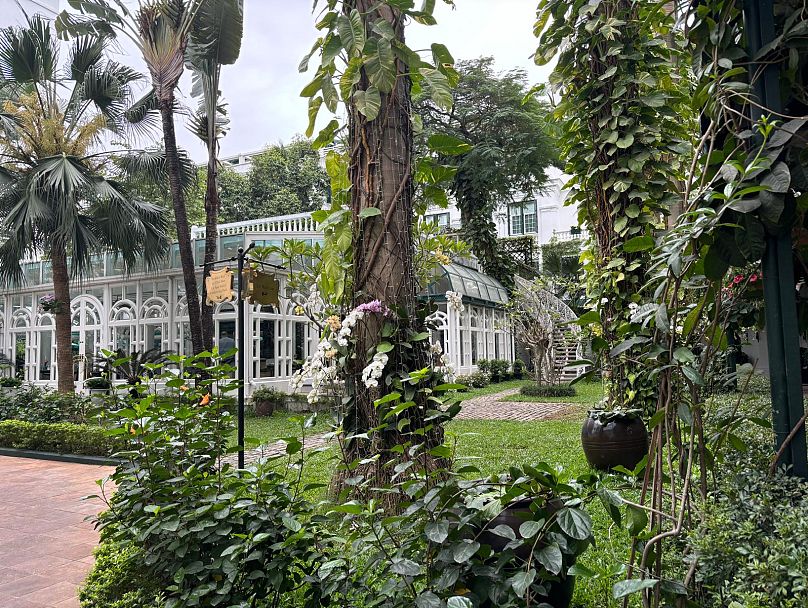
Stop by the Metropole’s Le Club Bar today to discover the birthplace of egg coffee. This bright, verdant conservatory offers a serene retreat and serves classic French dishes such as Niçoise salad, onion soup, and croque monsieur.
Alternatively, you have the option to visit either of the two
coffee joints
Nguyen’s establishment in the city, currently managed by his heirs, can be found at the northern tip of Hoàn Kiếm Lake. Climb upstairs to Café Dinh and enjoy a sugary cup of Hanoian coffee alongside local artists and writers.
Where to Stay in the French Quarter at Capella Hanoi
The city’s
luxury hotel
A quarter containing such coins can be discovered among the blocks surrounding Hanoi’s rococo-style Opera House, an ice-cream-hued structure with a dome that dates back to 1901.
Capella Hanoi
It’s an extravagant and whimsical reinterpretation of a meeting place where opera’s most renowned performers, including singers and composers, could gather following their last performance.
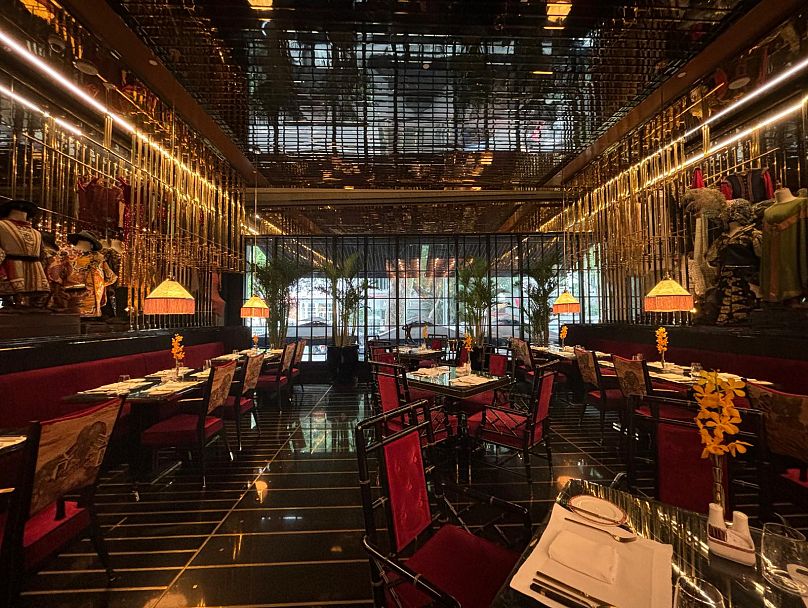
Created by renowned architect Bill Bensley, this establishment blends 1920s Art Deco Parisian style with Vietnamese cultural elements in an extravagant mix. Bensley dedicated considerable time collecting souvenirs such as theater programs, musical instruments, gloves, and even opera lessons to adorn the space.
hotel
.
The ground-floor Michelin-acclaimed restaurant is called Backstage, where the luxurious crimson velvet seats, full-length curtains, and glittering outfits adorning the walls beautifully capture the essence of backstage activity.
Every story focuses on a distinct element of opera—drama, music, and celebrities. The design captures these elements with specific motifs: miniature stages adorned with bead-embroidered outfits on the drama section; an area featuring a powdering station along the actress passageway; and sculptures of musical instruments combined with artwork inspired by Picasso’s style at the music zone.
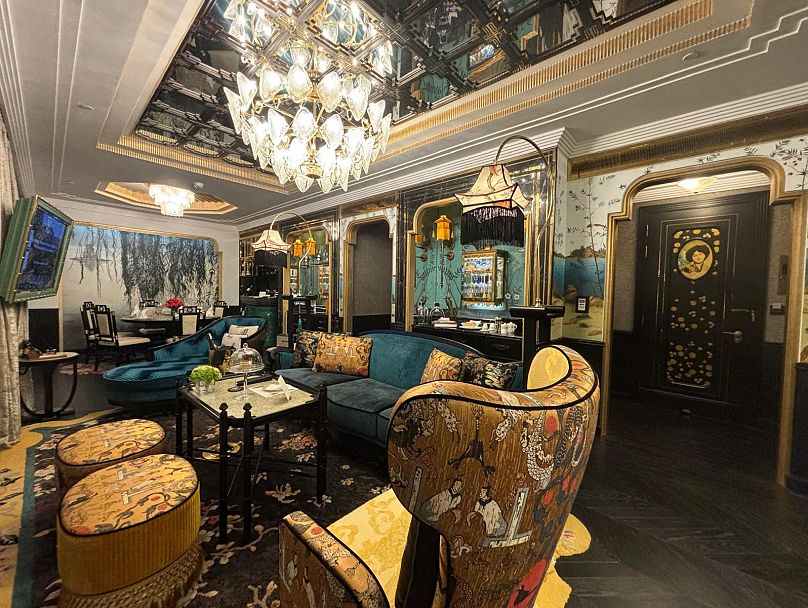
Every one of the 47 rooms has its own distinct theme, each named for a musician, actor, composer, or operatic work. Inside, you’ll find references to Vietnamese craftsmanship such as embroidered silk cushions, pendant lanterns adorned with hanging pom-poms, and black bamboo furniture.
The hotel partners with local talents for experiences such as pottery sessions with Bat Trang Ceramic Village inhabitants and lacquer art lessons led by Tran Anh Tuan, who teaches at Hanoi University of Industrial Fine Arts.
Hanoi’s food is renowned, earning the title of top culinary destination according to the World Culinary Awards in 2024. Visitors staying at Backstage can enjoy meals prepared using exclusive recipes from Madame Anh Tuyet, who appeared on chef Anthony Bourdain’s show “No Reservations.” Her rendition of pho—a flavorful soup featuring beef brisket—makes for a robust start to the day.
Return to the past at the Sofitel Legend Metropole Hotel.
Staying at the
Sofitel Legend Metropole
This place, where egg coffee originated, offers the nearest experience to traveling back in time to Hanoi during its French colonial period—from the staff welcoming you with ‘bonjour’ to the presence of upscale boutiques like Hermes and Chopard within the premises.
The Heritage Wing originates from 1901, whereas the Opera Wing was added in 1996. Within the historic section, a newly mounted exhibit outlines the chronological history of the place.
hotel
From its inauguration through its involvement in two conflicts and the restoration period in 1992, it has captivated visitors with insights into the rich history contained within its walls.
In 1946, ex-president Ho Chi Minh met with General Etienne Valuie, who was the commander of Indo-China, along with Nguyen Hai Than, the president of Vietnam’s Provisional Government, at a hotel as part of discussions for Vietnamese independence.
Throughout the period of the American invasion, all hotel employees—both men and women—underwent military training. The sidewalk area at the entrance, previously used for guest leisure such as drinking coffee, was excavated to construct bomb shelters that are now open for guided tours. Singer-songwriter Joan Baez’s album “Where Are You Now, My Son?” drew inspiration from her stay in one of these bunkers during an 11-day visit to the hotel.
Since guests no longer have to concern themselves with seeking protection from air raids, they can ample time to take advantage of the hotel’s comprehensive amenities. Within the main atrium, you will find a delightful space for enjoyment.
outdoor pool
Equipped with sun loungers, each morning you can make your way up to Le Balcon for yoga or Tai Chi sessions.
And once you’re prepared to leave the hotel and encounter the bustling energy of Hanoi, simply recall to say ‘goodbye’ to the doorman as you depart.