by admin | Mar 27, 2025 | armed forces, german, military, politics, politics and law
![]()
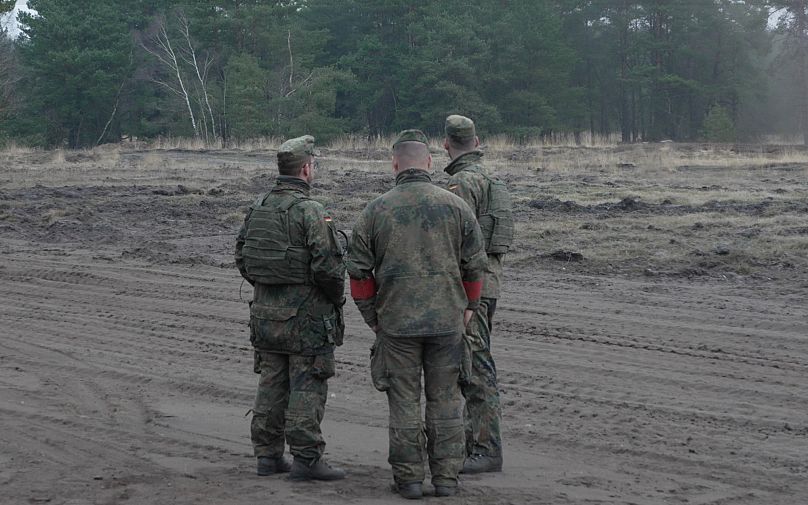
In early March, Florian Hahn, who speaks on defense policies for Germany’s CDU and CSU parties, advocated for the reinstatement of mandatory military duty before the conclusion of the year.
“He warned against passively observing as insecurity grows around us,” he said to the German newspaper Bild.
The German parliament has approved a historic
debt-financed bill
For defense and infrastructure, the focus is shifting towards reintroducing mandatory military service. However, what would this reinstatement entail—and might it actually address Germany’s defense issues?
What were the reasons for suspending mandatory military service in Germany?
Conscription was established in 1956 and continues to be codified in Article 12a of Germany’s Basic Law.
Despite the conclusion of the Cold War and national unification, mandatory enlistment has persisted. Nevertheless, from the outset, people have had the option to opt out of military duty based on their conscientious beliefs.
In these situations, applicants needed to obtain permission for their conscientious objections and were subsequently required to undertake alternative service aimed at serving the public interest, referred to as civilian service.
Until 2011, all males at least 18 years old had to serve in the Bundeswehr. That year, the then Defence Minister Karl-Theodor zu Guttenberg discontinued compulsory service.
Compulsory military service was suspended to reduce the size of the Bundeswehr from around 255,000 soldiers to 185,000. The reasoning at the time pointed to the significantly changed global security landscape, which did not pose a major risk.
According to the latest Bundeswehr data from May 2024, the total strength stands at just under 261,000 people. This includes 180,215 military personnel and 80,761 civilian employees.
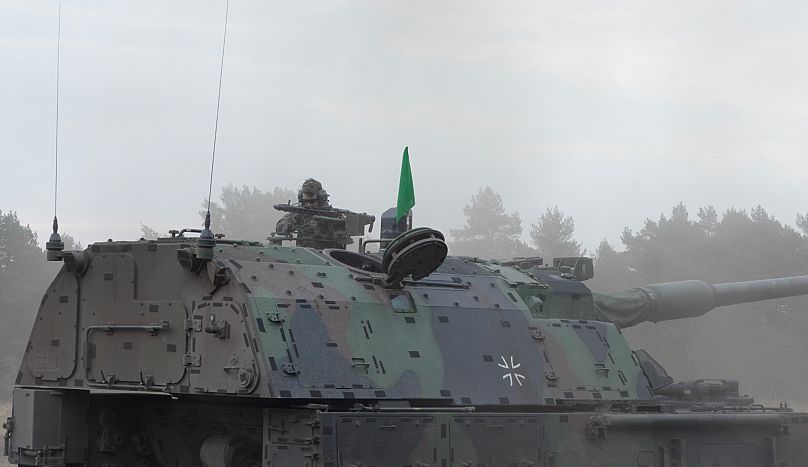
However, the goal is to increase troop numbers to around 203,000 soldiers by 2031. This planned increase is driven by Russia’s full-scale invasion of Ukraine and the resulting shift in Europe’s security landscape, as outlined in a draft law from December last year.
To reach this objective, the reinstatement of mandatory military duty is under discussion. However, despite appearing to be an easy fix, it isn’t quite so simple.
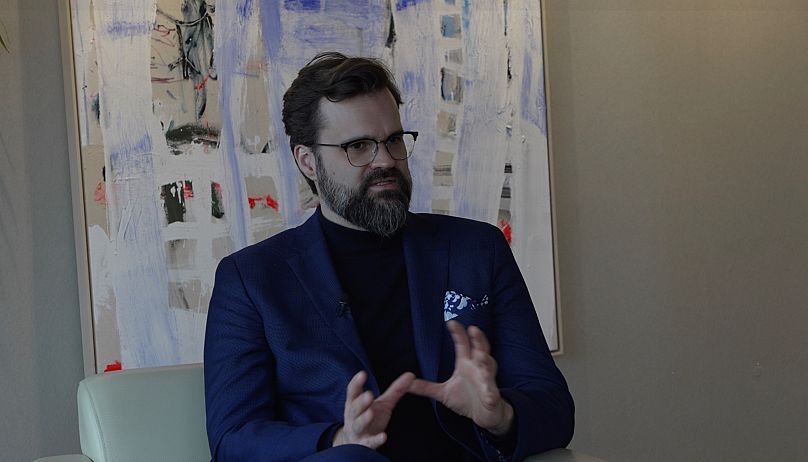
“Theoretical and practical answers both exist,” clarified Dr Frank Sauer, a political scientist from the Bundeswehr University in Munich.
Theoretically speaking, the answer is yes; legally, we could reintroduce mandatory military service. Practically though, this wouldn’t make much difference since there aren’t any mechanisms currently set up for drafting individuals.
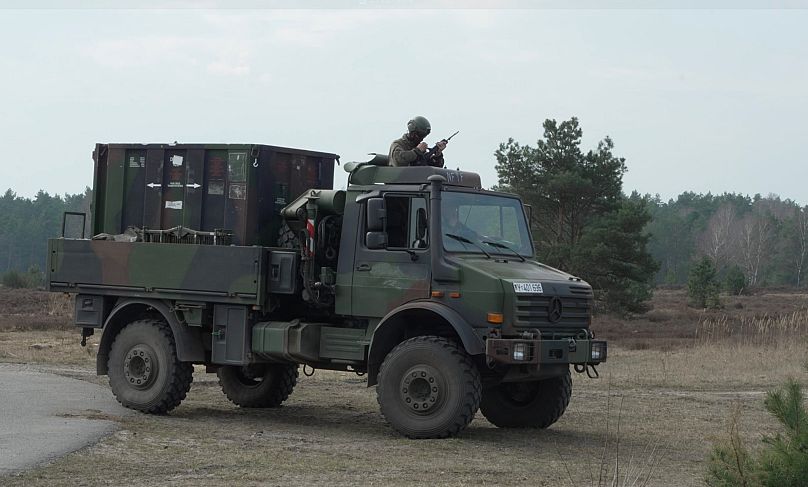
This primarily pertains to logistics, which are no longer in place and thus can’t be utilized for recruitment. Should mandatory military service be reinstated, the Bundeswehr would face shortages not just in terms of manpower needed to train newcomers but also in facilities like barracks and regional defense headquarters.
As was mentioned by Sauer, the complete infrastructure required for this no longer exists.
Sauer does not see conscription as an easy fix and warns against employing it to tackle the Bundeswehr’s staffing shortfall or to achieve the goal of having 203,000 soldiers by 2030.
Sauer posed the query: “Why should we consider reinstating mandatory service when all it might lead to is my training with weapons or perhaps serving again as a Red Cross paramedic? What exactly is our objective here? Furthermore, do we genuinely possess the resources and capabilities required to accomplish the goals outlined in our current proposal?”
The ‘means-to-an-end discussion’
According to Sauer, before reinstating mandatory military duty, there needs to be a conversation about how to accomplish the desired outcome.
Currently, there is neither an agreement nor a distinct discussion about the role of conscription in Germany. Potential coalition partners for the upcoming government continue to differ on whether, or how, conscription should be carried out.
According to reports from Redaktionsnetzwerk Deutschland, the CDU and CSU political parties advocate for reintroducing mandatory military service as part of their strategy to create a “strong deterrent.”
On the contrary, the Social Democratic Party (SPD) still supports voluntary service but suggests establishing a system for mandatory military registration and oversight.
Nevertheless, apart from political considerations, there needs to be a wider societal agreement on the place of mandatory military service. As Sauer points out, some argue that this could expand the size of the Bundeswehr.
Some view it as a means to instill discipline in youth once more. Others argue it will improve civil defense and supply additional staff to emergency services. Nevertheless, some perceive it as an opportunity to strengthen community unity.
Mandatory military duty cannot be implemented using a “one-size-fits-all” model and should consequently be customized accordingly.
It’s unclear whether there will be enough support in parliament for altering the rules around mandatory enlistment. The political analyst explained to Euronews, “Currently, what we can enforce is unchanged obligatory military duty.”
Currently, conscription is applicable solely to males. Thus, an updated system of conscription should take into account the potential inclusion of females too.
The Bavarian Minister President Markus Söder mentioned in a ZDF interview that the primary objective is not to emphasize the creation of a gender-equitable Bundeswehr, but instead to build a stronger and more efficient military force. Additionally, he stressed the significance of the deterrence impact that the Bundeswehr needs to maintain.
“Söder stated that we aim for a Bundeswehr so robust that potential adversaries would think twice before targeting us.” Nonetheless, even with the reinstatement of mandatory military duty, the strength of the Bundeswehr won’t dramatically improve immediately.
Sauer thinks there is minimal enthusiasm within the Bundeswehr for reinstating mandatory service. He states, “The armed forces are already grappling with significant staffing shortages, particularly concerning trainers.” The political analyst elaborates further.
In almost every discussion I’ve been part of, nobody has mentioned, ‘That’s an excellent concept; we should reintroduce mandatory military service.’ Additionally, if these professionals were tasked with training recruits as well, their resources would be even more strained.
Defending one’s country?
Politicians such as Söder and Hahn have stated that the main objective of mandatory military service was to bolster the Bundeswehr. Nevertheless, a recent Forsa poll conducted for RTL and ntv revealed that merely 17% of Germans expressed willingness to bear arms in defense of their nation should it face a military assault.
On the contrary, research conducted by the French Ministry of Defence indicated that 51% of individuals aged between 18 and 25 expressed willingness to combat in Ukraine should it become essential for defending their country. Furthermore, approximately 62% of people in France favor reinstating mandatory military service, a practice discontinued back in 1997.
According to a YouGov poll, 58% of Germans support the return of mandatory military service. Conversely, as reported by Die Welt, 61% of those aged between 18 and 29 oppose this reinstatement.
It is still uncertain whether and in what format the mandatory military service codified in the Basic Law will be reinstated. So far, the sole agreement is that this change cannot occur immediately.
by admin | Mar 27, 2025 | foreign policy, government, international relations, politics, politics and government
Stefanik, who supports Trump, serves as a representative in the U.S. House. The previous administration under Trump is worried about the narrow Republican lead in the lower house of U.S. Congress.
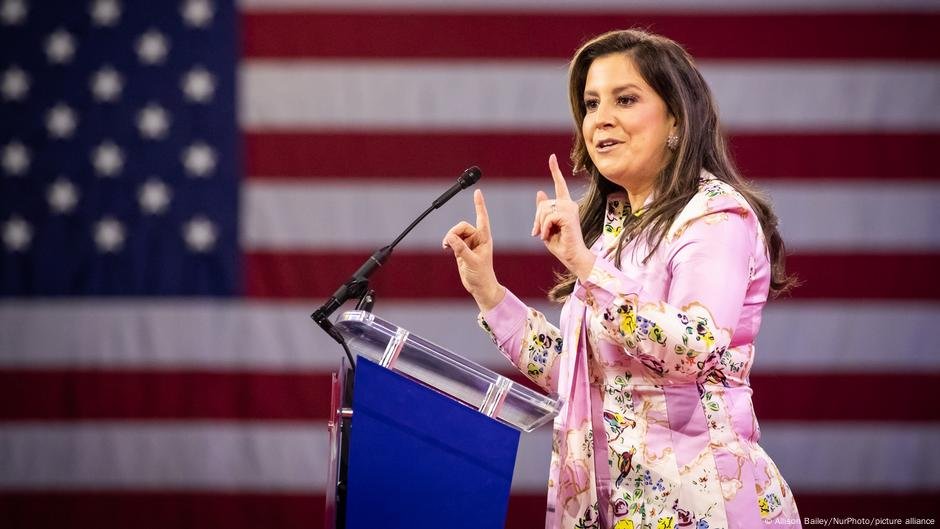
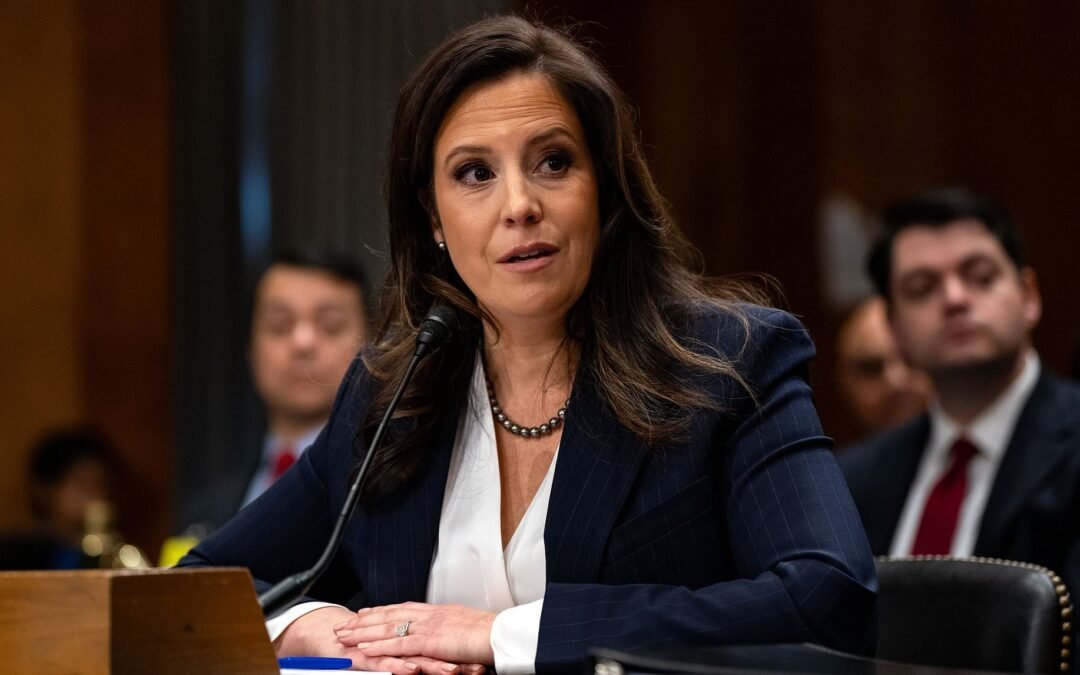
The administration of U.S. President Donald Trump removed Elise Stefanik’s bid to become the U.S. representative to the United Nations on Thursday.
Stefanik, who remains a strong supporter of Trump within the Republican Party, serves as a congresswoman representing an upstate New York district in the House of Representatives.
The Trump administration has expressed concern that appointing Stefanik as the US envoy to the UN could undermine their Republican majority in the House.
“We need to stay united to achieve our mission, and Elise Stefanik has been an essential member of our team since day one. I’ve requested that Elise, who is one of my strongest supporters, continue her work in Congress,” Trump stated on his Truth Social account.
The president further stated, ‘I do not wish to risk having someone else run for Elise’s position.’
Meanwhile, Trump expressed his anticipation for when Elise will be able to “join my Administration in the future,” calling her “FANTASTIC.”
More to follow…
Author: Wesley Dockery
by admin | Mar 27, 2025 | armed forces, military, myanmar, politics, politics and government
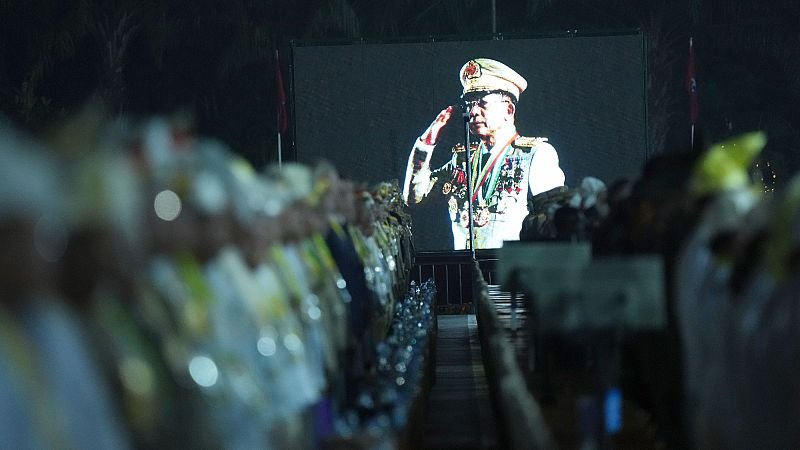
The head of Myanmar’s military has utilized an address during the annual Armed Forces Day to emphasize intentions of conducting a general election before the year ends and urged opposing factions battling the armed forces to participate in political parties and the voting procedure.
Min Aung Hlaing stated that his military administration plans to conduct an election in December, with the assurance that it will proceed based on the safety circumstances across various areas of the nation, which frequently experience armed clashes.
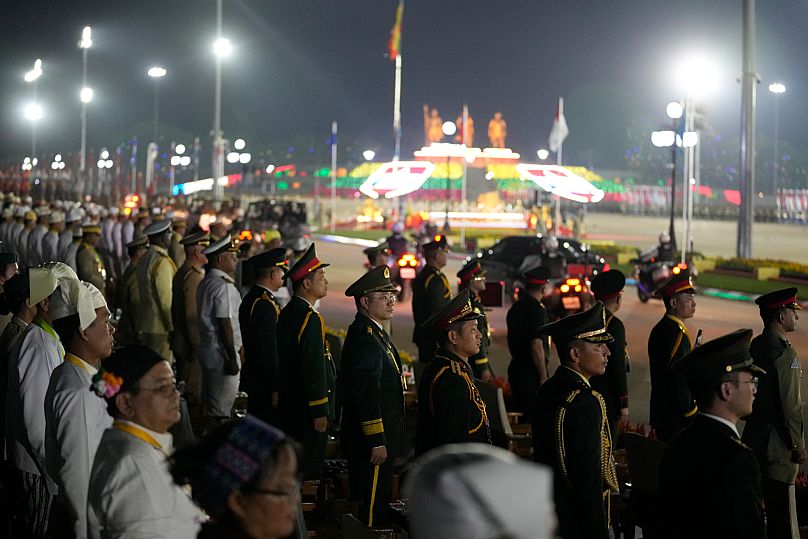
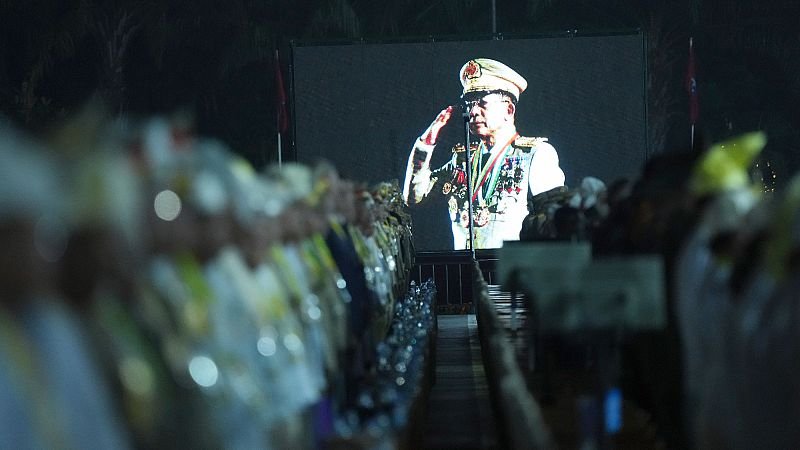
He addressed over 7,000 military members gathered in the capital city of Naypyidaw.
Servicemen and women carrying rifles came to attention as the general inspected them from an open-backed vehicle at the rear.
They proceeded past him in sequence, giving him a salute as they went, with fighter jets soaring above them, releasing flares into the dark evening.
Seizing power
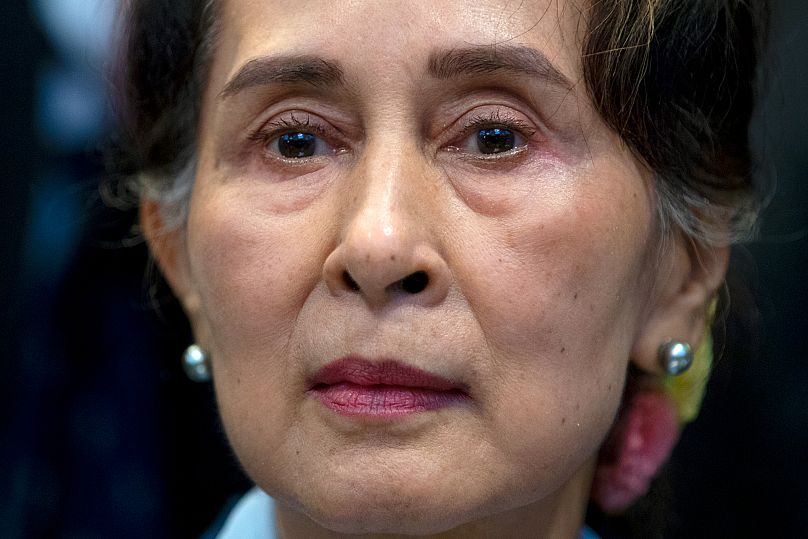
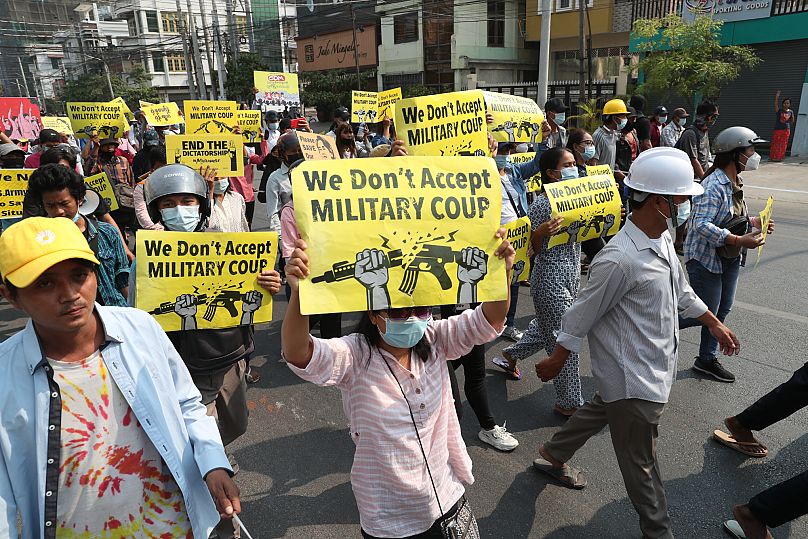
In 2021, a military takeover removed the democratically chosen State Counsellor Aung San Suu Kyi from power. This action faced significant backlash, leading to extensive demonstrations and igniting an armed rebellion that has caused many regions across the nation to descend into turmoil.
The military government has stated that holding an election is their main objective; however, they have continually delayed the scheduled date.
The overall strategy for holding a general election is largely perceived as an effort to validate the military’s takeover via voting processes, aiming to produce outcomes that guarantee continued dominance for the armed forces.
In his address, Min Aung Hlaing attempted to rationalize the ousting of Suu Kyi’s democratically elected administration by citing well-worn yet largely refuted claims about its failure to probe alleged discrepancies during the November 2020 national elections. He reiterated that his regime would organize “a clean and impartial vote” before transferring authority thereafter.
The present security scenario in the nation, where the military reportedly holds sway over fewer than half of the regions, presents a significant obstacle for conducting elections.
Critics argue that the military-organized election won’t be free or fair since there’s no access to independent media, and many leaders from Suu Kyi’s well-supported yet disbanded National League for Democracy party remain detained.
Aung San Suu Kyi is currently facing imprisonment for a total of 27 years after being found guilty in multiple cases that many believe were driven by political intentions.
The 80th anniversary of Armed Forces Day commemorates the date in 1945 when the military of Myanmar, formerly called Burma, started their battle against the occupying Japanese forces that had seized control following the expulsion of the British.
During his trip to Belarus earlier this month, Min Aung Hlaing disclosed the timeline for the election.
He mentioned at that time that 53 political parties had already handed over their lists to take part in the elections.
The state media mentioned that he restated the election plans during an official gathering on Tuesday. However, the reports did not clearly specify if the voting will take place within the final two weeks of December, the initial two weeks of January, or throughout the entire span covering these four weeks.
In a separate report, state-owned MRTV television stated that Min Aung Hlaing had approved amnesty for seven foreign inmates, among whom were four Thais imprisoned in the southern coastal town of Kawthaung; these individuals will be sent back to their home country.
It is common for prisoner amnesties to be declared on state or religious holidays.
by admin | Mar 27, 2025 | armed forces, military, myanmar, politics, politics and government
The head of Myanmar’s military reiterated during an annual Armed Forces Day address his commitment to holding a national election before the year ends. He also urged various opposition factions battling against the armed forces to participate in political parties and engage with the electoral system.
Min Aung Hlaing stated that his military administration was gearing up for an election scheduled for December, with the conduct of the poll contingent upon the varying security situations across different areas of the nation, which frequently experience armed clashes.
He addressed over 7,000 service members gathered in the capital city of Naypyidaw.
Service members carrying rifles came to attention as the general inspected them from an open-backed vehicle.
They proceeded past him in sequence, giving him a salute as combat aircraft zoomed above, releasing flares into the dark evening.
Seizing power
In 2021, a military takeover removed the democratically elected State Counsellor Aung San Suu Kyi from power, leading to significant backlash. This resulted in large-scale demonstrations and initiated an armed struggle that has brought about widespread unrest across many regions of the nation.
The military junta has stated that holding an election was their main objective; however, they have consistently delayed the scheduled date.
The proposal for a general election is broadly interpreted as an effort to legitimize the military’s takeover of power via democratic means and to produce outcomes that guarantee the armed forces maintain their influence.
During his address, Min Aung Hlaing attempted to rationalize the ousting of Suu Kyi’s democratically elected administration by citing well-worn yet largely refuted claims about its failure to probe alleged irregularities during the November 2020 national elections. He reiterated that his regime would organize “a free and fair election” before transferring authority accordingly.
The nation’s present security scenario, where the military reportedly holds sway over fewer than half of its territories, presents a significant obstacle for conducting elections.
Critics argue that the military-organized election will lack freedom and fairness due to the absence of independent media and the arrest of many key figures from Suu Kyi’s once-popular yet now disbanded National League for Democracy party.
Suu Kyi is currently serving cumulative prison terms totaling 27 years following convictions in multiple cases that many view as politically motivated.
The 80th anniversary of Armed Forces Day commemorates the date in 1945 when the military of Myanmar, formerly called Burma, commenced its battle against the invading Japanese forces that had ousted the British occupiers.
During his trip to Belarus earlier this month, Min Aung Hlaing disclosed the timeline for the election.
He mentioned at that time that 53 political parties had already handed in their lists to take part in the election.
The state media mentioned that he restated the election schedule during an official gathering on Tuesday. However, the reports did not specify if the voting will take place within the final two weeks of December, the initial two weeks of January, or throughout the entire span covering these four weeks.
In a separate report, state-owned MRTV television stated that Min Aung Hlaing has approved pardons for seven foreign inmates, among whom were four Thais incarcerated in the southern seaside town of Kawthaung, set to be expelled from the country.
It is common for prisoner amnesties to be declared on state or religious holidays.
by admin | Mar 27, 2025 | government, news, politics, politics and government, politics and law
The
White House
has withdrawn the nomination of Congresswoman Elise Stefanik to serve as the U.S. ambassador to
United Nations
.
President Trump chose the New York Republican Congressmember and close confidante as his pick for the position shortly after securing victory in the 2024 election.
election
.
However, the White House notified them about
Senate
Her name was selected on Thursday.
Stefanik had previously appeared before the Senate Foreign Relations Committee just a day following Trump’s inauguration on January 21 for her confirmation hearing.
She was anticipated to breeze through the confirmation process with some bipartisan backing. However, the vote was never set up.
This occurs as Republican members of the House are only just managing to maintain their control over the majority.
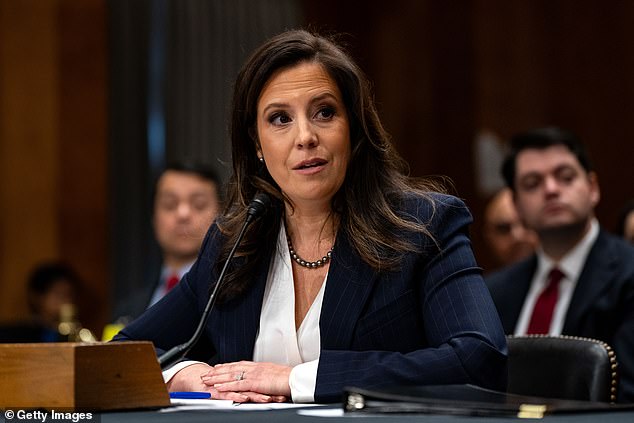
Her confirmation would have reduced their seating capacity, hence discussions about postponing it until after the special elections in Florida to fill the seats vacated by Matt Gaetz and Mike Waltz.
Read more

by admin | Mar 27, 2025 | government, news, politics, politics and government, politics and law
The
White House
has withdrawn the nomination of Congresswoman Elise Stefanik to serve as the U.S. ambassador to
United Nations
.
President Donald Trump selected the New York Republican Congressmember and close confidante as his pick for the position shortly after securing victory in the 2024 election.
election
.
However, the White House notified the
Senate
Her name was selected on Thursday.
Stefanik had previously appeared before the Senate Foreign Relations Committee just a day following Trump’s inauguration on January 21 for her confirmation hearing.
She was anticipated to glide smoothly through the confirmation process with some bipartisan backing. However, the vote wasn’t ever set up.
It comes as House Republicans are just managing to keep their majority.
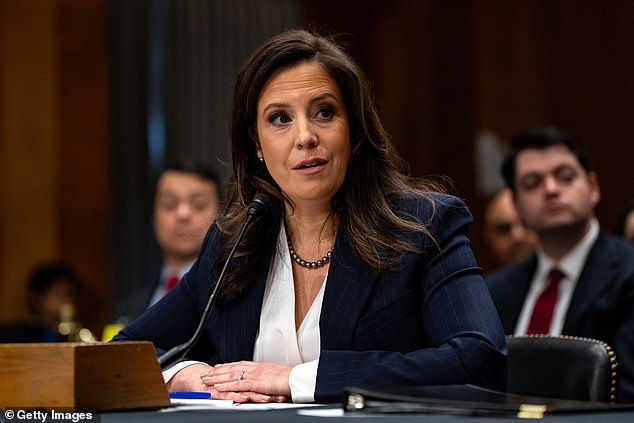
If she had been confirmed, it would have reduced their seating by one. Therefore, discussions emerged about postponing her confirmation until after the special elections in Florida aimed at replacing Matt Gaetz and Mike Waltz.
Trump shared a post on social media immediately following when the story was reported on Capitol Hill.
“As we move forward with our America First Agenda, it is crucial that we retain ALL Republican Seats in Congress,” he stated.
“We need to stay united to achieve our mission, and Elise Stefanik has been an essential member of our team since day one,” he went on to say.
“I’ve requested Elise, who is among my strongest allies, to stay in Congress to assist me in delivering historic tax cuts, fantastic jobs, record economic growth, a secure border, energy dominance, peace through strength, and many other initiatives, allowing us to Make America Great Again,” the statement continued.
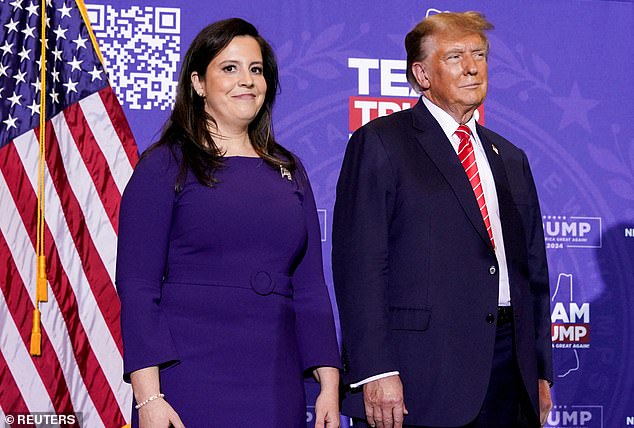
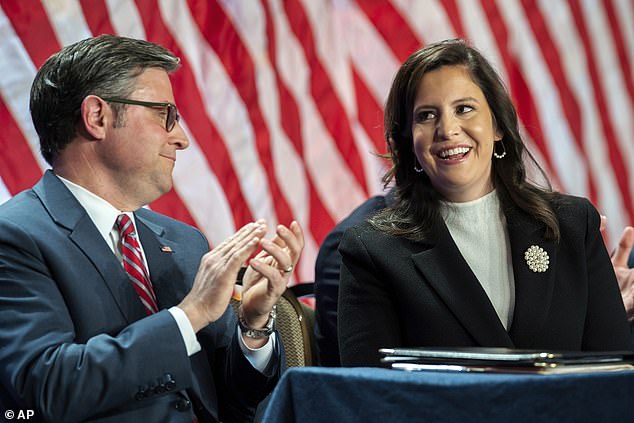
He mentioned that the congresswoman would return to the House GOP leadership, though her specific position remained unclear.
Stefanik held the role of House Republican Conference chair from 2021 to 2025, however, she chose not to run for reelection to this position after being selected to join the Trump administration.
The president indicated that she might become part of the administration in the future, stating that he was looking forward to that day.
Last month, Stefanik went on a goodbye trip through her district to express her gratitude to the people she served in Congress.
Read more