by admin | Mar 30, 2025 | artificial intelligence, gamers, gaming, machine learning, technology
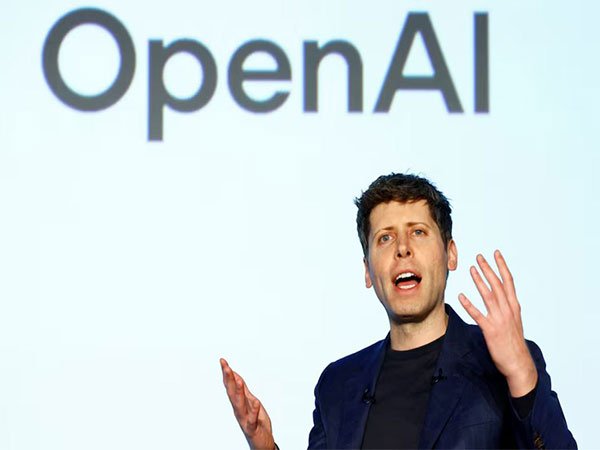
Washington D.C., [USA], March 30 (ANI): On Sunday, OpenAI CEO Sam Altman jokingly remarked that internet users should cease creating AI-generated images since his team members were sacrificing their sleep over it!
Altman stated that individuals should calm down when producing images.
On a post on X, he stated, “could you all please calm down with generating images? This is getting out of hand; my team needs some rest.”
On Thursday, he dramatically stated that the popularity of AI-generated images was so high that the Graphics Processing Units in their office were practically overheating!
On a post on X, he mentioned, “It’s incredibly enjoyable watching everyone enjoy the images generated by ChatGPT in chats. However, our GPUs are overheating. We’ll be implementing temporary usage restrictions as we strive to improve efficiency. This should only last for a short period. The free tier of ChatGPT will soon have a limit of three image creations per day.”
A few days following OpenAI’s release of its latest AI-powered image generator, a social media craze mimicking the style of Japan’s renowned Studio Ghibli animations has highlighted both the capabilities of this technology and the associated copyright issues, according to CNN.
The recent release of GPT-4o on Tuesday includes numerous practical improvements such as enhanced accuracy in text processing and an increased capability to handle intricate and nuanced instructions. Additionally, the system has undergone extensive training using a wide array of visual styles, impressing users with its capacity to produce static images and video clips that evoke beloved animation series like “South Park” and traditional claymation classics.
However, one particular style rapidly inundated platforms like X and Instagram after users of ChatGPT (along with OpenAI’s text-to-video tool, Sora) started imitating the creations of the renowned animation studio known for classics such as “Spirited Away” and “Howl’s Moving Castle,” according to CNN.
Certain remastered segments inspired by popular culture or political events in the distinctive manner of the Japanese firm include a revised trailer for “The Lord of the Rings: The Fellowship of the Ring,” excerpts from “The Sopranos,” as well as the intense interaction between Donald Trump, JD Vance, and Ukrainian President Volodymyr Zelenskyy during their actual encounter at the White House. (ANI)
Provided by Syndigate Media Inc. (
Syndigate.info
).

by admin | Mar 30, 2025 | batteries, ecology, electric batteries, environmentalism, technology
Electric vehicle batteries include hazardous substances that may endanger human health. However, battery researchers are addressing this issue, albeit in laboratory settings.
-
The risk of contamination of soil and water from EV batteries is huge, if improperly disposed at the end of their lifespan.
-
Batteries do not just incorporate rare earth elements; they also feature ” Forever Chemicals” within both their cathodes and electrolytes.
-
Scientists at the UChicago Pritzker School of Molecular Engineering are developing a battery that avoids using those hazardous chemicals from the outset.
The global demand for lithium-ion batteries is forecast to increase from 700 gigawatt-hours in 2022 to a whopping 4.7 terawatt-hours by 2030, according to
Mckinsey & Company
. That’s because battery usage is not just growing in electric vehicles, but also in electrical appliances, drones, grid-level energy storage and dozens of other applications. But their dirty secret of using harmful chemicals hasn’t been addressed yet.
In addition to rare earth materials in EV batteries and traction motors, these components also use dangerous chemicals called PFAS, which stands for per- and polyfluoroalkyl substances. They’re in everything, right from our clothes to the non-stick kitchen pans, according to the
National Resources Defense Council
. They don’t break down in the environment and can even infiltrate human bodies through food and water, hence the name “forever chemicals.”
Currently, scientists at the University of Chicago are developing advanced electric vehicle batteries that do away with the use of PFAS. In conventional lithium-ion batteries, both the cathode and the electrolyte contain PFAS, which serve to maintain the integrity of the battery’s inner components. However, the team from UChicago asserts that these fluorinated compounds aren’t essential for either part. They believe they’ve found an alternative approach that maintains optimal performance without relying on PFAS.
“We are asking for higher standards from our batteries. We desire both low-temperature efficiency and high-temperature capability. Additionally, rapid charging and the use of lithium metal batteries are among our expectations,” stated Professor Chibueze Amanchukwu from the UChicago Pritzker School of Molecular Engineering.
blog post
.
What the current scientific literature suggests is adding more fluorinated compounds to the electrolyte,” he explained. “Most of these additions would likely fall under the category of PFAS.
To tackle this problem, they created a distinctive “non-fluorinated solvent” without PFAS for use in the electrolyte. However, simply doing this isn’t enough to resolve everything. The real test is demonstrating that the new material can maintain or enhance the performance standards expected from conventional electric vehicle batteries.
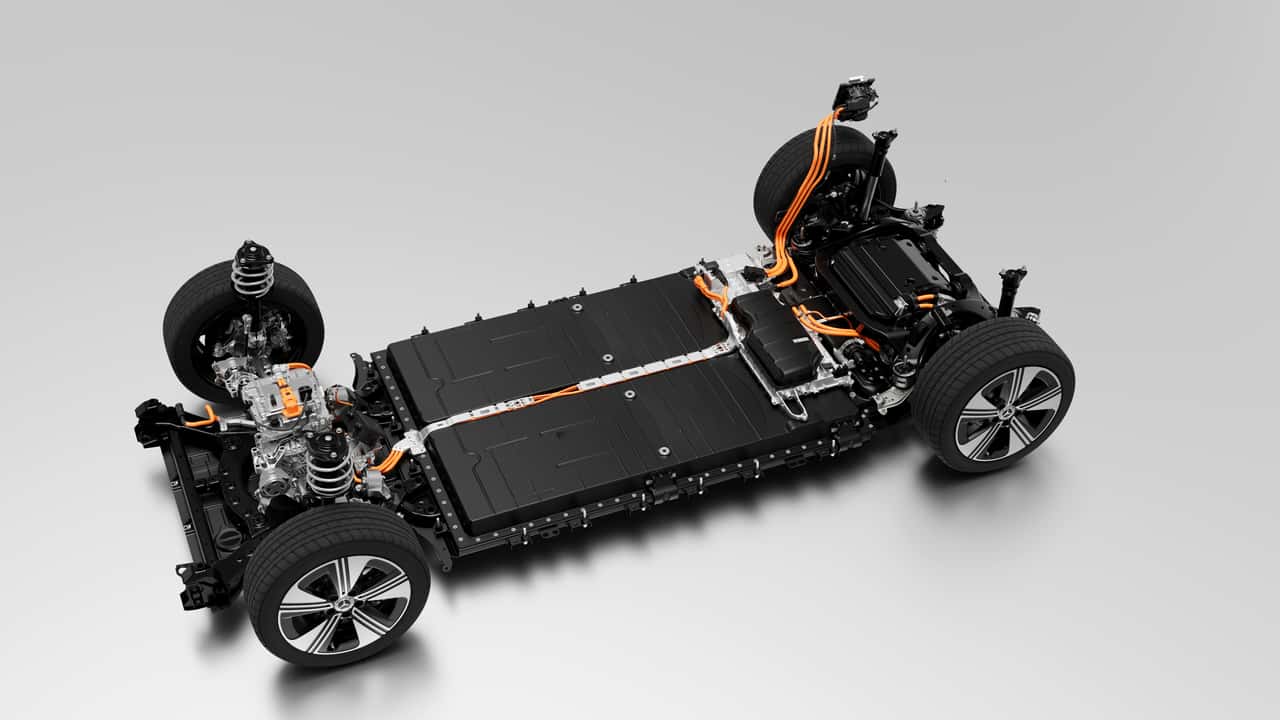
Photo by: Mercedes-Benz
It turned out that the cells without PFAS showed improved ion pairing, indicating higher energy density. These cells exhibited greater resilience to temperature extremes, maintaining stability during cycling between 60°F and -40°F. Additionally, these batteries displayed superior capacity retention, ensuring prolonged durability along with sustained high performance over time.
Certainly, these batteries are currently only part of laboratory experiments and have not come close to starting production. However, the aim of this research is to demonstrate that environmental issues related to EV batteries can indeed be tackled during the initial design process.
As millions of electric vehicle batteries reach their end-of-life stage and move into recycling and secondary use processes by the end of this decade, there is significant potential for environmental contamination, particularly if these batteries are not managed correctly. According to studies, PFAS exposure has been associated with serious health issues such as developmental problems in children and adverse reproductive impacts in women.
Environmental Protection Agency
.
Currently, the worldwide electric vehicle (EV) industry is following the “move-fast-and-break-things” strategy common among major technology companies based in Silicon Valley. The priority lies in being the first to enter the market rather than addressing the possible long-term environmental harm caused by EV batteries several years or even decades down the line. Ideally, through tougher regulatory measures and innovative approaches such as these, upcoming advancements in battery technologies could adopt a more careful and environmentally conscious path.
Got a tip? Reach out to the author:
suvrat.kothari@insideevs.com
Related Stories
-
This Dodge Charger Daytona Is Already Wrecked. No One Knows Why
-
Mazda CX-50 Hybrid: If You Can’t Beat Them, Join Them, Right?
-
‘The Apocalypse’: Trump’s Taxes Might Devastate the Auto Sector and Empty Your Pockets
-
This Hyundai Ioniq 5 has more than 400,000 miles. Here’s what wore out.
by admin | Mar 30, 2025 | business, educational systems, investing, technology, youth
ABUJA
– A learning area spanning 25 square meters, fitted with cutting-edge digital equipment, has been inaugurated.
As part of the BeMINT_Nigeria initiative, hands-on IT training and entrepreneurial skill development are provided to high school graduates in Lagos. This 12-week comprehensive program emphasizes female involvement and aims to create economic opportunities for 400 young people (ages 18 to 24) from underprivileged backgrounds.
BeMINT (where MINT stands for STEM in German: Mathematics, Information Technology, Science, and Technology) receives support from the German Federal Ministry for Economic Cooperation and Development (BMZ) and is executed by the globally active foundation Siemens Stiftung along with the Nigerian non-governmental organization Empowering Africans through Education Initiative (EAE).
This three-year program combines training and internships to provide school leavers with essential practical and digital skills needed for success in the 21st-century world marked by rapid technological progress and digitization.
“The digital revolution has reshaped societies and economies but has also exacerbated gender and social disparities. According to the United Nations, women make up just 22% of roles in science, technology, engineering, and math fields. BeMINT_Nigeria aims to address this imbalance by promoting female involvement and improving access to digital education for young people from underprivileged areas. This participant-focused initiative promotes equitable economic engagement and equips Nigeria’s future leaders with essential 21st-century competencies,” explains Dr. Nina Smidt, who serves as the CEO and spokesperson for Siemens Stiftung.
The core of this initiative revolves around the newly established makerspace, which serves as a central location for educational growth and community involvement. This space grants participants convenient access to 3D technology, tools, and materials, enabling them to bring their preliminary concepts and models to life. Moreover, individuals have complimentary use of “Siemens Hours of Engineering,” a cloud-based platform provided by Siemens Digital Industries. This tool offers an accessible entry into computer-aided design and fosters problem-solving skills.
During the launch event, the German Consul General in Lagos, Mr. Weert Börner stated, “InVESTMENTS IN DIGITAL EDUCATION ARE CRUCIAL FOR ECONOMIC TRANSFORMATION. By developing digital infrastructure AND enhancing educational opportunities THAT WIDEN THE CAREER PATHS available to young Nigerians—particularly young women—we can foster more robust collaboration between Nigeria and Germany. Given that 70 percent OF THE COUNTRY’S POPULATION IS UNDER 35 YEARS OLD, this demographic offers an unparalleled foundation upon which TO GROW NIGERIA’S DIGITAL SECTOR.”
In the coming few years, nine groups with 45 participants each will be exposed to three key areas: Information Technology, career guidance, and business startup skills.
Every participant gets extensive interdisciplinary training, obtaining hands-on experience with digital platforms as well as acquiring knowledge about AI tools to boost their competitive edge in the job market.
We are expanding upon the achievements of the project’s initial stage, which commenced in 2022. This phase has cultivated graduates who are both skilled and assured, many of whom are currently employed at prestigious international firms such as Google and Microsoft, alongside various small and medium-sized enterprises in Nigeria.
Provided by Syndigate Media Inc. (
Syndigate.info
).

by admin | Mar 30, 2025 | business, finance news, indian national news, news, technology
New Delhi [India], March 30 (ANI): The National Financial Reporting Authority (NFRA) has announced new measures aimed at enhancing transparency and accountability in financial reporting.
NFRA
and the Indian Institute of Technology (IIT) Kanpur co-organized an event together.
Hackathon
to motivate students to develop advanced solutions using
Large Language Models
(LLM) and
Generative AI
.
The objective of the
Hackathon
The aim was to make intricate financial statements more accessible and comprehensible, according to a statement released by the Ministry of Corporate Affairs on Sunday.
The task assigned was to convert financial information into compelling narratives for better-informed decision-making. During the hackathon, participants aimed to tackle this issue using Generative Artificial Intelligence (GenAI). Various teams explored innovative approaches to make financial reports more accessible and reveal valuable insights.
Students from different engineering schools across India took part in a hackathon organized at
IIT Kanpur
From March 28th and 29th, 2025.
The hackathon facilitated collaboration between academia, students, and regulators working together to tackle shared issues. During this event, participants deliberated on potential solutions, and mentors provided guidance to help students advance with their creative concepts.
The presentations from the teams during the hackathon highlighted how Generative AI could transform financial statement analysis by demystifying intricate financial ideas, streamlining data collection, and producing meaningful stories. With ongoing technological advancements, we anticipate greater usage of this technology in financial reports, which will result in improved efficiency, precision, and well-informed financial choices.
The winning teams came from VIT Vellore, MNNIT Allahabad, IIT Lucknow, and Rajiv Gandhi University of Knowledge Technologies, Nuzvid.
Hackathon
was evaluated by a joint panel of specialists from
IIT Kanpur
and
NFRA
.
Additionally, it’s worth mentioning that numerous victorious teams opt to share their innovations with the open-source community. This allows for additional enhancements and contributions, enabling broader development and accessibility for those who wish to utilize these solutions.
NFRA
is looking forward to more such chances to interact with the student body, the statement also noted. (ANI)
Provided by Syndigate Media Inc. (
Syndigate.info
).

by admin | Mar 30, 2025 | news, police and law enforcement, politics, politics and law, technology

As anti-government demonstrations spread throughout Turkey, the authorities have employed various technological methods to suppress these movements. This includes limiting internet accessibility and utilizing facial recognition technology to pinpoint demonstrators, leading those involved to adjust their tactics accordingly.
Despite the prohibition on protests, approximately 2,000 individuals have been detained in relation to the demonstrations that began on March 19 after Istanbul’s mayor, Ekrem İmamoğlu, was arrested on corruption allegations.
In addition to individuals caught in public spaces, numerous others have been detained during early morning operations at their residences following identification through images or videos captured by law enforcement officers during the protests.
Up until now, 13 Turkish journalists have been arrested for reporting on the demonstrations. Among them is AFP photographer Yasin Akgul, who faced charges of “participating in unlawful protests and parades,” allegedly based on photographs taken by law enforcement.
According to Orhan Sener, an authority on digital technologies, the utilization of tech signifies a significant shift since 2013. Back then, a modest demonstration against tearing down Gezi Park in downtown Istanbul escalated into widespread civil discontent regarding the governance of Recep Tayyip Erdogan, who held the position of prime minister at that time.
Sener stated that the capabilities of the security forces in information technology have significantly improved since then.
“During the Gezi movement, the demonstrators took control of social media platforms, making it difficult for the police to pinpoint their identities,” he stated.
However, nowadays, when you participate in a protest in Turkey, your image is identified by a camera, which then compares it with your information on social media profiles.
Faces masked

Confronted with this danger, numerous protesters are now shielding their heads and faces using hats, masks, and scarves.
In Istanbul, law enforcement officers often encircle demonstrators, mandating that they remove facial coverings to enable filming, according to AFP correspondents. These individuals are not permitted to leave unless compliant with this demand, causing significant anguish among numerous youths.
Arif Kosar, an expert in the influence of emerging technologies, stated that “every form of pressure prompts a corresponding response. In the near future, we can expect increased utilization of various attire, eyewear, or cosmetics to evade facial recognition systems.”
He stated, ‘However, I do not believe that facial recognition technology represents the primary form of pressure currently. Instead, the dissemination of misinformation to defame the demonstrations, or to undermine and fragment them, holds greater significance.’
Erdogan has condemned the demonstrations as “street terrorism,” alleging that the protesters engaged in “desecration” of a mosque and a cemetery, accusations which the opposition refutes.
Sener pointed out that authoritarian governments have learned to leverage the internet for their benefit and have discovered methods to censor it.
“But above all, they use it for their own propaganda.”
‘Shifting toward a surveillance society’
Right after Imamoglu was arrested during a predawn operation, which he described on X just before his detention, officials began decreasing internet bandwidth for people in Istanbul. This made it impossible to access social media platforms for 42 consecutive hours.
The social media platform X was requested to shut down over 700 accounts associated with journalists, news organizations, political figures, students, and various individuals, as stated by the platform itself.
“Neither the bandwidth reduction nor the attempt to block X accounts had any backing from a court ruling. These actions were implemented without justification,” stated Yaman Akdeniz, a law professor and president of Turkey’s Freedom of Expression Association (IFOD).
He mentioned that new laws were being drafted which would mandate messaging platforms like WhatsApp, Signal, and Telegram to establish offices within Turkey and share user identification details with government officials.
Akdeniz stated that we are heading toward a surveillance society.
In 2020, as disclosed by the opposition news site MedyaScope in 2022, Internet Service Providers began supplying information about web usage patterns and user identities to the Information and Communication Technologies Agency (BTK).
According to the law, the BTK is permitted to retain collected data for just two years. Nevertheless, during the probe involving the Istanbul mayor, evidence dating back as far as ten years has been handed over to prosecutors, as stated by Akdeniz.
“Despite the legal framework, this data retention serves unspecified purposes, thereby enabling potential abuse,” he stated.
For Sener, activism in the real world and online “used to be two different worlds, but now they are intertwined”.
“The government is attempting to deter individuals from participating in protests using facial recognition technology, while also impeding their organization via social media platforms,” he stated.
by admin | Mar 28, 2025 | battery charging, battery electric vehicles, electric cars, electric power, technology
Is Mercedes-Benz equipped with the perfect formula for the rapid charging experience you desire? Additionally, consider Hyundai’s EV facility along with Rivian’s approach.
Despite a year filled with various uncertainties, the U.S. electric vehicle industry continues to grow.
continues to grow rapidly
But what’s hindering that expansion isn’t primarily the vehicles; it’s the process of charging them.
A substantial part of the electrical realm revolves around infrastructure, ensuring that consumers have
good home charging options
for managing road trips and exploring lesser-known routes with reliable DC fast charging. The former typically works smoothly and excellently; the latter
can really be hit or miss
.
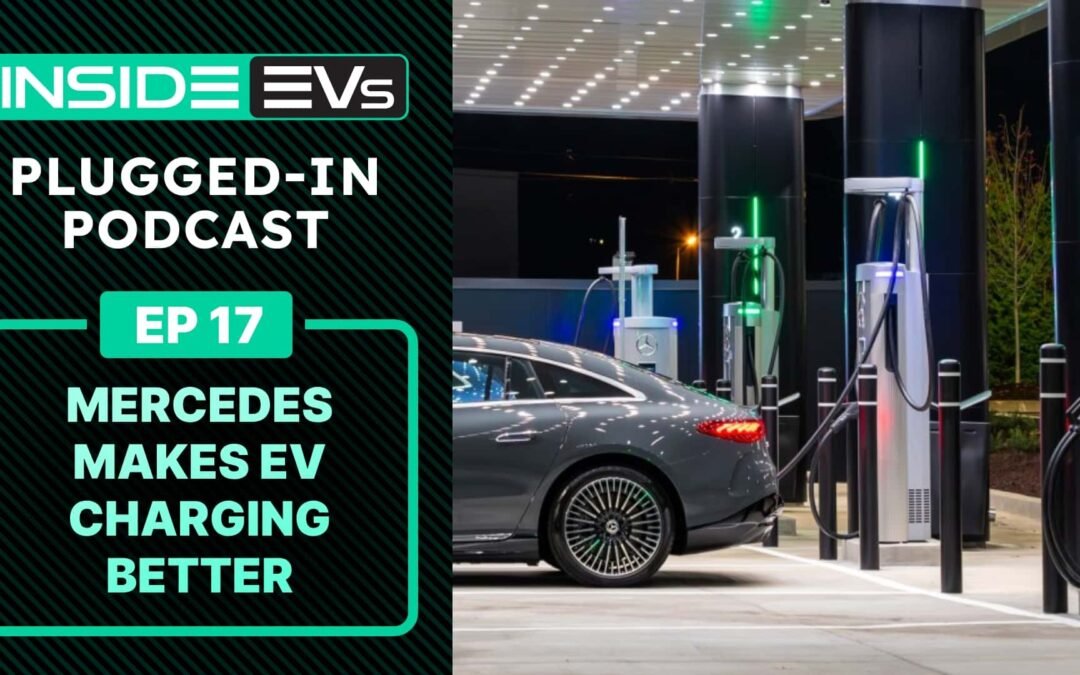
Enter Mercedes-Benz, which is taking some of the boldest steps among traditional automakers to ensure that DC public fast charging doesn’t just magically get better on its own. On this week’s episode of the
Plugged-In Podcast
, my co-host Tim Levin and I are excited to have a conversation with Andrew Cornelia, who is the CEO of
Mercedes-Benz High-Power Charging
.
We have discussed this aspect of Mercedes frequently before. They are striving to create an extensive system of reliable, top-notch public charging stations throughout the United States. These will include facilities such as restrooms, snack options, and powerful 400-kilowatt chargers that function flawlessly each time.
Cornelia has deep knowledge in this area since he spent nearly half a decade working with Tesla’s charging infrastructure. His aim is to make sure everyone can have access to a top-notch charging experience soon. Similarly, Mercedes’ quick-charging station network is accessible to all electric vehicles, regardless of the brand. However, Mercedes vehicle owners receive exclusive benefits and priority service.
Tune in to hear Cornelia’s ideas about how to make charging better, plus what he really thinks of BYD’s new five-minute fast-charging breakthrough.
Additionally, in today’s podcast episode, we discuss
Rivian’s newly launched Micro-Mobility Brand
I’ll share my thoughts on
Hyundai’s bold new facility in Savannah, Georgia
That’s where the American-built Ioniq 5 and Ioniq 9 reside. And of course, we can’t ignore tariffs; after all, this is the Plugged-In Podcast.
Our podcast can be found on
InsideEVs YouTube
Channel later today, along with all prominent audio platforms:
Apple Podcasts
,
Spotify
, and
iHeart Radio
New episodes become available every Friday.
If you haven’t done so yet, kindly subscribe and drop us a review. Thank you for listening!
Contact the author:
patrick.george@insideevs.com
Previously On The Pod
-
We’re Addressing Your Electric Vehicle Queries on Our Podcast
-
BYD’s Game-Changing 5-Minute Electric Vehicle Fast Charge, Decoded
-
Is Toyota Now Genuine About Electric Vehicles?
-
Tesla Sales Continue to Plunge in Europe. What’s Next?
-
How to Rescue Electric Vehicles from Political Influence
-
The 2025 Hyundai Ioniq 5 Has Improved Significantly
-
Will Hybrids Be the Next Big Thing in Electric Vehicles?
Page 5 of 16« First«...34567...10...»Last »


