oleh admin | Mar 5, 2025 | automotive industry, autos, battery electric vehicles, business, electric cars
The European Commission has unveiled an action plan aimed at aiding the European automotive sector’s access to crucial strategic technologies such as batteries, software, and self-driving capabilities, alongside reducing regulatory obstacles.
![]()
On Wednesday, Apostolos Tzitzikostas, who serves as the Commissioner for Sustainable Transport and Tourism, unveiled the plan.
The list includes five key programs aimed at bolstering the struggling automobile sector, an industry that constitutes 7% of the EU’s gross domestic product and supports approximately 14 million jobs throughout the union.
Nevertheless, the industry has faced challenges stemming from supply chain disruptions, elevated energy expenses, and an excessive dependency on crucial imports.
To tackle this issue, the Commission has declared a fund of €1.8 billion aimed at establishing a safe and competitive supply chain for battery raw materials.
Ensuring a secure source of batteries and their raw materials is among the primary challenges the automotive sector faces during the shift towards emission-free vehicles.
“We aim to boost local manufacturing to reduce strategic vulnerabilities, particularly when it comes to producing batteries,” stated Commission President Ursula von der Leyen on Wednesday.
Moreover, the European Commission highlighted the importance of European automotive manufacturers becoming frontrunners in producing AI-driven, interconnected, and autonomous vehicles. In order to facilitate this, they committed to providing €1 billion in funding from 2025 through 2027.
An additional €570 million will be allocated for financing the establishment of charging stations.
The action plan outlines additional measures to enhance the skills of workers within the sector and pledges further assistance to small and medium-sized enterprises (SMEs).
More adaptable yet fundamentally unaltered clean mobility objectives
The Commission remains committed to its clean mobility goals, firmly establishing the limits for emissions from new cars and vans in 2025, 2030, and 2035.
At present, the aim is to gradually reduce the emissions of newly manufactured vehicles until 2035, after which only zero-emission models will be allowed to be produced.
“We will adhere to our committed emission goals while adopting a practical and adaptable strategy,” Von der Leyen stated.
Following numerous appeals from the automotive sector, and with electric vehicle sales decelerating in Europe, the Commission pledged to introduce an updated revision.
If implemented, this change would allow vehicle makers three years rather than just one to achieve their compliance goals (emission limits) by calculating the average across 2025-2027. This means that if they fall short in any single year within this period, they could compensate during another year within the same timeframe.
Even though they are currently adhering to the targets, the Commission intends to examine the regulations concerning CO2 emission standards during the latter part of 2025, earlier than initially anticipated.
In the meantime, the Commission committed to supporting increased demand for European zero-emission vehicles and released a fresh proposal aimed at decarbonizing business fleet vehicles. Such fleets account for 60% of new vehicle registrations.
Enhancing the presence of European automakers on the international market
The United States is threatening Europe with a 25% trade tariff, posing a significant risk to the region’s automobile sector. Additionally, European car manufacturers are facing pressure from Chinese competitors globally, leading to reduced profit margins.
To assist European automakers in turning the tide, the Commission committed to “maintain fair competition” through various tools. This includes implementing anti-subsidy actions along with forging free trade deals.
The Commissioner designated India as one of the “like-minded” nations where the EU might forge advantageous trade deals.
Diverse responses from the sector regarding the Action Plan have been observed.
The European Automobile Manufacturers’ Association (ACEA) stated that although they supported the action plan, “important components were not included.”
The ACEA stated that ambitious steps are required to enhance infrastructure, provide demand incentives, and lower production costs for automobiles, vans, trucks, and buses.
Sigrid de Vries, who serves as the Director General of ACEA, further commented: “This suggested adaptability to achieve CO2 objectives over the next few years marks a positive initial move toward a more practical strategy for reducing carbon emissions, influenced by current market conditions and geopolitical factors. This offers potential relief for manufacturers of cars and vans, assuming that essential support like increased consumer demand and robust charging facilities will indeed be implemented.”
E-Mobility Europe stated: “We are disappointed that the European Union’s 2025 CO2 targets have been reduced, which could potentially hinder near-term electric vehicle sales, decrease investment certainty, and disadvantage top companies.”
Lucie Mattera, the Secretary General of ChargeUp Europe, voiced her concerns as well, stating: “The European Commission has reaffirmed the target for 2035 with zero emissions. Despite this, the flexibility measures brought forward today are misguided and cause unnecessary ambiguity during the transitional phase. However, more than 11 million electric vehicles have already hit European streets, indicating that the shift towards sustainable transportation is firmly progressing.”
In response to the frequent critique that an insufficient number of charging stations hinders demand, she stated: “The electric vehicle charging infrastructure industry expands daily, providing faster charging speeds and enhanced, smooth EV charging experiences.”
The main problem with the updated charging infrastructure is
obtaining entry to the grid
, which provides electricity.
It might require several months, possibly even years in certain instances.
To tackle this issue, the commissioner stated that Brussels will release recommendations for member states aimed at reducing wait times.
The Commission is also considering whether it should make it obligatory for member states to prioritize these requirements, ensuring that permit approvals can be expedited.
oleh admin | Mar 5, 2025 | battery charging, electric cars, electric power, electric vehicle charging stations, expenses
Over fifty percent of the expense for a new DC Fast Charger goes towards a singular safety circuit. Specialists indicate this might undergo changes in the future.
-
Building DC fast chargers can be extremely expensive.
-
Approximately 60% of the total expense goes towards a circuit specifically intended to protect individuals from electric shock during the charging process.
-
It might be possible to find a less expensive yet equally safe method to achieve this, which could also enhance the reliability of electric vehicle chargers.
Have you ever wondered why DC fast chargers are so costly to construct? A solitary 300-kilowatt Level 3 charger—that’s merely
one
Staying for an extended period at a public DC fast charger can exceed costs of over $100,000. This expense is among the factors contributing to the sluggish development of charging infrastructure and its heavy reliance on governmental funding.
a la
federal funding
.
Let’s discuss what’s contained within that charger. If we were to dismantle it, we’d discover approximately $90,000 worth of electronic components responsible for transferring power from the electrical grid to your vehicle’s battery. The surprising part? Around 60% of this expense covers a single safety circuit designed to ensure nothing malfunctions and causes harm to you. This indicates that over half the price of an electric vehicle charger is dedicated solely to safeguarding your well-being.
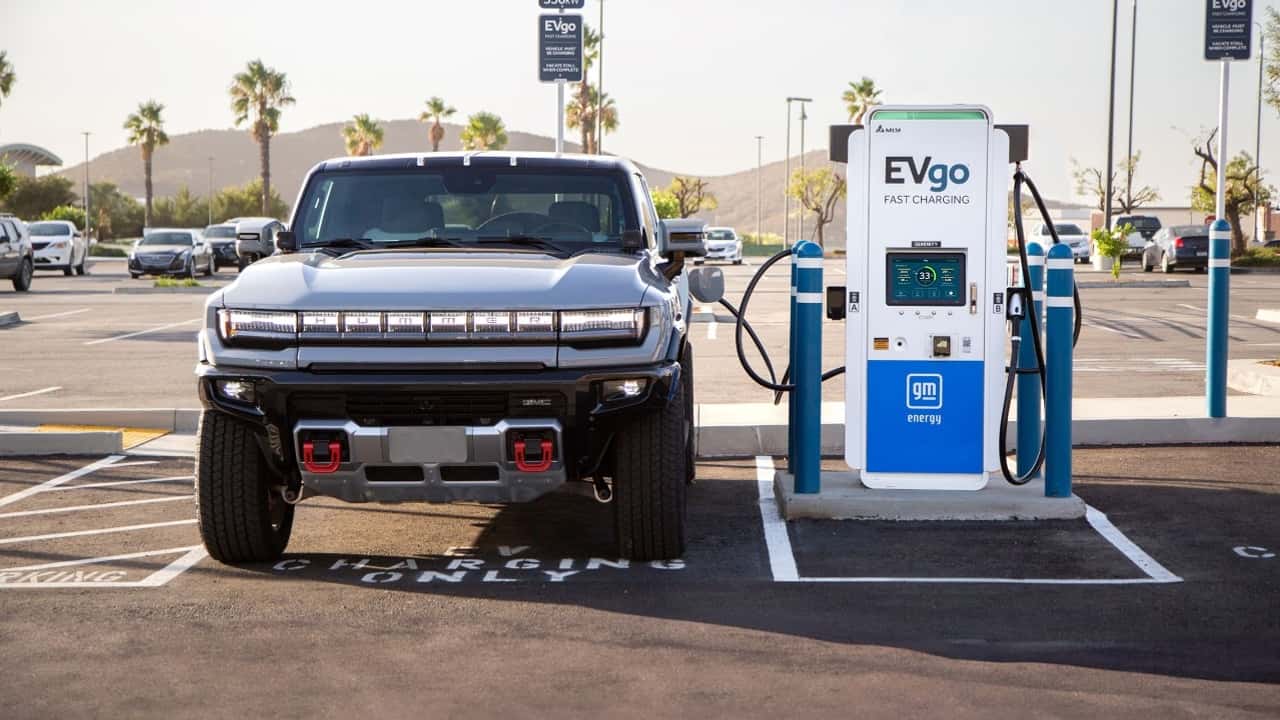
Photo by: General Motors
$54,000 in Shock Protection: Why It Matters
The system is referred to as an isolation link. As stated
IEEE Spectrum
The estimated cost for this protective measure is around $54,000. If you extrapolate that figure to cover an entire 8-stall charging station, over $430,000 would be allocated solely for safety gear. Here’s how it functions:
Fuel dispensers use mechanical mechanisms for controlling the flow of gas into vehicles. In contrast, electric vehicle charging stations handle high-voltage electrical currents.
frequently at 800 volts or higher
Electricity is lazy; it will take the easiest route to the ground. If something goes wrong with this immense force, it could electrocute you immediately. That’s precisely why safety measures are crucial.
An isolation link achieves a safety principle known as
galvanic isolation
This involves isolating two distinct circuits within an individual electrical setup to stop current from passing between them. For electric vehicle chargers, this entails disconnecting the electrical connection between the charger’s power supply and the vehicle. Therefore, should a malfunction happen, the energy will have no route except to return to the grid.
Here’s how
IEEE
explains it:
Assume an electric vehicle’s battery starts to leak. Since the leaked substance conducts electricity, it can create a pathway for electrical flow between the battery system and the vehicle frame. Should the grounding connection fail, and assuming there is no insulation, the car’s structure might become highly charged. Consequently, anyone who touches the automobile while grounded risks receiving a severe electric shock. However, with proper insulation, this danger vanishes as there won’t be any conducting route allowing electricity from the power grid to reach the car exterior.
In order to achieve electrical separation, each Direct Current Fast Charger incorporates a transformer within its power conversion equipment—this component transforms alternating current (AC) into direct current (DC), and vice versa. The high-frequency transformers used here can handle large amounts of electric power at elevated voltage levels, serving as an essential element in the circuit design without establishing a direct link from the utility grid to your vehicle. Although this setup is complex and costly, failing to include it might result in a charging error turning your Tesla into something akin to aTesla coil instead of safely replenishing its battery.
More Affordable Charging Options Are Not As Straightforward
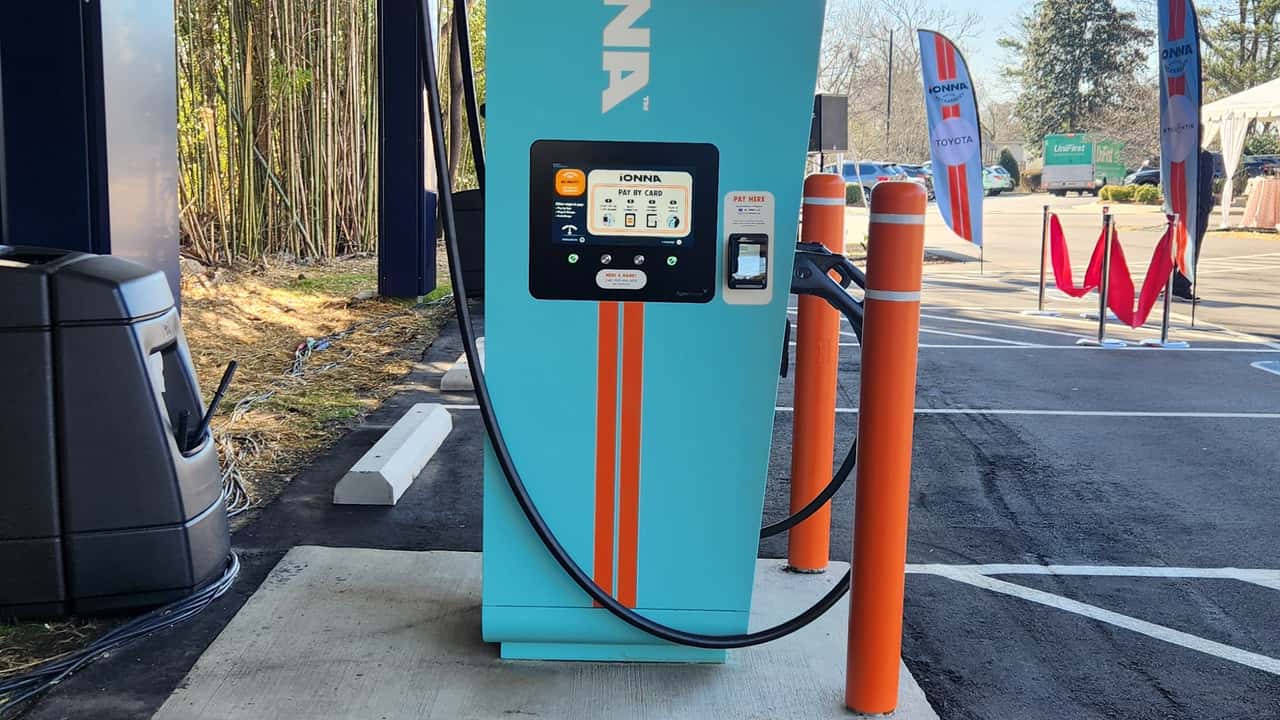
Photo by: John Voelcker
Researchers and engineers know that charging infrastructure is too expensive. These experts are looking into ways to cut costs without compromising safety. But some of those ideas come with serious caveats and would mean rewriting how every modern EV charges.
One suggestion is to remove the isolation link from the charger and instead mandate that electric vehicles incorporate their own isolation system within the vehicle’s onboard charger. As onboard chargers in automobiles manage power conversion, they typically include galvanic isolation. Nevertheless, many of these systems generally support power conversion only at levels up to Level 2 charging speeds; Tesla being an exception, for instance.
can handle up to 48 amps in most of its versions
).
This might significantly reduce the expense of the chargers, yet all cars are not constructed identically.
Today’s electric vehicles come with various charging systems, and placing the burden on manufacturers would necessitate a new universal standard that currently does not exist. As such, earlier models of EVs might get excluded from this transition. Additionally, there’s the concern about relying on car makers to embrace and execute a novel universal standard securely. After all, experience has shown us that they are entirely consistent when it comes to regulating themselves without external oversight.
examining cases such as your observation of Volkswagen’s diesel emissions cheating, the General Motors ignition switch issue, and the Takata airbag recalls
).
Next comes the significant issue of expense. We shouldn’t overlook that the price tag for this circuit isn’t going away anytime soon. Relocating the hardware into the vehicle wouldn’t eliminate the cost; instead, it would merely shift the expense from the charging station to the car itself. To put it plainly, it’s unfeasible from the outset.
The Argument for Abandoning Solitude

Photo by: Electrify America
This completes the cycle: safety features render DC fast chargers extremely costly. High expenses result in delayed installations and restrict the quantity of charging spots at each location. Regarding solutions, some specialists advocate eliminating isolation connectors in charging stations entirely.
Initially, this concept may appear risky. However, IEEE proposes a different approach: rather than separating the circuits, why not incorporate an additional grounding system? Consider this: the secondary ground wouldn’t just provide another fail-safe; it could also identify a grounded fault immediately and halt the charging process right away upon detection. In principle, this solution could remove the necessity for expensive isolation components. Furthermore, it would enhance the charger’s dependability considerably since it streamlines the charger’s power electronics by removing one significant potential source of malfunction.
Next is another concern that needs addressing: discrepancies in voltage levels.
If the line voltage from the charger surpasses that of the vehicle’s battery momentarily, an unchecked flow of current might lead to damage of the vehicle components. According to IEEE, addressing this issue involves employing a buck regulator—a device designed to reduce voltage levels safely from the power supply. However, the piece notes that although this introduces additional intricacy into the charging setup, incorporating such a buck regulator with comparable capacity would only increase costs by roughly 10%, as opposed to utilizing an isolation link.
Will This Actually Happen?
Perhaps, but definitely not in the near future.
The rationale for eliminating galvanic isolation appears logical on paper.
original Tesla Roadster
used non-galvanically isolated charging,
but
It also lacked the ability to utilize DC Fast Charging. Contemporary DC fast chargers deliver substantial currents into today’s electric vehicles’ batteries and necessitate additional safety features (thus requiring an isolation link). However, if—and this is a significant condition—
if
—The industry not only has the potential to create a dependable and secure method for achieving this, but it could also revolutionize the electric vehicle charging sector.
Through a pragmatic perspective, the global community is currently grappling with providing adequate public charging solutions, and no one wishes to be the pioneer taking risks regarding safety. Companies specializing in charging infrastructure, automotive manufacturers, along with regulatory bodies would require an ironclad assurance that any non-isolated system matches the current standards of charger safety. Assuming this condition were met, implementing these changes could still take several years—particularly considering how critical safety concerns must be addressed thoroughly.
For now, anticipate that new electric vehicle chargers will continue to be quite expensive. Since when it comes to ensuring your safety from electrical hazards, the industry has not been keen on compromising (at least not yet).
More EV Charging News
-
Electrify America’s 2024 Statistics Show How Rapidly the Electric Vehicle Market Is Expanding
-
Public Electric Vehicle Charging Was Already Deteriorating. Then Trump Eliminated Federal Financing
-
Trump’s Removal of EV Chargers Might Cost Taxpayers More Than $1 Billion
-
The Federal Electric Vehicle Charger Initiative Might Be Terminated. It Had Only Started Yielding Results.
oleh admin | Mar 5, 2025 | autos, car design, car models, cars, classic cars
Timeless Drop-Tops
Certain vehicles grow older with time, while others transform into icons. Convertible models uniquely embody this harmonious mix of liberty and fashion, and specific retractable-roof cars maintain their chic appeal regardless of their years. Below are the top 20 convertible designs that continue to dazzle and remain remarkably distinctive now as they were when introduced several decades back. Out of these, how many resonated with your thoughts?
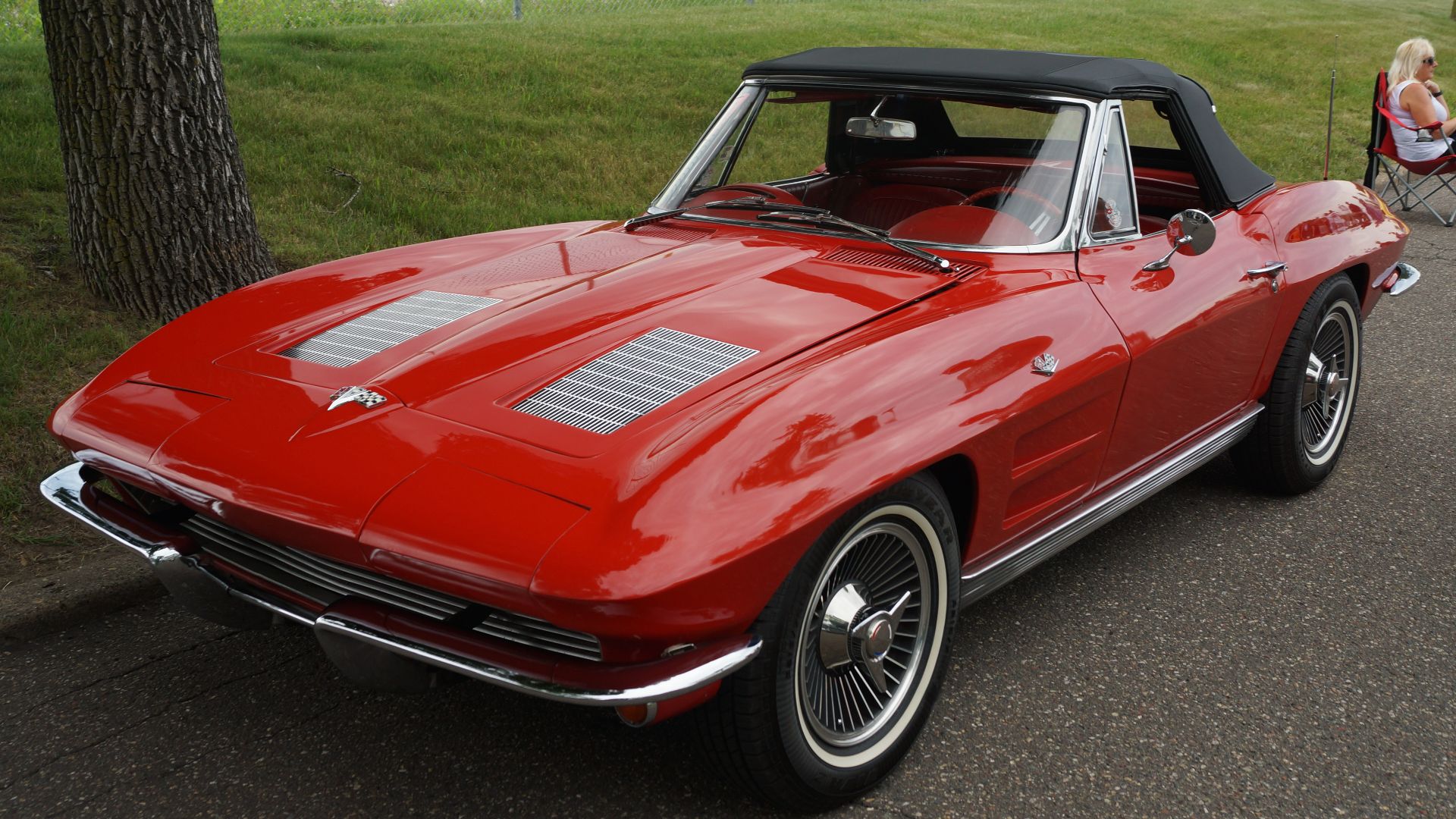
1. The 1963 Chevrolet Corvette Sting Ray Convertible
The 1963 Chevrolet Corvette Sting Ray Convertible represented a daring new chapter for American sports cars. Featuring sleek, streamlined contours and retractable headlamps that were cleverly concealed, this generation of Corvette boasted a forward-thinking design that drew immediate attention from everyone around.
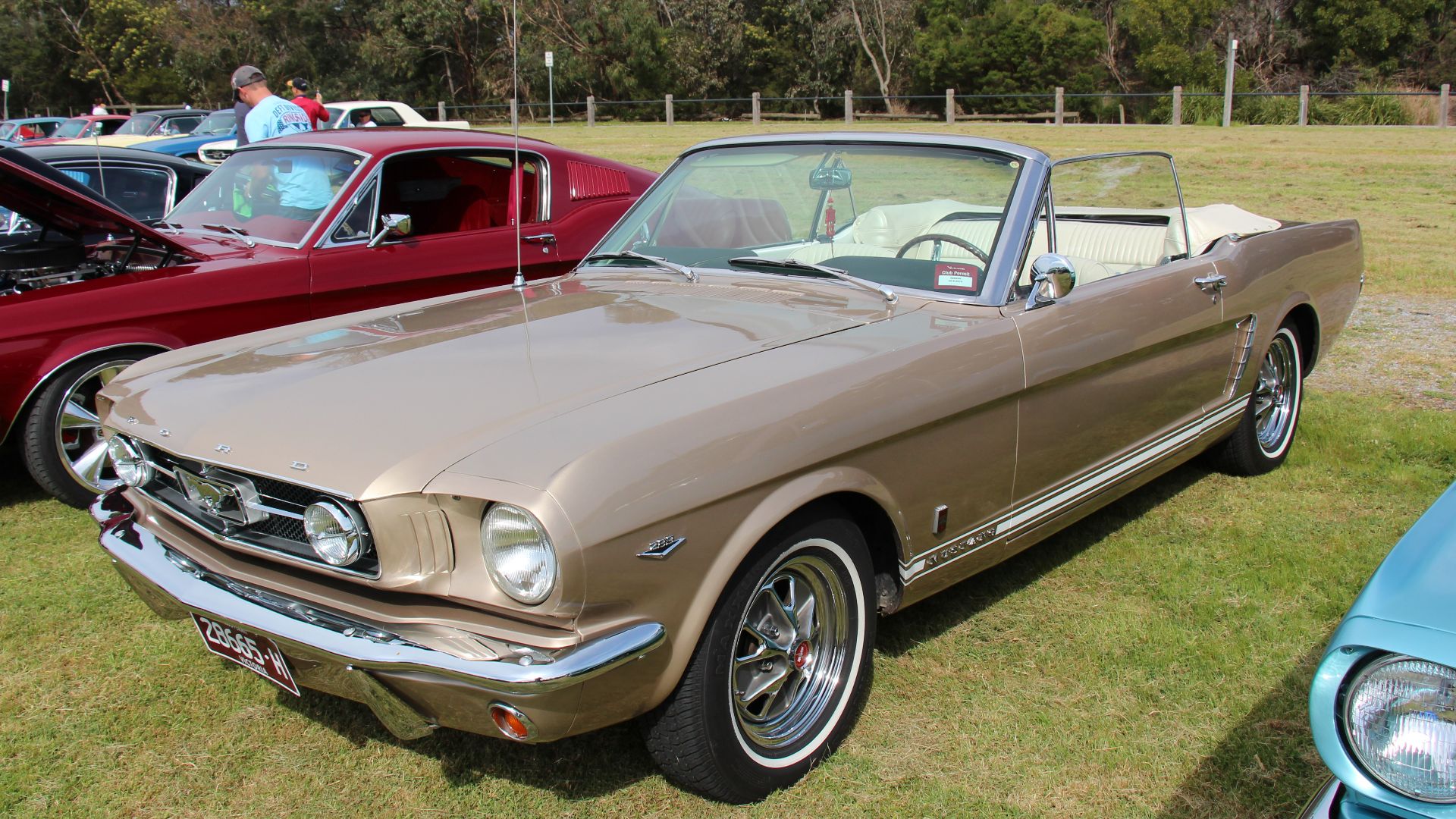
2. 1965 Ford Mustang GT Convertible
The Mustang sparked the pony car craze, and the GT convertible version became highly sought after. This model came equipped with rally lights, twin exhaust pipes, and a sportier look. Its powerful 289-cubic-inch V8 engine ensured an exhilarating driving experience when cruising without the roof.
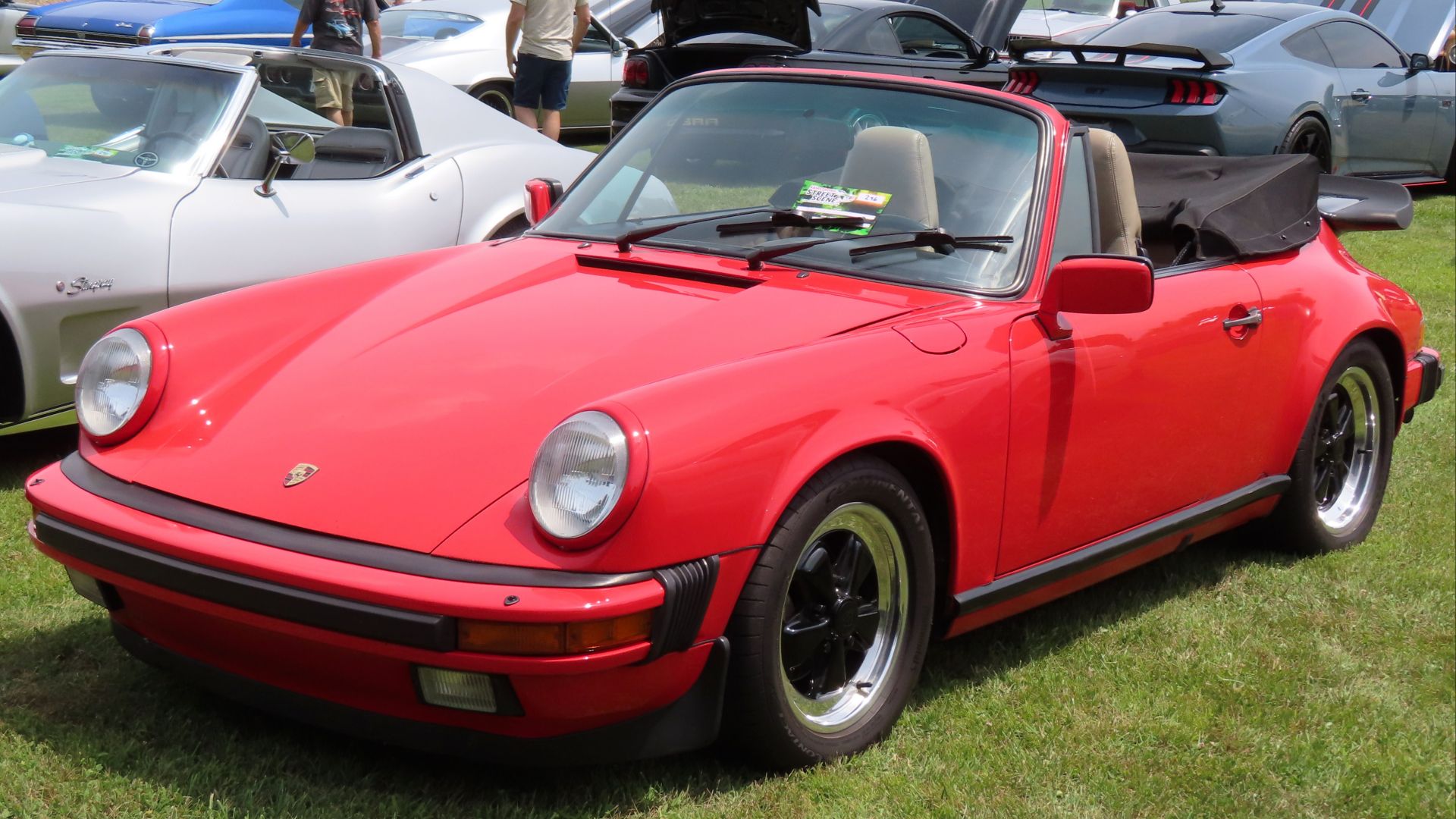
3. Porsche 911 Carrera Convertible
Similar to its hardtop sibling, the 911 Cabriolet maintains exceptional agility. With distinctive circular headlamps, a softly declining tailgate, and powerful wheel arches, this convertible version preserves its easily identifiable profile.
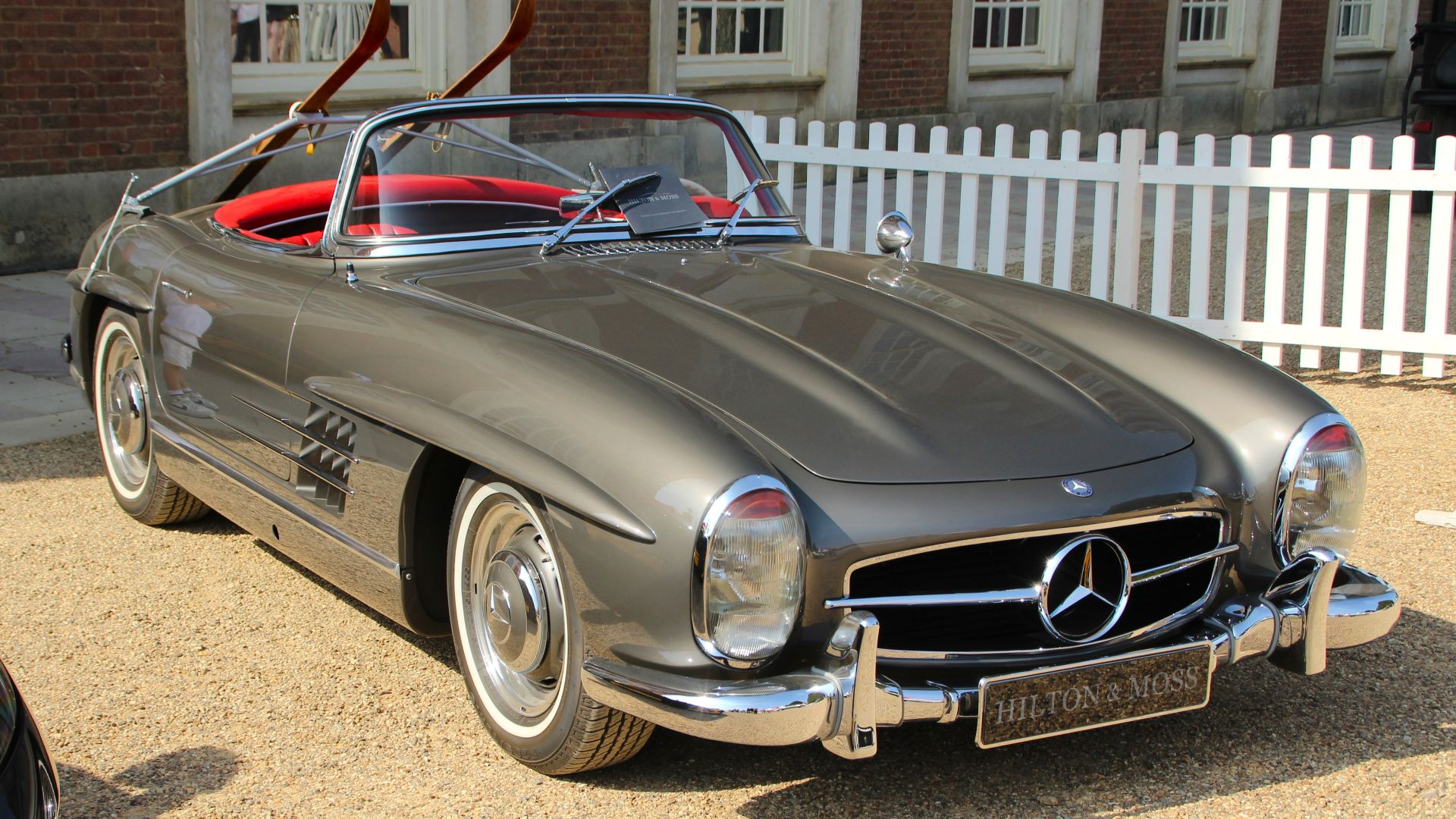
4. Mercedes-Benz 300SL Roadster
The iconic Gull-wing coupe’s convertible version, known as the 300SL Roadster, stood out for its exceptional engineering and styling prowess. Equipped with a powerful direct-injection 3.0-liter inline-six engine, this car claimed top speeds among its contemporaries. Its distinctive elements included a lightweight space-frame structure along with an unmistakable front grill adorned with a prominent three-pointed star emblem.
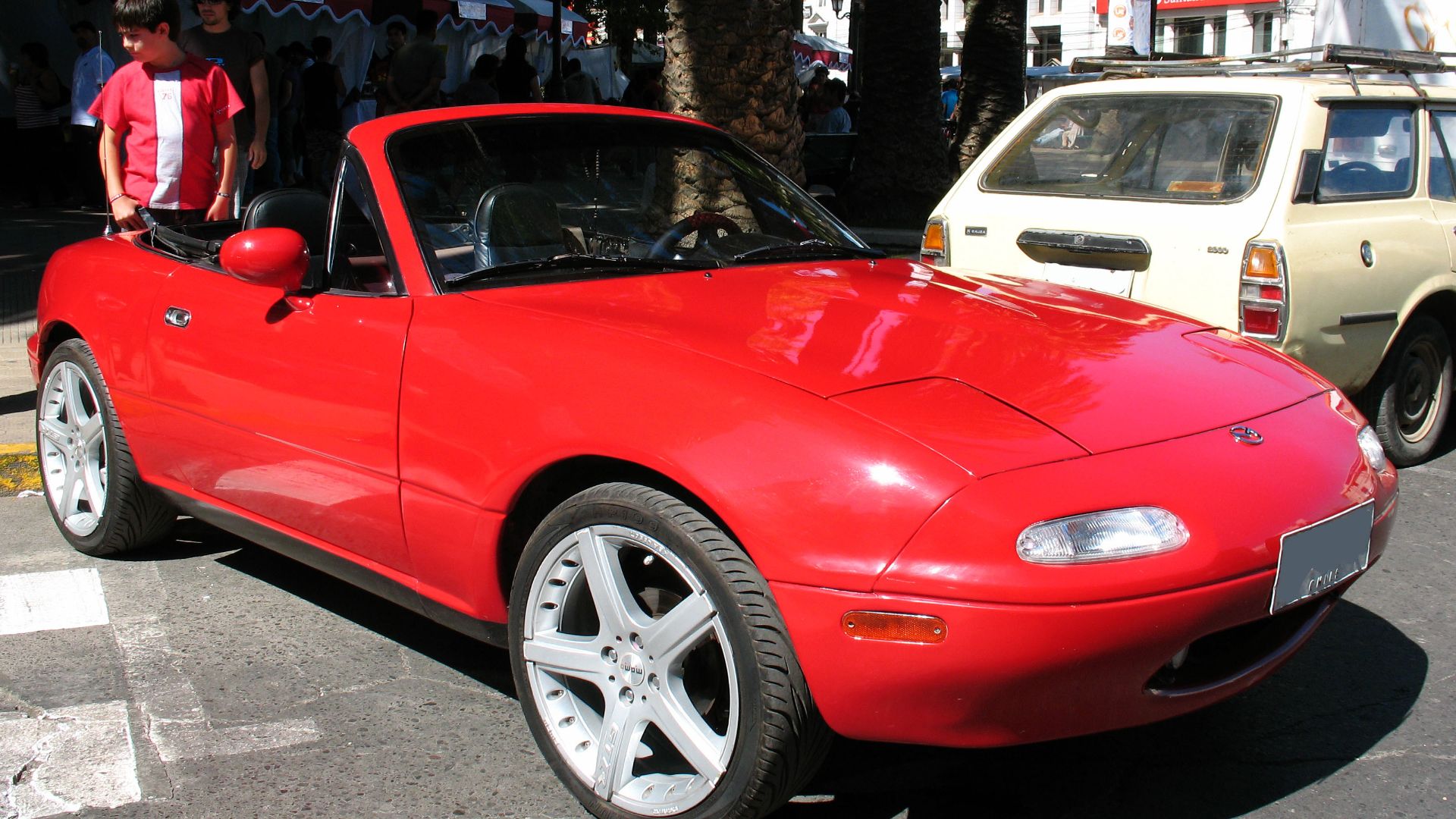
5. 1989 Mazda MX-5 Miata Roadster
This model brought back the traditional roadster feel but added a contemporary touch. Drawing inspiration from the light-weight British and Italian sports vehicles of the ’60s, it offered a genuine and thrilling driving adventure. Its small footprint along with retractable headlamps bestowed upon it a distinctive appeal that transformed regular trips into memorable journeys.
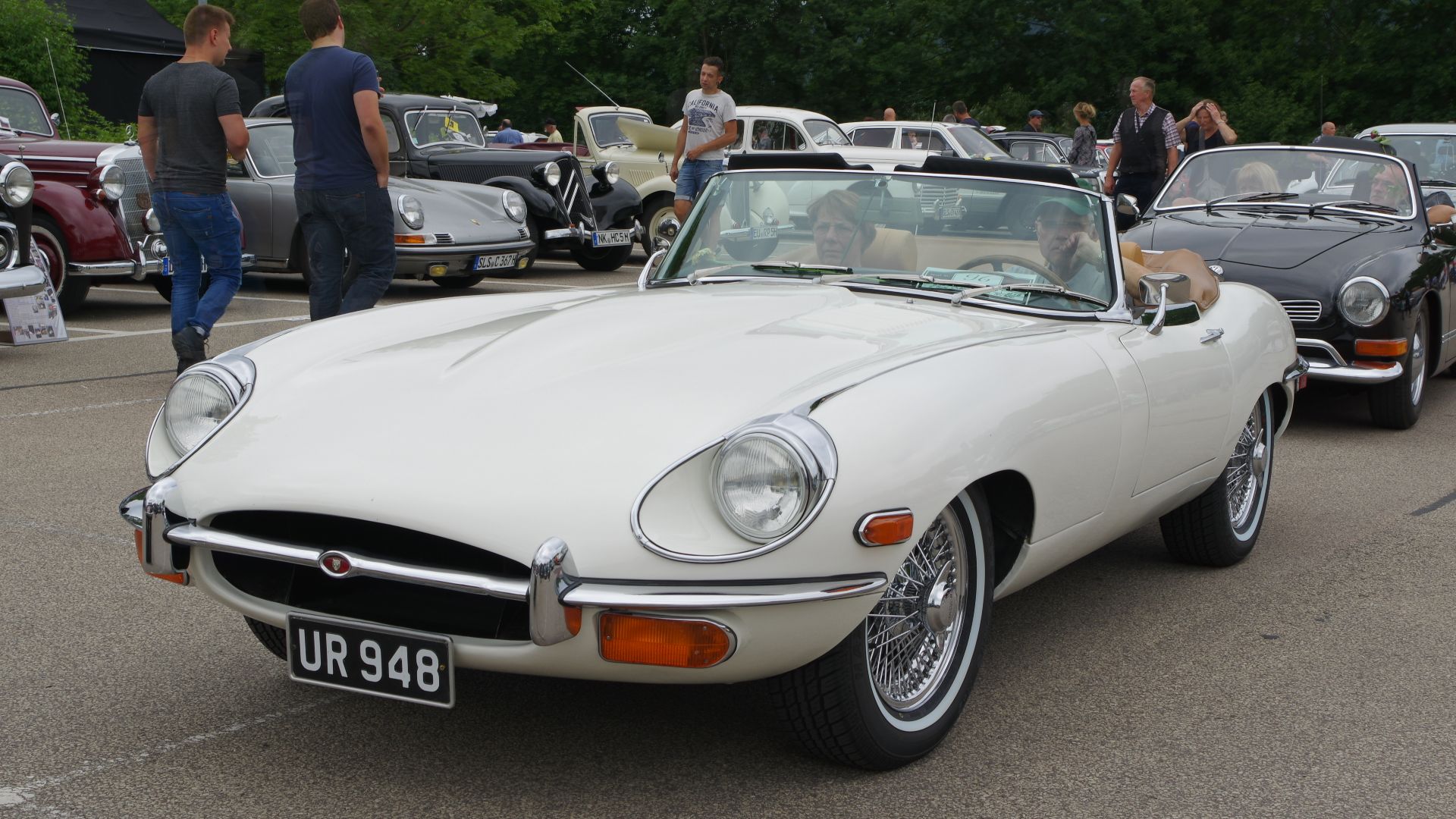
6. Jaguar E-Type Roadster
Enzo Ferrari referred to the E-Type as “the most beautiful car ever made.” Its extended bonnet, graceful contours, and strong connection to motorsport history set it apart. The blend of spoked wheels, covered headlamps, and sleek lines contributes to making it one of the most sophisticated convertible cars in existence.
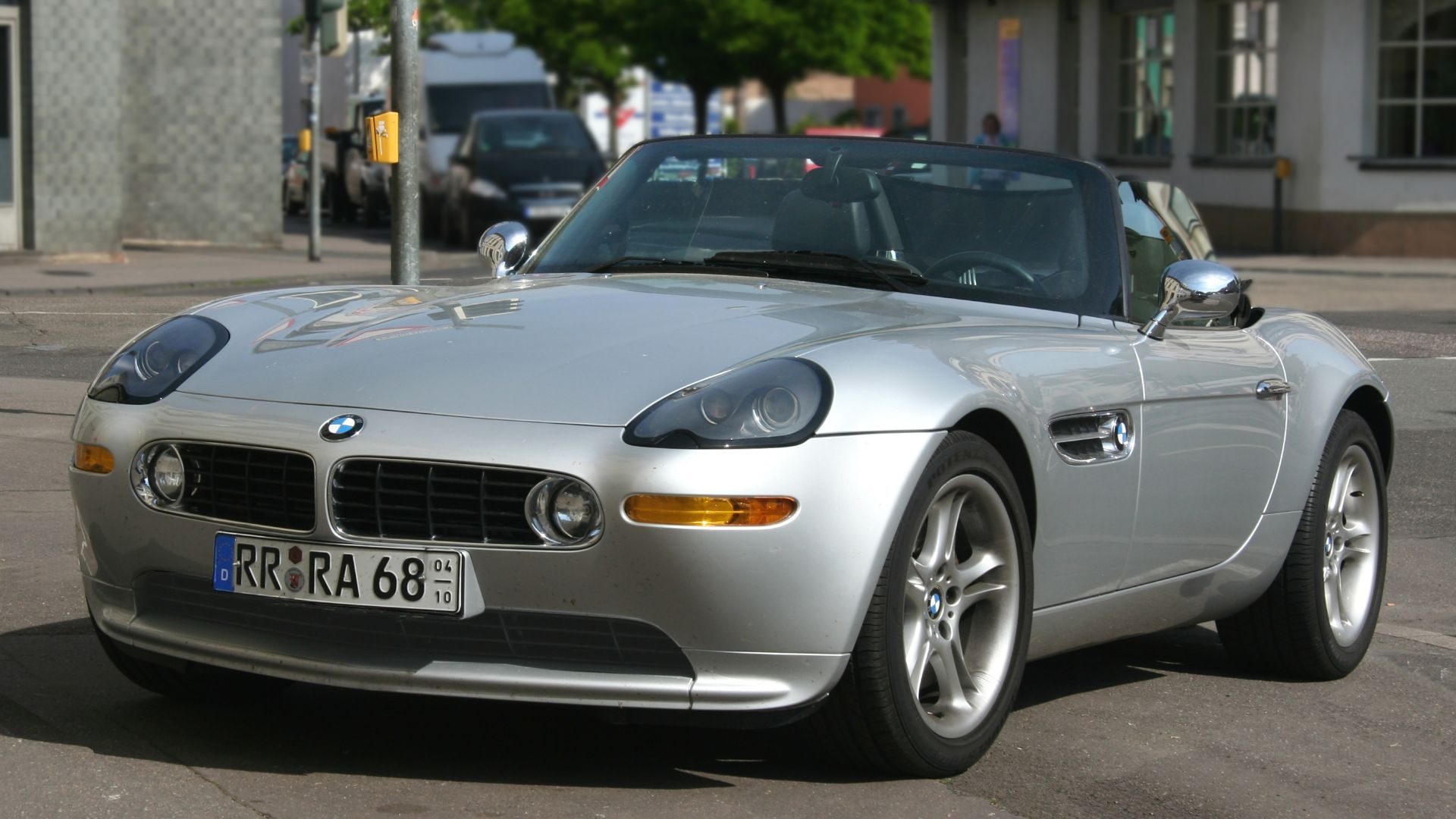
7. BMW Z8 Roadster
A vehicle crafted as a collector’s item right from the beginning! The Z8 honors the iconic BMW 507, featuring a style that blends vintage charm with futuristic elements for an immediate classic appeal. Boasting sculptured wheel arches and a polished-chrome-edged kidney-shaped grill, this car draws eyes wherever it goes. Additionally, its smooth side openings and round rear lights perfectly finish off its enduring look.
8. The Aston Martin DB9 Volante
The DB9 Volante merges the brand’s iconic design with a V12 engine that can leave anyone breathless. Its wide front grill, strong shoulder lines, and powerful rear fenders strike an ideal balance between assertiveness and sophistication. Even with the roof open, it retains a polished, luxurious appearance characteristic of a grand tourer.

9. Ferrari 250 GT California Spyder
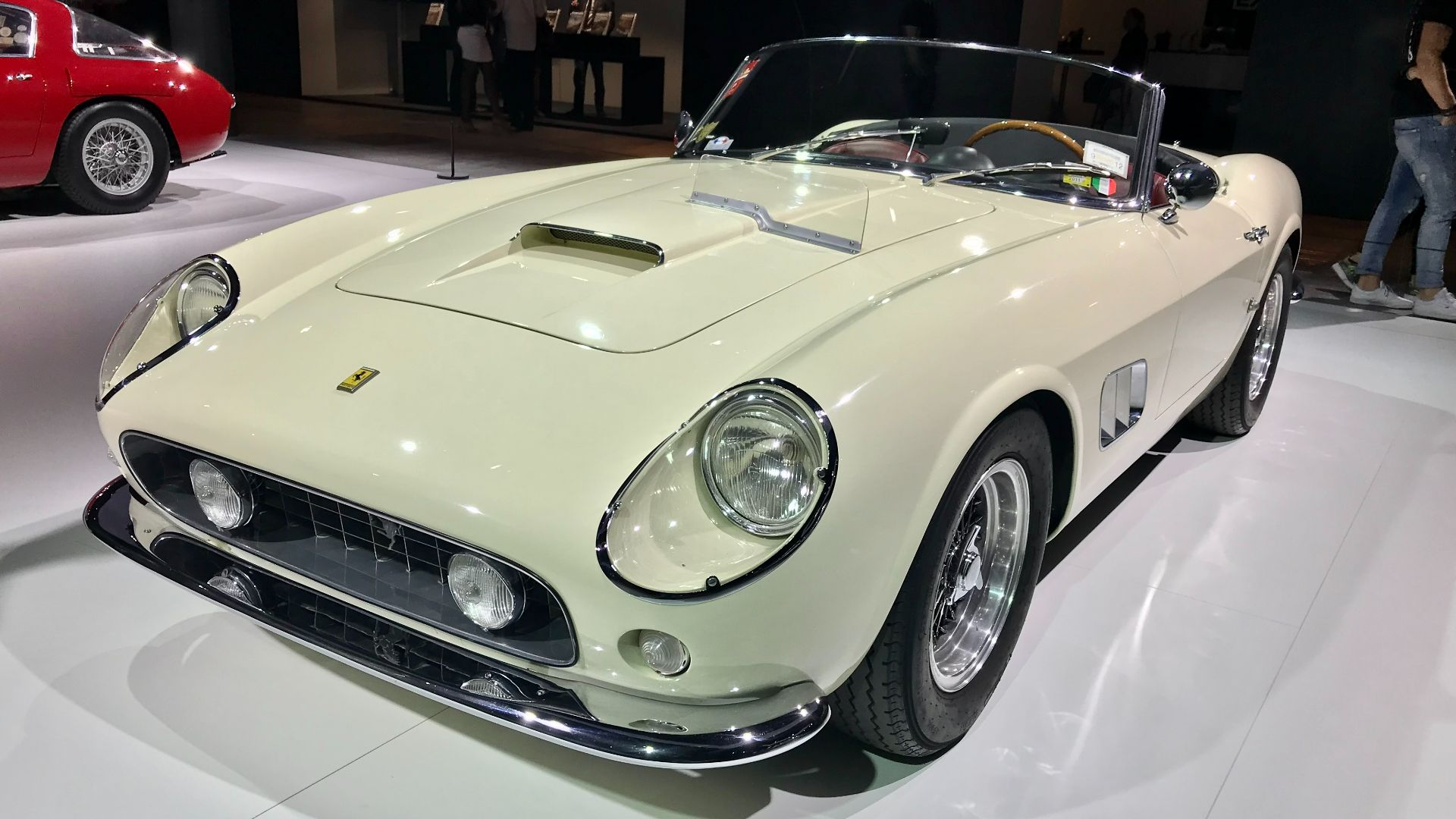
Timeless elegance epitomized by classic Ferrari grandeur. This particular model has seen its value skyrocket into the multimillion-dollar range due to its scarcity and uniqueness. Its sleek design features hidden headlamps and a low profile, exuding refinement. Additionally, the distinctive triple-slotted vents on the fenders along with the elegant wire wheels enhance its distinct look.
10. Alfa Romeo Spider 1600 Duetto
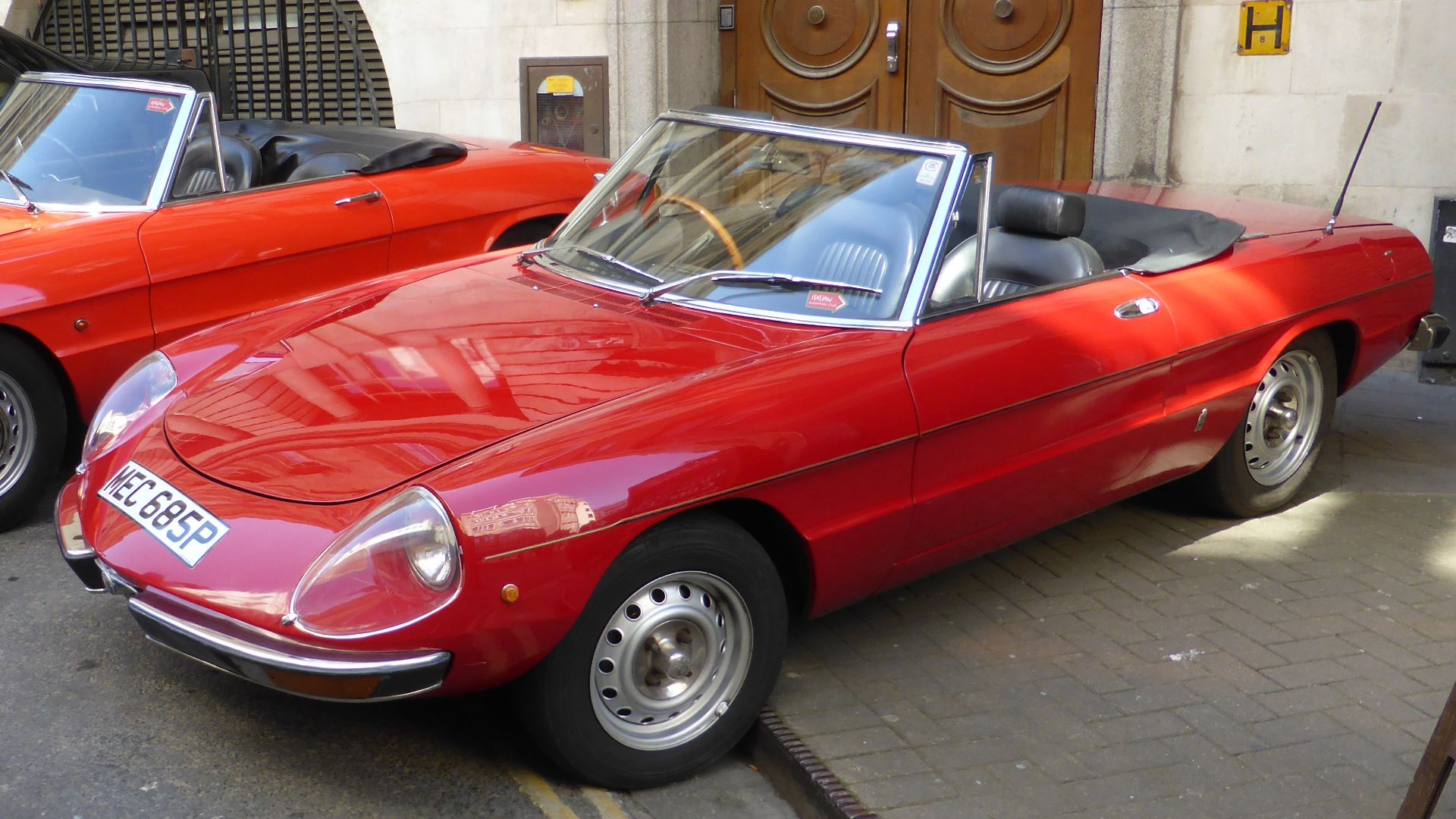
Sleek and unstoppably fashionable, the Alfa Romeo Spider left its imprint during the ’60s and stayed in production for many years. Known as the Duetto, this model boasted sleek contours and a graceful convertible design. Its twin-cam inline-four motor offered spirited acceleration, complemented by a lightweight frame that ensured delightful handling.
11. The Audi R8 V10 Spyder
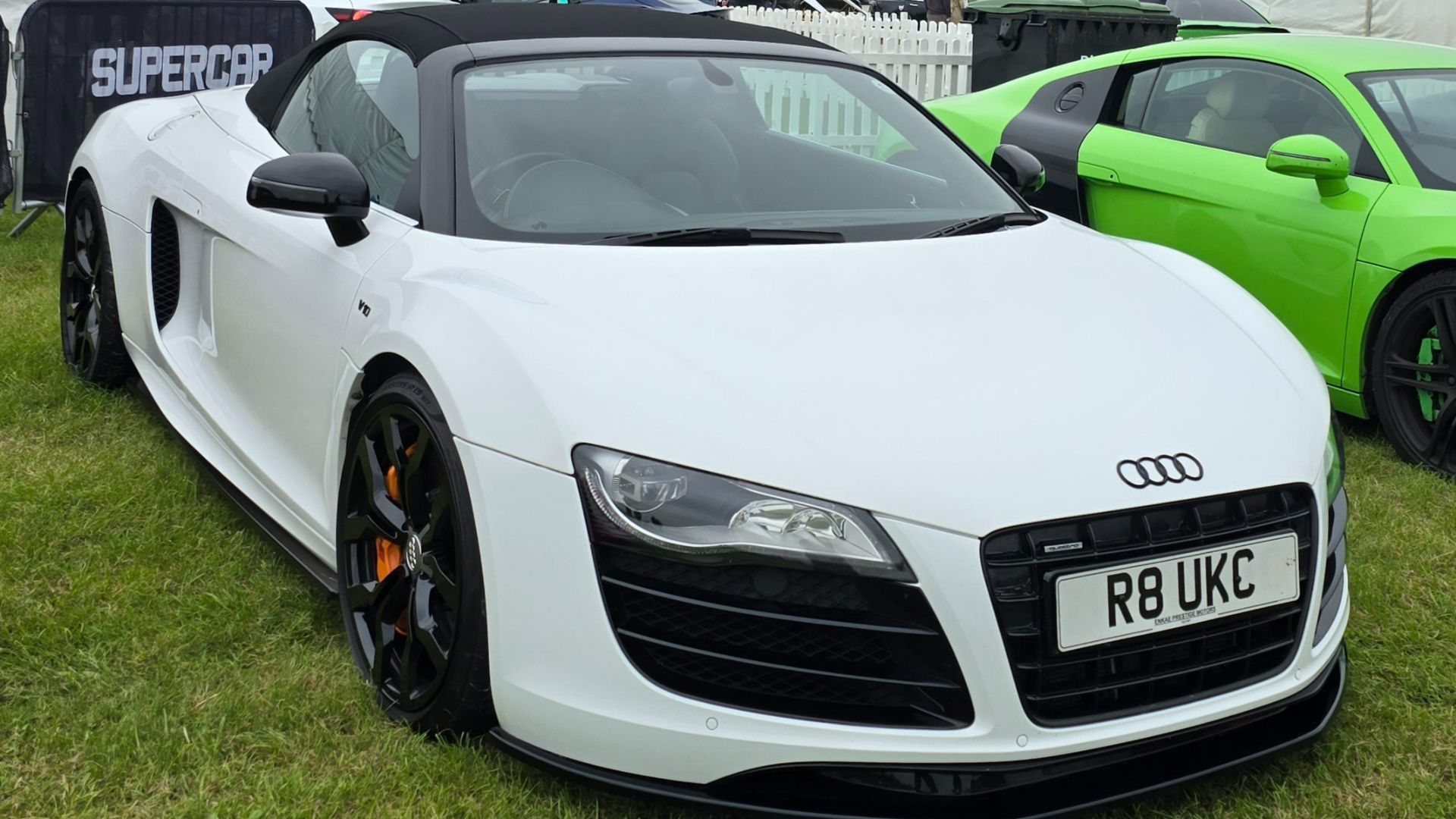
Combining the allure of an extraordinary experience with daily practicality, the R8 Spyder boasts bold design elements like distinctive side fins and a high-revving naturally aspirated V10 engine. The car’s lightweight aluminum spaceframe improves its handling accuracy. Additionally, the folding fabric roof harmonizes perfectly with its sleek, aerodynamic silhouette.
12. Dodge Viper RT/10 Roadster
The initial version of the Viper was a fierce vehicle featuring no door handles and equipped with a massive 8.0-liter V10 engine. Designed for sheer speed, it stands out as one of the most exhilarating open-top cars from America. Inside, the simple design centered around enhancing the driving experience, while its bold exterior made sure it attracted attention everywhere it drove.

13. Lexus SC 430
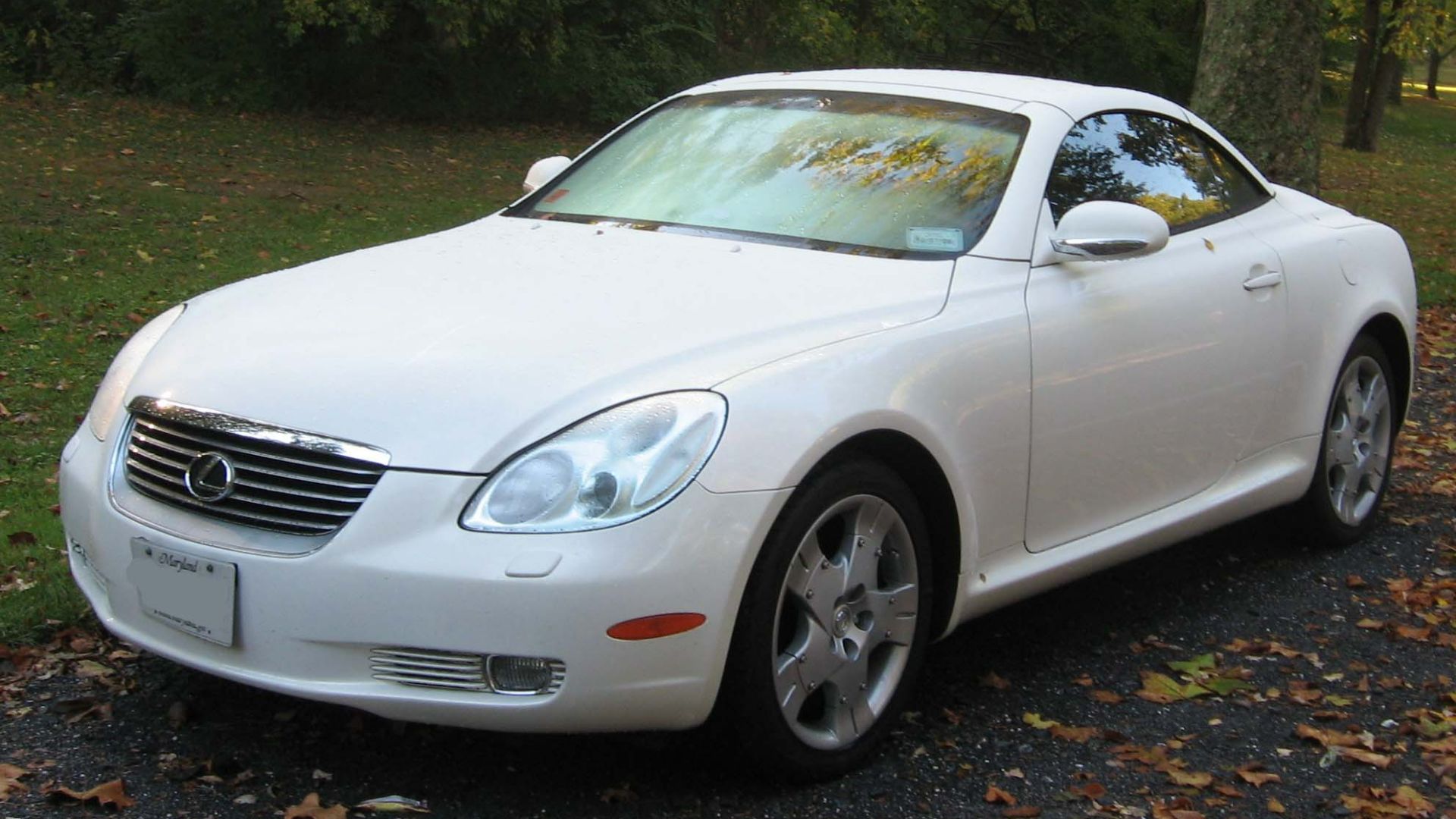
Although it wasn’t the quickest or most showy convertible, the SC 430 boasted durability thanks to Toyota’s renowned dependability combined with powerful V8 performance. Its tear-drop styling and folding hardtop provided an elegant simplicity. Meanwhile, chrome accents and sleek wheels offered a hint of refined elegance.
14. Shelby Cobra 427
This automobile stands out as one of the most exhilarating convertible cars ever made. Carroll Shelby transformed a nimble British roadster by fitting it with a powerful Ford V8 engine, resulting in what many consider to be among the most exciting soft-top vehicles around. The car’s widened wheel arches, pronounced side exhaust outlets, and large racing stripes contribute to its fierce appearance, matching how aggressively it performs on the road.

15. The Lamborghini Gallardo LP560-4 Spyder
Stunningly elegant and sporty, the Gallardo Spyder embodies the essence of a top-tier 2000s supercar. Its classic butterfly doors and assertive posture make for a striking appearance. Positioned behind the cockpit, the naturally aspirated V10 engine provides thrilling performance along with a raw-sounding exhaust.

16. Volkswagen Karmann Ghia
The Karmann Ghia demonstrates that sophistication doesn’t demand extravagance. It combined the unassuming base of a Beetle with handcrafted flowing lines. Its gracefully curved fenders, low roof line, and subtle chromed accents provide an unmistakable allure that seems both timeless and contemporary.

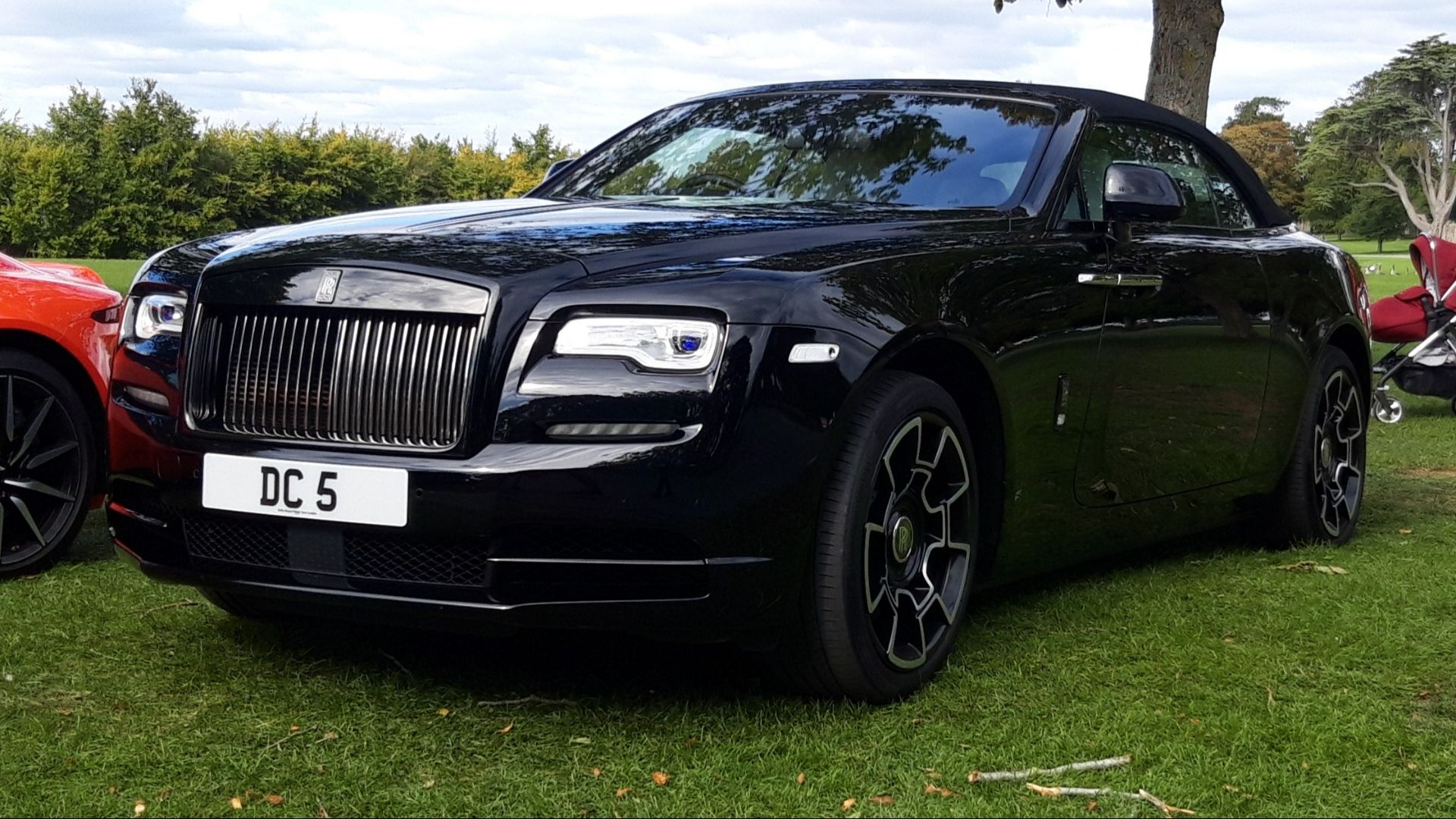
17. Rolls-Royce Dawn
This isn’t merely a convertible—it’s an experience. The Dawn transforms convertibles into high art through its V12 engine and meticulously crafted interior. It commands notice subtly yet effectively, boasting a large grill, a Spirit of Ecstasy hood ornament, and smooth flowing lines throughout its design.
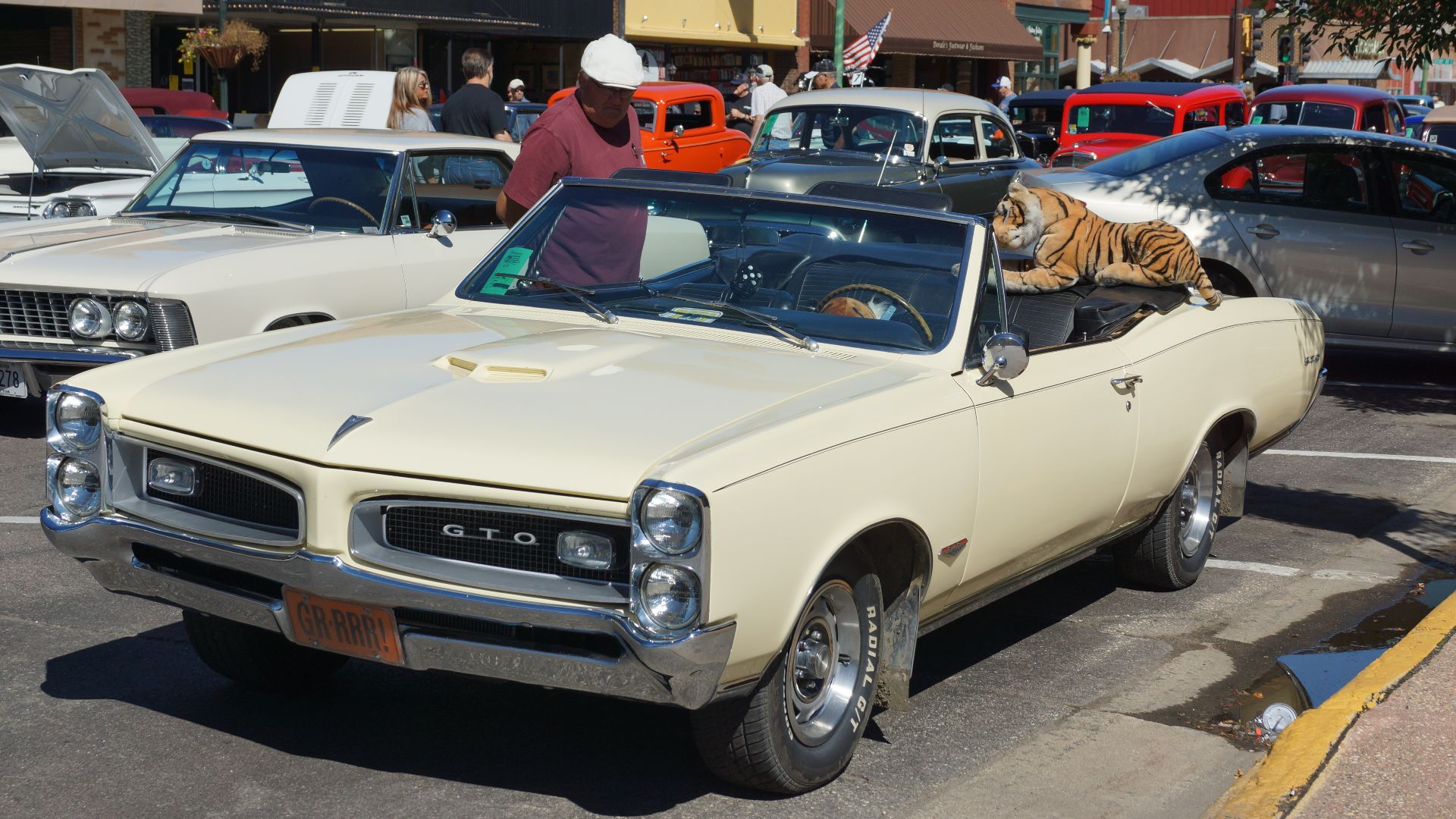
18. 1966 Pontiac GTO Convertible
The iconic vehicle that ignited the muscle car trend: Pontiac’s GTO is frequently recognized as the one that launched the golden age of muscle cars. Its convertible edition brought even more flair and confidence. Features like the divided grille, broad hood intakes, and a sleek, angled posture underscored its design for pure performance.
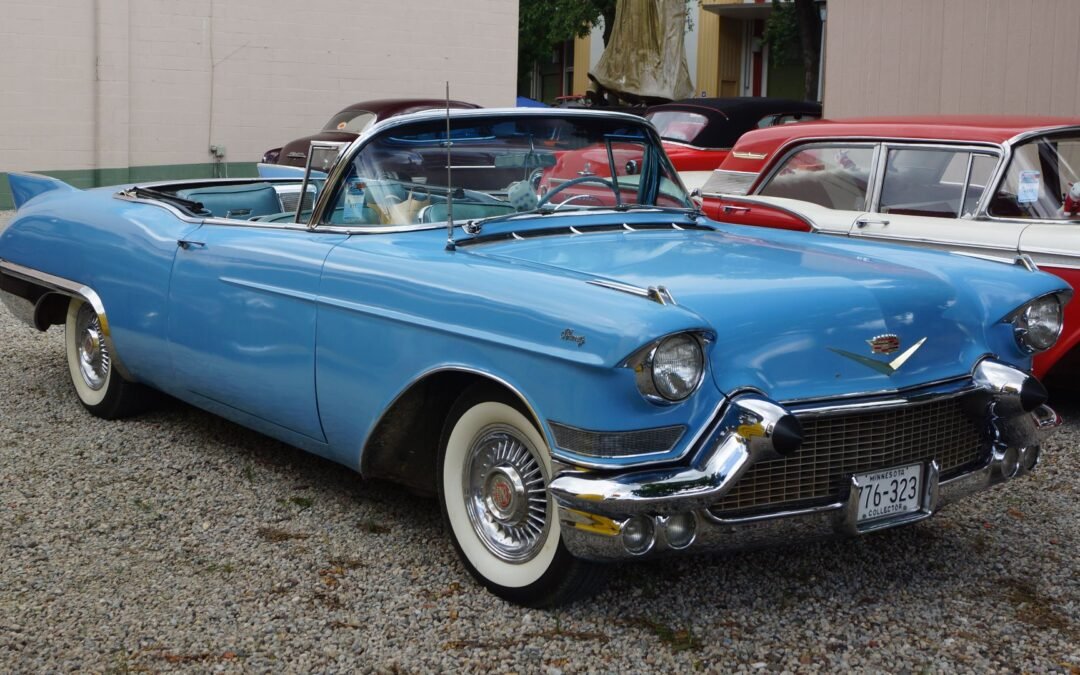
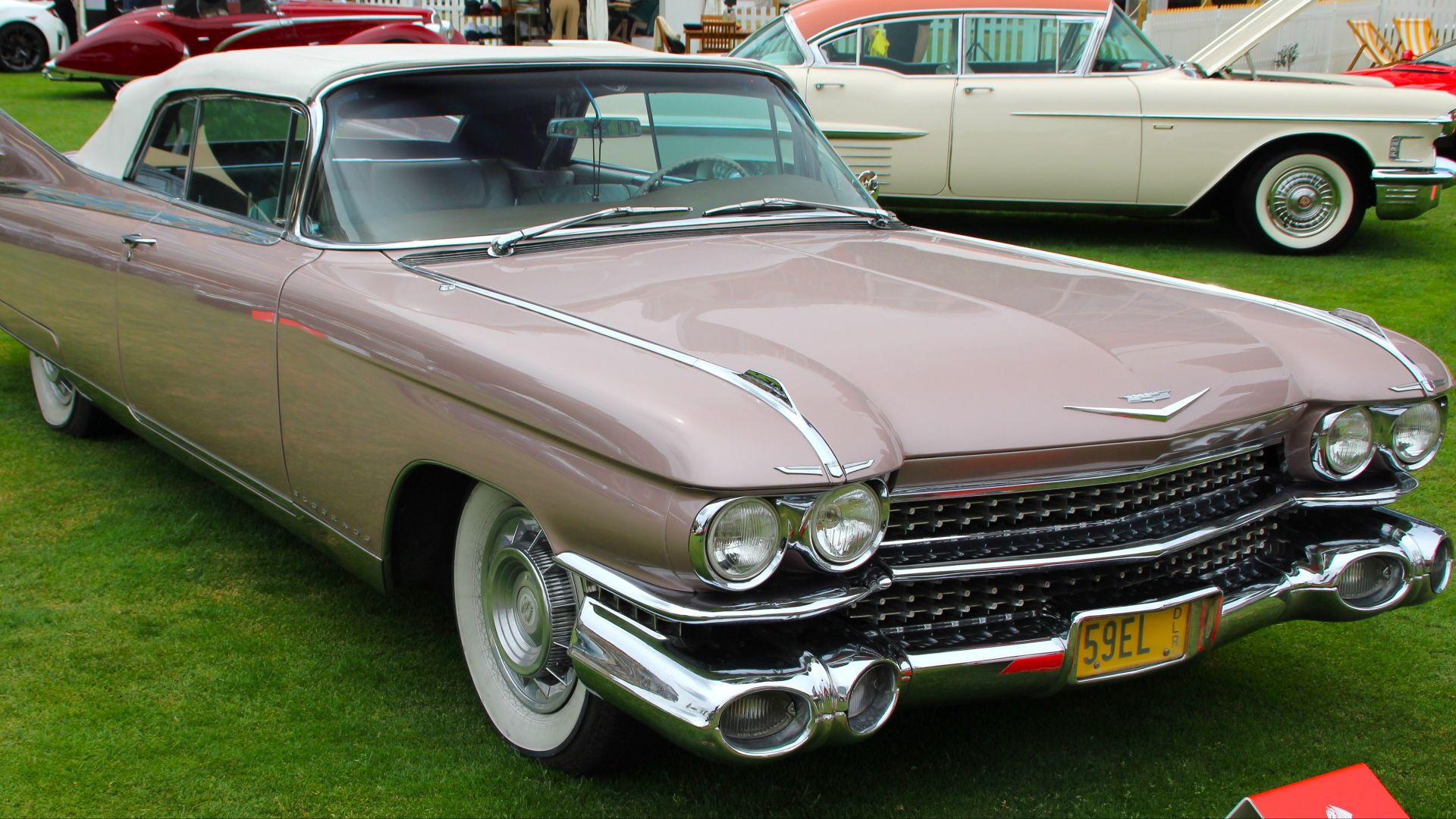
19. Cadillac Eldorado Biarritz
The 1959 Cadillac Eldorado Biarritz Convertible stands as a quintessential symbol of extravagance and epitomizes American culture from the ’50s. This iconic car’s grand dimensions and sophistication render it instantly identifiable among vintage convertible models. It boasts a powerful 6.4-liter V8 engine designed for smooth travel experiences.
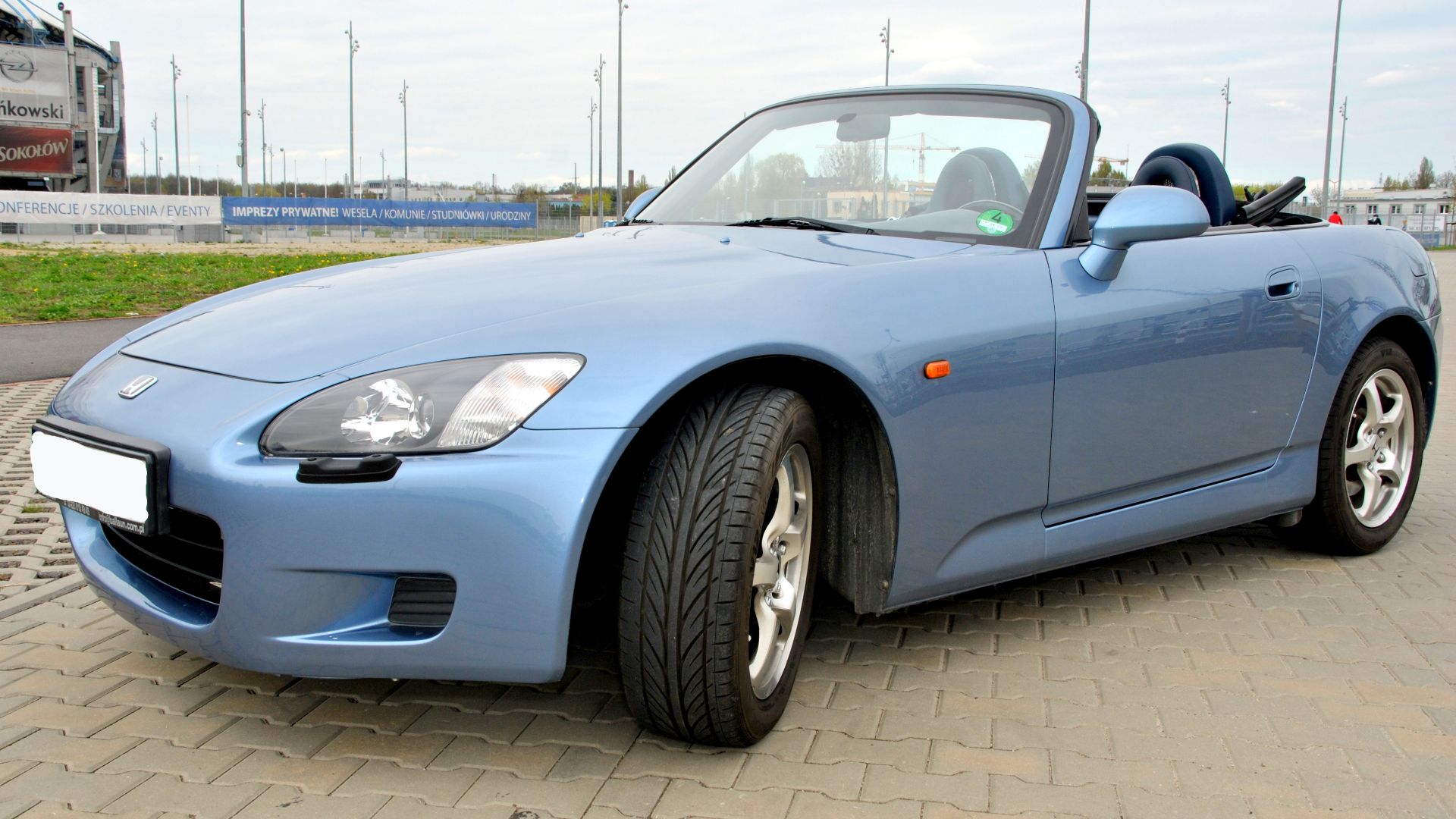
20. Honda S2000 AP1
A true driver’s vehicle, the Honda S2000 AP1 model was crafted with meticulous care. Equipped with a high-performance 2.0-liter engine capable of revving up to an impressive 9,000 RPM, this convertible offers some of the most exhilarating rides within its price range. Esteemed by automotive aficionados for its captivating handling characteristics and exceptional durability, the S2000 continues to be a beloved choice in the sports car segment.

oleh admin | Mar 5, 2025 | consumer electronics, gadgets, mobile phones, mobile technology, technology
BARCELONA, Lifehack My ID
– Nubia Neo 3 GT berubah menjadi smartphone
gaming
Kelas menengah pertama yang dilengkapi dengan tambahan “GT” dari produsen smartphone asal China, ZTE, yaitu Nubia.
Dibanding “saudaranya” Nubia Neo 3 “reguler”, varian GT ini hadir dengan pembaruan desain.
Nubia Neo 3 GT dilengkapi dengan lampu RGB tambahan berbentuk
bar
Yang mempercantik sisi bawah lampu RGB mirip dengan “mata” seekor bird. Warna dari lampu tersebut dapat disesuaikan lebih jauh melalui aplikasi kecerdasan buatan AI Game Space 3.0.
Di samping lampu RGB, bagian belakang dari Neo 3 GT 5G saat ini juga mengadopsi desain yang mirip dengan robot.
(mecha)
yang lebih mengutamakan warnanya dibandingkan dengan warna hitam.
Untuk versi berwarna kuning, contohnya, hampir semua bagian belakang telepon diisi dengan warna tersebut. Di sisi lain, warna hitam hanya digunakan sebagai aksen atau pengecatan sekunder pada sebagian kecil dari bodi ponsel.
Fitur menarik lainnya pada desain Neo 3 GT terletak pada penggunaan sensor.
shoulder trigger
Yang dipasang di sisi kanan frame (bagian atas dan bawah) tersebut. Tombol-tombol itu menyerupai L1/R1 pada konsole PlayStation dll., dan pengaturan fungsinya dapat dilakukan lewat aplikasi Game Space.
Sebagai tambahan, ada pula tombol Volume dan Tombol Power yang dikelilingi oleh aksen berwarna oranye.
Sisi kiri perangkat tersebut tidak memiliki tombol apa pun, demikian pula pada bagian atasnya. Hanya saja, ada lubang mikrofon di area itu yang berfungsi untuk meningkatkan kualitas audio dalam merekam.
Di sisi bawah perangkat, Anda akan menemukan tempat slot kartu SIM, pengeras suara, lubang mikrofon, dan port USB-C yang digunakan untuk charging.
Secara umum, merasakan genggaman ponsel ini sangat menyenangkan. Hal ini karena tepiannya telah dirancang dengan konsep datar.
(flat)
yang mudah untuk dipegang.
Spesifikasi Ponsel Nubia Neo 3 GT
ZTE Nubia Neo 3 GT 5G dilengkapi dengan layar AMOLED berukuran 6,8 inci dengan resolusi Full HD Plus serta kecepatan-refresh 120Hz. Di bagian tengah atas display tersebut terpasang modul punch-hole yang menyimpan kamera depan 12MP.
Di sisi belakang, ada dua kamera dengan resolusi masing-masing 50 MP dan 2 MP (sensor kedalaman). Dua perangkat pemotretan tersebut dilengkapi dengan lampu kilat LED yang membantu dalam pengambilan gambar di kondisi pencahayaan rendah.
Dari segi kinerja, Nubia Neo 3 GT 5G didorong oleh chipset Unisoc Tiger T9100 (6 nm). Chipset ini dilengkapi dengan prosesor octa-core yang mampu mencapai frekuensi hingga 2,7 GHz.
Chipset itu digabungkan dengan pengaturan RAM sebesar 8 GB dan ruang penyimpanan sampai 256 GB. Nubia menawarkan fitur Dynamic RAM yang memperbolehkan kapasitas RAM pada perangkat ini naik hingga 24 GB.
Dynamic RAM sendiri akan mengambil sebagian kecil kapasitas
storage
yang terdapat pada perangkat dapat difungsikan sebagai RAM virtual.
Dari segi kekuatan, Nubia Neo 3 GT 5G didukung oleh baterai raksasa berdaya 6.000 mAh yang dilengkapi fitur charging cepat hingga 80 watt.
Fitur tambahan pada seri Neo 3 GT meliputi sistem pendingin multilapis terbaru dengan area plat sebesar 4.083 milimeter persegi, sensor getaran sumbu-z untuk efek getaran yang semakin realistis, serta DTS: X Ultra untuk kualitas audio yang lebih menggelegar.
Di pasaran internasional, Nubia Neo 3 GT dibanderol dengan harga yang dimulai dari 299 euro (kira-kira Rp 5,1 juta).
belum diketahui pastinya apakah perangkat ini bakal tersedia di pasar Indonesia. Tetapi bila memasuki pasaran sana, besar kemungkinannya bahwa harga akan lebih terjangkau daripada nilai tukar mata uang euro tersebut.
Karena itu, tarif pajak elektronik di Eropa lebih tinggi dibandingkan dengan yang ada di Indonesia, sehingga hal tersebut berdampak pada kenaikan harga ponsel secara umum di wilayah tersebut.

oleh admin | Mar 4, 2025 | rocket launching, rocket propulsion, rockets, space exploration, space travel
A NASA researcher has successfully developed a rocket that functions without requiring any fuel.
Dr. Charles Buhler, an engineering professional and co-founder of Exodus Propulsion Technologies, announced that his group has managed to develop a fuel-less propulsion system, seemingly breaking the rules of physics.
Following years of study and trials, Charles Buhler thinks this advancement will revolutionize the field and transform propulsion technology.
“The most important message to convey to the public is that a major discovery has occurred,” he said.
This innovative system produces thrust through electric fields instead of ejecting mass, representing a significant shift away from conventional propulsion techniques.
Charles Buhler has likewise shown willingness to work with others to enhance and perfect this innovative technology even more.
(QG – Source: The Brighter Side of News / Image: © Pixabay)
Make sure to explore all our articles on MSN by subscribing to our content. Simply click on ‘follow’ located beside our logo at the top.


