


Top 9 Nuts That Will Supercharge Your Health
Among the most beneficial nuts, almonds, pistachios, and walnuts stand out for their array of advantages, making them excellent additions to your diet.
According to
Healthline
, nuts are veritable hubs of nutrition, abundant in fiber, antioxidants, vitamins, minerals, beneficial fats, and proteins. Research mentioned by
Health.com
suggests that consuming nuts could aid in lowering the chances of developing diabetes, heart disease, and specific types of cancer.
Let’s take a detailed look at nine of the most nutritious nuts you should consider adding to your diet.
1. Almonds
An ounce (28 grams) of roasted almonds contains 170 calories, with 15 grams of fat, 6 grams of protein, and 3 grams of fiber. They also include vital nutrients like vitamin E and magnesium.
Vitamin E aids in safeguarding cells against oxidative harm and supports both immune system functionality and cell-to-cell communication. Research indicates that almonds could assist in decreasing LDL (low-density lipoprotein), which is considered bad cholesterol, along with reducing inflammation, thus enhancing cardiac and gastrointestinal well-being.
2. Pistachios
Pistachios contain fewer calories and less fat compared to numerous other types of nuts, offering 159 calories, 13 grams of fat, and 6 grams of protein for each ounce. These nuts are abundant in vitamin B6 as well as antioxidants such as lutein and flavonoids. Such nutrients aid in lowering blood pressure, boosting metabolic processes, enhancing immune system performance, and maintaining good cardiovascular health.
3. Walnuts
Pecans stand out due to their significant content of ALA omega-3 fatty acids, offering 2.57 grams per ounce. Additionally, they include vital minerals such as copper and manganese, aiding in maintaining brain health and bolstering the immune system.
Studies indicate that consuming walnuts may help decrease LDL cholesterol levels, blood pressure, and triglycerides, thereby lowering the risk of heart disease.
|
|
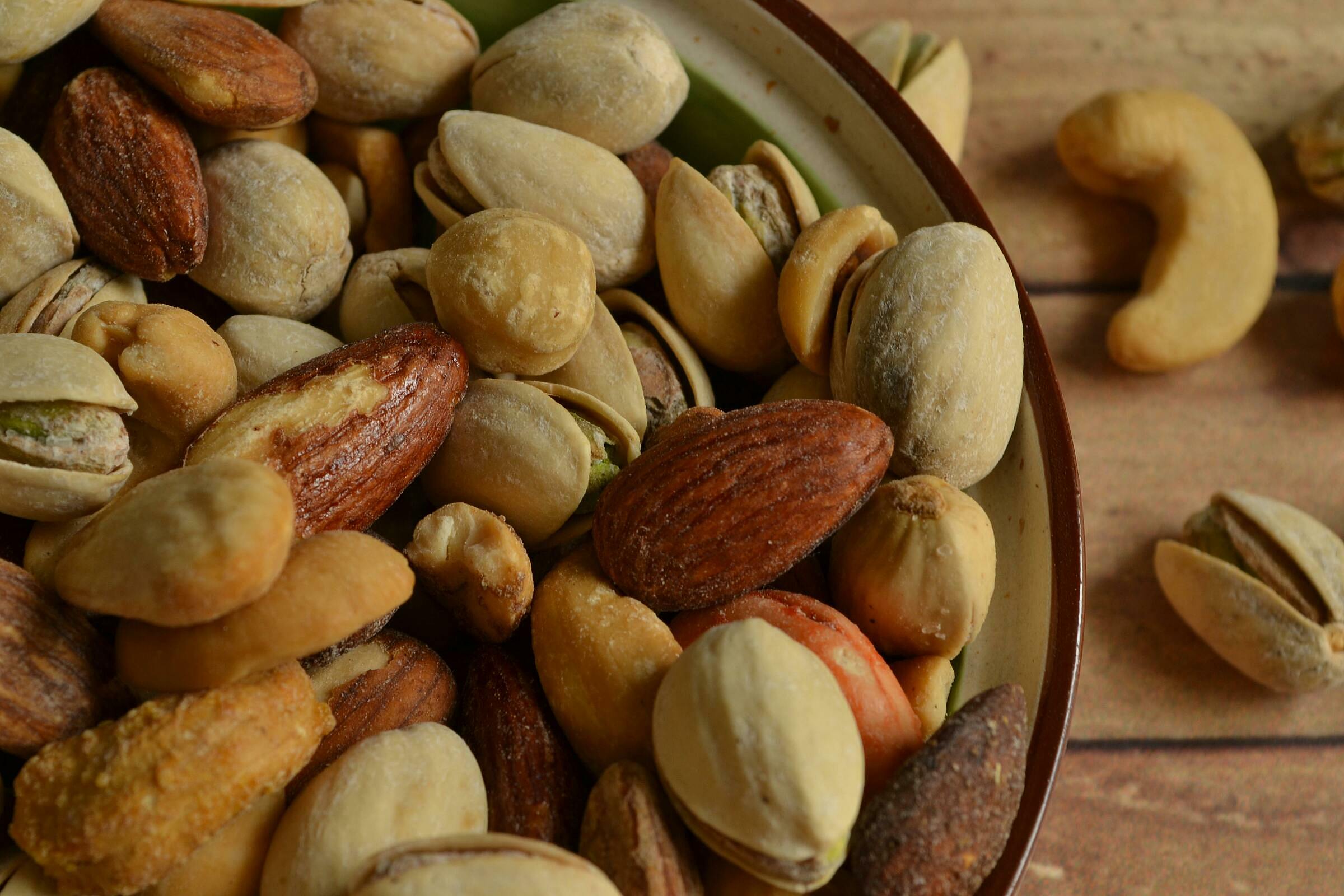
A mix of various nuts in a bowl. Stock image by Pexels |
4. Cashews
An ounce of
cashews
includes 157 calories, 12 grams of fat, and 5 grams of protein. These also serve as an excellent source of vitamin K, magnesium, and manganese—nutrients crucial for maintaining strong bones.
Research indicates that cashews could potentially enhance blood pressure and triglyceride levels; however, additional studies are required for confirmation.
5. Pecans
A single ounce of pecans contains 201 calories, 21 grams of fat, and 3 grams of fiber, as well as zinc and manganese. Zinc aids in immune system support, promotes wound healing, and assists in DNA synthesis.
Pecans might also aid in enhancing cardiac health by reducing LDL cholesterol levels.
6. Macadamia nuts
An ounce of Macadamia nuts includes approximately 204 calories, 21.5 grams of fat, and 2 grams of protein, as well as vitamins like B1 and minerals such as manganese. Studies indicate that these nuts may aid in reducing LDL cholesterol, triglyceride levels, and blood glucose levels.
7. Brazil nuts
Brazil nuts are a great source of selenium, as one ounce provides 989% of the recommended daily intake. This mineral aids in thyroid function and DNA synthesis; however, they should be eaten in moderation to prevent excessive consumption.
These nuts are abundant in vitamin E and magnesium, nutrients that assist in regulating blood glucose levels and blood pressure, maintaining proper nerve function, and boosting energy creation. Furthermore, they exhibit anti-inflammatory and antioxidant characteristics.
8. Hazelnuts
An ounce of hazelnuts contains 178 calories, with 17 grams of fat and 4 grams of protein. These nuts are abundant in vitamin E, manganese, magnesium, and health-promoting phytochemicals. Such nutrient content can contribute to reducing LDL and overall cholesterol levels while providing anti-inflammatory advantages.
9. Peanuts
Although botanically classified as legumes, peanuts share a nutrient profile akin to tree nuts. Each ounce of peanut contains approximately 7 grams of protein and includes polyphenol antioxidants along with folate. This latter nutrient is particularly crucial during pregnancy for promoting healthy fetal and placental growth.
Peanuts might also lower the chances of developing cardiovascular diseases and strokes; however, this advantage doesn’t apply to peanut butter.