oleh admin | Apr 3, 2025 | architecture, cities and towns, culture, portugal, tourist attractions
Located in northern Portugal, there is an ancient Roman settlement dating back more than two millennia, making it the country’s most historic city: Braga. Known for its high density of churches and striking Baroque architectural style, this destination promises to enchant various kinds of travelers.
Ponte de Lima, Coimbra, Guimarães—these Portuguese cities boast strong ties to ancient times, making it challenging to pinpoint which is the most historic. Nonetheless, Braga merits special consideration as it was established circa 16 BC under Emperor Augustus of Rome. This city stands out not just because of its distinctive heritage but also due to its stunning architecture, galleries, and secluded green spaces.
If you’re planning a trip to Portugal, we have some articles that can assist you with organizing your visit:
-
Portugal’s lesser-known food treasures, representatives of a diverse cuisine
-
This breathtaking beach in Algarve, Portugal ranks among the most gorgeous globally.
-
Some of Portugal’s loveliest cycling paths to experience the nation from a different perspective
-
Faro: 5 Essential Attractions in the Algarve Capital
Braga, full of history
Situated approximately 55 kilometers north of Porto, Braga stands as a picturesque town within the historical region of Minho. This city boasts an extensive legacy stretching over two millennia, notably from the Roman period when it served as the provincial capital of Gallaecia from 284 to 305. During the medieval times, it came under the influence of both Suebi and Visigoths prior to embracing Christianity.
Braga has secured a spot in our list of the most breathtaking locations.
cities in Portugal
For having a strikingly charming character, much credit goes to the numerous cultural influences woven into its tapestry throughout history. Within Braga’s intricate network of winding lanes, explore Baroque and medieval landmarks alongside Gothic cathedrals and splendid palaces. An interesting tidbit: It earned the title of Youth Capital in 2012 due to its remarkable blend of contemporary vibrancy—boasting plenty of cozy cafés, bustling plazas, and trendy retail avenues, making it highly attractive to young people.
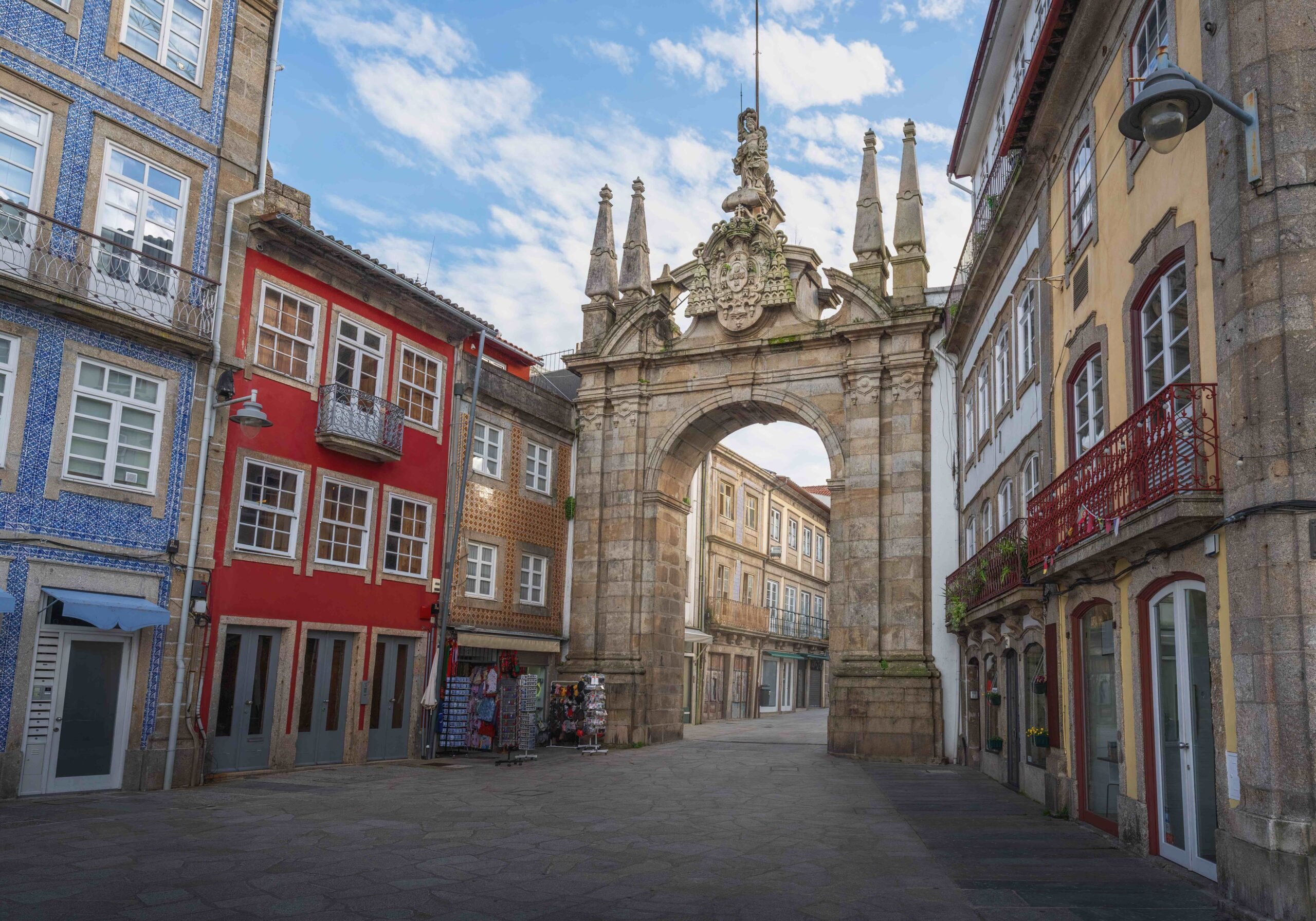
What activities can you enjoy in Braga, the eldest city in Portugal?
Do you have a passion for history, or are you interested in the Baroque period and unsure about how to begin exploring it?
Braga, Portugal
If so, proceed along this path. Given the mean temperature of 20°C, it’s advisable to explore Braga from May through September, ideally during the shoulder season for a more pleasant experience.
Upon arriving in Braga, begin your exploration at the Arco da Porta Nova, which is an arch integrated within the historic city walls from medieval times. Meander through the winding roads to admire the numerous churches, shrines, and chapels scattered throughout the town, then proceed to visit Portugal’s oldest cathedral, known as Sé de Braga, constructed during the 12th century.
th
century and has been designated a historic landmark. Additionally, you can stroll down the principal pedestrian thoroughfare,
Dom Diogo de Sousa Street
, which passes through the historical center featuring charming small piazzas and hidden gardens.
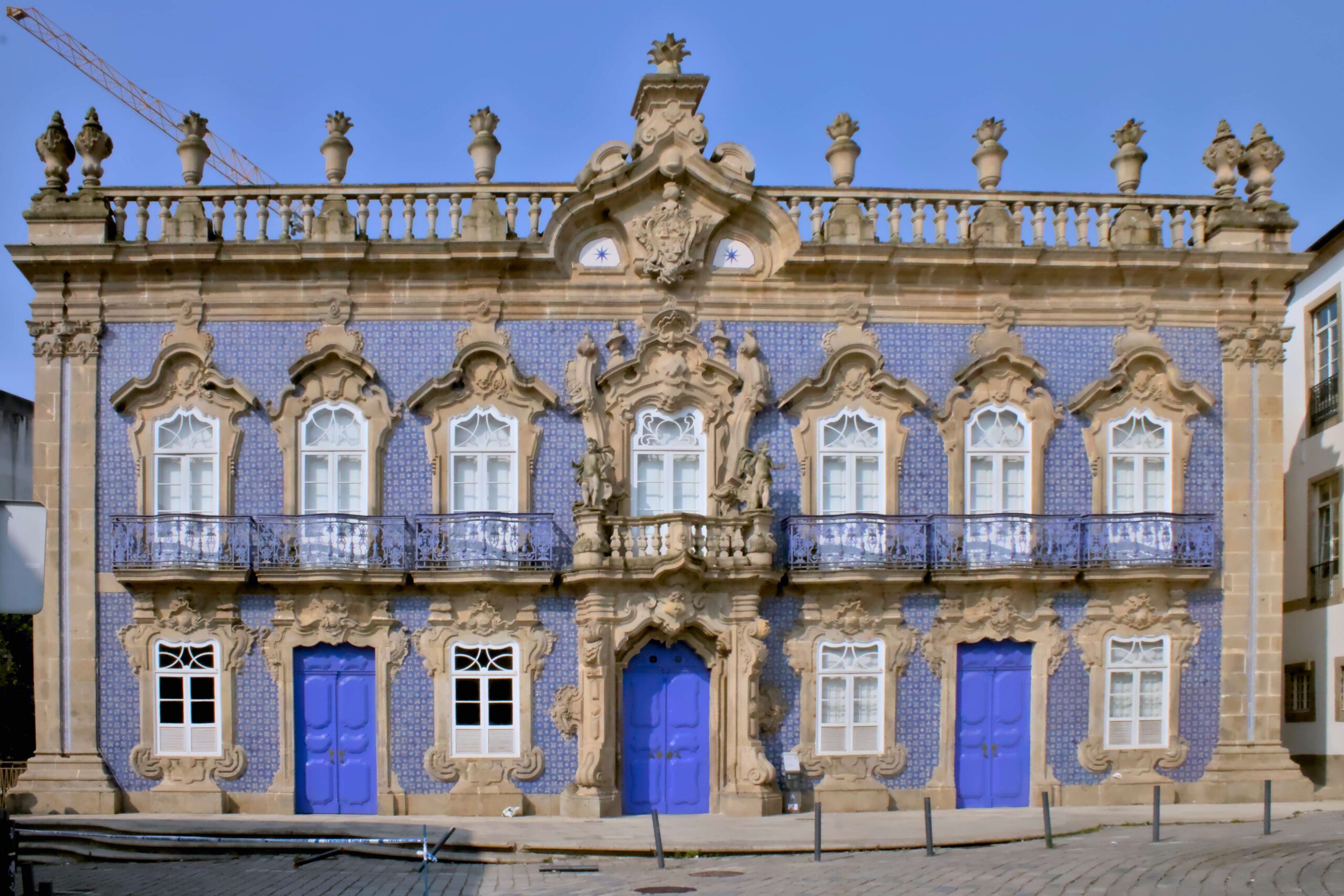
Be sure to visit the Circo Theatre, which stands as a testimony to the cultural significance of the area, this 18th-century landmark.
th
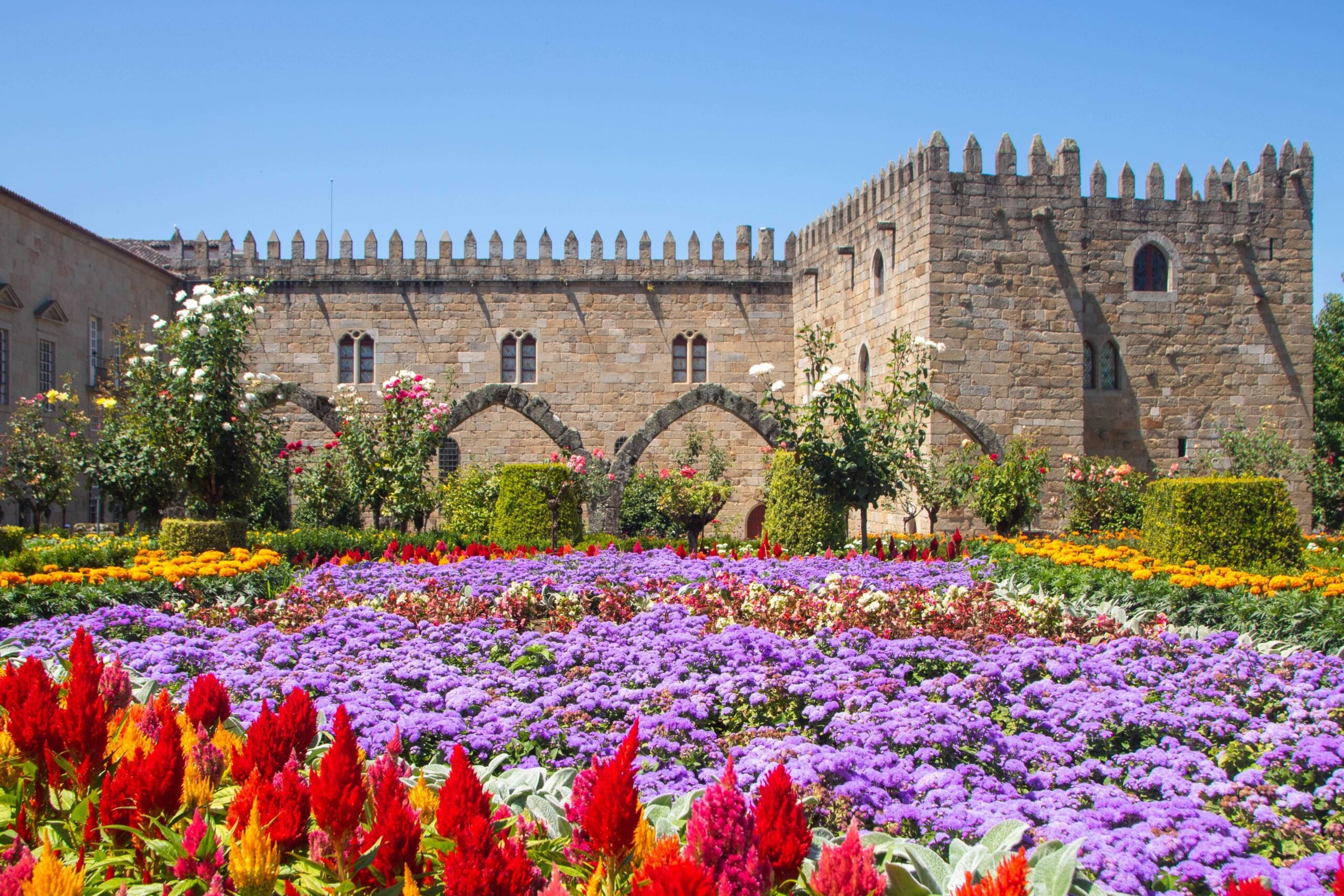
In the 18th century, the Rococo-style Palacio do Raio was adorned with blue azulejos tiles, and featured the Santa Barbara garden.
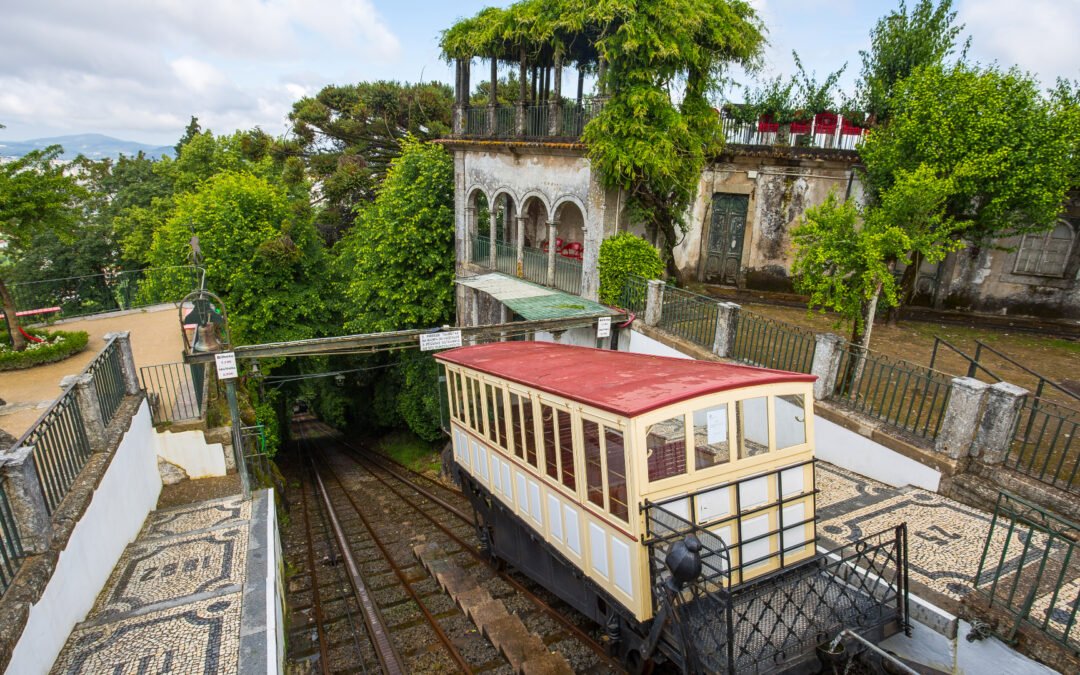
Higher up, head for the sanctuary of Do Bom Jesus do Monte, a UNESCO World Heritage Site. This shrine’s Baroque staircases, neo-classical architecture, fountains and grottoes will leave you dazzled. Climb to the top to admire the view over the whole region!
oleh admin | Apr 2, 2025 | architecture, buildings, disasters, safety, seismology
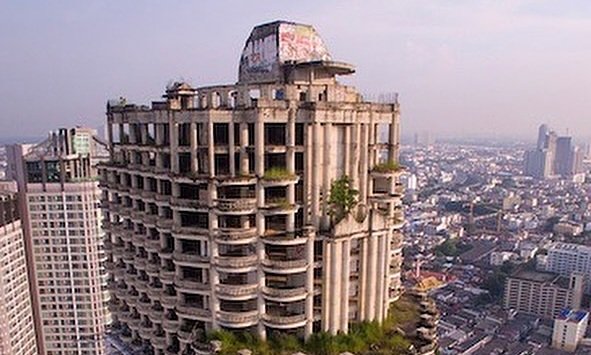
The 49-story Sathorn Unique Tower, an abandoned structure in Bangkok, Thailand, gained widespread attention online when it surprisingly withstood a massive 7.7 magnitude earthquake in Myanmar, which rattled much of Southeast Asia.
The most powerful earthquake Myanmar had experienced in a century hit on March 28, causing vibrations felt all the way in Bangkok, which was approximately 1,000 kilometers away from the epicenter. This seismic event led to the collapse of an unfinished high-rise structure and jolted numerous buildings across the city.
Nonetheless, the Sathorn Unique Tower, situated in Bangkok’s Sathon District and deserted for over three decades, continued to stand tall, baffling numerous people.
Many people on social media posted pictures of the edifice, raising doubts about how this derelict construction managed to survive the intense seismic event.
|
|
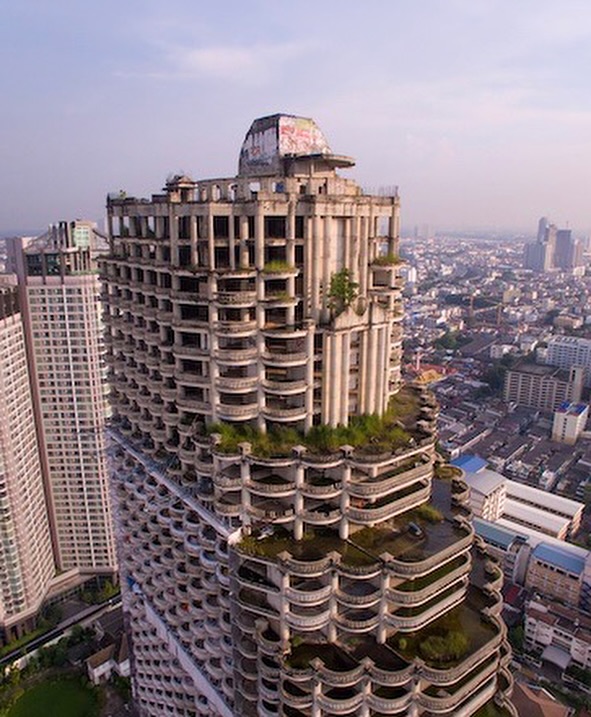
An image posted online depicts a sight of the Sathorn Unique Tower, a 49-story structure located in Bangkok.
|
A user posted on Reddit about their recent visit to Bangkok with their partner over the past few weeks. They expressed being captivated upon their initial sightseeing experience, stating they were very interested in learning more,
I was curious about that particular building. It seems as though they might consider retrofitting it before putting it up for sale. Hasn’t anything been done with it yet?
Initially envisioned in the 1990s as an upscale mixed-use development, the building was intended to stand at 49 stories tall with spectacular vistas of the Chao Phraya River. Nonetheless, when construction reached approximately half-way point, the Asian financial crisis struck in 1997, severely impacting Thailand’s economy.
The Telegraph
reported.
Numerous property developments, such as the tower, were left unfinished because of insufficient financial backing.
In its unfinished condition and ghostly, skeletal look, the structure earned the nickname “Ghost Tower.” Its haunting charm makes it a perfect spot for adventurous travelers seeking thrills.
A tourist shared on
Travelfreak
He paid 200 baht (US$5.84) to a security guard for permission to enter for 15 minutes.
Travel vlogger Jack Morris, boasting an impressive following of 2.4 million on Instagram, explored the highest level of the Sathorn tower back in 2015.
He penned, “Each time I visit Bangkok, I find myself scaling this deserted 49-story structure. To me, it offers the finest vista of the metropolis. The sense of liberation I experience here is unparalleled; it’s an emotion absent from those observatories atop skyscrapers filled with bars. It goes by the nickname ‘Ghost Tower’ among locals due to rumors suggesting it might be cursed.”
oleh admin | Mar 30, 2025 | architecture, art, art history, paintings, visual arts
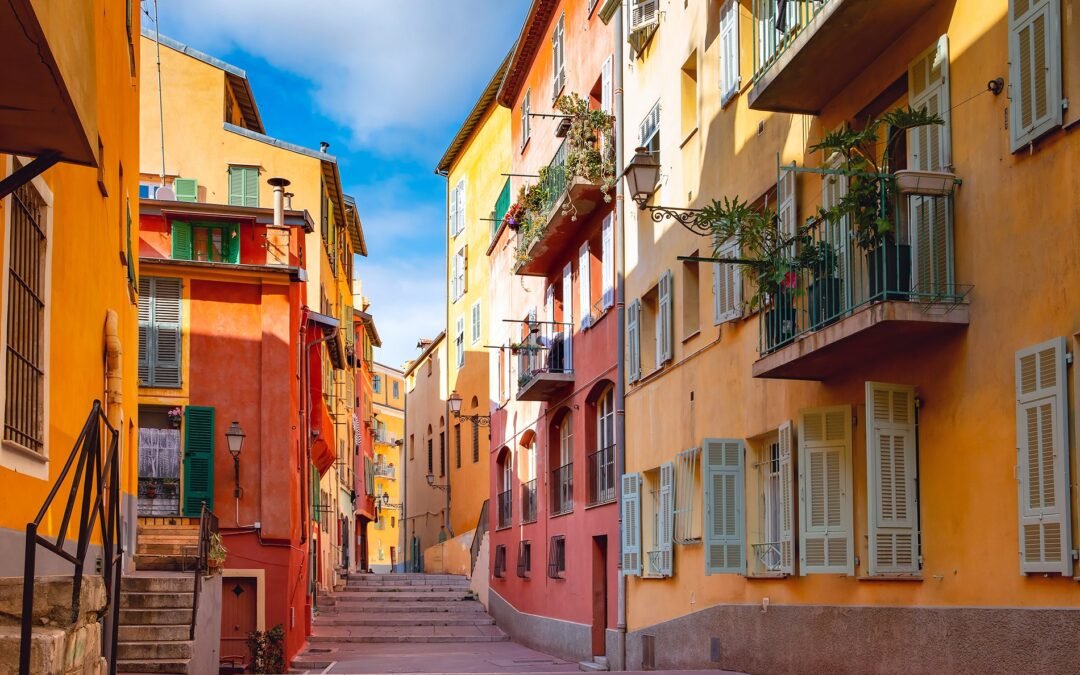
The distinctive Mediterranean architecture of the French Riviera, featuring its pale façades, along with its alluring coastal views, has long served as an endless muse for artists across numerous centuries. These five artworks beautifully encapsulate the spirit of this cherished shoreline.
Apart from its visual charm, the
French Riviera’s coastline
Has served as a key theme for artistic investigation, encouraging artists to examine its particular aspects of lighting, color, and the area’s unique way of life.
Heading to the French Riviera? You might want to check out these articles:
-
The Most Beautiful Natural Parks Between Marseille and Nice on the French Riviera
-
The loveliest coastal villages to explore along France’s Côte d’Azur
-
Great: A comprehensive guide for enthusiasts of art and architectural designs
Henri Le Sidaner’s ‘View of Villefranche Bay’ from 1924
Henri Le Sidaner was drawn to the captivating ambiance and soft lighting of Villefranche-sur-Mer when he painted this piece during his latter phase. His aim was to depict the lyrical and serene quality of the bay, highlighting an aura of gentle seclusion. This can be seen in his developed technique, marked by fine, intricate strokes and a muted color scheme, employed to illustrate the dance of light and shade over both the waters and the architectural elements of the town.
“Afternoon Light in Antibes” by Claude Monet (1888)
Claude Monet’s
The artworks from Antibes that he produced in 1888 stand as evidence of his skill in depicting the fleeting impacts of light upon the Mediterranean scenery. Focusing on the area’s vivid brightness, Monet employed bold, heavily layered brushstrokes to capture the essence of the sun-soaked environment. Through these works, Monet delved into how light and color interact with Antibes’ historic structures, nearby rolling hills, and the vast expanse of water around them.
“The Red Buoy” by Paul Signac (1895)
“The Red Buoy,” created around 1895 by Paul Signac, exemplifies his Neo-Impressionist style. This artwork is crafted with painstaking precision using tiny, individual dots of color, highlighting Signac’s skill in pointillism. The vibrant red buoy at the center draws attention amidst the harbor setting, which employs thoughtfully selected shades to evoke a feeling of light and dimensionality.
Henri Matisse’s ‘Perspective of Saint-Tropez’ from 1904
Created during the summertime in 1904, while closely collaborating with Paul Signac, this piece showcases Matisse’s brief involvement with
Pointillism
The harbor scene is vividly depicted using lively colors, particularly the blues of the sea, the greens of the surroundings, and the warm yellows and oranges that reflect the Mediterranean sunshine. This artwork encapsulates the spirit of Saint-Tropez through its portrayal of boats, structures, and the radiant lighting effects, executed with an increasingly evident freedom in technique.
“The Promenade des Anglais, Nice” by Raoul Dufy
(1927)
Created around 1927, the piece vividly portrays the bustling ambiance of the walkway through vibrant hues and energetic strokes. It presents itself as an animated setting teeming with people basking under the sun as they meander near the water’s edge, relishing expansive ocean views and the radiant glow of the Mediterranean sunlight. Characteristic of Dufy’s artistic approach—marked by streamlined shapes and shallow depths—the painting exudes vitality and motion, adeptly encapsulating the essence of life in this beachfront town.
oleh admin | Mar 30, 2025 | architecture, french, government, politics, politics and government
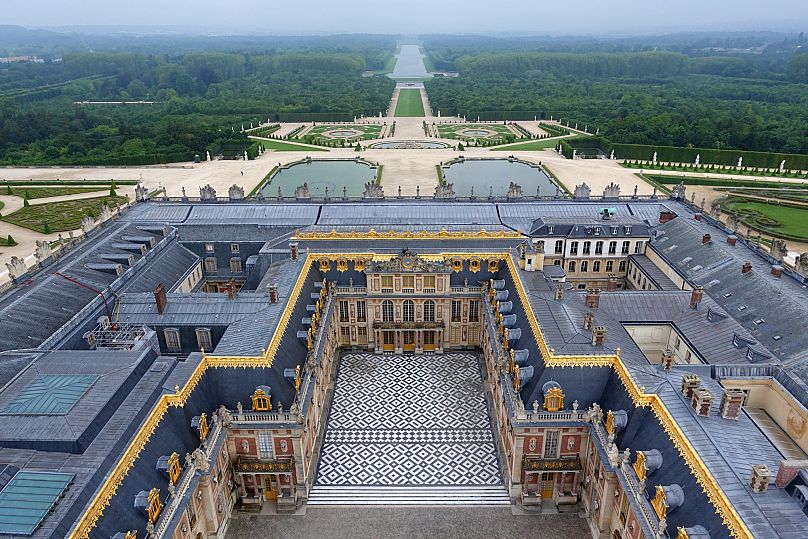
“Versailles keeps revealing new wonders all the time; it seems endless!” exclaims Martine as we begin our tour.
The guide has roamed through the numerous corridors of the castle for 15 years, yet she claims that many mysteries remain hidden within the sturdy walls.
Among these, the Salle du Congrès and the presidential apartment, which are accessible to the public… However, let’s start with the basics.
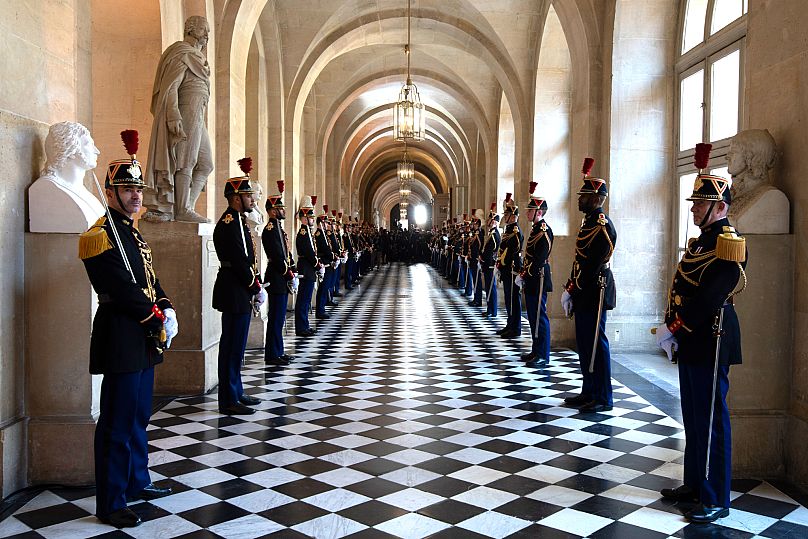
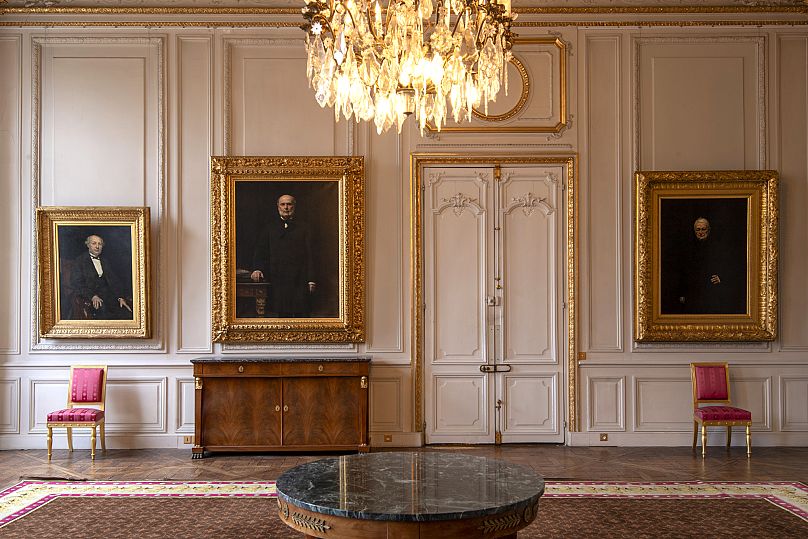
Our tour starts beneath the opulence of the Royal Opera House, a site rich with tradition and grace. This is where Louis XVI and Marie-Antoinette held their wedding ceremony in 1770.
A hundred years afterward, the lawmakers of the Third French Republic (1870-1940) convened their sessions in this very place.
As
The widespread revolt ignited a fire across France.
, the castle of the kings turned into a sanctuary for the republicans. Quite a symbol.
A president in the monarch’s residence
Exactly this shift — encompassing both structural and governmental aspects — lies at the core of an exclusive guided tour currently open to the public, commemorating the 150th year since the adoption of the Wallon amendment.
This document led to the creation of the Senate and the National Assembly and established the process for electing the President by these two bodies. As a result, the Third Republic, which had been operating as a provisional government up to that point, was officially confirmed.
The political history surrounding this event has largely faded from memory,” says Christophe Leribault, President of the Château. “We see this as a chance to highlight the relatively unknown aspects of 19th-century Versailles.
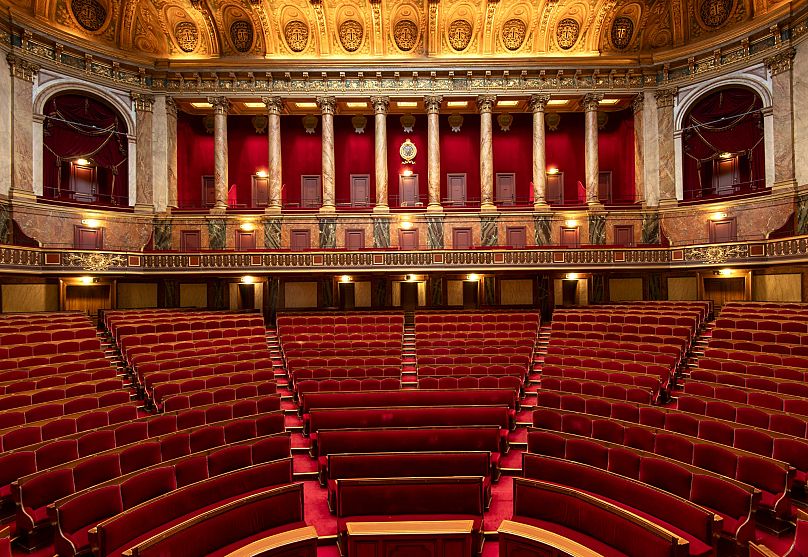
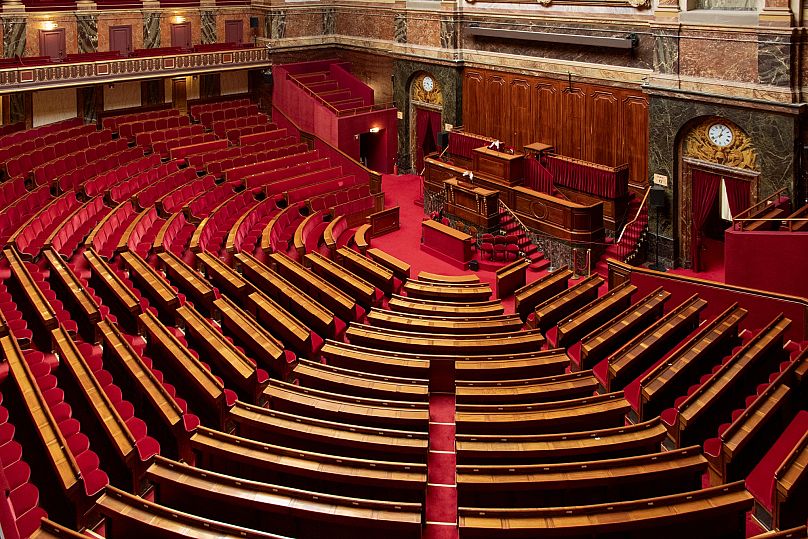
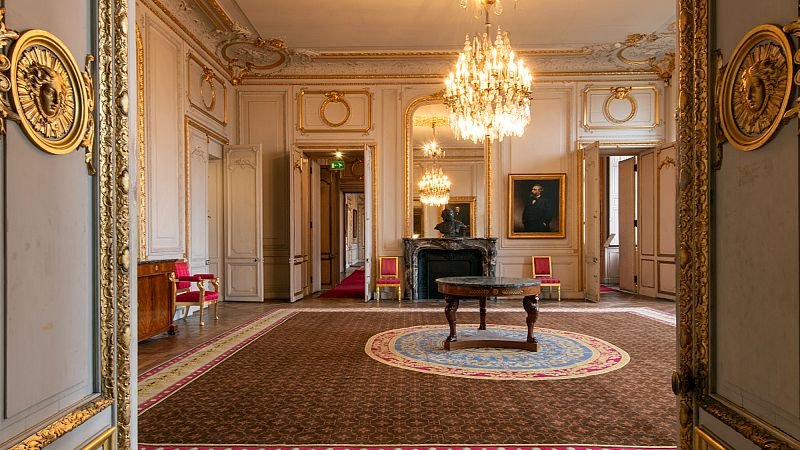
The massive semicircular hall called the Salle du Congrès, constructed in 1875 for the new legislature, stands in stark contrast to the Versailles of Louis XIV’s era. The fleur-de-lis on a blue backdrop have been supplanted by crimson velvet chairs.
“I never imagined encountering this here,” remarks Capucine. “This contemporary element changes our perspective of the château,” comments her mother, Florence.
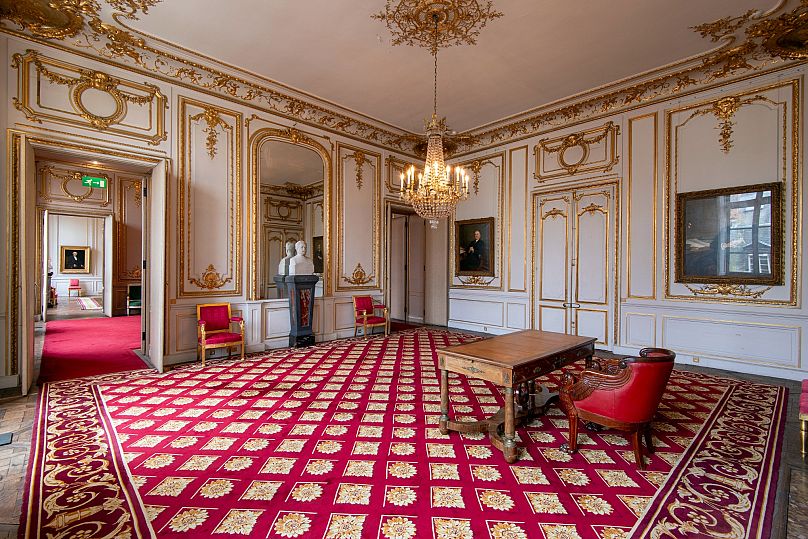
For the first time, the apartment of the President of the Congress was revealed. It was here that the ballots from the presidential elections were tallied. A total of fifteen Presidents were elected in Versailles up until 1954.
On infrequent occasions, this apartment is utilized by the presidents of the National Assembly and the Senate.
Reinstating the French Presence at Versailles
Even though MPs and senators ultimately returned to Paris from Versailles in 1879, the Third Republic permanently etched its legacy into the chateau.
The French President had the authority to summon Parliament solely within the Versailles hemicycle. This is where constitutional amendments occur, such as the one on March 4, 2024, which further developed the Constitution.
the constitutional rights included women’s freedom to terminate a pregnancy
.
“My inaugural day as President of the Château saw it teeming with Members of Parliament, senators, and reporters. This reinforced my belief that these spaces must be made accessible, for Versailles transcends being merely the site of the Hall of Mirrors—it stands as a cornerstone of political influence and French heritage,” remarks Christophe Leribault.
Last year, approximately 8.4 million individuals toured the château. Among them, 80% were visitors from abroad, and the château’s president aims to shift this trend.
“It’s crucial to unlock additional areas so that guests from France and Paris return to Versailles,” he states. “While having visitors from around the globe is wonderful, it’s equally vital for this legacy to remain close to our hearts.”
Might this also present an occasion for the French to come to terms with a contentious site?
A legacy of power
Throughout the decades, the Château de Versailles has evolved into an essential resource and setting for French diplomatic efforts. However, it remains a potentially hazardous location from a political standpoint.
President Emmanuel Macron frequently faces criticism for his use of it and has been denounced for hosting heads of state and
multinational bosses
there with great fanfare.
Denis, who frequently visits the chateau, admits, “It often presents an overly flashy and arrogant appearance, detached from reality.”
This embodies the contradiction of Versailles: a emblem of both monarchical and republican authority, simultaneously criticized for its extravagance yet celebrated for its grandeur.
This unique tour unveils these intriguing and distinctly French paradoxes as it retraces 150 years of Republican history.
The exhibit is accessible to everyone each weekend, and weekday visits include guided tours up until the conclusion of September.
oleh admin | Mar 29, 2025 | architecture, cities and towns, culture, tourist attractions, travel destinations
In Jaipur, located in northern India, the pale pink tones of the buildings glow against the hazy sunlight characteristic of Rajasthan. This “Pink City” boasts impressive palaces, historic celestial observatories, and vibrant marketplaces, offering a wealth of architectural marvels and cultural riches. Below is your guide to exploring these must-see attractions!
The Palace of Winds (Hawa Mahal), Jaipur’s grand residence
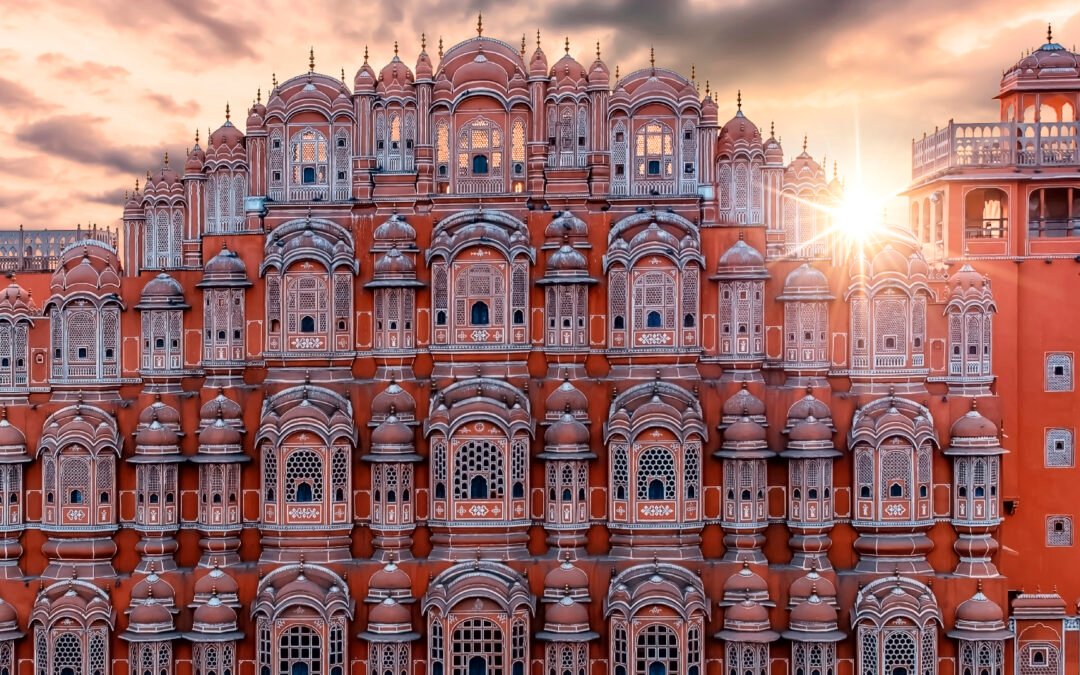
The Hawa Mahal, known as the Palace of Winds, boasts an astounding pink sandstone exterior at its outset.
heart of Jaipur
Everything remarkable about this opulent monument was constructed in 1799 under Maharaja Sawai Pratap Singh. The building essentially serves as an enormous lattice wall designed for allowing royal ladies to view urban activities from within their quarters unseen (as per the era’s strict etiquette).
purdah
Today, it boasts 953 tiny windows, referred to as
jharokhas
Allow the sunlight to enter, casting dramatic shadows. Within, an intricate network of galleries guides you to a terrace that provides a stunning vista of the City Palace and the Jantar Mantar.
The Jantar Mantar observatory: the brilliance of astronomical knowledge
A
UNESCO World Heritage Site
, Jantar Mantar serves as far more than just an observatory; it contains 19 massive astronomical devices within its premises, all situated across an 18-acre area.
th
The century-old brick construction established by Maharaja Jai Singh II includes the colossal Sundial known as the Samrat Yantra, which stands at an impressive height of 27 meters. This remarkable instrument boasts a precise mechanism capable of indicating the time with just a two-second error margin. Adjacent to this, there are two large semi-domes forming the Nari Valaya Yantra. These structures represent the Earth’s northern and southern hemispheres and serve the purpose of calculating time across different regions globally.
The City Palace, the historical and cultural nucleus of Jaipur
Situated at the center of Jaipur, the City Palace is an impressive ensemble constructed in a mix of Rajput and Mughal architectural styles. It was established during the 18th century.
th
The century-old palace, established by Maharaja Sawai Jai Singh II, contains a museum filled with an abundance of precious artifacts: intricate fabrics, historic documents, and ritualistic arms that narrate the legacy of the maharajas, the illustrious rulers of Rajasthan. Be sure not to overlook the four lavishly adorned gateways representing different seasons within the Pitam Niwas Chowk courtyard, as well as the Diwan-i Am, which served as a grand pavilion for public gatherings where the maharajas would meet their subjects and visitors.
The Markets of Jaipur, a burst of color and artistry
In Jaipur, the historic district thrives thanks to its artisans, merchants, and intrigued observers who infuse vitality into the conventional bazaars daily. Each
muhalla
The Ramganj Bazar specializes in vibrant leather footwear, whereas Gopalji ka Rasta excels in exquisitely cut semiprecious gemstones. Meanwhile, the Johari Bazaar offers an array of embroidered fabrics, and nearby Kumharon ki Nadi showcases piles of handcrafted ceramics. Lastly, multihued turbans, symbolic of Rajasthan’s heritage, are prominently displayed at Bari Chaupar.
The Albert Hall Museum, a sanctuary of art and culture in Jaipur
Drawing inspiration from Indo-Saracenic design, the grand Albert Hall Museum is situated at the center of Ram Niwas Gardens. Constructed in 1876, this principal museum of Jaipur showcases numerous exhibits such as sculptures, paintings, musical instruments, exquisite textiles, geological specimens, and even an ancient Egyptian mummy. The displays on the ground level delve into Rajasthani customs through presentations featuring puppets and attire, offering visitors insight into the region’s rich cultural heritage.
Nahargarh Fort, the quiet sentinel of the Aravalli Hills
Perched atop the Aravelli Hills overlooking the Pink City, Nahargarh Fort provides an awe-inspiring view of the area and insight into Jaipur’s military past. Constructed in 1734, the fortress initially served as protection for the city and offered sanctuary to the royal family during conflicts. The walls and vibrant palaces continue to reflect this protective purpose, with the principal courtyard featuring a delightful sight.
baori
(well-placed). The most striking structure within the complex, the Madhavendra Bhawan Palace, was constructed in the 19th century.
th
for the spouses of Ram Singh II during the century.
Rambagh Palace, a marvel of opulence and heritage
Initially serving as a hunting lodge for the ruling dynasty, Rambagh Palace encapsulates the regal charm of Rajasthan. It was converted into a palace during the early part of the timeline mentioned.
th
A century later, in 1930, it became the primary dwelling of the maharaja. Following India’s independence, it transformed into an opulent hotel. Nowadays, its expansive gardens, grand colonnaded walkways, and stunning Art Deco decorations preserve the essence of its regal heritage. The presence of strutting peafowl enhances this sense of magnificence, particularly when the monsoons arrive. It stands as a site to be marveled at… or reserved for an unparalleled stay!

oleh admin | Feb 1, 2025 | architecture, buildings, monuments, skyscrapers, tourist attractions
Explore the top of Paris by visiting five famous towers that blend history, architecture, and breathtaking vistas.
Paris frequently evokes visions of haute couture, stunning architecture, and enduring allure. However,
French capital
boasts another facade: impressive examples of towering architectural wonders. Below are the five most iconic skyscrapers in Paris for you to explore during your visit to the City of Light.
Eager to explore Paris? Here
Here are a few articles you may find intriguing.
:
-
What to Do This Winter in Paris? 9 Activities to Keep You Cozy
-
The oldest bookstore in Paris, established in 1708, is a legendary establishment worthy of a visit.
-
The top 5 luxurious hotels featuring pools for an exquisite stay in Paris
The Tour First, the dizzying skyscraper in Paris’ financial quarter
Standing at 231 meters tall, Tour First stands as the tallest skyscraper in France. Situated within the bustling La Défense business district, this structure was officially opened in 2011 after undergoing extensive refurbishment. Architect Pierre-Daniel Josselin spearheaded the transformation of the former tower, reshaping it to align with contemporary criteria for comfort, sustainability, and aesthetic appeal. Throughout this overhaul, the building expanded by an additional 55 meters.
Due to this significant transformation, Tour First now stands 5 meters higher than Tour Montparnasse.
The Montparnasse Tower, offering a panoramic view from all angles, is a 360-degree observation deck.
Standing at 210 meters tall, the Tour Montparnasse is frequently regarded as the tallest building in Paris. It can be found in the 15th arrondissement.
th
In the arrondissement, it was created by architects Eugène Beaudouin, Jean Saubot, Urbain Cassan, and Louis de Hoÿm de Marien, and officially opened in 1973.
From its roof, the tower provides a complete 360-degree vista of the city. It serves as an outstanding observation spot for viewing Paris from above like a bird would.
For an experience marked by luxury and breathtaking vistas, The Hyatt Regency Paris Étoile stands out.
Boasting at least 34 stories, the Hyatt Regency Paris Étoile impressively reaches a height of 137 meters. Situated close to the Porte Maillot metro station, this landmark can be found in the 17th arrondissement.
th
district, offering easy access to the Palais des Congrès.
This magnificent property features 995 rooms and suites, along with impressive amenities.
breathtaking views
from the city’s famous landmarks like the Eiffel Tower and the Basilique du Sacré-Cœur.
The Pullman Paris Montparnasse Hotel offers comfort nestled in the heart of opulence.
The
Pullman Paris Montparnasse
The hotel is situated right at the center of area 14.
th
Constructed in 1974, this 116-meter-tall structure merges modern architecture with premium amenities. Following a comprehensive renovation, it currently features 957 ample guestrooms and one of Europe’s most extensive convention centers, spanning 4,000 square meters.
2
dedicated to professional events.
Due to its prime position near Montparnasse station, this area serves as a perfect base for both touring Paris and managing business travel.
The Tours Duo
At the center of the 13
th
In the arrondissement, within the Quartier de la Gare district, stand these twin towers, crafted by architect Jean Nouvel. The ambitious design features two lopsided towers: Duo 1 reaches a height of 180 meters and tilts toward the Avenue de France, whereas Duo 2 stands at 122 meters with a gentle lean away from its sibling tower. Duo 1 boasts an impressive 39 floors, while Duo 2 encompasses 27 stories. Their combined presence casts dynamic reflections, playing dramatically with natural light.
For those who appreciate good cuisine, the uppermost ten levels of Duo 2 house the Too Hotel, which features a scenic restaurant-bar providing breathtaking vistas of the city.