oleh admin | Okt 23, 2024 | health, health benefits, healthy living, nutrition, superfoods
Our bodies consist of numerous cells that require nutritious components for optimal functioning. These essential nutrients come from wholesome foods. The process of metabolizing sugars, carbs, and proteins utilizes oxygen, which leads to the formation of substances known as free radicals. Excessive exposure to sunlight, stress, smoking, sugar intake, and alcohol consumption can generate additional free radicals. Antioxidants play a crucial role in neutralizing these harmful free radicals. An overabundance of such molecules has been associated with various health issues including heart disease, cancer, inflammatory conditions, and stroke.
How can one obtain those antioxidants?
To start with, ensure you consume a broad range of nutritious meals. Luckily, plenty of antioxidant-rich options are also tasty delights.
Vegetables
Here are the top superfoods! Particularly those with vibrant colors. Simply opt for dishes where veggies make up most of the meal; there’s ample variety available.
Fruit
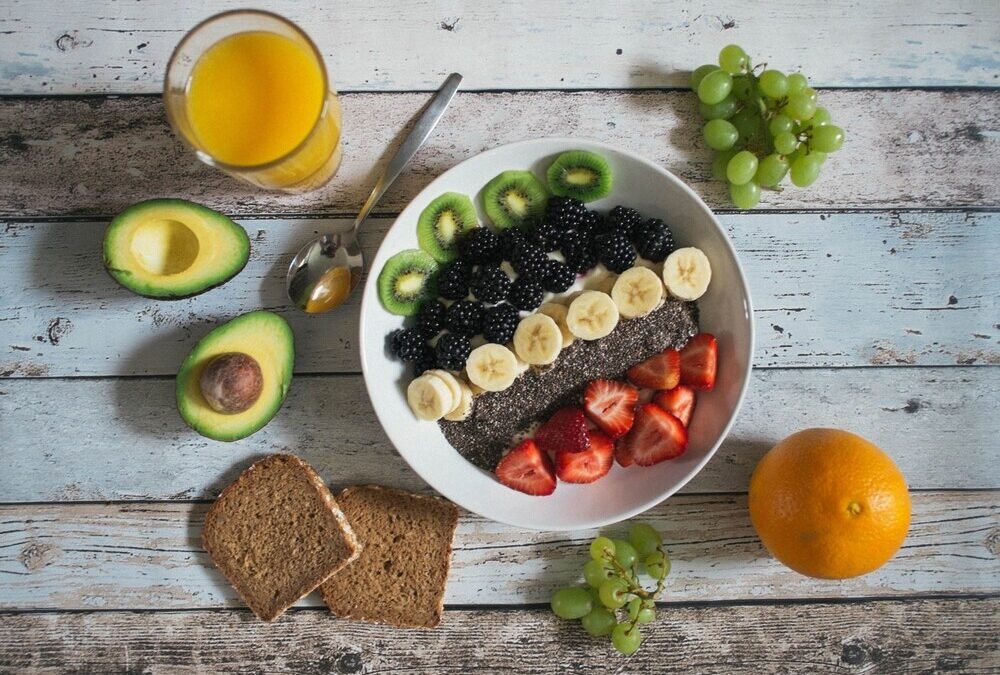
All fruits have antioxidants, but certain types pack significantly higher amounts. Leading the way are berries from forests as well as tiny reddish fruits. Avocados, fresh figs, and pomegranates also rank high. Opt for organic options whenever possible and try consuming them along with their peels.
Herbs and spices
Feel free to use plenty of these in your kitchen; they’re incredibly popular! Include basil, savoury, chili powder, tarragon, ginger, curry, garlic, cumin seeds, ground turmeric, oregano, parsley, mint, and thyme.
Sprouts
These are nutrient-packed bombs filled with vitamins, minerals, and enzymes. We ought to consume significantly more of these essential components. The top-selling item is broccoli sprouts. Researchers indicate that the benefits of consuming broccoli sprouts persist in our systems for several days. To illustrate, just 30 grams of these sprouts can provide as many nutrients as found in 600 grams of regular broccoli.
Nuts
Select raw, untreated nuts such as walnuts, almonds, hazelnuts, and pecans.
Dark chocolate (over 70%)
Delicious and nutritious, though certainly in moderation. It includes magnesium along with an abundance of antioxidants.
This applies to raw cacao powder as well. You can create delicious treats using this ingredient, without feeling guilty!
Kernels and seeds
The toppings include sesame seeds and hemp seeds. These can be added to smoothies, soups, and salads.
However, start with a wide array of vegetables before selecting superfoods!
(FVDV for SANGGRALOKA/Illustration image: Photo by Jannis Brandt on Unsplash)
Make sure to explore all our articles on MSN by subscribing to our content. Simply click on ‘follow’ located beside our logo at the top.

oleh admin | Jun 18, 2024 | exercise, health & fitness, health and exercise, healthy living, healthy workouts
Abandon activities like lawn bowling or leisurely swimming; instead, seniors should consider taking up weightlifting for a healthier retirement, according to research.
Resistance training showed lasting strength advantages extending many years into retirement, rendering it an excellent choice of workout for older adults.
As individuals age, they inherently experience a decline in muscular functionality, which manifests as weakened grips and diminished leg power. These factors are considered significant indicators of mortality in senior citizens.
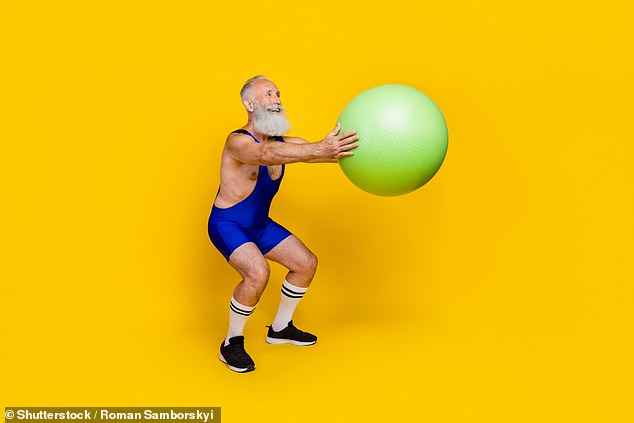
Weightlifting, using either free weights, your own bodyweight, or resistance bands, has been demonstrated to aid in preventing such occurrences.
Scientists aimed to investigate the lasting impacts of a year-long supervised strength-training regimen involving heavyweights.

With participants averaging the age of 71, 451 retirees were split into groups of either a year of heavy resistance training, moderate-intensity training or of no additional exercise on top of their usual activity.
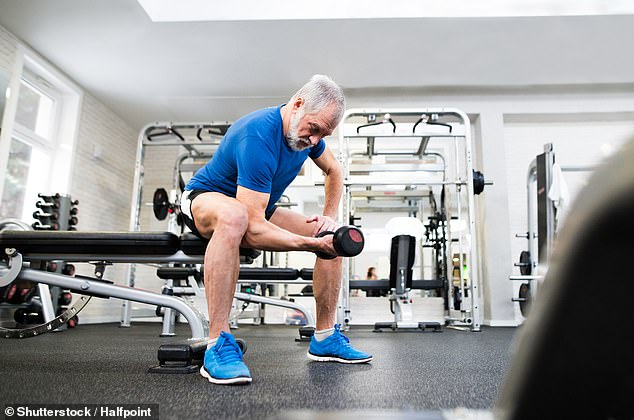
Participants who were assigned specific weights engaged in programs three times weekly, whereas those involved in moderate-intensity training performed routines that included bodyweight exercises and resistance band workouts over the same duration.
Every workout in the strength training session consisted of three series with six to twelve reps, using seventy to eighty-five percent of the individual’s peak lifting capacity for each rep.
At the beginning of the study, measurements were taken for bone and muscle strength as well as body fat percentages. These same metrics were reassessed after one year, two years, and four years.
After four years, individuals in the heavy weight training group managed to maintain their leg strength, whereas those who did not exercise or only exercised moderately experienced a decline in strength during this period.
Publishing their findings in the journal BMJ Open Sport and Exercise Medicine, the researchers determined that “for healthy older individuals around retirement age, engaging in intense strength training for one year can lead to lasting positive impacts by maintaining muscular functionality.”
The three groups showed no distinction in leg extensor power—the capacity to forcefully and rapidly push against a pedal—handgrip strength (an indicator of general muscular strength), and lean leg mass (body weight minus fat content). All of these measures saw reductions across the board.
The levels of visceral fat, located internally around organs, went up for individuals who did not work out. However, these measurements remained unchanged among participants in both exercise groups.
The researchers, which included members from the University of Copenhagen, noted that participants in the study tended to be more physically active, averaging almost 10,000 steps per day, compared to the general public.
They included: “This research demonstrates that engaging in strength training using heavy weights even when people reach retirement age can yield benefits lasting for multiple years.”
Consequently, these findings offer tools for professionals and policymakers to motivate elderly people to participate in intense strength training sessions.
Read more


