by admin | Apr 16, 2025 | colleges and universities, education, healthcare and medicine, higher education, news
IBADAN
The Vice Chancellor of Ladoke Akintola University of Technology (LAUTECH) Ogbomoso, Professor Razaq Olatunde Rom Kalilu, revealed on Tuesday that approximately 94 students from the institution will graduate with first-class honors during the university’s 17th convocation ceremony. This event coincides with the 35th Founder’s Day celebration.
During an interview with reporters at the University’s Senate Building, the Vice Chancellor mentioned that a remarkable 11,528 students are set to graduate. Out of these graduates, 94 have achieved first-class honors, 2,086 will be receiving second-class upper division degrees, 3,494 are graduating with second-class lower divisions, 756 are obtaining third-class distinctions, and 12 are passing with ordinary grades.
From the overall total of 11,528 graduates, 8,102 will receive their bachelor’s degrees. In Nursing Science, 7 students achieved a distinction, 1,741 earned an upper credit, and 145 received a lower credit. For Medicine and Surgery, there are 133 who passed, indicating a satisfactory performance in the field, whereas this does not apply similarly across non-medical fields.
The highlights of the 17th convocation ceremony as outlined by the Vice Chancellor encompass tree planting, a research fair and exhibition, along with performances including the convocation play and cultural acts planned for April 16. Additionally, the convocation lecture and alumni day are set for April 17, whereas Friday, April 18, will feature the Jumu’ah service, and Sunday, April 20, has been reserved for church services. The conferral of first degrees and awards is scheduled for Tuesday, April 22, while Wednesday, April 23, 2025, will see the presentation of postgraduate diplomas and advanced degrees.
Discussing the accomplishments, aspirations, and hurdles faced by the university, Professor Kalilu stated, “All our educational courses have received proper accreditation from both the National Universities Commission and pertinent professional organizations. Our six recently introduced standard academic programs—Theatre Arts, Psychology, Communications, Linguistics, Yoruba, and Political Science—have successfully passed the resource validation conducted by the national commission and are now fully functional.”
Likewise, the five recently added undergraduate programs within the realm of Open and Distance Learning—namely Cyber Security Science, Science Laboratory Technology, Transport Management, Crop Production and Soil Science, and Environmental Protection—are now fully functional.
The university is progressively expanding its global presence through research initiatives, faculty and student exchanges. It has formed partnerships with various educational bodies worldwide, including institutions like the University of Kentucky and the University of Utah in the United States, along with organizations such as the Alexander von Humboldt Foundation and the Bayer Foundation from Germany. These collaborations have led to the creation of entities like the Humboldt Research Hub, which focuses on centers dedicated to emerging and resurgent infectious diseases within the university’s framework.
It is worth mentioning that the university’s ratings have consistently improved since 2023. In 2025, according to the Times Higher Education’s World University Rankings, GT remains the top-ranked public university in Nigeria. Additionally, the same year, the Interdisciplinary Science Ranking (ISR) evaluated universities based on their involvement and impact in interdisciplinary sciences. This ranking placed LAUTECH at second place nationwide and positioned them between 251st and 300th globally.
“Our aim is to rank among the world’s top 100 universities, which is indeed an ambitious target, yet achievable. Considering this aspiration along with the continuously increasing number of enrolled students, it becomes crucial for us to enhance our facilities, integrate advanced technology into teaching and research processes, and diversify both faculty and student bodies—among several other critical and pressing measures needed. Therefore, we earnestly request all stakeholders to back the LAUTECH initiative,” stated Professor Kalilu.
Provided by Syndigate Media Inc. (
Syndigate.info
).

by admin | Apr 16, 2025 | commerce, government, news, playstation 5, video game consoles
The price of some
PlayStation
Five gaming console prices are expected to increase in the UK and other nations due to a ‘difficult economic climate,’ according to manufacturer Sony.
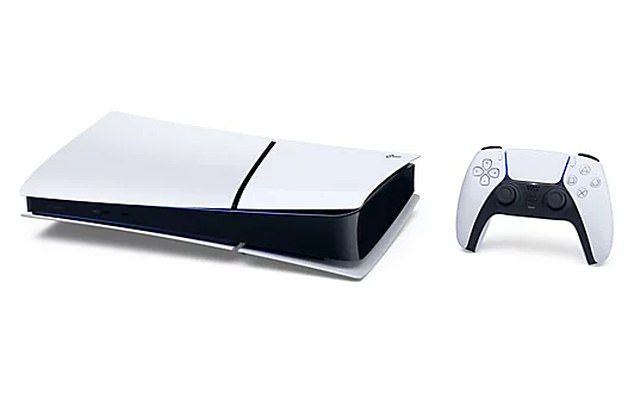
The leading game company announced that starting Monday, the cost of the PS5 Digital Edition — the model without a disk drive — will increase from £390 to £430.
In a blog post announcing the price increases, Sony stated that the “difficult choice” was made due to “a difficult economic climate characterized by factors such as high inflation.”
inflation
and fluctuating exchange rates’.
The announcement follows the U.S. President’s actions or statements.
Donald Trump
Let’s shift to implementing tariffs on various countries worldwide, leading to significant disruptions in international manufacturing supply chains.
Mr. Trump has subsequently declared a brief halt on certain tariffs, and over the past weekend came the verification that imports of electronic devices like smartphones and laptops will receive a temporary exemption until the administration clarifies its stance on levies imposed on the semiconductor industry. This development adds further uncertainty for those involved in exporting these goods.
In addition to their announcement, Sony also verified that there would be price increases for the PS5 in Europe, Australia, and more.
New Zealand
.
In Europe, the cost of the PS5 Digital Edition is increasing from 449 euros to 499 euros.
Sony stated that both the pricing for the regular PlayStation 5, featuring a Blu-ray drive and launched in 2020, and the PS5 Pro model, introduced last year, will stay the same across Europe and the United Kingdom.
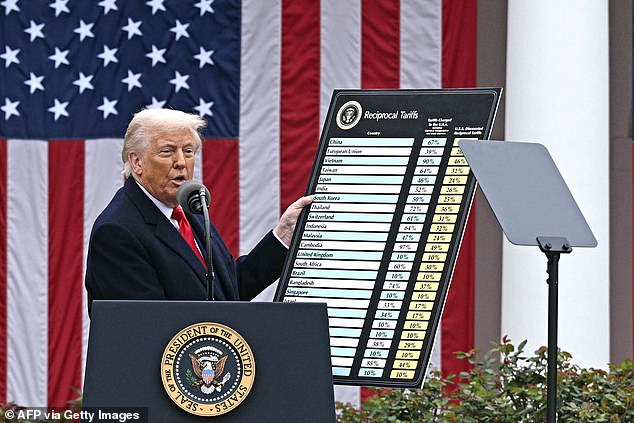
The tariff policies implemented under the Trump administration have significantly impacted global supply chains, leading to increased costs for products such as the PlayStation 5—despite Sony being a Japanese firm.
Some uncertainty still exists regarding the application of these tariffs. On Friday, US Customs and Border Protection discreetly announced that iPhones, laptops, and other electronic devices would not have to pay either the 125 percent duty on imported Chinese products or the worldwide 10 percent tariff.
On Sunday, April 13, the Trump administration clarified that electronic items would be covered under different tariff regulations.
On Truth Social earlier that day, the President stated that no exceptions would be made.
He stated: “NOBODY will be let off the hook regarding the uneven trade balances and non-monetary tariff barriers that other countries have imposed on us, particularly China, which mistreats us more than anyone else!”
Trump added: ‘There was no Tariff “exception” announced on Friday, These products are subject to the existing 20% Fentanyl Tariffs, and they are just moving to a different Tariff “bucket”.’
The president stated that his administration would examine the entire electronic supply chain as part of their upcoming efforts.
National Security Tariff Investigations.’
Read more
by admin | Apr 16, 2025 | General
-
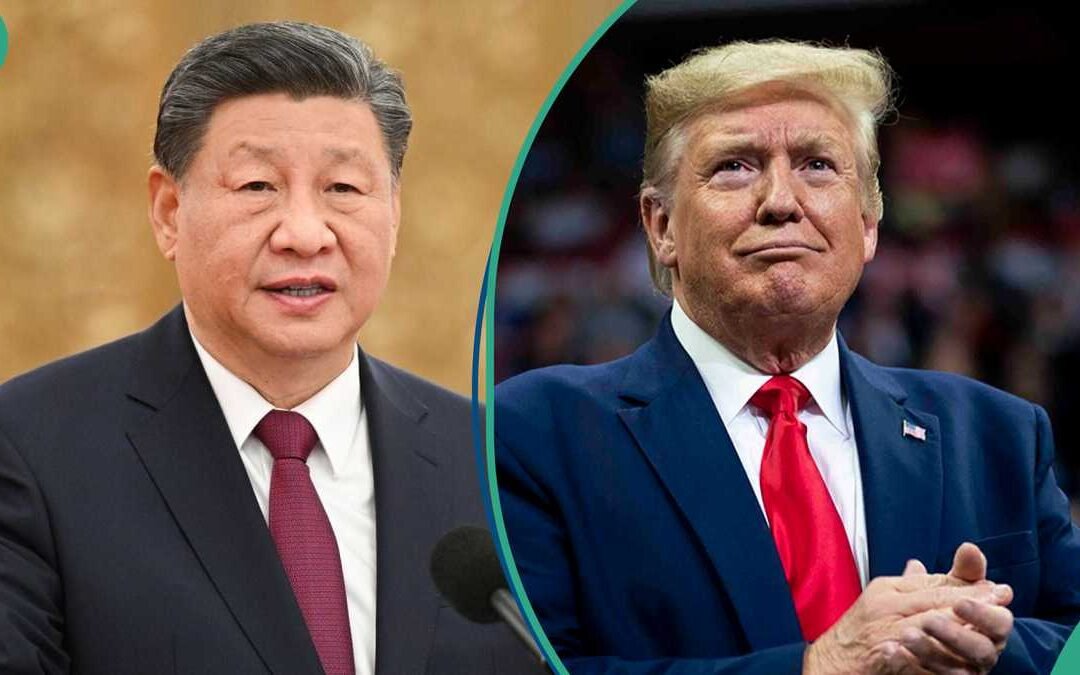
Developing countries like Nigeria are now turning into key markets for Chinese manufacturers.
-
This came after US President Donald Trump imposed trade tariffs on their exports.
-
Producers claim that ever since Washington increased taxes on Chinese imports by 145%, orders from the United States for their products have disappeared.
The SANGGRALOKA ID.ng journalist, Zainab Iwayemi, possesses five years of experience reporting on topics such as the economy, technology, and capital markets.
After U.S. President Donald Trump imposed trade tariffs on Chinese products, the country’s manufacturing companies have redirected their attention towards Nigeria and other rapidly growing markets.

On April 2, Trump initiated bilateral trade discussions with around 75 countries and introduced a 46% duty on Vietnam along with an 17% levy on the Philippines. Subsequently, he lowered these rates to 10% each for the next quarter.
Manufacturers assert that orders from the United States for their goods have vanished following Washington’s decision to raise tariffs on Chinese imports by 145%.
“It’s a matter of life and death because 60-70% of our business is with American clients,” marketing manager of Conmo Electronic Co, Candice Li SAID in a survey obtained by Channels Television on Tuesday, adding, “Goods cannot be exported and money cannot be collected. This is very severe.”
Most of the exporters thatReuters reached out to reported that US orders have either been delayed or stopped entirely, raising concerns for the world’s second-largest economy, where growth last year heavily relied on sustaining a trillion-dollar trade surplus.
According to Kobe Huang, who works as a sales representative for Shenzhen Landun Environmental Technology—a company specializing in water purifiers and intelligent toilets—sales across Europe are currently expanding. However, he notes that the American market remains stagnant.
The U.S. clients and distributors haven’t withdrawn their orders, he stated. “They have requested us to wait. We are waiting.”
No other country matches China’s yearly sales of nearly $400 billion worth of products to the United States.
Moreover, despite Trump’s tariffs being considerably less extensive worldwide, they are likely to diminish global demand over the coming months. This effect could also lessen international interest in purchasing Chinese products.
China exports to Nigeria
China’s shipments to countries like Nigeria have surged significantly despite the taxes levied against the nation.
China is expected to announce a first-quarter growth rate of around 5% on Wednesday, fueled primarily by strong export performance, as per an AFP poll.
A number of exporters mentioned that they have been broadening their market reach beyond the United States or shifting their production facilities away from China.
According to Henry Han, the sales manager at Apexto Electronics Co., which manufactures SSDs and microSD flash drives, the U.S. market currently accounts for just 10% of their direct sales, down from 30% before the pandemic began.
To avoid the tariffs, numerous clients now send components for assembly in a third country.
After Trump imposed tariffs, Skechers’ order of 30,000 speakers destined for their U.S. outlets was stopped, as stated by David Du, the sales manager at speaker maker Zealot. Nonetheless, he mentioned that he can depend on other markets.
In 2015, Zealot experienced a considerable and unexpected surge in popularity when a multi-functional device combining a speaker, power bank, and emergency light became widely sought after in Nigeria.
He mentioned that the Nigerian market, making up 40% of total sales and receiving 45 shipping containers monthly, has grown to be twice the size of the U.S. market.
“In Nigeria, we measure up to JBL,” Du stated, referencing the California-based audio equipment company.

Items exported to Nigeria
China focuses heavily on exporting various manufactured products to Nigeria, particularly machinery, cars, and electrical as well as electronic devices.
In 2023, the leading exports included automobiles (excluding railway or tramway ones) worth $1.34 billion, machinery along with nuclear reactors and boilers valued at $2.13 billion, and electrical and electronic devices totaling $2.88 billion.
From January to September 2024, China saw a 36.1% annual rise in imports from Nigeria, pushing the trade volume between both nations to a record-high of $15.1 billion (approximately N25.7 trillion).
The overall U.S. tariff rate is currently at its peak in 100 years.
SANGGRALOKA ID.ng
It has been reported that US President Donald Trump’s postponement of more severe tariffs might provide a temporary reprieve for Wall Street. However, experts argue that his measures—which disproportionately affect China—have pushed the typical U.S. effective tariff rate to its peak level in more than 100 years.
In addition to implementing broad new tariffs of 10 percent on products from most U.S. trading partners, Trump has reinstated his administration with significant duties on imported steel, aluminum, and automobiles since returning to the White House.
However, on Wednesday, he retreated from proposing even higher tariffs on numerous economies such as the European Union and the Vietnamese manufacturing center, after witnessing a significant downturn in U.S. government bond markets. Nonetheless, he reinforced his stance on taking actions against China.

by admin | Apr 16, 2025 | business, tech companies, technology, technology industry, technology trends
Pham Tien Thanh, who serves as both the co-founder and CEO of STS Software Technology JSC (Saigon Technology), brings more than 18 years of expertise in software engineering and tech leadership. Under his guidance, the organization has expanded from a modest group into a globally acknowledged supplier of top-tier software services.
What steps did you take to expand your team from just a handful of individuals to more than 200 within a decade?
Saigon Technology
We began with just a few engineers and concentrated on obtaining long-term agreements with international clients who prioritized both cost-effectiveness and quality, along with strong communication. Our commitment to an open delivery approach using agile methods combined with industry-specific expertise allowed us to consistently provide substantial value.
As time passed, we established an increasingly strong reputation, especially within the United States and Europe. We focused on lucrative markets like California, New York, Germany, Australia, and various other parts of Europe—each additional client offering new avenues for growth. Currently, our workforce consists of more than 200 experts who deliver comprehensive software development services spanning several time zones. This strategy enabled us to integrate ourselves thoroughly into our clients’ operational frameworks, fostering robust collaborations that drive their success forward.
In what ways has your membership in the Forbes Technology Council aided you in your path as an entrepreneur?
The Forbes Technology Council serves as an excellent forum for sharing knowledge with other technology executives. Through contributions focusing on software developments, outsourcing methods, and the changing landscape of artificial intelligence, I have managed to enhance our organization’s international visibility and remain at the forefront of new technological advancements and thought leadership roles. Membership in this council has provided opportunities to glean valuable insights from colleagues, aiding me in continually refining my skills as a leader within this rapidly progressing sector. Articles published under my name attract around 40K readers each time, significantly supporting start-ups and small-to-medium enterprises navigating their digital transition paths.
|
|
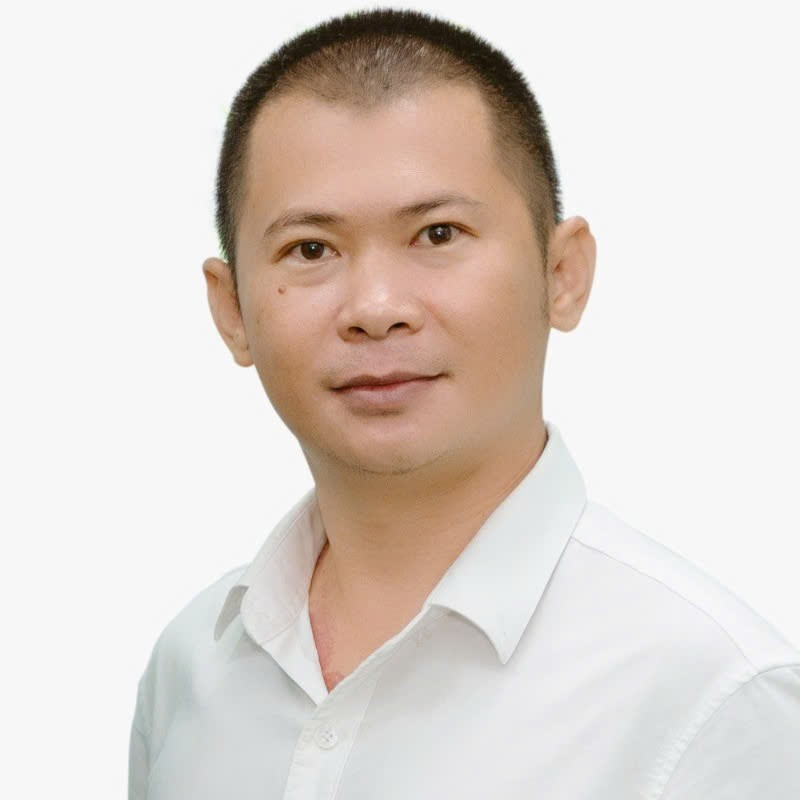
Pham Tien Thanh, co-founder and CEO at STS Software Technology JSC (Saigon Technology), shared this photo. The image was provided by Thanh.
|
How do you see AI being utilized within the small and medium-sized enterprise sector?
The potential of artificial intelligence for small and medium-sized enterprises (SMEs) is immense. Previously seen as a technology exclusive to large corporations, AI has become attainable for smaller businesses too. This powerful tool can optimize processes, improve customer interactions, predict revenue, and identify fraudulent activities. At Saigon Technology, our mission is to make AI readily available to SMEs. We’re developing bundled solutions designed for quicker implementation, affordability, and seamless integration. Our objective is to bring AI into mainstream use, turning it into an essential component for routine business choices.
How do you envision AI reshaping the healthcare sector?
The field of healthcare offers tremendous potential for advancements through artificial intelligence. In the last half-decade, our role has been central to developing a U.S.-based health information management platform, eventually purchased by an eminent venture builder in America. Through this initiative, we gained profound understanding into intricate issues like ensuring data compatibility across systems, safeguarding patient confidentiality, and enhancing clinical processes efficiency.
We see AI revolutionizing healthcare through predictive diagnostics, patient engagement, and operational efficiency. By automating administrative tasks, AI can reduce the burden on medical staff and assist with early disease detection. However, it’s essential to design these solutions with compliance and patient safety as top priorities.
In what ways is Saigon Technology contributing to the shaping of the future of financial services through artificial intelligence?
The evolution of Fintech is accelerating, with Artificial Intelligence playing a pivotal role in this change. Our team collaborates with clients to develop credit assessment tools, forecast consumer actions, and create anti-fraud mechanisms—all driven by AI technology. The pace here is swift: constructing, evaluating, and enhancing models occurs instantaneously, enabling us to offer advanced, expedient, and robust financial services. Through crafting expandable AI-driven answers, our objective is to assist fintech businesses remain prominent amidst growing competition.
What does the future hold for Saigon Technology?
Our priority is enhancing our research and development efforts in artificial intelligence and strengthening our proficiency. Concurrently, we aim to expand our footprint in major markets such as the United States, Australia, Germany, and northern parts of Europe. Despite being proud of our progress so far, our objective stays constant: providing top-tier software development services worldwide from Vietnam. This is only the start of an exciting voyage.
by admin | Apr 16, 2025 | artificial intelligence, automation, autos, technology, technology industry
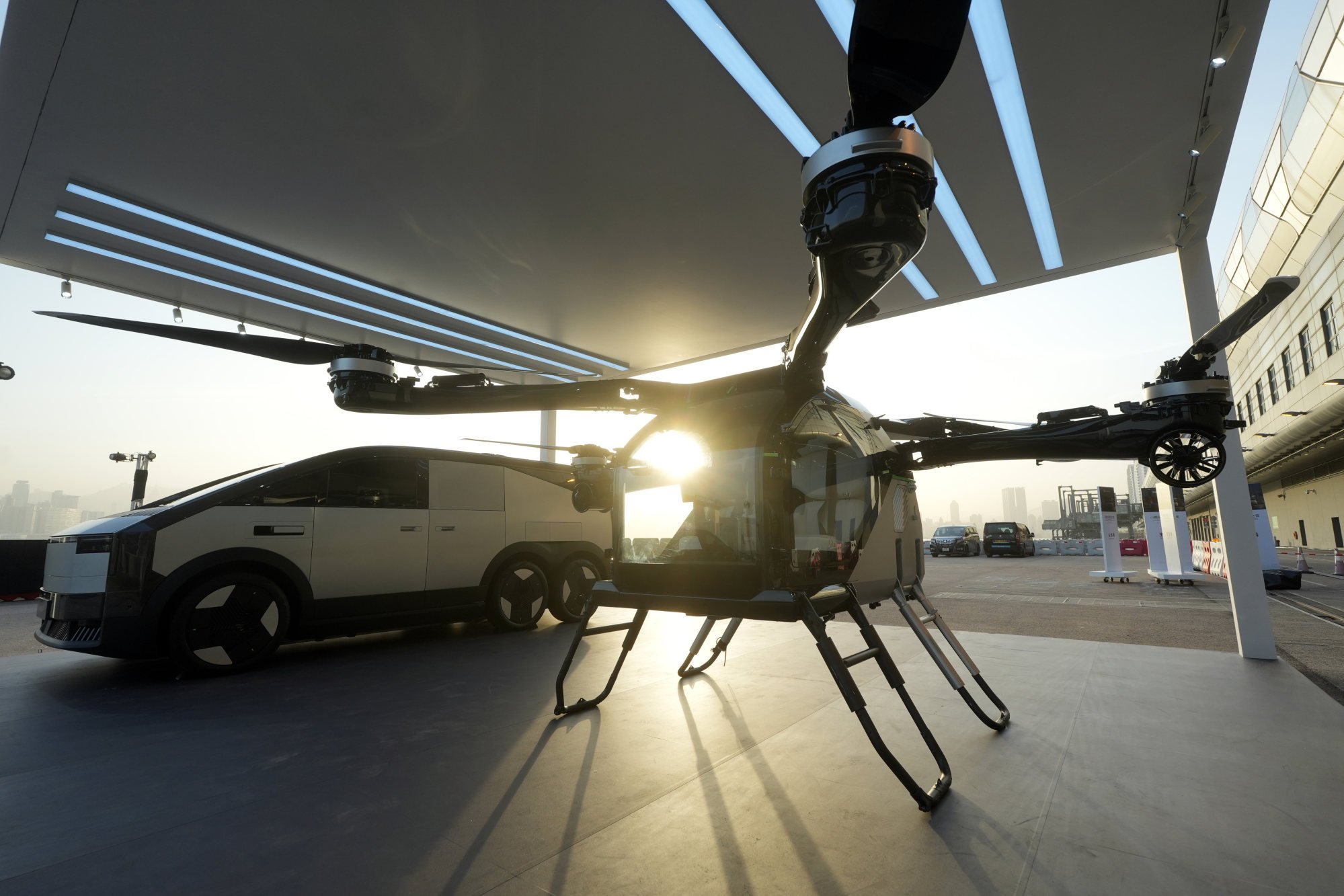
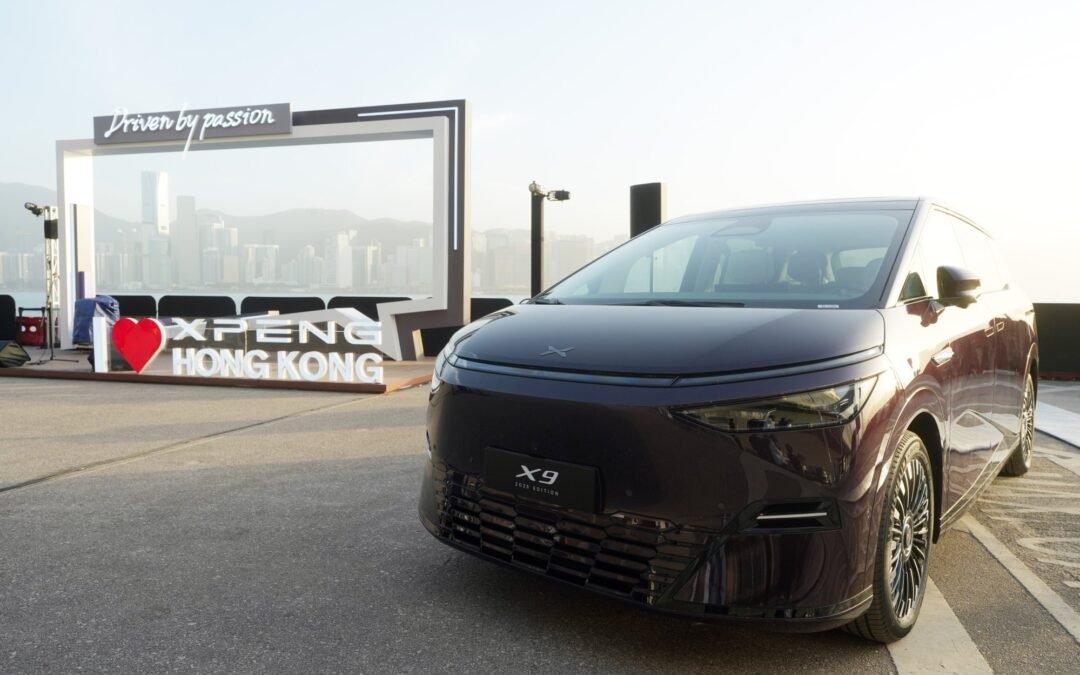
The Turing AI chip developed by Xpeng has triple the computational capability compared to the Nvidia chip currently used in their electric vehicles.
The Chinese electric vehicle (EV) manufacturer Xpeng
has accelerated the development of its proprietary artificial intelligence (AI) chip for use in its semi-autonomous vehicles. The initial mass-produced models equipped with the Turing chip could be available as soon as this quarter.
The chip, reportedly outperforming Nvidia’s Drive Orin X, will be utilized across all of its manufacturing models as the electric vehicle company showcased its advanced technology solutions, according to CEO He Xiaopeng during an interview. Additionally, this chip might also drive the development of flying vehicles and robots by associated enterprises, he mentioned further.
“We aim to have our chips featured in our vehicles globally in the coming years,” he stated to the Post from Hong Kong. “Our expectation is that traffic regulations in Hong Kong and various international markets will permit our autos equipped with autonomous driving technology to hit the roads possibly as early as next year.” He refrained from specifying which electric vehicle model would initially incorporate their proprietary chip.
Are you curious about the most significant issues and global trends? Find out here with
SCMP Knowledge
Our updated platform features handpicked content including explainers, FAQs, analyses, and infographics, all provided by our acclaimed team.
The individual, who is also the founder of the company, made these comments prior to Xpeng’s Global Brand Night event in Hong Kong on Tuesday. During this event, which showcases the electric vehicle manufacturer’s newest offerings such as drones and an autonomous driving platform, various products and technologies will be presented.
The realm of intelligence has emerged as the latest frontier where automotive companies vie against each other in China’s fiercely competitive market. According to the CEO in August, XPeng’s Turing chip, engineered for Level 4 (L4) self-driving features, boasts triple the computational prowess compared to NVIDIA’s Drive Orin X currently utilized in their intelligent cars.
The chip, which serves as the brain of Xpeng’s AI platform called Canghai, represents the Guangzhou-based automaker’s ambition in creating a comprehensive, full-stack solution.
indigenous autonomous driving technology
Since its founding in 2014, for mass-producing electric vehicles in mainland China.
Currently, Xpeng’s models like the P7 sedan and G6 SUV can autonomously drive on the highways and roads of Mainland China, yet drivers must remain vigilant with their hands on the steering wheel at all times. These vehicles fall under the semi-autonomous category and are classified as L2+ systems.
Level 3 is seen as a “minimal intervention” system, yet it still demands that drivers remain vigilant and prepared to intervene at any time, whereas Level 4 would permit drivers to divert their attention from the road within specific zones, adhering to guidelines established by SAE International based in the United States.
Last month, Xpeng announced plans to trial its artificial intelligence-driven autonomous driving technology in Hong Kong, marking their initial move toward global expansion with their partially automated cars.
David Zhang, the general secretary of the Shanghai-based International Intelligent Vehicle Engineering Association, stated, “Chinese automakers such as XPeng have shown they outperform Tesla in terms of autonomous driving features when navigating congested streets on the mainland. However, these technologies are primarily designed for local use and aren’t yet as globally applicable as Tesla’s Full Self-Driving (FSD) system.”
Nevertheless, Tesla’s FSD software, which was made available in Mainland China for 64,000 yuan (US$8,776) in February, reportedly lags behind Xpeng’s driver-assistance technology when it comes to interpreting lane markers and detecting traffic signals, as stated by Zhang.
Last year, Xpeng extended the availability of its initial self-driving technology, called X NGP or Navigation Guided Pilot, to every city on the Chinese mainland. This move aimed to draw additional customers before Tesla launched its Full Self-Driving (FSD) software in China. Consequently, Xpeng was the first company to provide a semiautonomous driving system across the entire country.
AeroHT, affiliated with Xpeng, is also one of the top companies developing flying vehicles on the Chinese mainland.
Tesla leads the premium electric vehicle market in mainland China. Xpeng,
Shanghai-based Nio
and Li Auto, headquartered in Beijing, is seen as one of China’s top answers to the dominant player in the market.
More Articles from SCMP
Bali in Indonesia sounds the warning about an increase in fake marriages aimed at bypassing legal restrictions.
4 ways to truly ‘complete’ your ensemble with elegant neckwear from Hermès, Charvet, Paul Smith, and Ferragamo can inject some flair into any sophisticated man’s suit as he navigates through city life.
Dutch exports to China have declined sharply as ASML, a leading manufacturer of semiconductor equipment, works through its backlog following U.S. restrictions.
Ex-aide of Taiwan’s security boss removed from DPP due to espionage claims
The article initially appeared on the South China Morning Post (www.scmp.com), which is the premier source for news coverage of China and Asia.
Copyright © 2025. South ChinaMorning Post Publishers Ltd. All rights reserved.