by admin | Apr 1, 2025 | foreign policy, international relations, military, news, politics
The German foreign minister states that U.S. President Donald Trump’s attempts to establish a ceasefire in Russia’s continuous conflict with Ukraine have hit an impasse. However, his Chinese counterpart asserts that it is positive news that negotiations for peace between Washington and Moscow persist.
Upon arriving unexpectedly in Kiev, German Foreign Minister Annalena Baerbock stated that because of the stalemate between the United States and Russia regarding a truce agreement, it is absolutely essential that European partners continue supporting Ukraine during this conflict.
Nevertheless, during his trip to Moscow, Chinese Foreign Minister Wang Yi stated on Tuesday that “some progress has been made” regarding Washington’s efforts to halt the Kremlin’s ongoing full-scale invasion, which is currently entering its fourth year.
During an interview with the Russian state news agency RIA Novosti, he stated that Beijing backs the objective of achieving “a just, long-term,binding peace accord agreeable to all sides concerned.”
The Kremlin spokesperson, Dmitry Peskov, stated that Wang is set to have meetings with President Putin and the Russian Foreign Minister, Sergey Lavrov, on Tuesday; however, additional specifics were not provided.
No end in sight
On Sunday, Trump rebuked his Russian and Ukrainian counterparts, Vladimir Putin and Volodymyr Zelenskyy, voicing dissatisfaction over the ongoing conflict despite his promise to end it within 24 hours.
Trump insisted progress was being made in the negotiations his administration is leading, but also said he would consider imposing further sanctions on Moscow over its latest attacks. He also accused Zelenskyy of trying to back out of a deal with the US on access to Ukraine’s mineral resources.
Putin has essentially dismissed Trump’s suggestion of a 30-day halt to the conflict. Negotiations for a limited truce in the Black Sea aimed at ensuring safer passage for civilians have fallen apart due to demands set forth by Russian officials from the Kremlin.
According to the Institute for the Study of War, a Washington-based think tank, Russia is holding out on a Black Sea deal in order to “stall efforts toward a general ceasefire and extract additional concessions from the West”.
Putin maintains that Russia seeks a thorough accord guaranteeing a permanent resolution, yet Kiev staunchly opposes his conditions for territorial compromises and constraints on Ukraine’s international diplomacy.
Ukraine has likewise claimed that Putin has deliberately presented extreme conditions in negotiations with the aim of delaying any concrete deal.
In the meantime, Russian troops have kept trying to advance in eastern Ukraine, as experts say Moscow is getting ready for a major spring offensive along approximately 1,000 kilometers of frontline.
The authorities stated that the previous evening marked the first time in over five months that Russia did not launch any Shahed drones against Ukrainian targets. However, Andrii Kovalenko, who leads the disinformation counterunit within Ukraine’s Security Council, cautioned that this did not indicate any shift in Russia’s tactics.
“For the moment, this has no significance,” he stated on Telegram.
by admin | Mar 31, 2025 | culture, europe, foreign policy, international relations, politics
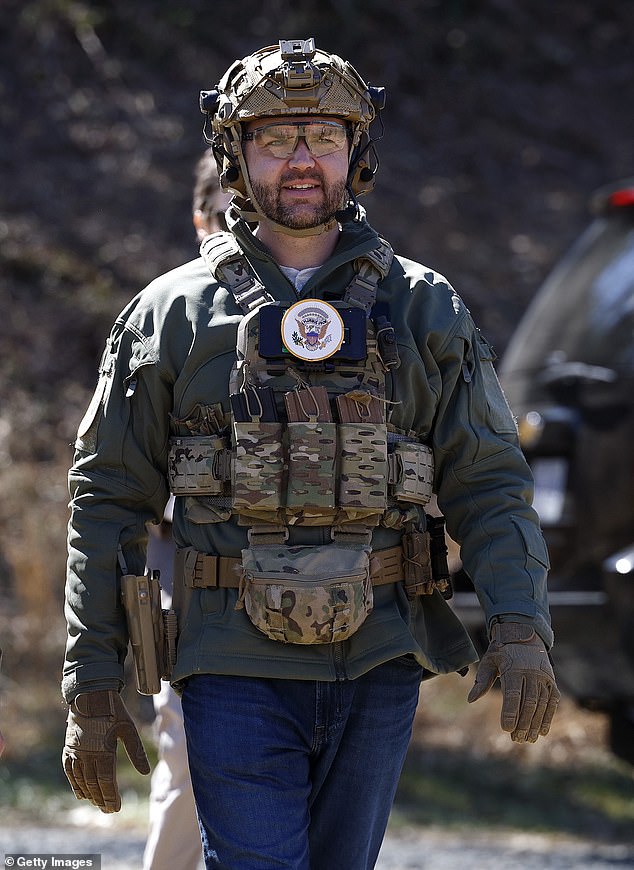
JD Vance
Has “no contempt” for Europe and its inhabitants, yet takes issue with the ‘detached’ EU bureaucratic leadership who have overlooked the principles and liberties that render it ‘worthy of protection,’ according to his British guide.
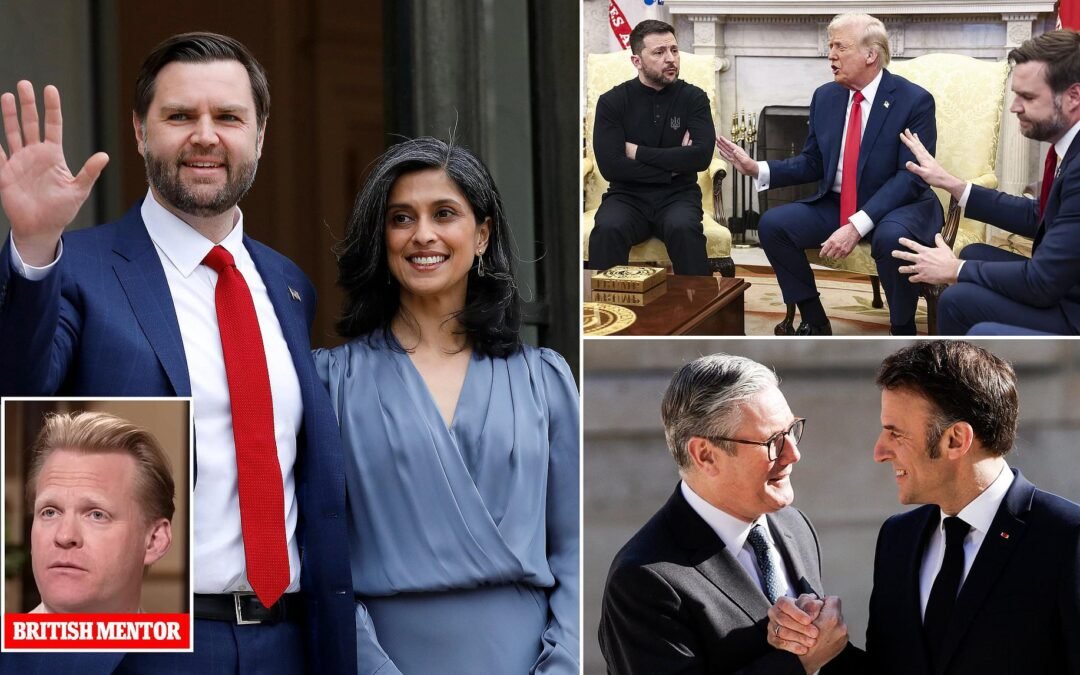
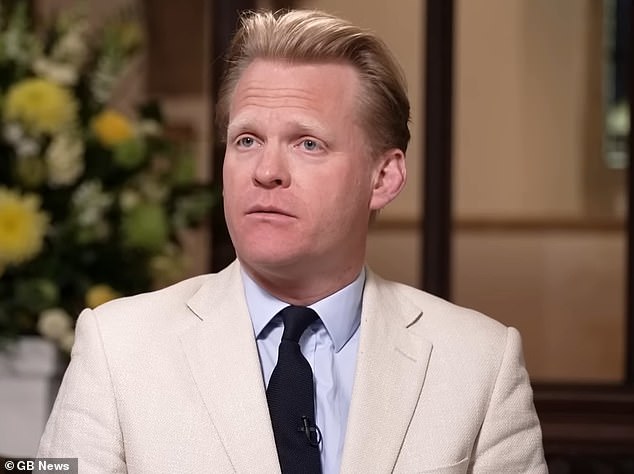
Dr. James Orr from Cambridge, referred to as “the English philosopher king akin to JD Vance,” has earned this title.
Donald Trump
The Vice-President affectionately refers to him as his ‘UK Sherpa.’
Leaked communications have shown that Mr. Vance referred to several European countries as ‘pitiful freeloaders.’
Dr. Orr mentioned that instead of being against Europe, Mr. Vance, along with his wife Asha and their three children, selected the United Kingdom as their vacation spot for their family trip in 2023. Dr. Orr has also shared some time with them.
France
.
However, the British scholar has outlined the exasperation felt by his acquaintance toward European political figures and the necessity of providing financial support to Ukraine.
NATO
with US tax dollars.
The British professor stated: “In my opinion, their perspective seems to be, why should we pay? If we are supporting defense expenditures for nations that have lost sight of what they stand for—forgotten the principles that bind Europe and America together such as free speech, freedom of association, free assembly, and fair elections—then something is clearly wrong.”
Doctor Orr and Vice-President Vance are good buddies who initially crossed paths roughly seven years back via common acquaintances.
They were together when the President was assassinated.
Pennsylvania
Last July, they also had dinner at the
Senate
in Washington
DC
Just before Mr. Vance was summoned to Mar-a-Lago and requested to become Mr. Trump’s running mate.
They frequently exchange texts and calls, which apparently include instances of him criticizing Volodymyr.
Zelensky
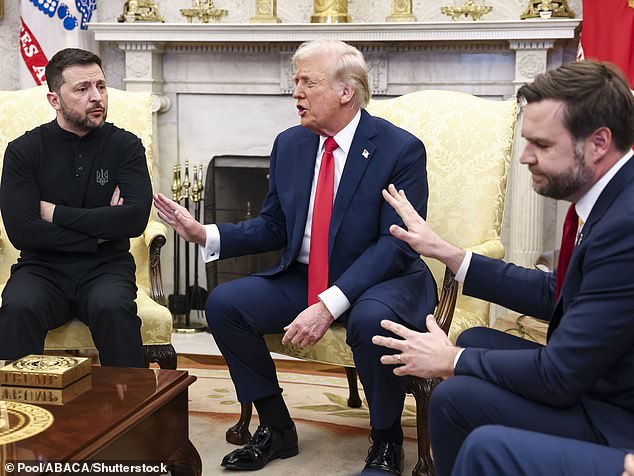
In the Oval Office, which has become one of the most discussed political events in recent times.
Dr. Orr stated, “I can address this quite simply. There was no prior planning for that meeting. No forethought involved. It occurred spontaneously. It was an unstructured discussion that ideally should not have taken place with the public viewing.”
He also claimed:
-
Donald Trump is not a ‘monarchical or tyrannical figure’;
-
JD Vance dislikes Putin, yet advocates for peace in Ukraine due to his concerns over the strengthened relationship between China and Russia following the 2022 invasion.
-
The leak of signals-related messages will likely be forgotten within a month. However, these revelations indicate that Trump’s administration is conveying the same information both publicly and privately.
Talking with the BBC’s Today Podcast
with Nick Robinson and Amol Rajan, Dr Orr was clear he knew it was not a pre-planned attack on Zelensky for a fact – and crucially did not deny it was because JD Vance had told him.
“If Trump were portrayed as a monarchic and oppressive leader, with JD, the vice president, merely acting as his mouthpiece, we would not have witnessed such an event. He wouldn’t have felt entitled to express himself so openly during that meeting,” he noted.
Dr. Orr, an Associate Professor specializing in the Philosophy of Religion, works at the
University of Cambridge
, has conducted an interview disclosing his friend’s true opinions about Europe, Ukraine, and Russia.
China
– And how Donald Trump has bolstered him in his position.
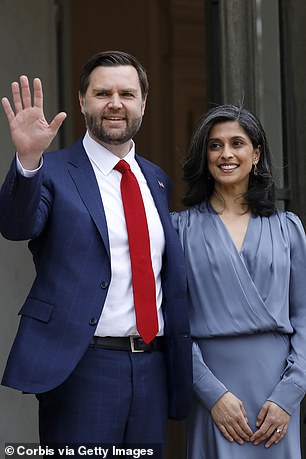
He states that JD Vance is not supportive of Vladimir Putin and Russia, yet he opposes the ‘warmongering’ advocated by certain former White House administrations and their advisers.
Peace in Ukraine would reduce the likelihood of a broader conflict, as the primary concern for the Trump administration has been the strengthened relationship between China and Russia since 2022, according to him.
“He doesn’t have any liking for Putin whatsoever, and he isn’t fond of Russia either,” Dr Orr said to the BBC.
However, one of his major grievances is that the Ukraine War violates a fundamental principle of American foreign policy – the conflict has united Russia and China. This development is extremely concerning.
‘He will need to hold back from criticizing Putin and Russia for de-escalation.’
However, the reality is that we have moved closer to embarking on the pathway to peace since the conflict started in February 2022.
Leaked messages on Monday showed Vance lamenting having to ‘bail out Europe again’ as US officials discussed military action that would unblock trade routes in the Suez Canal, where 40 per cent of European trade runs through compared to three per cent of US trade.
Pete Hegseth, the United States Secretary of Defense, later expressed his agreement with the sentiment against European freeloaders and described the scenario as ‘pitiful.’
Trump subsequently concurred with the remarks, questioning why Europe only has to contribute $100 billion, while the U.S. is expected to provide $350 billion in assistance.
Ukraine
.
Dr. Orr has minimized the severity of the crisis surrounding the leaked WhatsApp messages.
‘A month from now, nobody will remember this,’ he forecasted.
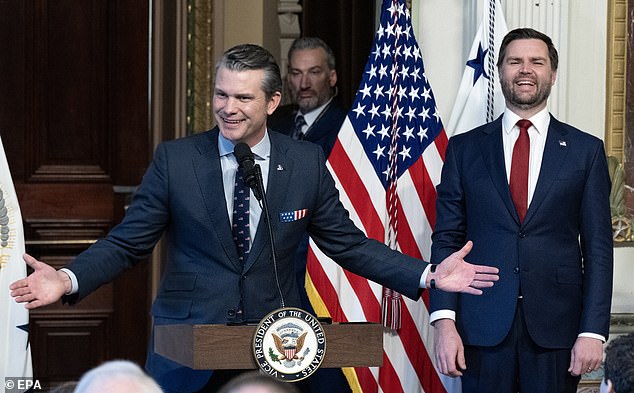
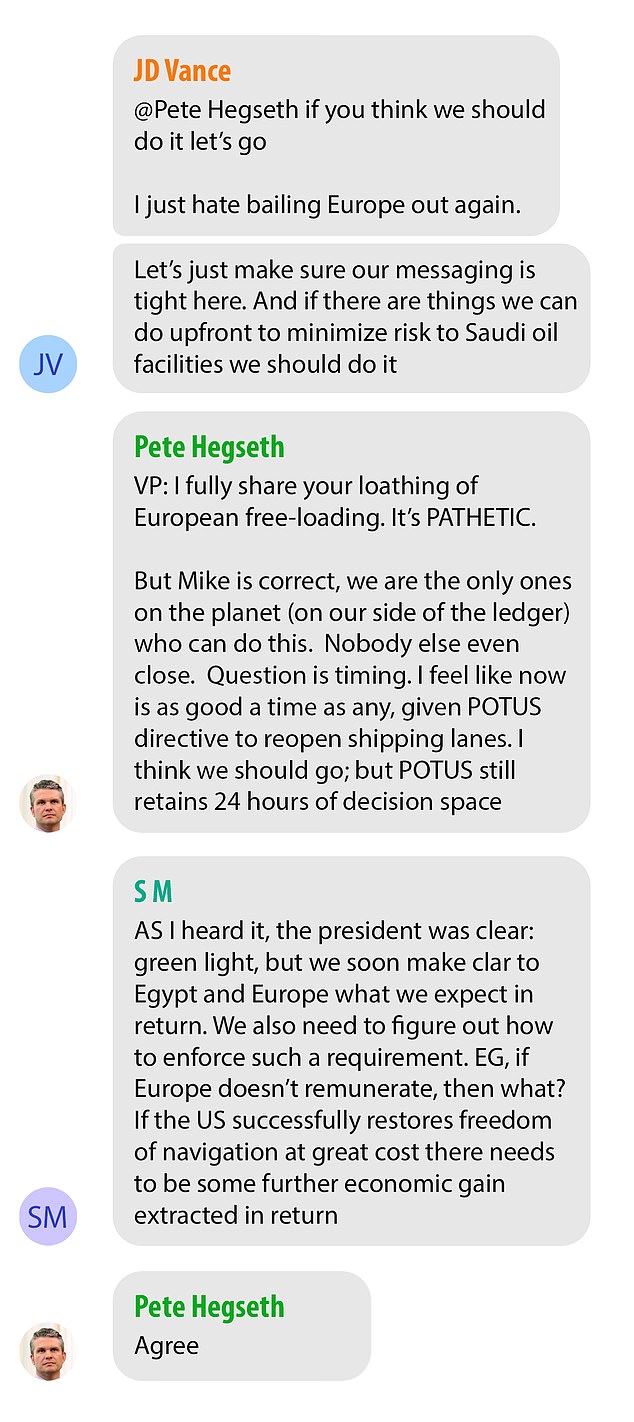
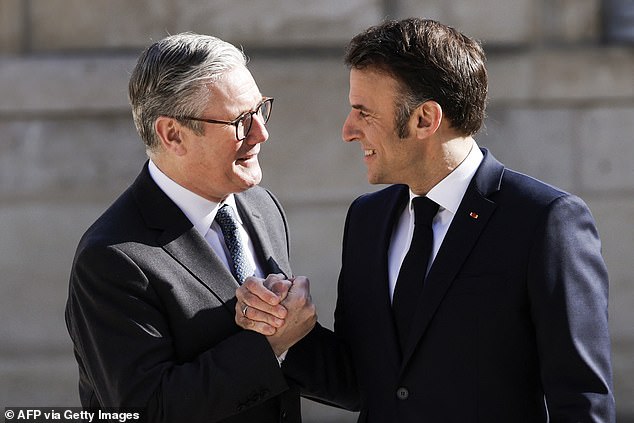
He continued: “The message from the group chat aligns closely with what was conveyed in the Munich speech. Essentially, the core idea behind the Munich address was that the leaders are overlooking the principles which make Europe worthy of protection.”
I honestly believe that the Special Relationship hasn’t really benefited us much. However, if we consider the figures, every year about $1.3 trillion goes into NATO’s budget, with the U.S. contributing approximately $830 billion. This happens as they face unprecedented national debts. Poverty is widespread, especially among areas associated with JD and the MAGA movement.
When he discusses Europe, particularly in the group chat, he isn’t considering the European people or us as Europeans.
He is particularly focused on what he perceives as disconnected EU bureaucrats who are becoming less accountable to those they represent and are growing more disliked among their constituents.
Dr. Orr indicates that Mr. Vance is distressed due to the inability of European nations to safeguard fundamental democratic liberties.
Actually, he argues that the messages from what is known as the Signal scandal reveal how JD Vance and other high-ranking officials within the Trump administration express identical views both publicly and privately.
Dr. Orr mentioned, “If you observed the group chat, I felt that he appeared as a considerate and autonomously thinking college student who wasn’t imposing his views. He was gently disagreeing with the stance presented, doing so respectably.”
We frequently concern ourselves with the insincerity of politicians. They say one thing in private settings.
Actually, as we learned from the group chat, they exhibit complete uniformity in both their methods and mindset. The alignment between their public statements and the information shared within the group chat is so precise that not even a cigarette paper could separate them.
Read more
by admin | Mar 30, 2025 | africa, controversies, foreign policy, government, politics
President Félix Tshisekedi has deftly characterized the M23 insurgency as an assault on the Democratic Republic of Congo’s sovereignty, suggesting that members are outsiders without legitimate concerns. Some global figures have bought into this view, yet the situation is much subtler. Comprised primarily of native Congolese individuals advocating for their civil liberties and urging adherence to previous accords disregarded by the state, the M23 presents itself differently.
Despite periodic shifts in official positions regarding talks, President Tshisekedi persistently brands the M23 as external foes unworthy of discussion, deflecting responsibility onto Rwanda to mask deficiencies within his own army. Nevertheless, leading African statesmen such as Julius Nyerere from Tanzania, Nelson Mandela and Thabo Mbeki from South Africa, Paul Kagame of Rwanda, and William Ruto now serving as Kenya’s president, along with others, recognize the M23 as essentially domestic actors—an assertion at odds with Tshisekedi’s inconsistent statements wherein he concedes their national character but declines engagement, blaming Rwanda for infringing upon DR Congo’s borders.
The complexity intensifies when one considers the UN-designated genocidal faction known as FDLR operating inside eastern DRC since 2001. Curiously, President Tshisekedi collaborates with this outside entity to counteract the M23, acknowledging their indigenous status intermittently. Such alliances raise questions about which party genuinely breaches DR Congo’s territory.
For upwards of thirty years, eastern regions of DRC have grappled with over two hundred militant organizations, both local and foreign entities like the Ugandan-origin ADF included. Although ongoing unrest persists, minimal action has been taken towards dismantling these groups or securing long-term solutions internationally. Yet, once renewed hostilities began in 2021 due to broken pledges, governmental integration occurred rapidly—transforming assorted paramilitary units under new patriotic designations regardless of prior abuses committed.
Kinyarwanda speakers in Congo, notably ethnic Tutsis, endure chronic peril largely unnoticed globally. Decades-long exposure to insurgent attacks frequently supported covertly or overtly by authorities adds urgency to their plight. As a result, the M23 emerges distinctively as adversaries resisting institutional injustices imposed collectively by Kinshasa and allied powers. Consequently, they become prime targets of state enmity amidst multiple active rebel contingents locally.
Through strategic manipulation of worldwide press outlets, Tshisekedi portrays the M23 as proxies bolstered externally by Rwanda whilst neglecting involvement by the FDLR. Thus, public attention diverts from failures in resolving disputes directly via dialogues involving the M23. Blaming Rwanda exacerbates turmoil risks adverse repercussions domestically too. False narratives spread widely thanks to backing from Tshisekedi administration alongside select agents amplify pressure compelling Western nations to sanction Rwanda arbitrarily. Paradoxically, listings pairing Rwandan officials and M23 leadership lack substantiation undermining collective problem-solving attempts fundamentally.
Selective reporting further marginalizes refugee experiences across borderlands encompassing Rwanda, Burundi, Uganda, and Kenya stemming from conflicts raging throughout eastern DRC areas typically oversimplified focusing solely economic drivers rather than underlying socio-political dynamics comprehensively. Misrepresentation of the M23’s defiance versus entrenched inequities juxtaposed against convenient omissions concerning partnerships between the regime and extraterritorial fighters complicates understanding thoroughly.
In summary, tensions surrounding the M23 extend beyond mere resource exploitation or boundary preservation—they reflect broader contests challenging oppressive structures systemically embedded historically politically speaking. Refusal by Congolese authority bodies collaborating extensively with overseas irregulars coupled with reluctance engaging constructively with M23 underscore fundamental inadequacies confronting resolution prospects holistically. Unless comprehensive acknowledgment occurs universally holding each stakeholder culpable realistically, cycles perpetuating bloodshed risk enduring unabated within eastern parts of DR Congo predominantly.
Provided by Syndigate Media Inc. (
Syndigate.info
).
by admin | Mar 30, 2025 | foreign policy, international relations, news, politics, ukraine
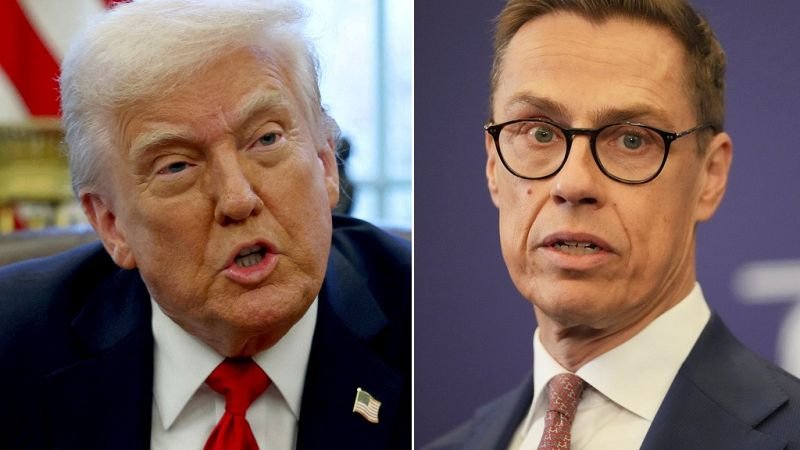
The Finnish President, Alexander Stubb, stated that he encouraged US President Donald Trump to establish a timeframe for a cease-fire in Ukraine with the aim of concluding the conflict. This statement came following his unexpected trip to Florida.
On Saturday, Stubb unexpectedly traveled to the United States where he met with Trump in Florida. They talked about enhancing the relationship between their two nations and also participated in a golf tournament together.
In London on Sunday, Stubb addressed Finnish journalists and mentioned that they talked about the conflict in Ukraine. He reaffirmed Finland’s and Europe’s backing for Ukraine and stated their belief that the war had been initiated exclusively by Russia.
He mentioned that he encouraged Trump to think about establishing a deadline for a cease-fire with the aim of accomplishing this objective: “A cease-fire needs to happen within a specific timeframe, and to ensure it occurs promptly, a set date is essential. Our conclusion was that April 20th would be an appropriate day for a comprehensive cease-fire devoid of any preconditions.”
Stubb also mentioned that he contended 20 April would be perfect “as it falls on Easter and since President Donald Trump will have completed three months in office.”
Following their discussion, Trump shared on his social media platform Truth Social, “Presidents Stubb and I anticipate enhancing the collaboration between the United States and Finland. This will involve acquiring and developing numerous essential icebreakers for the U.S., which will contribute to peace and international security for both our nations and the world.”
![]()
Shortly following his encounter with Stubb, the President of the United States did so.
said during an interview
He expressed being “extremely angered” and “furious” with Russian President Vladimir Putin following his criticism of Ukraine’s leader, President Volodymyr Zelenskyy, last Friday.
Elaborating further on his rationale, he stated, “With new leadership, there won’t be a deal for quite some time, correct?”
Trump has stated that he anticipates speaking with Putin later this week.
by admin | Mar 30, 2025 | asia, foreign policy, international relations, military, politics
Experts suggest that India’s naval diplomacy aims at fostering trust and providing a ‘non-confrontational’ alternative to China’s investment strategies.
India
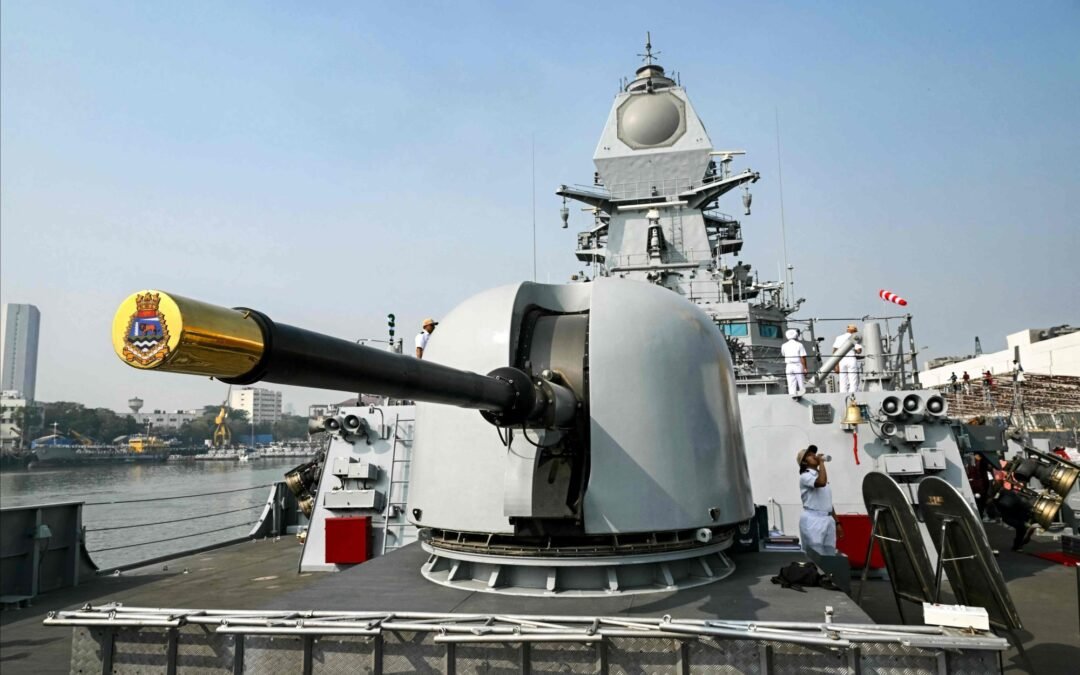
is scheduled to commence its initial significant maritime drill involving 10 African countries next month, indicating its expanding strategic aspirations.
The Africa-India Key Maritime Engagement (AIKEYME) drill will be conducted off the coast of Dar es Salaam.
Tanzania
In mid-April, amidst New Delhi’s expanding military engagement on a continent where China has historically held significant influence.
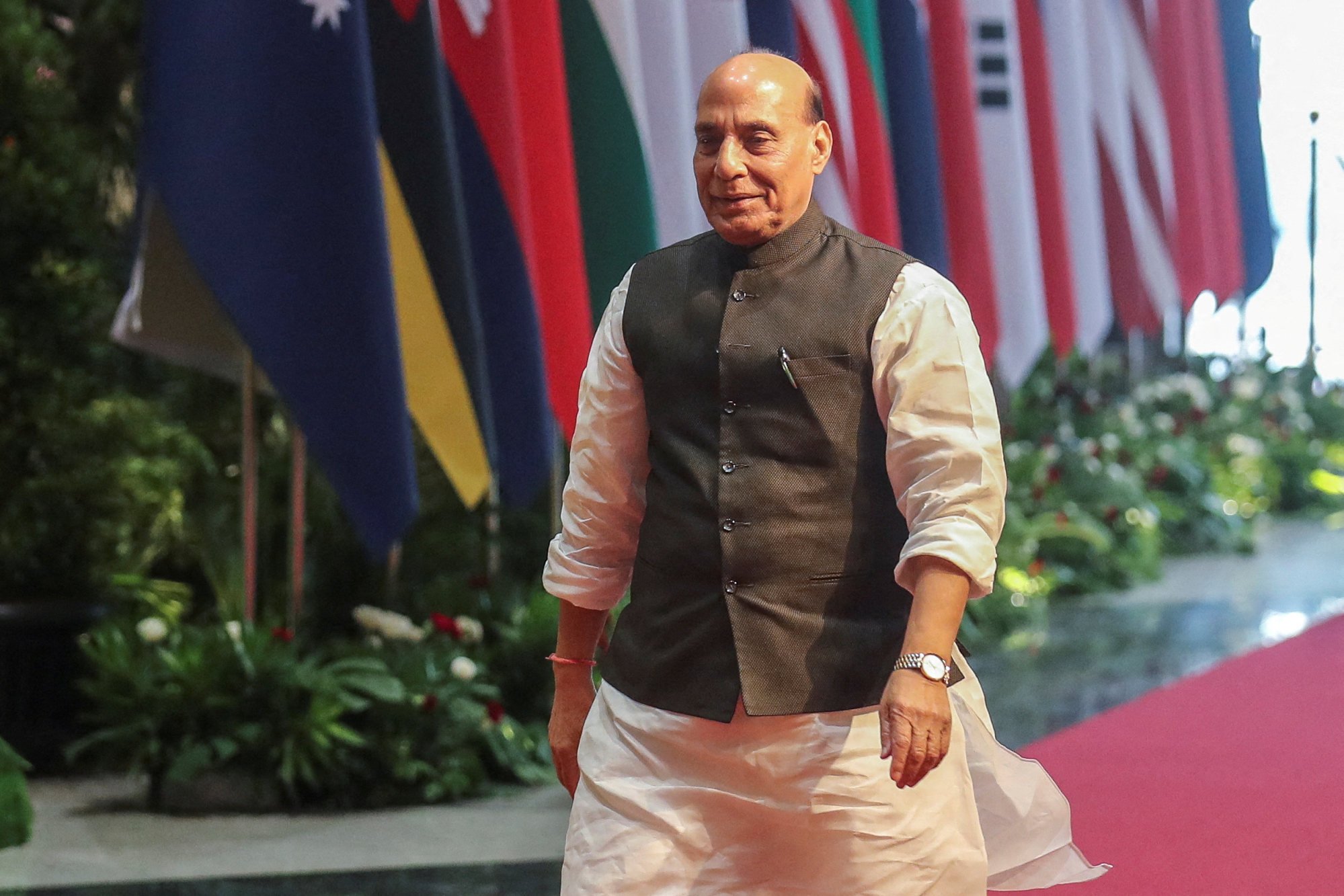
The Indian Defense Minister, Rajnath Singh, will kick off the six-day drill, where India will be co-hosting alongside the Tanzania People’s Defence Force. This gathering will assemble navies from various countries including Comoros, Djibouti, Eritrea, Kenya, Madagascar, Mauritius, Mozambique, Seychelles, and South Africa.
Are you curious about the most significant issues and global trends? Find out here.
SCMP Knowledge
Our latest platform offers carefully selected content including explainers, FAQs, analyses, and infographics, all provided by our acclaimed team.
This exercise represents a significant move in India’s maritime diplomacy, strengthening its position as a regional security contributor and enhancing both strategic and economic connections with Africa, asserts Robinder Sachdev, an expert in international relations and the founding president of the Imagindia Institute, a Delhi-based research organization.
India’s naval activity in the area isn’t completely unprecedented. The nation currently runs a coastal radar monitoring system across Mauritius, Seychelles, and the Maldives through its Integrated Coastal Surveillance System. However, “AIKEYME enhances the level of combined operational preparedness,” as noted by Sachdev, thereby facilitating quicker and better-coordinated reactions to marine security challenges.
He stated that strategically, this exercise strengthens India’s role as a dependable and non-coercive maritime ally, especially in nations such as Mozambique and Tanzania, where India maintains significant interests in LNG and ports.
Sachdev stated that AIKEYME held significant geopolitical importance as it aligned with the policy objectives of the
United States
And other democratic allies were also mentioned. He stated, “The United States has continually urged partners such as India to assume more significant responsibilities in ensuring regional security, particularly within the Indian Ocean and the broader Indo-Pacific region.”
A ‘managerial role’
The scheduling of AIKEYME is not accidental. China, with its vast
Belt and Road Initiative
has solidified its position as Africa’s biggest trading partner and lender, with official statistics indicating that commerce between them totaled $295 billion last year. China has additionally set up a military presence in Djibouti and significantly increased investment in East African ports and infrastructure.
India’s action is seen as a deliberate strategy to offset Beijing’s increasing clout, according to experts. Analysts suggest that East Africa holds significant strategic importance for India across various sectors such as energy resources. In this light, they believe this specific combined naval drill will enhance India’s reputation as a trustworthy ally in Africa. As stated by C. Uday Bhaskar, a retired Indian navy official and director of the Society for Policy Studies research organization, “This military exercise underscores India’s commitment to strengthening ties with African nations.”
He recognized the difficulties involved, though. Given that China’s economic assets vastly exceed those of India, Bhaskar suggested that Delhi should concentrate on fostering good relations instead of attempting to compete with China financially.
“It would be perfect if India and China could both collaborate to support Africa, but achieving this would demand significant political acumen and cooperation from both nations,” he noted.
Alongside AIKEYME, there’s another pioneering effort known as the Indian Ocean Ship Sagar. Between mid-April and early May, the offshore patrol ship INS Sunayana will operate with a mixed crew consisting of Indian naval officers alongside servicemen from nine African countries such as Kenya, Madagascar, and South Africa. This team will carry out combined patrols within the exclusive economic zones of Tanzania, Mozambique, Mauritius, and the Seychelles. During these operations, they’ll also make stops at ports like Dar es Salaam, Nacala, Port Louis, Port Victoria, and Malé.
Dongkeun Lee, a defense studies academic from the Strategic and Defence Studies Centre at the Australian National University, noted that this initiative underscored India’s ambition to assume a “management position” within the Indian Ocean region.
While the Western Indian Ocean is frequently excluded from discussions about the Indo-Pacific, especially within U.S. circles, India views the region as an integral part of the Indo-Pacific concept,” he stated. “Furthermore, several African nations participating in naval drills are situated in the Western Indian Ocean, highlighting India’s desire to play a leading role throughout the larger area.
Lee stated with certainty that China intended to broaden its Belt and Road investments throughout Africa. This suggests that programs like AIKEME and Sagar could be viewed as part of New Delhi’s approach to counterbalance China’s growing sway over the larger Indian Ocean area.
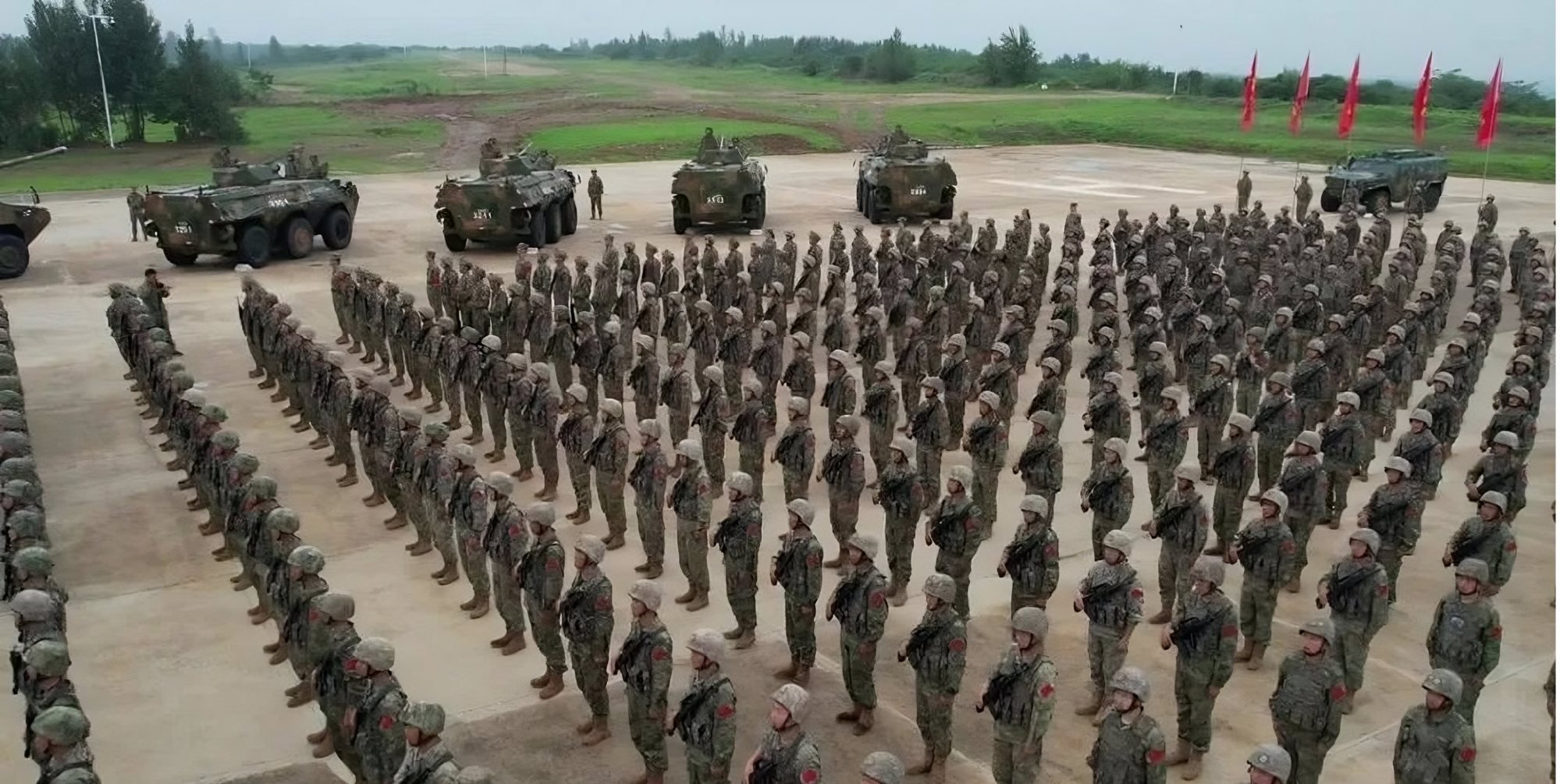
The importance of AIKEYME has grown due to its timing after “Peace-Unity 2024,” a one-month joint military exercise conducted in mid-2024 involving China, Tanzania, and Mozambique. According to Paul Nantulya, a researcher affiliated with the Africa Centre for Strategic Studies at the National Defense University in the U.S., this particular drill marked China’s biggest troop deployment to Africa since 1997.
“It appears AIKEYME was intentionally made bigger than Peace-Unity 2024. Since China hasn’t held any exercises in Africa for 2025, it will be intriguing to see their response to this upcoming Indian effort,” Nantulya commented.
India’s economic involvement in Africa began before China started engaging with the continent, he stated. “India boasts a significantly larger native populace that forms an integral part of Africa’s demographics, arriving in the 17th century and actively participating in the region’s political landscape, particularly during its fight for freedom,” explained Nantulya.
This indicates that they possess an edge since they assimilate with African communities and turn ‘native’ in a manner that Chinese enclaves do not.
Economic, strategic stakes
According to the Confederation of Indian Industry, India’s commerce with Africa amounts to $83 billion, with 90 percent of this volume transacted through maritime channels. In the last ten years, New Delhi has provided approximately $12 billion in credit to 42 African countries, accounting for roughly 40 percent of its international credit pledges.
However, commentators indicate that India’s initiatives appear modest alongside China’s substantial investments. These Chinese investments encompass 643 direct projects totaling $150 billion, as reported by the Hinrich Foundation, a trade sustainability organization based in Singapore.
Sayantan Haldar, a maritime-security specialist with the Observer Research Foundation think tank based in Delhi, views these naval drills as an essential move for India to position itself as a key security ally in Africa.
“Towards this objective, India’s strategic presence within the area is expected to gain significant enhancement,” Haldar stated, emphasizing that converting this progress into an economic aspect would be crucial. He pointed out that India’s main hurdle was China’s extensive economic involvement in Africa.
In order to rival China in Africa, India should refine its strategy and foster stronger economic collaborations.
Sayantan Haldar, maritime-security expert
“Africa has been striving for consistent development collaborations,” Haldar stated. “In this regard, China is considered a vital ally. In order to rival China in Africa, India must refine its strategy and enhance economic alliances. Nonetheless, collaboration on maritime security could serve as a significant foundation for India’s efforts in Africa.”
African countries are facing challenges such as drug smuggling, unauthorized fishing, and piracy—areas where India’s naval experience could offer valuable assistance, according to Bhaskar.
Even with these initiatives, India’s impact in Africa stays restricted due to the absence of permanent diplomatic missions in 16 African nations and its comparatively sluggish implementation of developmental aid.
Sachdev stated that India’s initiatives in Africa do not seek to outcompete China economically, but rather provide a reliable, long-term strategic option. This approach is particularly focused on sectors where China’s debt-fueled, government-dominated strategy has sparked worries amongst African countries.
In September, China hosted leaders from 53 African nations at the ninth summit.
Beijing Forum on China-Africa Cooperation
, ending with a shared statement advocating for a more multipolar global order, along with the endorsement of an action plan designed to enhance collaboration between them in the upcoming years.
More Articles from SCMP
SCMP Top Picks: Newcomer can offer bettors their moment of Triumph at Sha Tin
Daniel Wu’s English classes provide insights beyond what appears at first glance.
Hong Kong Sevens: New Zealand’s Reign Comes to an End as France Mounts a Comeback, Fiji Breaks Spain’s Heart
“Don’t hastily criticize CK Hutchison’s port agreement,” warns Hong Kong legislator.
The article initially appeared on the South ChinaMorning Post (www.scmp.com), which is the premier source for news coverage of China andAsia.
Copyright © 2025. South China Morning Post Publishers Ltd. All rights reserved.
by admin | Mar 28, 2025 | foreign policy, government, military, petroleum, venezuela
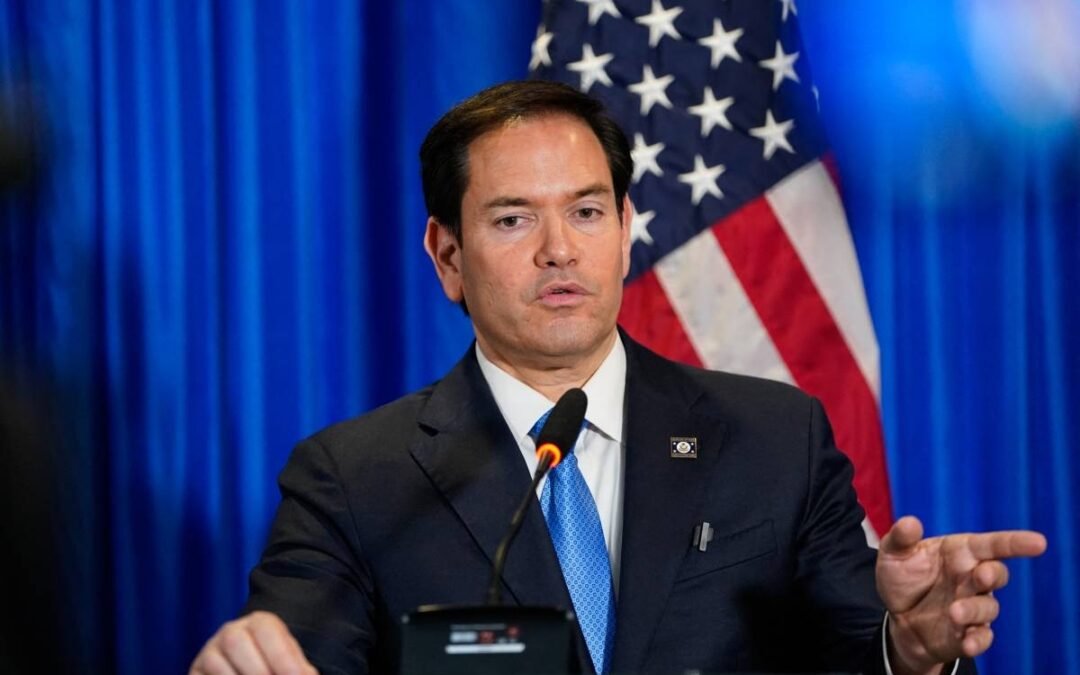
GEORGETOWN, Guyana – On Thursday, high-ranking U.S. official Marco Rubio straightforwardly cautioned Venezuela about potential aggression towards oil-abundant Guyana, emphasizing the might of the United States Armed Forces as a safeguard for the tiny South American country.
Venezuela, led by the left-wing president Nicolas Maduro who is disliked by Cuban-American Rubio, has been asserting its claims over the contested Essequibo area governed by Guyana with greater frequency. The country faced accusations recently for allegedly encroaching into the territory.
“I have full confidence saying it now as secretary of state — there will be consequences for adventurism. There will be consequences for aggressive action,” Rubio told a joint news conference on a visit to Guyana.
When asked about the potential U.S. response if Venezuela were to attack ExxonMobil’s oil operations in Guyana, Rubio stated: “That would turn into a very bad week – a very bad week indeed for them.”
Abstaining from explicitly mentioning a military strategy, Rubio stated: “Our naval forces are substantial and capable of reaching nearly every corner.”
Maduro reacted furiously to the threat, labeling Rubio as an “idiot” and stating, “No one threatens Venezuela.”
During his time in Guyana, Rubio entered into an accord aimed at enhancing security collaboration between the two nations, which involves increased data exchange. This development follows several years after Guyana and the United States consented to conduct shared naval missions.
The President of Guyana, Irfaan Ali, expressed his approval of Rubio’s position, who described Venezuela’s assertions as “unlawful.”
“I am highly satisfied with the assurance from the U.S., which guarantees the protection of our territorial integrity and sovereignty,” stated Ali.
The Venezuelan Foreign Minister Yvan Gil stated in aTelegram message that Venezuela does “neither require nor pursue conflicts; however, we also won’t permit foreign interests to attempt altering the truth regarding our Essequibo.”
He added, ‘Take your noses out of this dispute!’
Mauricio Claver-Carone, the U.S. special envoy for Latin America, previously stated that the United States foresaw a future “binding” security alliance with Guyana akin to the one seen in the Gulf area, wherein American forces safeguard oil-rich Arab monarchies, notably from threats posed by their bigger neighbor, Iran.
Later, Rubio went to visit nearby Suriname, where oil production has likewise seen an increase.
The US aims for an edge over China.
Guyana, an English-speaking country that was formerly a British and Dutch colony, remains home to most of its 800,000 inhabitants living in poverty. For many years now, this nation has hosted a small but persistent group advocating for Guyana’s integration into the United States.
This kind of official inclusion wasn’t part of the plan, yet Trump hasn’t hidden his enthusiasm for expanding influence in the Americas, sometimes even at the cost of long-standing partnerships.
The wealthy Republican has pledged to seize control of Greenland from Denmark and reclaim the Panama Canal, citing increasing Chinese dominance.
Even though Exxon has been dominant in the oil sector, China — considered by the Trump administration as the primary global rival — has swiftly gained ground in Guyana through various infrastructure initiatives such as upgrading the international airport which Rubio arrived at.
Trump has proposed imposing major fees on vessels linked to China, but the idea has hit opposition from US farmers as well as Caribbean nations which say they have little option and will take a hit.
Rubio stated that it was “risky for just one nation worldwide to construct all the vessels.”
However, departing from Trump’s typical hardline stance, Rubio recognized the worries expressed by Caribbean countries and mentioned that he would suggest US trade officials be aware of the dangers posed by potentially damaging relationships with American allies.
“You can be confident that we will convey your message,” Rubio stated.
Rapid oil growth
The legislature in Caracas passed a bill last year to designate the Essequibo area, comprising two-thirds of Guyana’s landmass, as Venezuela’s 24th state, an action dismissed on the global stage.
Guyana maintains that the border was established by an arbitration panel in 1899. However, Venezuela asserts that the Essequibo River to the eastern part of the area serves as a natural boundary, one they claim has been acknowledged since 1777.
ExxonMobil from Texas has become the frontrunner in offshore oil exploration, with operations expanding quickly after the significant discovery of large crude deposits in 2015.
ExxonMobil expects the total production from Guyana to reach 1.3 million barrels per day by the end of the decade, far surpassing the current output levels in Venezuela.
Under pressure from anti-communist Latino lawmakers, the Trump administration has revoked the sanction waiver for U.S. oil company Chevron, which allowed them to continue operations in Venezuela.