
by admin | Feb 15, 2025 | Tips, Travel, Yogyakarta

Discovering Yogyakarta: A Cultural Hub of Indonesia
Yogyakarta, often referred to as Jogja, stands as a testament to the rich cultural tapestry of Indonesia, particularly highlighting Javanese traditions. Renowned for its historical significance, the city serves as a cultural epicenter, markedly influencing the arts, education, and governance of Indonesia. Visitors to Yogyakarta will find themselves immersed in a myriad of cultural experiences that are both enlightening and transformative.
One cannot discuss Yogyakarta’s cultural prominence without mentioning the Sultan’s Palace, locally known as Kraton. This majestic structure functions not only as the residence of the Sultan of Yogyakarta but also as a living museum that chronicles the region’s royal heritage. The Kraton is a focal point for visitors eager to explore traditional Javanese culture, featuring elaborate architecture and exquisite artworks, which collectively narrate centuries of history.
Alongside Kraton lies Taman Sari Water Castle, a historical site that signifies the artistic and architectural ingenuity of the Javanese people. Originally built as a royal garden and bathing complex, it invites travelers to wander through its remnants while contemplating its past utilitarian and spiritual roles in the royal court. As visitors explore these historic sites, they can appreciate the intricate designs and functionality that characterized traditional Javanese architecture.
Furthermore, no exploration of Yogyakarta’s cultural scene would be complete without mentioning the ancient temples of Borobudur and Prambanan. Borobudur, a UNESCO World Heritage site, is the world’s largest Buddhist temple and a symbol of serenity, characterized by its stupas and relief panels. Conversely, Prambanan stands as the epitome of Hindu architecture in Indonesia, showcasing elaborate carvings dedicated to deities, with its majestic spires commanding the skyline. Together, these temples serve as vital points of interest that reflect the diverse cultural influences that have shaped Yogyakarta over the centuries.
The vibrant arts scene in Yogyakarta further enhances its cultural identity. Traditional Javanese dance and music play pivotal roles in community life, with various performances available for tourists. The craft of batik-making, recognized by UNESCO, continues to flourish in the city, allowing visitors to witness the intricate process of this iconic textile art. The fusion of tradition and modernity in Yogyakarta manifests through these artistic expressions, revealing the city’s continuous evolution while preserving its roots.
Culinary Adventures: Must-Try Foods in Yogyakarta
The culinary landscape of Yogyakarta is rich and diverse, reflecting its cultural heritage and local ingredients. A visit to this vibrant city is incomplete without indulging in its traditional dishes that have gained recognition both locally and globally. One of the most iconic dishes you must try is Gudeg, a hearty jackfruit stew that is slightly sweet and typically served with rice, boiled eggs, and tempeh. This dish is often enjoyed for breakfast and is best sampled at established eateries like Gudeg Yu Djum, renowned for its authentic flavors.
Another culinary delight to savor in Yogyakarta is Sate Klathak, which consists of tender skewers of grilled meat, often seasoned with a unique blend of spices. Unlike typical Indonesian satay, Sate Klathak is prepared with mutton and grilled over charcoal, giving it a distinctive smoky flavor. The combination of spices and the method of preparation makes it a favorite among locals and visitors alike. For an authentic experience, visit the stalls in the area around Tlingo, where vendors specialize in this savory dish.
Additionally, Nasi Kucing, or “cat rice,” is a popular street food option that offers a compact portion of rice served with various side dishes, such as fried chicken, chili paste, and tempeh. This meal is perfect for those looking to sample a variety of flavors in one sitting. Numerous food stalls across the city serve Nasi Kucing, making it widely accessible for adventurous eaters.
No culinary exploration in Yogyakarta is complete without trying the local beverages. Wedang jahe, a traditional ginger tea known for its warming properties and strong flavor, is often enjoyed after meals. On hot days, es dawet, a refreshing drink made from coconut milk and rice flour jelly, provides a delectable respite. Street vendors and local cafes serve these beverages, making them easy to find throughout the city. With a plethora of options available, Yogyakarta promises a memorable culinary journey for all its visitors.
Yogyakarta, known for its rich cultural heritage, offers an impressive shopping scene that attracts travelers looking for unique souvenirs and traditional crafts. A visit to this vibrant city would be incomplete without exploring its diverse markets and artisan shops. Among the most notable shopping destinations is Malioboro Street, often regarded as the heart of Yogyakarta’s shopping culture. This bustling street is lined with vendors selling everything from batik fabrics to handmade crafts. Visitors can find beautiful textiles, clothing, and local snacks that reflect the city’s artistry.
Another essential stop is Beringharjo Market, a traditional market that showcases various local products. Here, shoppers can stroll through narrow aisles filled with colorful stalls offering food, clothing, and souvenirs, all while experiencing Yogyakarta’s lively atmosphere. Beringharjo Market is particularly famous for its batik—a traditional Indonesian fabric that features intricate patterns and vibrant colors. Travelers can purchase batik shirts, dresses, and sarongs, making for ideal keepsakes of their journey.
When shopping in Yogyakarta, it is important to celebrate the work of local artisans. Many small shops can be found that specialize in silver jewelry, pottery, and other handcrafted items. These shops not only provide visitors with authentic treasures but also support local craftsmanship. It is advisable to engage with the artisans, ask about their work process, and show appreciation for their skills, adding an enriching dimension to the shopping experience.
Bargaining is a common practice in Yogyakarta’s markets. Shoppers should approach negotiations with respect and a friendly attitude, as this is part of the culture. It is important to establish a fair price while enjoying the interactions with local sellers. Whether seeking batik, silver jewelry, or unique handmade crafts, Yogyakarta’s shopping scene guarantees a delightful experience filled with cultural connections and cherished memories.
Cultural Stories: Traditions and Festivals in Yogyakarta
Yogyakarta, often revered as the heart of Javanese culture, hosts a myriad of rich traditions and colorful festivals that reveal the region’s unique identity. One of the most significant celebrations is the Sekaten Festival, commemorating the birth of the Prophet Muhammad. This vibrant festivity features a grand ceremony wherein the royal gamelan orchestra plays traditional music, accompanied by processions adorned with ornate decorations. Sekaten typically occurs during the month of Safar in the Javanese calendar, and its lively atmosphere draws both locals and tourists, keen to experience Yogyakarta’s deep-rooted customs.
Another prominent event is the annual Grebeg Festival, which epitomizes the city’s cultural heritage. This festival, rooted in Islamic traditions, marks the end of the fasting month and emphasizes the importance of agriculture in the region. During this event, massive offerings of rice, fruits, and vegetables are paraded through the streets, showcasing the communal effort and gratitude towards nature’s bounty. Each Grebeg event varies in theme, reflecting the respect for local traditions, and serves as a platform for communal gatherings where families and friends participate together.
In addition to these festivals, Yogyakarta’s cultural landscape is enriched with various traditional practices, such as batik-making, shadow puppetry, and gamelan music. These rituals and ceremonies play an integral role in the lives of local residents, with each possessing significant spiritual and historical connotations tied to Javanese beliefs. The preservation and celebration of these cultural elements not only foster a sense of identity among the inhabitants but also provide visitors with an authentic glimpse into the traditions that define Yogyakarta. By partaking in these events, travelers can deepen their understanding of the vibrant and intricate tapestry that comprises this remarkable city.

by admin | Feb 13, 2025 | hiking, tourists, Travel, travel destinations, walking
Underfoot lies the weathered black stone of the Nakasendo pathway, covered in moss. For more than four centuries, travelers have walked this route, an idea that sends shivers down my spine—though maybe those chills come from the frigid air at freezing five degrees below zero.
Tall magnolias and dense bamboo groves block out the sun, leaving icy spots of snow blanketing the earth beneath them.
Atop the Japanese Alps, all I can hear are bird calls and water trickling through the stream next to the trail. However, when travelers initially traversed this historic pathway, it would have been much more chaotic.
The Nakasendo Road: An Ancient Path in Japan That Still Welcomes Travelers After 400 Years
The Nakasendo highway came into existence during the 17th century to promote commerce and transportation.
travel
Between Kyoto and the Shogun capital Edo – now Tokyo – for military leaders, samurais, and warlords.
Wandering processions of individuals and packhorses occasionally required several days to traverse a solitary village. The travelers on this path held significant status and considerable riches, prompting the emergence of teahouses, stores, and lodging options alongside their routes, which eventually developed into modest townships.
The entire Nakasendo Road remains intact, along with many of the post towns it connects, making for an impressive hiking trail through central Japan.
Japan
.
Much of the path follows contemporary roadways, yet the stretch passing through the Gifu prefecture offers an idyllic 2-3 day hike that transports you back to the rustic ambiance of feudal Japan.
Woodblock prints depicting the Nakasendo in Ena City
I start my trek in Ena city, visiting the Hiroshige Museum of Art to inspire my journey ahead.
This center focuses on 19th-century ukiyo-e woodblock prints, such as the collection ‘Sixty-nine Stations of the Nakasendo’. These works portray ordinary scenarios featuring people carrying heavy loads.
travellers
, pit stops at tea houses, visitors enjoying baths at an onsen, and bustling market towns.
Behind them stand soft mountains, gentle cherry blossoms, distant shrines, and hints of an almost clear ocean.
A particular scene from “Oi Juku,” a post station only a few hills distant from Ena, appears notably fitting as the indistinct figures of travelers cloaked in robes struggle through snow up to their ankles.
landscape
.
Teahouses and mountain sanctuaries dotting the Nakasendo route
The section with the greatest ambiance along the historic highway in the Gifu Prefecture lies just beyond the village of Ochiai, on the edge of Nakatsugawa city.
In Ochiai, you can explore a ‘honjin,’ which was formerly an official resting place and now operates as a museum showcasing the security measures once necessary at roadside lodgings. This site features a hidden escape window, a concealed passageway used by ninjas who protected traveling nobles, along with translucent panels designed to prevent attackers from hiding.
The town features an distinctive S-curved turn in the roadway, typical of post towns, which aided travelers evading attacks by allowing them to lose pursuers more easily.
Leaving Ochiai, you start the steep climb up to Jikkoku Pass. Along the way, you have the option to visit Io-ji Temple, which is devoted to aiding travelers’ recoveries and houses deities associated with healing in alcoves.
Just past this point lies the sole stretch of the 400-year-old cobblestone path that has been maintained—and even augmented—enabling you to stroll for about half an hour much like travelers from the Edo period did.
The section concludes at the two-story Shin Chaya inn, offering you the chance to enjoy tea, homemade plum wine, or secure a futon for the evening.
Step back into the past in two Edo-era post stations
The path extends towards the postal town of Magome, with the snow-covered Kiso Mountains serving as a dramatic background.
As tour buses arrive and depart, it maintains the bustling atmosphere of a longstanding destination.
journey
At pit stops, expansive eateries offering views of the mountains alongside road-side vendors provide quick bite options such as glutinous rice balls drenched in savory sesame sauce and zesty miso served with spoons, complemented by thermos flasks filled with piping hot green tea.
Magome features a partially restored 17th-century main street with small, dark wooden buildings, sake distilleries, and stores offering items such as straw hats and yukata robes for tourists.
More historically significant is the Manpuku-an Eishoji Buddhist temple.
temple
Just uphill stands a large bell ready to be rung with a bamboo pole, alongside an inner sanctuary adorned with shimmering silver curtains and ornate golden lanterns.
The portion of the Nakasendo Road in Gifu Prefecture concludes at Magome, yet just across the border in the Nagano Prefecture lies the well-preserved village of Tsumago.
Automobiles are banned from the principal thoroughfare lined with closed-up homes featuring classic lattice screens, while telephone wires and electrical cables have been rerouted out of sight.
Experience staying at a traditional ryokan as Edo-period travelers did.
To enhance your historical walking adventure, avoid modern lodging options and choose to stay at a ‘ryokan’ instead. These traditional guesthouses offer an affordable yet culturally enriching experience.
experiential offerings
.
In Ena City, Ryokan Ichikawa has served as an inn for four centuries; however, the present building was constructed in the 1950s. Despite this, it maintains the traditional ambiance of welcoming visitors. Upon entering, guests remove their shoes in the lobby and are provided with plastic slippers.
The rooms come equipped with tatami flooring, soft futon mattresses paired with soothing rice husk pillows, traditional sliding paper partitions, and low tables. Typically, ryokans do not offer en-suite facilities; instead, they usually have shared restrooms and a common bath area for guests to use.
Dinners are where these
traditional inns
In a large room where heaters are operating at full blast, I’m served a seven-course meal by the 15th and 16th generation of innkeepers — a mother-daughter duo dressed in silk kimonos with their hair neatly arranged.
The sequence of dishes starts with a selection of small bowls filled with bits of black mushrooms braised in soy sauce, crispy shrimp encased in kadaif dough, and deep-fried millet gluten crowned with miso.
Next comes succulent raw blue prawns, amberjack, and konjac, all delicately fresh. For the second course, you get marbled Hida beef served sizzling on personal grills along with pools of melting butter and slices of vegetables. This is followed by steamed shrimp dumplings in broth, pickles, and rice, concluding with a pumpkin pudding for dessert.
After that
feast
, I swiftly fall asleep beneath the fluffy duvet, although not before ensuring there are no hidden threats behind the curtains.
by admin | Jan 28, 2025 | culture, tourist attractions, Travel, travel destinations, vietnam
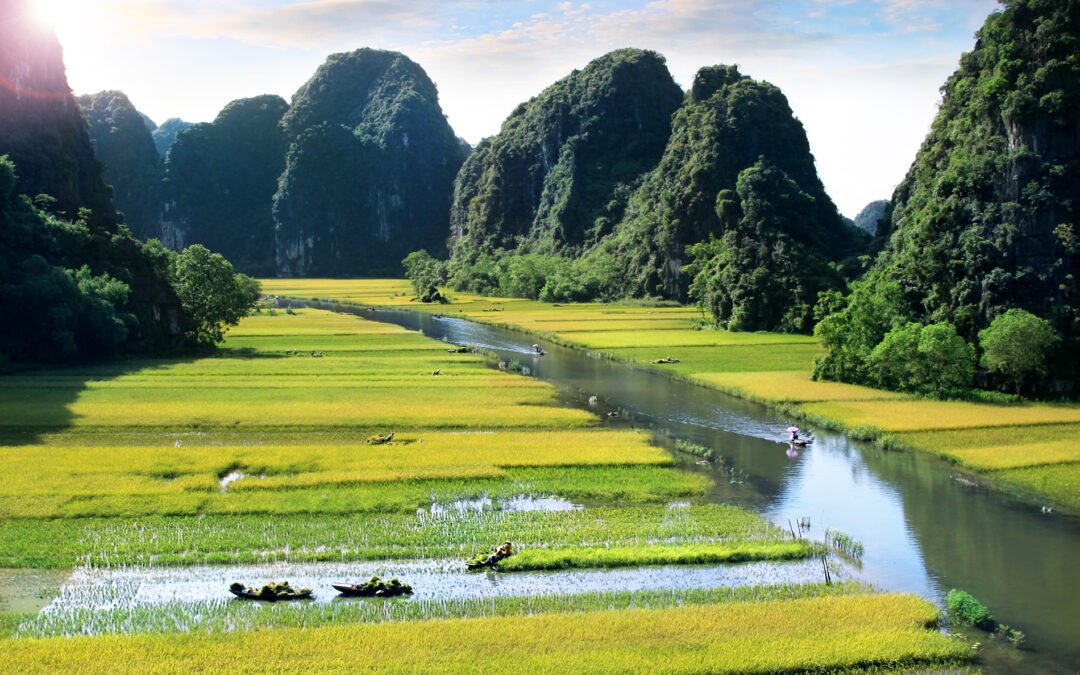
Explore Ninh Binh and Tam Coc to witness breathtaking limestone cliffs, ancient shrines, and vast expanses of rice fields that seem to stretch endlessly.
About 50 miles away from Hanoi sits Ninh Binh, a gem nestled in Northern Vietnam and often referred to as the inland counterpart of
Halong
Bay
Here, stunning vistas and historical sites provide tough competition to its coastal equivalent. In Tam Coc, boat trips down the Ngo Dong River offer a picturesque journey through majestic limestone formations and lush rice paddies. Along the way, explore the multi-levelled Bich Dong, an enigmatic temple embedded within the rocky cliffs. Ascend the steep staircases leading to the Upper Pagoda to enjoy spectacular panoramas.
Further up north lies Trang An, designated as a UNESCO World Heritage Site due to its stunning landscape featuring intricate clusters of karst mountains and valleys. Paddle your way through Trang An’s waterways to discover vibrant green valleys, hidden caverns, and towering limestone formations. This renowned attraction in Vietnam tends to get crowded; therefore, visit either at daybreak or just before sunset for a more tranquil experience.
Tam Cốc
Ninh Hải
Hoa Lư
Ninh Bình
by admin | Jan 27, 2025 | Travel, travel advice, travel destinations, travel planning and tips, travel recommendations
![]()

-
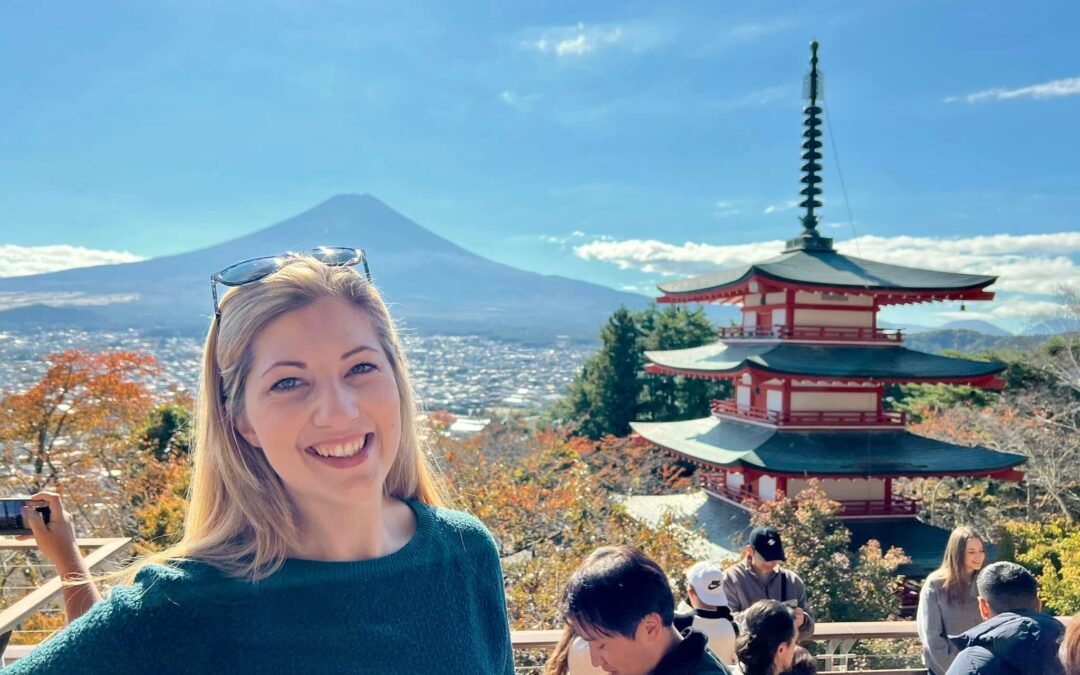
After losing out on a job, Erica Hobbs booked a 24-day trip to Japan.
-
The November vacation was planned last minute, so she ended up traveling solo.
-
Reflecting on her past experience, she wishes she had booked transport ahead of time and chosen to lodge in more hostels instead.
In November, after three months of interviews, I lost out on a job and decided it was time for a travel break. I set out on a 3
½-
week
trip to Japan
.
The timing worked out — the favorable
dollar-to-yen exchange rate
, mild weather, and vibrant autumn foliage made it a great time to visit.
Given the limited time to search for a travel partner, I welcomed the independence of going alone and the flexibility to decide spontaneously. As I had previously journeyed solo, I believed I was capable of handling things as they came.
trip to Japan
proved to be more difficult than expected.
My journey involved visiting the “golden triangle” region.
Tokyo, Kyoto, and Osaka
, including excursions to nearby locations like Nikko, Mount Fuji, Nara, and Himeji. The itinerary also encompassed stops at Hiroshima and Miyajima Island along with a week exploring central Japan.
The trip cost about $3,400, not including the airfare, which I paid for with credit-card points. As a
cost-conscious backpacker
I opted for staying in pod hotels or hostels and usually dined on street food, items from convenience stores, or noodle dishes at ramen shops.
The largest part of my expenses went towards lodging, amounting to over $915 for staying 24 nights. Ground travel also accumulated significantly. Although local trains were quite cheap, train ticket costs still piled up.
Shinkansen bullet train
They were pricey. The journey from Tokyo to Toyama cost me the most at around $100, followed by Hiroshima to Osaka which was approximately $70, and finally Osaka back to Tokyo costing roughly $90.
A few indulgences included attending a kimono tea ceremony, a
Kobe steak
dinner, and visits to a handful of themed cafés.
Although I enjoyed the journey, there are three aspects I would have changed.
1. Increased preparation prior to the journey
I concentrated my preliminary investigation on locations and experiences rather than logistical details. Apart from arranging the initial couple of things, I did not make reservations ahead of time.
days in Tokyo
This resulted in a disorganized and ineffective journey filled with skipped trains, forfeited chances, and avoidable tension.
I had heard that Japan attracts many visitors during autumn, yet it turned out to be even more crowded than I anticipated, making it challenging to secure affordable lodging at short notice. Numerous well-known sites, such as
Tokyo’s Ghibli Museum
Moreover, the Ninja Tokyo restaurant was reserved beforehand. Various locations across the nation, such as Osaka’s Nintendo Museum, were also included.
ryokans
— Traditional Japanese ryokans — were also fully booked soon.
I was fortunate enough during the tea ceremony — an added bonus.
solo traveling
—but I really wished I had booked them in advance since I couldn’t get into some of them.
I too should have made reservations beforehand using platforms that offer free cancellations. That way, I could guarantee my place to stay and still maintain the option to alter my arrangements later.
For travel arrangements, I would have arranged my transport.
IC card
When I reached the airport, I encountered these cards—Suica, Pasmo, and Icoca—which function as prepaid options for seamless transit across various public transport networks within major urban centers. Following a lengthy 13-hour journey, I hurriedly made my way to check into my accommodation. However, obtaining one of those cards turned out to be more challenging post-flight; they could typically only be found in bigger railway hubs and weren’t always readily accessible elsewhere.

2. Chose hostels over capsule hotels
A lot of folks believe that traveling alone means doing everything by yourself. However, what I enjoy most is meeting new individuals during these trips. Hostels typically provide a great environment for socializing, so I expected similar experiences elsewhere.
capsule hotels
Instead, I discovered that the pod hotels—although wonderfully serene and spa-like—were far less sociable. Additionally, many of the guests staying there were local travelers who did not speak English.
However, I quickly became friends with people at the hostels where I stayed.
Hiroshima
, we had an amazing time exploring Miyajima Island as a group of seven throughout the day, even tackling a mountain I probably wouldn’t have gone up solo. If I had begun my journey staying at hostels, I might’ve met traveling companions sooner.

3. Dedicated additional hours to exploring Nikko and Osaka
Approximately 90 miles north of Tokyo,
Nikko
It’s a common day trip destination, yet I felt that allocating two whole days would have been ideal for thoroughly experiencing the town. The area is renowned for its intricate shrines and temples as well as stunning mountain landscapes. During my visit in November, all attractions shut down by 4 p.m., causing darkness to set in soon afterward. This restriction made it challenging to see all of what Nikko has to showcase within the available time frame.
The 126-acre Tokugawa shrine and temple area – designated as a UNESCO World Heritage site in 1999 – lies within ten miles of Lake Chuzenji, marking the starting point for the ascent up Mount Nantai. However, despite their proximity, moving between these locations might require about sixty minutes. The intricate details and grandeur of the place were such that I wished I had spent all day exploring it, particularly the renowned Toshogu Shrine.
I also hope I could have spent an entire day discovering the stunning lake, cascading waterfalls, and numerous trails surrounding the mountain. The one-day visit seemed hurried and only covered the main attractions.

I likewise hope I had devoted
more time in Osaka
Since it gained prominence mainly because of its cuisine, I assumed two days would suffice; however, it turned out that the non-culinary aspects were my highlights and what I wished I could have explored further.
The Dotonbori district was brimming with lights and crowds, exuding an energetic vibe that I really appreciated being immersed in. I had a great time exploring for about half a day.
Osaka Castle
, however, with additional time, I would have explored the Osaka Museum of Housing and Living as well as the Osaka Aquarium Kaiyukan, places that fellow travelers I encountered spoke highly of. Additionally, I would have taken a direct flight back home from Osaka, saving myself both half a day and the $90 cost of a bullet train ticket.
![]()
If you liked this tale, make sure to follow
Business SANGGRALOKA
on Microsoft Start.
by admin | Jan 14, 2025 | islands, sweden, tourist attractions, Travel, travel destinations
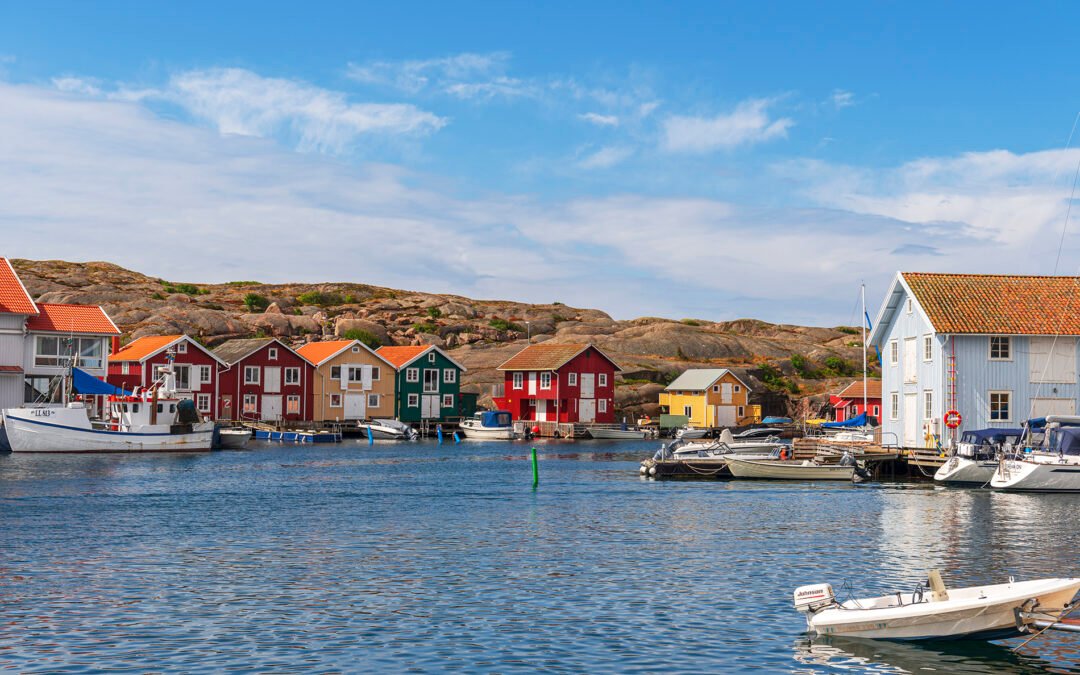
Boasting jagged cliffs and charming villages, this part of the Swedish coastline presents a captivating mixture of breathtaking scenery, sparkling nautical past, and delicious sea fare.
The province of Bohuslän extends along the rugged shoreline, starting from the city of
Göteborg
To the Norwegian border, marked by numerous small islands, rugged cliffs, and quaint fishing villages. Travel north via the E6 highway for a charming 140-mile journey, where you can explore untouched natural wonders and captivating historical landmarks at your own pace. Before arriving at Marstrand Island—known for its wooden cottages and bustling harbor—you’ll pass through Bohuslän, featuring the magnificent Bohus Fortress in Kungälv. This ancient stronghold transforms into a spectacular concert venue during summertime. Further ahead lie the picturesque islands of Tjörn and Orust, which have long inspired artists seeking solace in their breathtaking vistas and radiant lighting.
Fjällbacka—a former fishing hamlet now transformed into a fashionable summer retreat—is renowned both as the birthplace of Hollywood actress Ingrid Bergman and as the backdrop for several gripping novels penned by acclaimed Swedish crime author Camilla Läckberg. Each stopover offers distinctive local delicacies; thus, savoring these regional culinary treats should undoubtedly be part of your itinerary when driving this scenic path!
by admin | Jan 14, 2025 | beautiful places, sports, tourist attractions, Travel, travel destinations
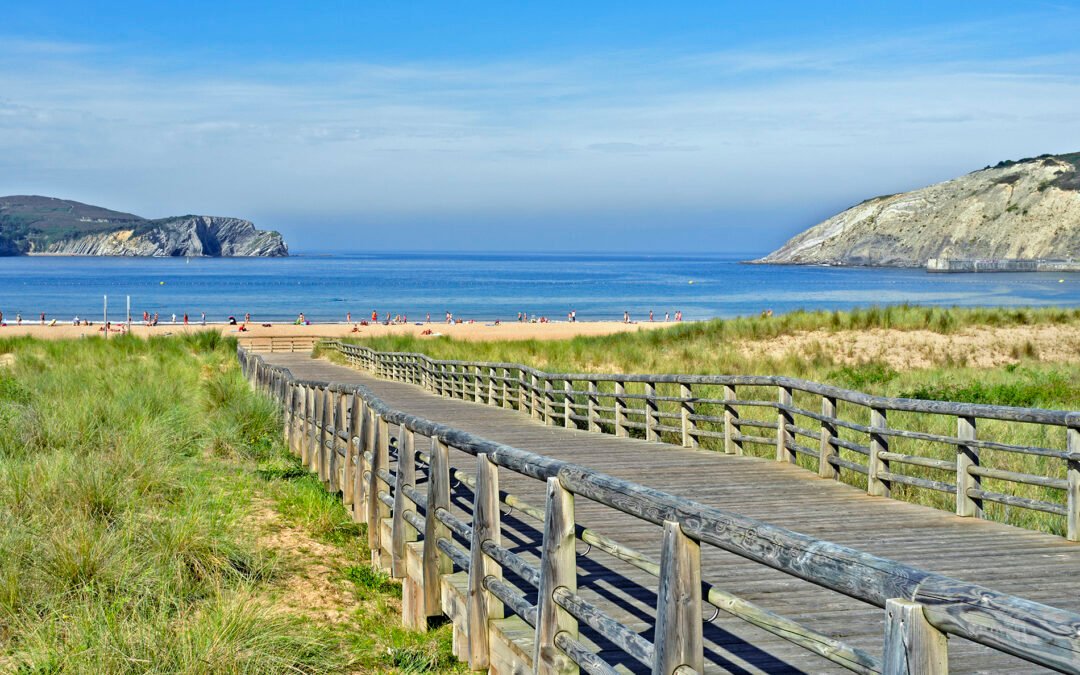
Amidst the gentle temperatures and untamed splendor of the Costa Vasca, revel in the refreshing embrace of the Atlantic Sea as you move from secluded coves to charming harbors.
From the peaks of Ondarroa to the shores of the Barbadun estuary framing
Bilbao
The coastline of the Costa Vasca stretches out like a patchwork of serene bays and charming harbors, forming a breathtaking scene as the setting sun bathes them in warm hues. Each turn in the roadway unveils a new vista—from verdant cliffs to tranquil sandbanks caressed by foamy waves. The quaint fishing village of Lekeitio harmoniously blends historical allure with contemporary elegance through its terrace-lined docks and expansive beaches stretching beyond sightlines. Moving onward, Ea—a peaceful harbor town ensconced within a modest inlet—charms visitors with brightly colored historic structures and fishnets drying under the sunlight. Westward lies Gorliz, home to pristine sands and fossilized dunes, offering an idyllic retreat for hikers amid the soothing soundscapes of crashing sea swells and seagull cries. For those captivated by unspoiled wilderness, Gaztelugatxe beckons: this craggy island hosts just one resident—an ancient church perched atop a cliff enduring windswept conditions over centuries.
Visit Euskadi
https://tourism.euskadi.eus/the-charm-of-the-basque-coastline/


