
oleh admin | Mar 7, 2025 | cuisine, food and drink, food culture, foodies, rice
Vietnam’s black bean sweet soup and taro custard have made it onto the list of “36 top-rated glutinous rice dishes” compiled by TasteAtlas, an international food publication.
This list is compiled using approximately 790,000 reviews from confirmed users, out of which around 515,000 are deemed valid.
Placing fourth,
che ba mau
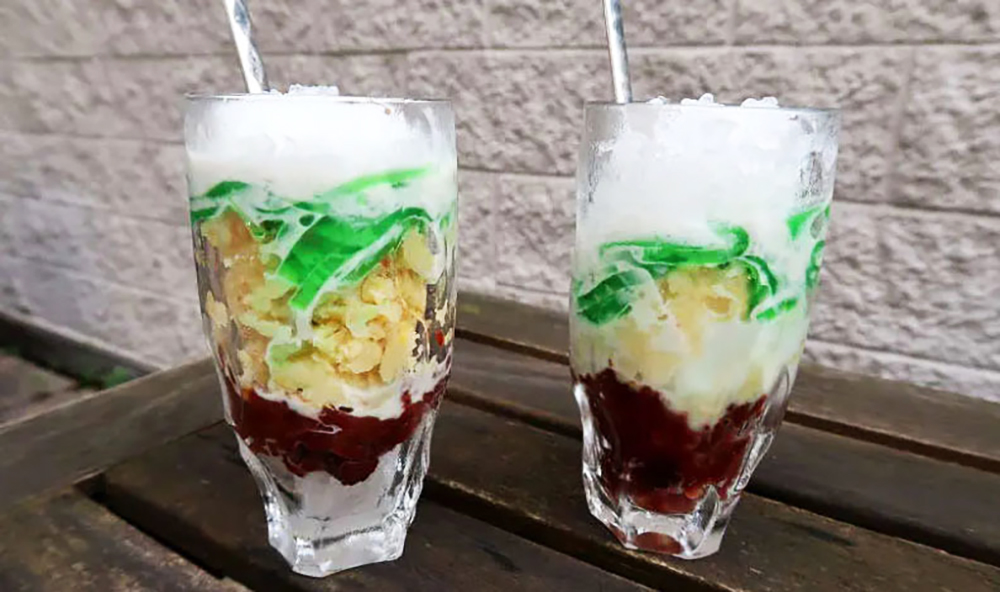
A tricolor dessert brings together sticky rice, tapioca pearls, sweet beans, and occasionally agar jelly, all bathed in coconut milk and garnished with bananas or crushed peanuts. Typically enjoyed chilled, its delightful combination of sweetness and creaminess makes it a beloved choice for summertime enjoyment.
|
|
Two servings of che ba mau include three tiers of red beans, mung beans, and pandan jelly. The image is provided courtesy of Authentic Food Quest.
|
Che khoai mon
claimed the 13th position on the list. This dish features taro pudding crafted from steamed taro chunks, glutinous rice, pandan essence, and sweetener. It can be enjoyed either warm or cooled down, complemented with a drizzle of coconut sauce.
Ranked 23rd,
che lam
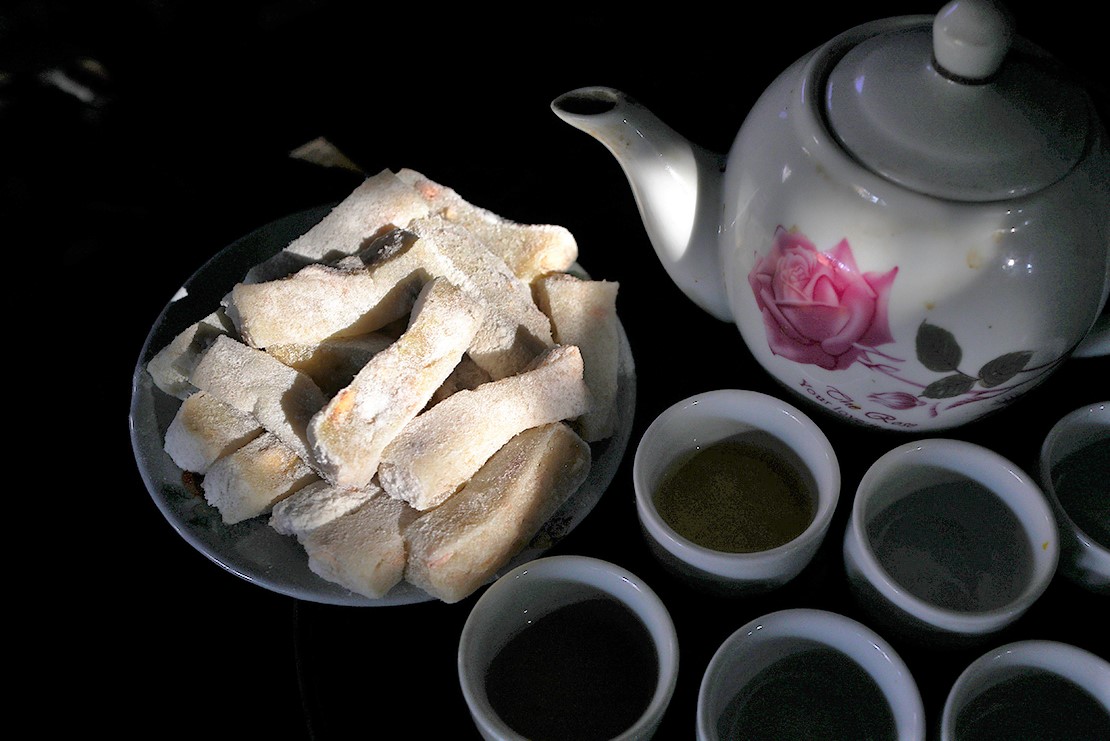
is a snack made from roasted glutinous rice flour, peanuts, ginger, and molasses or sugar. The snack has a chewy and sticky texture.
Dusted with rice flour and cut into strips, this treat is commonly savored alongside hot tea, providing a blend of sweetness and spice that has made it popular in countryside regions.
|
|
Che lam
is chopped into tiny pieces, then dusted with a coating of toasted sticky rice flour. Photo by VnExpress/Ngoc Thanh
|
In the 25th place,
dui ga bo xoi
The dish described involves chicken drumsticks enveloped insticky rice and thendeep-fried until they achieve a golden-brown color. The combination ofits savoury taste andcrispy exterior has madeit a beloved choicefor celebratory events.
At the top of the list is Klepon from Indonesia, which consists of glutinous rice balls stuffed with palm sugar and dusted with shredded coconut. Close behind are Ichigo Daifuku from Japan, known for their sweet red bean paste-filled mochi wrapped around strawberries, and Lo Mai Fan, a type of Chinesesticky rice dish.
oleh admin | Feb 22, 2025 | cuisine, dining, food and drink, food culture, foodies

Grateful for Maranao cuisine, palapa stands out as a versatile condiment that complements nearly everything with its robust flavors, deep-rooted traditions, and a distinctive zing in each mouthful. Once we stumbled upon it many years ago, we became enamored. Palapa truly serves as the perfect pampagana (starter).
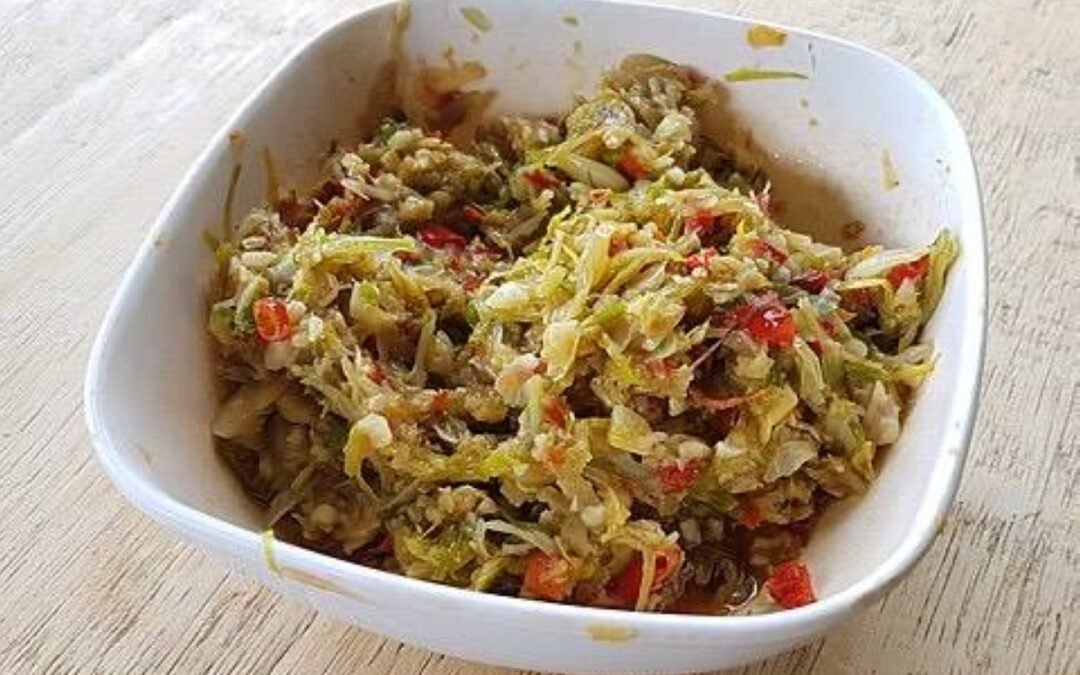
Initially, palapa might appear straightforward—a golden spread dotted with bits of green and red from minced herbs and peppers. However, do not be deceived by its unassuming look. Each mouthful packs quite a flavorful kick, combining spiciness, sweetness, and an earthly richness. Next thing you know, you have emptied an entire jar.
The key component is sakurab, a kind of wild garlic found in the region of Lanao. Picture it as similar to young spring onions but possessing a more robust taste and scent. It’s mixed together with minced ginger and red pepper flakes. These ingredients are cooked in coconut oil, lending them an enriched smooth texture that mellows their intensity. To enhance the hue, turmeric is included in the mix.
The thing that really distinguishes palapa is its equilibrium. While it has a kick of spiciness, it doesn’t overwhelm; instead, it gently stimulates your palate and makes you crave another bite. The gentle touch of coconut oil’s natural sweetness combined with the grounding flavor of turmeric gives this condiment depth and an irresistible quality that elevates every dish it accompanies.
The greatest thing about palapa is its remarkable versatility. Although some people use it simply as a seasoning, genuine fans understand that it has the ability to enhance nearly every meal.
Below are some of the most common ways to relish it:
Use it as a dip or side dish: Place a scoop beside your barbecued meat or battered fish. The heat from this will beautifully enhance the smoky, caramelized tastes.
Blended with rice: Incorporating palapa into basic steamed rice transforms an ordinary carbohydrate into a irresistibly delicious dish.
Cooking base: A lot of Maranao dishes begin by frying palapa together with various ingredients. This forms the basis for robust, tasty soups and curry-like preparations.
Snack topping: Adding some shredded coconut ‘palawa’ onto boiled eggs, crackers, or even bread can immediately transform a basic snack into a delightfully flavorful experience.
We have tested it with eggs, meats, and fish — all combinations proving delightful in their individual ways. Interestingly, crispy singkamas (jicama) transforms into a zesty delicacy when paired with just a touch of palapa. This condiment also complements robust, long-simmered meals such as beef rendang beautifully; its strong taste cuts through the richness, adding an extra dimension of flavor to each mouthful.
Palapa also offers several unexpected health advantages. The ingredients such as ginger and turmeric are recognized for their anti-inflammatory effects, whereas chili peppers may aid in speeding up your metabolism. Interestingly, even sakurab—the standout ingredient—contains antioxidants that promote general well-being.
We can only wish for a future where palapa becomes commonplace, prominently showcased in Filipino eateries across the country. For now, though, you can easily order jars of this delicious sauce from various e-commerce sites with just an internet click.
For those seeking an unforgettable gastronomic experience, exploring Muslim Town in Quiapo offers genuine Maranao cuisine. Here, palapa is not merely a seasoning but the essence of each dish. Once tasted, you won’t want to miss out again; this flavor becomes your lifelong favorite.
* * *
The author can be contacted via email at kaycalpolugtu@gmail.com or you can follow her on Instagram using the handles @kaycalpolugtu and @aplateofbahaykubo.
oleh admin | Feb 17, 2025 | cooking, food and drink, food culture, food science, healthy eating
Lifehack My ID
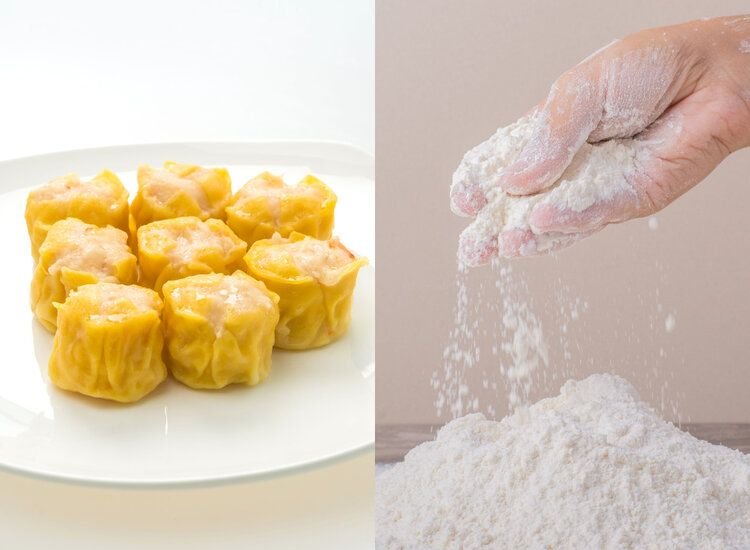
Secara mendasar, dimsum adalah sajian kecil yang berasal dari kuliner Tionghoa.
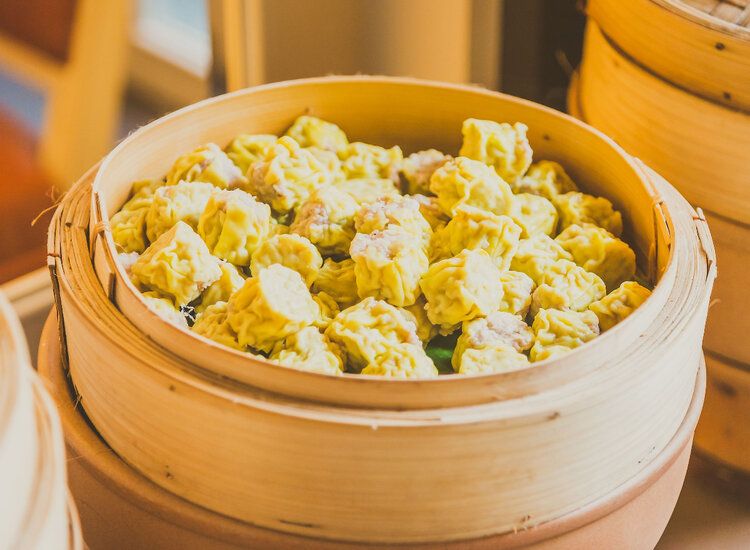
Biasanya sajian ini disajikan sebagai bagian dari ritual minum Teh.
Hidangan ini dapat dikosongkan dengan mudah hanya dalam 1 atau 2 kali gigitan.
Terdapat bermacam-macamm varian dim sum sepeti
siu may, har gao
dan masih banyak lagi.
Tetapi di Indonesia, dimsum sering dikaitkan dengan adonan ikan seperti siomay.
Saus yang dicampurkan biasanya adalah saus asam manis atau kecap asin.
Dimsum memiliki tekstur yang kenyal tetapi tidak keras seperti bakso.
Jadi untuk membuatnya ada beberapa hal yang perlu Anda perhatikan.
Ines Sukandar, sang pemilik Dimsum Mysha by Inez Kitchen, mengungkapkan lima tips untuk membuat siomay dimsum yang memiliki tekstur lembut, empuk, dan kenyal dengan cara sebagai berikut:
1. Gunakan tepung sagu
Agar mendapatkan tekstur siomay atau dumpling yang agak kenyal, seperti ini caranya.
“Terigu tidak digunakan sebagai bahan utama, hanya untuk pengikat. Gunakan tepung sago yang berkualitas, karena jika menggunakan hanya daging ayam atau telur saja, akan sulit menempel,” jelas Ines.
2. Bandingkan komposisi bahannya antara siomay dan dumpling
Daging ayam serta tepung adalah kedua komponen wajib ketika memasak siomay atau dumpling.
Mengikuti pendapat Ines, komposisi utama dalam pembuatan siomay dimsum seharusnya terdiri dari daging ayam yang lebih dominan dibandingkan tepung.
“Misalnya daging ayamnya itu 80 persen, sisa 20 persennya dari tepung dan bumbu. Kalau kebanyakan tepung, jadi kayak siomay (bandung),” ujar Ines.
3. Gunakan paha ayam dalam pembuatan dimsum.
Memilih sektor daging ayam sangatlah krusial ketika meracik siomay atau dimsum.
Sebab itu, tiap bagiannya dari ayam mempunyai teksitur daging serta kadar lemak yang tidak sama.
Ines menyebutkan bahwa potongan daging dari bagian paha ayam merupakan bagian terbaik untuk menciptakan shumai atau dumpling yang lembut, empuk, dan agak kenyal.
“Ini dada ayam yang tebal dan keras. Serat daging di sini cukup banyak, rasanya gurih tapi tidak terlalu berminyak atau gemuk. Jika masih ada kulitnya malah akan menambah rasa gurih,” papar Ines.
4. Pakai putih telur
Jauhi penggunaan putih telur ketika Anda sedang membuat siomay atau dumpling.
Sebab itu, sebagian dari telurnya dapat menghasilkan bau yang tidak menyenangkan, Ines merekomendasikan menggunakan hanya putih telur agar tekstur siomay atau dumpling menjadi lebih kenyal.
“Ini juga dapat menggunakan putih telur untuk membuat adonan menjadi mengembang, meskipun beberapa orang mungkin menggunakan baking powder karena memberikan aroma seperti kue, oleh sebab itu kita gunakan putih telur,” ujar Ines ketika diwawancara oleh Kompas.com.
5. Jangan mengaduk adonan siomay atau dim sum terlalu lama.
Akhirnya, periksa metode pengcampuran bahan dalam pembuatan siomay atau dimsum.
Jangan asal mengadonnya.
Menurut Ines, seluruh bahan dapat diaduk bersamaan terlebih dulu kemudian dikocok atau dipukul singkat.
Jangan terlalu lama.
“Saat kita terus memukul adonannya, teksturnya akan makin kenyal dan padat, hingga akhirnya bisa jadi sangat keras,” ujar Ines.
“Maka aturlah kelembutan teksturnya disana. Jika menginginkan hasil yang sangat kenyal hingga sedikit keras, tambahkan proses pelemparan adonan lebih banyak,” jelasnya.
Nah dengan mengikuti langkah ini hasil dimsum siomay Anda pun akan kenyal namun tidak keras.
Selamat mencoba!

oleh admin | Jan 22, 2025 | cuisine, culture, food and drink, food culture, sweden
Renowned for its dumplings and cinnamon rolls, Swedish cuisine offers a plethora of delightful treats (frequently health-conscious) by blending traditional components derived from local sources. Below are eight must-try Swedish food specialties.
Using primarily straightforward, seasonally available ingredients often sourced locally, which showcase the nation’s abundant biological diversity and deeply ingrained culinary customs closely tied to various festivities and celebrations, traditional Swedish food is embedded within the very essence of its people, with even the most celebrated dishes bearing this heritage.
Swedish chefs draw inspiration
From here, what local delicacies should you sample when visiting the Scandinavian realm? Here’s our eight-dish response.
Are you thinking about visiting Sweden?
Here are some
articles
to
help you
plan out
your stay:
-
Sweden: 4 Top Spots for Swimming in Stockholm During Summer
-
Sweden: The Most Picturesque Villages and Small Towns to Explore During Summer
-
Sweden: 3 Unmissable Treks for Summer Exploration
Sweden’s 8 Most Iconic Culinary Specialties
K
öttbullar
No compilation of Swedish specialties would be complete without mentioning
köttbullar
, the famous meatballs made from beef or pork, onion, breadcrumbs soaked in milk, eggs and spices. They are typically served with mashed potatoes, brown sauce (
gräddsås
) and lingonberry preserve.
Gravlax
The world owes much to the Swedes for bringing it gravlax, a recipe for raw salmon marinated in a mixture of salt, sugar and dill, which can now be found on many restaurant menus. In
Sweden
Gravlax is typically served with a mustard and dill sauce (hovmästarsås) along with freshly made crispy bread.
S
urströmming
Another typical Swedish fish speciality,
surströmming
Is a strongly scented dish made from fermented herring, typically consumed alongside flatbread.
tunnbröd
), potatoes, and red onion. Give it a try yourself; however, you may need to adjust to the potent aroma!
S
mörgåsbord
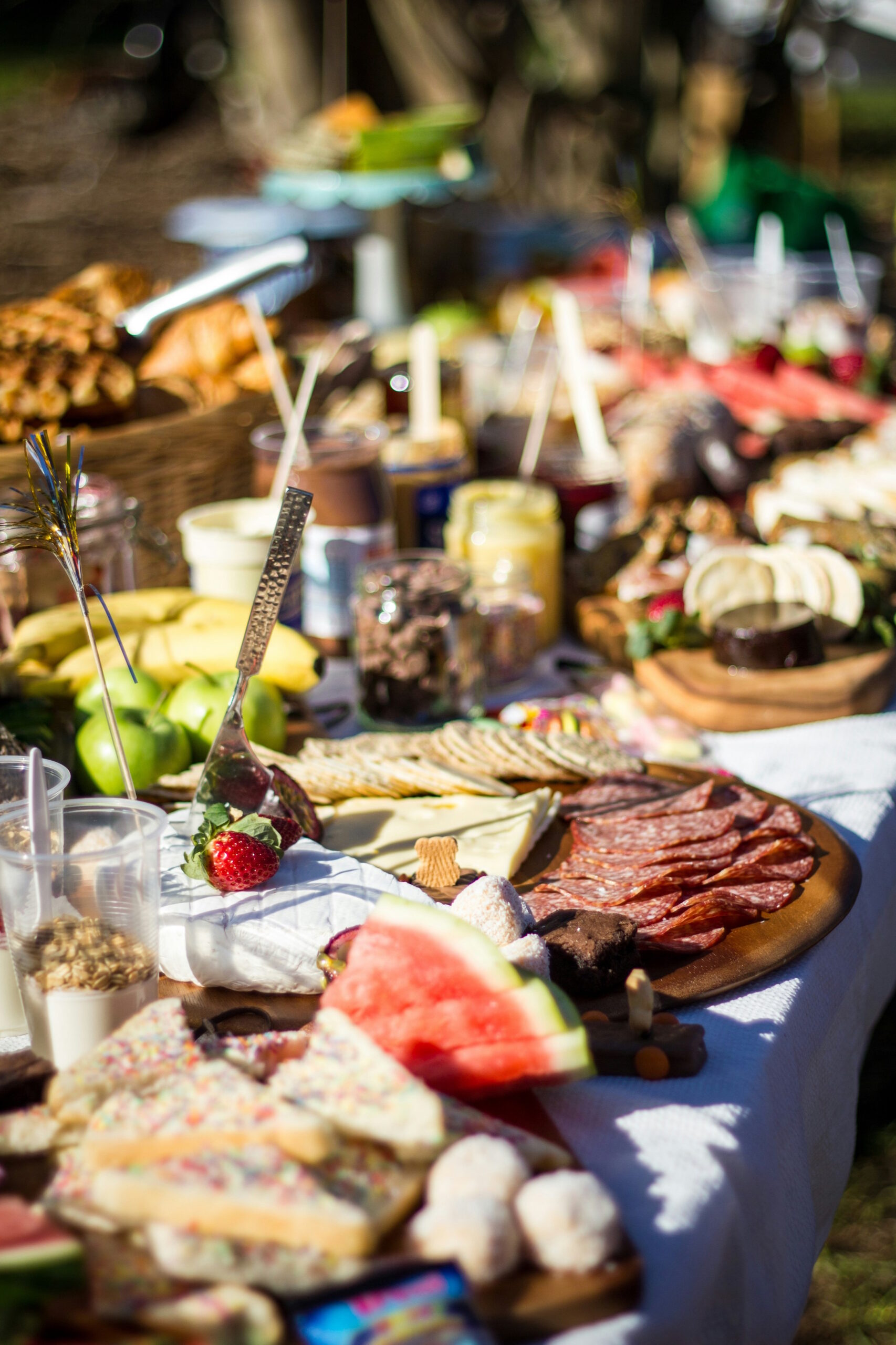
Designed as a festive meal,
smörgåsbord
The Swedish version of a buffet dinner includes classic Swedish items like pickled fish, cold cuts, hard-boiled eggs, roasted beef, an assortment of cheeses, salads, and vegetables, along with some warm dishes. It is complemented by rye bread, butter, and a selection of sauces served alongside.
R
äksmörgås
Commonly consumed on the move, for midday meals or between-meal bites,
räksmörgås
is a prawn sandwich – though it looks more like a toast – with hard-boiled egg, lettuce, tomato and cucumber, served on a slice of rye or white bread with a cream of dill and fish roe.
Ä
rtsoppa och Pannkakor
Ärtsoppa och Pannkakor is a hearty yellow spiced pea soup containing pork, typically enjoyed alongside thin pancakes.
pannkakor
jam and whipped topping for
dessert
. It is a quintessential family recipe, with roots in the country’s rural cuisine, and was most often eaten on Thursdays.
P
rinsesstårta
Prinsesstårta
owes its name to the young princesses and nobles of the 1920s who were particularly fond of it, but this typical Swedish cake, covered in green marzipan and a sugar rose, will win over your heart just as well. With its layers of fluffy sponge cake topped with whipped cream, vanilla cream and raspberry jam,
prinsesstårta
is usually served at parties and birthdays.
K
anelbullar
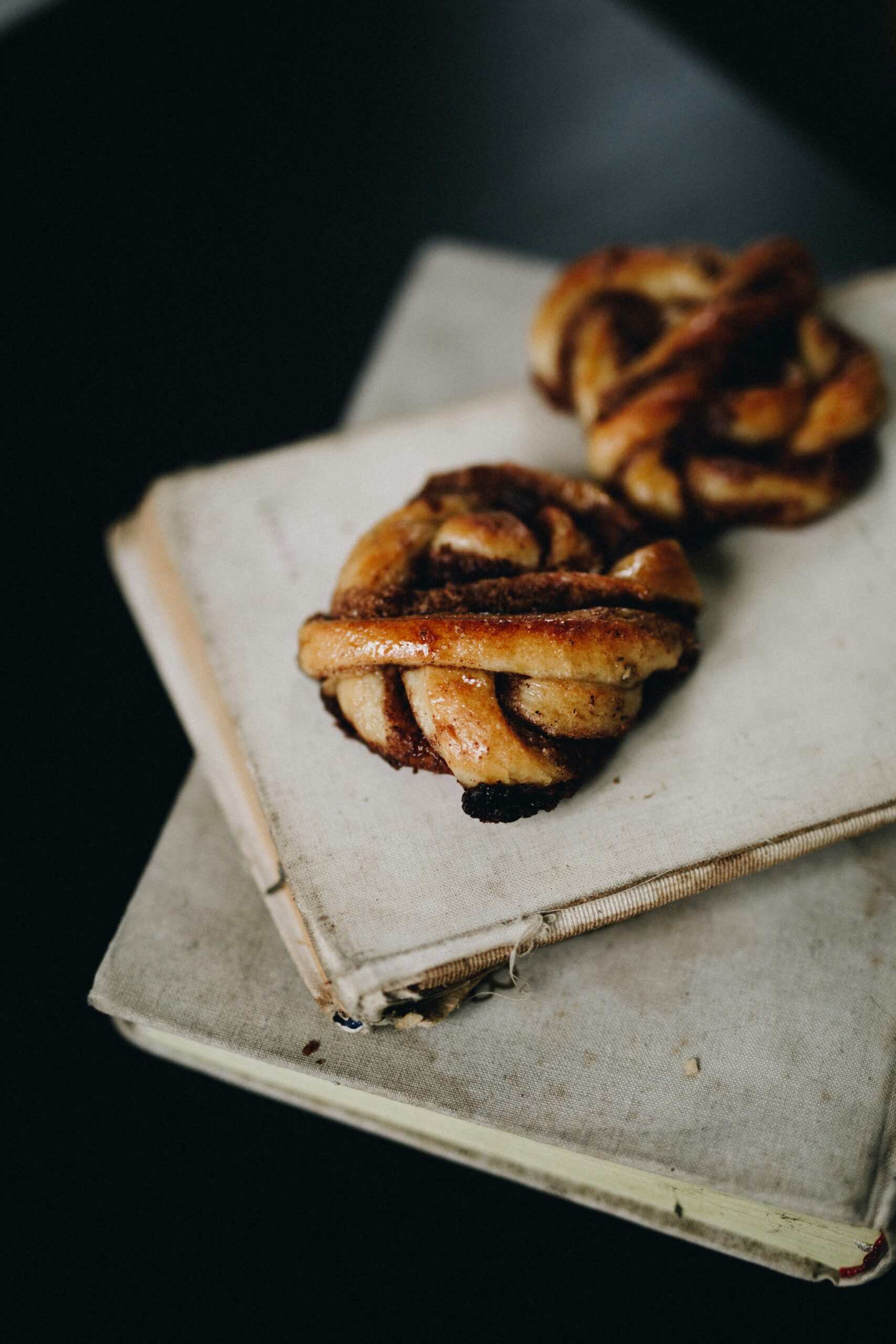
The
famous cinnamon roll
, a star of
fika
– the
Swedish snack break
– could swiftly turn into your new favorite treat during a visit to Sweden. This sugary roll infused with cinnamon and cardamom, twisted into a swirl that will leave you dizzy, and topped with tiny sugar balls, is ideally savored when warm, accompanied by a cup of tea or coffee.

oleh admin | Jan 13, 2025 | culture, food culture, history, technology
As voyagers, we frequently ponder what it would be like not just to traverse vast spaces but also to navigate through different eras. Could there possibly be somewhere—a location or perhaps a device—that could take us back to times when existence seemed simpler and more carefree, where sustenance was sourced directly from the waters, and evenings resonated with the calming sound of coastal waves beneath a canopy of twinkling celestial bodies stretching out as far as one’s eyes can see?
Indeed, there exists such a location in the Philippines: the isolated village of Chavayan situated on the island of Sabtang within Batanes province. This community, inhabited by roughly 200 individuals, boasts sturdy stone dwellings—many constructed more than a hundred years ago—and preserves age-old customs that have molded the Ivatan people for over 4,000 years.
Ancestry and architecture
The Ivatans trace their roots back to Austronesian settlers who reached these islands during the Neolithic age. These early inhabitants resided in protected hillside villages known as idiangs and communicated using a dialect akin to those spoken by Taiwan’s indigenous communities. In 1783, Batanes officially joined the Philippines under Governor-General José Basco y Vargas. Throughout Spain’s rule, techniques involving lime for constructions emerged, leading to the creation of structures like bridges, pathways, and places of worship. This approach was embraced by the Ivatan people to build robust stonework homes capable of enduring the area’s severe climatic conditions. Numerous buildings from this epoch remain intact today; some of the finest preserved specimens are observable in Chavayán.
Getting there
Reaching Chavayan isn’t simple since Sabtang Island lacks an airport. You start by flying either from Manila or Clark to Basco in Batanes. From there, you go overland to Ivana Port and board a 30-minute falowa boat trip to Mahatao. Next, hop onto a tricycle for another half-hour journey until you get to Chavayan. The path to this paradise involves some challenges—flights can be grounded because of bad weather, so travelers frequently spend the night in Basso to secure seats on the first-thing-in-the-morning ferry to Sabtang, scheduled at 6 a.m.
In contrast to the usual outrigger boats prevalent in the Philippines, the falowa is an indigenous vessel without outriggers, crafted specially to traverse the tumultuous seas between Batan and Sabtang islands. Starting from the harbor in Mahatao, one has roughly six kilometers left to reach Chavayan. This trip can be made using touristic tricycles equipped with wooden sidecars adorned with cogon roofs, or alternatively, intrepid travelers might choose to walk.
The road to Chavayan
The six-kilometer route from Mahatao to Chavayan presents some of the most beautiful road views in the country, giving travelers a preview of the wonders ahead. In Mahatao, you can admire centuries-old stone structures like the historic San Vicente Ferrer Church, constructed in 1844, as well as the charming Mahatao Lighthouse.
Halfway through your journey is Barangay Savidug, a village recognized for its intact stonework houses. Perched atop an adjacent hill is the historic Savidug idiang, estimated to date back about 4,000 years. Constructed during prehistoric times, these ancient mountaintop fortresses served as shelters against both hostile forces and environmental dangers for the early settlers.
Right before reaching Chavayan, visitors have the option to take a side trip to the Chamantad-Tinan Viewdeck. With a brief ascent up the gently sloping, verdant hills, one is rewarded with an breathtaking view of Chamantad Cove and its secluded sandy shore.
Frozen in time
At the journey’s conclusion, Chavayan conveys an atmosphere where time seems frozen. Over the last 12 years, during my three visits, little has altered; the unchanging vista that welcomed travelers a hundred years back persists even now.
On the right side of the village entrance is a small store run by the Sabtang Weavers Association. The people of Chavayan are famed for crafting the best vakul (a woven headgear) and kanayi (a vest) in Batanes. Made from the leaves of the vuyavuy tree, the vakul protects against sun and rain and can double as a mat or small pillow for field workers. Locals also produce unique sandals from vuyavuy, affectionately named “Chavayanas.”
Down below is a modest chapel devoted to Sta. Rosa de Lima, built from 1951 to 1959 featuring a thatched roof made of cogon grass, reflecting the Ivatan tradition known as yaru—akin to the Filipino value of bayanihan. Guests staying over might catch sight of communal prayers conducted early in the morning when residents seek blessings for protection and prosperity prior to heading off either fishing or farming activities.
A journey into the past
In Chavayan, both electricity and mobile phone signals are scarce, and lodging options are quite rudimentary. The food typically includes either flying fish or mahi-mahi, cooked according to traditional methods. This place isn’t suited for all travelers—it’s an option only for those daring enough to immerse themselves fully in a lifestyle that harks back to earlier times and observe ways of living that have mostly vanished from more developed areas.
In Chavayan, contemporary amenities yield to more traditional, enduring patterns of life—a testament to areas where history continues to thrive vividly. For those eager to embark on a voyage that spans not only geography but also traverses the annals of time, visiting Chavayan promises an exceptional and indelible adventure.

oleh admin | Nov 30, 2024 | cuisine, culture, food and drink, food culture, foodies
Blending elements from Mediterranean cooking with Alpine touches, Slovenian cuisine offers a wide array of genuine flavors. Below is a rundown of must-try dishes when visiting Slovenia!
Štruklji
the symbol of Slovenian cuisine
Štruklji
The national pride and joy is a pastry crafted from rolled dough filled with curd cheese and then baked in an oven. This versatile dish can also be found in
Croatian cuisine
It can be enjoyed either warm or chilled, as both a savory dish or a dessert. Different areas of Slovenia have their own variations: you might find apples, walnuts, ricotta cheese, smoked ham, red peppers, or truffles incorporated into the recipe.
Kranjska klobasa
a sausage brimming with personality
Produced in the area of Carniola, approximately at the nation’s center.
kranjska
klobasa
Carnolise sausage, a smoked pork sausage flavored with garlic and pepper, is typically enjoyed alongside cabbage, potatoes, and Sečovlje salt. This dish stands as an iconic representation of Slovenian cured meats, celebrated for its robust taste and crisp consistency. Throughout Ljubljana, each classic eatery features this specialty on their menu offerings.
Potica
a cake designed for celebrations
Potica
is the quintessential
Slovenia
Desserts, particularly those enjoyed during the holidays. This softly textured cake, which benefits from a gradual rise, takes inspiration from the jelly roll style. It’s crafted using brioche dough and features fillings like walnuts, honey, poppy seeds, lemon zest, or sometimes even chocolate. As with many traditional dishes, numerous variations abound; every household often boasts its own cherished recipe passed down through generations.
Bograč
, the stew from Prekmurje
Bograč
is a flavorful meat stew cooked slowly over an extended period using chunks of beef, pork, and wild game. Hailing from the Prekmurje area in the eastern part of the nation, it was
inspired by Hungarian goulash
. It boasts a delightful aroma and heartiness, typically presented in a big cast-iron pot. Perfect for warming up post-hike in Slovenia’s hilly regions.
Žganci
: simple countryside flavours
Žganci
Is a humble and wholesome meal created by blending buckwheat flour with water and butter, then typically enjoyed alongside curdled milk or cabbage. Much like polenta, this rustic dish reflects Slovenia’s agricultural heritage and its connection to mountainside communities. Each mouthful offers a comforting taste of home. Savor it as part of your morning fare for a great beginning to your day!
The Soča trout, the gem of the river systems
In the Soča Valley—a region at the frontier with
Italy
Renowned for its crystal-clear river and picturesque forests—the native trout here is considered a prized dish. Known for its tender meat and hints of blue-green coloration, this fish shines when slow-roasted in an oven, complemented perfectly with seasonal veggies and a dash of lemon juice. Though straightforward, this preparation method captures the essence of Slovenia’s deep connection to locally sourced ingredients, crafted without unnecessary embellishments.


