
oleh admin | Mar 13, 2025 | diet and nutrition, eating habits, food and drink, nutrition, psychology of everyday life
I see myself as a friendly, sensible, empathetic, and well-balanced individual… except
when I am hungry
At that moment, my patience disappears, my tolerance weakens, and every inconvenience feels like a direct attack on me. When my stomach growls with hunger, shortly after, I transform into my most basic form.
The only reason I exist is to place a piece of pizza into my mouth.
Anything that obstructs that becomes an obstacle.
cause for anger
And I’m not alone in this. This has also occurred for you. To my mom, to your significant other, to that colleague who unexpectedly turns grouchy during the day’s hustle.
It’s funny
How hunger causes anger in people
That’s indeed true. However, there are explanations just as astonishing yet inevitable for this phenomenon. So, let us explore what is truly happening within our bodies.
How can hunger influence our emotions?
so drastically?
Decrease in blood glucose
The brain relies nearly completely on glucose as its energy source. Think of it as the ‘fuel’ required for proper functioning. If we go without
for a considerable duration without food
, our glucose levels drop and the brain suffers. This hypoglycemia causes the brain to not function at 100%. You have probably felt more clumsy, tired, confused and, of course, more irritable when you have not eaten for a long time.
Stress hormone is triggered
When blood sugar levels drop, the brain triggers signals that prompt various organs into action.
secrete and discharge hormones that help increase glucose levels in the bloodstream
Within the body, several of these hormones include
epinephrine
and
cortisol
, also launched during these periods
stress
, which prepares the body to handle challenging circumstances, heightening tension and making us more likely to respond with aggression. This physiological process clarifies why we experience greater stress and discomfort when we’re hungry.
The brain prioritizes foraging
From an evolutionary perspective,
Hunger triggers a survival mode within the brain.
This state compels us to concentrate on acquiring sustenance, pushing other pursuits into the backdrop. Such concentration may result in
decreased patience and increased annoyance
In reaction to stimuli unrelated to food, this response serves as an adaptive mechanism to guarantee the intake needed for survival.
Unfavorable view of the surroundings
Hunger not only impacts our bodily processes but also alters how we perceive our surroundings. As stated
a study
In a study published in the journal PLOS ONE in 2022, researchers discovered that individuals tend to be more prone to certain behaviors when they feel hunger.
interpret external cues negatively
, leading to heightened irritability and anger. Furthermore, it was discovered that reduced blood sugar levels correlate with intensified sensations of frustration and agitation.
reduced capacity for managing feelings
These results indicate that hunger might alter how we assess circumstances and individuals, exacerbating emotional responses.
Has this ever occurred to you?
Next time you sense hunger transforming you into an unfriendlier persona, keep in mind that this is happening.
biological and psychological underpinnings
Behind that response. Grasping these processes can assist us in handling our feelings more effectively and preventing unwarranted disputes.
You might also like:

Stop Snacking Now! Find Easy Tips to Stay In Control Between Meals!

The concealed truth behind neurodegenerative disorders unveiled: could your utensil hold the answer?
6 Low Glycemic Index Foods: Discover Their Health Benefits and Where to Locate Them!
read more on en.SANGGRALOKA

oleh admin | Mar 12, 2025 | diet and nutrition, health benefits, healthy living, meat, nutrition
Nutrient Density
In terms of nutritional value, meat-centric diets frequently stand out. Foods derived from animals, especially meats, are rich sources of vital nutrients like proteins, heme iron, B-vitamins, zinc, and omega-3 fatty acids.
These nutrients are essential for numerous body processes, such as building muscles, generating energy, and boosting immunity. Conversely, plant-based diets shine in offering plentiful amounts of fiber, antioxidants, Vitamin C, along with minerals like magnesium and potassium.
Nonetheless, it’s crucial to recognize that certain nutrients like vitamin B12 and iron have lower bioavailability from plant-based sources; hence, the body may not absorb these as effectively.
Protein Quality

Protein plays a vital role in any dietary plan, with variations in quality between animal-sourced and plant-based proteins. Animal-derived protein is deemed “complete” as it includes all nine indispensable amino acids that the human body can’t synthesize independently.
These amino acids are crucial for muscle recovery and general well-being. On the other hand, many plant-based proteins are considered “incomplete” as they frequently lack one or more of these vital amino acids.
Nevertheless, by blending different plant-based items like beans and rice, people can acquire all essential amino acids, thereby enabling them to fulfill their protein requirements even without consuming meat.
Impact on Health

The effects on health from consuming meat-centric versus plant-focused diets are considerable and multifaceted. Eating patterns rich in red and processed meats can elevate the likelihood of developing cardiovascular diseases, specific types of cancer, and various other ailments because these foods often contain elevated levels of saturated fats along with potentially dangerous substances such as nitrites.
On the contrary, studies indicate that diets rich in plants may reduce the likelihood of developing chronic conditions like heart disease, diabetes, and high blood pressure. These eating patterns generally have less saturated fat and more beneficial fibers, which enhance general well-being.

The effect of diets heavy in meat on the environment is significant, especially regarding beef production. Breeding animals for food demands extensive resources such as water, land, and energy, and it also contributes substantially to greenhouse gases, notably methane.
When compared, plant-based diets tend to have a significantly smaller environmental impact. Cultivating plants usually demands less resources and leads to reduced emissions, rendering it a more environmentally friendly option.
This factor is growing more significant as global warming issues escalate.
Sustainability

Sustainability plays a crucial role in discussions about meat versus plant-based diets. The meat sector notably exacerbates issues like deforestation, land deterioration, and decreased biodiversity because of the need for pastureland and feed crop cultivation.
In contrast, plant-based diets prove to be more sustainable since they demand lesser land and water resources while also fostering biodiversity. Migrating toward agricultural practices centered around plants can ease the strain on our ecosystems, thus contributing to a healthier Earth for upcoming generations.
Digestive Health

When it comes to digestive well-being, plant-based diets frequently come out ahead. Diets rich in red and processed meats usually lack sufficient fiber, potentially causing digestion problems, constipation, and raising the likelihood of developing colorectal cancer.
On the contrary, plant-based diets are abundant in fiber, which aids in sustaining proper digestion, managing bowel movements, and lowering the chances of developing colon cancer. The fiber functions akin to a brush, cleansing the digestive system and ensuring its efficiency.
Weight Management

Managing your weight is often a priority for numerous individuals, and the kind of diet you adhere to can be crucial. Foods rich in protein from animals may aid in maintaining muscles and keeping you feeling full, yet eating fatty cuts of meat along with processed items might lead to increased body mass.
In the meantime, a diet focused on plants, especially when it includes plenty of unprocessed options, usually contains fewer calories and less fat, which can simplify the process of maintaining your weight. Additionally, the abundant fiber in such dietary plans boosts feelings of fullness, aiding people in feeling more satiated.
Ethical Considerations

Moral concerns often steer numerous people’s decisions regarding their diet. Issues related to how animals are treated, the prevalence of industrial-scale farming methods, and the slaughtering of creatures play crucial roles in prompting certain folks to abstain from consuming meat.
A diet based on plants resonates ethically with numerous individuals because it steers clear of causing harm to animals and exploiting them, providing a kinder method of producing food. This moral aspect frequently plays a crucial role in people’s choice to embrace a plant-based way of life.
Culinary Variety

A variety of both animal-derived and plant-focused food choices abound, yet they take different paths. In numerous conventional dishes, meat serves as a key element, offering an array of tastes, consistencies, and preparation techniques.
On the contrary, plant-based diets present an extensive selection of fruits, veggies, grains, lentils, and nuts, offering varied and colorful dining choices. Although certain individuals might have to get inventive to mimic the flavor and consistency of meat, the range of tasty plant-based dishes is practically limitless.
Longo-Plazo Sostenibilidad para la Seguridad Alimentaria Mundial

With the world’s population expanding steadily, maintaining food security has become an urgent issue. Increased consumption of meat could exacerbate resource pressures, potentially rendering this practice unsustainable over time.
Shifting towards plant-based diets globally is seen as a more sustainable approach to address the nutritional requirements of an increasing populace. These types of foods require less resources and generate lower environmental impacts during production, providing a feasible strategy for nourishing humanity without exacerbating ecological damage.
What are your views on this subject? Please share your opinions in the section provided below—we’re eager to get insights from you! Would you like to read similar articles? Stay connected with us to ensure you never miss out!

oleh admin | Mar 10, 2025 | diet and nutrition, health, healthy living, nutrition, vitamins
Antioxidants
are naturally occurring substances that serve as
key part in safeguarding the body’s cellular structure
Free radicals, which lead to cellular harm, are unsteady molecules. They may arise due to elements like contamination, ultraviolet rays, tension, and normal bodily functions. An overabundance of these free radicals can injure your cells, promoting early aging along with conditions such as cancer and cardiovascular ailments.
What are antioxidants?
Antioxidants
are substances that assist in neutralizing free radicals, thus stopping them from damaging the body’s cells and tissues. Some of the most well-recognized antioxidants include
Vitamins C and E, along with beta-carotene
(a predecessor to vitamin A) along with flavonoids, found in numerous natural food sources. These components possess the ability to “sequester” free radicals, transforming them into inert molecules, thereby aiding in safeguarding cellular well-being and decreasing the likelihood of developing long-term illnesses.
Benefits of antioxidants
-
Protection against premature ageing:
Antioxidants play a crucial role in fighting the signs of aging by maintaining skin flexibility and reducing wrinkle formation. Excessive oxidative stress from high levels of free radicals may speed up this aging process within your skin. Antioxidants counteract these free radicals, thereby aiding in keeping your skin more youthful and healthy over time.
-
Strengthening the immune system:
Antioxidants, particularly vitamin C, have been recognized for boosting the immune system, enabling the body to combat infections and illnesses more effectively. These compounds boost the generation of immune cells and assist in safeguarding them against harm inflicted by outside factors.
-
Prevention of heart disease:
Oxidative stress is linked to the progression of cardiovascular diseases. Antioxidants aid in lowering the chance of atherosclerosis (fat buildup in arteries) and enhance overall cardiovascular health. Certain antioxidants like resveratrol, which can be found in red wine, have been examined for their potential benefits in protecting against heart ailments.
-
Protection against cancer:
Numerous research papers indicate that taking antioxidants may aid in lowering the likelihood of getting specific forms of cancer. These compounds shield DNA cells from harm inflicted by free radicals, thereby assisting in averting genetic alterations that might result in cancer.
-
Improved eye health:
Antioxidants like lutein and zeaxanthin are particularly advantageous for ocular health, aiding in safeguarding the retina from age-related macular degeneration (AMD) and cataracts, which are frequent issues impacting eyesight as one gets older.
Where to find antioxidants?
Antioxidants occur naturally in an extensive range of food items, most of which can be readily included in your daily meals. Here’s a list of some foods known for their high antioxidant content:
Fruits:
-
Strawberries, raspberries, blueberries, and blackberries are packed with antioxidants, particularly anthocyanins, known for their anti-inflammatory and antioxidative benefits.
-
Oranges, lemons, and tangerines—these citrus fruits are rich reservoirs of vitamin C, an influential antioxidant that aids in safeguarding the immune system and enhancing skin health.
-
Grapes of purple hue and wine dyed red abound with resveratrol, an antioxidant tied to safeguarding heart health.
Vegetables:
-
Spinach
Kale and broccoli are rich in lutein and zeaxanthin, nutrients that safeguard your eyesight.
-
Carrots and pumpkins offer beta-carotene, a substance that transforms into vitamin A within our bodies and possesses potent antioxidant qualities.
Nuts and seeds:
-
Walnuts
Almonds and chestnuts include vitamin E, which is an antioxidant soluble in fats that aids in safeguarding cells from oxidative harm.
-
Sunflower seeds also abound with vitamin E along with various other advantageous components.
Tea:
-
Green tea
It is one of the top sources of catechins, powerful antioxidants that possess anti-inflammatory and anticancer qualities.
Spices and herbs:
-
Found in turmeric, curcumin along with garlic possess strong antioxidant and anti-inflammatory properties.
-
Turmeric is also recognised for its antioxidant qualities and aids in digestion as well as decreasing inflammation.
Dark chocolate:
-
Dark chocolate includes flavonoids that possess antioxidant qualities. The greater the cocoa concentration, the more antioxidants it has.
Since you understand its significance, incorporate it into your daily meals.
Antioxidants are essential for safeguarding the body against harm inflicted by free radicals.
, helping to
avoid long-term illnesses, early aging
And even conditions like cancer. By including a variety of fruits, veggies, seeds, tea, and other antioxidant-rich foods in your meals, you can greatly enhance your general health and wellness. Keep in mind that along with eating right, leading an active life filled with regular physical activity and methods for reducing stress helps maintain optimal levels of antioxidants within your body.
By following this care, you will safeguard your cells and encourage a more healthy and extended existence.
Sources of information:
-
World Health Organization (WHO)
-
Academy of Nutrition and Dietetics
-
Journal of Nutrition
-
Food Chemistry
-
The American Journal of Clinical Nutrition.
Read more articles:

6 Edibles That Speed Up Aging: Ways to Steer Clear Of Them?
Combat inflammation with these 4 essential spices!
What occurs to our body when we consume ginger daily?
read more on en.SANGGRALOKA

oleh admin | Mar 10, 2025 | diet and nutrition, food and drink, fried foods, meat, nutrition
In our everyday routines, we eat numerous types of food without completely understanding all the components involved. We’ve all come across information like this before.
hidden sugar
. That which appears
camouflaged in unsuspected products
for example, soy sauce, sliced bread, or even
sausages
.
Sweetness where nobody anticipated it
Well, something akin occurs with pork. There are
foods that
even though they lack the look and flavor typically associated with meat,
conceal some pig-based product in their list of ingredients
Fats, broths, gelatins, aromas, or enhancers—they’re plentiful. So let’s take a look at what those are.
items that initially appear to have no pork or its by-products, yet actually include them.
If you’re staying away from pork due to religious, ethical, or health concerns, it’s best to scrutinize the label carefully before assuming anything.
Traditional pastries
Classic pastries typically use ingredients like flour, sugar, eggs, and butter. However, it’s important to know that these aren’t always necessary for every recipe. For instance, genuine Spanish desserts
mantecados
cookies, the key is
lard
. Even though contemporary pastries frequently incorporate butter or vegetable spreads, it remains quite usual to encounter
Croissants, puff pastries, and empanadas prepared using lard.
To attain a crispy consistency and a deeper taste. The issue? It frequently doesn’t show up as “lard” on the labeling; instead, it appears as “animal fat.”
Candies, jelly candies, sweets, desserts, and milk-based items containing gelatin
The pig here is totally undercover.
Gelatine
, commonly found in various desserts such as
jelly beans
, some
sponge c
akes
and gummy sweets, typically comes from
collagen derived from pork skins and bones
The same applies to certain dairy-based sweets like custards and creamy yogurts as well.
glossy cake or pie toppings
Alternatives do exist (such as agar-agar, pectin), but these aren’t commonly used. When labels just list “gelatin” without specifying its source, it’s highly probable that it originates from pork.
Some specific treats, starters, and deep-fried dishes
BBQ-style potato chips. Smoked-taste insects. Cheese-seasoned rods. The shared element among them? In numerous instances beyond your expectations, they utilize
flavor enhancers obtained from pork
, animal fats intended for frying or perhaps bacon powder derivatives
to provide them with that enticing jolt
That invites for an additional taste. If the label mentions “flavor,” “flavoring,” or “enhancer” without specifying the source, it’s very probable that it originates from pork.
Processed meat products
This seems clear: If I purchase
chorizo
or
Serrano ham
, I am aware there is pork involved. However, what’s intriguing is that
“turkey”, “chicken”
or even
“vegetable”
cold cuts
sometimes
Include pork fats, gelatins, or flavors to enhance moisture and consistency.
In simpler terms, even though 80% of the item consists of turkey, the finishing element that enhances its appeal could come from a pig-based component. Yet again, it’s essential to scrutinize labels closely: “animal proteins,” “animal fats,” “gelatin”…
Specific industrial condiments, stocks, and stews
Many industrial sauces contain
seasonings obtained from pig derivatives
. These additives
enhance the
umami
flavor
Of items found in broths, soups, and ready-made sauces. It’s crucial to examine the labels for terms like “meat concentrate” or “pig broth.”
A few nem dishes and samosas filled with shrimp
Prawns typically cost more than pork. Because of this, even though
not always
In numerous instances, certain Asian delicacies like nems/spring rolls or samosas are included.
marked as “shrimp” should not consist solely of this ingredient
Their stuffing typically includes vegetables and occasionally ground pork. To ensure accuracy, it’s advisable to check the packaging or inquire with the vendor.
To prevent this, prepare your own shrimp spring rolls!
You might also like:

These items appear to be health-conscious choices, yet they aren’t actually good for you. Discover whether you’ve been ensnared by these common food industry pitfalls.

Do not overlook these indicators; you might be dealing with SIBO without being aware of it.

Dairy cheese is more nutritious than commonly believed. Discover the reasons why!
read more on en.SANGGRALOKA

oleh admin | Mar 8, 2025 | diet and nutrition, health and exercise, healthy weight loss, nutrition, weight loss
KUALA LUMPUR – There is growing interest in using probiotics – which are supplements containing beneficial live microorganisms or bacteria meant to enhance ‘good’ bacteria levels within the body – as part of weight loss strategies.
However, do these supplements, readily accessible online as capsules or powders and heavily advertised on social media platforms, genuinely assist with shedding pounds?
Dr Deborah Chew Chia Hsin, a consultant gastroenterologist and hepatologist at Hospital Canselor Tuanku Muhriz (HCTM) UKM, stated that although probiotics have an impact on gut microbiota—which is involved in metabolic processes and fat breakdown—their effectiveness for weight reduction remains unconfirmed.
She mentioned that research indicates people dealing with extra weight, obesity, and diabetes frequently encounter a situation referred to as gut dysbiosis, characterized by an absence of good gut microbiota. This scenario typically involves a greater proportion of detrimental bacteria such as Firmicutes, whereas helpful microbes like Bacteroides are found in smaller quantities.
Overall, a healthy digestive system should contain a greater amount of advantageous microbes compared to detrimental ones.
“But the question persists: does this disparity in gut bacteria trigger obesity, or does obesity result in an alteration of the bacterial balance in the gut? Researchers continue to debate this point,” she noted.
Dr. Chew mentioned that various research efforts have examined how probiotics can play a part in tackling obesity and promoting weight reduction; however, these findings have not always aligned. Certain investigations concluded that probiotic supplements did not yield substantial advantages, whereas some indicated modest to reasonable improvements in achieving weight loss goals.
She mentioned that probiotics work effectively only if they include the appropriate bacterial strains like Lactobacillus and Bifidobacterium, along with proper storage conditions.
“It’s crucial to keep in mind that probiotics include living bacteria, which might perish if kept at temperatures higher than 25°C. Should this occur, people using probiotics could fail to gain the anticipated advantages,” she stated, stressing the significance of adhering to the suggested serving size to prevent issues such as bloating.
In the meantime, Jazlina Syahrul, a dietitian from Universiti Putra Malaysia, stated that even though probiotics may help boost metabolism and maintain a balanced gut microbiome, they should not be considered the main approach or an easy fix for losing weight.
She mentioned that although certain studies indicate a connection between gut microbiota and aspects such as metabolism, hunger levels, and fat storage—suggesting that keeping a healthy level of beneficial bacteria in the digestive system might aid in shedding pounds—more comprehensive investigations are necessary to validate the efficacy of probiotics for these purposes.
“In general, probiotics might aid in shedding pounds, yet their impact is modest and gradual when contrasted with changes in lifestyle such as eating habits and physical activity. Although initial findings show promise, probiotics aren’t a ‘miracle cure’ for losing weight. Instead, they act more as supplementary assistance rather than an alternative to maintaining a healthy diet and regular workout routine,” she explained.
Jazlina likewise suggested that people should assess various elements like caloric consumption, dietary habits, workout enhancement, and adequate rest if their attempts at losing weight haven’t borne fruit.
“They could be taking in hidden calories or adhering to an excessively strict diet… or perhaps not getting enough sleep,” she mentioned. – BERNAMA
oleh admin | Mar 6, 2025 | food and drink, health, healthy eating, nutrition, snacks
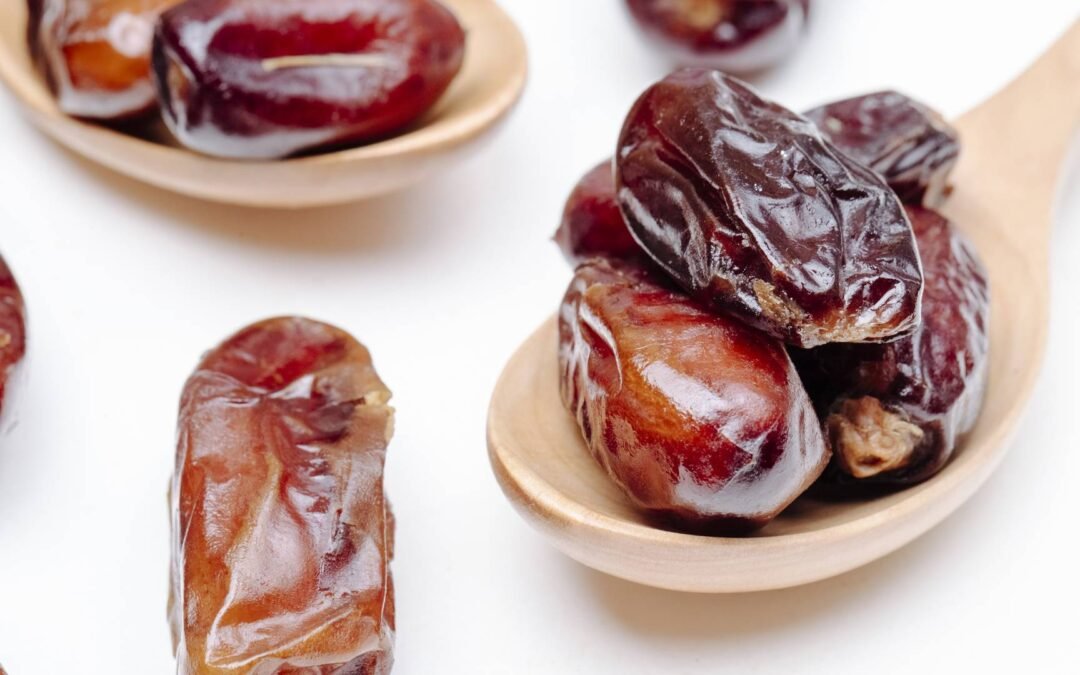
There’s something about
dates
that hooks you.
Sweet without being cloying
, effortlessly gentle and with that touch that transforms every bite into
healthy snack
. They rescue you from hunger during midnight cravings, enhance every dish, and most importantly, provide you with
natural energy
In a delightful manner. Ditch the artificial items: just a few quality dates, and the day begins smoothly. It’s that easy. It’s that great.
Tracing their roots back to date palms and boasting centuries of history, these items weren’t just
fundamental in the cuisine of numerous desert communities
, but today they have become an
key component in nutritious cuisine
And indeed: their incredibly sweet and caramelized taste, along with their smooth texture and capability to offer natural energy, makes them an ideal choice for mid-meal snacks as well as adding zest to dishes.
unique twist for desserts and breakfast dishes
.
However, dates are more than just
alternative to refined sugar
They truly pack a nutritional punch with their fiber, potassium, magnesium, antioxidants, and natural sugars that get absorbed gradually. This is precisely why they are not only
perfect for individuals who lead an active lifestyle or for athletes
They have also made their way into vegan baking due to their natural sweetness and capability to hold dough together without requiring any animal products.
Today, let’s introduce six delectable recipes where dates take center stage. From
quick snacks
for bringing along to your workplace or to the gym, to
easy
and surprising
desserts
That doesn’t require an oven. Additionally, if you’re searching for ideas to
open the fast during Ramadan
Whether you’re looking for a nutritious treat before your workout or just want to enjoy something guilt-free, here are choices to suit every palate.
Prepare to be enchanted by these six treats that prove why dates should have a forever home in your kitchen cabinet.
Dates filled with an energy ball containing a peanut butter center
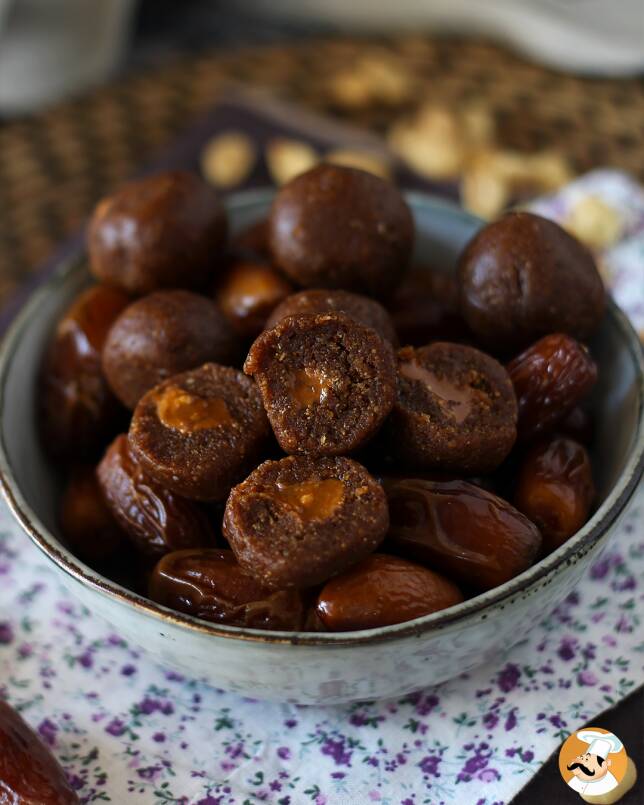
Energy balls
These are perfect snacks for hectic days. Simply mash dates along with nuts and add extras like pure cocoa, shredded coconut, or seeds, then shape into balls—it’s done! They’re quick to make without needing an oven and portable too. You might find it challenging to have just one.
Full recipe ❘
Date Energy Balls
Brawnie: The unprocessed brownie made with dates
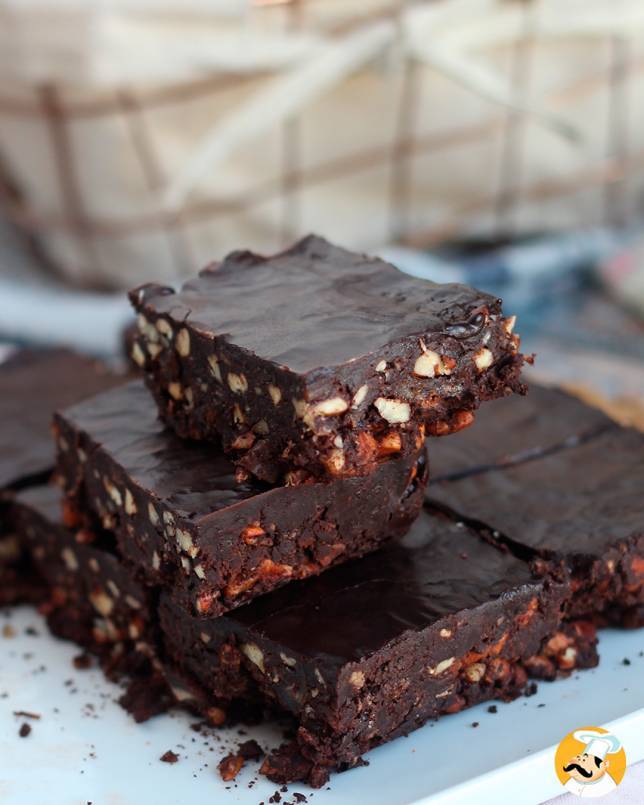
Indeed, one can relish a deeply chocolaty brownie.
without adding sugar or butter
. Here the dates provide all the necessary sweetness, in addition to giving it a juicy and moist texture that has nothing to envy to the classic recipe. Ideal for desserts, snacks or to accompany a coffee when you have guests and want to surprise with something different… and healthy.
Full recipe ❘
Brawnie
Snickers: Chocolate-covered stuffed dates
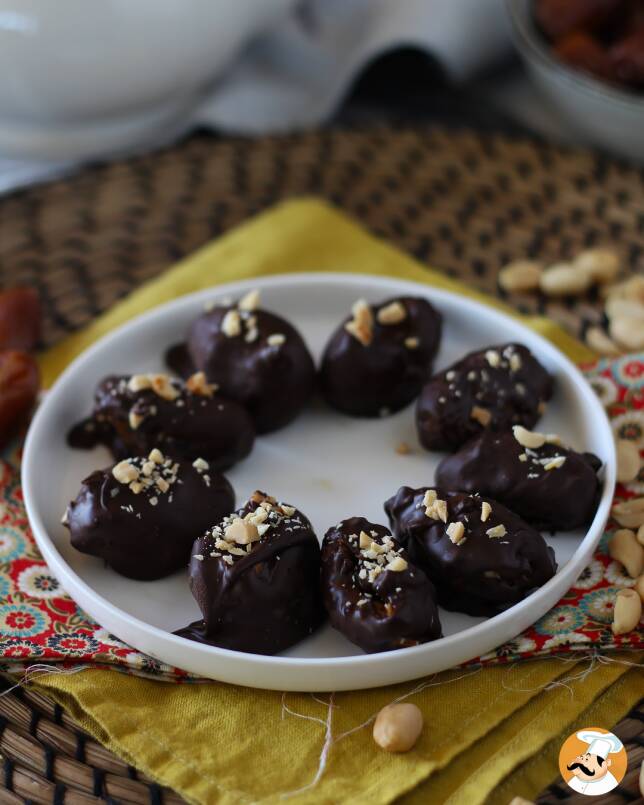
Who mentioned you can’t have enjoyment?
tasty treat free from highly processed ingredients
These DIY Snickers bars use dates as their foundation and blend the finest elements from both realms: a smooth and rich texture.
peanut butter
filling and a crunchy dark chocolate coating. All
free from flour, free from processed sugars
And with that perfect balance that leaves you wanting more. Ideal for packing in your backpack and tackling sugar cravings in the most wholesome manner.
Full recipe ❘
Snickers: Chocolate-covered stuffed dates
Coffee and date smoothie
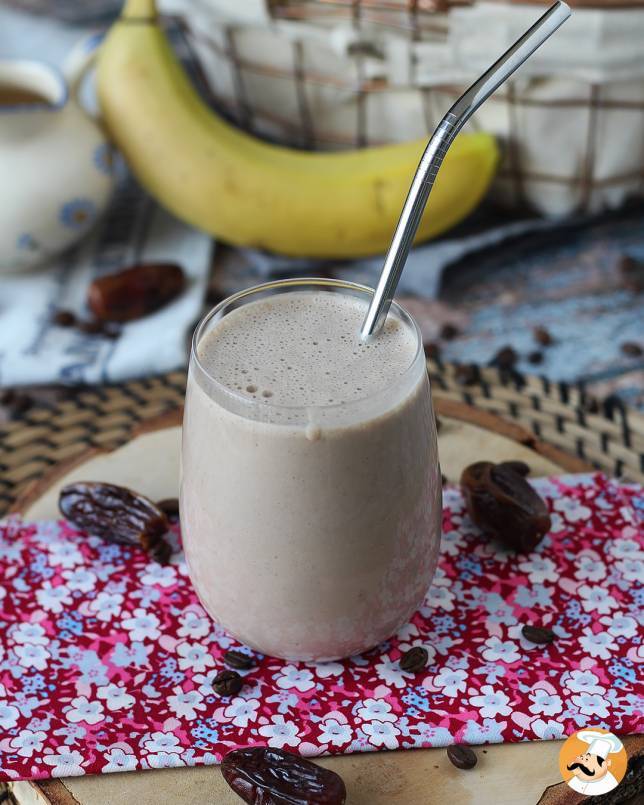
If you’re looking for an energizing pick-me-up during mornings or midafternoons, this smoothie will be your go-to choice. It’s creamy, freshly made, and perfectly complemented with a hint of coffee to invigorate you. The blend includes bananas, milk, and dates for natural sweetness. This healthy and filling drink merges the goodness of breakfast with the delight of cold brew coffee.
Full recipe ❘
Coffee and Date Smoothie
Date fudge
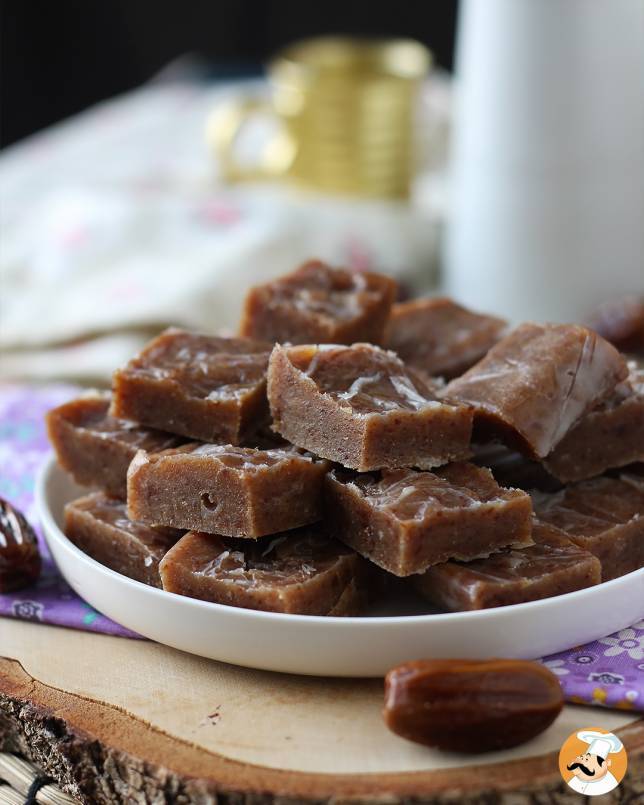
This fudge serves as evidence that
vegan desserts
can be just as irresistible as traditional ones. All you need are dates, a little tahini or nut butter and coconut oil to achieve a soft, almost toffee-like texture that melts in your mouth. Keep it in the fridge and you’ll always have a sweet snack on hand for when you need it most.
Full recipe ❘
Date Fudge
Date cream, the natural sweetener for your desserts

Ditch the conventional sugary caramel. This nutritious alternative made from dates works great as a spread on bread, pairs well with yogurt, or elevates any dessert. It’s a basic element you’ll wish to keep using repeatedly.
Full recipe ❘
Date spread
You might also want to check out:
Ramadan 2025: Strategies for Fasting Without Fatigue During This Month
read more on en.SANGGRALOKA


