Power Outages Set for Six Counties on Wednesday — International Edition (English)


Kenya Power has declared planned electricity outages in certain regions throughout the nation, impacting areas within six counties.

The power company outlined regions impacted in Nairobi, Kiambu, Kitui, Tharaka Nithi, Mombasa, and Kwale counties.

A public announcement released on Tuesday evening stated that interruptions would occur at various times.

between 8am and 5pm.

The electricity outage is occurring to enable system upkeep.


Nairobi

Sections of Nairobi will experience electricity outages between 9 am and 5 pm.

The regions include Githurai 45, Co-op Bank, Naivas, Kingdom Sacco, Mount Kenya, Kimbo, Mwana Mukia, Clanne Academy, Kassmatt, Fountain Junior, Kwa DO Mukinye, Army Barracks, Sukari B, Mwiki School, Kimbo Police Station, part of Mwihoko, Farmers Choice, part of Clay City, along with neighboring consumers.

Other zones include Section III of Eastleigh, portions of Yusuf Haji Road, Mega Wholesalers, the Eastleigh Equity Bank, the Huduma Centre in Eastleigh, parts of Eastleigh’s Second Avenue, sections of Eastleigh’s Third Avenue, and nearby clients.

Meanwhile, sections of Evergreen Runda, Flame Tree, Ruaka Road, Runda Meadows, Bombax Drive, and Tala Drive will experience electricity outages in Nairobi.


Kiambu

Sections of Kiambu will experience disruption in electricity supply between 9 AM and 5 PM.

The locations include Ruaka town, Slaughter Road, Kyuna Road, Gertrude, Kinuthia Drive, California, James Drive, a section of the Bypass, Delta, the Total Petrol Station, and nearby clients.


Kitui

Sections of Kitui will experience electricity outages between 9 am and 5 pm.

The locations include Kora Market, Kwa Gavana, Mivukoni, Tseikuru, Kaningo, Usueni, Mikauni, Ngungani Market, Kiambere Water Supply, and Wikithuki.


Mt Kenya region

Areas scheduled for power outages between 9 AM and 5 PM include Kiamuthanga Market, Kiamuthanga Village, Mbogo-Ini Village, Tumutumu Farm, Tumutumu Secondary School, Kiamubira Primary School, Tumutumu Hospital, Kiangoma Village, Karie Coffee Factory, Ikonju Village, Mungaria Coffee Factory, Mungaria Polytechnic, Wakamata Village, Mbari Ya Njora Village, as well as nearby clients using Safaricom and Airtel boosters.

Additional locations scheduled for power outages between 8 AM and 5 PM in the Mount Kenya area encompass Birithia Girls, Mahiga Girls, Gathtuthi Girls, Gathuthi Tea Factory, Ndugamano Market, Kagere Market, Kenyatta Mahiga High School, Gitugi Tea Factory, Ihithe Secondary, Gura Village, Hubuini Market, Mathenge Technical Training Institute, Mahiga Coffee Factory, Kina TBC, Gacami Market, Ndunyu Market, along with nearby consumers.


Tharaka Nithi

Regions within Tharaka Nithi will experience electricity outages between 8:30 AM and 4 PM.

The properties include Godka Hotel, Chuka KPLC office, Chuka Kenya Police station, and neighboring clients.


Mombasa

Sections of Mombasa will face electricity outages between 9 AM and 5 PM.

The list encompasses institutions such as the Technical University of Mombasa, Tudor Sub-County Hospital, locations like Tudor Nora, Rasini Road, areas including Tudor Kwa Mchele, Tudor Kiziwi, educational facilities such as St Joseph Catholic School, places named Tudor Mwisho, landmarks like Kaa Chonjo, residential complexes such as Nyumba ya Wazee, eateries like Kwa Amo Biriyani, recreational spots like Tudor Water Sports, along with nearby patrons.


Kwale

The areas of Kwale expected to experience power disruptions between 9 AM and 4 PM include Mshiu, Mwangwei, Majoreni, Lungalunga, Mwangulu, Mtumwa, Vanga, Horohoro, along with nearby consumers.

Provided by SyndiGate Media Inc.
Syndigate.info
).

Customs Reject CG Tenure Extension, Expose Report as Fraud

The Nigeria Customs Service has stated that the reported extension of tenure for the Comptroller General of Customs, Adewale Adeniyi, is untrue.

Abdullahi Maiwada, who serves as the National Public Relations Officer for the organization, issued a statement on Tuesday stating that these reports were incorrect and deceptive.

He stated that the President has exclusive authority over the appointment and extension of terms for members of the CGC, as per the guidelines set out in the NCS Act 2023 and other pertinent rules overseeing public sector appointments.

“The National Customs Service has noticed a fraudulent statement purportedly issued by the State House concerning an extension of the term for the CGC, Adewale Adeniyi. The NCS strongly wants to clarify that this information is incorrect and deceptive,” stated Maiwada.

He emphasized again that currently, no such instruction has been passed along to the NCS by the relevant bodies.

Maiwada insisted that the leadership of the organization continues to concentrate on achieving its legal responsibilities which include promoting trade, generating income, and ensuring border safety.

As per his statement, with the oversight of the present CGC, the organization has kept pushing forward significant changes designed to “update customs procedures, boost cooperation among different agencies, and foster the country’s economic development.”

The spokesperson for the NCS requested that both the general public and all involved parties refer solely to official sources for precise details about the organization.

He stressed that any updates about assignments or term decisions will be officially conveyed via the relevant governmental bodies.

“The service values the ongoing support from stakeholders and continues to be dedicated to maintaining transparency, demonstrating professionalism, and serving the nation,” he stated.

Provided by SyndiGate Media Inc.
Syndigate.info
).

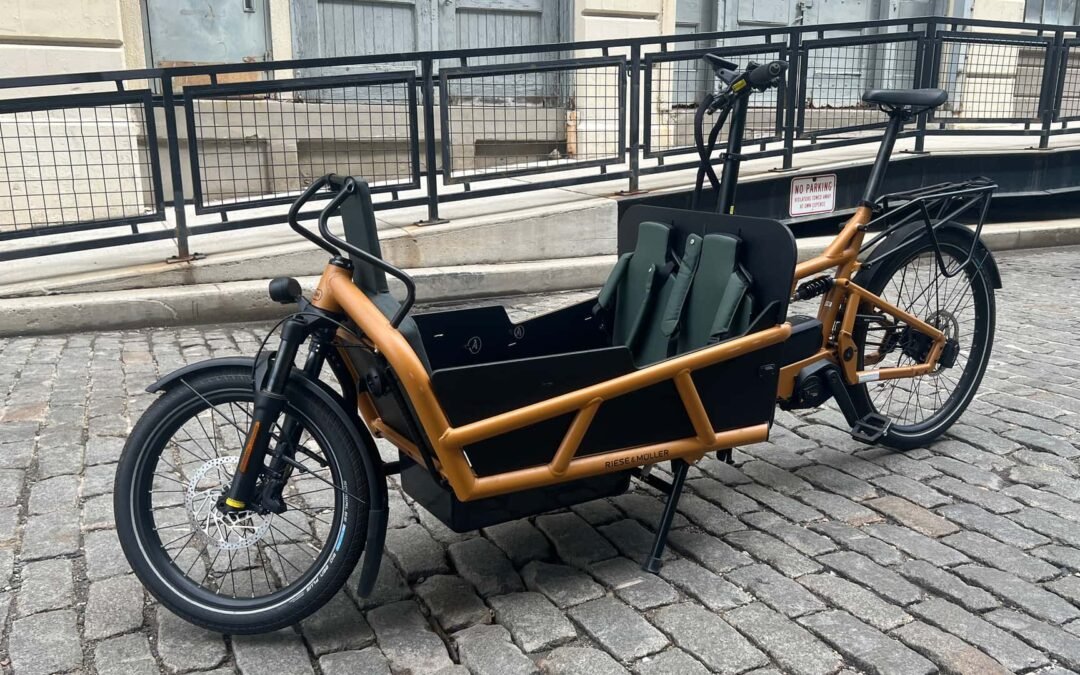
IEV’s Top Picks: Unveiling the $14,000 Riese & Müller Load4 Electric Bike

IEV’s Top Picks: Unveiling the $14,000 Riese & Müller Load4 Electric Bike

We’re testing additional electric bikes and city-friendly transportation options, beginning with this nut-colored cargo vehicle. Feel free to ask us anything.

Electric bikes and overall e-mobility are gaining popularity globally as well as throughout the United States. In 2024, the sale of electric bicycles in the U.S. amounted to almost $1.8 billion, as reported by PeopleForBikes.
survey data
If you broaden this to encompass electric scooters and similar devices, the total figure would likely be even greater. Even Rivian has decided to join this trend.
Also
, its misleadingly titled micro-mobility division.

As denser cities and their neighboring suburbs invest in cycling infrastructure to alleviate traffic congestion and enhance road safety, the shift towards alternative modes of transport for city and short-distance travel becomes logical. The costs associated with cars and related expenditures have surged significantly, making such options increasingly prohibitive.
one in five
first-time car purchasers facing a $1,000 monthly car payment prior to accounting for fuel or insurance costs.
25% tariffs
With new regulations on imported cars and components scheduled to come into play on April 2nd, it seems affordability won’t be improving shortly. For numerous households, an electric bike as an alternative to a second car is becoming increasingly appealing.

Photo by: Maddox Kay/InsideEVs

In other words:
InsideEVs
Is focused on exploring the future of transportation, which now extends beyond just automobiles. Therefore, we intend to use our strict evaluation methods and straightforward feedback for all things related to electric mobility—assisting you in determining which items deserve your attention and which might be unreliable choices.

We’re beginning with this: The Riese & Müller Load4 75 Rohloff HS,
borrowed from Propel Bikes
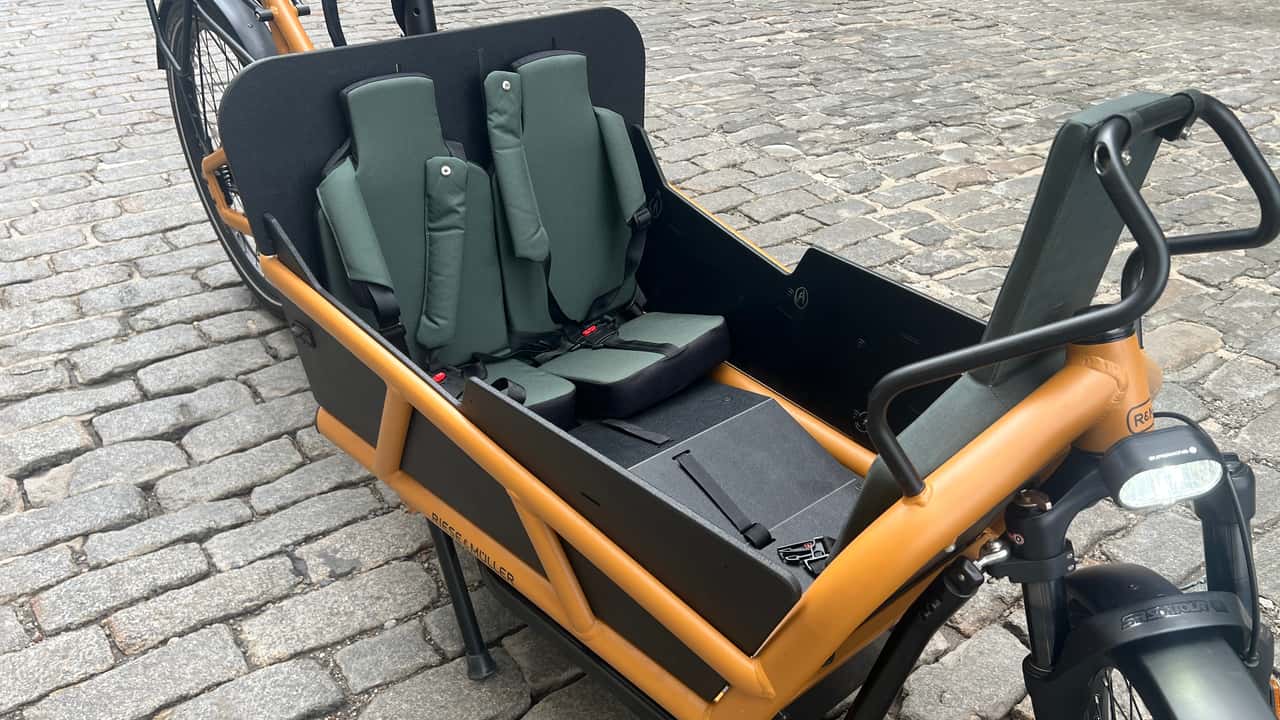
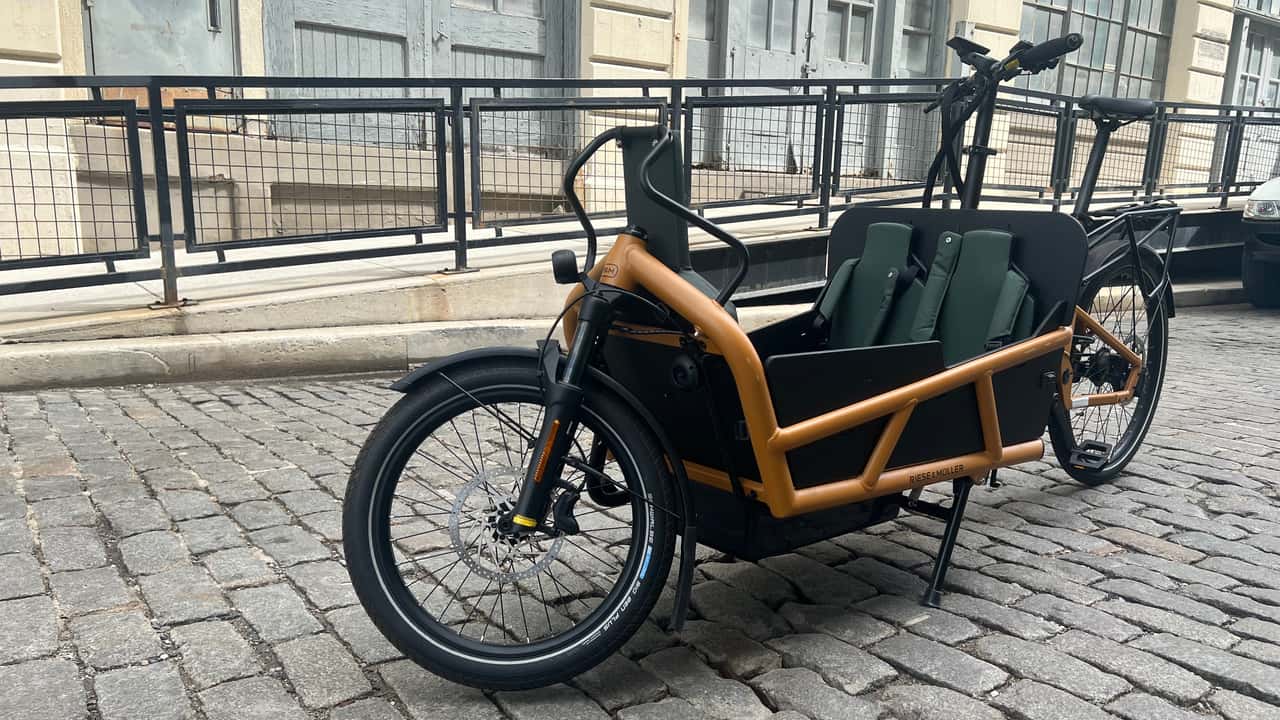
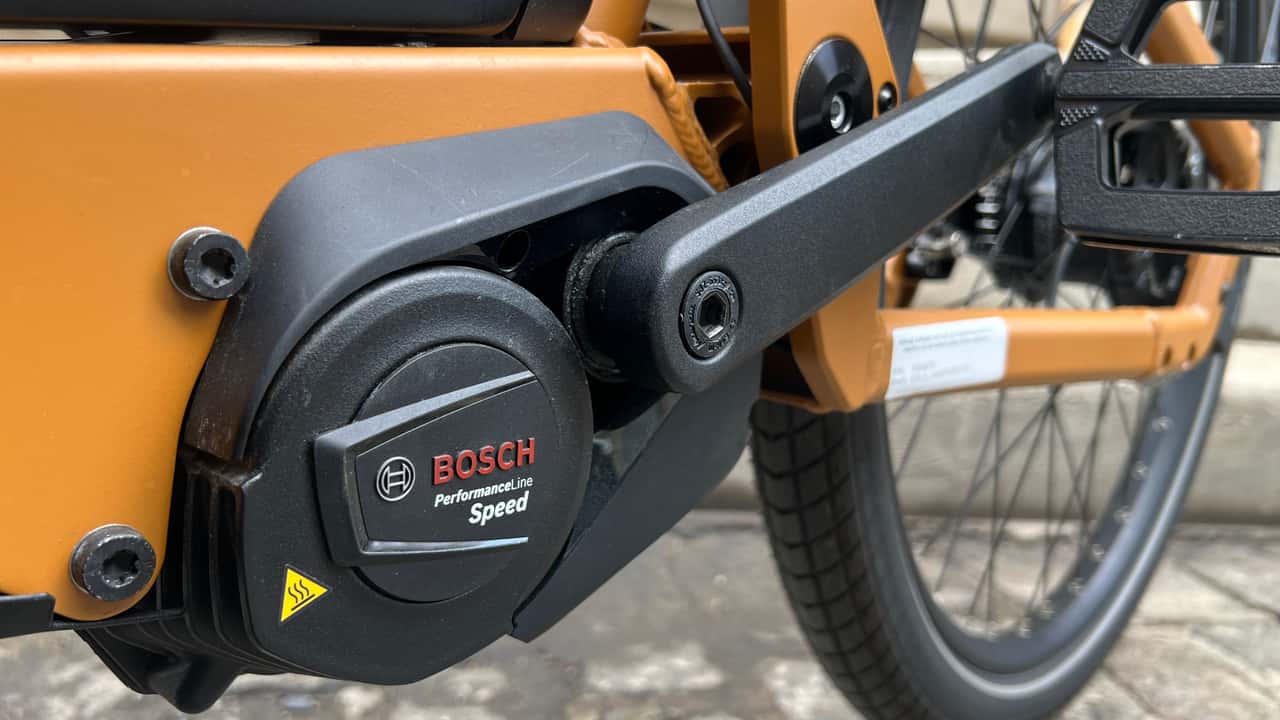
That sounds complex, so let me break it down. Riese & Müller is a well-established German bicycle manufacturer with over three decades of experience, specializing in premium electric bikes since 2009. The Load4 represents their fourth-generation model in the range of front-loading cargo bicycles, and the “75” denotes the size of the cargo area at 75 centimeters long. Another notable component comes from Rohloff, a different German firm recognized for manufacturing internal gear hubs offering 14 speeds; these systems utilize belts rather than chains and demand less upkeep. Lastly, “HS” stands for High Speed, as this pedelec is capable of reaching up to 28 miles per hour and features an additional Turbo assist setting.

Photo by: Maddox Kay/InsideEVs

Photo by: Maddox Kay/InsideEVs

Photo by: Maddox Kay/InsideEVs

The cost isn’t insignificant—at $14,419 for the model tested, it definitely makes you take notice. This places it at the high-end of the cargo electric bike spectrum, more suited to luxury pursuits rather than budget-conscious buyers. However, equipped with full suspension and featuring 1.45 kWh of battery capacity offering approximately 80 miles of practical range, it transforms into a versatile all-terrain vehicle capable of carrying substantial loads, akin to a small car. Considering its used-car-level pricing, these features become quite significant.

(To be completely transparent: The staff at the electric bike retailer
Propel Bikes
lent me the
Load4
For a few days for this review.)

Photo by: Maddox Kay/InsideEVs

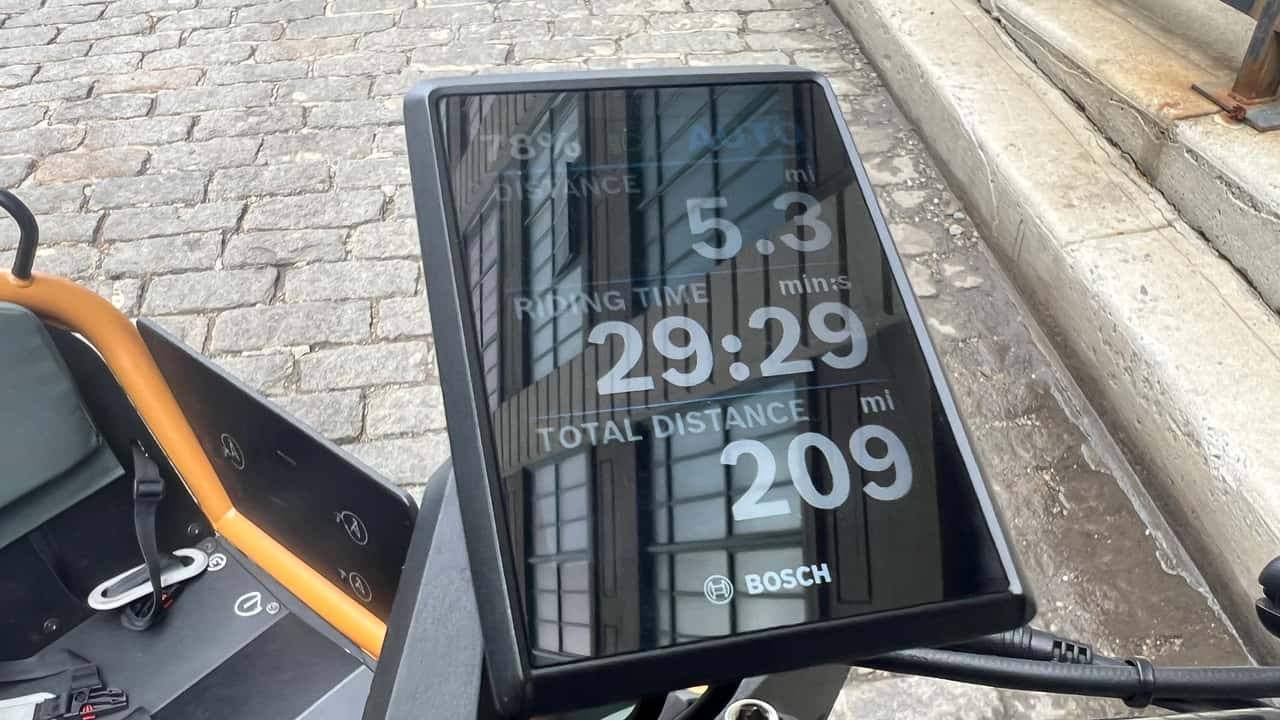
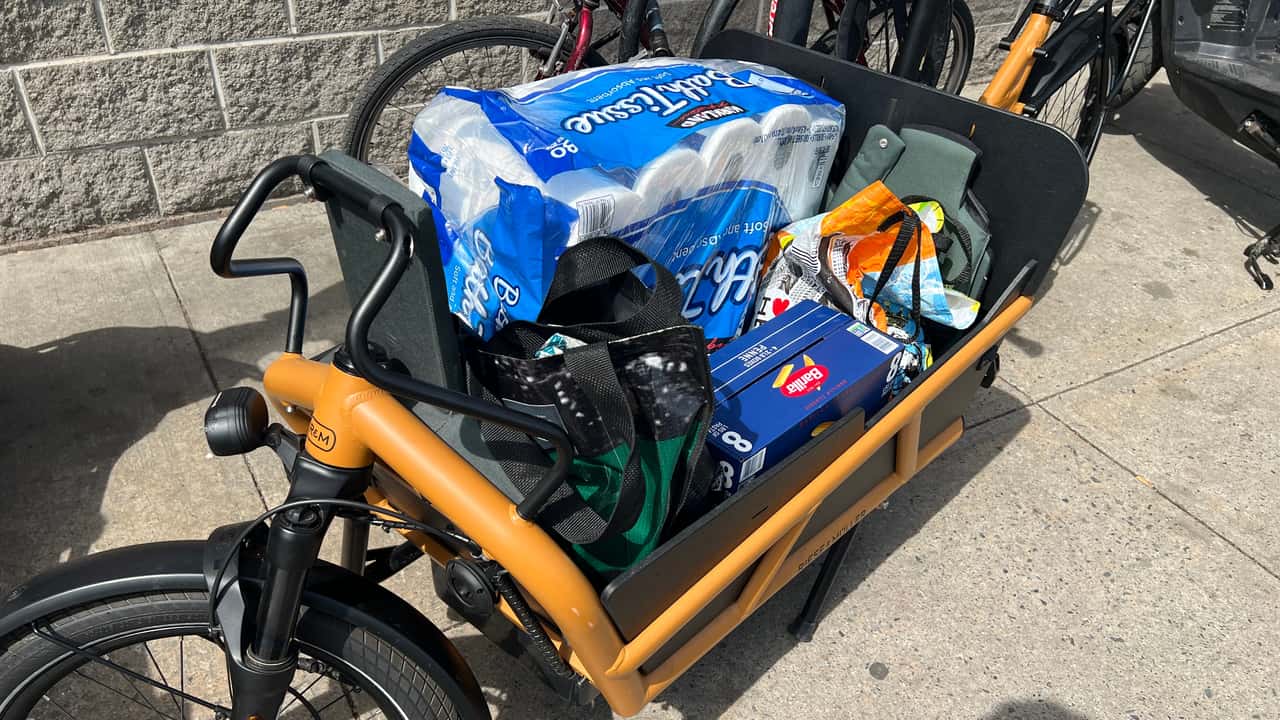
This week, I’ll put my cargo bike through rigorous use: runs to Costco and the garden center, a 20-mile total commute spanning different boroughs, plus leading a “bike bus” for school drop-offs. I will share updates later, but tell me now—what would you like to learn about the Load4 75?

When it comes to initial impressions, this bicycle is remarkably comfortable and steady whether fully loaded or empty. Initially, I was concerned about maneuvering with a large cargo box extending beyond the handlebars, but I adapted swiftly to the bike’s size and impressive handling capabilities. Additionally, the suspension system ensures a smooth journey even across New York City’s rough streets and bumpy pavements. However, the bike can seem lengthy and cumbersome when trying to navigate the tight corridors of my apartment complex.

What do you want to see in our e-bike and micromobility reviews at InsideEVs? Let us hear your thoughts.

AY Makun Challenges Nigerian Banks Over Exorbitant Service Charges

Well-known Nigerian entertainer and movie producer Ayo Makun, widely recognized as AY, has voiced his worries about the high service fees charged by commercial banks in Nigeria.

On his X account (previously known as Twitter), AY raised doubts about how banks can consistently report trillions of Naira in quarterly profits amidst Nigeria’s faltering economy.

He contended that certain fees levied on customers are specific to Nigeria and ought to be contested.

He questioned, “How do banks manage to report trillions in profits each quarter despite a struggling economy? We should challenge the minor charges and deductions from our accounts. These fees often have a specific presence in Nigeria. What explains this?”

Provided by Syndigate Media Inc. (
Syndigate.info
).

Prescription for Danger: The Menace of Counterfeit Medicines in Urban Nigeria

In vibrant urban centers such as Lagos, Abuja, Port Harcourt, and Kano, an unannounced public health crisis is taking shape—hidden behind pharmacy counters, throughout hospital corridors, and within medicine chests. This threat isn’t caused by a novel virus or illness; rather, it’s something closer to home yet equally perilous: counterfeit and low-quality medications.

Although the phrase counterfeit medicine frequently brings up images of intellectual property violations or illicit trafficking networks, its true effect is profoundly personal and distressingly ignored—it poses an immediate risk to patients’ well-being. Within Nigeria’s bustling health sector, where countless individuals depend on prescribed drugs and non-prescription medications every day, the danger posed by substandard medicines is both actual and widespread.


When treatment becomes a
threat

Think about this scenario: A young female patient who has been diagnosed with typhoid fever goes to a well-regarded clinic in Abuja. The doctors prescribe her some antibiotics, which she buys from an adjacent pharmacy and starts using as directed. However, several days into her treatment, her health takes a turn for the worse. Unbeknownst to her—and initially undetectable by her physician—the medications she obtained had barely detectable levels of the effective compound. Essentially, they were placebos. Sadly, such instances are not uncommon occurrences.

The World Health Organization reports that substandard and counterfeit medications are particularly widespread in lower- and middle-income nations, making up approximately one-tenth of all medical products available. Specifically, a 2018 study conducted by NAFDAC, which stands for the National Agency for Food and Drug Administration and Control in Nigeria, found that between 15% to 17% of circulating medicines were likely fraudulent or below standard quality—a concerning statistic with significant repercussions for public well-being.

Urban irony

Urban centers, despite their better infrastructure and access to healthcare, are not spared. In fact, they may be more vulnerable due to high demand for medication in dense populations; thriving informal drug markets where unregulated vendors compete with licensed pharmacies; digital pharmacies and online drug sales, which are often difficult to trace or regulate; overburdened health facilities that unintentionally source low-cost, unverified medicines to meet demand.

These elements create a harmful combination—one that erodes both the effectiveness of treatments and patients’ trust and safety.


Patient safety

The worldwide discussion about patient safety frequently centers on surgical mistakes, infections, or incorrect diagnoses. Nevertheless, ensuring the integrity of medications stands as a crucial yet largely overlooked aspect of delivering secure healthcare, particularly in Nigeria.

If someone ingests a fake medication, several serious issues could arise: their condition might deteriorate, potentially resulting in avoidable hospital stays or fatalities; antibiotic misuse can foster drug-resistant strains of bacteria; this mistake leads to extra expenses, placing financial strain on both households and medical facilities; doctors’ credibility suffers, complicating efforts to determine genuine cases of treatment ineffectiveness; ensuring patient security encompasses more than just surgical procedures or bedside care—it also involves safeguarding against compromised medications taken under trust.


Systemic gaps

Even with the efforts of oversight organizations such as NAFDAC and PCN (Pharmacists Council of Nigeria), numerous issues continue to arise: irregular implementation of pharmaceutical rules; weaknesses in tracking medications through the distribution network, particularly when they reach retailers; instances of bribery and fake products entering authorized outlets; public unawareness leading individuals to inadvertently buy medicines from unauthorized sellers; insufficient resources for customers to confirm medication legitimacy; although new technologies like the Mobile Authentication Service (MAS)—enabling people to authenticate drugs using SMS—have been introduced, their recognition and adoption among the populace still lag behind expectations.


What can be done?

Strengthen Enforcement and Surveillance: Regulatory bodies must adopt real-time supply chain tracking technologies and increase on-the-ground inspections in urban pharmacies.

Public Awareness Initiatives: It’s crucial for patients to grasp the dangers associated with purchasing from unauthorized outlets and to feel confident in questioning and authenticating their medicines.

Training for Healthcare Providers: It is essential to educate doctors and pharmacists so they can identify indications of medication failure, which might signal the presence of substandard drugs.

SUPPORT LOCAL MANUFACTURING: Encouraging domestically made, supervised medications can decrease dependence on imported products and fill in the gaps exploited by fake drug makers.

Enhance Patient Safety Protocols: Medical facilities such as hospitals and clinics should integrate drug authenticity verifications into their comprehensive patient protection measures.


Prescription

Ensuring patient safety extends further than just prescriptions. Combating fake and low-quality medications in Nigeria should not rest exclusively with regulators or police. Instead, it needs to be a central issue for healthcare professionals, patients, and policy makers collectively. Should a patient lack faith in the authenticity of their medicine, genuine patient safety will stay unattainable.

In order to safeguard the well-being of Nigerians, particularly those living in urban areas, we should start viewing medication quality not just as a pharmacy concern but rather as an essential aspect of patient safety with potentially fatal consequences.

Bakare, who works as a pharmacist and advocates for patient safety, shares insights from the United States.

Provided by Syndigate Media Inc. (
Syndigate.info
).

Login Required

Please log in to add tours to your wishlist.

Log In