
by admin | Mar 16, 2025 | community, culture, family relationships and dynamics, social issues, society
Memasuki usia 40 tahun rasanya menjadi momen yang semakin menyenangkan bila dilalui dari dalam rumah. Namun, tentu saja hal tersebut belum tentu dirasakan oleh setiap individu secara seragam. Terlebih saat menjelang bulan Ramadhan. Secara perlahan, ajakan untuk makan berbuka bersama mulai menurun. Bahkan jika masih ada, biasanya hanyalah teman-teman paling dekat saja dan jumlah mereka cukup sedikit.
Mempunyai banyak grup teman pasti punya karakteristik tersendiri. Beberapa terikat oleh minat yang sama, lainnya lagi berdasarkan anak-anak mereka mengejar pendidikan di satu sekolah, dan tidak sedikit pula karena lokasi perumahan bersama.
Umumnya selalu mengatur bukber di awal karena menjelang pertengahan hingga akhir banyak orang yang sibuk dengan tradisi pulang kampung.
Maka, bukber tentunya tak terlepaskan dari tradisi Ramadan serta kejadian tahunan ini. Banyak orang menggunakannya sebagai kesempatan untuk meningkatkan tali persaudaraan, saling berbagi hadiah atau barang-barang istimewa, ataupun sekedar berkumpul sebab biasanya tiap hari mereka asyik dengan aktivitas masing-masing di tengah dunia modern.
Tetapi, apakah Anda yakin bahwa keyakinan Iman akan semakin teguh setelah acara bukber? Adakalanya, setelah menghadiri bukber, seseorang bisa merasakan perasaan minder, iri hati, atau bahkan dengki ketika melihat seorang teman kita terus berkembang dan hidupnya menjadi lebih mudah. Jika hal itu dirasa wajar, maka jangan ragu untuk ikut serta dalam acara tersebut.
Apabila hanya menghasilkan kelelahan dan justru merogoh kocek dalam-dalam akibat harga makanan buka bersama di luar yang cenderung lebih tinggi, seharusnya hal itu bisa ditolak, kan?
Bukber Bermakna, Perhatikan Konsepnya
Saya sungguh gembira jika ada bukber yang dapat menambah tingkat kesalehan serta kegembiraan bagi semua orang yang menghadiri acara tersebut. Namun, rasanya begitu hancur hati apabila bukber malah meninggalkan kenangan tidak menyenangkan yang selalu terngiang saat bulan Ramadhan tiba lagi. Bisa-bisa sampai mencapai tahap trauma yang dalam. Betul-betul disayangkan sekali hal ini.
Lalu, konsep seperti apa yang membuat bukber lebih bermakna? Berikut beberapa konsep yang perlu diperhatikan, kalau perlu diterapkan:
Bukber dengan Tantangan Kebaikan
Dapat diselenggarakan dengan melibatkan anak atau anggota keluarga lain dalam memainkan suatu tantangan yang dapat menambah pengetahuan tentang agama Islam. Sebagai contoh, sebelum terdengar call to prayer for Maghrib, Anda bisa melakukan hal-hal sebagai berikut:
Bermain ular tangga Juz Amma
Hei, game ini pasti digemari oleh anak-anak. Tetapi, orangtua sebaiknya turut serta untuk menunjukkan sebagai teladan di hadapan anak-anak bahwa orang tuanya seru dan gemar mengulang hafalan Al-Quran. Karena, bila orang tua bergabung dalam permainan tersebut, hal itu akan memudahkan proses belajar bersama-sama.
Terdapat penyampaian nasihat sebelum waktu berbuka puasa.
Kelompok yang buka bersama tidak perlu hanya fokus menyampaikan pengetahuan agar bisa memberikan banyak informasi kepada anggota kelompok, namun mereka juga harus terus belajar dan memahami hal tersebut dari awal. Tausiah kali ini akan lebih baik jika menyinggung tentang kesehatan darah serta kebiasaan wanita, bagaimana cara tetap bugar saat menjalani puasa walaupun di rumah ada anak-anak yang sangat enerjik dan sulit diajak duduk manis.
Jadi, dalam tausiyah ini, orang-orang diajar tentang cara melaksanakan wudhu yang tepat dan sesuai dengan syariah. Jika hal itu terlalu sulit, dapat pula disampaikan melalui cerita-cerita Nabi dan Rasul yang lebih dewasa dibandingkan seri untuk anak-anak. Dengan begitu, para ibu pun tak perlu khawatir merasa semakin letih.
Terdapat Waktu di Mana Kita Berbagi Tentang Keadaan Yang Sedang Dihadapi Sekarang
Bisa jadi beberapa peserta yang ikut serta dalam kegiatan pengajian semacam ini dapat melepaskan semua kemarahan mereka dan beban pemikiran yang menghantui dalam kesehariannya. Saat menjadi penonton, hendaklah kita menjadi pendengar yang bertanggung jawab. Karena umumnya seseorang cenderung untuk menceritakan masalahnya kepada orang lain ketika suasana hati sudah tepat.
Orang semacam itu umumnya tak perlu penyelesaian masalah. Karena hal tersebut tergantung pada situasi masing-masing keluarga. Apabila menghadapi kasus serupa, cukup dengarkan dengan penuh perhatian. Bila sudah lelah mendengar, ungkapkan dengan kata-kata bijak agar orang bercerita pun tidak merasa disepelekan.
Open Donasi
Hal ini sungguh berarti lantaran tak sekadar membayar uang untuk buka puasa, melainkan juga menyisihkan bagian dari hartamu bagi mereka yang ada dalam lingkup komunitasmu, grupmu, institusimu, apa pun itu istilahnya. Karena sumbangan tidak harus dicari jauh-jauh; cukup lihatlah sekeliling dan kamu akan menemukan orang-orang yang memerlukannya contohnya saja.
Sebaiknya variasi donasi yang didistribusikan dibatas-bataskan. Ini bertujuan agar tidak ada penumpukan barang sehingga menghindari kekurangan pasokan di pasar. Sumbangkan dengan niat baik, distribusi tepat sasaran, lalu melanjutkan aktifitas Anda lainnya.
Eksplorasi Lokasi-Lokasi Agama Bernilai Sejarah
Sebagai contoh, jika pertemuan sebelum buka puasa berlangsung di lokasi A, maka lebih baik lakukan perjalanan singkat ke tempat-tempat bernilai spiritual dengan riwayat penting terlebih dahulu. Di Surabaya sendiri, kita dapat mengunjungi Kawasan Ampel, Masjid Cheng Ho, atau Masjid Al Akbar sebagai pilihan aktivitas tersebut. Ini tak hanya menjadi ajang berkumpul dan tertawa-tawa, namun juga kesempatan untuk memperluas pengetahuan soal agama yang barangkali belum dikenal hingga umur segini.
***
Baiklah, pastikan agar momennya tidak hanya semacam pertemuan biasa tanpa meninggalkan dampak apa pun. Hindari pesta buka puasa yang malah menyebabkan Anda pulang dengan beban lebih banyak. Perhatianilah secara cermat ide-ide yang diajukan. Jika sebenarnya tidak cocok atau nyaman, jangan dipaksakan hadir. Karena mengatakan “Tidak” juga merupakan hal positif untuk diri sendiri apabila tidak mendapatkan keuntungan atau arti tertentu dari acara tersebut.

by admin | Mar 16, 2025 | culture, living abroad, relocation, Travel, world
-
A survey conducted by InterNations among expatriates living in 53 different nations worldwide revealed some insights.
-
EXPLORE FURTHER: As a seasoned traveler, here are some of Europe’s least-known gems you shouldn’t miss
A recent survey has unveiled which nation ranks as the most welcoming place for expatriates globally, placing an Central American location at the top of the chart.
The outcome stems from a survey conducted by
InterNations
, a guide for expats, where foreigners living in 53 different countries worldwide were asked to rate their adopted homes.
Foreigners were queried regarding their social activities, if they felt like they had settled in, how easily they adapted to the cultural environment, and the amiability of the locals.
Therefore, where are the most welcoming locations for expats to relocate?
The friendliest…
Costa Rica
Costa Rica
tops the list as the most welcoming nation for expats looking to move abroad.
Most expatriates (88 percent) find themselves very welcomed in Costa Rica, and 83 percent report feeling at home there.
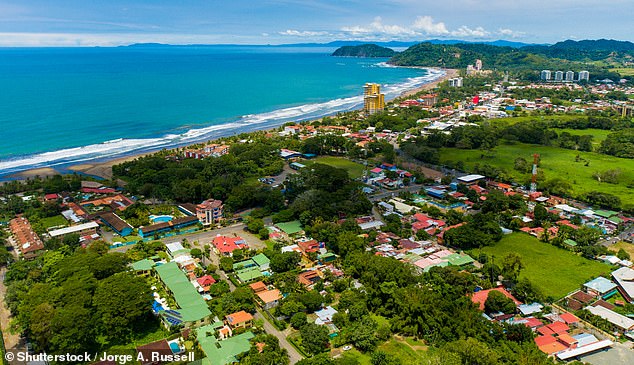
Over one-third (35 percent) believe that adapting to the local culture is quite simple, as opposed to only 21 percent globally.
A Canadian expatriate shares with InterNations: “The residents here are typically kind and delightful individuals. Over time, you get accustomed to embracing the ‘Pura Vida’ way of life in Costa Rica.”
With nine out of every ten expatriates deeming the locals as welcoming, it comes as no shock that 58 percent find forming friendships with people from this area quite straightforward.
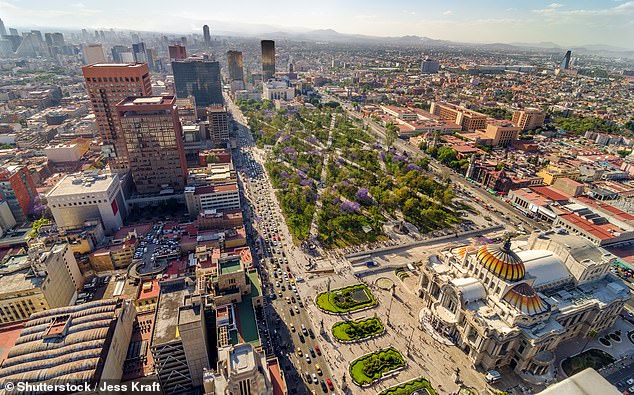
Mexico
Mexico secures the second spot in the rankings thanks to high scores for its welcoming inhabitants.
Nearly 75 percent (73 percent) of expatriates report being satisfied with their social lives in Mexico, and an impressive 85 percent say they feel welcomed there.
According to 67 percent of expatriates, making local friends is straightforward. However, only 31 percent mention that most of their friends are Mexican, which significantly exceeds the worldwide average of 17 percent.
An American expatriate shares with InterNations: “Making social connections appears to be significant for locals, hence their enthusiasm in befriending newcomers, such as expats.”

The Philippines
Over forty percent of expatriates (41%) residing in the Philippines, which holds the third position on the ranking, mention that their primary friendships are with locals.
Nearly 70 percent (specifically 69 percent) of expatriates find it easy to make local friends in the Philippines, whereas 68 percent express satisfaction with their social lives in this Southeast Asian nation.
A UK expatriate shares with InterNations: “I adore the relaxed and unrestricted way of life here. People are always ready for a conversation.”
Almost eight out of ten expatriates feel welcomed in the Philippines (85 percent), and roughly four out of five (78 percent) report feeling at home there.
The least friendly…
Kuwait
Kuwait is ranked as the least welcoming nation for expatriates. Just one-fourth of these individuals feel welcomed in Kuwait (26 percent), and nearly half (49 percent) do not feel at home there.
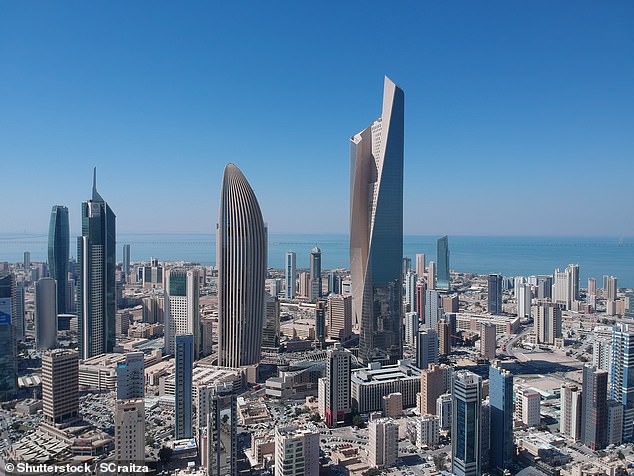
Slightly less than half (47 percent) of the respondents find it challenging to adapt to the local culture, whereas merely 22 percent express satisfaction with their social life in Kuwait.
Over half (53 percent) of the expatriates interviewed mentioned that their friendships are limited to other foreigners residing in the Middle Eastern nation.
This might be due to the fact that 61 percent of expatriates mention finding it challenging to form friendships with locals in Kuwait.
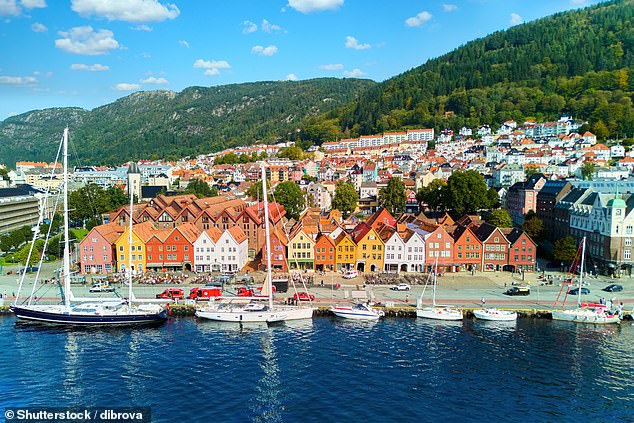
Norway
Norway is placed near the bottom of the rankings. Many expatriates struggle to form local friendships in this Scandinavian nation, as indicated by 67 percent who say it’s challenging for them. Additionally, 49 percent express dissatisfaction with their social lives.
Fewer than half of the residents in Norway (49 percent) report feeling at home, whereas 40 percent perceive the locals as unwelcoming.
Foreigners also struggle to adapt to the local culture in Norway – and having language skills doesn’t appear to make much of a difference.
An expatriate from Kenya told InterNations, “Regardless of how proficient my Norwegian language abilities have become, I still struggle to form friendships with Norwegians.”
Germany
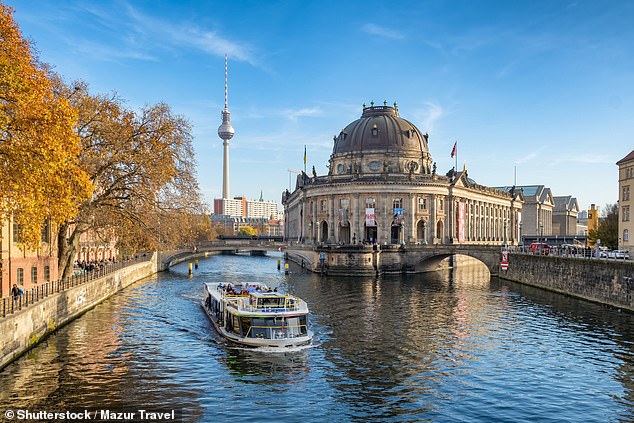
Germany likewise performs poorly, placing third from last in terms of friendliness with 32 percent of expatriates feeling unwelcome there.
Less than 40 percent (39 percent) of expatriates consider locals friendly in Germany, whereas 65 percent mention difficulty in forming friendships with people from the area.
A foreigner from the Czech Republic shares with InterNations: “Making friends with Germans can be challenging because typically, they tend to stick with their group of pals formed back in nursery school or during their education.”
THE MOST HOSPITABLE NATIONS FOR EXPATRIATES
1. Costa Rica
2. Mexico
3. The Philippines
4. Indonesia
5. Brazil
6. Thailand
7. Panama
8. Colombia
9. Kenya
10. Greece
11. Spain
12. Oman
13. Vietnam
14. Egypt
15. Portugal
16. UAE
17. Cyprus
18. Bahrain
19. China
20. Australia
21. New Zealand
22. Qatar
23. South Africa
24. Malaysia
25. Saudi Arabia
26. India
27. Hong Kong
28. USA
29. Ireland
30. Singapore
31. Belgium
32. Malta
33. Italy
34. France
35. Japan
36. South Korea
37. Poland
38. Luxembourg
39. Canada
40. Turkey
41. Netherlands
42. UK
43. Chile
44. Hungary
45. Denmark
46. Switzerland
47. Czechia
48. Sweden
49. Austria
50. Finland
51. Germany
52. Norway
53. Kuwait
Source:
InterNations
Read more
by admin | Mar 15, 2025 | asia, culture, Travel, travel destinations, travel recommendations
Japan and South Korea continue to be favored getaways particularly for Filipinos. Both of these East Asian nations are renowned for their deep-rooted cultural traditions, delectable cuisine, and picturesque landscapes.
Interestingly, online travel agency Agoda revealed in a recent survey that 84-percent of travelers are eager to discover new destinations this year.
This tendency enhances the attraction of discovering hidden gems in less-traveled areas across Japan and South Korea, providing new adventures in these popular spots, particularly for visitors who have been to these nations several occasions before.
For individuals looking for distinctive experiences far from typical tourist hubs, insurtech company Igloo recommends these off-the-beaten-path locations in Japan and South Korea. These destinations provide an excellent chance to discover something new and remarkable.
Each nation provides a mix of old-world charm and contemporary offerings that strongly appeal to Filipino tourists, who value ease of access, bustling urban centers, and activities suitable for families.
1. The Tottori Sand Dunes located in Tottori Prefecture, Japan, lie close to the Sea of Japan and just beyond downtown Tottori. These expansive dunes provide an oasis of desert scenery. Covering a distance of 16 kilometers, visitors can enjoy activities like sandboarding or riding camels here. Additionally, one can appreciate the remarkable natural formation which has taken millennia to develop through wind action carrying river sands from the Sendaigawa River onto the coastline. For more artistic displays, head nearby to the Sand Museum where you can see detailed sand art created by renowned global sculptors.
2. Shirakami Sanchi, located within Aomori and Akita Prefectures in Japan, is recognized as a UNESCO World Heritage site. This untouched woodland features towering ancient beeches, cascading waterfalls like Anmon Falls, and tranquil hiking paths. Believed to have stood for approximately 8,000 years, this primeval forest reportedly served as an inspirational backdrop for Hayao Miyazaki’s animated film “Princess Mononoke” from 1997. To experience serenity, you can wander around these majestic falls or reach the summit of Mount Shirakami for panoramic vistas.
3. Hahoe Folk Village, Andong, South Korea: Travel back through history as you explore Hahoe Folk Village, recognized by UNESCO for maintaining ancient Korean traditions with its classic hanok dwellings. Situated in Andong, this vibrant open-air museum provides insight into the customs of the Joseon Dynasty era. Be sure not to overlook their captivating mask dances and relish genuine Andong jjimdak, an aromatic steamed chicken delicacy.
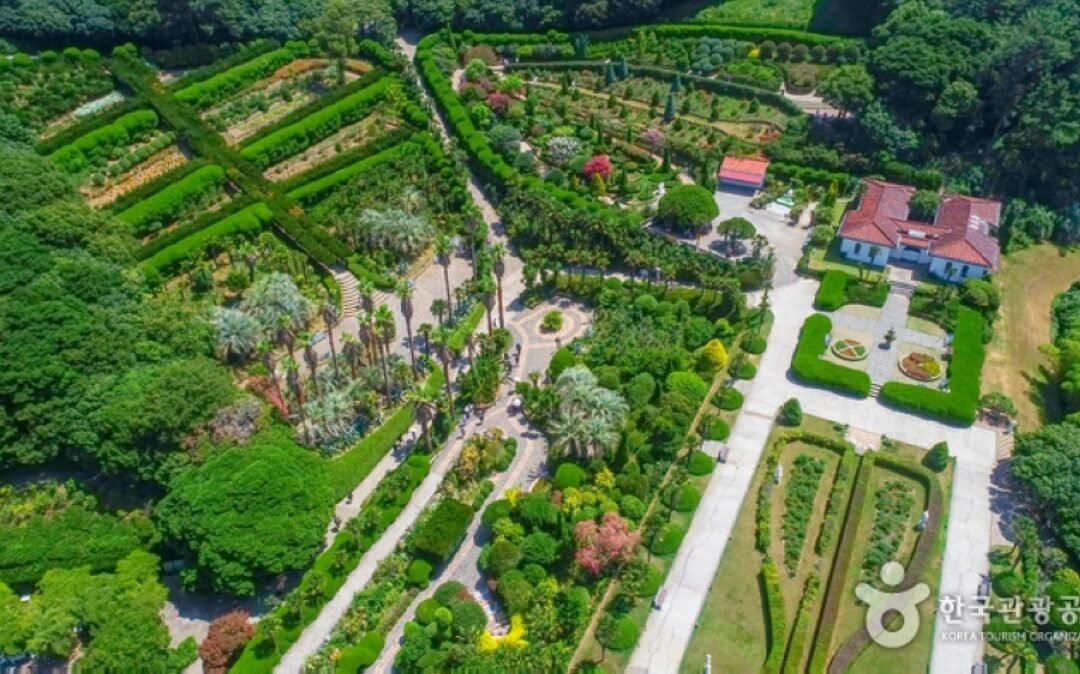
4. Oedo Botania, Geoje Island, South KoreaThis hidden paradise is a marine botanical garden on Geoje Island. Featuring European-style terraces, lush gardens, and panoramic sea views, Oedo Botania feels like a dream. Accessible by ferry, it’s a serene escape perfect for nature lovers and photography enthusiasts.
5. Damyang Bamboo Forest, Damyang, South KoreaImmerse yourself in the verdant expanse of Damyang Bamboo Forest, famously called Juknokwon. Here you can meander along serene trails flanked by soaring stalks of bamboo, creating an idyllic setting for relaxed strolls. Known for its culinary delights inspired by bamboo, this location invites visitors to savor specialties like bamboo rice and bamboo-infused ice cream, perfect treats for enthusiasts of gourmet experiences.
How to journey safely and with flair
The charm of lesser-known spots stems from their capacity to provide an alternative experience—escaping typical touristic throngs and diving into pristine landscapes and authentic traditions. Discovering these locations can feel akin to revealing a clandestine treasure, rendering each instant uniquely special and unforgettable. Picture yourself perched at the peak of the Tottori Sand Dunes, basking in the vastness of this desert oasis, or meandering along the serene trails of Namiseom Island, enveloped by the vivid hues of fall foliage.
The timing is crucial when you visit these lesser-known treasures. Going during the low season lets travelers enjoy the locations at their calmest moments—be it strolling through Shirakami Sanchi’s untouched paths or wandering around Oedo Botania’s verdant grounds sans the usual throngs of tourists. This way, individuals can get plenty of opportunity to immerse themselves fully in the ambiance and genuinely bond with nature.
Getting to these locations frequently turns into quite an expedition, whether you’re enjoying picturesque ferry trips or navigating twisty bus routes; this makes your voyage an integral aspect of the outing. It’s wise to scout out transport alternatives beforehand for a more seamless excursion, plus utilizing local travel passes might cut down on expenses as well as reduce travel duration.
To fully enjoy these places, immerse yourself in the local lifestyle. Interact with residents, listen to their tales, and relish distinctive foods such as Andong jjimdak or specialities from Tottori Prefecture. A basic greeting in either Japanese or Korean could lead to heartfelt talks and cherished moments.
When you’re organizing your journey, keep in mind that lesser-known spots might present certain difficulties like being far-flung or having sparse amenities. That’s why all-encompassing travel insurance plays a crucial role. Created together with GCash and Malayan Insurance, Travel Master provides safeguards against personal injuries, delayed flights, missing baggage, health crises, and also includes protection from Covid-19 related issues.
Discovering secret spots isn’t merely about visiting different locations; it’s about crafting distinct recollections and encountering the globe with a sense of individuality and awe. Begin your preparations now and allow lesser-trodden paths to guide you towards indelible moments.
by admin | Mar 14, 2025 | crime, culture, news, tourists, world
________________
Two young Japanese tourists in their twenties were held for two weeks in China before being expelled for snapping photographs that revealed bare backsides at the Great Wall, according to reports from local media.
NTV and other Japanese news organizations reported on Thursday about an occurrence at a World Heritage location close to Beijing. The event involved a man exposing himself and a woman taking photographs of the incident.
The foreign ministry of Tokyo stated on Friday that “the Japanese embassy in China verified on January 3 that two Japanese citizens were apprehended by local authorities at the Great Wall.”
The statement indicated that they were “released later and returned to Japan throughout January.”
Requests for comments from the Japanese embassy in Beijing went unanswered.
According to the reports, which cited sources, the tourists were apprehended immediately by security personnel and kept for approximately two weeks.
Showing the bottom part of one’s body in public areas is illegal in China, as reported.
It is said that the tourists informed the Japanese embassy about their actions, claiming it was just a joke.
The reports ignited anger in China, a nation whose historical memory retains vivid recollections of the brutalities inflicted during Japan’s colonization of the country in the 1930s and 40s, evoking intense emotions even today.
A hashtag translating to “Japanese man and woman detained for indecent behaviour at the Great Wall” had been viewed over 60 million times on social media platform Weibo by Friday morning.
A lot of highly upvoted comments criticized the tourists for their actions, with several resorting to hate speech directed at Japanese individuals.
A remark from Chinese actor Chen Yitian, who boasts more than 7 million followers online, criticized them for performing “disgraceful acts at my Great Wall.”
Some proposed that China should prohibit all visitors from Japan.
Provided by SyndiGate Media Inc.
Syndigate.info
).
by admin | Mar 13, 2025 | archaeology, biology, culture, culture & history, health, society
-
EXPLORE FURTHER: Researchers unveil visage of ‘entirely new’ human predecessor
Researchers have uncovered the earliest known human face in Western Europe, which could alter our understanding of human evolution.
The ancient human referred to as ‘Pink’ resided in
Spain
The Iberian Peninsula was inhabited between 1.1 and 1.4 million years ago.
This indicates that Pink significantly precedes the appearance of modern humans, Homo sapiens, who arrived on the continent approximately 45,000 years ago.
The fossilized remains differ significantly from other early hominin specimens discovered in the region, suggesting that Pink might represent an entirely new species of human.
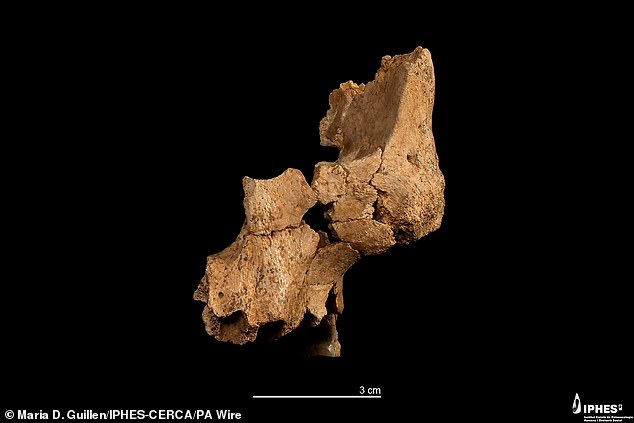
The pieces of this ancient human-like face were found in 2022 within a cave named Sima del Elefante.
where many of Europe’s oldest human remains have been discovered.
Nevertheless, Pink seems to have a distinct architecture compared to Homo antecessor, another human species that inhabited the region as far back as 860,000 years ago.
Rather than resembling earlier humans, he looks more like Homo erectus, an even older human species that appeared in Africa about two million years ago and was the first to walk upright similar to contemporary humans.
Researchers think that Pink’s species might have been some of the earliest humans to reach Europe, only to be eradicated later due to a rapid change in climate.
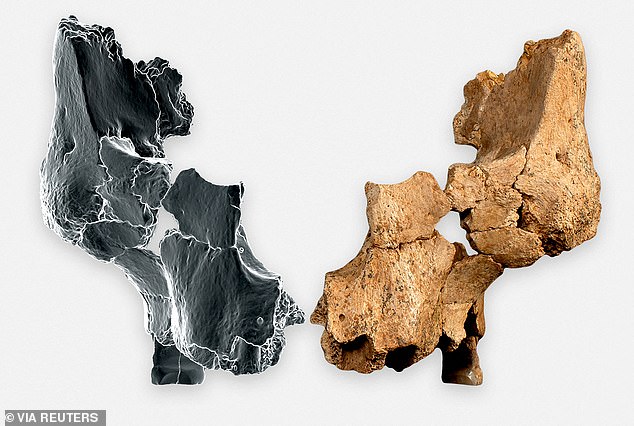
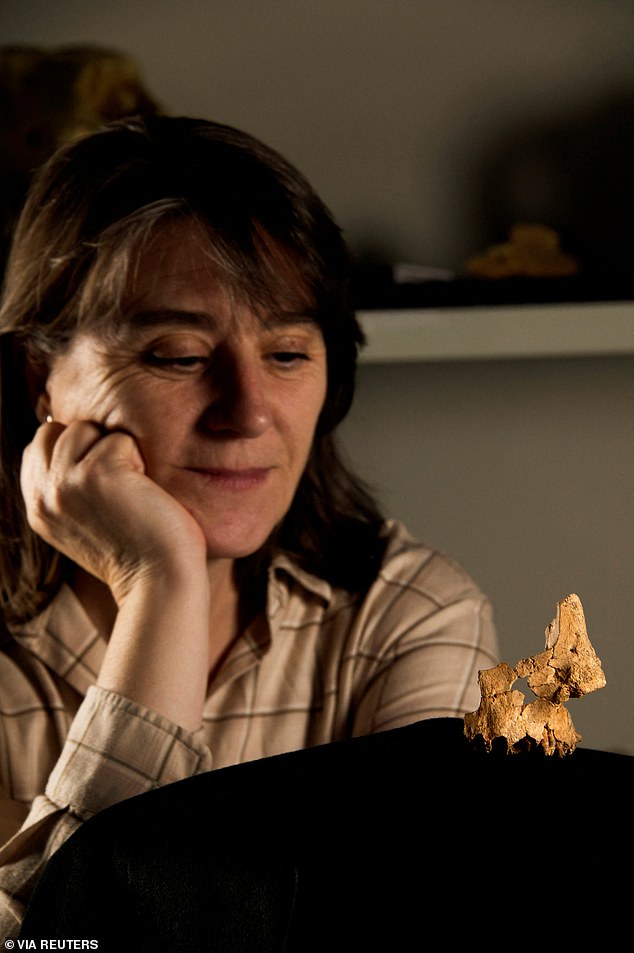
Consisting of various fragmented pieces along with portions of two teeth, the skeletal findings at Sima del Elefante are thought to represent the earliest known instance of human facial bones discovered in Western Europe.
The scientists referred to the person as ‘Pink’, inspired by Pink Floyd’s album Dark Side of the Moon, known in Spanish as ‘La cara oculta de la luna,’ with ‘cara oculta’ translating to ‘hidden face.’
Upon discovering Pink’s remains, scientists originally believed that they might be attributed to another of the ancient human species uncovered in the region.
Inside the cave, scientists had earlier discovered remnants of Homo antecessor that date back 860,000 years.
By examining the numerous other animal fossils discovered in the same stratum of the cave along with evidence of periodic changes in Earth’s magnetic field imprinted in the soil, scientists determined that Pink’s remains date back to between 1.1 and 1.4 million years ago.
Moreover, upon meticulously piecing together the fragments of Pink’s remains, it was evident that his facial structure did not match any known ancient human species from the region.
Dr María Martinón, who leads the National Centre for Research on Human Evolution, explains: “While Homo antecessor has a more contemporary appearance with a pronounced nose bridge similar to Homo sapiens, Pink exhibits traits closer to those of Homo erectus—specifically a flatter and less developed nasal region.”
Homo erectus was the initial human species to adopt an upright stance and walk similar to contemporary humans, and they were also the first to employ stone implements for slicing purposes.
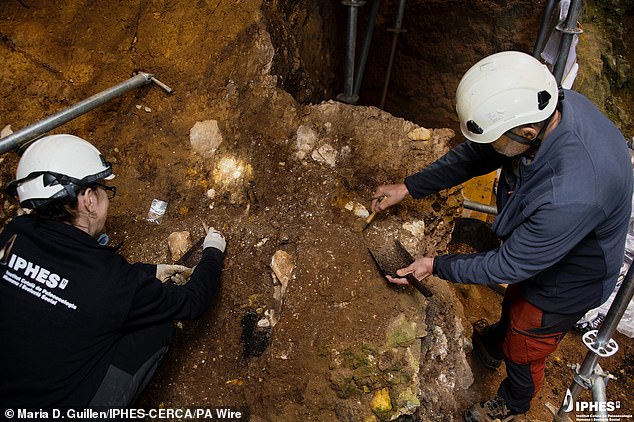
Once it emerged in Africa approximately two million years ago, this species spread to Asia and eventually reached Eastern Europe.
At a location in present-day Georgia, paleontologists have unearthed five craniums attributed to Homo erectus.
tracing back 1.8 million years
.
Nevertheless, the fossil record from Western Europe remains notably sparse until about 800,000 years ago.
Scientists have discovered just one tooth alongside some stone tools from approximately 1.4 million years ago in Spain, along with
a jawbone from Sima del Elefante dating back to approximately 1.1 million years ago.
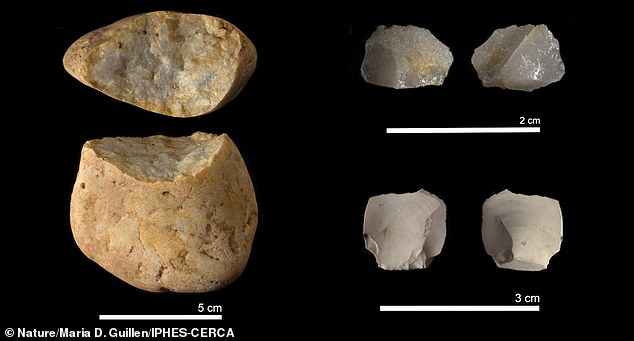
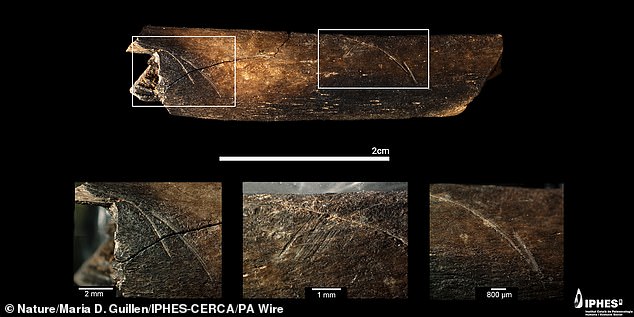
Close to where Pink’s remains were found, scientists also uncovered stone implements crafted from quartz and flint, along with animal bones that showed distinct signs of cutting.
This suggests that Pink and their kinfolk had established a basic tool-making industry and were skilled at butchering animals for food, similar to what Homo erectus could do.
The study’s co-author, Dr Xosé Pedro Rodríguez from the University of Rovira i Virgili (URV), comments: “These findings indicate a successful approach for obtaining food and underscore the capability of these early humans to utilize the natural assets present in their surroundings.”
If Pink indeed belongs to the Homo erectus species, this discovery would indicate that this ancient human ancestor was much more widespread and existed earlier than what researchers previously believed.

Who were Homo antecessor?
Homo antecessor is among the first types of humans found in Europe, with evidence tracing back as early as one million years ago.
Thought to have had a weight of approximately 14 stone, Homo antecessor was believed to be between 5.5 and 6 feet tall.
Their brain volumes ranged from approximately 1,000 to 1,150 cubic centimeters, which is smaller compared to the typical 1,350 cubic centimeter brains of present-day humans.
It is thought that this species was predominantly right-handed, setting it apart from other apes, and might have employed a symbolic form of communication. These conclusions were drawn from archaeological findings discovered in Burgos, Spain in 1994.
Nevertheless, the researchers remain unconvinced that Pink merely belongs to this particular species of human ancestors.
Even though their skulls are alike, Pink’s face has a more slender structure compared to specimens of Homo erectus discovered throughout Asia and Africa.
However, based solely on bits of bones and two worn teeth, the scientists cannot yet confirm that Pink represents a completely new species.
Rather than doing so, they chose to label Pink as ‘Homo affinis erectus,’ employing the Latin word ‘affinis’ which signifies that this species shares an affiliation with recognized kinds.
Dr Martinón states: “There isn’t enough evidence yet for a conclusive categorisation, so we chose the term Homo affinis erectus.”
She notes that this step was taken to ‘recognize Pink’s connections with Homo erectus while still allowing for the chance that the remains could be from a different species.’
The research team contends that Pink’s species was among the initial group of humans to migrate into Western Europe.
However, that initial migration seems to have been abruptly halted as the climate of the Iberian Peninsula underwent a sudden change.
When Pink resided in Spain, the Sierra de Atapuerca area was characterized by a blend of forested zones, marshy meadows, and intermittent bodies of water — creating a bountiful habitat for early human inhabitants.
However,
earlier research indicates that there might have been a abrupt climate change approximately 1.1 million years ago.
any of which could have exterminated humanity.
This might be why there’s a significant gap in the fossil records between Pink and the subsequent Homo antecessor specimens.
Dr Eudald Carbonell, a paleontologist from URV and co-director of the project, states: “The evidence pointing towards distinct hominin populations in Western Europe throughout the Early Pleistocene indicates that this area played a crucial role in the evolutionary journey of the genus Homo.”
Read more

by admin | Mar 13, 2025 | ancient rome, croatia, culture, tourist attractions, Travel
Stunning amphitheaters, grand imperial palaces, and lost urban centers—Croatia boasts an extraordinary legacy from antiquity, reflecting a time when Rome held sway over the Adriatic coast. Across the nation, formidable ruins continue to endure, resisting the passage of years as they narrate tales spanning hundreds of generations. Spanning the opulence of rulers to remnants of daily existence, these six locations offer essential stops for anyone seeking insight into classical times.
Boasting a rugged coastline and ancient cities, Croatia conceals remnants of a splendid history under its cobblestone streets and rolling hills. From antiquity onwards,
The Romans have molded this region.
, constructing theaters, forums, villas, and fortresses that still stand as testaments to their legacy.
Today, these awe-inspiring remains still captivate tourists who wish to explore history and magnificence throughout their visit. Every location provides a compelling look into an age when Rome influenced legislation, customs, and design across the area.
If you’re planning a trip to Croatia, these articles can assist you in selecting your itinerary:
-
This island off the coast of Dubrovnik is waiting to be explored immediately.
-
Croatia: 5 Culinary Specialties to Try During Your Stay in the Thousand-Island Country
—
Croatia offers a delightful culinary experience with these five must-try dishes when visiting this archipelago nation.
—
If you’re planning a visit to Croatia, make sure to sample these five traditional local specialties during your trip through the land of numerous islands.
-
In the Balkans, the landscapes and people come alive through the pen of Rebecca West.
6 historic locations you shouldn’t miss when visiting Croatia
The Pula amphitheater stands as a stony colossus suspended in history.
At the center of the Istrian Peninsula lies Pula, home to an astounding Roman amphitheater. Perched above the Adriatic Sea, this monumental structure was initially constructed during the reign of Augustus and subsequently enlarged by Emperor Vespasian in the 1st century.
st
a century, which could formerly accommodate as many as 23,000 spectators.
The majestic arches continue to stand tall, resisting decay and serving as a testament to the glory of past gladiator contests. Nowadays, the sounds of savage animals have been supplanted by music performances and cultural celebrations, infusing fresh vitality into this enduring landmark.
Diocletian’s Palace in Split, a testament to imperial extravagance
At the center of Split
, vibrant narrow streets hide one of the most impressive historical royal palaces constructed during the early 400s.
th
For Diocletian, this immense structure combines a luxurious palace with formidable military defenses.
The arched hallways, stone-paved courtyards, and meticulously maintained shrines transport guests into the grandeur of an emperor who selected Dalmatia for his refuge. Beyond being merely an artifact, this structure is deeply integrated within the urban tapestry; today, its pillars serve as supports for cafes and bazaars, whereas its subterranean areas continue to resonate with echoes from ancient times.
Salona, the long-lost city of Roman Dalmatia
A short distance away from Split lies Salona, where extensive remains sprawl across what was once a prosperous area. Serving as the capital of the Roman province of Dalmatia, this thriving commercial center had a population exceeding 60,000 residents until it was laid waste by barbarian attacks.
In today’s scene, the breeze meanders among the ruins of an amphitheater partly crumbled into dust, with vestiges of ancient bathhouses and basilicas standing tall like memories from when traders, warriors, and politicians frequently intersected within this flourishing metropolis.
The Roman Forum of Zadar, the vibrant core of an ancient city spanning a millennium.
Located by the seaside, Zadar preserves a Roman forum at its core, featuring remnants that underscore the city’s significant position in ancient times. Established during the reign of Emperor Augustus, this extensive paved area served as both the administrative hub and economic center of the city.
Isolated pillars, remnants of ancient sanctuaries, along with pieces of colonnades, continue to rise, etching history onto the stones. Surrounding these testaments to the past, the city thrums with vitality, featuring bustling cafes and an archaeological museum that prolongs the exploration of times gone by.
Burnum, a military encampment established within stone
Away from the well-trodden route, Burnum watches over.
the dry terrain of the Dalmatian inland regions
Here, you won’t find opulent villas or intricately designed shrines; instead, you’ll see the remnants of a military encampment where Roman soldiers were stationed.
The starkly elegant amphitheater stands as testament to the amusement provided for the troops, whereas the remnants of the aqueduct highlight Roman innovation. This less-frequented location immerses tourists in the unforgiving and tactical environment of old military outposts.
The ruins of Nesactium, an obscure Illyrian settlement.
On the outskirts of Istria lies Nesactium, which showcases remnants of an early civilization active prior to Roman times. Situated atop a hill between the villages of Muntić and Valtura, this archaeological site uncovers the ruins of a fortified town featuring large stonewalls, shrines, and burial grounds that reflect age-old traditions.
Defeated by Rome in the 2nd century.
nd
In the 1st century BC, the area was redesigned following imperial city-planning principles, featuring bathhouses and sanctuaries devoted to deities of Roman mythology. These remnants can still be seen amidst the oak and olive groves today.
Page 10 of 19« First«...89101112...»Last »


