by admin | Mar 24, 2025 | food and drink, health, meals, meat, money
What defines an ideal banh mi? Should it overflow with meats, pâté, and cold cuts, or should it maintain a lighter, more balanced approach?
VnExpress
After the recent Banh Mi Festival in Ho Chi Minh City, readers shared their thoughts on their perfect version of a banh mi sandwich. At this event, certain well-known brands were charging up to VND73,000 ($2.85 USD) for a filled serving.
Reader
Hien Le Thanh
thought that a banh mi with such a high price tag was excessive:
A banh mi costing VND73,000 comes loaded with an abundance of meat and has a remarkably rich taste. It’s quite substantial for one person to consume entirely on their own. In my opinion, this particular banh mi mirrors others in terms of its composition. Personally, I favor a well-balanced stuffing accompanied by generous portions that should be served warm, crunchy, and aromatic.
Reader
Jen
added:
A VND73,000 banh mi, which is loaded with meat, has become quite famous. This sandwich was once favored by western travelers looking for bigger servings; however, nowadays, local youth also appreciate it. Despite this popularity, most individuals find they can typically consume just about one-third of the sizable banh mi due to its generous size.
|
|
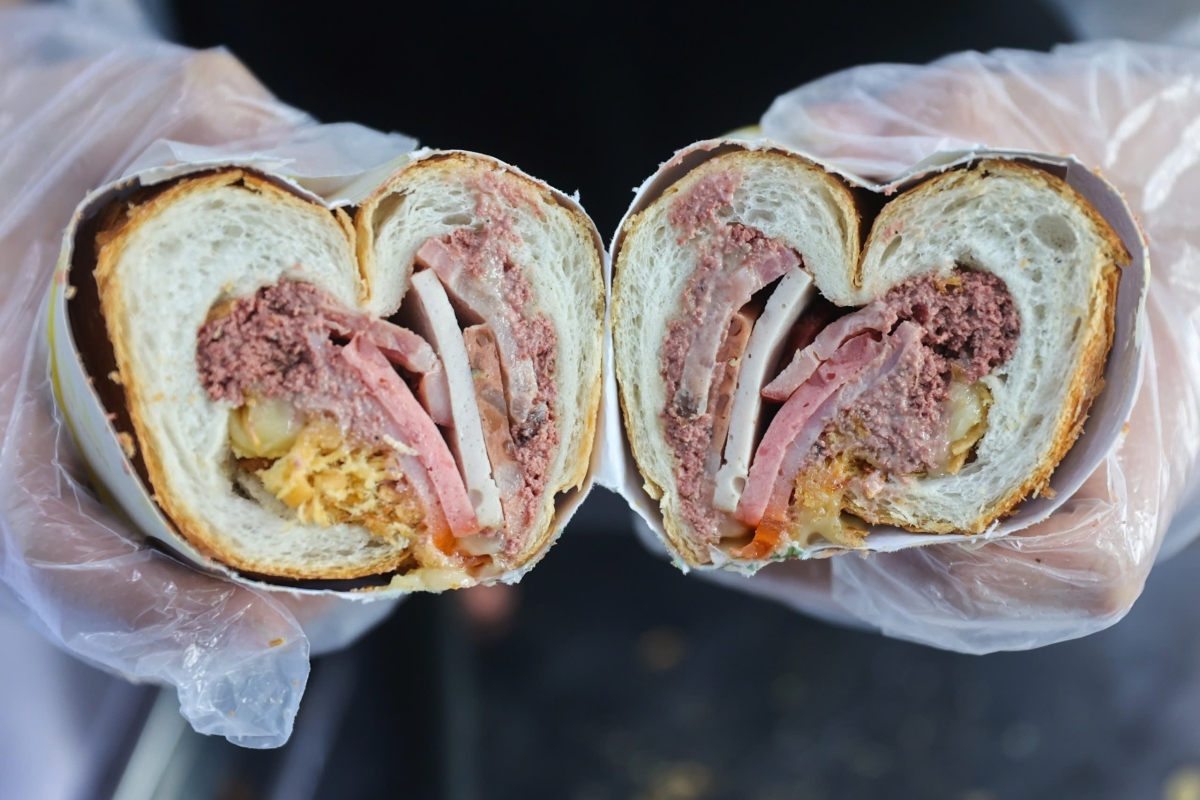
At a store in Ho Chi Minh City, you’ll find two portions of a banh mi filled with cold cuts along with two levels of pate. The image was captured by VnExpress/Quynh Tran.
|
For reader
nguyendinhvu2010
, the ideal banh mi begins with its fragrance:
As you stroll by a banh mi cart, the blend of freshly baked bread, pâté, barbecue pork, and butter emits an enticing aroma that beckons you closer. When you grasp the sandwich in your hand, you ought to sense its warmth and listen for the crisp sound. However, the real delight comes with the initial bite—the harmony of sweet, salty, and creamy flavors renders every banh mi distinctively special.
Reader
Quang Nguyen
reminisced about his most memorable banh mi experience:
The finest version I experienced was in Da Nang. It boasted just the right size, featuring a touch of tartness and spiciness, along with a crunchy exterior, flavorful filling, and fresh herbs such as coriander, Thai basil, and cucumber.
Another reader,
Nguoi nhap cuoc
reminisced about a banh mi from decades past:
Those who resided in the vicinity of Thu Duc both prior to and following 1975 would recall an older gentleman with one blinded eye peddling banh mi using a bicycle equipped with a sizable wooden crate secured at the rear.
In those times, food was hard to come by, yet his banh mi remained consistently warm and crispy. His signature dish included pressure-cooked sardines swimming in rich tomato gravy. The more affluent customers would often buy an entire banh mi, whereas many others opted for only half due to cost constraints. Whether it was chilly outside or raining heavily at night, his banh mi was always a delightful find. To ensure freshness, he carried a charcoal stove on his bicycle specifically for reheating the sandwiches when needed.
Afterward, I didn’t see him or his banh mi bike anymore. I was told he had passed away, and nobody continued his work. By then, banh mi carts could be found all around.
One notable characteristic of his cart was a manually operated horn connected to the bicycle’s handlebars. This would announce his arrival long before he got close, as the distant blaring could be heard clearly. That noise served as a fragment of the city’s history.
by admin | Mar 24, 2025 | cuisine, desserts, food and drink, fruit, recipes
![]()
Dessert
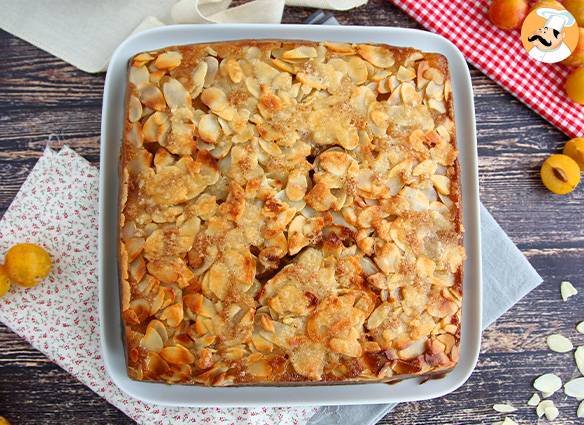
During summertime, we relish the tiny, delectable yellow fruits called mirabelles! For our dessert, we opted to bake a super-moist cake which is incredibly simple to whip up. The blend of mirabelles with almonds, then glazed and roasted until golden post-baking, ensures it will steal the show once served towards the end of your dining experience! Follow each detail closely so you won’t lose even a morsel of understanding from our instructions, complemented by images and a video guide.
Ingredients
For the uppermost layer of the cake:
-
20 mirabelle
plums
-
50g softened
butter
-
100g
sugar
-
65g sliced
almonds
For the dough:
-
25 mirabelle plums
-
100g softened butter
-
1 tbsp
vanilla
extract
-
75g brown sugar
-
220g flour
-
5g baking powder
-
3 eggs
-
10cl milk
-
25g almond powder
Materials
-
1 square mold 20cm x 20cm
Preparation
-
Step 1:
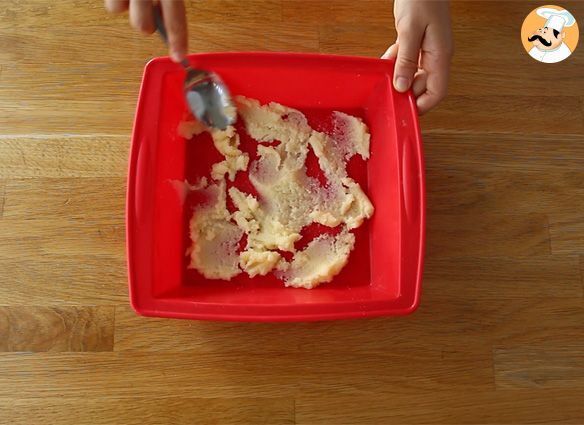
For the upper layer of the cake: Mix together melted butter with sugar. Evenly spread this mix across the base of your baking pan and let it cook in an oven pre-heated to 350°F (180°C) for about 10 minutes.
-
Step 2:
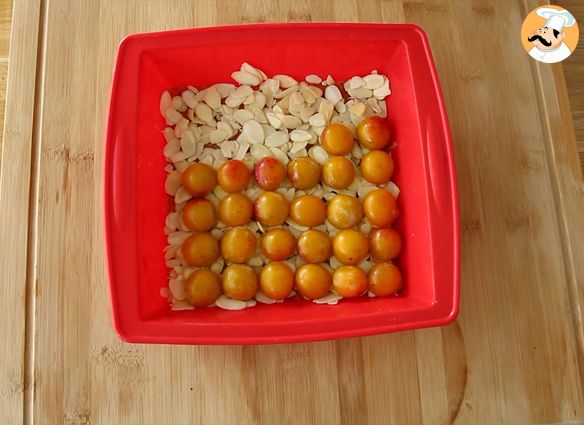
Take the mold out of the oven and scatter some sliced almonds inside. Clean, cut in half, and remove the pits from the mirabelles. Arrange the halved fruits over the sliced almonds and leave them aside.
-
Step 3:
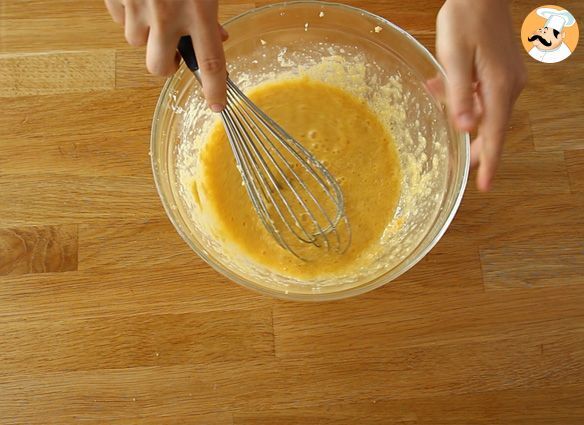
To prepare the dough: Use a hand mixer to blend the soft butter with the sugar until it becomes smooth. Incorporate the eggs and continue mixing until everything is thoroughly mixed.
-
Step 4:
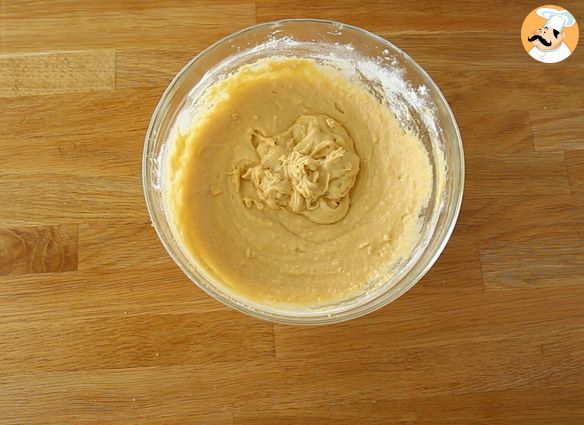
Incorporate the flour, baking powder, and almond powder into the mixture. Next, stir in the milk along with the vanilla extract, ensuring all ingredients blend together nicely. Slowly incorporate the flour in three stages, making sure to thoroughly combine after adding each portion until you achieve a perfectly smooth batter.
-
Step 5:
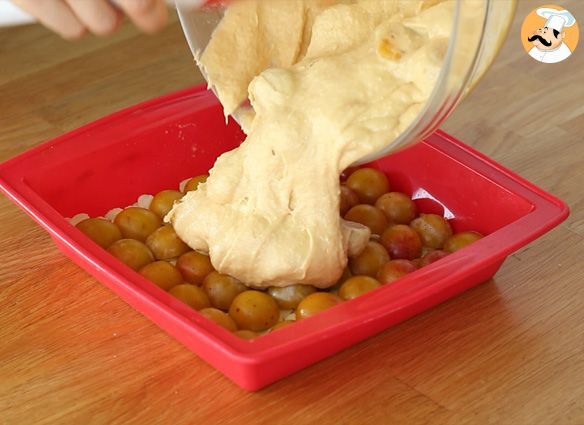
Rinse the mirabelles, cut them in half, and take out the seeds. Gently mix the fruit into the batter with a spatula. Then pour this mixture evenly over the mirabelles inside the dish.
-
Step 6:
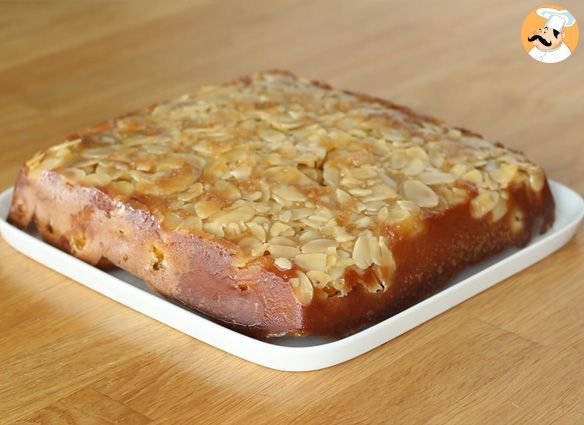
Bake in the middle of the preheated oven at 350°F (180°C) for about 30 minutes, or until the cake’s surface turns golden and feels springy when touched lightly. Ensure a toothpick inserted into the center comes out clean as well.
-
Step 7:
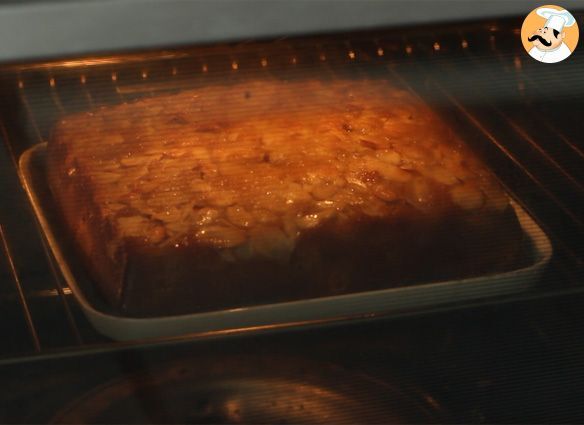
Once removed from the mold, you can serve the cake directly. Otherwise, you can put it in the oven using the grill function for about 5 minutes to toast the sliced almonds.
-
Step 8:
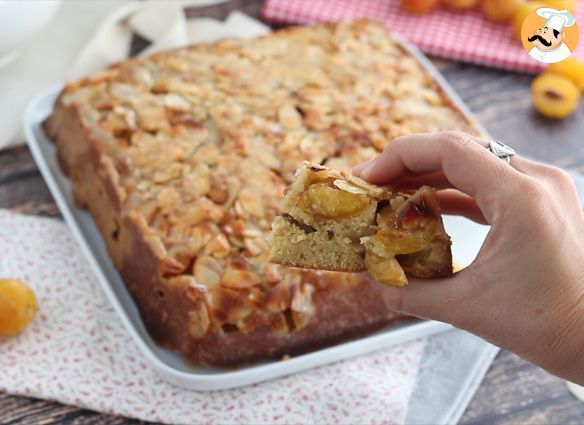
There you go; it’s all set!
![]()
You may like
-
Upside-down rhubarb cake
-
Almond king cake – video recipe!
-
Simple pineapple upside-down cake
read more
by admin | Mar 24, 2025 | celebrity and music, entertainment, food and drink, music, musicians
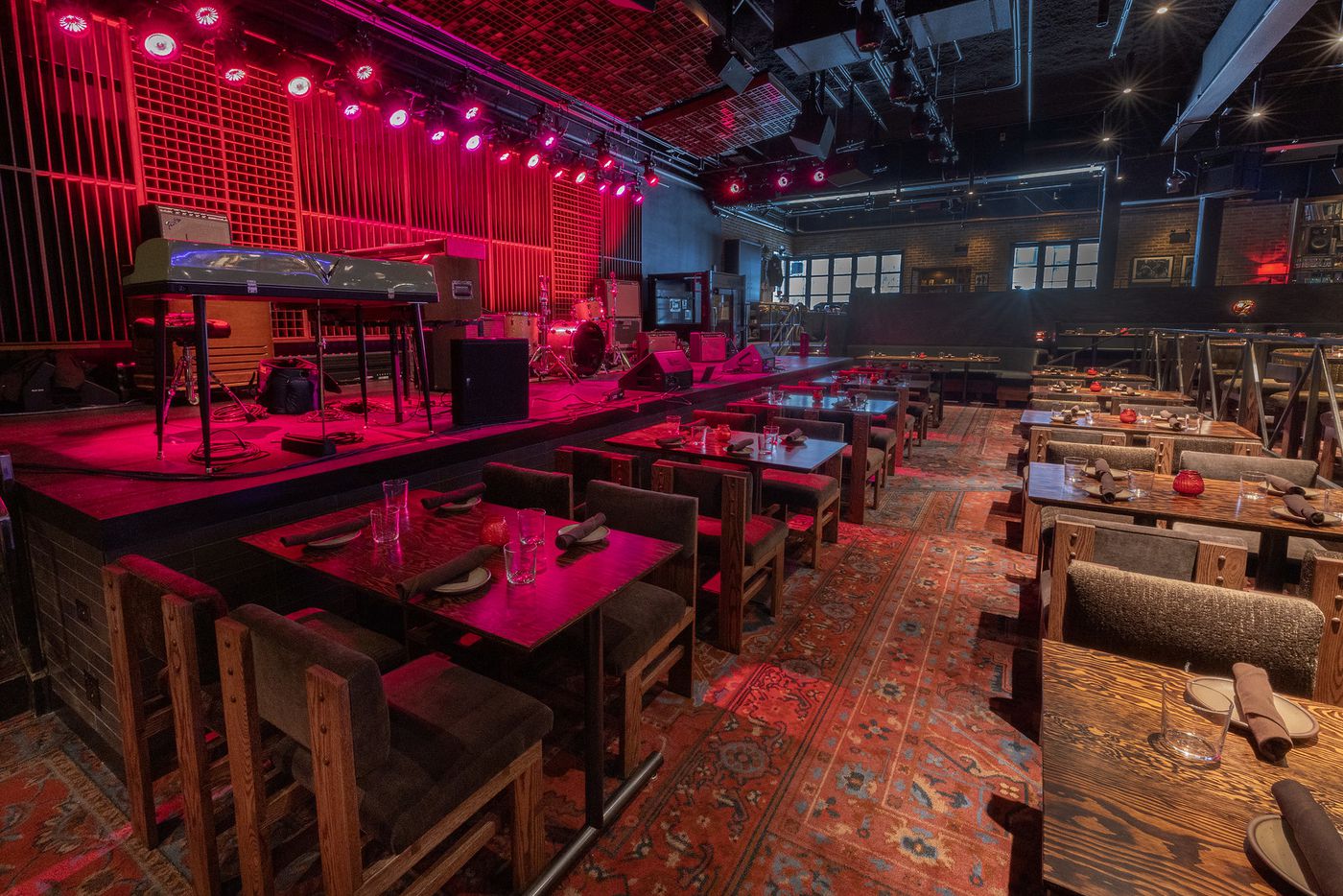
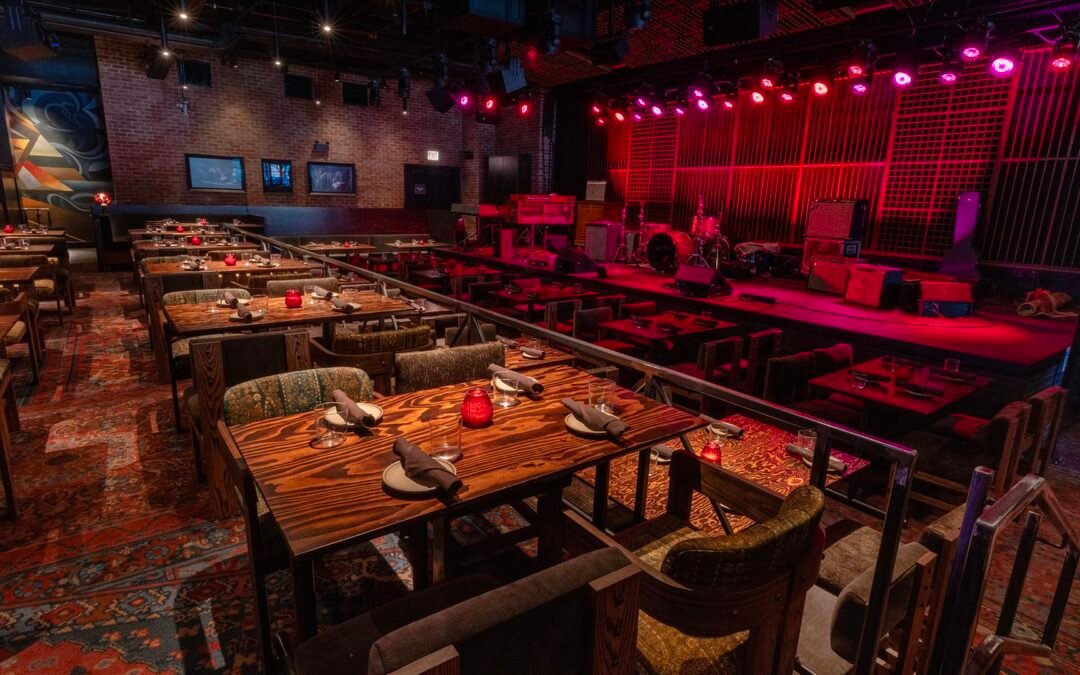
For those expecting dancing bears, tie-dye, and Cherry Garcia ice cream at Garcia’s Jazz Club, they might end up disappointed.
The recently opened eatery, drinking spot, and musical hub in the West Loop area
does not have those characteristics typically linked to the lead singer of the Grateful Dead.
If you push it too much, it turns into something more like a routine, almost turning into mockery,” explains Jeffrey Tascarella from the food and beverage consulting firm Lowder-Tascarella Hospitality. “Our aim was to develop a spot where, if Jerry were still with us, he’d surely enjoy being here.
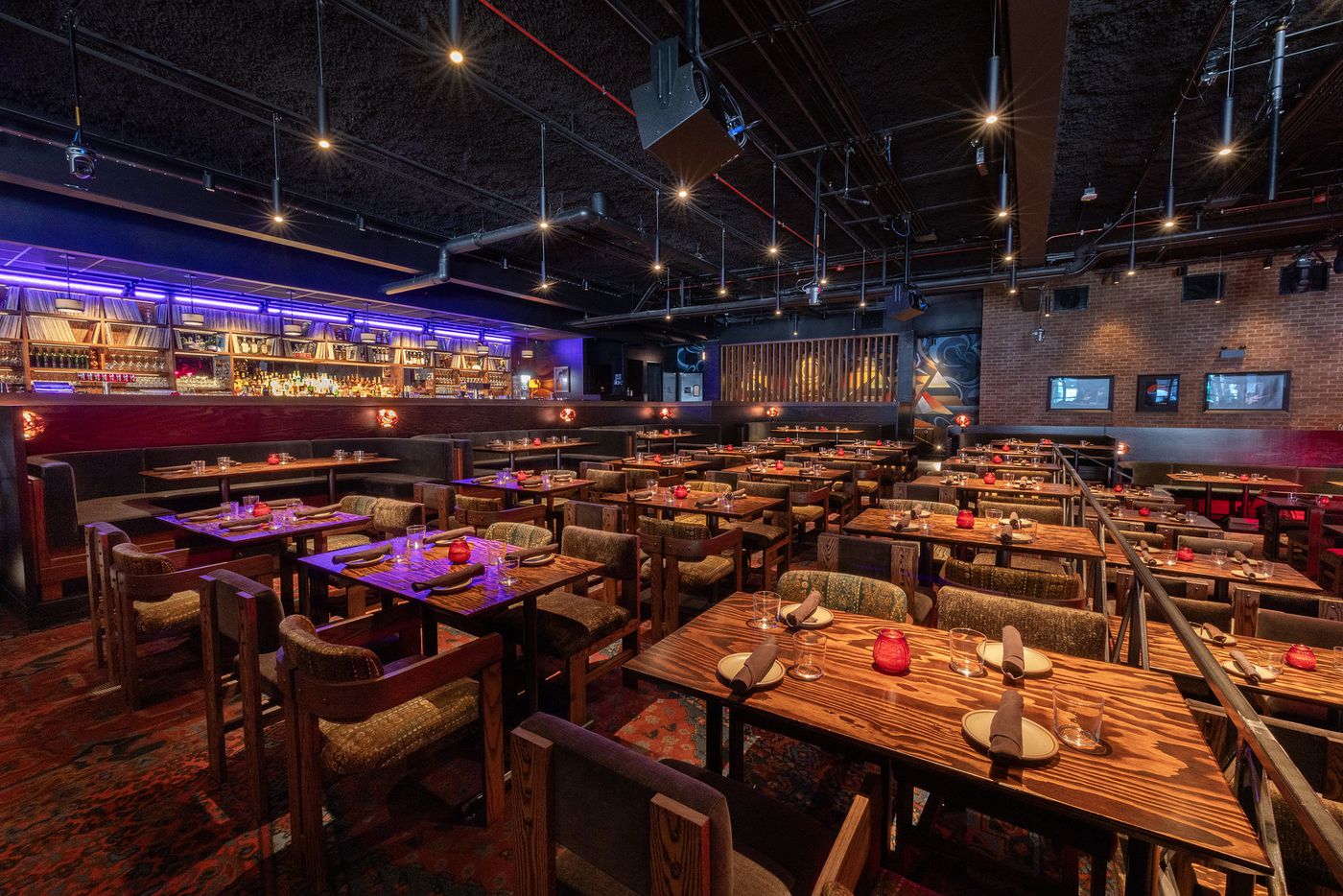
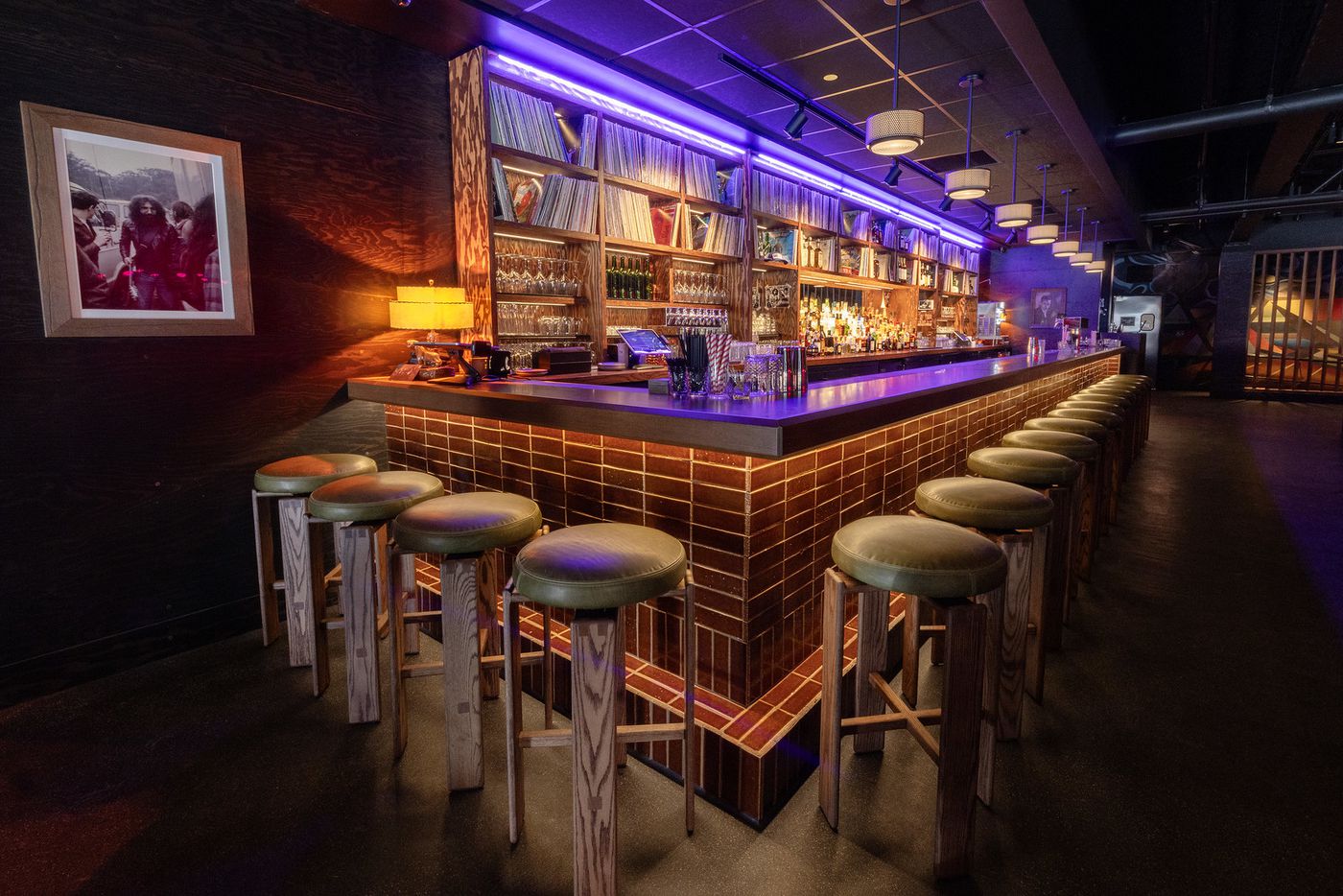
Tascarella’s company, along with Chef Ivy Carthen and assisted by Garcia’s daughters—Trixie and Annabelle—developed the menu for Garcia’s, which launched last week. Steering clear of typical tropes associated with themed eateries was crucial for both the culinary staff and the design team responsible for converting the previous Wishbone location into what now stands as a project led by Chicago-based architect Bob Quellos of
FC Studio
is described as a “compact city jazz spot.” Since there is a parking structure above the area, there are no pillars to hinder the view for approximately 300 guests watching the performance on stage.
Designer
Tristam Steinberg
clear visuals can strengthen the emotional bond between music enthusiasts and the band, potentially inspiring fans to stand up from their seats and groove as though they were at an open-air concert. Stepping into Garcia’s might also offer insights since part of the design concept aimed to evoke times past when visitors didn’t rely heavily on smartphones and instead danced freely throughout the venue.
I believe that if you visit any jazz club—whether in New York, Chicago, or Los Angeles—you typically have an experience akin to being squished like a sardine in a tin can,” explains Steinberg. “People sit at tiny tables which aren’t very comfortable but help maximize attendance during performances. Bob created a layout that will genuinely encourage audience engagement.
Quellos, who also designed
Gaijin
, Paul Virant’s eatery in the West Loop specializing in Japanese cuisine highlights the influence
Japanese listening bars
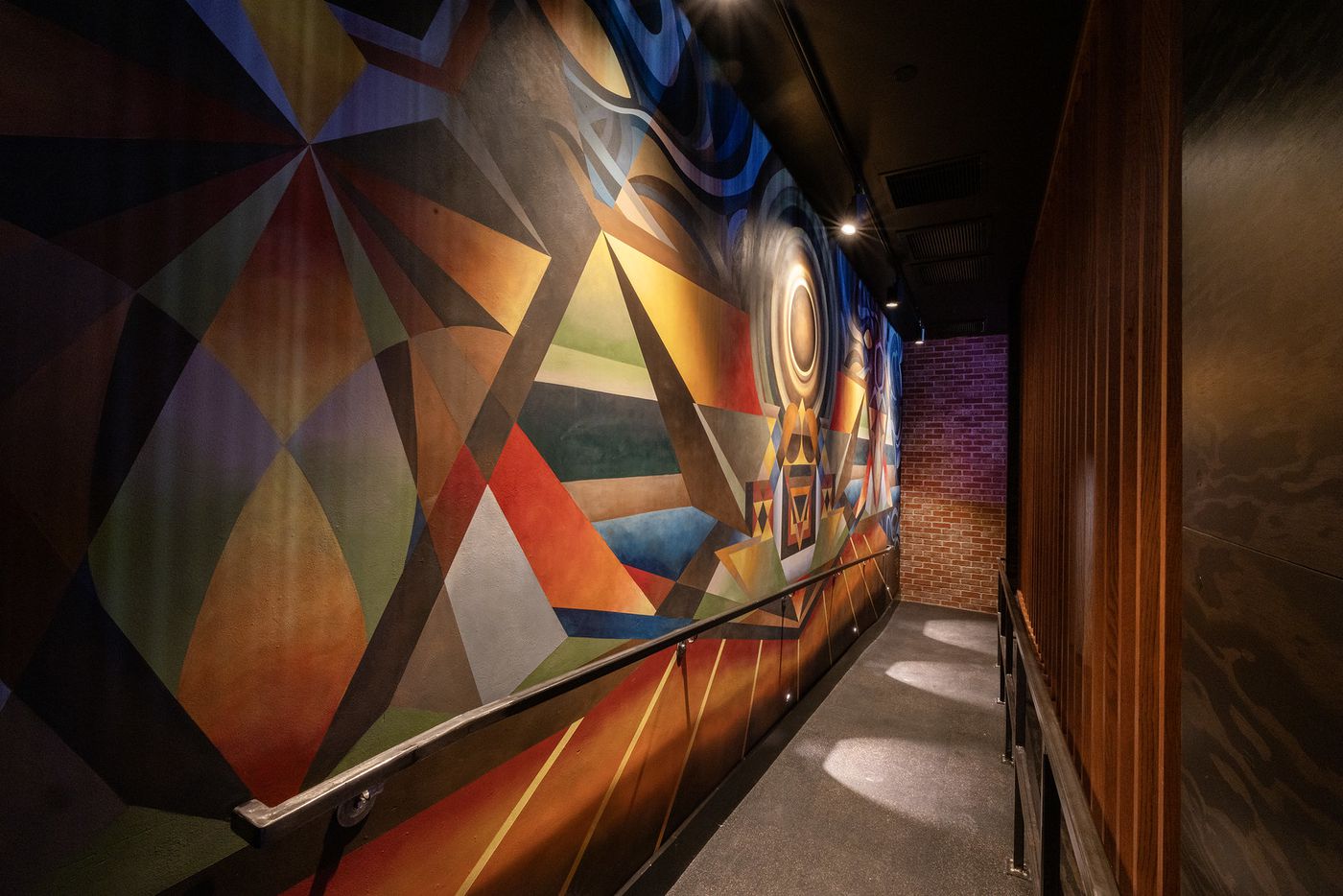
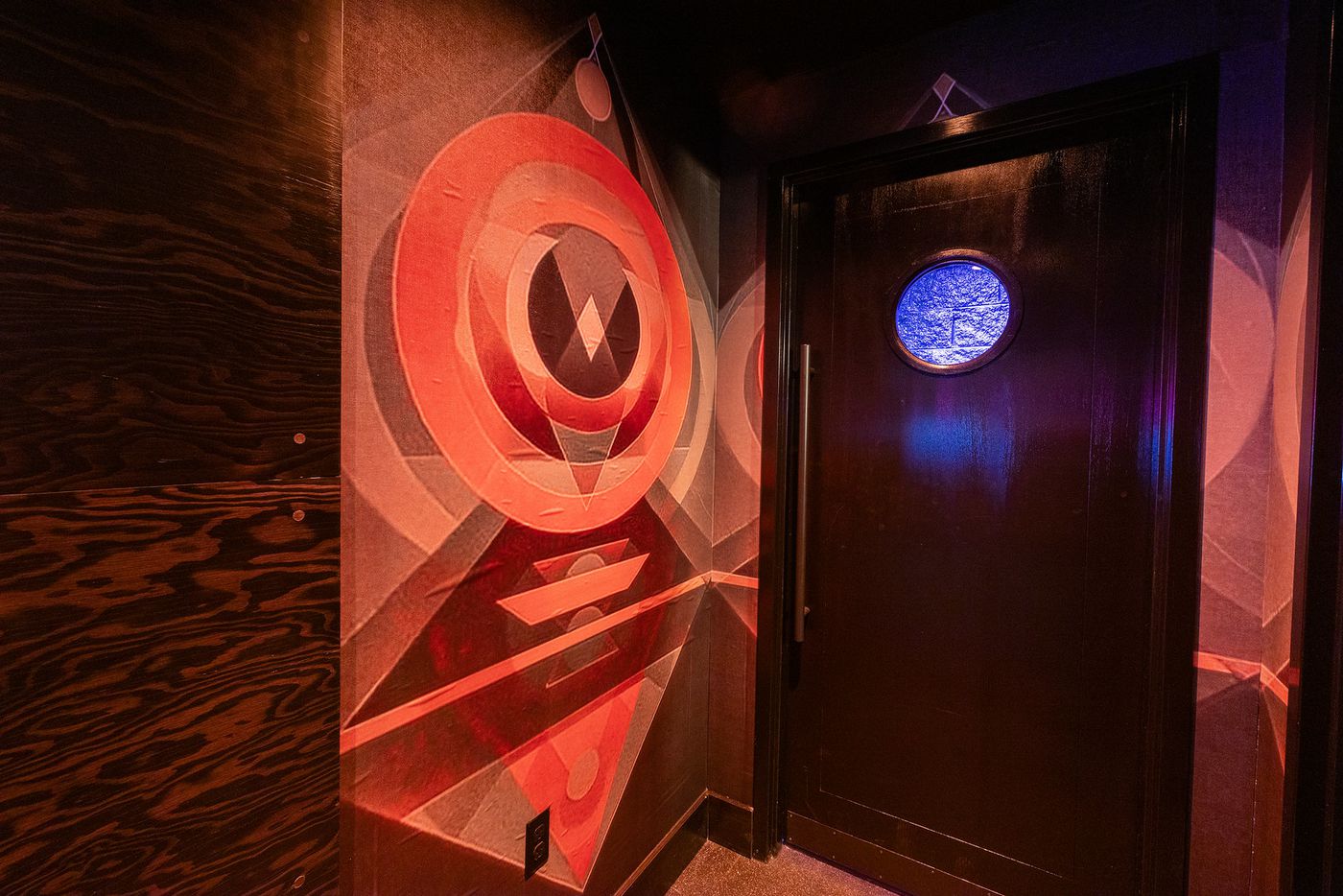
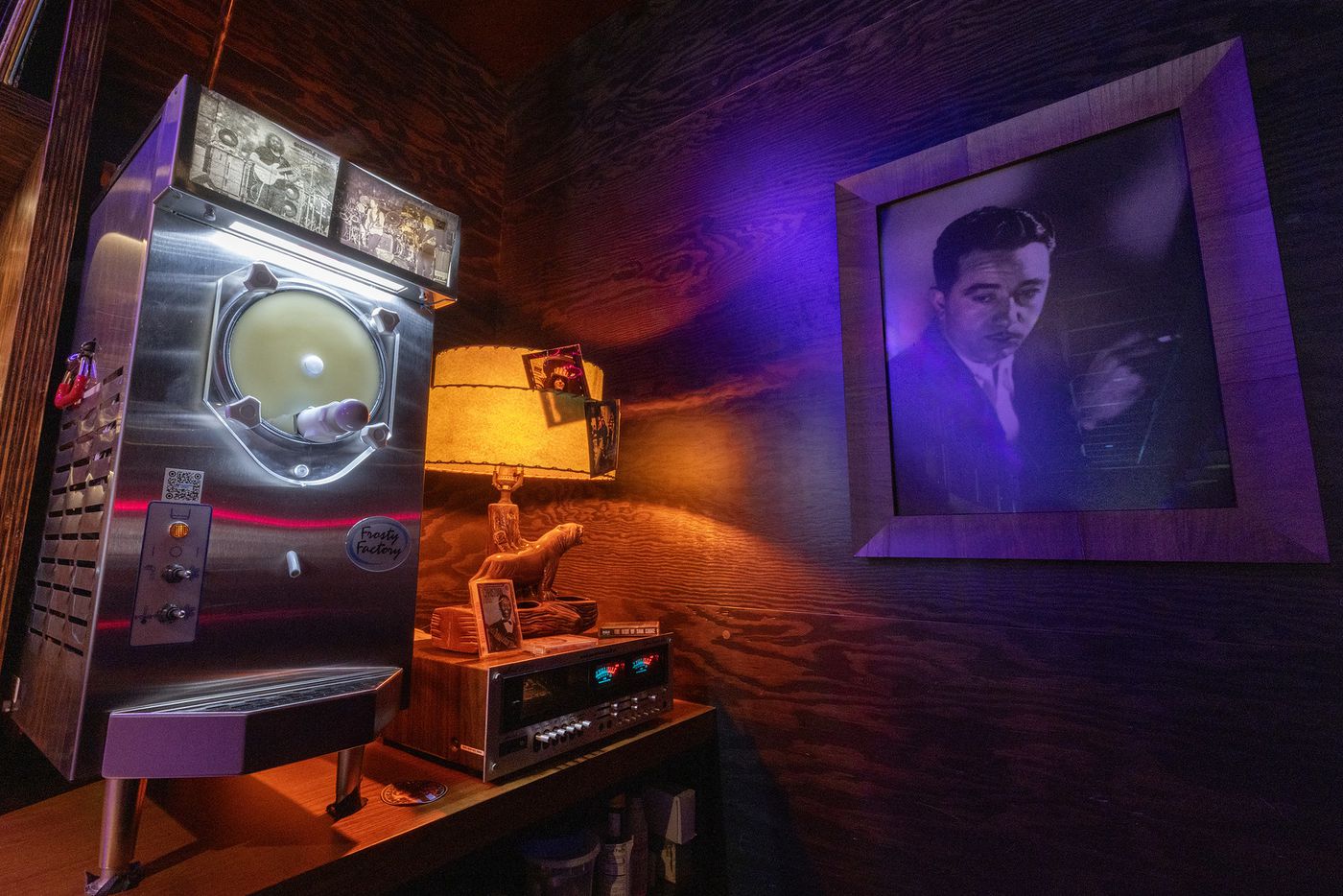
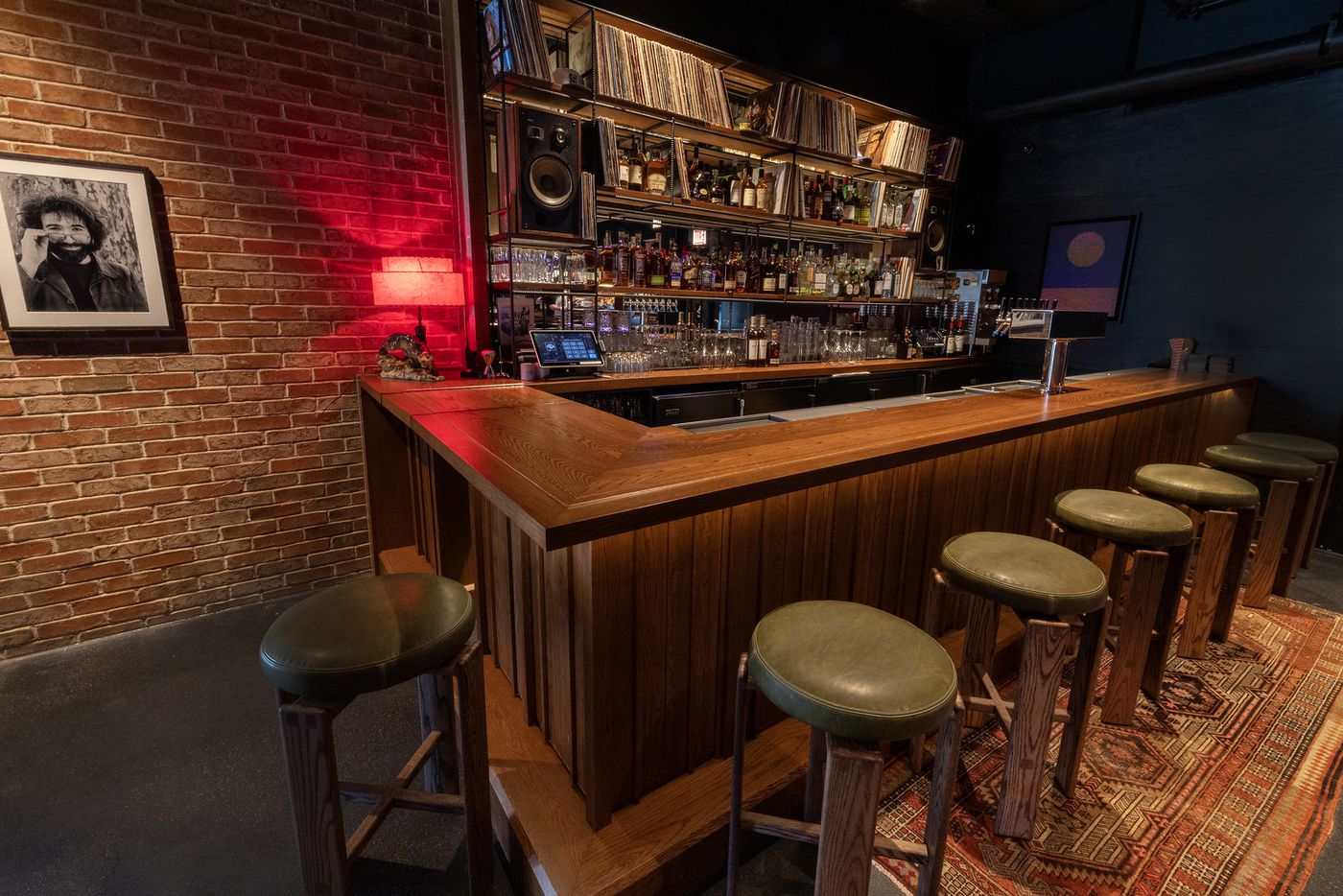
They have featured various elements related to music venues, focusing on how these small spaces emphasize audio quality and cater to the demands of music enthusiasts. Additionally, the creators honored Garcia’s appreciation for visual arts by reaching out to individuals within the psychedelic art scene. An illustration on the rear wall, created by Violet Oliphant and Ellie Terrell, serves as an instance of this dedication.
The location is a joint effort between Garcia’s estate and Peter Shapiro’s Dayglo Presents. Shapiro, known for his work as a music promoter and proprietor of the Brooklyn Bowl franchise, played an active role throughout. To prevent overcrowding issues, he proposed reducing table sizes by roughly two inches to create more walking area, according to Quellos.
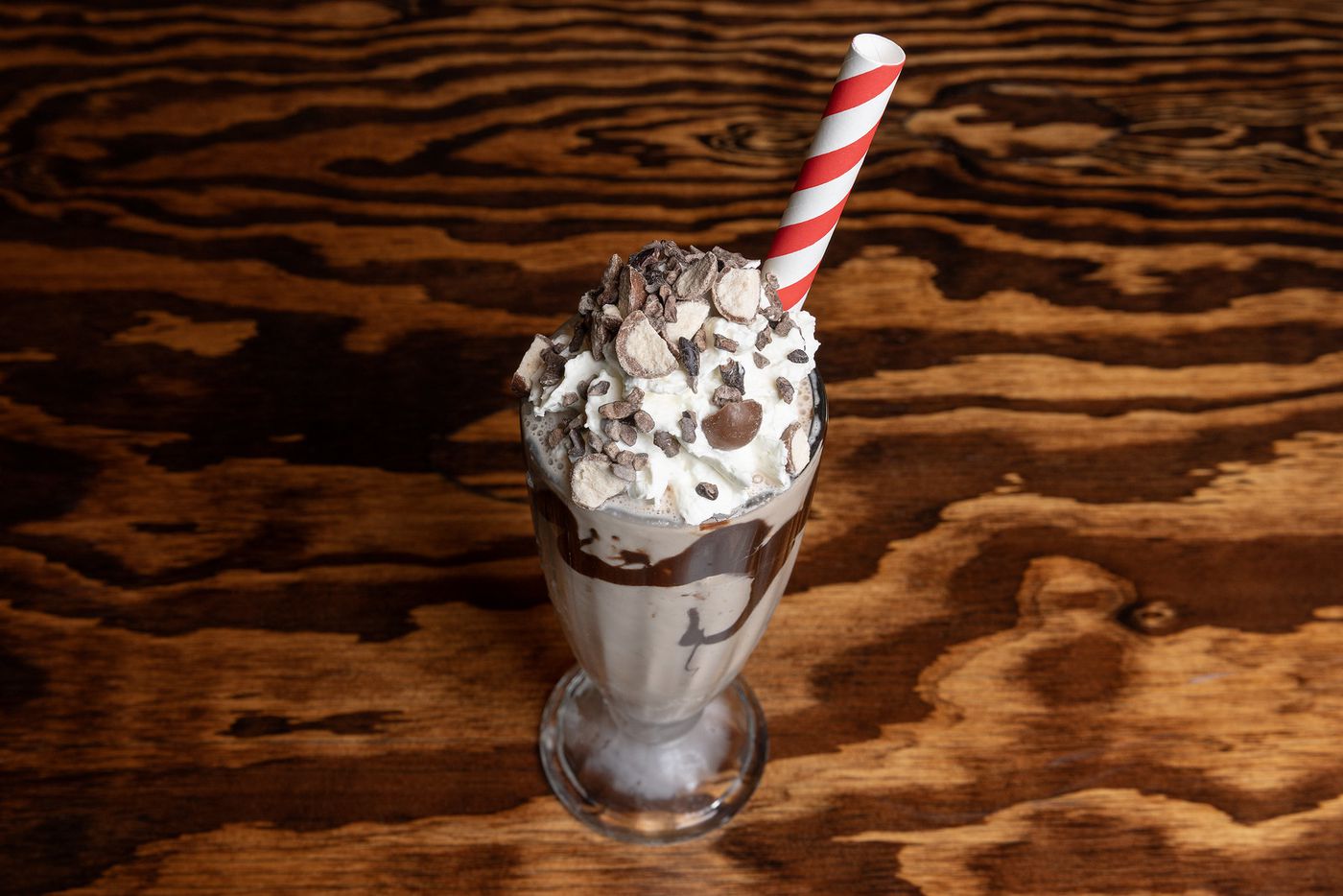
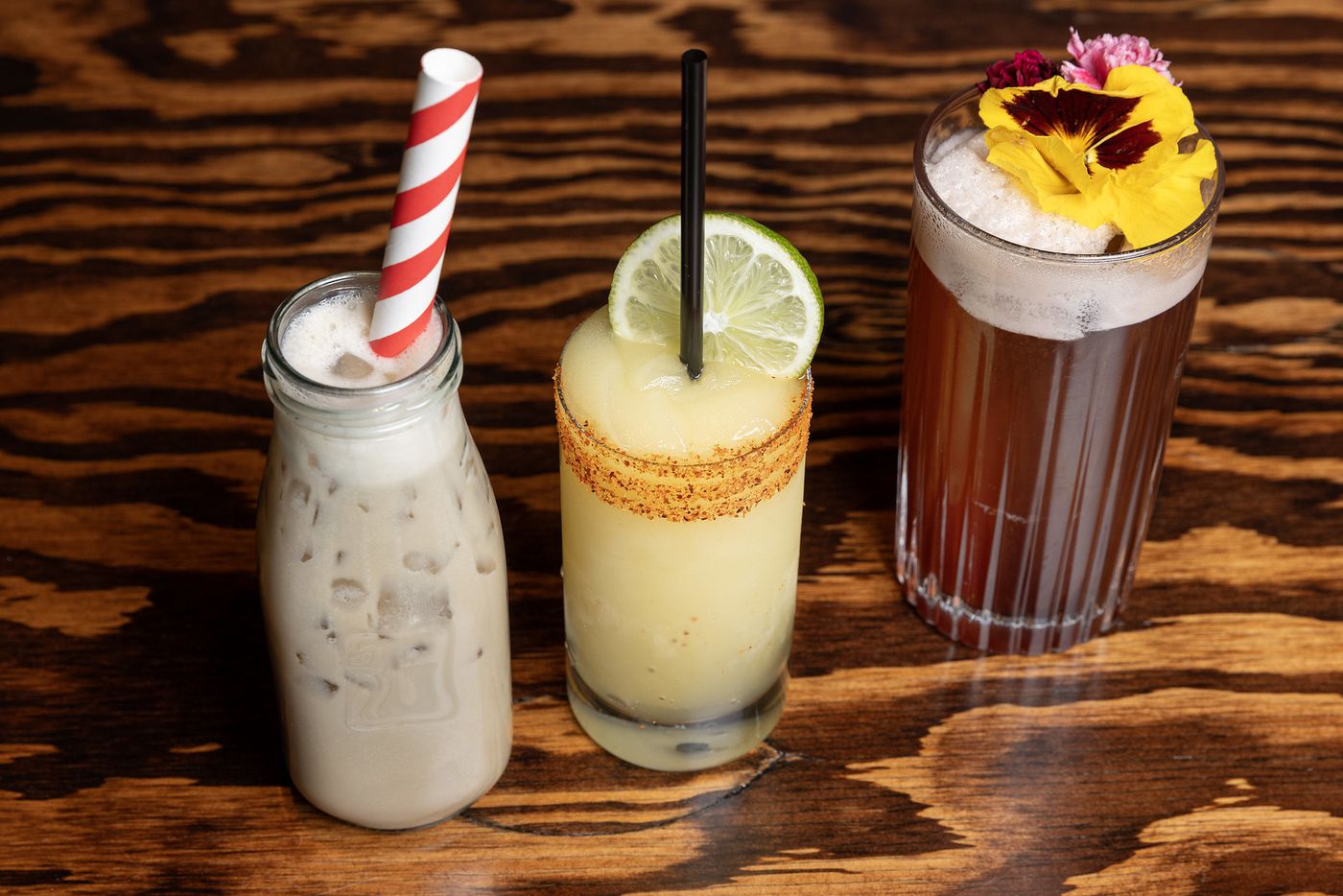
The cuisine won’t overshadow the music as the main attraction, yet these components should complement each other seamlessly. Mixologists must create beverages swiftly to cater promptly to visitors, with Quellos ensuring an area where waitstaff can navigate effortlessly. They offer various big-batch concoctions too. In general, the libations will maintain moderate alcohol content—considering the anticipated audience inspired by the Grateful Dead ethos, such potent refreshments may prove unnecessary. Instead, emphasis lies on low-alcohol-content choices and non-spirit alternatives. Additionally, there’s a nostalgic 1950s-style soda fountain ambiance due to Garcia’s fondness for milkshakes. A particular blend combines strawberry and vanilla notes—a nod to Garcia’s appreciation of both tastes—and his reputed reply when challenged to select just one: “Being a rockstar means never having to make that choice,” shares Tascarella, recounting what he said.
A different milkshake will include Yoo-Hoo, the chocolate beverage that Garcia enjoyed—Tascarella mentions that extensive forensic investigation ensured the menu aligned with Garcia’s preferences, his Spanish background, and his connection to the Bay Area. They also plan to have conservas.
Fishwife Tinned Seafood
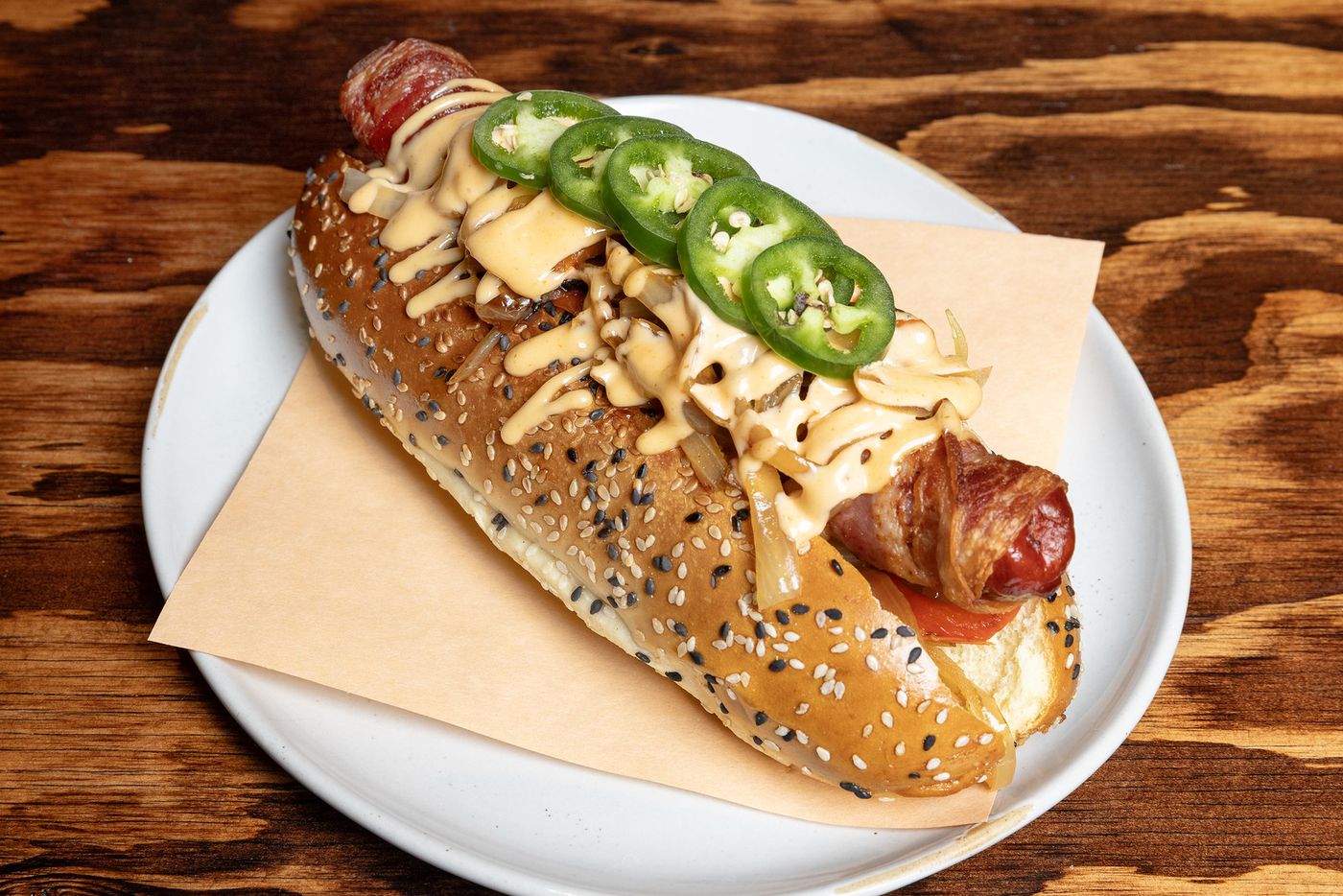
The presentation will feature the Spanish aspect. On offer is a San Francisco-inspired hot dog enveloped in bacon and garnished with onions, peppers, and Sriracha aioli. Tascarella emphasizes that this hot dog aims to complement Chicago’s renowned sausage culture without aiming to compete directly with what might be considered the top hot dog destination globally.
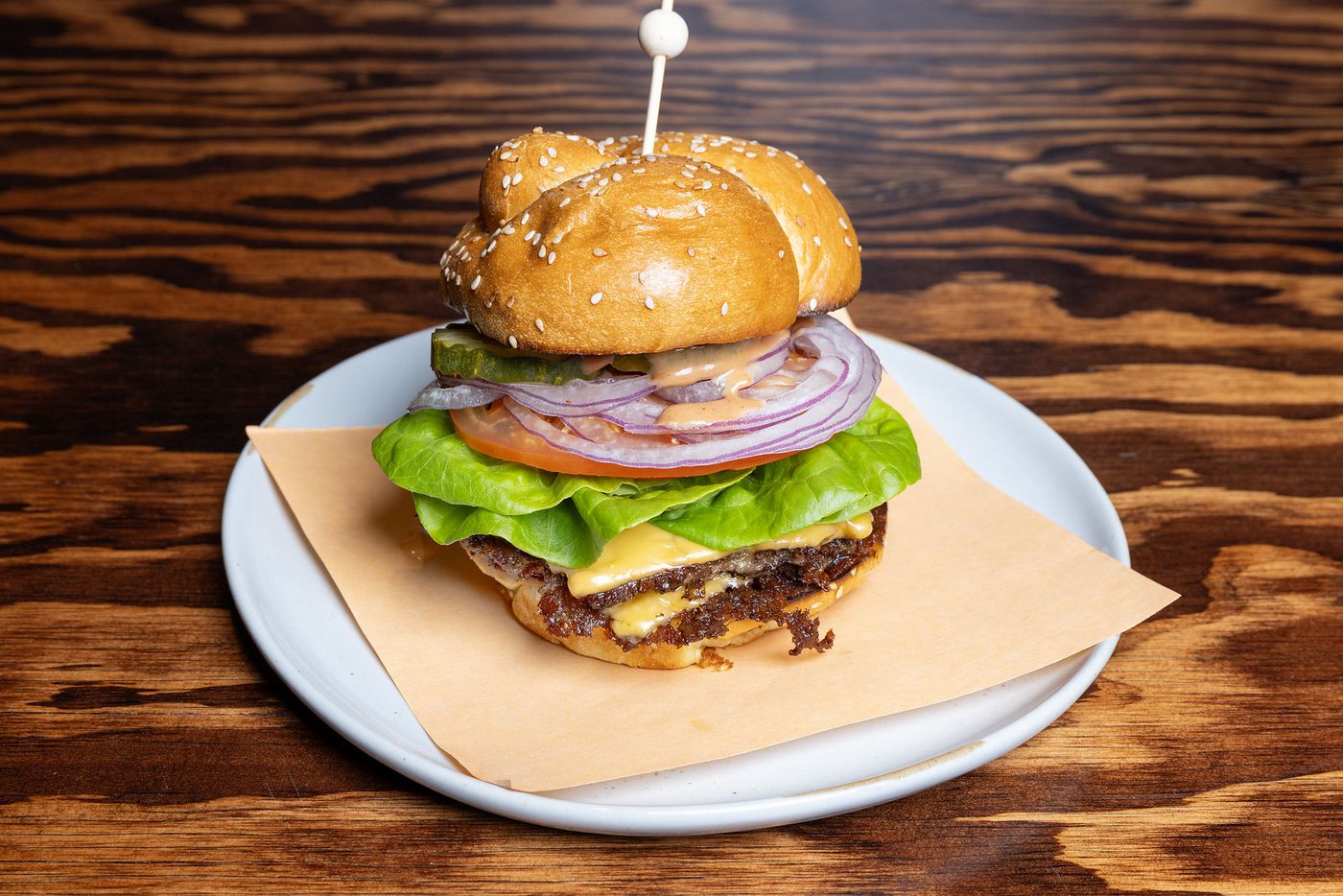
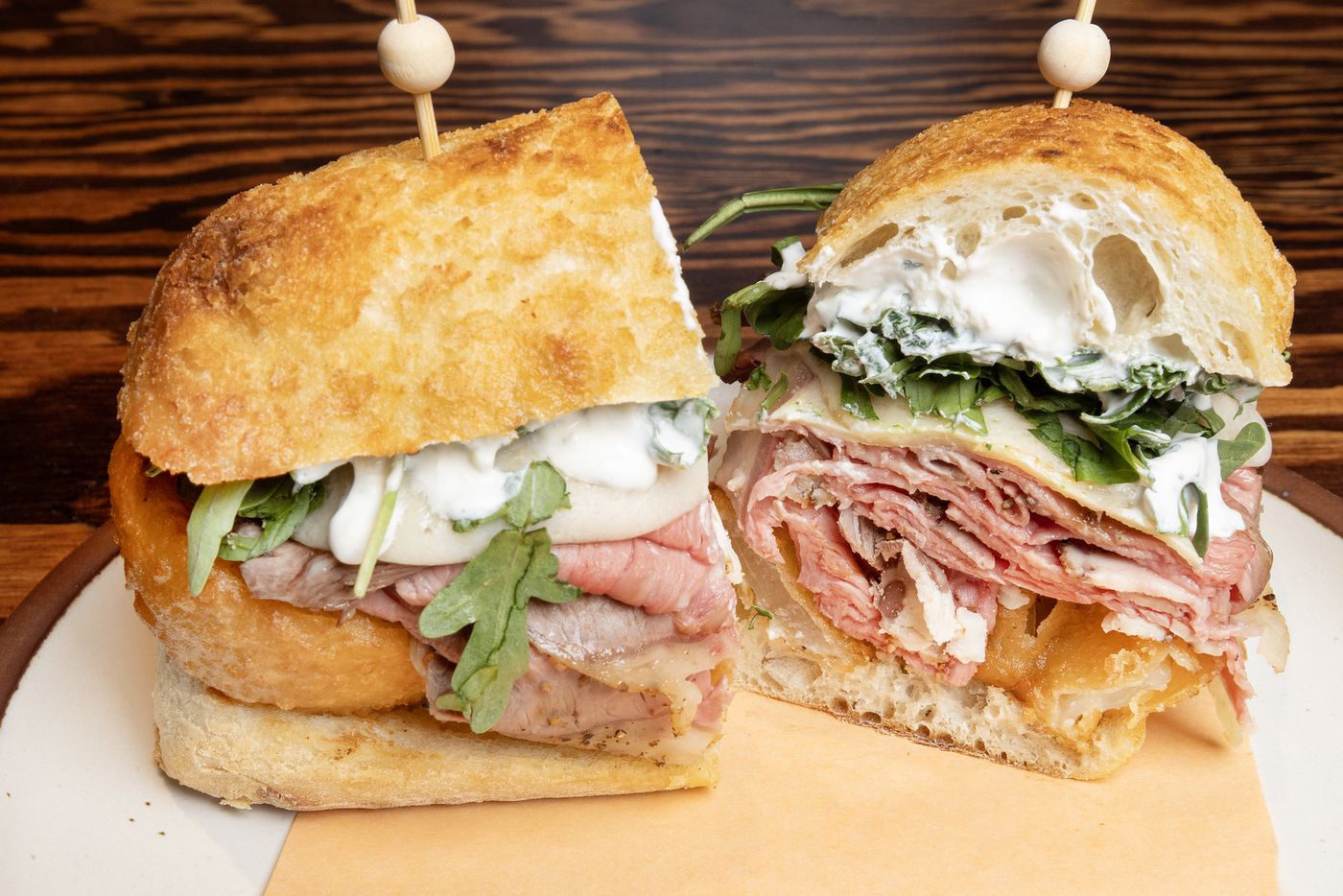
A double-patty smash burger draws inspiration from one of Garcia’s preferred dishes, which was originally found at an old diner in San Francisco. Additionally, there’s a serving of fried chicken big enough for two people, along with a distinctive roast beef sandwich that brings to mind a French dip and is presented similarly.
San Francisco Dutch crunch bread
.
Quellos mentions that the audio and visual setup prioritizes those passionate about music above all else. The aim is for guests to experience feeling immersed in the performance. This implies that lighting will not be overly intense just to enable patrons to share pictures of dishes on social platforms.
If Instagram Moments were involved, this area might have ended up featuring the Grateful Dead bear or something very reminiscent of Jerry Garcia,” Quellos explains. “I don’t believe you’d achieve the same level of quality in the space ultimately.
Garcia’s Chicago
, 1001 West Washington Boulevard
by admin | Mar 23, 2025 | culture, desserts, food and drink, korean, korean food and cuisine
South Korea goes beyond offering K-pop rhythms, kimchi, and ultramodern vistas; it’s also a haven for those with a sweet tooth! This nation boasts an array of innovative and lavish treats that delight dessert enthusiasts from around the globe.
The dessert scene in South Korea is just as vibrant and varied as its history. Regardless of your location,
—
In vibrant street markets or trendy cafes, you’ll discover some of the most intriguing treats. Influenced by its neighbors China and Japan as well as its rich food traditions, Korean confections offer a distinct array of desserts. Whether for celebrations and holidays or everyday consumption, these six incredible desserts should not be missed when visiting South Korea.
Heading to South Korea? You might find these articles interesting:
-
9 Lesser-Known Korean Culinary Delights You Should Sample When Visiting South Korea
-
The loveliest national parks in South Korea for immersing yourself in both nature and history.
-
The most striking Buddhist temples in South Korea
6 mouthwatering Korean desserts you should taste
Bingsu
Should desserts have monarchs, Bingsu would surely sit upon the throne as king! This heavenly, light-as-air shaved ice delicacy dissolves on the tongue like a soft flurry of snow. As an iconic summertime favorite, Bingsu provides a wonderful respite from the sweltering temperatures in Korea. Be it the authentic Patbingsu adorned with sugary azuki beans and sticky rice cakes or the opulent mango variation, every bite is irresistibly refreshing.
Hotteok
A beloved wintertime treat, Hotteok was introduced to Korea by Chinese traders. The local people added their own sweet touch, resulting in a crispy-outside yet oozy-inside pancake-like delicacy. Packed with brown sugar, cinnamon, and nuts, this popular street food is ideally savored right after it comes off the skillet.
Tteok
Tteok is not merely considered a dessert; it serves as a cultural symbol. These sticky rice cakes boast numerous variations, yet for an extraordinary experience, consider trying Songpyeon. Shaped like crescents, these rice cakes are customarily consumed during Chuseok (the Korean Thanksgiving), often stuffed with ingredients such as honey, sesame seeds, or chestnuts. Moreover, they can be prepared through various methods—steaming, pounding, or grilling—which adds different textures and flavors to each bite.
Kkwabaegi
Gentle, soft, and dusted with cinnamon sugar, Kkwabaegi represents South Korea’s cherished twisted doughnut. With their lovely gold hue and wonderfully light texture, these delectable treats are an absolute must-try for those fond of classic donuts infused with a Korean touch.
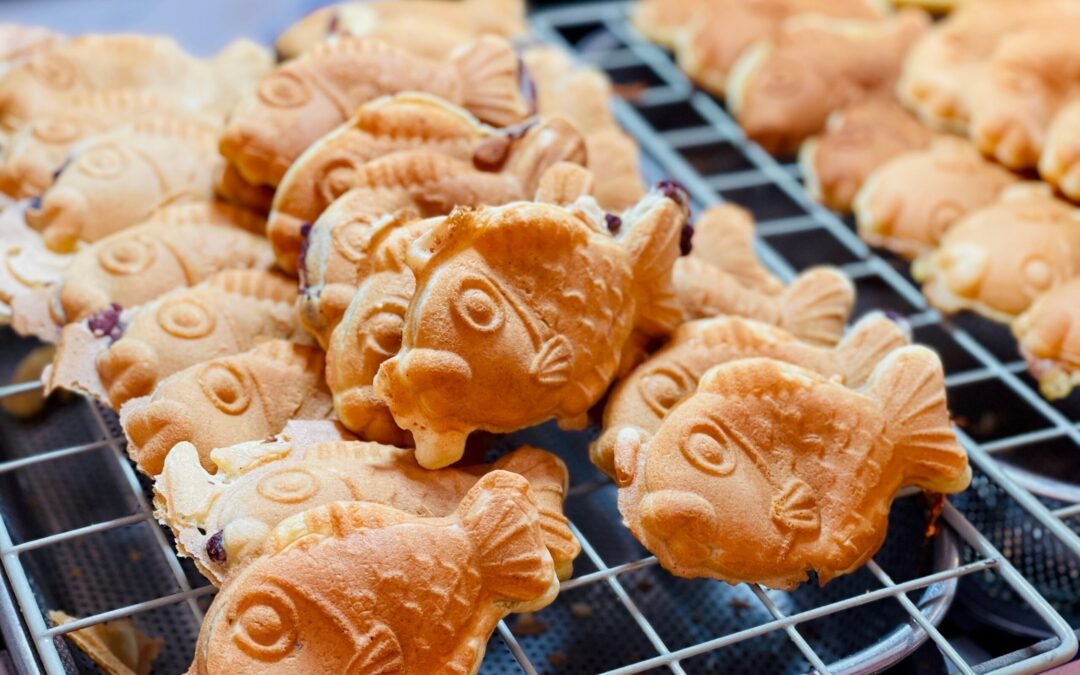
Bungeoppang
Fish-shaped treats stuffed with either sweet red bean paste or smooth custard, bungeoppang stands out as an adorable dessert in Korean cuisine. This delightful winter staple boasts a crispy exterior and a cozy, creamy interior, making it perfectly photogenic for social media shares. Contemporary twists now incorporate fillings like custard, chocolate, or even sweet potato.
Ggul Tteok
The centerpiece of Korean celebrations, Ggul Tteok, is a delightful blend of glutinous rice cake brimming with amber-hued honey and sesame seeds. These small confections are soft, elastic, and subtly nutty, exuding sheer luxury.
by admin | Mar 23, 2025 | food and drink, hotels, tourist attractions, Travel, vietnam
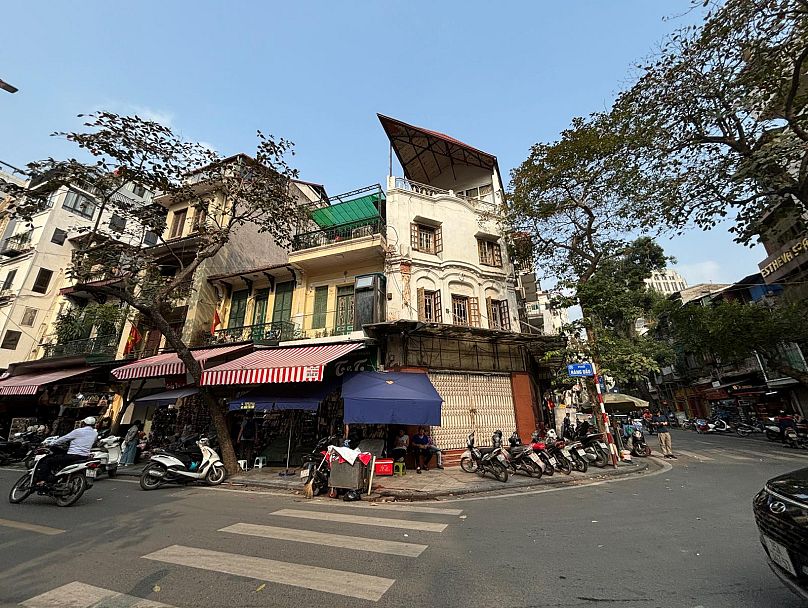
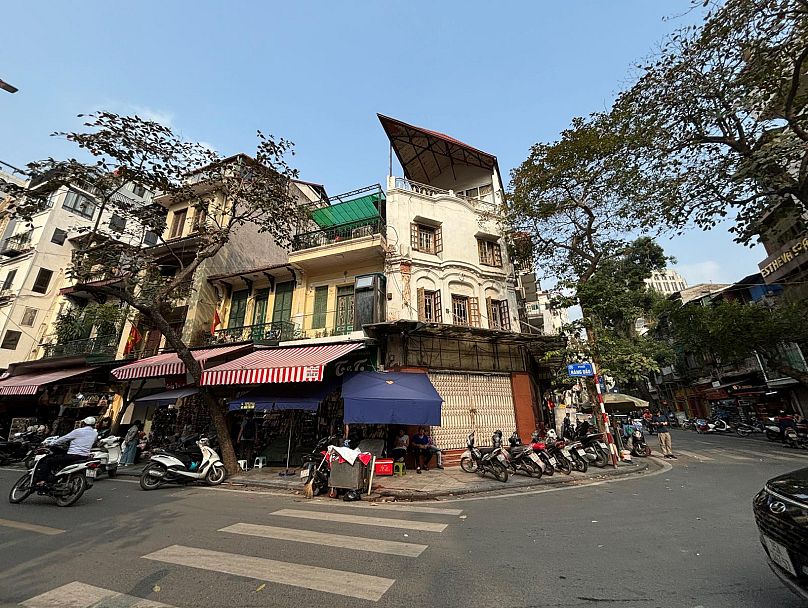
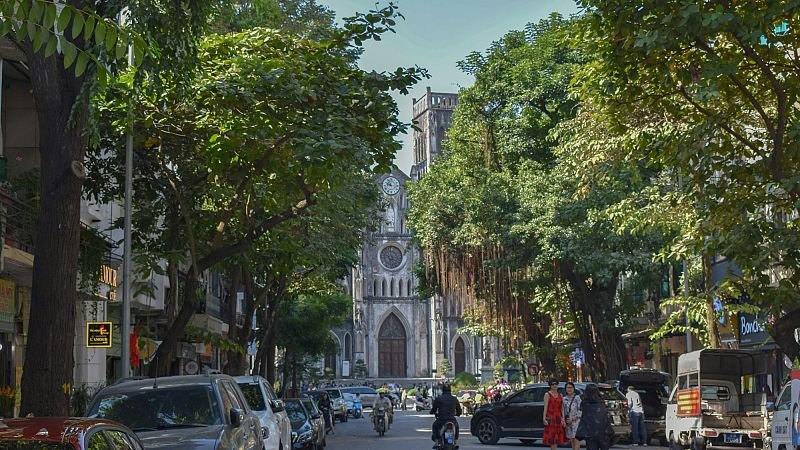
Hanoi’s Old Quarter is a bustling hub of activity with chaotic traffic, vibrant commerce, and throngs of tourists. Visitors opt to reside in this historical district of Vietnam’s main city to immerse themselves in its distinctive mix of weaving motorcycles, street-side eateries, and an incessant din.
However, despite the congested thoroughfares being a defining feature of the Old Quarter—where hotels frequently offer guidance on navigating these busy routes—the growing number of tourists is putting more pressure on the limited space within its cramped lanes.
Up until recently, tour buses navigated through the narrow pathways to pick up tourists staying at hotels, leading to significant traffic congestion. This practice has since been prohibited; however, taxis and Grab (the Southeast Asian equivalent of Uber) vehicles continue to congest the roads.
For those travelers who prefer navigating through the hustle and bustle intermittently, the adjacent French Quarter serves as an excellent location. Featuring broad avenues, a serene lake, and luxurious accommodations, it offers some respite while still being within easy walking distance of the historic Old Quarter.
This offers an intriguing look at how French elements introduced through colonialism were eventually blended with Hanoi’s local culture, resulting in a distinctive fusion.
Spend time around Hanoi’s Hoàn Kiếm Lake
In Hanoi, it’s inevitable to avoid the constant hum of scooters and the symphony of car horns. However, Hoàn Kiém Lake at the outskirts of the French Quarter offers a tranquil retreat. Strolling alongside the water, you can gaze out over the lush greens.
water
towards the moss-covered Turtle Tower — where the reptiles formerly dwelled in the nearby waters — located on an island at the center.
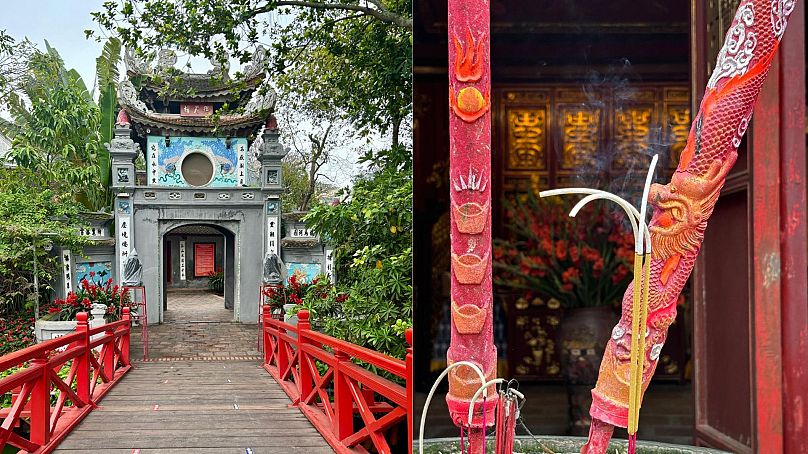
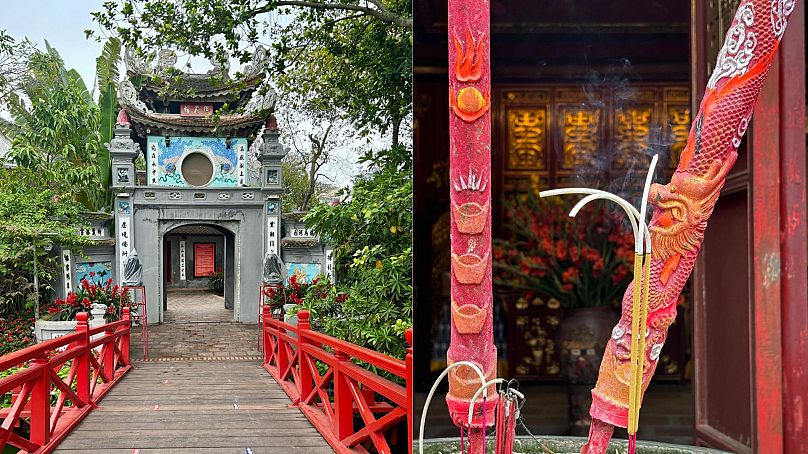
At the northern end stands Ngoc Son Temple. This temple, devoted to writing, scholarship, and literary pursuits, serves as an important site of veneration for students gearing up for their examinations. A vibrant red bridge connects to this small sanctuary.
island
Where the noise of the traffic turns into a faint murmur within the temple boundaries.
It is lovely to sit in the tree-fringed courtyard watching a cat stroll by and listen to the occasional blast of pop music drifting over from the Zumba classes on the lake shore. If you get up early, you can join Hanoi’s energetic residents for their morning workout.
Savor egg coffee where it originated.
Vietnam has turned coffee into a completely distinct offering. Each significant city within the nation boasts its own distinctive blend. In Ho Chi Minh City, you’ll find coconut-infused coffee, whereas in Hue, it comes crowned with savory cream. In Hanoi, due to the scarcity of milk and cream during the French occupation in the 1940s, a creative bartender developed an egg-based concoction.
coffee
.
Nguyen Van Giang was employed at the bar of the Grand Metropole Hotel, which remains operational and is now under the management of the Sofitel group. The hotel commenced operations in 1901, just one year prior to Hanoi being designated as the capital of French Indochina. It soon attracted colonizers and international visitors alike. Facing a shortage of milk for his customers, Nguyen incorporated beaten egg yolks mixed with honey and sugar into the coffee and presented it above a container filled with warm water.
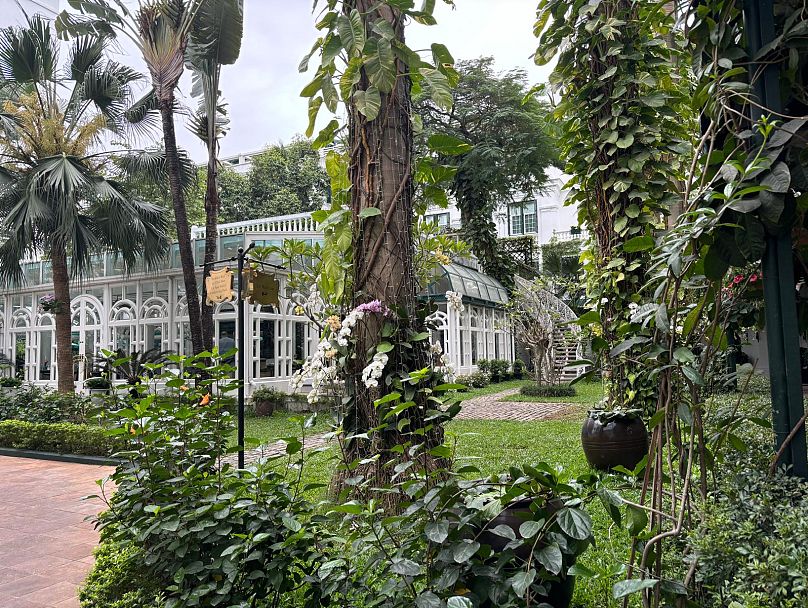
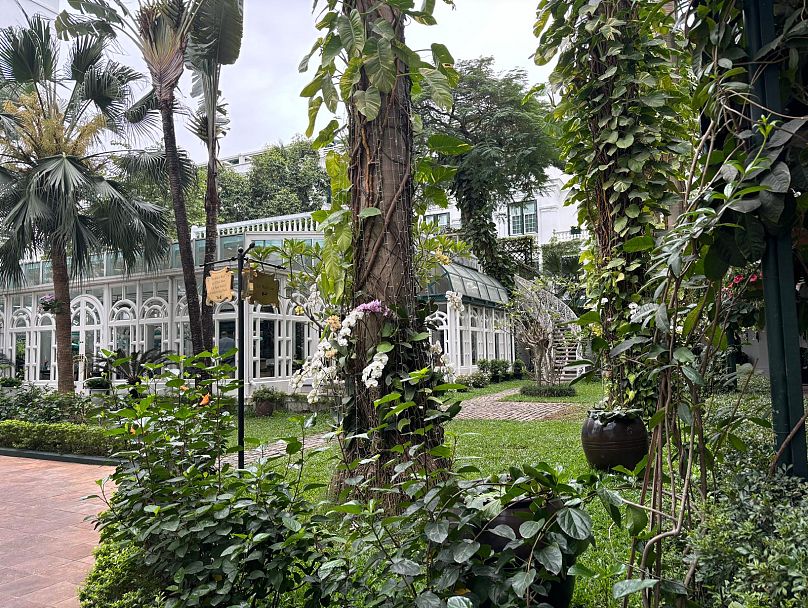
Stop by the Metropole’s Le Club Bar today to discover the birthplace of egg coffee. This bright, verdant conservatory offers a serene retreat and serves classic French dishes such as Niçoise salad, onion soup, and croque monsieur.
Alternatively, you have the option to visit either of the two
coffee joints
Nguyen’s establishment in the city, currently managed by his heirs, can be found at the northern tip of Hoàn Kiếm Lake. Climb upstairs to Café Dinh and enjoy a sugary cup of Hanoian coffee alongside local artists and writers.
Where to Stay in the French Quarter at Capella Hanoi
The city’s
luxury hotel
A quarter containing such coins can be discovered among the blocks surrounding Hanoi’s rococo-style Opera House, an ice-cream-hued structure with a dome that dates back to 1901.
Capella Hanoi
It’s an extravagant and whimsical reinterpretation of a meeting place where opera’s most renowned performers, including singers and composers, could gather following their last performance.
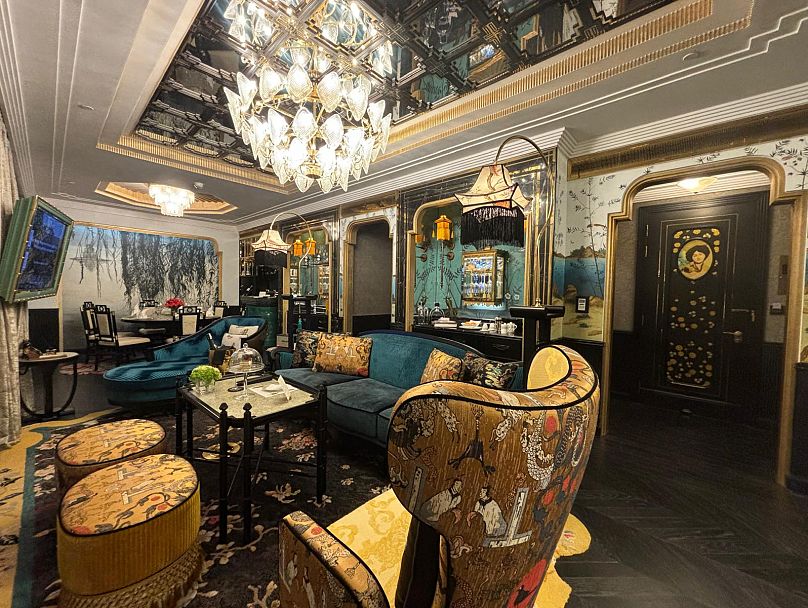
Created by renowned architect Bill Bensley, this establishment blends 1920s Art Deco Parisian style with Vietnamese cultural elements in an extravagant mix. Bensley dedicated considerable time collecting souvenirs such as theater programs, musical instruments, gloves, and even opera lessons to adorn the space.
hotel
.
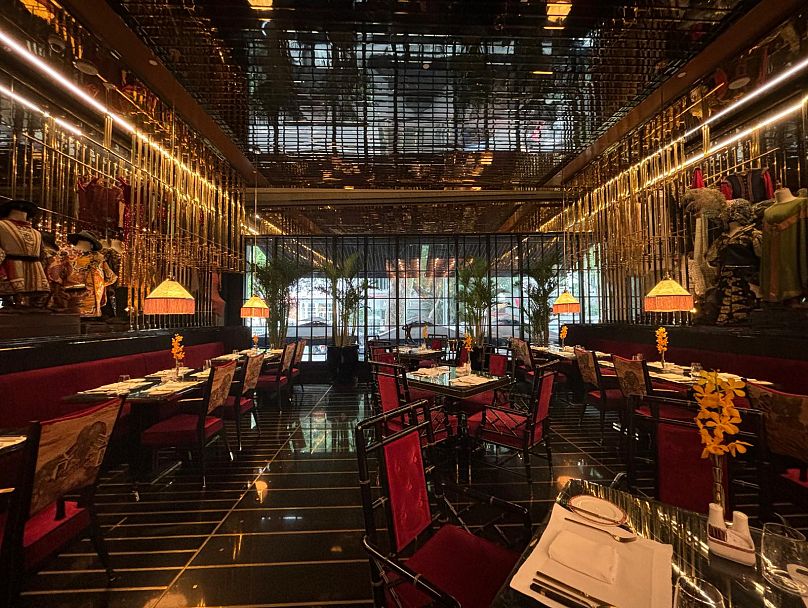
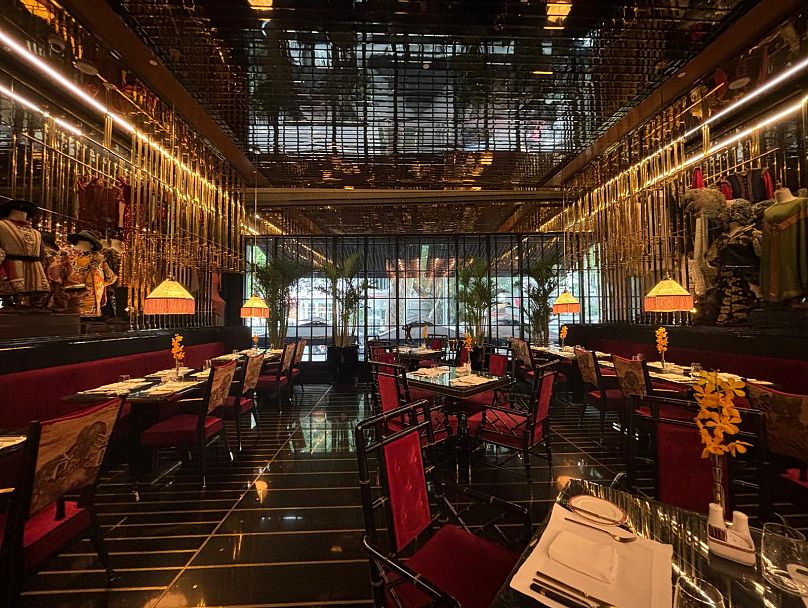
The ground-floor Michelin-acclaimed restaurant is called Backstage, where the luxurious crimson velvet seats, full-length curtains, and glittering outfits adorning the walls beautifully capture the essence of backstage activity.
Every story focuses on a distinct element of opera—drama, music, and celebrities. The design captures these elements with specific motifs: miniature stages adorned with bead-embroidered outfits on the drama section; an area featuring a powdering station along the actress passageway; and sculptures of musical instruments combined with artwork inspired by Picasso’s style at the music zone.
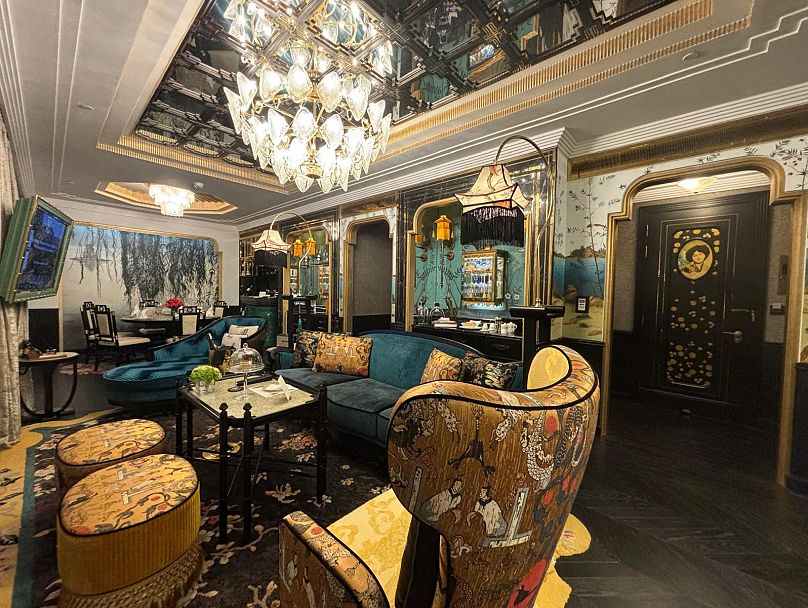
Every one of the 47 rooms has its own distinct theme, each named for a musician, actor, composer, or operatic work. Inside, you’ll find references to Vietnamese craftsmanship such as embroidered silk cushions, pendant lanterns adorned with hanging pom-poms, and black bamboo furniture.
The hotel partners with local talents for experiences such as pottery sessions with Bat Trang Ceramic Village inhabitants and lacquer art lessons led by Tran Anh Tuan, who teaches at Hanoi University of Industrial Fine Arts.
Hanoi’s food is renowned, earning the title of top culinary destination according to the World Culinary Awards in 2024. Visitors staying at Backstage can enjoy meals prepared using exclusive recipes from Madame Anh Tuyet, who appeared on chef Anthony Bourdain’s show “No Reservations.” Her rendition of pho—a flavorful soup featuring beef brisket—makes for a robust start to the day.
Return to the past at the Sofitel Legend Metropole Hotel.
Staying at the
Sofitel Legend Metropole
This place, where egg coffee originated, offers the nearest experience to traveling back in time to Hanoi during its French colonial period—from the staff welcoming you with ‘bonjour’ to the presence of upscale boutiques like Hermes and Chopard within the premises.
The Heritage Wing originates from 1901, whereas the Opera Wing was added in 1996. Within the historic section, a newly mounted exhibit outlines the chronological history of the place.
hotel
From its inauguration through its involvement in two conflicts and the restoration period in 1992, it has captivated visitors with insights into the rich history contained within its walls.
In 1946, ex-president Ho Chi Minh met with General Etienne Valuie, who was the commander of Indo-China, along with Nguyen Hai Than, the president of Vietnam’s Provisional Government, at a hotel as part of discussions for Vietnamese independence.
Throughout the period of the American invasion, all hotel employees—both men and women—underwent military training. The sidewalk area at the entrance, previously used for guest leisure such as drinking coffee, was excavated to construct bomb shelters that are now open for guided tours. Singer-songwriter Joan Baez’s album “Where Are You Now, My Son?” drew inspiration from her stay in one of these bunkers during an 11-day visit to the hotel.
Since guests no longer have to concern themselves with seeking protection from air raids, they can ample time to take advantage of the hotel’s comprehensive amenities. Within the main atrium, you will find a delightful space for enjoyment.
outdoor pool
Equipped with sun loungers, each morning you can make your way up to Le Balcon for yoga or Tai Chi sessions.
And once you’re prepared to leave the hotel and encounter the bustling energy of Hanoi, simply recall to say ‘goodbye’ to the doorman as you depart.
by admin | Mar 23, 2025 | food and drink, hotels, tourist attractions, Travel, vietnam
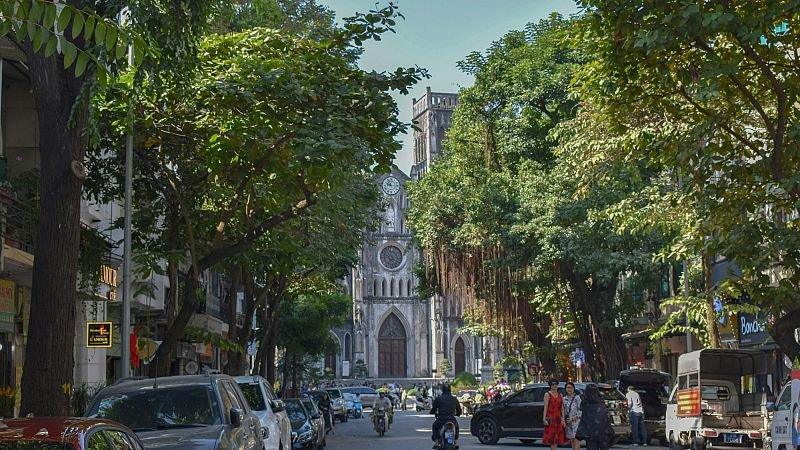
Hanoi’s Old Quarter is a bustling hub of traffic, commerce, and tourism. Visitors opt to lodge in this historical district of Vietnam’s main city to immerse themselves in its distinctive mix of weaving motorcycles, street-side eateries, and an overwhelming soundscape.
However, despite the congested roads being an integral part of the Old Quarter — where hotels frequently offer guests tips on navigating through them — growing tourism is putting more pressure on the limited space within its narrow lanes.
Up until lately, tour buses used to navigate through the narrow pathways to pick up day trippers from their hotels, leading to significant traffic jams. This practice has since been prohibited; however, taxis and Grab (the Southeast Asian equivalent of Uber) vehicles continue to congest the roads.
For those travelers who prefer navigating through the hustle and bustle intermittently, the adjacent French Quarter serves as an excellent location. Featuring spacious avenues, a serene lake, and luxurious accommodations, this area offers some respite with easy access via a brief stroll back to the Old Quarter.
It offers an intriguing look at the French influences introduced through colonialism, which eventually merged with Hanoi’s culture to create something distinctively new.
Relax by Hanoi’s Hoàn Kiếm Lake
In Hanoi, it’s inevitable to avoid the constant hum of motorcycles and the symphony of car horns, yet Hồ Gươm Lake at the outskirts of the French District offers a tranquil retreat. Strolling beside the water, you can gaze out over the lush greens.
water
towards the moss-covered Turtle Tower – where reptiles formerly dwelled in the nearby waters – located on an island at the center.
At the northern end stands Ngoc Son Temple. This temple, devoted to writing, scholarship, and literary pursuits, serves as an important site of veneration for students gearing up for their examinations. An vibrant red bridge connects to this small sanctuary.
island
where the loud noise of the traffic turns into a faint murmur within the temple boundaries.
Sitting in the leafy courtyard surrounded by trees, observing a cat meandering past, and hearing sporadic bursts of pop music floating over from Zumba sessions at the lakeside can be quite delightful. Rise early to participate alongside Hanoi’s vibrant community as they start their day with exercise.
Experience egg coffee where it originated.
Vietnam has turned coffee into a completely distinct beverage. Each significant city within the nation boasts its own special blend. In Ho Chi Minh City, you’ll find coconut-infused coffee, whereas in Hue, it comes crowned with savory cream. In Hanoi, due to the scarcity of milk and cream during the French occupation in the 1940s, a creative barkeep devised an egg coffee.
coffee
.
Nguyen Van Giang was employed at the bar of the Grand Metropole Hotel, which remains operational and now belongs to the Sofitel chain. Having commenced operations in 1901—a year prior to Hanoi being designated as the capital of French Indochina—the hotel soon attracted colonials and international visitors. Facing a shortage of milk for his patrons, Nguyen incorporated beaten egg yolks mixed with honey and sugar into the coffee preparation, serving it above a container filled with warm water.
Stop by the Metropole’s Le Club Bar today to take a seat at the birthplace of egg coffee. This bright, plant-filled greenhouse offers a serene escape and serves classic French dishes such as Niçoise salad, onion soup, and croque monsieur.
Alternatively, you have the option to visit either of two
coffee joints
Nguyen’s establishment, which was taken over by his heirs, operates here today. Located at the northern edge of Hoàn Kiếm Lake, you can discover Café Dinh. Ascend to the upper level where you can enjoy a cup of sweet Hanoi coffee alongside local artists and authors.
Where to Stay in the French Quarter at Capella Hanoi
The city’s
luxury hotel
A quarter can be spotted in the areas surrounding Hanoi’s rococo-style Opera House, a dome-topped, pastel-colored structure built-in 1901.
Capella Hanoi
This place is an extravagant and whimsical reinterpretation of a meeting point where legendary figures from the world of opera—singers and composers alike—might have gathered following their last performance.
Created by renowned architect Bill Bensley, this establishment blends 1920s Art Deco Paris aesthetics with Vietnamese cultural elements in an extravagant mix. Bensley dedicated considerable time collecting souvenirs such as theater programs, musical instruments, gloves, and even opera lessons to adorn the space.
hotel
.
The restaurant on the ground floor, which has received a Michelin recommendation, goes by the name Backstage. Its luxurious red velvet seats, full-length curtains, and sparkling outfits hung on the walls beautifully capture the essence of backstage activity.
Every level focuses on a distinct element of opera – including drama, music, and celebrities. The design echoes these ideas with specific touches like a small theater showcasing bead-adorned outfits on the drama section; an area featuring a powdering station along the performer’s walkway; and musical equipment combined with Picasso-esque artworks at the music zone.
Every one of the 47 rooms has its own distinct theme, each named for a musician, actress, composer, or opera. Inside, you’ll find references to traditional Vietnamese craftsmanship such as embroidered silk cushions, pendant lanterns adorned with hanging tassels, and black rattan seating.
The hotel partners with local talents for experiences such as pottery sessions with inhabitants of Bat Trang Ceramic Village and lacquer art lessons led by Tran Anh Tuan, who is a distinguished instructor at Hanoi University of Industrial Fine Arts.
Hanoi’s food scene is renowned, earning it the title of top culinary destination from the World Culinary Awards in 2024. Visitors staying at Backstage can enjoy meals prepared according to the private recipes of Madame Anh Tuyet, whose talent caught the eye of Chef Anthony Bourdain for his show “No Reservations.” Her rendition of pho—featuring an aromatic broth paired with beef brisket—is particularly impressive when served as a morning meal.
Return to the past at the Sofitel Legend Metropole Hotel.
Staying at the
Sofitel Legend Metropole
(The place where egg coffee originated) offers the nearest experience to traveling back in time to Hanoi during the French colonial era—from the staff’s ‘bonjour’ welcome to the presence of upscale boutiques like Hermes and Chopard within the premises.
The Heritage Wing originates from 1901, whereas the Opera Wing was added in 1996. Within the older section, a newly set up exhibit outlines the chronological progression of the structure.
hotel
From its inauguration through its involvement in two conflicts up until the rebuilding efforts in 1992, it has captivated visitors with the wealth of history contained within its walls.
In 1946, ex-president Ho Chi Minh had a meeting at the hotel with General Etienne Valuie, who was the commander of Indo-China, and Nguyen Hai Than, the president of Vietnam’s Provisional Government, as part of discussions for Vietnamese independence.
Throughout the American occupation, all male and female employees at the hotel underwent military training. The sidewalk in front of the entrance, previously used for guest gatherings over coffee, was excavated to construct bomb shelters that visitors can currently explore with an accompanying guide. Singer-songwriter Joan Baez found inspiration for her album “Where Are You Now, My Son?” during her stay of 11 days within one of these underground bunkers housed in the hotel.
Since guests no longer have to concern themselves with seeking protection from air raids, they can ample time to relish the hotel’s comprehensive amenities. Within the main atrium, you will find a delightful space for enjoyment.
outdoor pool
Equipped with sun loungers. Each morning, you can make your way up to Le Balcon for yoga or tai chi sessions.
And once you’re prepared to leave the hotel and dive into the bustling energy of Hanoi, don’t forget to say ‘au revoir’ to the doorman.
Page 3 of 12«12345...10...»Last »