by admin | Apr 3, 2025 | amusement, animals, tourist attractions, wildlife, zoos
Across the nation, zoos experienced a lively increase in visitors on Eid-ul-Fitr’s third day as families, particularly children, headed to the wildlife sanctuaries to mark the festive occasion with amusement park activities and thrill.
There was an electric atmosphere as children, along with their guardians, discovered the zoo’s wide array of exotic creatures and relished the calm, verdant surroundings.
A great many people flocked to the zoos in Peshawar, Lahore, Karachi, and various other major urban centers within the nation. The zoo in Peshawar stands out due to its extensive grounds, sprawling across 29 acres adjacent to the University of Peshawar, and houses the most comprehensive assortment of indigenous and foreign fauna in all of Pakistan.
Upon arrival, striking statues of an elephant and a giraffe at the entrance draw the eye of every visitor approaching via Rahatabad Road, igniting their interest. One such excited guest was Anaya Khan, a 9-year-old pupil hailing from the Nowshera district, whose delight knew no bounds following her inaugural visit to the zoo.
“Today, seeing wild creatures such as the cobra, lions, falcons, and giraffes up close became a reality,” exclaimed Anaya, her face lit up with joy. “I owe a huge thanks to my father for making this long-held wish of mine from childhood come true.” Similar to many visitors, Anaya was impressed by how the zoo had created environments resembling their natural habitats for the animals, along with the clean and organized visitor amenities.
The extensive collection of exotic animals at the zoo was the main attraction, drawing children and families who were enthralled by the lions, bears, tigers, giraffes, and the regal falcons.
Tourists arrived from distant areas like Khyber, Kohat, Nowshera, Charsadda, Mardan, Mohmand, and Swabi, along with the event’s location, Peshawar. They were cordially welcomed by wildlife specialists who offered informative details about the creatures present.
Established by the Khyber Pakhtunkhwa Wildlife Department, this zoo houses a wide variety of creatures including animals and birds hailing from different parts of Pakistan.
The zoo’s attractions, like the expansive eagle habitat where you can see both brown and black eagles flying, draw many guests. Additionally, it features zebras, camels, deer, ducks, pheasants, along with an array of birds that captivate visitors.
For visitors looking to see the zoo more quickly, a safari bus is offered, and a restaurant is on hand to provide meals.
Moreover, the zoo provides complimentary rides on swings, camels, and a small train — all adding to a delightful time for kids. Professor Sundas, who accompanied her child from Nowshera, commended the zoo as a blessing for the citizens of Peshawar, boosting not only the area’s aesthetics but also improving the quality of life for its inhabitants.
Previously, I used to travel to Islamabad and Lahore just to visit their zoos. But this year, I didn’t have to venture elsewhere since the Peshawar Zoo became an excellent substitute,” she mentioned.
Sundas highlighted how her children had a special attraction to the falcons at the zoo, underlining its significant educational benefits.
“It serves not only as a venue for fun but also as an essential resource for learning and study for young people interested in animals and zoology,” she said additionally.
Nevertheless, she highlighted aspects that require enhancement, including adequate shelters, shading solutions, and an increased number of trees for the animals’ benefit, along with improved healthcare infrastructure for their treatment.
She proposed setting up a testing lab onsite to avoid future health issues for the animals and also recommended reviewing the zoo’s entry fees, suggesting that young children should not have to pay.
The experts at the zoo likewise encouraged visitors to act responsibly and advised them not to throw stones or tease the animals.
Zoo authorities highlighted the significance of keeping everything clean and asked visitors to work together with employees so that the zoo stays an inviting and secure spot for all.
With the conclusion of the Eid festivities, the zoo emerged as a beacon of enjoyment, learning, and connection—not only for the residents of Peshawar but also for tourists hailing from all over Khyber Pakhtunkhwa and further afield.
It’s evident that the Peshawar Zoo has transcended being merely a wildlife sanctuary; it has become an essential component of the area’s cultural and social landscape.
Provided by Syndigate Media Inc. (
Syndigate.info
).

by admin | Mar 31, 2025 | marine animals, natural disasters, nature, tourists, wildlife
An unusual natural phenomenon has resulted in a beach in Majorca being blanketed with a gooey blue substance.
Both locals and tourists didn’t find their usual golden sandy shores when they woke up today, transforming what typically draws many visitors to the Balearic islands into something quite different.
Rather than what they expected, they encountered coastlines in Port de Sóller covered with countless slippery blue entities.
A clip capturing this bizarre event reveals increasing amounts of odd formations being hurled onto the beach by the ocean currents.
Even though this observation appears as if it’s out of this world, there is actually a completely terrestrial explanation for what we’re seeing.
The unusual-looking creatures are actually By-the-wind-sailors, which frequently get swept onto land due to powerful winds.
FaceBook
Jake Bullitt noticed a By-the-wind-sailor jellyfish on the shore and posted about it online.
He mentioned that countless tiny Velellas, also known as By-the-Wind-Sailors, had been washed up at the western edge of the bay, with even more continuing to wash ashore.
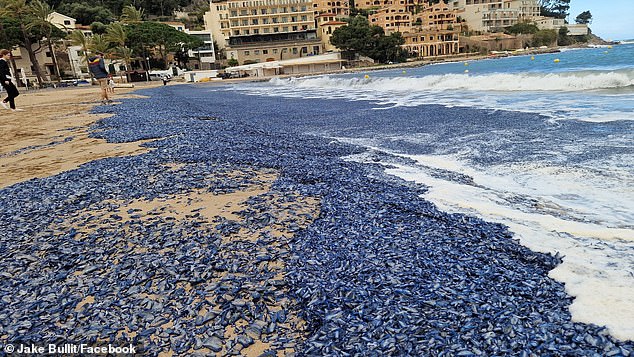
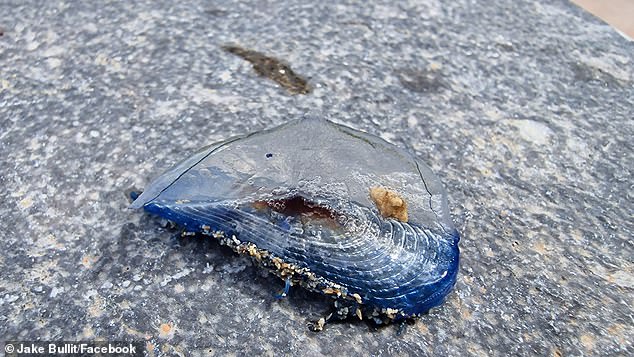
Even though they share an uncanny resemblance to the Portuguese man o’ war — known for its painful stings — By-the-wind-sailors pose little threat to humans, as their sting typically causes only minor skin irritation.
The problem these beaches in Majorca currently encounter is dealing with the deceased marine life. If left unremoved, these organisms can begin to decompose, producing an unpleasant smell and drawing flies.
By-the-Wind-Sailors are commonly found in warmer waters during the spring and winter seasons.
Their names originate from their unusual form, which looks like a ship’s sail.
True to their namesake, jellyfish traverse the globe in groups with their ‘sail’ assisting them during these journeys.
Throughout their voyage, the By-the-wind-sailors employ their tentacles and stingers to hunt smaller creatures and juvenile fish.
Read more

by admin | Mar 27, 2025 | animal behavior, animals, science, squirrels, wildlife
A pair of individuals based in Moscow is transforming wildlife tracking through the use of artificial intelligence to tally and monitor squirrels within the city’s green spaces.
Viktor Bokrenev and Olga Gorlova have set up remotely controlled feeding stations fitted with cameras, enabling observers to view the creatures live.
![]()
Their artificial intelligence program monitors not just the activities of squirrels but also recognizes different individuals, offering useful information about what they eat.
Having seven feeding stations set up, they aim to broaden their initiative and enhance the preservation of urban wildlife.
You can check out Viktor Bokrenev and Olga Gorlova’s site at
smotrikormi.ru
And observe the fuzzy inhabitants in motion around the clock!

by admin | Nov 19, 2024 | africa, national parks, Travel, wild animals, wildlife
A wildlife expedition in Kruger National Park typically tops everybody’s wish list when visiting South Africa. Below are some useful suggestions to make the most of your African journey.
The most effective method to discover
Kruger National Park
To secure your spot on a game drive—a three-hour excursion aboard an elevated open 4×4 vehicle—ideal for capturing stunning photographs. These drives typically start very early in the morning, just before dusk, or during the nighttime hours when wildlife tends to be more active.
You can choose to discover the park using your personal vehicle. Should you decide to drive yourself, remember these crucial guidelines. Maintain a slow speed, stick to the trails instead of the asphalted paths, and remain near the watering holes as this is typically where wildlife congregates to drink. Once you arrive, obtain a map of the Kruger National Park; it serves as an essential tool for navigation and recognizing the various fauna and landscapes within the park. Note: It is absolutely prohibited to exit your vehicle unless in specifically marked zones.
During summertime, temperatures may climb above 40°C. Make sure to bring along multiple liters of water and take breaks under well-shaded areas provided by trees. In winter, the environment provides ideal circumstances for observing wildlife since the reduced plant growth allows animals to be more visible near watering holes.
Kruger National Park
http://www.sanparks.org/parks/kruger/default.php/
by admin | Jul 17, 2024 | africa, animals, asia, south africa, wildlife
These six African and Asian nations offer stunning vistas along with a plethora of wildlife to watch in their native environments, ensuring an extraordinary safari experience!
Thinking about going on a safari? Check out our articles for tips on planning your trip:
-
Safari: 5 Valuable Tips for Planning a Successful Trip to Africa
-
Kenya: 5 amazing safari lodges for an immersive wildlife experience
-
Which destination is preferable for a safari: Kenya or Tanzania?
Kenya and Tanzania stand out as premier locations for wildlife safaris.
With twelve parks apiece, top-notch lodges, and many bush camps, these adjacent East African nations are highly suggested for your initial wildlife adventure.
Kenya
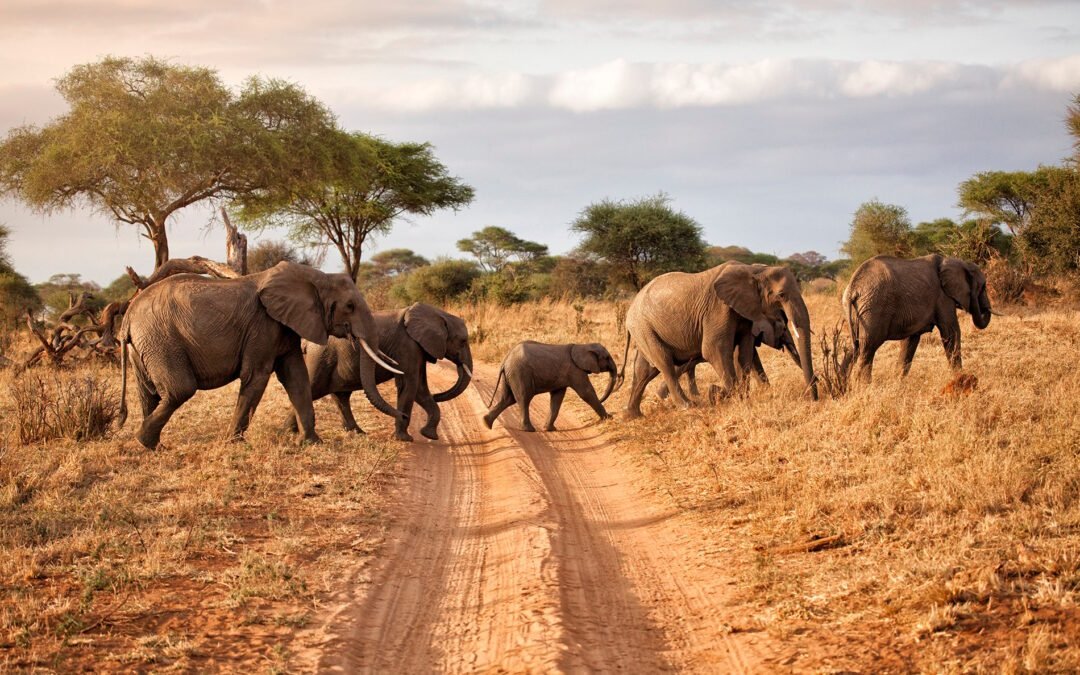
Around the lakes of the Great Rift Valley lies the Maasai Mara reserve, which boasts extraordinary wildlife including giraffes, elephants, lions, and rhinos, as well as breathtaking scenery that blends savanna, mountains, and forests. Be sure not to overlook the Samburu and Lake Nakuru reserves, alongside Tsavo and Amboseli national parks. In Tanzania, the Serengeti and Tarangire parks, together with the Ngorongoro Crater reserve, are celebrated for their varied landscapes and an impressive abundance of large mammals.
Botswana and Namibia, countries of diversity
In Botswana’s Chobe National Park, with its four distinct ecological zones, and Namibia’s Cape Cross, home to massive colonies of sea lions, visitors can witness incredible natural wonders. Additionally, the Okavango Delta in Botswana, characterized by expansive swamplands and inundated plains, along with Namibia’s Etosha National Park set within an extensive white saline desert, offer further examples. These two nations in southern Africa boast numerous wildlife species thriving across remarkably varied landscapes and climatic conditions.
Sri Lanka, a gem of an island in the Indian Ocean.
Proudly featuring 26 parks and nature preserves,
Sri Lanka
serves as a top pick for travelers seeking remarkable interactions with wildlife. Among the most celebrated animal reserves, those located to the southern part of the island stand out: Uda Walawe, situated inland, offers a haven for elephants. Along the southern coastline, Bundala acts as a crucial habitat for birds. Moving to the eastern side, Yala National Park draws many visitors due to its extensive array of mammals—including monkeys, leopards, jackals, buffalo, and bears—within vast expanses of dry deciduous woodland interspersed with numerous lakes and lagoons.
In South Africa, encountering the Big Five
Thanks to its maintained routes and safe recreational areas, South Africa is ideal for a self-guided photographic adventure. In the northeastern part of the nation,
Kruger Park
offers stunning vistas and a remarkable variety of wildlife, featuring the Big Five (elephants, buffalo, rhinos, leopards, and lions) year-round. Notable locations like Hluhluwe Imfolozi Game Reserve, Tembe Elephant Park, and Kgalagadi Transfrontier Park provide spectacular animal viewing experiences as well.


