
oleh admin | Mar 20, 2025 | brain health, gender, mental health, psychology, psychology of everyday life
The topic regarding the distinctions between what are known as masculine and feminine brains has consistently ignited interest and spurred discussions. Do our neural pathways genuinely vary, or are these discrepancies merely outcomes of societal and cultural influences?
The Stanford Medicine article
examines this issue by delving into research outcomes that underscore the inherent distinctions in the functioning of male and female brains.
A shift in viewpoint regarding neuroscience
Up until the latter part of the 20th century, scientific thought tended towards attributing disparities in male and female behaviors mainly to environmental factors and societal influences. Both biologists and psychologists posited that social norms shaped human cognition and emotions. Nevertheless, starting from the ’90s, multiple investigations have shown that physiological elements significantly impact brain activity as well. Neuroscientist Nirao Shah initiated an extensive exploration along these lines back in 1998. During this period, incorporating females into animal testing protocols was seen as problematic owing to their fluctuating hormone levels; researchers felt such variability could obscure findings with excessive inconsistencies. Gradually though, empirical proof started mounting—differences in brains across genders cannot solely be chalked up to cultural conditioning but are embedded within genetic makeup and neurological pathways.
Well-established behavioral differences
Differences in behavior between boys and girls can become apparent even during their early years. A study involving rhesus monkeys uncovered an intriguing trend: male monkeys tended to prefer playing with wheeled objects, whereas female monkeys were drawn towards soft toys. Consequently, these tendencies seem to stem from biology rather than societal influences. Among people, women usually outperform in areas such as verbal abilities, intricate manual dexterity, and recollecting particular incidents. Conversely, men generally exhibit stronger capabilities when dealing with visual-spatial challenges—like reading maps—and certain types of short-term memory work. Such distinctions aren’t merely due to differing levels of practice or routine; they’re grounded within the physical makeup of our brains. Research indicates that women have heightened sensitivity to emotional signals in conversations, whilst men typically fare better at assignments necessitating broad perspectives and understanding space.
Brains wired differently
On a biological level, these distinctions extend much further than just behavioral patterns; they manifest in the very architecture and operations of the brain.
-
The hippocampus, which plays a crucial role in learning and memory processes, tends to be bigger in females. This might account for their proficiency in verbal memory tasks and remembering specifics.
-
The amygdala, which plays a role in handling emotions, tends to be bigger in males. Nonetheless, how it functions varies based on gender: for females, the activation of the amygdala correlates with remembering emotionally charged experiences in the brain’s left side, whereas for males, this correlation occurs in the right side.
-
In what some describe as a “female brain,” the two hemispheres have enhanced connections, facilitating quicker exchanges between logical reasoning and emotional processing. For males, however, these connections tend to be stronger inside individual hemispheres, which enhances their ability for concentrated analysis.
This disparity in connectivity might account for why women frequently excel at juggling multiple tasks and handling social interactions, whereas men tend to perform better in concentrated and analytic activities.
The part played by hormones in these variations
The primary cause behind the distinctions observed in what we call male and female brains can be attributed to the intricate influence of sexual hormones.
-
Primarily, women generate estrogen and progesterone, hormones that affect neural plasticity (the capability of the brain to restructure itself).
-
On the contrary, men are governed primarily by testosterone, a hormone that molds brain development starting from fetal stages and affects tendencies toward competitiveness and territorial actions.
Sex chromosomes also hold significant importance. Females possess two X chromosomes, providing them with a particular genetic advantage against specific neurological disorders. Males, having just one X chromosome along with a smaller Y chromosome, tend to be more susceptible to certain mental health conditions like schizophrenia or autism.
Specialization of the brain according to genetic factors
Nirao Shah’s research on mice has pinpointed particular genes linked with gender-specific behaviors. Through gene deletion experiments, he noted significant alterations in their actions—like reduced nurturing tendencies or shifts in mating conduct. This indicates that the brain consists of distinct components, each governing certain functions or responses, which are regulated by genetic and hormonal cues. Recognizing these architectural and operational distinctions between what we traditionally call male and female brains can refine approaches within areas like mental well-being support, educational methods, and professional psychology. Tailoring treatment plans according to these physiological variations might lead to more precise and efficient medical interventions.
These distinctions thus represent complementary strengths rather than shortcomings. Instead of causing separation, this variety in thinking is a treasure that enables us to view the world through various lenses.
oleh admin | Feb 27, 2025 | brain health, health, health and exercise, mental health, psychology
Memory refers to the capacity for recalling past experiences and data. Although everyone starts out with some level of memory capability, lifestyle factors may cause this skill to deteriorate rather than improve over time. Both conscious and unconscious actions you take impact more than just your outward looks; they also affect mental health. It’s crucial to recognize those behaviors—whether intentional or unintentional—that could undermine your memory strength.
Here are some habits that may impair your memory:
1. Drinking excessive amounts of alcohol
Drinking excessive amounts of alcohol can impair your memory, affecting both your short-term and long-term recall abilities. Additionally, continuing to drink without cessation could lead to dementia. Consuming alcohol even in moderate quantities may still have an adverse effect on your memory.
2. Insufficient hydration from water consumption
If you’re not drinking sufficient water, it might result in tiredness, lack of focus, and headaches. Proper hydration boosts your memory and general mental capabilities. Should you find yourself frequently forgetting things or feeling lethargic, increasing your water intake could aid in supporting your cognitive functions.
3. Not socialising
Interacting socially is essential for everyone’s mental health. Engaging with others aids the brain in processing information swiftly, participating in meaningful conversations, and retaining memories. Social interaction can reduce the likelihood of experiencing cognitive issues. Conversely, feeling isolated can heighten the risk of developing memory-related conditions.
4. Constant stress
If you’re perpetually stressed, both your ability to learn and your memory tend to decline. Individuals who experience ongoing stress often find it difficult to focus or recall information. Additionally, being inundated with numerous thoughts may harm your psychological well-being.
Associated Articles Mental Health Is Wealth Repetition 2025 Japanese Syndrome and Your Psychological Well-being Ten Daily Habits That Could Heighten the Risk of Skin Cancer 5. Poor Sleep Quality
Not getting enough sleep can hinder your capacity to retain and recall information. A shortage of rest prevents you from focusing during the day, leaving you feeling ineffective.
6. Excessive dependence on technology
A habit that might diminish your memory capacity involves excessive reliance on technological tools. By ceasing to utilize your mind for remembering data like contact info, passcodes, or various facts, you miss out on cognitive workouts essential for maintaining a sharp memory. Essentially, being overly dependent on electronic gadgets allows your brain to slack off and refrain from memorizing since it presumes these tasks will be handled by the devices instead.
7. Lack of exercise
Working out benefits more than just your physique; it enhances your psychological wellbeing too. Physical activity supplies the brain with extra oxygen and nourishment while boosting circulation. Additionally, it aids in the production of substances that encourage neuron development in the brain.
8. Eating an excess of processed foods
Foods that have been heavily processed can lead to oxidative stress in the brain due to their high content of harmful fats, synthetic additives, and excessive sugars. Regular consumption of such items may eventually impair your mental processes. On the contrary, eating a diet abundant in beneficial fats, unprocessed meals, and antioxidant-rich components enhances recall abilities and shields the brain from damage.
Stay updated with the latest news from Tribune Online in real time! Connect with us on WhatsApp for instant access to breaking news, special reports, and personal conversations. Subscribe to our WhatsApp channel today.
Tags: habits memory Mental health Provided by SyndiGate Media Inc. (
Syndigate.info
).

oleh admin | Feb 1, 2025 | brain health, health, health advice, healthcare and medicine, medicine and healthcare
A widely-used pain reliever might enhance memory and intellect, according to a recent study.
Ibuprofen, which serves as an anti-inflammatory used to alleviate headaches, toothaches, back pain, and cold symptoms, might also enhance reaction speeds according to researchers.
The advantages for health are so substantial, they argue, that the pills can be as beneficial for cognitive function as reducing hypertension.
Nevertheless, using acetaminophen, a widely used analgesic, had an adverse impact and might potentially impair memory function.
The University College
London
A study examined the cognitive impacts of widely used medications on approximately five hundred thousand individuals in the UK.
Scientists discovered that medications utilized for alleviating pain and inflammation,
osteoarthritis
Heart disease, asthma, allergies, and hypertension could potentially yield the most significant benefits.
The non-prescription pain reliever paracetamol and the prescribed antidepressant fluoxetine showed the highest negative impacts on memory and problem-solving abilities.
Researches indicate that their findings merely hint at an association between the medications and these side-effects, without definitively proving that the drugs are the direct cause. However, they emphasize that all new drug trials ought to examine the possible impacts on the brain, enabling physicians to select the most suitable medication options for their patients.


Martin Rossor, the lead author of the study and a neurologist, stated, “Commonly prescribed medications could have substantial impacts on cognitive functions. Since these drugs are frequently utilized and often cause negative cognitive outcomes, it would be wise to incorporate regular assessments of mental abilities during clinical tests.”
Very few studies have explored the impact of widely used drugs on cognition. A challenge here lies in the fact that these substances are commonly consumed by elderly individuals who usually take multiple medicines simultaneously. This makes it difficult to pinpoint exactly what could be responsible for any observed effects.
Any negative impacts on cognitive function might also mistakenly be blamed on getting older.
The research, supported by the charitable organization The Health Foundation, analyzed health records of approximately 540,000 individuals ranging from young adults to those up to 73 years old. This investigation encompassed details regarding their medications along with their performance in assessments gauging aspects such as response speed, recollection capacity, logical thinking capabilities, and puzzle-solving aptitudes.
The performance of individuals taking the medications was contrasted against those not using the drug.
The findings, reported in the journal Brain And Behaviour, indicated that individuals using any of ten commonly prescribed medications outperformed those not taking these drugs in various assessments.
Pain relievers such as aspirin, codeine, and diclofenac—which is also called Voltaren—proved beneficial.
Omega-3 triglycerides, utilized to address heart conditions; glucosamine for osteoarthritis; atorvastatin for reducing cholesterol levels; omeprazole for managing heartburn; lansoprazole as an anti-indigestion medication—all these showed advantages when taken alongside individuals who were consuming a multivitamin.
The medication amitriptyline, used for treating migraines, was also associated with the most adverse effects.
Read more
oleh admin | Jan 3, 2025 | brain health, health, healthy eating, healthy eating and living, healthy living
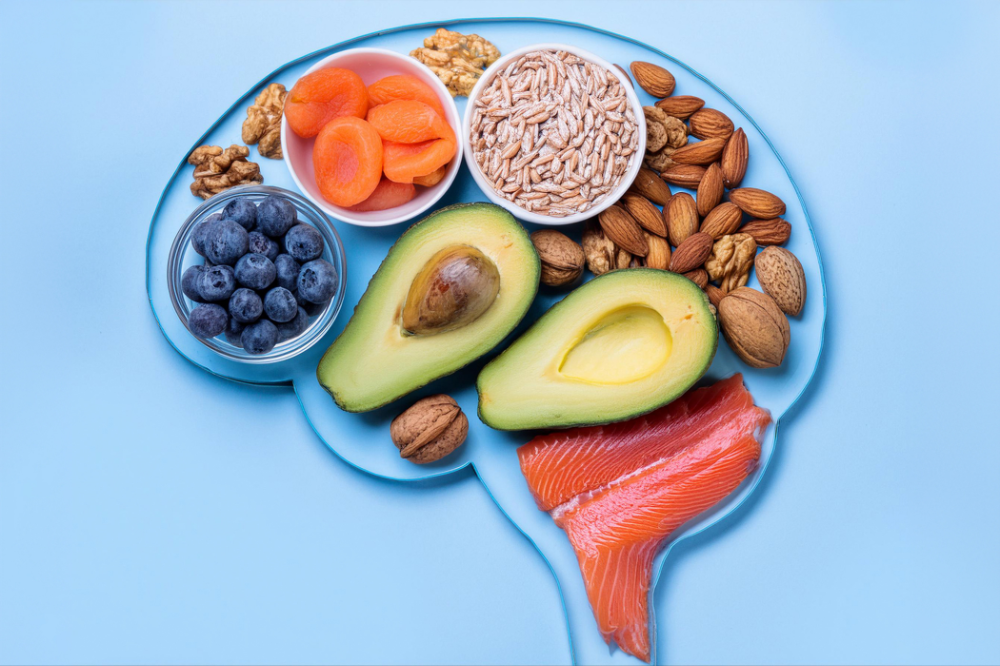
EATING well isn’t just crucial for maintaining good digestive health; it’s even more vital for supporting brain function.
Our brains rely significantly on nutrients to support functions like cognition, memory, mood, and mental sharpness.
As gut health plays a crucial role in ensuring proper brain function, it is essential to take care of both areas.
As we grow older, we encounter more stressful scenarios, and preventing cognitive decline and maintaining mental sharpness becomes increasingly crucial.
People need to place much greater emphasis on consistently incorporating nutritious foods into their daily intake, which can be difficult for busy working adults who are always on the move
Below is a selection of budget-friendly and simple-to-prepare meals that help sustain a healthy brain as well as promote good mental health, potentially lowering the chances of experiencing anxiety and depression.
1. Oatmeal with Fruits

Oats are recognized for their brain-boosting properties due to their high content of fiber and B-vitamins, crucial components for maintaining cognitive function.
Although oatmeal might seem dull by itself, incorporating fruits can boost both its taste and nutritional value.
Combining oats with fruits like bananas, nuts such as walnuts, almonds, and cashews, alongside dried fruits including raisins and apples, plus adding cinnamon (known for its anti-inflammatory benefits), creates a tasty dish that also promotes general well-being.
2. Boiled Eggs

Cooked eggs are a budget-friendly, top-notch protein option that also includes choline, which is essential for enhancing memory and cognitive abilities.
Although they might appear simple on their own, these items can be combined with options like fruit or cottage cheese, which also offers a good dose of protein, calcium, and choline.
Spinach and kale, which are packed with antioxidants, folate, and vitamin K, can enhance brain health without straining your wallet.
Sweets potatoes can be used instead of leafy vegetables or dairy products since they are rich in beta-carotene. The body transforms this compound into Vitamin A, plus they contain antioxidants beneficial for your cognitive function.
3. Nuts

Peanuts and hazelnuts are abundant in omega-3 fatty acids and vitamin E, essential nutrients that significantly contribute to maintaining cognitive function.
Omega-3 fatty acids aid in sustaining brain architecture, whereas vitamin E shields the brain from oxidative harm.
These nuts can be savored individually as a tasty treat or included in recipes such as oatmeal and salads for an enhancing crunchy texture that benefits your mind.
4. Sardines

Sardines belong to the family of oily fishes that resemble walnuts and almonds in their richness of omega-3 fatty acids, which are essential for maintaining good brain health.
They aid in generating new brain cells and boost the creation of brain chemicals that influence mood, concentration, and memory.
You have the option of choosing canned or frozen salmon, which provides the same nutrients as well. It can be prepared grilled or baked, similar to how you would serve sardines, or simply grab them from cans.
With a side of vegetables or whole grains like brown rice, it gives a balanced, brain-boosting and gut-balanced meal.
5. Dark chocolate

If you have a hankering for something sweet, opting for dark chocolate can be beneficial for your cognitive well-being.
Products containing approximately 50 to 70 percent cocoa are typically priced comparably to standard milk chocolate and are readily available at most supermarkets. However, higher-end varieties provide more substantial health advantages.
The better the quality of dark chocolate, the higher the levels of antioxidants derived from flavonoids found in cocoa.
These antioxidants aid in boosting blood circulation to the brain, improving mental performance, and safeguarding it from oxidative stress. Additionally, they supply beneficial fats that contribute to comprehensive brain wellness.
Dark chocolate includes theobromine and phenylethylamine, substances associated with better moods, lower stress levels, and heightened sensations of happiness.
Similar to various forms of chocolate, it stimulates the production of endorphins and serotonin, potentially enhancing your mood, thereby fostering mental sharpness and cognitive well-being.
Moreover, dark chocolate contains vital minerals like magnesium, iron, and zinc, crucial for proper brain operation. These elements aid in lowering anxiety levels due to magnesium’s impact on enhancing neural activity.
6. Sweet potatoes

Lastly, sweet potatoes, a staple ingredient in many French fry dishes we enjoy today, are incredibly adaptable and can be turned into various recipes like creamy mashed potatoes or savored simply when boiled or roasted.
These contain plenty of beta-carotene, which is an antioxidant that assists in safeguarding the brain against oxidative harm.
Beta-carotene has the potential to decrease the chances of cognitive decline and enhance general brain performance, which makes sweet potatoes a crucial item to keep in your pantry for crafting speedy, nutritious meals or treats.
To sum up, maintaining brain health holds the same significance as looking after your physical well-being, such as gut health, underscoring the necessity of being mindful about what you eat.
By adding inexpensive and readily available items such as eggs, oily fish, and nuts into your regular diet, you ensure that your brain gets all the essential nutrients required for optimal performance throughout the day.
Even though it might be simple to neglect your digestive system, keeping in mind that a well-functioning gut enhances cognitive abilities could inspire you to lead a more wholesome life. This shift not only lowers the chances of mental decline but also decreases risks associated with various bodily illnesses like cardiovascular issues and tumors.
It doesn’t need to be costly or complex—these simple-to-prepare, nutrient-rich dishes can provide mental and physical sustenance affordably, helping you become healthier and more astute.

oleh admin | Nov 26, 2024 | brain health, health, mental health, skills, wellness
We place great emphasis on having a supple body; we practice yoga, engage in stretching routines, and more.
But do we also pay attention to a flexible mind? Yet a flexible mind would help us become mentally and emotionally stronger, more creative and resilient.
Mental flexibility can do a lot for us! The routines we have built up with aging can also limit us. So make work of a more flexible mind that absorbs new information more easily, adapts more quickly to change and finds creative solutions to everyday challenges.
What is mental flexibility?
Mental flexibility is the ability to adapt your thinking, to look at things from a different angle and to let go of patterns (that no longer work).
When we work on a more flexible brain, we give ourselves the space to look at each situation in a fresh way and find solutions that we previously thought were unattainable.
How do I get started?
There are easy methods to “expand” your mind bit by bit every day, making your brain more adaptable.
Step 1:
Small changes, big impact
Start by doing one thing different from what you are used to each day. This is how you break routine. For example, take a different route on your daily walk. Or choose a different place at the table. By making small changes, you challenge your brain to think in a different way. Also, it helps to reduce the “rigidity” in your thinking.
Step 2:
Push yourself to avoid doing something specific.
Adopt the contrary strategy by intentionally avoiding your usual actions.
For instance, you could decide against making your bed immediately after getting up or avoid heading directly for that coffee machine.
In this manner, you discover the sensation of loosening your grip slightly and realize that you can still operate just fine without rigid frameworks.
Step 3:
Change your environment
Alterations in your surroundings prompt your mind to consider new perspectives.
For instance, try sipping your coffee in a new location or take a stroll in an unfamiliar setting. Physical movement continues to be a strong asset and offers a cognitive uplift as well. This shift allows you to discover fresh concepts and enables you to view matters from a broader viewpoint.
Step 4:
Learn something new
Begin thinking “outside the box” by initiating a fresh pastime, such as learning a new skill. Broaden your horizons and embrace novel opportunities. Consider acquiring proficiency in another tongue, engaging with a different musical instrument, or enrolling in a dance class. These activities demand focus, perseverance, and they also encourage the formation of new neural pathways in your brain.
Step 5:
Be bold enough to reflect on your ideas
Regularly challenge your beliefs and allow room for considering different viewpoints. It’s essential to have the courage to doubt our notions of how things “should” or “ought” to be. Must all our actions adhere strictly to these norms? Is achieving perfection truly necessary for every task? Could there possibly be another approach to managing this circumstance? …
Begin your day by flexing your mind!
When you “stretch” your mind, you enhance creativity, resilience, confidence, and develop skills for managing change effectively. This process liberates you from the anxiety of rigid expectations. Through daily minor alterations, you gradually cultivate flexibility in thinking. Over time, this allows you to approach life with openness, welcome novel experiences, and broaden your perspectives. It’s truly a wonderful present to bestow upon yourself!
(SR for SANGKRITALOKA/Source: SeniorenNet/Illustration image: Unsplash)
Make sure to check out all our articles on MSN by subscribing to our content. Simply click on ‘follow’ located beside our logo at the top.

oleh admin | Jul 11, 2024 | brain health, health, health and exercise, lifestyle, psychology
Individuals who stay up late demonstrated superior performance in mental assessments compared to those who wake early, according to research. However, this does not imply that everyone should operate throughout the nighttime hours.
Do you consider yourself a “night owl” who prefers staying up late and working deep into the evening, or perhaps a “morning lark” who rises early to make full use of the morning hours? Regardless of whether you see this as a choice, a routine, or simply part of your nature, it defines your “chronotype.”
A study indicates that your sleep schedule type might influence your overall mental abilities. It was observed that individuals who prefer staying up late typically scored higher cognitively compared to those who wake early.
The research from the UK, released on July 11, 2024, in the journal
BMJ Public Health
examined information from over 26,000 individuals who had undertaken several cognitive assessments.
The objective was to determine how various facets of sleep—such as length, routines, and quality—influenced mental acuity and comprehensive cognitive function.
What the ‘night owl’ study found
They discovered that sleeping between
7-9 hours a night
proved ideal for optimal brain function. However, they discovered that an individual’s chronotype influenced their test performance.
Individuals who were inherently more energetic during evenings scored higher on cognitive assessments compared to those who preferred mornings,” stated lead author Raha West from Imperial College London, UK, in a press release. “These sleep-wake tendencies aren’t merely individual choices; they can influence how well we process information.
However, this doesn’t imply that all early risers experience poorer cognitive function. “The results show a general pattern where most night owls tend to exhibit superior cognitive abilities,” explained West.
Moreover, your chronotype is not fixed—you have the flexibility to adjust it in any direction. Additionally, merely ensuring a restful night’s sleep can enhance your cognitive abilities as well.
The study of sleep patterns known as chronotypes
Chronotypes aren’t fixed—they can change throughout our lives.
“Kids usually prefer mornings, teenagers and young adults lean more toward evenings, and older people frequently return to a preference for mornings,” explained Feifei Wang, a sleep specialist from Eötvös Loránd University in Budapest, Hungary.
However, Wang stated that there was substantial proof indicating our tendencies regarding sleep and wakefulness periods remained consistent over time, even
When we change time zones
.
“Whether someone tends to be more active in the mornings or evenings depends on a mix of genetic, hormonal, environmental, and lifestyle elements. These components work together to define a person’s chronotype,” explained Wang, who did not participate in this latest research.
Chronotypes are partially determined by variations in our circadian rhythms—the internal bodily clocks responsible for regulating crucial processes like sleep and metabolism.
The genes associated with an individual’s internal body clock encompass those known as “CLOCK,” “PER,” and “CRY.” These play a significant role in determining one’s chronotype. As Wang explained to LIFEHACK, they determine “whether someone leans more towards being a morning person or an evening person.”
However, you can teach yourself to become a morning person or an evening person.
“We have demonstrated that undergraduate students can shift their chronotypes forward by nearly two hours within a span of two years,” stated Ignacio Estevan, a sleep specialist from Universidad de la República in Montevideo, Uruguay. It’s worth noting that Estevan was not part of the recent research.

‘Till dawn studies’ impair exam scores
Estevan has explored the link between chronotypes and academic performance. His findings indicate that the test scores of night owls and early birds were influenced by the time of day the tests were administered.
“Estevan reported that individuals with laterchronotype preferences performed poorly academically during morning shifts when compared to those who woke up earlier. This difference wasnot observedduringtheafternoonshifts,” he explainedtoLIFEHACK, emphasizingthathisstudyaddedtoscientificevidenceindicatingthatschoolstarttimesaffectchildren’sacademicresults.
Certain specialists believe that synchronizing school schedules with students’ natural body clocks could improve their future prospects.
In conclusion, stated Estevan, both testing and cognitive performance were contingent upon
good quality sleep
Research generally indicates that individuals who get more sleep tend to achieve higher scores on exams.
Estevan mentioned that this could be attributed to the significance of sleep for both learning processes and optimal brain function. His studies have revealed that pulling an ‘all-nighter’ to cram at the last minute negatively impacts exam performance.
“Approximately 15% of the students in our research didn’t get any sleep prior to the exam, and their performance was the poorest,” stated Estevan.
What’s the most effective approach for getting a restful night’s sleep? According to Wang, maintaining a consistent bedtime routine, ensuring your sleeping space is dim and peaceful, making an effort to unwind, avoiding caffeine and stimulating substances post-dusk, and minimizing nighttime light exposure—especially right before bed—are key steps.
Edited by: Zulfikar Abbany
Primary source:
Sleep duration, chronotype, health, and lifestyle factors influence cognitive function: A UK Biobank cross-sectional analysis; published by Raha West, Daqing Ma, et al. in BMJ Open Sport & Exercise Medicine (July 2024).
https://doi.org/10.1136/bmjph-2024-001000
Author: Fred Schwaller


