
oleh admin | Mar 13, 2025 | archaeology, biology, culture, culture & history, health, society
-
EXPLORE FURTHER: Researchers unveil visage of ‘entirely new’ human predecessor
Researchers have uncovered the earliest known human face in Western Europe, which could alter our understanding of human evolution.
The ancient human referred to as ‘Pink’ resided in
Spain
The Iberian Peninsula was inhabited between 1.1 and 1.4 million years ago.
This indicates that Pink significantly precedes the appearance of modern humans, Homo sapiens, who arrived on the continent approximately 45,000 years ago.
The fossilized remains differ significantly from other early hominin specimens discovered in the region, suggesting that Pink might represent an entirely new species of human.
The pieces of this ancient human-like face were found in 2022 within a cave named Sima del Elefante.
where many of Europe’s oldest human remains have been discovered.
Nevertheless, Pink seems to have a distinct architecture compared to Homo antecessor, another human species that inhabited the region as far back as 860,000 years ago.
Rather than resembling earlier humans, he looks more like Homo erectus, an even older human species that appeared in Africa about two million years ago and was the first to walk upright similar to contemporary humans.
Researchers think that Pink’s species might have been some of the earliest humans to reach Europe, only to be eradicated later due to a rapid change in climate.

Consisting of various fragmented pieces along with portions of two teeth, the skeletal findings at Sima del Elefante are thought to represent the earliest known instance of human facial bones discovered in Western Europe.
The scientists referred to the person as ‘Pink’, inspired by Pink Floyd’s album Dark Side of the Moon, known in Spanish as ‘La cara oculta de la luna,’ with ‘cara oculta’ translating to ‘hidden face.’
Upon discovering Pink’s remains, scientists originally believed that they might be attributed to another of the ancient human species uncovered in the region.
Inside the cave, scientists had earlier discovered remnants of Homo antecessor that date back 860,000 years.
By examining the numerous other animal fossils discovered in the same stratum of the cave along with evidence of periodic changes in Earth’s magnetic field imprinted in the soil, scientists determined that Pink’s remains date back to between 1.1 and 1.4 million years ago.
Moreover, upon meticulously piecing together the fragments of Pink’s remains, it was evident that his facial structure did not match any known ancient human species from the region.
Dr María Martinón, who leads the National Centre for Research on Human Evolution, explains: “While Homo antecessor has a more contemporary appearance with a pronounced nose bridge similar to Homo sapiens, Pink exhibits traits closer to those of Homo erectus—specifically a flatter and less developed nasal region.”
Homo erectus was the initial human species to adopt an upright stance and walk similar to contemporary humans, and they were also the first to employ stone implements for slicing purposes.

Once it emerged in Africa approximately two million years ago, this species spread to Asia and eventually reached Eastern Europe.
At a location in present-day Georgia, paleontologists have unearthed five craniums attributed to Homo erectus.
tracing back 1.8 million years
.
Nevertheless, the fossil record from Western Europe remains notably sparse until about 800,000 years ago.
Scientists have discovered just one tooth alongside some stone tools from approximately 1.4 million years ago in Spain, along with
a jawbone from Sima del Elefante dating back to approximately 1.1 million years ago.
Close to where Pink’s remains were found, scientists also uncovered stone implements crafted from quartz and flint, along with animal bones that showed distinct signs of cutting.
This suggests that Pink and their kinfolk had established a basic tool-making industry and were skilled at butchering animals for food, similar to what Homo erectus could do.
The study’s co-author, Dr Xosé Pedro Rodríguez from the University of Rovira i Virgili (URV), comments: “These findings indicate a successful approach for obtaining food and underscore the capability of these early humans to utilize the natural assets present in their surroundings.”
If Pink indeed belongs to the Homo erectus species, this discovery would indicate that this ancient human ancestor was much more widespread and existed earlier than what researchers previously believed.



Who were Homo antecessor?
Homo antecessor is among the first types of humans found in Europe, with evidence tracing back as early as one million years ago.
Thought to have had a weight of approximately 14 stone, Homo antecessor was believed to be between 5.5 and 6 feet tall.
Their brain volumes ranged from approximately 1,000 to 1,150 cubic centimeters, which is smaller compared to the typical 1,350 cubic centimeter brains of present-day humans.
It is thought that this species was predominantly right-handed, setting it apart from other apes, and might have employed a symbolic form of communication. These conclusions were drawn from archaeological findings discovered in Burgos, Spain in 1994.
Nevertheless, the researchers remain unconvinced that Pink merely belongs to this particular species of human ancestors.
Even though their skulls are alike, Pink’s face has a more slender structure compared to specimens of Homo erectus discovered throughout Asia and Africa.
However, based solely on bits of bones and two worn teeth, the scientists cannot yet confirm that Pink represents a completely new species.
Rather than doing so, they chose to label Pink as ‘Homo affinis erectus,’ employing the Latin word ‘affinis’ which signifies that this species shares an affiliation with recognized kinds.
Dr Martinón states: “There isn’t enough evidence yet for a conclusive categorisation, so we chose the term Homo affinis erectus.”
She notes that this step was taken to ‘recognize Pink’s connections with Homo erectus while still allowing for the chance that the remains could be from a different species.’
The research team contends that Pink’s species was among the initial group of humans to migrate into Western Europe.
However, that initial migration seems to have been abruptly halted as the climate of the Iberian Peninsula underwent a sudden change.

When Pink resided in Spain, the Sierra de Atapuerca area was characterized by a blend of forested zones, marshy meadows, and intermittent bodies of water — creating a bountiful habitat for early human inhabitants.
However,
earlier research indicates that there might have been a abrupt climate change approximately 1.1 million years ago.
any of which could have exterminated humanity.
This might be why there’s a significant gap in the fossil records between Pink and the subsequent Homo antecessor specimens.
Dr Eudald Carbonell, a paleontologist from URV and co-director of the project, states: “The evidence pointing towards distinct hominin populations in Western Europe throughout the Early Pleistocene indicates that this area played a crucial role in the evolutionary journey of the genus Homo.”
Read more
oleh admin | Mar 11, 2025 | adhd, adult adhd/add, health, healthcare and medicine, medicine and healthcare
-
EXPLORE FURTHER: Widely Used Medication Might Eliminate Symptoms of ADHD
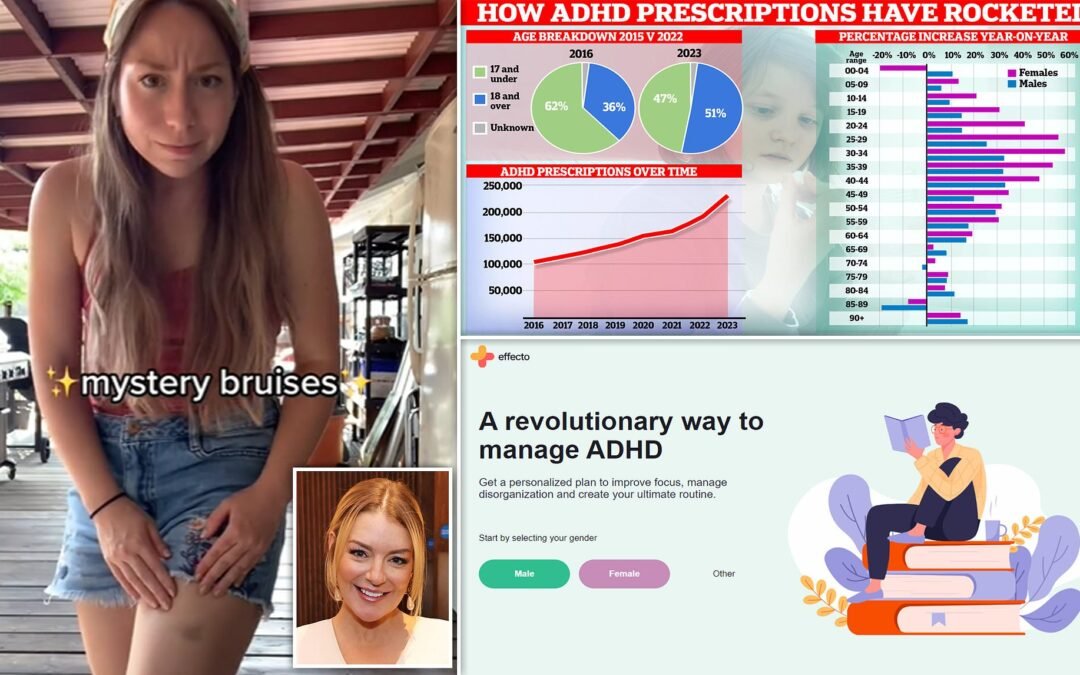
Popular applications and social media personalities have fueled a considerable increase in this trend.
ADHD
concerning studies cautioned today.
Experts discovered that prescriptions for medications to address the condition have surged nearly 20% year-over-year since the start of the pandemic.
However, social networking websites such as
TikTok
And thoseInstagram posts that highlight common daily issues as possible signs of ADHD have planted the seeds for misinformation, prompting individuals to pursue diagnoses, according to the researchers.
Alternatively, users ought to handle this data with care as the precision and dependability of the material may differ considerably, they advised.
This warning has come at a time when more celebrities have been openly discussing their personal struggles with the condition over the past few months.
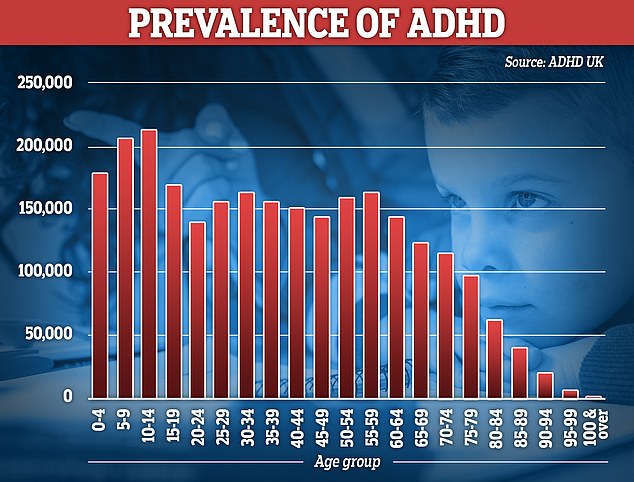
Up until now, approximately five percent of children and as high as four percent of adults were believed to have ADHD in England.
In the research, though, specialists from Aston University and the University of Huddersfield found that national prescription rates went up from 25.17 items for every 1,000 individuals in 2019/2020 to 41.55 items in 2023/24—a yearly rise averaging 18 percent.
However, the increase reached up to 51 percent.
Birmingham
and Solihull. In contrast, Norfolk and Waveney saw an uptick of only 5 percent.
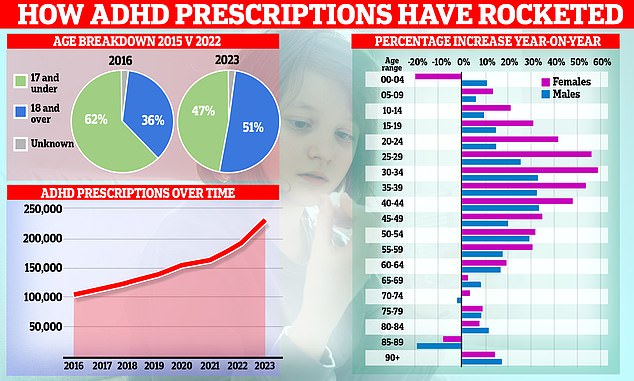


The group examined English prescription information for the five presently approved ADHD medications across national, regional, and NHS integrated care board (ICB) levels.
There were three stimulants mentioned: methylphenidate, which is available as Ritalin and Concerta; dexamphetamine; and lisdexamphetamine.
Atomoxetine and guanfacine made up the remaining two non-stimulant options.
The researchers discovered that methylphenidate was still the most commonly prescribed medication, with a rate of 19 items for every 1,000 individuals.
However, the most significant rise was observed in lisdexamfetamine prescriptions, which surged by 55 percent compared to the previous year.
Writing in the journal
BMJ Mental Health
The researchers indicated that social media was probably responsible for the significant increase.
‘The heightened public and professional awareness, aided significantly by social media platforms such as TikTok and Instagram, may have prompted more individuals to pursue evaluation, diagnosis, and therapy,’ they noted.
‘Social media platforms such as TikTok and Instagram have emerged as new centers for discussions about ADHD, where numerous individuals share their personal stories, management techniques, and paths to being diagnosed.’
While social media plays a key role in raising ADHD awareness, it’s important to be cautious when consuming this information since the accuracy and dependability of such content may differ greatly.
‘False information on these platforms can result in misunderstandings regarding signs, detection, and care.’
They included: “It is crucial to conduct studies on reliable techniques for reviewing and managing ADHD-related content on social media platforms so as to guarantee that initiatives aimed at raising awareness do not unintentionally disseminate false information.”
The extensive disruptions and stresses brought about by the pandemic might have contributed to increased prescription rates, according to the research team.
The pandemic has dramatically changed everyday activities like shifting to online or hybrid methods of education and employment, which also led to heightened stress for numerous individuals, according to them.
These modifications might have intensified ADHD symptoms in certain individuals, rendering these symptoms more apparent and leading people to pursue a diagnosis and treatment.
Individuals with ADHD often experience difficulties such as lack of attention, hyperactivity, and impulsive behavior. They might find it challenging to focus on specific tasks or exhibit excessive restlessness.
The use of medications to alleviate severe symptoms was backed by substantial evidence, according to the researchers.


Today’s experts, who weren’t part of the research, recognized that healthcare providers have observed a ‘substantial rise’ in individuals seeking assistance for ADHD.
Dr. Ulrich Muller-Sedgwick, who advocates for ADHD at the Royal College of Psychiatrists, stated, “This increase can be attributed to several factors such as better identification of ADHD in females, heightened societal understanding, and the effects of the pandemic which worsened numerous individuals’ conditions.”
The correct diagnosis along with proper treatment, such as medications and suitable modifications, can significantly improve individuals’ well-being and enable them to achieve their fullest potential in studies or professional life.
We understand that increasing ADHD services via focused funding would aid in guaranteeing individuals get the essential support they require.
Dr. Paul Keedwell, a consulting psychiatrist and expert in neurodiversity, likewise proposed that there
‘There might be an instance of excessive diagnosis.’
He stated: “Even though there isn’t concrete proof of this, it’s crucial that every person gets a comprehensive evaluation by a psychiatrist.”
‘A variety of other psychological disorders can lead to symptoms similar to those seen in ADHD.’
For instance, my clinical practice has uncovered numerous instances where issues with inattention stemmed from undiagnosed depression instead of ADHD.

Furthermore, ADHD frequently coexists with various mental health conditions such as autism spectrum disorder, complex trauma, anxiety, and depression.
Others have also previously
alerted that unscrupulous private clinics are misdiagnosing the issue excessively.
However, experts have also contended that ADHD was first recognized in the UK as an adult disorder back in 2008.
Previously, it was considered merely a childhood issue that children would eventually grow out of.
Consequently, instead of being overdiagnosed, some experts argue that numerous adults currently receiving an ADHD diagnosis may have had their symptoms overlooked for many years.
What is ADHD?
Attention Deficit Hyperactivity Disorder (ADHD) is a behavioral disorder characterized by issues with focus, hyperactivity, and impulsive actions.
Approximately five percent of children in the United States experience this. In the UK, about 3.6 percent of boys and 0.85 percent of girls are affected.
Symptoms usually show up at a young age and tend to become more apparent as the child develops. They may also encompass:
-
Constant fidgeting
-
Poor concentration
-
Excessive movement or talking
-
Acting without thinking
-
Difficulty in handling stress
-
Minimal awareness or disregard for potential risks.
-
Careless mistakes
-
Mood swings
-
Forgetfulness
-
Difficulty organising tasks
-
Constantly beginning fresh tasks without completing previous ones
-
Difficulty in listening or following directions
Many instances are identified from ages six to twelve. However, adults may also experience it, though there is limited study on that aspect.
The precise reason for ADHD remains unknown, yet it is believed to be linked to genetic changes that influence how a person’s brain functions and develops.
Babies born prematurely as well as those who have epilepsy or brain damage are more susceptible.
ADHD is associated with anxiety, depression, insomnia, Tourette’s syndrome, and epilepsy as well.
There is no cure.
Typically, a mix of medications and therapy is suggested to alleviate symptoms and smooth out daily activities.
Source:
NHS Choices
Read more

oleh admin | Mar 10, 2025 | diet and nutrition, health, healthy living, nutrition, vitamins
Antioxidants
are naturally occurring substances that serve as
key part in safeguarding the body’s cellular structure
Free radicals, which lead to cellular harm, are unsteady molecules. They may arise due to elements like contamination, ultraviolet rays, tension, and normal bodily functions. An overabundance of these free radicals can injure your cells, promoting early aging along with conditions such as cancer and cardiovascular ailments.
What are antioxidants?
Antioxidants
are substances that assist in neutralizing free radicals, thus stopping them from damaging the body’s cells and tissues. Some of the most well-recognized antioxidants include
Vitamins C and E, along with beta-carotene
(a predecessor to vitamin A) along with flavonoids, found in numerous natural food sources. These components possess the ability to “sequester” free radicals, transforming them into inert molecules, thereby aiding in safeguarding cellular well-being and decreasing the likelihood of developing long-term illnesses.
Benefits of antioxidants
-
Protection against premature ageing:
Antioxidants play a crucial role in fighting the signs of aging by maintaining skin flexibility and reducing wrinkle formation. Excessive oxidative stress from high levels of free radicals may speed up this aging process within your skin. Antioxidants counteract these free radicals, thereby aiding in keeping your skin more youthful and healthy over time.
-
Strengthening the immune system:
Antioxidants, particularly vitamin C, have been recognized for boosting the immune system, enabling the body to combat infections and illnesses more effectively. These compounds boost the generation of immune cells and assist in safeguarding them against harm inflicted by outside factors.
-
Prevention of heart disease:
Oxidative stress is linked to the progression of cardiovascular diseases. Antioxidants aid in lowering the chance of atherosclerosis (fat buildup in arteries) and enhance overall cardiovascular health. Certain antioxidants like resveratrol, which can be found in red wine, have been examined for their potential benefits in protecting against heart ailments.
-
Protection against cancer:
Numerous research papers indicate that taking antioxidants may aid in lowering the likelihood of getting specific forms of cancer. These compounds shield DNA cells from harm inflicted by free radicals, thereby assisting in averting genetic alterations that might result in cancer.
-
Improved eye health:
Antioxidants like lutein and zeaxanthin are particularly advantageous for ocular health, aiding in safeguarding the retina from age-related macular degeneration (AMD) and cataracts, which are frequent issues impacting eyesight as one gets older.
Where to find antioxidants?
Antioxidants occur naturally in an extensive range of food items, most of which can be readily included in your daily meals. Here’s a list of some foods known for their high antioxidant content:
Fruits:
-
Strawberries, raspberries, blueberries, and blackberries are packed with antioxidants, particularly anthocyanins, known for their anti-inflammatory and antioxidative benefits.
-
Oranges, lemons, and tangerines—these citrus fruits are rich reservoirs of vitamin C, an influential antioxidant that aids in safeguarding the immune system and enhancing skin health.
-
Grapes of purple hue and wine dyed red abound with resveratrol, an antioxidant tied to safeguarding heart health.
Vegetables:
-
Spinach
Kale and broccoli are rich in lutein and zeaxanthin, nutrients that safeguard your eyesight.
-
Carrots and pumpkins offer beta-carotene, a substance that transforms into vitamin A within our bodies and possesses potent antioxidant qualities.
Nuts and seeds:
-
Walnuts
Almonds and chestnuts include vitamin E, which is an antioxidant soluble in fats that aids in safeguarding cells from oxidative harm.
-
Sunflower seeds also abound with vitamin E along with various other advantageous components.
Tea:
-
Green tea
It is one of the top sources of catechins, powerful antioxidants that possess anti-inflammatory and anticancer qualities.
Spices and herbs:
-
Found in turmeric, curcumin along with garlic possess strong antioxidant and anti-inflammatory properties.
-
Turmeric is also recognised for its antioxidant qualities and aids in digestion as well as decreasing inflammation.
Dark chocolate:
-
Dark chocolate includes flavonoids that possess antioxidant qualities. The greater the cocoa concentration, the more antioxidants it has.
Since you understand its significance, incorporate it into your daily meals.
Antioxidants are essential for safeguarding the body against harm inflicted by free radicals.
, helping to
avoid long-term illnesses, early aging
And even conditions like cancer. By including a variety of fruits, veggies, seeds, tea, and other antioxidant-rich foods in your meals, you can greatly enhance your general health and wellness. Keep in mind that along with eating right, leading an active life filled with regular physical activity and methods for reducing stress helps maintain optimal levels of antioxidants within your body.
By following this care, you will safeguard your cells and encourage a more healthy and extended existence.
Sources of information:
-
World Health Organization (WHO)
-
Academy of Nutrition and Dietetics
-
Journal of Nutrition
-
Food Chemistry
-
The American Journal of Clinical Nutrition.
Read more articles:

6 Edibles That Speed Up Aging: Ways to Steer Clear Of Them?
Combat inflammation with these 4 essential spices!
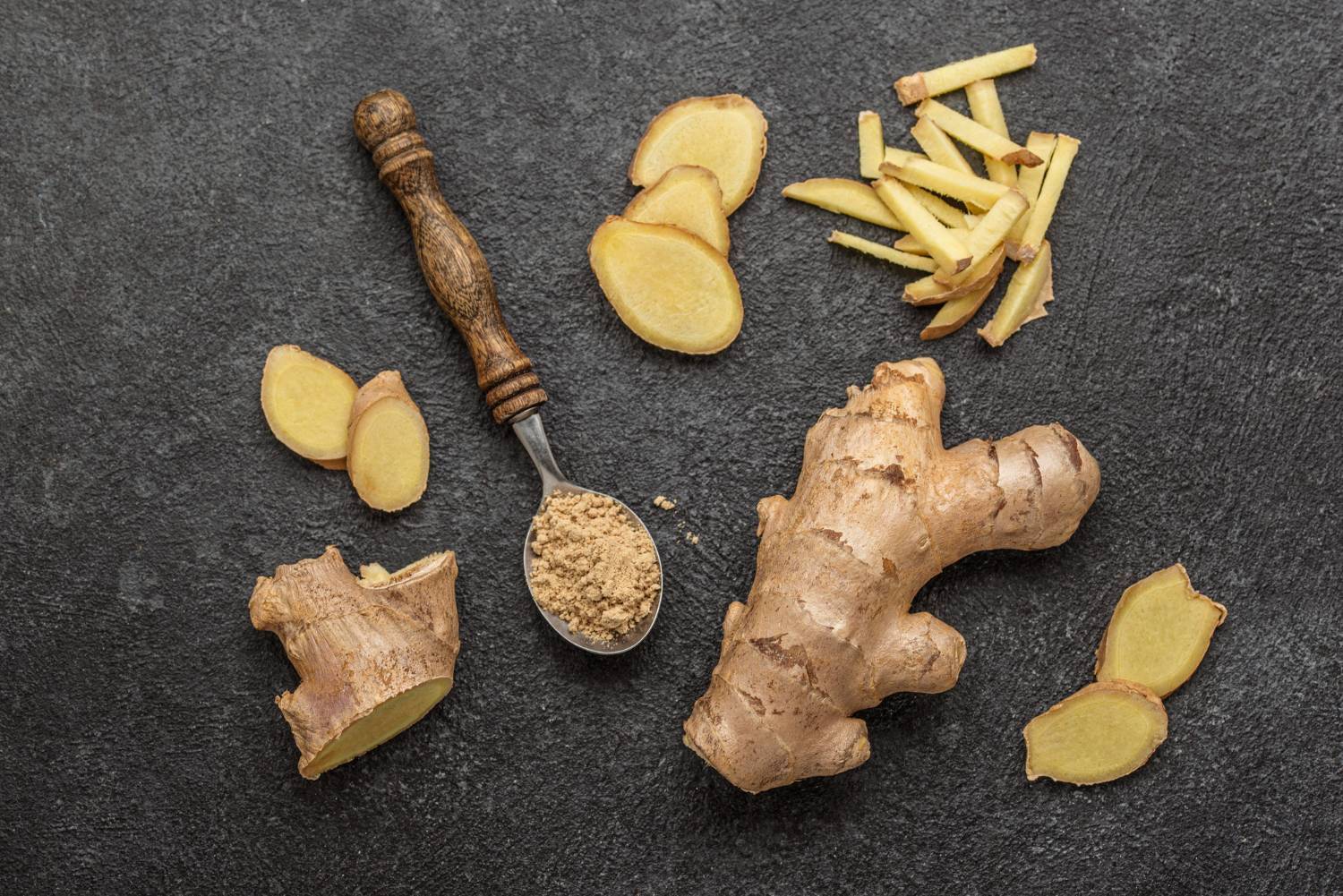
What occurs to our body when we consume ginger daily?
read more on en.SANGGRALOKA

oleh admin | Mar 9, 2025 | health, health & fitness, health and exercise, healthcare and medicine, medicine and healthcare
Frequent oversleeping might be an initial sign of several serious illnesses such as Alzheimer’s, suggests recent research.
Research has shown that individuals getting approximately seven hours of sleep are less prone to experiencing significant health problems.
Individuals who get more than seven hours of sleep are at an increased risk of experiencing cognitive decline along with heart disease and conditions related to it.
diabetes
.
However, individuals who managed less than seven hours of sleep tended to experience lower moods, feelings of tiredness, and poorer muscle and bone health.
MRI studies showed that the brain regions associated with emotions tend to be smaller in individuals who get less sleep. Experts think this shrinkage may explain why these people often experience lower moods.
Experts labeled the discoveries as a ‘game changer’ in comprehending the link between sleep and well-being.
The research conducted at the University of Warwick examined sleep patterns involving almost 500,000 individuals aged between 38 and 73 years old.
The researchers indicate that for individuals who sleep excessively, this is probably a sign of an underlying condition rather than the reason behind it.


Prior studies have indicated that getting more than nine hours of sleep might signal the presence of Alzheimer’s, a degenerative brain disorder. However, investigators from Warwick suggest that consistently sleeping for over seven hours may also point towards this serious illness.
Nevertheless, individuals who get less than seven hours of sleep attribute their health problems to the lack of sufficient rest.
Experts express their optimism that these discoveries could enable early detection of illnesses and swiftly offer treatment strategies for individuals struggling with sleep issues.
The subsequent phase of the study will involve monitoring alterations in sleep patterns as time progresses.
‘This represents a significant change in our understanding of the connection between sleep and overall health,’ states Professor Jianfeng Feng, a biologist and co-author of the study at Warwick University.
‘Our final objective is to create a complete sleep health overview throughout an individual’s entire lifetime, offering practical recommendations for people at each developmental stage.’
Read more

oleh admin | Mar 6, 2025 | food and drink, health, healthy eating, nutrition, snacks
There’s something about
dates
that hooks you.
Sweet without being cloying
, effortlessly gentle and with that touch that transforms every bite into
healthy snack
. They rescue you from hunger during midnight cravings, enhance every dish, and most importantly, provide you with
natural energy
In a delightful manner. Ditch the artificial items: just a few quality dates, and the day begins smoothly. It’s that easy. It’s that great.
Tracing their roots back to date palms and boasting centuries of history, these items weren’t just
fundamental in the cuisine of numerous desert communities
, but today they have become an
key component in nutritious cuisine
And indeed: their incredibly sweet and caramelized taste, along with their smooth texture and capability to offer natural energy, makes them an ideal choice for mid-meal snacks as well as adding zest to dishes.
unique twist for desserts and breakfast dishes
.
However, dates are more than just
alternative to refined sugar
They truly pack a nutritional punch with their fiber, potassium, magnesium, antioxidants, and natural sugars that get absorbed gradually. This is precisely why they are not only
perfect for individuals who lead an active lifestyle or for athletes
They have also made their way into vegan baking due to their natural sweetness and capability to hold dough together without requiring any animal products.
Today, let’s introduce six delectable recipes where dates take center stage. From
quick snacks
for bringing along to your workplace or to the gym, to
easy
and surprising
desserts
That doesn’t require an oven. Additionally, if you’re searching for ideas to
open the fast during Ramadan
Whether you’re looking for a nutritious treat before your workout or just want to enjoy something guilt-free, here are choices to suit every palate.
Prepare to be enchanted by these six treats that prove why dates should have a forever home in your kitchen cabinet.
Dates filled with an energy ball containing a peanut butter center

Energy balls
These are perfect snacks for hectic days. Simply mash dates along with nuts and add extras like pure cocoa, shredded coconut, or seeds, then shape into balls—it’s done! They’re quick to make without needing an oven and portable too. You might find it challenging to have just one.
Full recipe ❘
Date Energy Balls
Brawnie: The unprocessed brownie made with dates
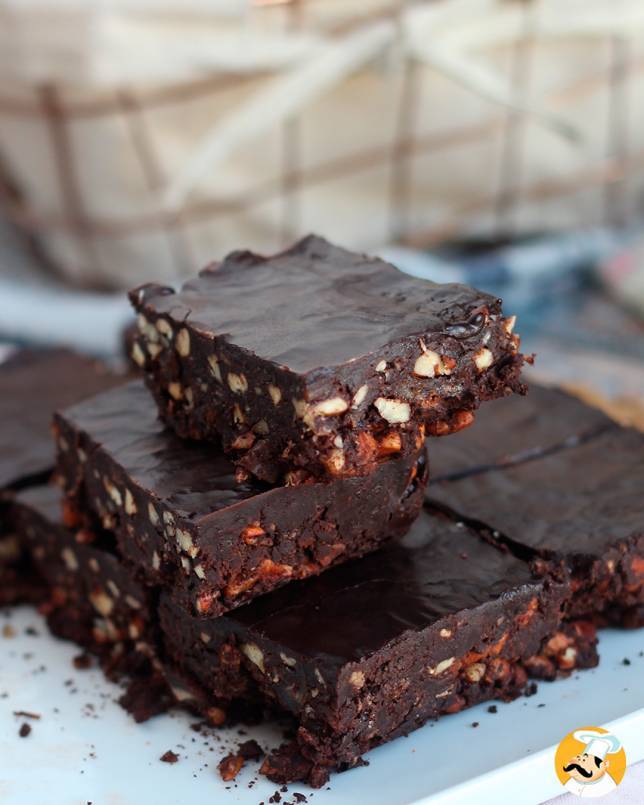
Indeed, one can relish a deeply chocolaty brownie.
without adding sugar or butter
. Here the dates provide all the necessary sweetness, in addition to giving it a juicy and moist texture that has nothing to envy to the classic recipe. Ideal for desserts, snacks or to accompany a coffee when you have guests and want to surprise with something different… and healthy.
Full recipe ❘
Brawnie
Snickers: Chocolate-covered stuffed dates

Who mentioned you can’t have enjoyment?
tasty treat free from highly processed ingredients
These DIY Snickers bars use dates as their foundation and blend the finest elements from both realms: a smooth and rich texture.
peanut butter
filling and a crunchy dark chocolate coating. All
free from flour, free from processed sugars
And with that perfect balance that leaves you wanting more. Ideal for packing in your backpack and tackling sugar cravings in the most wholesome manner.
Full recipe ❘
Snickers: Chocolate-covered stuffed dates
Coffee and date smoothie
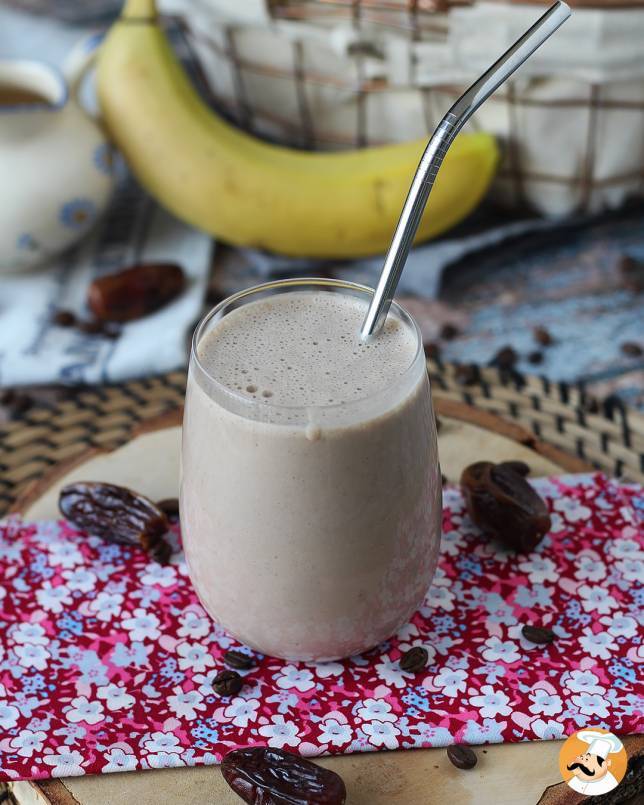
If you’re looking for an energizing pick-me-up during mornings or midafternoons, this smoothie will be your go-to choice. It’s creamy, freshly made, and perfectly complemented with a hint of coffee to invigorate you. The blend includes bananas, milk, and dates for natural sweetness. This healthy and filling drink merges the goodness of breakfast with the delight of cold brew coffee.
Full recipe ❘
Coffee and Date Smoothie
Date fudge
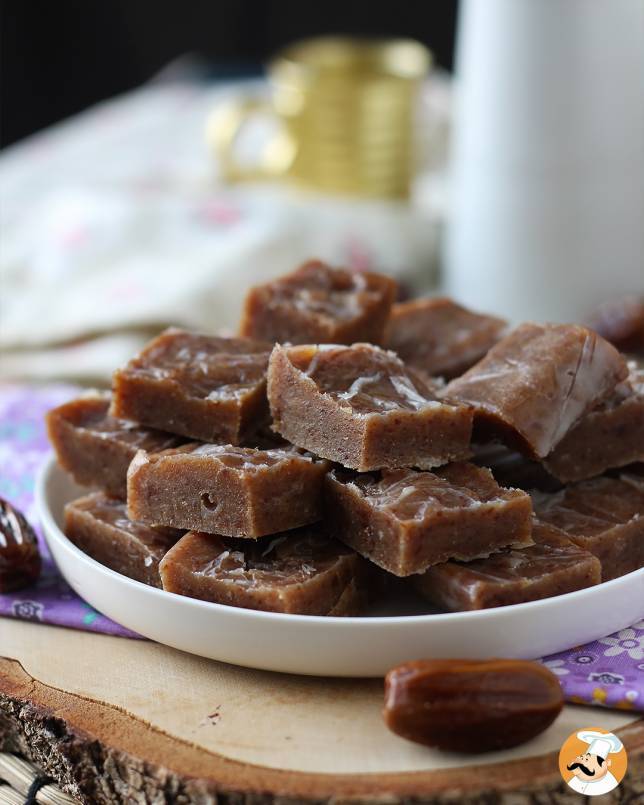
This fudge serves as evidence that
vegan desserts
can be just as irresistible as traditional ones. All you need are dates, a little tahini or nut butter and coconut oil to achieve a soft, almost toffee-like texture that melts in your mouth. Keep it in the fridge and you’ll always have a sweet snack on hand for when you need it most.
Full recipe ❘
Date Fudge
Date cream, the natural sweetener for your desserts

Ditch the conventional sugary caramel. This nutritious alternative made from dates works great as a spread on bread, pairs well with yogurt, or elevates any dessert. It’s a basic element you’ll wish to keep using repeatedly.
Full recipe ❘
Date spread
You might also want to check out:
Ramadan 2025: Strategies for Fasting Without Fatigue During This Month
read more on en.SANGGRALOKA

oleh admin | Mar 4, 2025 | diet and nutrition, health, health tips, nutrition, oil
Cooking oils
serve as crucial components in numerous dishes, yet
Not all of these are in good condition.
or suitable for regular use. Certain types of oils
may pose risks to your well-being
due to the high
amount of inflammatory fats
, intense refinement procedures or
thermal instability
, which may produce harmful chemicals. Below are the three least desirable cooking oils likely found in your kitchen that you should limit or steer clear from.
1. Soybean oil
Soybean oil
is one of the
most problematic
It is abundant in
omega-6
, a type of
polyunsaturated fat
When taken in large amounts, this can lead to increased inflammation within the body. Furthermore, soybean oil goes through refinement using substances like hexane, which is an industrial solvent. An additional issue is its tendency to oxidize readily at elevated temperatures, producing compounds detrimental to health.
2. Corn oil
Like soybean oil,
corn oil
It is extensively utilized and additionally possesses a
high omega-6 content
. An
disparity between omega-6 and omega-3 levels
dietary choices can help lead to
persistent inflammatory conditions like diabetes and heart ailments
Furthermore, this oil undergoes an extraction method using industrial processes with high temperatures and chemical solvents, which diminishes its nutritional content and promotes the creation of free radicals.
3. Sunflower oil
Many people believe that
sunflower oil
is a healthier choice, yet it surprisingly falls into the same category.
minimum suggested oils for cooking fries
This occurs due to its high content of polyunsaturated fats, which are highly susceptible to heat. Upon heating, sunflower oil generates significant amounts of harmful aldehydes, compounds linked to conditions like Alzheimer’s disease and cancer.
Healthier alternatives
The top choices for cooking oils vary based on their intended usage (such as frying, sautéing, or seasoning) and the health advantages they offer. Below are some of the highly suggested options:
For frying (high temperatures)
-
Avocado oil
– Excellent heat tolerance, abundant in beneficial fatty acids.
-
Coconut oil
– Remains stable even when exposed to high heat, yet boasts a robust taste.
-
Extra virgin olive oil
– Even though it is ideally enjoyed chilled, it can also be utilized for mild cooking.
For stir-frying and moderately cooked dishes
-
Extra virgin olive oil
– Packed with antioxidants and beneficial fatty acids.
-
Sesame oil
– Strong taste, perfect for dishes from Asia.
-
Peanut oil
– Excellent heat tolerance and a mild taste.
For seasoning and chilly consumption
-
Extra virgin olive oil
– Ideal for salads and dressings.
-
Linseed oil
– High in omega-3, but shouldn’t be cooked.
-
Walnut oil
– Refined taste, perfect for salads and chilled recipes.
Sources of information:
-
fpcardiologia.pt
-
scielo.br
-
WHO (World Health Organization)
-
American Heart Association
You might also want to check out:
Why heating this oil can be problematic!
10 astonishing truths about olive oil you were unaware of!
Coconut oil: the misunderstood superfood posing as a secret threat to your well-being
Butter versus Oil: Which Should You Pick for Cooking?
read more on en.SANGGRALOKA
Halaman 8 dari 15« Awal«...678910...»Akhir »


