
by admin | Feb 8, 2025 | cities and towns, tourist attractions, tourists, travel destinations, vietnam
Explore Ho Chi Minh City, where historical sites, bustling markets, architectural wonders, and contemporary attractions blend together to provide an energetic and memorable journey.
1. War Remnants Museum
The War Remnants Museum provides a poignant look at Vietnam’s tumultuous past during the Vietnam War era. Exhibits include photos, memorabilia, and military hardware that illustrate how the conflict affected both Vietnam and its population.
|
|
|
A Belgian visitor examining an airplane at the War Remnants Museum in Ho Chi Minh City. Image courtesy of VnExpress/Quynh Tran.
|
The collection consists of 20,000 items such as weaponry, personal effects belonging to soldiers, propaganda materials, and correspondence sent home by combatants during the conflict. Among these are photos and documentary pieces that graphically illustrate the brutal acts carried out by American forces, encompassing mass killings, deployment of chemicals like Agent Orange, and severe harm inflicted upon non-combatant populations. A considerable number of Vietnamese people still grapple with long-term consequences stemming from those occurrences, which manifest as medical problems, hereditary conditions, mental distress, and economic hurdles faced when trying to reconstruct society post-war. In 2022, the Canadian travel site
The Travel
Included the War Remnants Museum in the list of 10 “top historical museums” in Asia.
The War Remnants Museum remains one of the top draws for tourists not only in Ho Chi Minh City but also throughout Vietnam, attracting approximately one million visitors each year.
The museum operates every day from 7:30 a.m. to 6:00 p.m., with an entry fee of VND40,000 (approximately US$1.60). Its location is at 28 Vo Van Tan Street in District 3.
2. The Basilica of Our Lady of Saigon Cathedral

|
|
Pigeons soar above the Notre-Dame Cathedral Basilica in District 1 of Ho Chi Minh City. The photo was taken by VnExpress/Thanh Nguyen.
|
Situated in the center of the city at Cong Xa Paris Square in District 1, this cathedral from the French colonial era was constructed between 1863 and 1880. Featuring a neo-Romanesque style, stunning stained glass windows, and two prominent bell towers reaching 58 meters high, it stands as a remarkable testament to Ho Chi Minh City’s colonial past.
The crimson bricks of the cathedral, sourced from Marseille, lend it a cozy and enduring look, whereas inside, you’ll find elaborate engravings and an atmosphere of peace. This site functions as a sanctuary for worshipers and photographers alike, providing guests with insight into the town’s historical and religious legacy.
Admission is complimentary, and the church operates every day. Since 2017, it has been subject to renovations, with completion now anticipated around 2027 because of setbacks linked to importing specific supplies. Even during this period of building, guests may visit inside; however, several sections remain off-limits for security purposes.
3. Ben Thanh Market
|
|
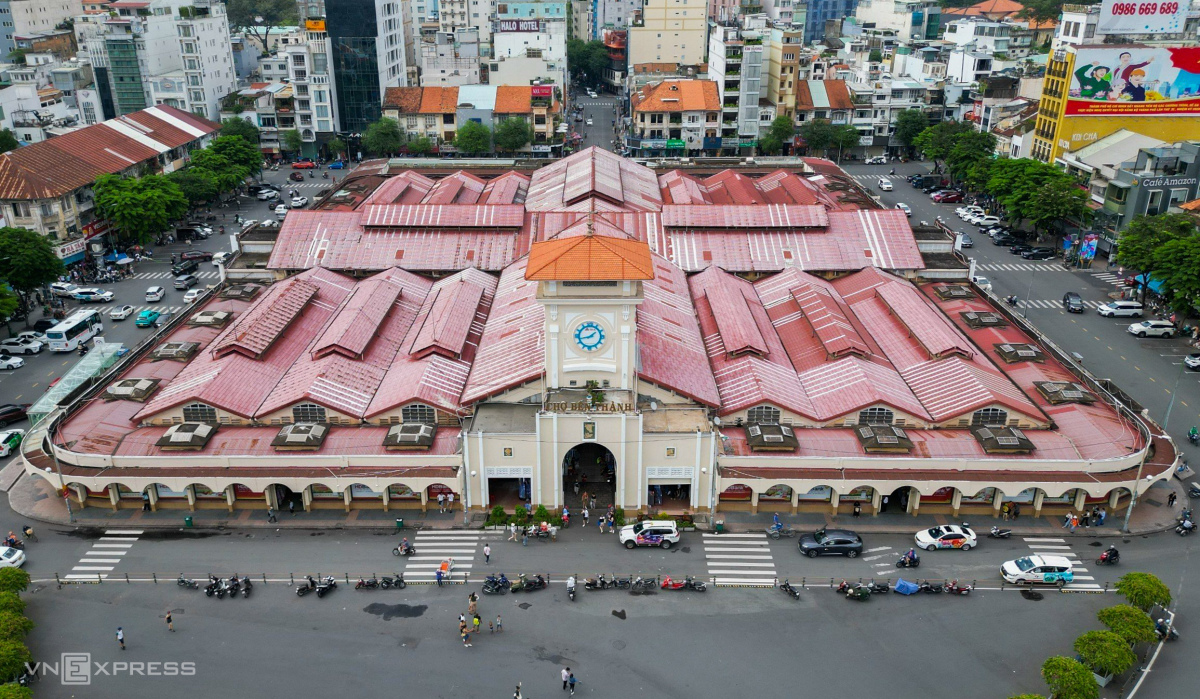
The perspective of Ben Thanh Market seen from above. Photo by VnExpress/Quynh Tran
|
Located in District 1, Ben Thanh Market serves as a lively center of activity and is among the city’s earliest and most recognizable landmarks. Founded during the early 1900s, this dynamic marketplace embodies the essence of local culture where both residents and visitors can fully engage with their surroundings.
This spot is ideal for purchasing local crafts, fabrics, keepsakes, and an array of fresh goods. Additionally, the marketplace serves as a food lover’s paradise, providing classic Vietnamese cuisine such as pho and crispy pancakes.
banh xeo
, accompanied by crisp spring rolls along with invigorating beverages such as sugarcane juice and Vietnamese iced coffee. Adjacent to the market lies a recently constructed plaza where guests can unwind comfortably, whereas the close-by subway station ensures easy navigation for tourists.
The space in front of Ben Thanh Market is currently undergoing preparations for an upcoming renovation scheduled to begin prior to April 2025.
Ben Thanh Market operates every day from 6:00 a.m. to 6:00 p.m., and features an evening market that extends until 10:00 p.m., providing a distinct ambiance with food carts and outside booths populating the surrounding streets.
It should be noted that Ben Thanh Market is known for charging higher prices to international visitors.
Japanese tourist was charged
VND700,000 ($30) for three pairs of socks in 2023. The vendor was temporarily banned from operating by the market authorities for one week. Keep this in mind during your visit.
4. Reunification Palace

|
|
Tourists basking in the sunshine at the Reunification Palace in Ho Chi Minh City. Image courtesy of Vnexpress/Thanh Nguyen.
|
Commonly referred to as Independence Palace, this significant location at 135 Nam Ky Khoi Nghia Street, District 1, stands as a emblematic monument of Vietnam’s past and the conclusion of the Vietnam War. Constructed during the 1960s, it functioned both as the home and office for the President of South Vietnam.
The palace gained prominence on April 30, 1975, when a North Vietnamese tank burst through its entrance, symbolizing the collapse of U.S.-supported Saigon and the unification of Vietnam. Nowadays, it functions as a museum, providing guests with an insight into its lavish interior spaces, hidden underground chambers, and strategic control centers that were crucial during the conflict. As such, it serves as a potent testament to Vietnam’s endurance and change over time.
Guests have the opportunity to tour the intact chambers, encompassing the head of state’s workspace, the meeting area for cabinet members, and the dining space where formal gatherings took place. These areas served crucial functions like hosting key discussions, making critical decisions, and conducting diplomatic events. Additionally, the subterranean shelters, formerly operational hubs during the Vietnam War era, provide insight into strategic planning from beneath the surface. Various displays feature items related to warfare, archival images documenting past times, along with transportation vehicles—such as armored fighting vehicles and rotary aircraft—that were pivotal during those confrontations.
The palace is accessible every day from 8:00 a.m. to 5:00 p.m. The ticket price is VND65,000 ($2.60).
5. Cu Chi Tunnels
|
|
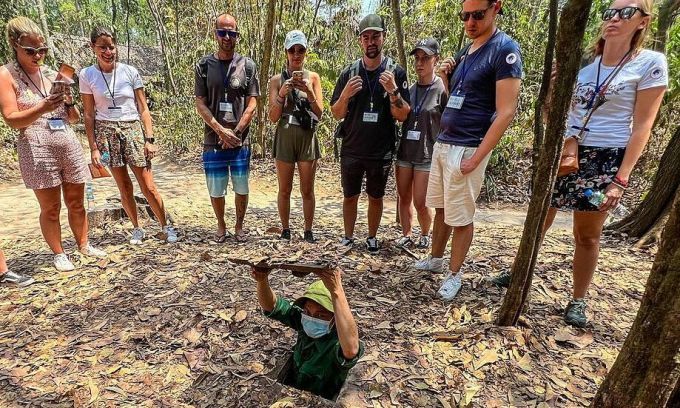
International visitors observe a tour guide demonstrating how to navigate the entrances of the Cu Chi Tunnels in Ho Chi Minh City. The image was shared by jwrach007 on Instagram.
|
Located approximately 70 kilometers (43 miles) away from central Ho Chi Minh City, the Cu Chi Tunnels form an intricate subterranean system with significant historical importance dating back to the Vietnam War era. Originally constructed and utilized by Vietnamese combatants starting in the late 1940s during the First Indochina War, this vast tunnel complex functioned both as protective hideouts and operational hubs for logistical support, daily life activities, and tactical military engagements in asymmetric warfare.
Tourists can traverse parts of the tunnels, which were expanded from their initial narrow dimensions to recreate the difficult circumstances endured by the soldiers. The site features historical relics from wartime, simulated booby traps, and engaging displays highlighting the tactics and fortitude of the Vietnamese fighters. This location serves as an educational destination for individuals interested in gaining more insight into Vietnam’s past.
Tours can be booked every day, with costs differing based on the operator, beginning around VND110,000 ($4.40) for admission.
6. Ho Chi Minh City Central Post Office
|
|
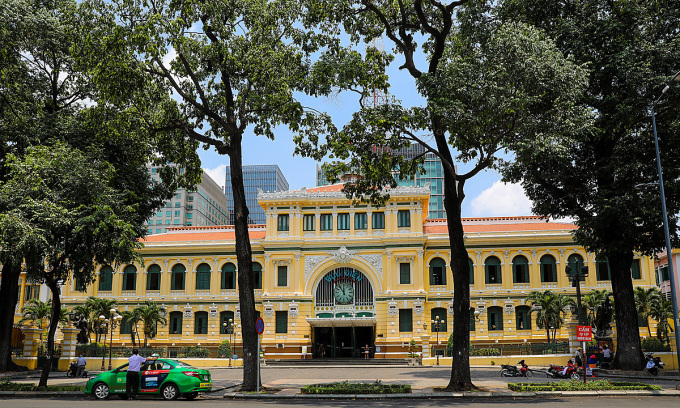
The entrance to the Saigon Central Post Office. Image courtesy of VnExpress/Quynh Tran
|
The magnificent Central Post Office located at 2 Cong Xa Paris, District 1, was designed by Gustave Eiffel and constructed in 1891. It stands as an exemplary piece of French colonial architecture, featuring intricate iron decorations alongside arched windows that blend elements from Gothic, Renaissance, and French styles. This iconic building is conveniently situated adjacent to one of the city’s most frequented attractions.
Street Nguyen Van Binh book
.
The structure still operates as an active post office and attracts many tourists who come to admire its well-maintained interior. Upon entering, one can observe a grand arched ceiling held up by elaborate ironwork alongside old-fashioned phone stalls, enhancing its timeless allure.
The postal facility operates every day between 8:00 a.m. and 5:00 p.m., with no admission fee.
7. Tan Dinh Church
|
|
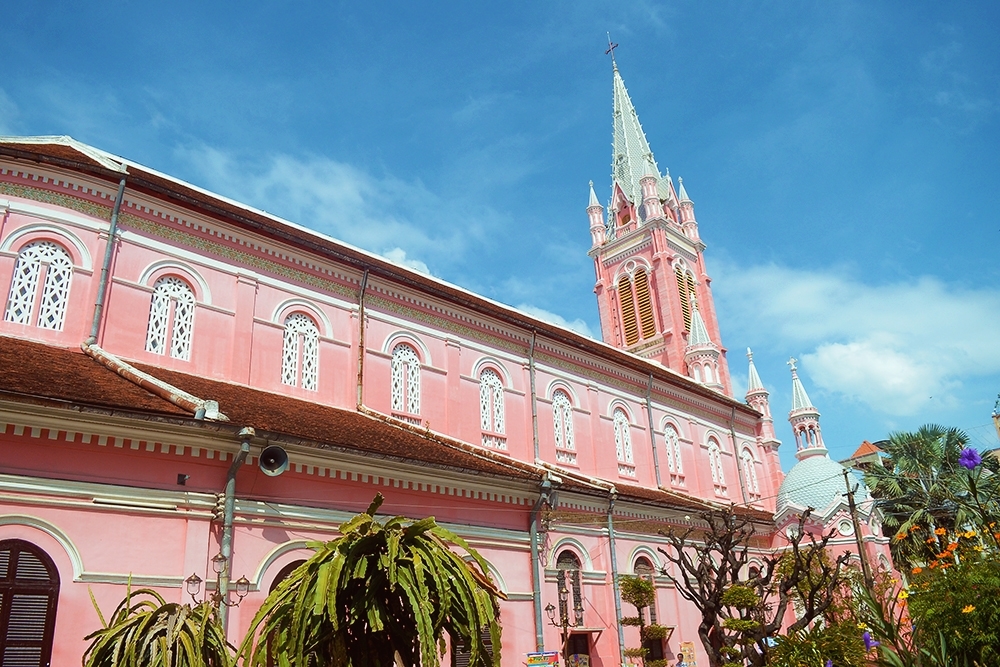
A side view of Tan Dinh Church in Ho Chi Minh City. The photo was taken by VnExpress/Phong Vinh.
|
Renowned for its distinctive pastel exterior, Tan Dinh Church—also referred to as The Pink Church—at 289 Hai Ba Trung Street in District 3, is an additional example of architectural beauty from the French colonial period. Constructed in 1876, this church ranks among the earliest places of worship in Ho Chi Minh City and distinguishes itself with a blend of Romanesque, Gothic, and Baroque elements.
The elaborate facade of the church, adorned with white accents and detailed ornamentation, creates a striking contrast against its vibrant pink color, rendering it a popular location for photoshoots. Within, guests can marvel at the lofty arched ceilings, elegant altars, and colored glass windows, enhancing both its allure and historic importance. Tan Dinh Church serves as more than just a religious site; it stands as a cultural monument emblematic of the area’s deep-rooted traditions.
The church operates every day.
8. Landmark 81
|
|
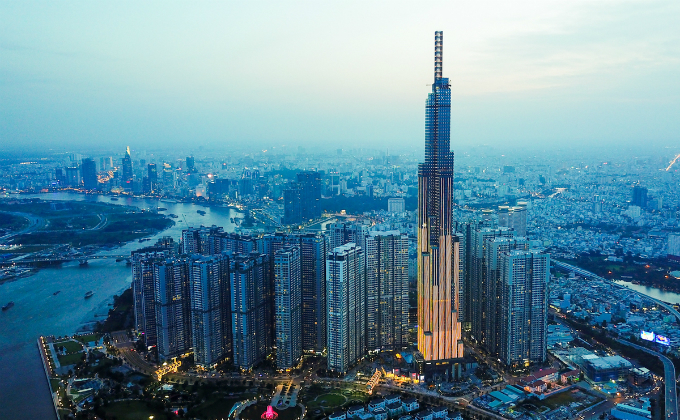
Night view of Landmark 81 in Ho Chi Minh City. Image courtesy of VnExpress/Quynh Tran
|
Standing tall as Vietnam’s highest building, Landmark 81 in Binh Thanh District represents contemporary elegance and opulence, reaching an astounding height of 461.2 meters (1,513 feet).
The viewing area on the higher levels offers unobstructed 360-degree vistas of Ho Chi Minh City, particularly breathtaking at dusk and after dark.
Within the structure, you’ll find upscale stores, fine dining eateries, a luxurious hotel, and cutting-edge recreational amenities such as an ice skating rink and a movie theater.
The viewing platform is accessible every day from 9:00 a.m. to 9:00 p.m., with entry fees beginning at VND300,000 ($12). Additionally, the shopping center, eateries, and various amenities within the structure operate during different timeslots; typically, most retail outlets and food establishments are available from 10:00 a.m. until 10:00 p.m.
9. Bui Vien Pedestrian Street
|
|
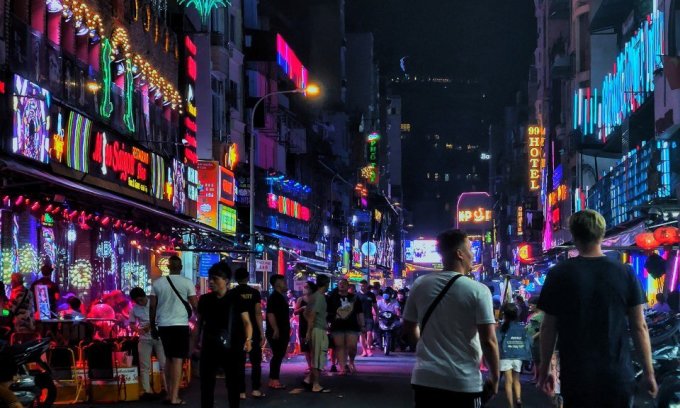
The Bui Vien pedestrian street in Ho Chi Minh City at nighttime. Photo: VnExpress/Bich Phuong
|
Bui Vien Walking Street in District 1 serves as the pulsating core of Ho Chi Minh City’s nocturnal scene, attracting both residents and visitors alike. As dusk falls, this lively footpath transforms into a hubbub of activity featuring numerous bars, clubs, and live musical acts, generating a charged and spirited ambiance.
This location is renowned for its array of street food stalls that serve an extensive selection of tasty regional bites like banh mi, pho, broken rice com tam, and crispy spring rolls—ideal for quelling midnight hunger pangs. If you seek dancing, refreshing beverages, or just want to immerse yourself in the vibrant ambiance, Bui Vien Walking Street stands out as the prime spot for entertainment, cuisine, and thrills within Ho Chi Minh City.
As one might expect, the street becomes particularly vibrant during the evening hours.
10. Chinatown (Cho Lon)
|
|
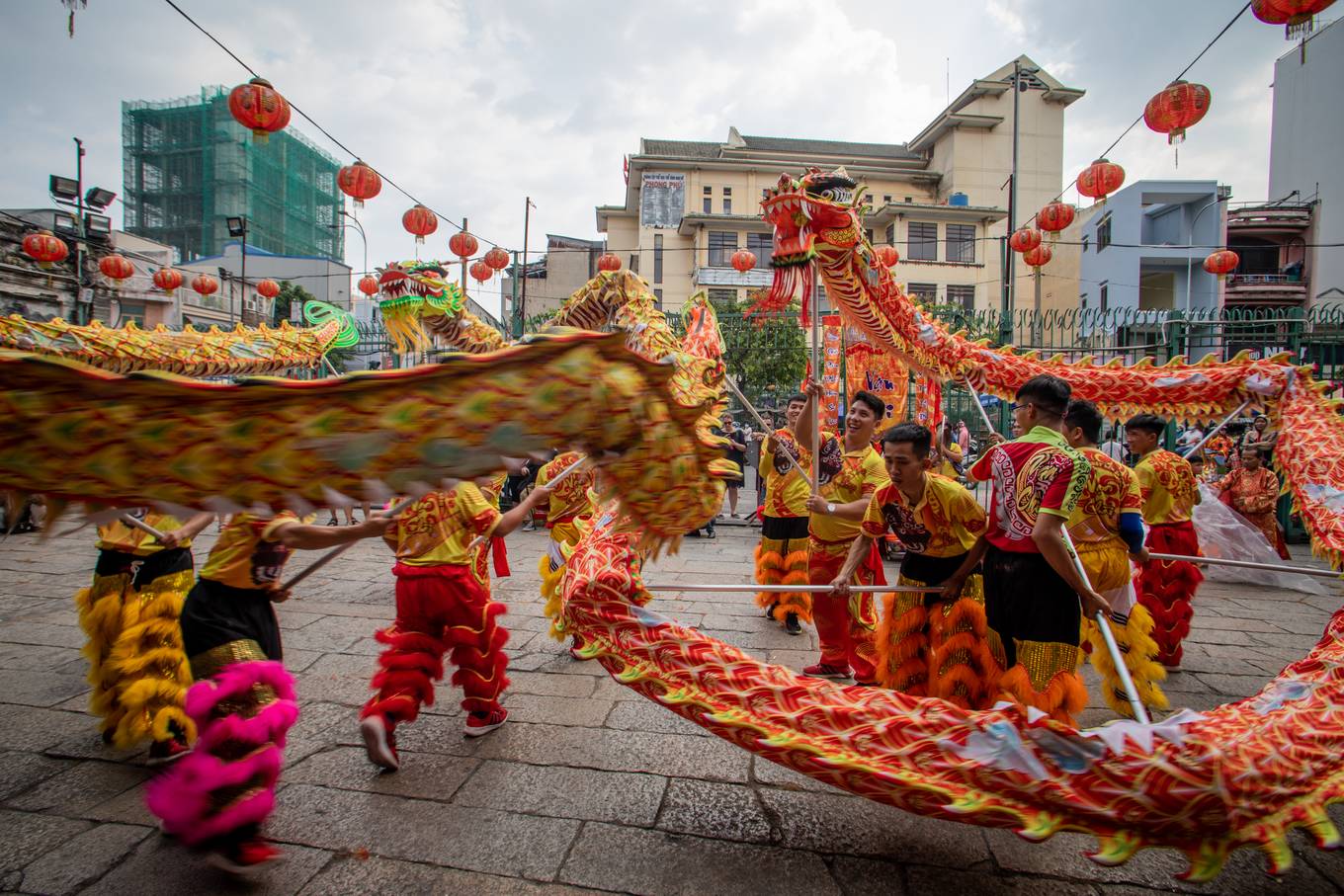
Chinatown of Saigon during the Tet holiday. Image captured by VnExpress/Thanh Nguyen.
|
Situated in District 5, Chinatown—also known as Cho Lon—is a lively neighborhood brimming with Chinese-Vietnamese heritage and history. This dynamic area features an array of traditional Chinese buildings alongside local markets and genuine restaurants serving up Chinese cuisine, which makes it essential for visitors wanting to immerse themselves in this cultural amalgamation.
Tourists have the opportunity to visit historical sites such as the Thien Hau Temple, which honors the Chinese deity of the seas, and Binh Tay Market, a bustling bazaar offering an array of goods including spices, traditional medicines, fabrics, and keepsakes.
The winding lanes are flanked by stores peddling authentic Chinese merchandise, and the scent of street cuisine permeates the atmosphere, providing a genuine sampling of regional tastes and traditions.
Access to the majority of these sites is complimentary; however, certain temples might impose a nominal entry charge.
11. Thao Dien
|
|
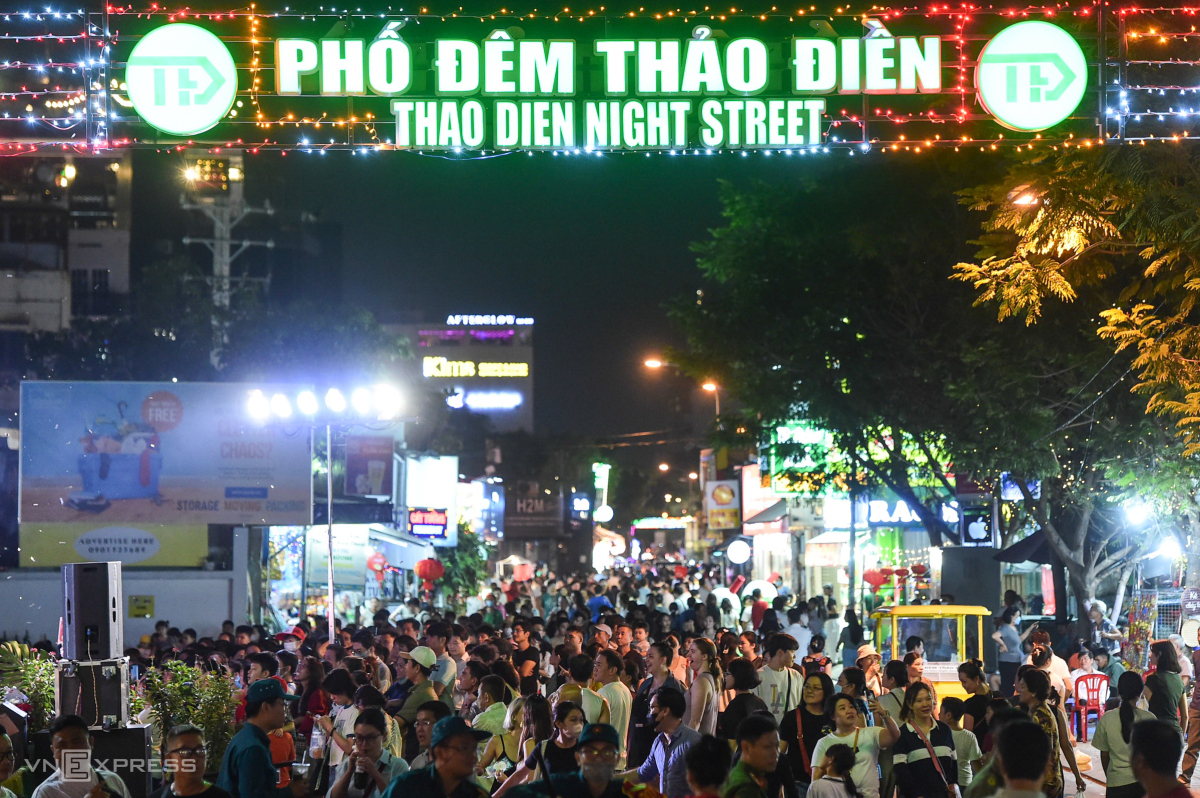
Thao Dien Night Street in Ho Chi Minh City. Image courtesy of VnExpress/Phong Anh
|
Located in District 2, Thao Dien stands out as an elegant and fashionable district recognized for its global atmosphere and varied international population. Ideal for individuals who value tranquility and sophistication, this locale offers numerous cafés, chic boutiques, and cutting-edge art galleries perfect for casual discovery.
Thao Dien features waterfront dining spots where guests can savor tasty dishes while admiring breathtaking vistas of the Saigon River. This area is ideal for families due to its abundance of parks, play areas, and leisure zones, rendering it an excellent choice for residents and travelers seeking a serene yet lively environment distant from the urban chaos.
The British magazine Time Out placed Thao Dien at number 16 on their list.
world’s 38 coolest neighborhoods
in October 2024.
by admin | Feb 8, 2025 | health, health and exercise, health benefits, medicine and healthcare, mental health
While taking a nap is an easy method to rejuvenate yourself during the day, apart from choosing caffeine and comparable choices, studies have shown that it offers significant advantages, notably for cardiovascular health.
Sleeping frequently correlates with enhanced cognitive abilities and increased vitality, yet Dr Mohamad Imran Idris, a neurologist at Sunway Medical Centre, underscores the significant impact of taking short daytime rests in lowering the likelihood of heart ailments.
LONG-TERM BENEFITS OF NAPPING
Diet and exercise commonly stand out as the cornerstones of cardiac wellness; however, keeping consistent sleep patterns may prove equally vital. Prolonged investigations monitoring both habitual siesta-takers and those who do not nap across many years indicate that individuals who regularly take short sleeps exhibit a reduced likelihood of developing cardiovascular diseases, says Dr Imran.
“In cohort studies where investigators tracked participants over a period of five to six years, it was observed that individuals who frequently took naps had a lower likelihood of developing cardiovascular diseases than those who did not,” he explained.
This indicates that naps can do more than just rejuvenate the body; they might also assist in sustaining healthy blood pressure levels, decreasing stress, and improving cardiac function gradually.
COGNITIVE ABILITY AND GENERAL MENTAL WELL-BEING
Dr Imran further mentioned that taking a nap concurrently aids both the heart and the brain, as decreased stress from sleeping assists in maintaining cardiac health, along with numerous other advantages.
Power naps can enhance your memory retention and boost your capacity to learn, which makes them beneficial for both immediate and future brain performance.
In an experiment, subjects had to commit a set of 100 words to memory. A portion of them took a siesta afterward, whereas another segment remained active. Subsequently, later in the same day, both groups were presented with a fresh batch of words to absorb.
“The findings indicated that individuals who took naps performed better when acquiring a new set of information, demonstrating that sleep can boost memory retention and learning abilities,” he stated.
However, remember that napping needs particular timing to be advantageous. According to Dr Imran, napping too near to your bedtime might lessen “sleep pressure,” making it harder for you to fall asleep at night or potentially causing insomnia.
“He cautioned that you ought to steer clear of taking long afternoon naps as they might disrupt your normal sleeping pattern,” he warned.
Rather, the perfect nap ought to fall within the timeframe of 1pm to 4pm, coinciding with the natural dip in your body’s alertness levels. It should also be kept short, about 20-30 minutes, to avoid slipping into deeper stages of sleep that could result in you feeling drowsy upon waking.
Dr Imran assures individuals with pre-existing conditions like heart disease, dementia, or a past stroke that napping can still be advantageous for them.
“For individuals dealing with heart conditions, stroke, or even dementia, an appropriately timed nap can enhance general health instead of causing damage, provided they do not suffer from insomnia,” he explained, noting that people with insomnia wouldn’t gain advantages from taking a nap.
TAKING UP NAPS AS A ROUTINE
Taking naps can be a crucial practice when done correctly, aiding heart health and enhancing brain function over time, apart from serving as a method to increase energy levels. Instead of viewing them as signs of idleness, these rests should be integrated into a wholesome daily routine.
Next time you experience that afternoon slump, try taking a brief nap. An appropriately timed nap does more than boost your energy; it serves as a straightforward method to enhance both cardiac and cognitive health over the long term.
by admin | Feb 6, 2025 | beautiful places, italy, recreation and leisure activities, tourist attractions, travel destinations
Explore Alleghe, a stunning natural setting situated amidst mountains and a lake. Located in the Dolomites, this charming village offers an invigorating escape throughout the year.
Situated at an elevation of 1,000 meters, Alleghe is a natural treasure within the province of Belluno.
Italy
Situated amidst the pristine waters of Lake Alleghe and
smooth cliffs of Mount Civetta
, this charming village nestled in the Dolomites serves as a tranquil retreat for enthusiasts of breathtaking landscapes and outdoor pursuits. The Civetta massif stands majestically nearby.
UNESCO World Heritage Site
is famous for its spectacular cliffs, attracting mountaineering aficionados from every corner of the globe.
Are you interested in exploring the Dolomites?
Below are several articles to assist you in planning your journey.
:
-
The top five picturesque ski resorts in the Dolomites
-
A flawless 6-day plan for a driving adventure through the Dolomites
-
The loveliest location in the Dolomites, a tranquil refuge high among the peaks.
A village offering abundant attractions and activities.
Conveniently located, Alleghe is merely a half-hour drive from several renowned mountain passes in the Dolomites: Falzarego, Fedaia, Giau, San Pellegrino, Staulza, Sella, and Pordoi. This charming alpine haven serves as an ideal retreat nestled within nature, far removed from the crowdedness of major vacation spots. Whether you’re visiting during the warmer months or when snow blankets the landscape, Alleghe provides a plethora of recreational opportunities.
In winter, Alleghe transforms into a haven for skiers.
As the first snowfall marks the beginning of the season, Alleghe transforms into a favored destination for winter vacations. This picturesque village forms part of the Civetta ski region, encompassing areas like Selva di Cadore, Palafavera, and Val di Zoldo. Altogether, visitors can enjoy approximately 80 kilometers of trails meandering through woodlands and offering stunning vistas. Additionally, cross-country skiing enthusiasts will find delight in over 50 kilometers of specially designated routes snaking through snowy landscapes and towering pine woods.
Alleghe is perfect for family trips as well. Kids will enjoy spending time at the Civetta Adventure Park located at Piani di Pezzè. Be sure not to overlook Ally Farm, which spans an impressive 2,500 meters.
²
play space on the snow. The animators will be available to lead you through every activity.
In Alleghe during summer: trekking and aquatic activities
As spring and summer arrive, Alleghe transforms into a vast outdoor playground.
hiking trails
provide a broad selection of routes. You can find family-oriented hikes as well as more challenging ascents to the summits of the Dolomites.
Bike lovers can relish mountain biking on trails specifically designed for this activity. In fact, you have the option to utilize ski lifts to carry your bicycles up. If you prefer a more relaxed adventure, consider renting an electric bike. These will enable you to traverse the region with minimal exertion.
Alleghe isn’t solely defined by its majestic peaks; it’s also renowned for a stunning natural feature: the lake. This body of water came into existence due to a landslide in 1771, offering villagers and visitors alike an oasis of tranquility nearby. The area provides numerous aquatic activities such as canoeing, kayaking, row boating, and pedaling. Enjoy these amenities at a modest cost amidst your stay within the breathtaking Dolomites region.

by admin | Feb 6, 2025 | children, children and families, education, parenting, technology
Have you ever wondered why parents feel challenged observing that their children struggle even though they appear to have a more “comfortable” upbringing compared to ours? When you compare your own experiences with those of your child and assume that young people nowadays lead relatively easy lives, perhaps this comparison holds part of the issue. It’s clear that modern advancements bring about greater convenience—particularly through technologies like the internet which simplify many tasks. Reflecting upon our past, we recall writing assignments longhand or using type-writers complete with correction fluid for mistakes, physically visiting libraries to navigate book sections via the Dewey system, and waiting weeks or months for replies from correspondents through traditional postal services. Seeing such ease of access to interaction, exploration, and information now available to our offspring can indeed suggest simpler times; however, reality presents both advantages and challenges.
Rapid and extensive knowledge comes with both benefits and challenges. Indeed, life has become easier in many ways; tasks that once took us hours can now be completed within mere minutes by others. However, this doesn’t imply they have more free time compared to previous generations, just as advancements in computing did not reduce our working hours. Today’s students face an even greater academic workload than those from earlier times. For instance, scientific understanding today differs significantly—and is far more intricate—than what existed during my schooling years. In the past, learning consisted primarily of studying the nine planets (which included the erstwhile planet Pluto, may it rest peacefully). Nowadays, subjects such as physics delve into complex theories including string theory, wormholes, and parallel universes. Mathematical procedures are also being instructed quite differently nowadays. Our comprehension of genetics and neural plasticity has advanced so greatly that I fear the education I received might soon become outdated. Whenever I inquire about assignments from my secondary-level pupils, they often discuss developing comprehensive business plans, participating in technology design courses, and conducting analyses which were traditionally reserved for higher education levels.
Unique Paraphrase:
Unparalleled accessibility also implies that children might encounter social scenarios and hurdles before they’re emotionally prepared to handle them. Consider, as an illustration, having constant connection with peers through smartphones. In earlier times, our social exchanges were confined by physical settings—once at home, such interactions typically ceased. However, online connectivity eradicates these usual boundaries (aside from power outages and lack of battery charge), making it exceptionally challenging to impose restrictions on screen time for youngsters since the sole barrier between them and their friends is now essentially just parental oversight.
Greater social connectivity also leads to increased social disputes.
Harassment and various types of social distress, including isolation, mockery, and embarrassment, trail you everywhere today. In the past, one might find solace knowing that their harassers couldn’t reach them beyond school grounds, or rely on the fact that an adult, perhaps even your dad confronting someone who dared to use the house phone to hassle you, offered some protection. Now these threats loom constantly without respite because those barriers are gone. This situation has emerged fairly recently. Young people now endure worldwide ridicule which can be particularly challenging to overcome emotionally. Their young minds aren’t equipped for this kind of pressure. Moreover, parents struggle too since we didn’t grow up under similar conditions and thus lack experience navigating our children through today’s intricate landscape of peer relationships.
Our conventional understanding of parenthood is based on the belief that parents possess greater wisdom and thus hold superior judgment. This perspective leads us to adopt a mentoring approach to parenting, viewing ourselves as educators and navigators for our kids. When errors occur, we offer corrections; when they falter, we steer them back onto the proper path. It falls upon us to determine acceptable behavior and assign corresponding repercussions. Given that parents typically have accumulated more expertise and abilities compared to their offspring, this mentor-style guidance appears quite fitting.
Nonetheless, we must recognize that kids might be acquiring far greater insights into our world compared to adults. Thanks to new information gained from schooling and their innate ease with modern technologies, parents often feel like they’re always trying to keep up. Without taking the initiative to show interest in—and educate ourselves about—the environments where they spend most of their time—like Roblox, Discord, Snapchat, TikTok—we won’t effectively guide them through social interactions online. Furthermore, without understanding the intricate emotional responses these platforms evoke, how will we support them in managing their feelings?
Raising kids is an eye-opening journey. First off, let’s accept that today’s youth inhabit a completely distinct universe compared to ours, filled with distinctive hurdles. Our past experiences may fall short when trying to steer them through these new obstacles. Admitting that we’re venturing into uncharted waters isn’t just acceptable—it’s increasingly necessary nowadays. Instead of assuming we have all the answers, adopting such an attitude pushes us towards improving ourselves, doing thorough research, and seeking assistance whenever needed. That’s how we become effective parents striving to excel.
—————
aatuazon@up.edu.ph
by admin | Feb 2, 2025 | cuisine, dining, food and drink, foodies, restaurants
Explore Mallorca’s top locations to relish the abundance of its culinary scene.
Mallorca, the biggest among the Balearic Islands, stands out not just because of its idyllic shores and rugged mountains but also due to its delectable food scene. The island boasts an array of delicious cuisines made from locally sourced ingredients, traditional recipes, and high-end meals that make Mallorcan dining worth noting down in your itinerary. To experience genuine flavors of this island firsthand, consider these six eateries offering regional delicacies.
Looking to explore Mallorca? Check out these articles we have on the subject:
-
Majorca: The Most Charming Villages to Explore on the Balearic Island
-
Majorca: Top 5 Stunning Beaches and Coves to Visit This Summer
-
Majorca: Top Snorkeling Locations Around the Balearic Island
Mesón Ca’n Pedro, Genoa, 100% escapism
Situated in the delightful Genoa neighborhood, which lies just outside of Palma, Mesón Ca’n Pedro has been a cornerstone for locals since 1976. As a family-operated eatery, it boasts a cozy and welcoming ambiance that perfectly encapsulates the essence of the local culture. Their menu features traditional fare that showcases authentic flavors.
lechona asada
(roast sow) and
caracoles
(a snail delicacy), complemented by regional wines. The terrace boasts a stunning vista of the Palma bay, ideal for dining outdoors.
Mesón Ca´n Pedro, Génova
Carrer del Rector Vives, 14 remains unchanged as it appears to be a proper address.
07015 Palma
+34 971 70 21 62
Celler Sa Premsa offers an extensive selection of dishes.
Nestled right in the center of Palma de Mallorca, Celler Sa Premsa is a must-visit destination for enthusiasts of regional cuisine. Since opening its doors in 1958, this eatery has been known for its quintessentially Majorcan ambiance, featuring sizable wooden wine casks as part of its décor. Their extensive menu presents an array of traditional local fare, among which stands out the renowned dish.
frito mallorquín
, a stir-fried dish featuring lamb organs paired with potatoes and bell peppers. The restaurant’s exceptional service makes the ambiance truly inviting.
Celler Sa Premsa
Plaça del Bisbe Berenguer de Palou, 8, Centre
07003 Palma
+34 971 72 35 29
Visit Ca’n Joan de S’Aigo for a delightful dessert.
Established in 1700, Ca’n Joan de S’Aigo stands as Palma’s premier chocolatier and café, renowned for its exquisite handcrafted ice cream and traditional Mallorcan ensaimadas—circular pastries with a twist. It remains an essential stop for those seeking a delightful respite. Besides these confections, visitors can enjoy an array of beverages ranging from premium hot cocoa to freshly squeezed orange juice.
Ca’n Joan de S’Aigo
Carrer de Can Sanç, 10
07001 Palma
+34971710759
Between History and Gourmet Cuisine lies Celler Can Amer.
Situated in Lloseta, Celler Can Amer carries a rich historical legacy. Their menu highlights classic Mallorcan cuisine. Must-try items feature the
tumbet
, a baked dish of roasted vegetables typically enjoyed alongside meat or fish, and a must-try
arroz brut
, a zesty and aromatic rice dish. Get ready for a delightful experience.
Celler Can Amer
Carrer Miners, 4
07360 Lloseta
+34 971 50 12 61
Ca Na Toneta, a tribute to organic cuisine
Located in the quaint village of Caimari, Ca Na Toneta shines as a culinary treasure. Managed by the Solivellas sisters, this eatery distinguishes itself with its contemporary take on Majorcan dishes, all the while honoring age-old recipes. Ingredients come primarily from nearby organic sources, frequently sourced directly from their very own herb garden. Every plate served here narrates a tale. The cozy ambiance paired with stunning vistas of the Serra de Tramuntana mountain range enhances the overall dining experience significantly.
Ca Na Toneta
Carrer de s’Horitzó, 21
07314 Caimari
+34 971 51 52 26
Sa Roqueta
, a seafood feast
For those who love seafood, Sa Roqueta in Palma is essential. This quaint, family-operated eatery focuses on meals made from freshly caught fish and sea creatures each day. A standout dish here is the
caldereta de langosta
, a standard lobster soup.
Sa Roqueta
Carrer de la Sirena, 11
07006 Palma
+34971249410

by admin | Feb 2, 2025 | baking, desserts, food and drink, ice cream, recipes
![]()
Dessert
Should you find yourself with some ice cream stored in your freezer, or perhaps you’re fond of a particular brand and wish to create a new dessert using it, then here’s just the recipe for you!
Ingredients
-
1 lb ice cream
-
1.75 cups flour
-
2 tsp baking powder
Materials
Preparation
-
Step 1:
Place the ice cream in the refrigerator for 30 minutes prior to use to soften it slightly. Afterward, whip it until it becomes lighter but ensure it doesn’t turn into a melted consistency.
-
Step 2:

Incorporate the flour and baking powder into the mixture, then blend thoroughly.
-
Step 3:

Grease a cake pan and then pour the mixture into it.
-
Step 4:
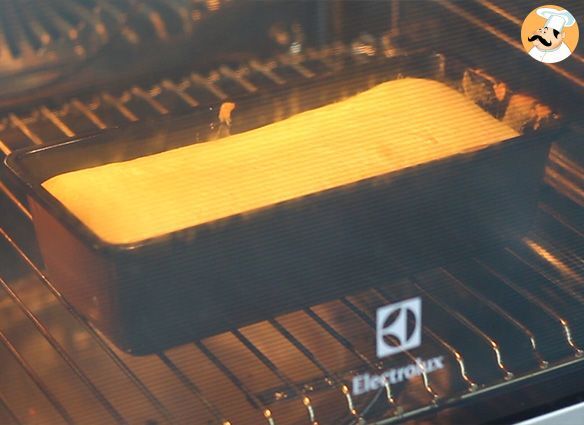
Bake for 50 minutes at 350°F (180°C).
-
Step 5:

Here you are, your ice cream cake is all set!
![]()
You may like
-
Biscoff speculaas ice cream sandwiches
-
Homemade ice cream even without an ice cream maker!
-
Berry nice cream: turn bananas into vegan ice cream!
read more

by admin | Feb 2, 2025 | depression, eating habits, health and exercise, nutrition, nutritionists
Eating breakfast before 9 am might considerably lower your chance of experiencing
depression
, a study suggests.
Researchers discovered that males and females consuming their initial meal after 9 am exhibited a 28 percent higher likelihood of experiencing poor mental well-being and mood issues compared to individuals having their first meal prior to 8 am.
The research discovered that entirely skipping breakfast also negatively affected mental health.
Surveys indicate that nearly half of the population in the UK struggle to make time for a proper breakfast, and among those who do manage to have something, about a third end up eating it at their desks as they rush to work.
Physicians at the First Affiliated Hospital of Xi’an Jiaotong University in
China
examined the breakfast routines of nearly 24,000 grown-ups across 11 years.
They recorded if the volunteers commonly had breakfast in the morning along with the specific timing.
The findings, detailed in The Journal of Affective Disorders, revealed that individuals who ensured they had their breakfast were less prone to being diagnosed with depression compared to those who consistently skipped eating in the morning.


Early risers who dined before 8 am also showed a lower risk of experiencing mental health problems compared to individuals eating after 9 am.
It’s unclear exactly why postponing breakfast seems to have such a detrimental impact.
A hypothesis suggests that consuming food late in the day or skipping meals could indicate disrupted sleep patterns, a inactive lifestyle, or insufficient daily drive — which might all serve as possible red flags for declining mental well-being.
According to data from the Office for National Statistics, one out of every six adults in the UK frequently experiences moderate to severe signs of depression.
Read more

by admin | Feb 1, 2025 | brain health, health, health advice, healthcare and medicine, medicine and healthcare
A widely-used pain reliever might enhance memory and intellect, according to a recent study.
Ibuprofen, which serves as an anti-inflammatory used to alleviate headaches, toothaches, back pain, and cold symptoms, might also enhance reaction speeds according to researchers.
The advantages for health are so substantial, they argue, that the pills can be as beneficial for cognitive function as reducing hypertension.
Nevertheless, using acetaminophen, a widely used analgesic, had an adverse impact and might potentially impair memory function.
The University College
London
A study examined the cognitive impacts of widely used medications on approximately five hundred thousand individuals in the UK.
Scientists discovered that medications utilized for alleviating pain and inflammation,
osteoarthritis
Heart disease, asthma, allergies, and hypertension could potentially yield the most significant benefits.
The non-prescription pain reliever paracetamol and the prescribed antidepressant fluoxetine showed the highest negative impacts on memory and problem-solving abilities.
Researches indicate that their findings merely hint at an association between the medications and these side-effects, without definitively proving that the drugs are the direct cause. However, they emphasize that all new drug trials ought to examine the possible impacts on the brain, enabling physicians to select the most suitable medication options for their patients.


Martin Rossor, the lead author of the study and a neurologist, stated, “Commonly prescribed medications could have substantial impacts on cognitive functions. Since these drugs are frequently utilized and often cause negative cognitive outcomes, it would be wise to incorporate regular assessments of mental abilities during clinical tests.”
Very few studies have explored the impact of widely used drugs on cognition. A challenge here lies in the fact that these substances are commonly consumed by elderly individuals who usually take multiple medicines simultaneously. This makes it difficult to pinpoint exactly what could be responsible for any observed effects.
Any negative impacts on cognitive function might also mistakenly be blamed on getting older.
The research, supported by the charitable organization The Health Foundation, analyzed health records of approximately 540,000 individuals ranging from young adults to those up to 73 years old. This investigation encompassed details regarding their medications along with their performance in assessments gauging aspects such as response speed, recollection capacity, logical thinking capabilities, and puzzle-solving aptitudes.
The performance of individuals taking the medications was contrasted against those not using the drug.
The findings, reported in the journal Brain And Behaviour, indicated that individuals using any of ten commonly prescribed medications outperformed those not taking these drugs in various assessments.
Pain relievers such as aspirin, codeine, and diclofenac—which is also called Voltaren—proved beneficial.
Omega-3 triglycerides, utilized to address heart conditions; glucosamine for osteoarthritis; atorvastatin for reducing cholesterol levels; omeprazole for managing heartburn; lansoprazole as an anti-indigestion medication—all these showed advantages when taken alongside individuals who were consuming a multivitamin.
The medication amitriptyline, used for treating migraines, was also associated with the most adverse effects.
Read more
by admin | Feb 1, 2025 | cooking, food and drink, recipes, salad, vinegar
![]()
Other
Clearly, having this homemade vinaigrette recipe is essential to pair with everything we eat.
favorite salads
. Simple to prepare with
basic ingredients
That we all keep in our cabinets: olive oil, mustard, vinegar—this vinaigrette will elevate your salads for the picnic! Similar to us, you could transfer some into a little jar to bring along for lunch :-).
Ingredients
-
1 tsp
mustard
-
3 Tbsp wine vinegar
-
Salt
-
5 Tbp
olive oil
-
Pepper
Materials
Preparation
-
Step 1:
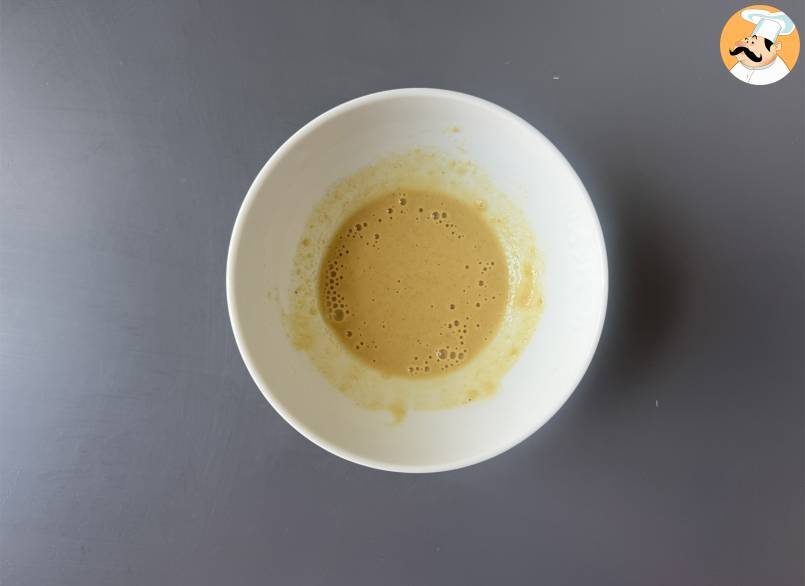
Combine the vinegar, mustard, and salt, then blend them together.
-
Step 2:
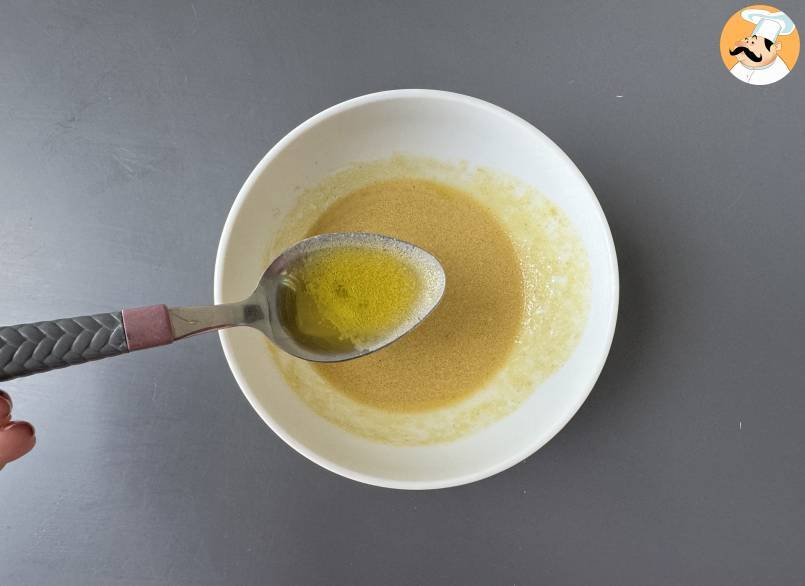
Slowly incorporate the olive oil, stirring thoroughly.
-
Step 3:
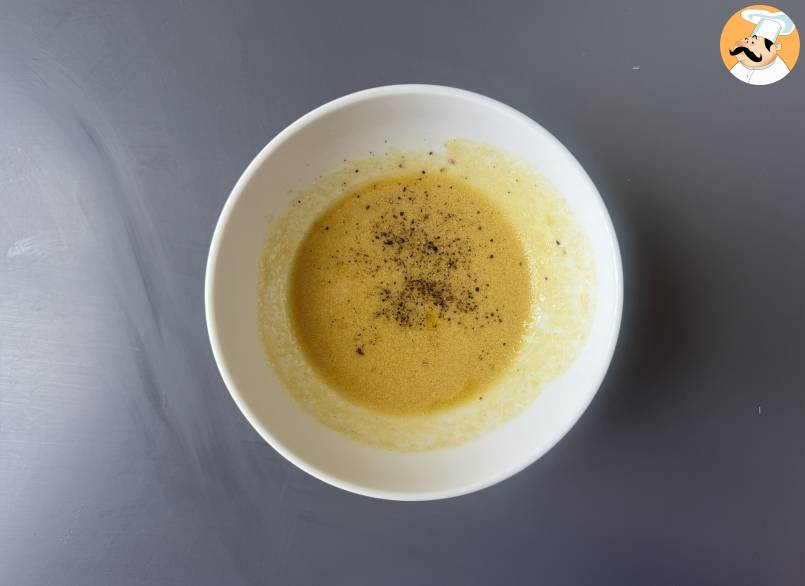
Season with pepper as desired and savor!
You may like
-
Rice salad, simple and fast!
-
Fast and simple stuffed tomatoes
-
Crispy chicken in the air fryer, the perfect fast and simple dish!
read more
by admin | Feb 1, 2025 | architecture, buildings, monuments, skyscrapers, tourist attractions
Explore the top of Paris by visiting five famous towers that blend history, architecture, and breathtaking vistas.
Paris frequently evokes visions of haute couture, stunning architecture, and enduring allure. However,
French capital
boasts another facade: impressive examples of towering architectural wonders. Below are the five most iconic skyscrapers in Paris for you to explore during your visit to the City of Light.
Eager to explore Paris? Here
Here are a few articles you may find intriguing.
:
-
What to Do This Winter in Paris? 9 Activities to Keep You Cozy
-
The oldest bookstore in Paris, established in 1708, is a legendary establishment worthy of a visit.
-
The top 5 luxurious hotels featuring pools for an exquisite stay in Paris
The Tour First, the dizzying skyscraper in Paris’ financial quarter
Standing at 231 meters tall, Tour First stands as the tallest skyscraper in France. Situated within the bustling La Défense business district, this structure was officially opened in 2011 after undergoing extensive refurbishment. Architect Pierre-Daniel Josselin spearheaded the transformation of the former tower, reshaping it to align with contemporary criteria for comfort, sustainability, and aesthetic appeal. Throughout this overhaul, the building expanded by an additional 55 meters.
Due to this significant transformation, Tour First now stands 5 meters higher than Tour Montparnasse.
The Montparnasse Tower, offering a panoramic view from all angles, is a 360-degree observation deck.
Standing at 210 meters tall, the Tour Montparnasse is frequently regarded as the tallest building in Paris. It can be found in the 15th arrondissement.
th
In the arrondissement, it was created by architects Eugène Beaudouin, Jean Saubot, Urbain Cassan, and Louis de Hoÿm de Marien, and officially opened in 1973.
From its roof, the tower provides a complete 360-degree vista of the city. It serves as an outstanding observation spot for viewing Paris from above like a bird would.
For an experience marked by luxury and breathtaking vistas, The Hyatt Regency Paris Étoile stands out.
Boasting at least 34 stories, the Hyatt Regency Paris Étoile impressively reaches a height of 137 meters. Situated close to the Porte Maillot metro station, this landmark can be found in the 17th arrondissement.
th
district, offering easy access to the Palais des Congrès.
This magnificent property features 995 rooms and suites, along with impressive amenities.
breathtaking views
from the city’s famous landmarks like the Eiffel Tower and the Basilique du Sacré-Cœur.
The Pullman Paris Montparnasse Hotel offers comfort nestled in the heart of opulence.
The
Pullman Paris Montparnasse
The hotel is situated right at the center of area 14.
th
Constructed in 1974, this 116-meter-tall structure merges modern architecture with premium amenities. Following a comprehensive renovation, it currently features 957 ample guestrooms and one of Europe’s most extensive convention centers, spanning 4,000 square meters.
2
dedicated to professional events.
Due to its prime position near Montparnasse station, this area serves as a perfect base for both touring Paris and managing business travel.
The Tours Duo
At the center of the 13
th
In the arrondissement, within the Quartier de la Gare district, stand these twin towers, crafted by architect Jean Nouvel. The ambitious design features two lopsided towers: Duo 1 reaches a height of 180 meters and tilts toward the Avenue de France, whereas Duo 2 stands at 122 meters with a gentle lean away from its sibling tower. Duo 1 boasts an impressive 39 floors, while Duo 2 encompasses 27 stories. Their combined presence casts dynamic reflections, playing dramatically with natural light.
For those who appreciate good cuisine, the uppermost ten levels of Duo 2 house the Too Hotel, which features a scenic restaurant-bar providing breathtaking vistas of the city.


