by admin | Jul 27, 2024 | beautiful places, national parks, nature, Travel, travel destinations
From Croatia to Albania, and from Montenegro to Bulgaria, the nations within the Balkan region boast numerous natural parks, each offering distinctive attractions. Below is an overview of some we particularly enjoy.
Glacial blue lakes of a magical blue, mountains scraping the bottom of the sky, lush green valleys where wild animals roam proud and free… The nature parks of the Balkans are waiting to be discovered, and a single trip won’t be enough to see all of their beauty!
Are you thinking about traveling to the Balkans?
Here are some articles to help you plan out your trip:
-
The Balkans: Top Beaches You Should Visit
-
Which Country Should You Pick for Your Next Adventure in the Balkans?
-
6 essential delicacies to sample during your upcoming journey through the Balkans
The four most stunning natural parks in the Balkan region are as follows:
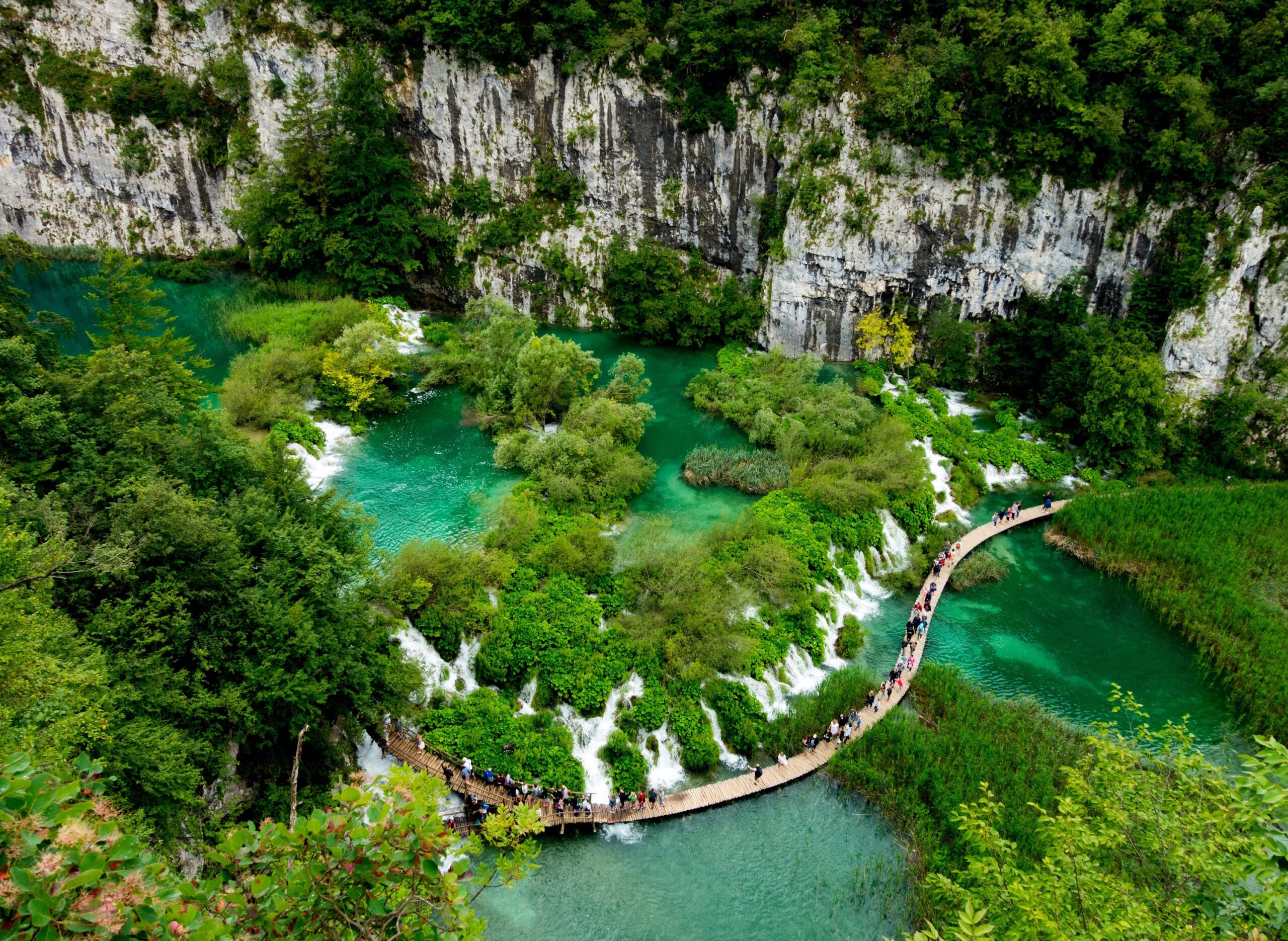
Plitvice Lakes National Park, located in Croatia
A nearly magical experience awaits those who visit the Plitvice Lakes National Park.
Croatia
, with half of it being part of the Balkan region.
Designated as a UNESCO World Heritage Site, this park encompasses nearly 300 kilometers squared.
2
It features renowned lakes with pristine turquoise waters, connected via stunning waterfalls. An excellent system of trails and elevated walkways makes it simple to explore this magical scenery. Alternatively, you may choose to cruise across one of the lakes or embark on a scenic railway journey to see the various vantage points.
Durmitor National Park, Montenegro
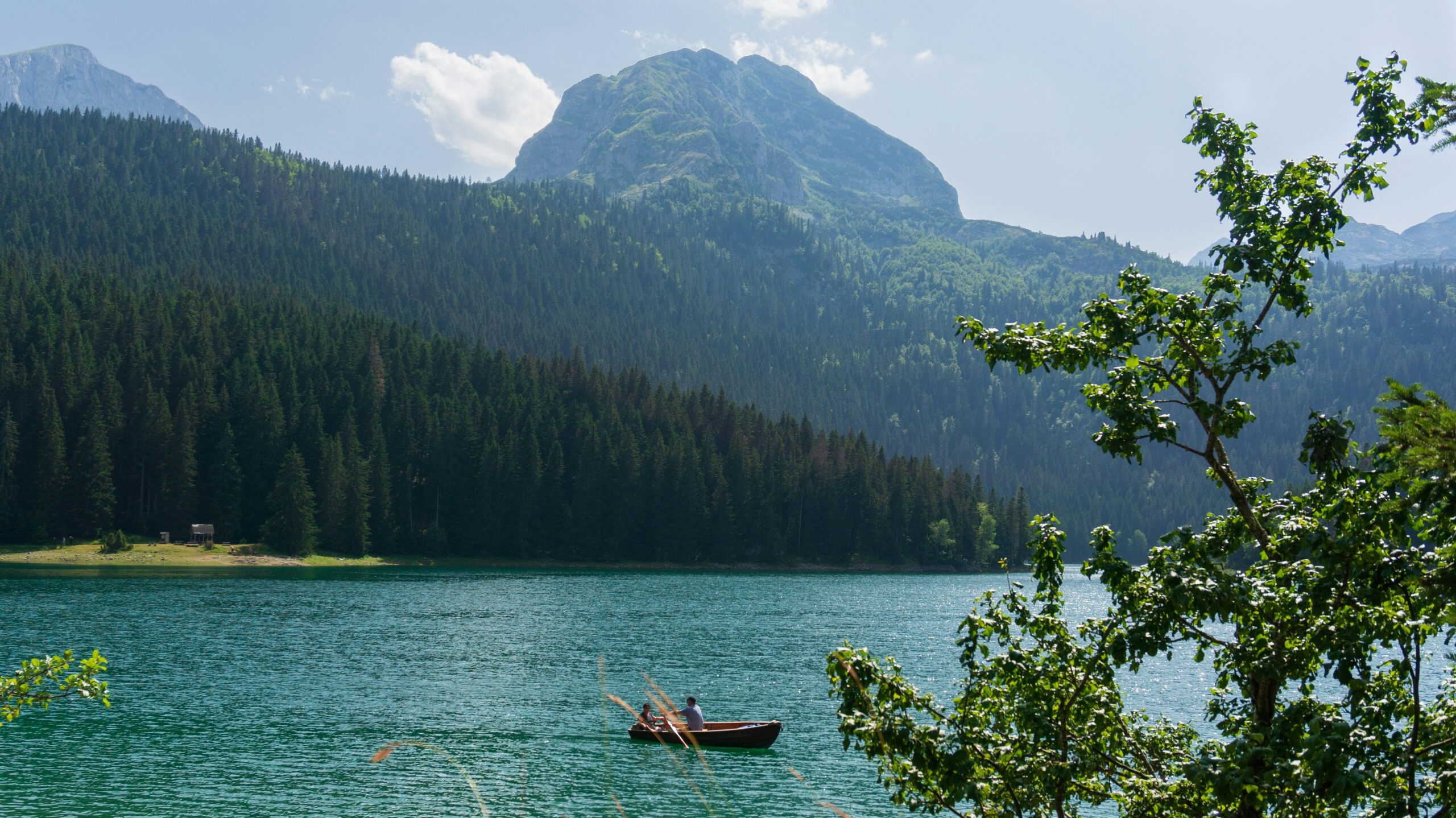
Durmitor National Park located in the Balkan region, and more precisely in
Montenegro
At times it resembles Switzerland, and at others, it mirrors the United States with its dramatic landscapes—such as Mount Durmitor—their icy gorges, their awe-inspiring Tara Canyon—which holds the title for the deepest in Europe—alongside their pine-clad woods and pristine alpine lakes. This natural haven teems with wildlife; elusive creatures like bears, wolves, and eagles can be glimpsed here.
You’ll also love wandering through the
traditional Montenegrin villages
surrounding the entire park, where their stone homes and medieval churches provide a window into traditional Montenegrin countryside living.
Rila National Park, Bulgaria
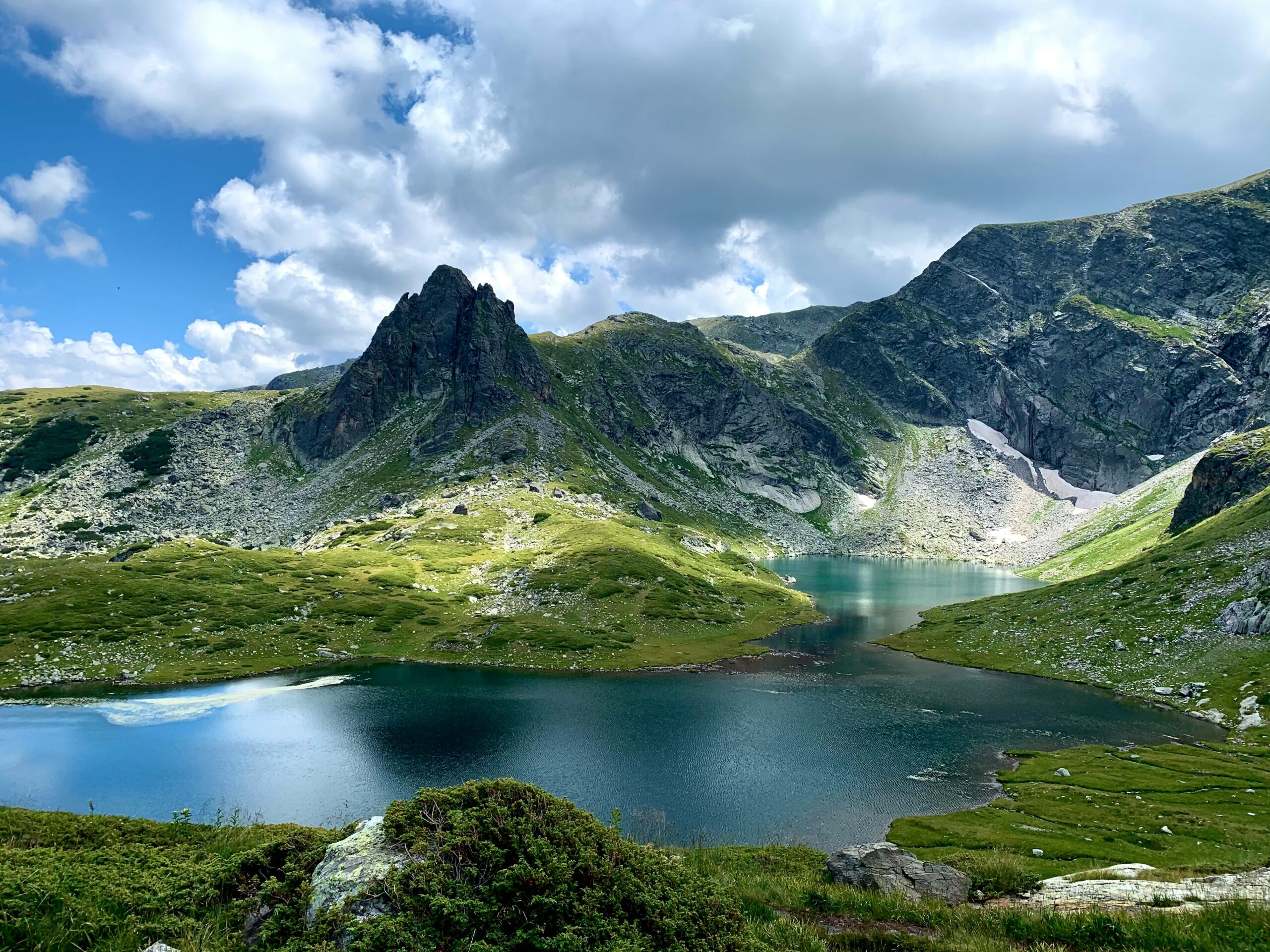
It’s time to journey to Bulgaria, specifically the Rila National Park—the biggest within its borders—which offers an intriguing experience for everyone eager to discover it. Upon arrival, you may find yourself captivated initially by the surrounding mountains named after this park; indeed, they boast Mount Musala as their crown jewel at 2,925 meters above sea level, making it not only the tallest point of these lands but also the loftiest summit across the entire Balkan region.
Next, you’ll be captivated by the Seven Lakes of Rila, a series of glacial bodies situated at varying heights. This will be succeeded by the radiant Rila Monastery, an exquisite example of medieval Bulgarian architectural prowess. Conclude your hiking adventure with soothing visits to natural thermal baths like those found in Sapareva Banya.
The Nemuna National Park Mountains, Kosovo
On the border with
Albania
The Bjeshkët e Nemuna National Park in Kosovo offers a chance to explore a relatively undiscovered and thus less crowded section of the Balkans. Here, you can revel in untouched natural beauty, breathtaking vistas of steep mountains and icy lakes, and experience solitude within this vast untamed landscape.
This trek will lead you through various historical sites including medieval churches and monasteries.
archaeological sites
important to the area’s intricate and multifaceted past.
by admin | Jul 26, 2024 | blog, Info, Sumatera
Menikmati Keindahan Danau Toba : Legenda dan Pemandangan yang Memukau
Menikmati Keindahan Danau Toba: Legenda dan Pemandangan yang Memukau,
Terletak di jantung Sumatera Utara, Danau Toba bagaikan permata yang terukir indah di atas hamparan pulau Sumatera. Danau vulkanik terbesar di dunia ini bukan hanya memukau mata dengan birunya air dan hijaunya perbukitan, tetapi juga menyimpan legenda dan cerita rakyat yang menarik untuk ditelusuri. Mari kita selami keindahan Danau Toba, jelajahi legendanya, dan temukan pesona yang tak terlupakan.
Legenda yang Menyelimuti Danau Toba
Danau Toba tak lepas dari legenda Toba dan Ikan Emas. Konon, seorang pemuda bernama Toba menolong seekor ikan emas yang terjebak di sungai. Ikan emas itu kemudian menjelma menjadi seorang wanita cantik bernama Sidabutar dan menikah dengan Toba. Mereka dikaruniai seorang anak laki-laki bernama Samosir. Namun, Samosir yang nakal dan tidak menghormati ayahnya membuat Toba marah dan mengusirnya.
Hujan deras turun tanpa henti selama berhari-hari, menenggelamkan seluruh desa dan menciptakan kaldera raksasa yang menjadi Danau Toba. Pulau Samosir di tengah danau diyakini sebagai bekas desa yang ditenggelamkan. Legenda ini menjadi pengingat bagi masyarakat Batak tentang pentingnya menghormati orang tua dan menjaga alam.
Pemandangan yang Memanjakan Mata
Danau Toba menawarkan panorama yang luar biasa. Birunya air danau yang jernih berpadu dengan perbukitan hijau yang mengelilinginya, menciptakan lukisan alam yang tiada duanya. Di kejauhan, puncak Gunung Pusuk Buhit berdiri kokoh, menambah pesona Danau Toba.
Bagi pecinta alam, Danau Toba adalah surga. Berbagai aktivitas menarik dapat dinikmati di sini, seperti trekking, bersepeda, memancing, dan berperahu. Pengunjung juga dapat mengunjungi desa-desa tradisional Batak di sekitar danau dan mempelajari budaya mereka yang kaya.
Menjelajahi Pulau Samosir
Pulau Samosir, pulau di tengah Danau Toba, merupakan destinasi wisata yang tak kalah menarik. Di pulau ini, pengunjung dapat menjelajahi desa-desa tradisional Batak, melihat rumah-rumah adat yang unik, dan mempelajari budaya Batak yang masih lestari. Berbagai situs budaya dan sejarah juga dapat ditemukan di Pulau Samosir, seperti Makam Raja Sidabutar dan Batu Parsahaan.
Bagi pecinta kuliner, Pulau Samosir menawarkan berbagai hidangan khas Batak yang lezat. Ikan arsik, saksang, dan babi panggang adalah beberapa hidangan yang wajib dicoba. Pengunjung juga dapat menikmati kopi khas Batak yang terkenal dengan aromanya yang harum dan rasanya yang unik.
Akomodasi dan Fasilitas
Danau Toba dan Pulau Samosir memiliki berbagai pilihan akomodasi untuk semua budget. Dari hotel mewah hingga homestay sederhana, pengunjung dapat menemukan tempat yang sesuai dengan kebutuhan dan anggaran mereka. Fasilitas wisata di Danau Toba dan Pulau Samosir juga cukup lengkap.
Terdapat berbagai restoran, kafe, dan toko yang menyediakan berbagai kebutuhan pengunjung. Akses menuju Danau Toba dan Pulau Samosir pun cukup mudah. Bandara Silangit yang terletak di Tapanuli Utara menjadi pintu gerbang utama menuju Danau Toba. Dari bandara, pengunjung dapat menggunakan bus, taksi, atau menyewa kendaraan pribadi untuk menuju ke Danau Toba.
Danau Toba: Destinasi Wisata yang Tak Terlupakan
Danau Toba adalah destinasi wisata yang tak terlupakan. Keindahan alamnya yang memukau, legendanya yang menarik, dan budayanya yang kaya menjadikan Danau Toba tempat yang wajib dikunjungi bagi wisatawan domestik maupun mancanegara.
Danau Toba bukan hanya wisata alam biasa, melainkan sebuah perjalanan budaya dan spiritual yang akan meninggalkan kesan mendalam bagi para pengunjungnya.
Tips :
- Waktu terbaik untuk mengunjungi Danau Toba adalah pada musim kemarau, yaitu antara bulan April dan Oktober.
- Bawalah pakaian yang nyaman dan sesuai dengan cuaca di Danau Toba.
- Jangan lupa untuk membawa kamera untuk mengabadikan momen indah di Danau Toba.
- Hormati budaya dan adat istiadat masyarakat Batak.
- Bersikaplah sopan dan ramah kepada penduduk setempat.
Danau Toba adalah harta karun Indonesia yang tak ternilai harganya. Keindahan alamnya yang luar biasa, legendanya yang menarik, dan budayanya yang kaya menjadikan Danau Toba destinasi wisata yang wajib dikunjungi. Mari kita jaga dan lestarikan Danau Toba agar keindahannya dapat dinikmati oleh generasi
by admin | Jul 24, 2024 | beautiful places, biodiversity, nature conservation, tourist attractions, travel destinations
From the Pyrenees to the Andalusian coastline, Spain boasts some of Europe’s most breathtaking nature reserves. Think towering mountain ranges, sweeping sand dunes, vibrant wildlife habitats, or idyllic island retreats… Below are five natural wonders you simply must visit!
The Picos de Europa Nature Park boasts spectacular landscapes and awe-inspiring peaks.
Situated in the northern part
Spain
, around thirty kilometres from the Asturian coast, the Picos de Europa nature park is characterised by jagged peaks, gorges carved out by torrents and lush green valleys dotted with caves and viewpoints. The park is home to some famous trails, such as the Ruta del Cares (12 or 24 km for a roundtrip), which offers a parade of breathtaking views, between cirques, glacial lakes and picturesque stone villages.
Aigüestortes i Estany de Sant Maurici National Park, located in Catalonia, is Spain’s
convoluted
mountains and waters
Located in the heart of the Catalan Pyrenees, the Aigüestortes i Estany de Sant Maurici National Park comprises approximately 200 glacial lakes, referred to as
estanys
, along with a number of deep valleys dotted with picturesque mountain hamlets (such as Casòs and Taüll). This stunning landscape, highlighted by magnificent cascades, features many walking paths that provide awe-inspiring vistas of sprawling pine woods and highland pastures.
Donana National Park, the Andalusian Camargue
Donana National Park, located in the west,
Andalusia
is a expansive coastal wetland area similar to France’s Camargue in terms of both scenery and ecological richness. This park features dynamic sand dunes, extensive marshlands, and large swaths of pine forest which together create numerous environments suitable for a remarkable array of fauna, like the critically endangered Iberian lynx, among others. Additionally, this location serves as a haven for enthusiasts of ornithology, having recorded more than three hundred different types of birds here thus far, featuring striking examples such as flamboyant pink flamingoes and majestic imperial eagles.
The national park known as The Atlantic Islands of Galicia,
a
Tropical haven alongside the Spanish coastline
Located off the shores of Galicia, the Atlantic Islands marine and terrestrial park serves as a haven for biodiversity. Accessible only by boat, this area encompasses various islands and archipelagos.
Cíes
Ons, Sálvora, and Cortegada provide an outstanding environment for snorkelers due to their sandy sea bottoms teeming with native fish species and multicolored algae. Sheltered by lush pine groves, the park’s lagoons encompass about a dozen beaches known for their untamed nature and pristine white sands. Often referred to as “the Caribbean Beach,” Playa de Rodas stands out as undoubtedly the most stunning and well-recognized among them.
Monfragüe National Park, an outstanding wildlife sanctuary along the shores of the Tagus River.
Located in Extremadura, Monfragüe National Park stands out as one of Europe’s key biosphere reserves. Situated along the shores of the River Tagus, this area features dramatic cliffs where populations of black vultures, imperial eagles, and black storks reside. This national park attracts many hiking enthusiasts who can follow various marked routes like the 8-kilometer Red Route (Ruta Roja). Through these paths, visitors get to admire breathtaking views ranging from ancient cork oak woodlands spanning thousands of years to vibrant Mediterranean shrublands.
by admin | Jul 23, 2024 | animated movies, culture, entertainment, movies, studio ghibli
Icons of Japanese culture, animated movies have contributed significantly to making this genre widely recognized worldwide. Originally considered suitable mainly for children, these full-length productions have distinguished themselves through the sophistication of their narratives and the profound emotions they evoke.
Ghibli, Kyoto and Mappa are studios renowned for their many masterpieces. Now famous for their
manga adaptations
, some of them continue to produce excellent animated films. If you don’t know which one to watch, here’s a selection of six you need to see.
Castle in the Sky
(1986), Hayao Miyazaki
Regarded as Hayao Miyazaki’s debut piece,
Castle in the Sky
helped popularise Japanese feature films among European audiences. The film tells the story of Sheeta, a young girl in possession of a strange magic stone that draws the attentions of greedy air pirates. A pendant that can unlock the secret of Laputa, the legendary floating island…
Although Miyazaki’s films are now a staple of Japanese animation, this was this first feature film and it laid the foundations for his future projects. His fantastical worlds parallel to our own, his luminous graphic style that evolves over the course of the story and his many characteristic characters – it all came from
Castle in the Sky
.
Wolf Children
(2012), Mamoru Hosoda
During her time studying at Tokyo University, Hanna meets a lonely man. She helps him meet with success in his studies, and the two eventually fall in love. They soon give birth to two children, Ame and Yuki. Then the man falls dead in an accident, leaving Hanna aggrieved, and with a heavy burden to handle all on her own… For the family had quite a secret: the father and the two babies have the power to turn into wolves.
The story is a powerful mix of joy and sadness. With no family to support her and no partner to help her raise her half-cubs, the young mother has only herself to rely on and does everything she can to keep her secret, despite intrusive neighbours and nosy social services. Like in
Princess Mononoke
This movie’s lead character is a resilient and self-reliant woman ready to make personal sacrifices for the well-being of her loved ones.
Grave of the Fireflies
(1988), Isao Takahata
In the summer of 1945, Japan lies scarred from the devastation of World War II. Fourteen-year-old Seita and his four-year-old sister Setsuko become orphaned children after losing their mother to a deadly air raid and having no word about their father who is fighting at the frontline. Living under the harsh care of an unkind aunt, Seita chooses to depart with his younger sibling and seeks shelter in an abandoned bomb shelter illuminated nightly by countless glowing fireflies. He now faces the challenge of trying to endure amid surroundings still marked by the relentless hardships brought forth by wartime conditions.
Far removed from the magical realms of Studio Ghibli,
Grave
of the Fireflies
It serves as a stark reminder of grim truth. A poignant human drama unfolding against the backdrop of one of the harshest battlefields of war in the 1900s.
th
In this century, the movie aims to tug at your heartstrings by portraying the harsh struggles that Setsuko and Seita have to withstand.
Spirited Away
(2001), Hayao Miyazaki
Earning more than $400 million at the box office,
Spirited Away
has long been regarded as the best animated film out of Japan. The story is that of Chihiro, a young girl with a sulky streak who becomes trapped in a world called the Spirit Realm. Forced to work for Yubaba, a powerful witch and owner of a massive bath house, Chihiro struggles to regain her freedom in an environment that tries to make her lose her own identity.
While the film’s masterful animation shines throughout, the message it conveys makes it even richer. The film is intended to be a mirror of society. Through different characters, we discover the flaws that the director seeks to highlight. Although
Spirited Away
Having surpassed an age of 23 years, the film’s moral message and how it highlights the shortcomings in our lifestyle remain pertinent today.
A Silent Voice
(2016), Naoko Yamada
Actions often speak louder than words. This narrative follows Shoko, a newcomer who is deaf. She faces bullying from Shoya, the head of her class. Due to her inability to connect with him because of her hearing impairment, Shoya inadvertently leads to her leaving the school and finds himself expelled as well. Years afterward, they meet once more at their old school. Reflecting on his past actions, Shoya goes to great lengths to learn sign language and seek her pardon.
Based on the manga with the same title,
A Silent Voice
highlights the problem of bullying in schools. It showcases the various communication issues that can occur among diverse student groups. In doing so, the director opts to place traditional dialogue secondary, focusing instead on bringing Shôko’s character vividly to life through music and physical expression. Through these means, she demonstrates that there are countless methods for effective communication.
Your Name
(2016), Makoto Shinkai
A cornerstone of contemporary animation,
Your Name
It breaks the mold of animated movies. This film revolves around Mitsuha, a teenage girl living in a rural area of Japan who longs to leave for bustling Tokyo, and Taki, an urban high school student from the metropolis who finds city life overwhelming. One day, they find themselves inhabiting each other’s bodies upon waking up. To unravel this enigma, these teenagers join forces, embarking on a journey that spans vast distances across space and time.
The filmmaker’s debut full-length movie packs a punch with its cutting-edge artistic approach and meticulously crafted screenplay. As the narrative progresses, viewers become deeply engaged in unraveling the enigma alongside the characters. The focus on these two students heightens emotional involvement and compassion, making the climax even more poignant.
by admin | Jul 22, 2024 | ancient rome, culture, italy, tourist attractions, travel in italy
Throughout Italy, history permeates nearly every street corner. The land is brimming with historical remnants that reflect the former grandeur of the nation. Each of these top five significant archeological sites holds numerous mysteries yet to be unraveled.
Are you considering a trip to Italy? Here are
some
pieces to assist with your planning
out
your trip:
-
Amalfi Coast: 4 amazing places to visit along Italy’s cherished coastline
-
Italy: 15 Unmissable UNESCO Sites
-
Rome: 5 Essential Museums to Visit in Italy’s Capital
-
This route in the Dolomites will lead you through stunning vistas
-
Naples: What are the must-see islands near the Amalfi Coast?
Pompeii: the still city
Pompeii, buried beneath the ash from Mount Vesuvius in 79 AD, serves as an eternal freeze-frame of daily existence during Roman era. Its cobblestone thoroughfares, flanked by stores and residences, continue to evoke the impression that residents might step back into view momentarily. The vibrant murals decorating aristocratic estates stand testament to the sophistication achieved in Roman artistic endeavors. Preserved human forms found within the ruins capture final instants before disaster struck, marking the instant when time itself seemed suspended indefinitely. As this preserved metropolis continues unearthing fresh mysteries, for instance in 2020, it remains a compelling historical enigma.
thermopolium
A type of street food establishment from that era was found remarkably well-preserved, providing fresh understanding into the everyday routines of ancient Romans.
The Colosseum: the battlefield of the gladiators
One of the most lasting emblems of Rome, the Colosseum remains an iconic site even today.
largest amphitheatre ever built
Its limestone walls reverberated with the clamor of the audience and the cacophony of combat for nearly four hundred years. Completed in 80 AD during the reign of Emperor Titus, this structure stands as an emblem of Roman engineering prowess. A sophisticated network of back-stage spaces and elevators enabled elaborate stagecraft, converting the venue into a complete setting instantaneously. Even today, it draws over seven million tourists annually who remain captivated by its ingenious design and tumultuous past. Recently undertaken conservation efforts have witnessed the
hypogeum
(an intricate system of subterranean passageways) was opened to the public again.
Villa Adriana: The Emperor’s Getaway
Close to Tivoli lies the Villa Adriana, also known as
Hadrian’s Villa
) encompasses 120 hectares of palaces, thermal baths, and gardens. Designed as an “Ideal City” by Emperor Hadrian in the 2nd century.
nd
In this century, it showcases elements from both Greek and Egyptian architecture. Even after enduring hundreds of years of stone theft, the location remains impressively intact. For instance, you can find structures like the Canopus, a lengthy canal adorned with statues, along with the Teatro Marittimo—a man-made island where the emperor sought tranquility. The estate continues to hold secrets; for example, in 2021, excavators uncovered remnants of an underground dining area referred to as the
triclinium
, contributing one more element to the complex mystery of this imperial palace.
Herculaneum: Pompeii’s little sister
While not as well-known as Pompeii, Herculaneum was similarly devastated by the eruption of Mount Vesuvius. Instead of ash, it was engulfed in a torrent of volcanic mud, which remarkably left it more intact than its neighboring site. Featuring multistory buildings and exquisite mosaic work, this ancient town retains an air of being a thriving seaside community. The unearthing of 1,800 carbonized scrolls from one of its libraries represents a significant find for scholars studying classical texts. Recently, artificial intelligence has played a crucial role in decoding these invaluable documents.
these fragile documents,
exciting fresh insights into Roman ideology.
Ostia: The harbor of classical Rome
Previously the epicenter of Mediterranean commerce, this place was
once the principal harbor of ancient Rome
, providing the Eternal City with provisions, resources, and indulgences. Archaeological digs at
Ostia Antica
have revealed an exceptionally well-conserved city, providing rare glimpses into daily Roman existence. The Baths of Neptune, adorned with seafaring mosaic decorations, along with numerous
insulae
(community housing) stand as evidence of the prosperity and high population density in Ostia. The abundance of inscriptions offers crucial insights into the economic, social, and religious dimensions of Roman society.
by admin | Jul 22, 2024 | blog, Info, wisata laut
Menyelami Keindahan Bawah Laut Raja Ampat
Menyelami Keindahan Bawah Laut Raja Ampat : Temukan Keajaiban Bawah Laut yang Penuh dengan Terumbu Karang dan Biota Laut yang Menakjubkan Terletak di ujung barat laut Papua, Indonesia, Raja Ampat bagaikan surga tersembunyi yang menawan hati para penjelajah. Gugusan pulau ini terkenal dengan keindahan alamnya yang luar biasa, termasuk kekayaan bawah lautnya yang tak tertandingi. Bagi para pecinta diving dan snorkeling, Raja Ampat adalah destinasi impian yang menawarkan pengalaman menyelam yang tak terlupakan.
Keanekaragaman Bawah Laut yang Memukau
Raja Ampat merupakan rumah bagi 75% spesies karang keras di dunia, menjadikannya salah satu tempat dengan keanekaragaman hayati laut terkaya di planet ini. Lebih dari 1.500 jenis ikan, 500 jenis karang, dan berbagai macam biota laut lainnya hidup di perairan Raja Ampat. Keindahan bawah lautnya yang penuh warna dan semarak bagaikan taman bawah laut yang mempesona.
Spot Menyelam yang Mendunia
Raja Ampat memiliki banyak spot menyelam yang terkenal di dunia, seperti:
- Pulau Misool : Dikenal dengan tebing karang yang curam, gua bawah laut, dan formasi karang yang unik. Di sini, Anda dapat melihat hiu karang, pari manta, dan berbagai jenis ikan pelagis lainnya.
- Pulau Wayag : Terkenal dengan gugusan pulau karst yang indah dan laguna yang tenang. Di sini, Anda dapat menjelajahi gua karst, menyelam di antara karang yang berwarna-warni, dan bertemu dengan penyu laut.
- Kepulauan Pianemo : Terkenal dengan pasir putihnya yang halus dan air lautnya yang jernih. Di sini, Anda dapat snorkeling di antara terumbu karang yang dangkal dan melihat berbagai jenis ikan kecil yang lucu.
Lebih dari Sekedar Menyelam
Selain menyelam dan snorkeling, Raja Ampat juga menawarkan berbagai aktivitas wisata lainnya, seperti:
- Berperahu : Jelajahi pulau-pulau kecil di Raja Ampat dan nikmati pemandangan alam yang menakjubkan.
- Berkayak : Jelajahi hutan bakau dan laguna yang indah dengan kayak.
- Mendaki : Daki ke puncak bukit dan nikmati panorama Raja Ampat yang memukau.
- Berkunjung ke desa wisata : Pelajari budaya dan tradisi masyarakat lokal Raja Ampat.
Tips Menyelam di Raja Ampat
- Pilih waktu yang tepat: Musim terbaik untuk menyelam di Raja Ampat adalah antara bulan Oktober dan April.
- Pilih operator diving yang terpercaya: Pastikan Anda memilih operator diving yang memiliki reputasi baik dan berpengalaman.
- Patuhi peraturan: Selalu patuhi peraturan dan ikuti petunjuk pemandu selam.
- Lindungi lingkungan laut: Jangan menyentuh atau merusak terumbu karang dan biota laut lainnya.
Raja Ampat adalah destinasi wisata yang sempurna bagi para pecinta alam dan petualangan. Keindahan bawah lautnya yang luar biasa dan kekayaan biota lautnya yang tak tertandingi menjadikan Raja Ampat sebagai salah satu tempat terbaik di dunia untuk menyelam dan snorkeling. Jadi, tunggu apa lagi? Ayo jelajahi keajaiban bawah laut Raja Ampat dan ciptakan kenangan yang tak terlupakan.
Tips tambahan :
- Anda dapat mengikuti kursus diving di Raja Ampat jika Anda belum memiliki sertifikat diving.
- Bawalah kamera bawah laut untuk mengabadikan momen indah saat menyelam.
- Jangan lupa untuk membawa uang tunai karena tidak semua tempat di Raja Ampat menerima pembayaran dengan kartu kredit.
Raja Ampat adalah surga bagi para pecinta diving dan snorkeling. Dengan keindahan bawah lautnya yang luar biasa dan kekayaan biota lautnya yang tak tertandingi, Raja Ampat adalah tempat yang wajib dikunjungi bagi para penjelajah yang ingin merasakan keajaiban alam bawah laut.
by admin | Jul 19, 2024 | blog, Info
Menjelajahi Hutan Hujan Amazon Indonesia: Surga Tersembunyi di Bumi Khatulistiwa
Menjelajahi Hutan Hujan Amazon Indonesia: Surga Tersembunyi di Bumi Khatulistiwa : Hutan hujan Amazon, sering diidentikkan dengan wilayah Amerika Selatan, ternyata juga memiliki “saudara kembar” di Indonesia. Julukan “Amazon Indonesia” disematkan pada hutan hujan tropis yang membentang luas di pulau Kalimantan dan Sumatera. Keindahan alamnya yang masih alami dan keanekaragaman hayati yang luar biasa menjadikannya surga tersembunyi bagi para pecinta alam dan petualangan.
- Menelusuri Jejak Kuno di Taman Nasional Gunung Leuser
Perjalanan menjelajahi Amazon Indonesia dapat dimulai dari Taman Nasional Gunung Leuser di Aceh, Sumatera Utara. Di taman nasional ini, terdapat Gunung Leuser, puncak tertinggi di Sumatera yang diselimuti hutan hujan lebat. Para pendaki dapat menjelajahi jalur trekking yang menantang untuk mencapai puncak gunung dan menikmati panorama alam yang menakjubkan.
Bagi pecinta flora dan fauna, Taman Nasional Gunung Leuser menawarkan kesempatan untuk melihat berbagai spesies langka dan eksotis, seperti orangutan Sumatera, gajah Sumatera, dan badak Sumatera. Pengunjung juga dapat mengamati burung-burung indah yang berterbangan di antara pepohonan yang rindang.
- Menyaksikan Keindahan Danau Toba di Sumatera Utara
Perjalanan berlanjut ke Danau Toba, danau vulkanik terbesar di dunia yang terletak di Sumatera Utara. Danau ini dikelilingi oleh perbukitan hijau yang dihiasi dengan hutan hujan tropis. Pengunjung dapat menikmati keindahan danau dengan melakukan trekking, bersepeda, atau berperahu.
Di sekitar Danau Toba, terdapat beberapa desa tradisional suku Batak yang masih menjaga budaya dan adat istiadat leluhur. Pengunjung dapat belajar tentang budaya Batak yang unik dan merasakan keramahan penduduk setempat.
- Menjelajahi Hutan Hujan Kalimantan yang Misterius
Hutan hujan Kalimantan, yang terbentang di pulau Kalimantan, menawarkan petualangan yang lebih menantang. Pengunjung dapat menjelajahi hutan lebat dengan menyusuri sungai-sungai yang deras dan mengamati berbagai spesies hewan liar yang masih hidup bebas di alam liar.
Beberapa tempat wisata populer di hutan hujan Kalimantan termasuk Taman Nasional Tanjung Puting, yang terkenal dengan habitat orangutanya, dan Taman Nasional Sebangau, yang merupakan rumah bagi berbagai spesies primata lainnya.
- Menemukan Keindahan Tersembunyi di Taman Nasional Tanjung Puting
Taman Nasional Tanjung Puting di Kalimantan Tengah merupakan salah satu tempat terbaik untuk melihat orangutan di habitat aslinya. Pengunjung dapat mengikuti tur perahu menyusuri Sungai Sekonyer untuk melihat orangutan yang berayun di antara pepohonan dan mencari makan di hutan.
Di taman nasional ini, terdapat Camp Leakey, sebuah pusat penelitian orangutan yang terkenal. Pengunjung dapat belajar tentang upaya pelestarian orangutan dan melihat orangutan yang direhabilitasi sebelum dilepaskan kembali ke alam liar.
- Menjelajahi Hutan Hujan Kalimantan Barat
Kalimantan Barat juga menawarkan berbagai destinasi wisata alam yang menarik untuk dijelajahi. Pengunjung dapat mengunjungi Taman Nasional Gunung Palung, yang merupakan rumah bagi orangutan Kalimantan, bekantan, dan berbagai spesies burung yang eksotis.
Di Taman Nasional Gunung Palung, terdapat jalur trekking yang menantang untuk mencapai puncak gunung dan menikmati pemandangan hutan hujan yang menakjubkan. Pengunjung juga dapat melakukan trekking di Hutan Lindung Ketapang, yang terkenal dengan keanekaragaman flora dan faunanya.
- Menjaga Keindahan Amazon Indonesia
Hutan hujan Amazon Indonesia adalah harta karun alam yang tak ternilai harganya. Keindahan alamnya yang masih alami dan keanekaragaman hayati yang luar biasa menjadikannya aset penting bagi Indonesia dan dunia.
Namun, hutan hujan ini juga menghadapi berbagai ancaman, seperti deforestasi, perburuan liar, dan perdagangan ilegal hewan liar. Penting bagi kita semua untuk bekerja sama untuk menjaga kelestarian hutan hujan Amazon Indonesia agar dapat terus dinikmati oleh generasi mendatang.
Tips Menjelajahi Amazon Indonesia
- Persiapkan diri dengan baik: Pastikan Anda dalam kondisi fisik yang prima dan memiliki pengetahuan yang cukup tentang hutan hujan sebelum memulai perjalanan.
- Gunakan jasa pemandu: Sewalah pemandu wisata yang berpengalaman untuk membantu Anda menjelajahi hutan hujan dengan aman dan nyaman.
- Hormati budaya dan adat istiadat setempat: Hormati budaya dan adat istiadat masyarakat lokal yang tinggal di sekitar hutan hujan.
- Jaga kelestarian alam: Jangan membuang sampah sembarangan dan jangan merusak flora dan fauna di hutan hujan.
- Menjelajahi Amazon Indonesia adalah pengalaman yang tak terlupakan. Dengan persiapan yang matang dan rasa hormat terhadap alam, Anda dapat menikmati keindahan alam yang luar biasa dan belajar tentang pentingnya menjaga kelestarian hutan hujan untuk masa depan.
by admin | Jul 19, 2024 | architectural design, architecture, beautiful places, buildings, skyscrapers
Across cities from Dubai to Shanghai, towering skyscrapers are reshaping the urban landscapes around the globe. These architectural marvels stand as emblems of financial strength, defying gravitational limits with their steel and glass structures.
Ever since the completion of the Home Insurance Building in Chicago in 1885—the inaugural skyscraper—vertical construction has continually expanded the boundaries of architectural possibility. These towering structures do more than just serve their main purpose; they vie with each other in terms of daring design and visual appeal. Below are some of the most striking skyscrapers that nearly kiss the clouds above ultramodern urban centers.
Burj Khalifa, the desert spear
When discussing skyscrapers, one cannot avoid mentioning the tallest among them. Standing at 828 meters high,
this Dubai landmark
intrigues with its breathtaking grace. Conceived by the architectural studio Skidmore, Owings & Merrill, the Burj Khalifa features 163 stories housing offices, upscale apartments, and the planet’s premier Armani Hotel. The tower’s sleek profile, drawing inspiration from a desert blossom known as the spider lily, embodies the grand aspirations of this modest emirate, which serves as its de facto capital.
bling
At night, its sparkling exterior stands out as a luminous landmark in this city rising from the sands.
Shanghai Tower, glass dragon
The Shanghai Tower, with its distinctive spiral form, resembles a dragon poised for flight, emphasizing both its groundbreaking architectural style and its deep connection to Chinese cultural symbols. Standing at 632 meters tall, this structure isn’t just visually striking; it represents cutting-edge concepts in modern city planning. Its dual-layered glass exterior, built-in wind generators, internal garden levels, and water recycling systems make it an exemplar of eco-friendly construction. Additionally, within its 128 floors resides the planet’s loftiest open-air observation deck, bringing visitors tantalizingly close to the heavens.
One World Trade Center, located in New York, rises like a phoenix.
A symbol of resilience, the One World Trade Center rises majestically at the location where the September 11, 2001 attacks took place in Lower Manhattan.
New York
Its eight-sided design, prism-like exterior walls, and towering 124-meter steeple render it both restrained and impressive. Standing at an imposing height of 541 meters (or 1,776 feet, echoing the year of America’s Declaration of Independence), it has emerged as a prominent symbol in the Manhattan skyline.
skyline
.
Taiwan Tower 101, bridging tradition and modernity
Standing at 508 meters tall, Taipei 101 held the title of the world’s tallest skyscraper until it was surpassed by the Burj Khalifa in 2009. The architects from C.Y. Lee & Partners drew inspiration from the form of a bamboo stalk, which signifies progress in Chinese tradition when designing this iconic tower. Its jade green hue and architectural elements reminiscent of ancient pagodas exemplify modern interpretations within an Asian aesthetic framework. Additionally, Taipei 101 gained recognition for incorporating a massive harmonizing pendulum—a 660-tonne steel sphere—that helps stabilize the edifice during storms or seismic activities.
The Shard, Crystal palace
Created by renowned Italian architect Renzo Piano, The Shard looms over the London landscape at an impressive 309.6 meters tall. This towering structure’s sleek pyramidal form and entirely glass exterior resemble a massive piece of breaking glass along the Thames River. Comprising 11,000 glass panes, its facade mirrors London’s evolving cityscape, transforming this skyscraper into what seems like an adaptable urban chameleon. It stands as an awe-inspiring work of architecture that has reshaped modern design.
British capital’s skyline
.
The Petronas Twin Towers stand tall as Kuala Lumpur’s iconic pair.
Symbols of modern
Malaysia
The appeal of the Petronas Twin Towers stems from their connection to Malay culture and Islamic artistic elements. These sleek structures, reminiscent of minarets, feature a gleaming façade made of stainless steel and glass that reflects sunlight like “multifaceted diamonds,” as described by architect César Pelli. A notable landmark for tourists is the see-through skybridge connecting the twin buildings at the 41st level, which continues to be both a fascination and a test for those with acrophobia.

by admin | Jul 18, 2024 | architecture, catholicism, culture, monuments, roman catholic church
Constructed between the 12th and 14th centuries, Notre-Dame de Paris has centuries of French
history
built into its stone. The Gothic cathedral reflects the prominent role of Paris as an economic and spiritual center in the 12th century, and its scars from the French Revolution are reminders of its long connection with the monarchy—a connection that almost resulted in its demolition. Thousands of tourists entered its doors each day to photograph its rose windows and flying buttresses.
On April 15, 2019, a catastrophic blaze erupted within the structure. The stonework suffered extensive damage, along with its timber rafters, iron pinnacle, and various parts being obliterated. Numerous firefighters endeavored to extinguish the inferno. As soon as the ashes began cooling down, President Emmanuel Macron pledged that reconstruction efforts would commence, emphasizing his commitment.
more beautifully
, in five years.
Now that the refurbishment of the building is almost finished,
reopening day
scheduled for December 2024, and tourists gathering in Paris for the
Summer Olympics
, let’s dive into 13 lesser-known facts about Notre-Dame de Paris.
A heathen city exists beneath the cathedral.
The Île-de-la-Cité where Notre-Dame de Paris currently stands used to be a Gallo-Roman settlement called Lutetia. It’s possible that the cathedral was constructed directly above remnants of an old temple; around 1710, parts of a carved altar devoted to Jupiter and various gods were unearthed during excavations beneath the choir area (though it hasn’t been definitively established whether these artifacts indicate an ancient temple site or if they had simply been relocated there earlier). In the 1960s and ’70s, additional structural relics from this early period were uncovered, with many items tracing their origins back to those times.
archaeological crypt
situated below the square directly in front of Notre-Dame.
The facade of Notre-Dame includes some elements made from reused architectural pieces.
On the west facade of Notre-Dame, there are three portals adorned with sculptures of saints and religious narratives. However, one portal stands out: The Portal Sainte-Anne displays an older artistic style than the others. This is evident in how rigidly posed the characters like the central Virgin and Child appear when contrasted with the more lifelike qualities seen elsewhere. This difference arises because the tympanum above this entrance, which includes these depictions, comes from a former Romanesque church.
close examination
In 1969, it was disclosed that it was initially not designed for this space and had been modified to suit the Gothic architecture.
Notre-Dame had a “forest” within its roof.
Prior to the fire, the cathedral housed one of the earliest remaining structures.
wood-timber frames
In Paris, approximately 52 acres of trees that were felled in the 12th century contributed to crafting each beam using timber from single trees. Because of this, the intricate network of historical wooden structures earned the moniker “the forest.”
Their flying buttresses set the Gothic trends.

The cathedral was
one of the earliest
structures built with exterior flying buttresses. They were constructed around its nave in the 12th century to lend support to the thin walls, after the need for more light in the incredibly tall church
required
Larger windows, hence more substantial supports. The visible flying buttresses turned into a distinctive feature of Gothic architecture, and even though there is
some debate
over whether Notre-Dame was the first church to have them, they certainly set the trend in sacred
architecture
.
Twenty-eight of its monarchs had their heads severed during the French Revolution.
In 1793, amidst the
French Revolution
, 28 statues depicting biblical kings in the cathedral were toppled using ropes and had their heads severed by a group of people.
Louis XVI
was
guillotined
Earlier that same year, all symbols related to the monarchy faced scrutiny. The damaged stones were ultimately discarded into a rubbish pile; the interior minister then addressed this issue.
ordering
The material can be reused for construction purposes. Not until 1977 did the leaders of 21 of these kingdoms have their heads
rediscovered
While working in the basement of the French Bank of Foreign Trade, they have now moved to a nearby location.
Musée de Cluny
.
The towers are not identical siblings.

Initially, it might seem that Notre-Dame’s twin towers are exactly alike. However, upon closer inspection, one can see that the north tower is actually different from the south.
a bit bigger
Than those in the southern part. Similar to all components of the cathedral, these structures were constructed gradually over time. This demonstrates that the cathedral serves as a mosaic of various architectural styles and leadership influences rather than being the result of a single individual’s design.
Its bells were once melted down for artillery.
The monarchs were not the sole components of Notre-Dame damaged during the French Revolution. Similar to numerous churches across France, this cathedral underwent significant changes at the close of the 18th century when it shifted from being a religious site dedicated to Christianity towards becoming an altar for the newly established Cult of Reason. Of its twenty total bells—one exception being the massive one cast in 1681—not many survived intact through these tumultuous times.
bourdon
called
Emmanuel
—were removed and
melted down
to make cannons.
Although the bells at Notre-Dame were
replaced
In the 1800s, the newly crafted instruments did not match the quality of their predecessors and produced a harsher sound when ringing. Ultimately, in 2013, a fresh set of bells was introduced for an ensemble.
restored
The cathedral echoes its 17th-century ambiance, where the richly resonating Emmanuel bell still joins in the peal during special occasions.
Napoleon and Victor Hugo helped prevent Notre-Dame from falling into ruins.
When
Napoleon Bonaparte
opted for his 1804 imperial crowning at Notre-Dame, but the structure was in poor condition. Over centuries, neglect as the city grew and evolved around it, coupled with the destruction during the French Revolution, had pushed it close to ruin. It had functionally become nothing more than a storage space over many years. Thus, when Napoleon announced its restoration for religious purposes and held his elaborate ceremony inside—where he notably placed the crown upon his own head—it reignited interest and importance in Notre-Dame.
Despite this, the coronation did not address its structural decay. In his 1831 novel, author Victor Hugo employed the edifice as a symbol of France.
Notre-Dame de Paris
. The title of the book is commonly rendered as
The Cathedral’s Quasimodo
, however, the bell-ringer Quasimodo is not the protagonist; the main character is actually Notre-Dame Cathedral itself.) Hugo masterfully depicted its dilapidated condition in 19th-century France:
But despite maintaining its nobility as it aged, one can’t help but lament and feel outraged by the countless desecrations and alterations imposed upon the ancient structure—both by the passage of time and the actions of people who were indifferent to its dignity.
Charlemagne
, who placed the initial stone, and Philip Augustus, who set the final one. This venerable matriarch among our cathedrals bears countless scars alongside every line etched upon her visage. ‘Tempus edax, homo edacior,’ which might be rendered as: ‘Time is oblivious, yet humanity is even more heedless.’”
The book was successful, and it gained traction as a result.
led
as part of a significant renovation led by architects Jean-Baptiste-Antoine Lassus and Eugène Viollet-le-Duc.
The creatures are contemporary, not medieval.

Several well-known depictions of Notre-Dame include views from inside the cathedral.
gargoyles
Or chimera (the sculpted beasts that do not function as waterspouts). Many who visit might not realize that the fantastical beings currently adorning the cathedral did not appear until the 19th century; they were added then.
added
Between 1843 and 1864, under the guidance of Eugène-Emmanuel Viollet-le-Duc during the Radical Restoration period.
Hugo had described gargoyles extensively in
Notre-Dame de Paris
, and Viollet-le-Duc was reportedly inspired by this romantic vision of the past. A
daguerreotype
Prior to this renovation, the structure appeared much starker compared to what we see now, lacking the decorative beasts atop its towers as all medieval-era gargoyles had been removed earlier. Before the fire occurred, numerous 19th-century gargoyles were already deteriorating; they had been replaced with PVC piping after being taken down due to safety concerns.
The gargoyles were not the sole fantastical additions made by architect Viollet-le-Duc. In addition to placing the 12 apostles atop his newly constructed spire, he chose to depict himself with the visage of Saint Thomas among them.
Its tower acted as a holy magnet for thunderbolts.
Pictures taken of the cathedral prior to the fire reveal a rooster perched atop the steeple. This rooster wasn’t merely ornamental; in 1935, small relics—a purported fragment from Christ’s Crown of Thorns along with fragments believed to be parts of Saints Denis and Genevieve (patron saints of Paris)—were placed inside the metal fowl’s structure. Supposedly, this arrangement aimed to function as an almost mystical lightning conductor meant for safeguarding those attending services within.
It is believed to have the largest organ in France.
The organ of Notre-Dame includes nearly
8000 pipes
(including some from the 18th century) features five keyboards, which makes it the largest pipe organ in France (though some argue that Saint-Eustache houses an even bigger one). This instrument underwent restoration in 2013 for the 850th anniversary of the cathedral, and luckily, it escaped damage during the fire in 2019 with minimal impact.
water damage
From the firefighters’ hoses. The cleaning and decontamination process is ongoing.
Every path leads to Notre-Dame de Paris.

Often overshadowed by the throngs of tourists bustling about outside Notre-Dame lies a tiny round marker featuring an eight-pointed bronze star set into the paving stones. Inscribed on it are the words.
Starting point of France’s roads
, serving as the reference point for measuring distances from Paris to other cities within France. It was positioned there.
in 1924
, although it had to be temporarily dislodged in the 1960s during the excavations for what was intended to be an underground parking garage. Those construction plans were thwarted when workers turned up architectural ruins—now kept in the archaeological crypt.
Bees continue to inhabit its rooftop.
In 2013, a tiny beehive was placed next to the Notre-Dame sacristy, which is close to the cathedral itself. This particular hive housed Buckfast bees—a breed created by a monk called Brother Adam and recognized for their docile nature. These bees produce honey derived primarily from flowers located in surrounding gardens such as the Square Jean XXIII situated right at the rear of the cathedral.
given away
to the poor.
Miraculously
, the 180,000 bees made it through the catastrophic fire. Unwilling to leave their queens behind, they stayed within their hives and lived off their stored honey. One year following the blaze, these resilient insects resumed pollinating flowers.
producing
the sugary treats as always.
Explore More About Renowned Structures:
A variant of this tale was released in 2018; it has since been refreshed for 2024.
This article was initially published on SANGGRALOKA.
13 Interesting Points Regarding the Notre-Dame Cathedral
.
by admin | Jul 17, 2024 | africa, animals, asia, south africa, wildlife
These six African and Asian nations offer stunning vistas along with a plethora of wildlife to watch in their native environments, ensuring an extraordinary safari experience!
Thinking about going on a safari? Check out our articles for tips on planning your trip:
-
Safari: 5 Valuable Tips for Planning a Successful Trip to Africa
-
Kenya: 5 amazing safari lodges for an immersive wildlife experience
-
Which destination is preferable for a safari: Kenya or Tanzania?
Kenya and Tanzania stand out as premier locations for wildlife safaris.
With twelve parks apiece, top-notch lodges, and many bush camps, these adjacent East African nations are highly suggested for your initial wildlife adventure.
Kenya
Around the lakes of the Great Rift Valley lies the Maasai Mara reserve, which boasts extraordinary wildlife including giraffes, elephants, lions, and rhinos, as well as breathtaking scenery that blends savanna, mountains, and forests. Be sure not to overlook the Samburu and Lake Nakuru reserves, alongside Tsavo and Amboseli national parks. In Tanzania, the Serengeti and Tarangire parks, together with the Ngorongoro Crater reserve, are celebrated for their varied landscapes and an impressive abundance of large mammals.
Botswana and Namibia, countries of diversity
In Botswana’s Chobe National Park, with its four distinct ecological zones, and Namibia’s Cape Cross, home to massive colonies of sea lions, visitors can witness incredible natural wonders. Additionally, the Okavango Delta in Botswana, characterized by expansive swamplands and inundated plains, along with Namibia’s Etosha National Park set within an extensive white saline desert, offer further examples. These two nations in southern Africa boast numerous wildlife species thriving across remarkably varied landscapes and climatic conditions.
Sri Lanka, a gem of an island in the Indian Ocean.
Proudly featuring 26 parks and nature preserves,
Sri Lanka
serves as a top pick for travelers seeking remarkable interactions with wildlife. Among the most celebrated animal reserves, those located to the southern part of the island stand out: Uda Walawe, situated inland, offers a haven for elephants. Along the southern coastline, Bundala acts as a crucial habitat for birds. Moving to the eastern side, Yala National Park draws many visitors due to its extensive array of mammals—including monkeys, leopards, jackals, buffalo, and bears—within vast expanses of dry deciduous woodland interspersed with numerous lakes and lagoons.
In South Africa, encountering the Big Five
Thanks to its maintained routes and safe recreational areas, South Africa is ideal for a self-guided photographic adventure. In the northeastern part of the nation,
Kruger Park
offers stunning vistas and a remarkable variety of wildlife, featuring the Big Five (elephants, buffalo, rhinos, leopards, and lions) year-round. Notable locations like Hluhluwe Imfolozi Game Reserve, Tembe Elephant Park, and Kgalagadi Transfrontier Park provide spectacular animal viewing experiences as well.


