Discovering Yogyakarta: A Cultural Hub of Indonesia
Yogyakarta, often referred to as Jogja, stands as a testament to the rich cultural tapestry of Indonesia, particularly highlighting Javanese traditions. Renowned for its historical significance, the city serves as a cultural epicenter, markedly influencing the arts, education, and governance of Indonesia. Visitors to Yogyakarta will find themselves immersed in a myriad of cultural experiences that are both enlightening and transformative.
One cannot discuss Yogyakarta’s cultural prominence without mentioning the Sultan’s Palace, locally known as Kraton. This majestic structure functions not only as the residence of the Sultan of Yogyakarta but also as a living museum that chronicles the region’s royal heritage. The Kraton is a focal point for visitors eager to explore traditional Javanese culture, featuring elaborate architecture and exquisite artworks, which collectively narrate centuries of history.
Alongside Kraton lies Taman Sari Water Castle, a historical site that signifies the artistic and architectural ingenuity of the Javanese people. Originally built as a royal garden and bathing complex, it invites travelers to wander through its remnants while contemplating its past utilitarian and spiritual roles in the royal court. As visitors explore these historic sites, they can appreciate the intricate designs and functionality that characterized traditional Javanese architecture.
Furthermore, no exploration of Yogyakarta’s cultural scene would be complete without mentioning the ancient temples of Borobudur and Prambanan. Borobudur, a UNESCO World Heritage site, is the world’s largest Buddhist temple and a symbol of serenity, characterized by its stupas and relief panels. Conversely, Prambanan stands as the epitome of Hindu architecture in Indonesia, showcasing elaborate carvings dedicated to deities, with its majestic spires commanding the skyline. Together, these temples serve as vital points of interest that reflect the diverse cultural influences that have shaped Yogyakarta over the centuries.
The vibrant arts scene in Yogyakarta further enhances its cultural identity. Traditional Javanese dance and music play pivotal roles in community life, with various performances available for tourists. The craft of batik-making, recognized by UNESCO, continues to flourish in the city, allowing visitors to witness the intricate process of this iconic textile art. The fusion of tradition and modernity in Yogyakarta manifests through these artistic expressions, revealing the city’s continuous evolution while preserving its roots.
Culinary Adventures: Must-Try Foods in Yogyakarta
The culinary landscape of Yogyakarta is rich and diverse, reflecting its cultural heritage and local ingredients. A visit to this vibrant city is incomplete without indulging in its traditional dishes that have gained recognition both locally and globally. One of the most iconic dishes you must try is Gudeg, a hearty jackfruit stew that is slightly sweet and typically served with rice, boiled eggs, and tempeh. This dish is often enjoyed for breakfast and is best sampled at established eateries like Gudeg Yu Djum, renowned for its authentic flavors.
Another culinary delight to savor in Yogyakarta is Sate Klathak, which consists of tender skewers of grilled meat, often seasoned with a unique blend of spices. Unlike typical Indonesian satay, Sate Klathak is prepared with mutton and grilled over charcoal, giving it a distinctive smoky flavor. The combination of spices and the method of preparation makes it a favorite among locals and visitors alike. For an authentic experience, visit the stalls in the area around Tlingo, where vendors specialize in this savory dish.
Additionally, Nasi Kucing, or “cat rice,” is a popular street food option that offers a compact portion of rice served with various side dishes, such as fried chicken, chili paste, and tempeh. This meal is perfect for those looking to sample a variety of flavors in one sitting. Numerous food stalls across the city serve Nasi Kucing, making it widely accessible for adventurous eaters.
No culinary exploration in Yogyakarta is complete without trying the local beverages. Wedang jahe, a traditional ginger tea known for its warming properties and strong flavor, is often enjoyed after meals. On hot days, es dawet, a refreshing drink made from coconut milk and rice flour jelly, provides a delectable respite. Street vendors and local cafes serve these beverages, making them easy to find throughout the city. With a plethora of options available, Yogyakarta promises a memorable culinary journey for all its visitors.
Shopping in Yogyakarta: Crafts, Souvenirs and Local Markets
Yogyakarta, known for its rich cultural heritage, offers an impressive shopping scene that attracts travelers looking for unique souvenirs and traditional crafts. A visit to this vibrant city would be incomplete without exploring its diverse markets and artisan shops. Among the most notable shopping destinations is Malioboro Street, often regarded as the heart of Yogyakarta’s shopping culture. This bustling street is lined with vendors selling everything from batik fabrics to handmade crafts. Visitors can find beautiful textiles, clothing, and local snacks that reflect the city’s artistry.
Another essential stop is Beringharjo Market, a traditional market that showcases various local products. Here, shoppers can stroll through narrow aisles filled with colorful stalls offering food, clothing, and souvenirs, all while experiencing Yogyakarta’s lively atmosphere. Beringharjo Market is particularly famous for its batik—a traditional Indonesian fabric that features intricate patterns and vibrant colors. Travelers can purchase batik shirts, dresses, and sarongs, making for ideal keepsakes of their journey.
When shopping in Yogyakarta, it is important to celebrate the work of local artisans. Many small shops can be found that specialize in silver jewelry, pottery, and other handcrafted items. These shops not only provide visitors with authentic treasures but also support local craftsmanship. It is advisable to engage with the artisans, ask about their work process, and show appreciation for their skills, adding an enriching dimension to the shopping experience.
Bargaining is a common practice in Yogyakarta’s markets. Shoppers should approach negotiations with respect and a friendly attitude, as this is part of the culture. It is important to establish a fair price while enjoying the interactions with local sellers. Whether seeking batik, silver jewelry, or unique handmade crafts, Yogyakarta’s shopping scene guarantees a delightful experience filled with cultural connections and cherished memories.
Cultural Stories: Traditions and Festivals in Yogyakarta
Yogyakarta, often revered as the heart of Javanese culture, hosts a myriad of rich traditions and colorful festivals that reveal the region’s unique identity. One of the most significant celebrations is the Sekaten Festival, commemorating the birth of the Prophet Muhammad. This vibrant festivity features a grand ceremony wherein the royal gamelan orchestra plays traditional music, accompanied by processions adorned with ornate decorations. Sekaten typically occurs during the month of Safar in the Javanese calendar, and its lively atmosphere draws both locals and tourists, keen to experience Yogyakarta’s deep-rooted customs.
Another prominent event is the annual Grebeg Festival, which epitomizes the city’s cultural heritage. This festival, rooted in Islamic traditions, marks the end of the fasting month and emphasizes the importance of agriculture in the region. During this event, massive offerings of rice, fruits, and vegetables are paraded through the streets, showcasing the communal effort and gratitude towards nature’s bounty. Each Grebeg event varies in theme, reflecting the respect for local traditions, and serves as a platform for communal gatherings where families and friends participate together.
In addition to these festivals, Yogyakarta’s cultural landscape is enriched with various traditional practices, such as batik-making, shadow puppetry, and gamelan music. These rituals and ceremonies play an integral role in the lives of local residents, with each possessing significant spiritual and historical connotations tied to Javanese beliefs. The preservation and celebration of these cultural elements not only foster a sense of identity among the inhabitants but also provide visitors with an authentic glimpse into the traditions that define Yogyakarta. By partaking in these events, travelers can deepen their understanding of the vibrant and intricate tapestry that comprises this remarkable city.
I remember a conversation with my friend that started with a simple ‘okay.’ Little did I know, this word opened up a dialogue that revealed layers of meaning beneath our small talk. It got me thinking about how often we underestimate the power of our words, and particularly nonverbal affirmations, in shaping our relationships.
Unpacking the Simplicity of ‘Okay’
Have you ever stopped to think about the word ‘okay’? It seems simple, right? Just two syllables. But its role in our conversations is anything but trivial. I’ve found that this small word carries a weight that often goes unnoticed. It serves as a powerful tool for affirmation and validation in our daily interactions.
The Role of ‘Okay’ in Affirmations and Validations
When someone says, “That’s okay,” it can mean so much more than just acceptance. It’s a way of saying, “I understand you.” It’s a nod of approval. In my experience, using ‘okay’ can diffuse tension. It can turn a disagreement into a moment of understanding. Think about it: how often have you used ‘okay’ to reassure someone? To let them know that their feelings are valid?
In a heated discussion, saying “It’s okay” can calm the storm.
In a supportive conversation, it can uplift and encourage.
But what happens when we say ‘okay’ in different contexts? The meaning shifts. It’s fascinating how a single word can adapt to fit various situations.
Examples of How Context Changes Meaning
Let’s explore this further. Imagine you’re at a coffee shop with a friend. They share some news, and you respond with, “Okay.” Depending on your tone, this could mean:
“I’m listening and I care.”
“I’m indifferent.”
In the first instance, your friend feels heard. In the second, they might feel dismissed. This illustrates how context is crucial. The same word can convey warmth or coldness.
Another example: consider a workplace setting. Your boss asks if you can finish a project by Friday. You reply, “Okay.” If you say it with enthusiasm, it shows commitment. But if you say it flatly, it might signal reluctance. This is where tone and body language come into play.
The Impact of Tone and Body Language in Communication
Speaking of tone, let’s not forget about body language. When we communicate, we don’t just use words. Our facial expressions, gestures, and posture all contribute to the message we send. I remember a time when I was in a meeting. I said “okay” while crossing my arms. My colleagues interpreted it as defensiveness. I didn’t mean to come off that way, but my body language betrayed my intentions.
Here’s a thought: how often do we pay attention to our non-verbal cues? They can amplify or contradict what we say. A warm smile while saying “okay” can create a sense of camaraderie. But a frown can lead to misunderstandings.
Social Settings and Relationship Dynamics
Let’s dive deeper into how social settings influence our use of ‘okay’. In casual conversations with friends, ‘okay’ often feels relaxed and informal. However, in a formal setting, it can come off as curt or dismissive. This difference is essential to recognize.
Moreover, relationship dynamics play a significant role. With close friends or family, saying “okay” can feel intimate and reassuring. But with acquaintances or strangers, it might feel distant. The familiarity we share with someone shapes how we communicate.
Cultural Influences
And then there’s culture. Different cultures interpret ‘okay’ in various ways. In some cultures, it’s a sign of respect to acknowledge someone’s statement with ‘okay’. In others, it might be seen as too casual. Understanding these nuances can enhance our communication skills.
‘Words are, of course, the most powerful drug used by mankind.’ – Rudyard Kipling
As we navigate through conversations, let’s remember the power of ‘okay’. It’s not just a filler word. It’s a bridge that connects us. It affirms our feelings and validates our experiences. So next time you say ‘okay’, think about what you really mean. Are you affirming? Validating? Or simply acknowledging? The choice is yours.
The Unsung Benefits of Affirmative Responses
Have you ever noticed how a simple “okay” can change the entire tone of a conversation? I have. Affirmative responses are often overlooked, yet they hold immense power. They can build trust, foster rapport, and even strengthen relationships. Let’s dive into the unsung benefits of these small but mighty words.
1. How Repeated Affirmations Build Trust and Rapport
When we engage in conversations, the words we choose matter. Repeated affirmations like “yes,” “sure,” or “I understand” can create a sense of safety. They signal to the other person that we are listening and that their thoughts are valued. This is crucial in building trust.
Trust is a foundation. Without it, relationships can falter. Affirmations serve as building blocks.
Consistency is key. The more we affirm others, the more they feel heard. This creates a cycle of positive reinforcement.
Think about it: when someone acknowledges your feelings or opinions, doesn’t it feel good? It’s like a warm hug for your thoughts. I remember a time when a colleague validated my ideas during a meeting. It made me feel valued and encouraged me to share more. That simple “I agree” transformed our working relationship.
2. Scenarios Where Nonverbal Affirmations Speak Louder Than Words
Sometimes, words aren’t necessary. Nonverbal affirmations can be just as powerful. A nod, a smile, or even a thumbs-up can convey agreement and support. These gestures often speak louder than words.
Body language matters. It can enhance or contradict what we say.
Facial expressions can convey empathy. A simple smile can uplift someone’s spirits.
For instance, during a tough conversation with a friend, I noticed how they nodded along as I spoke. Their nonverbal cues reassured me that they were present and engaged. It made me feel understood, even without explicit affirmations. This experience highlighted how powerful nonverbal communication can be.
3. Personal Anecdotes Illustrating the Strength of Simple Words
Let me share a personal story. A few years ago, I had a mentor who always responded with affirmations. Whenever I faced challenges, she would say, “You’ve got this!” or “I believe in you.” Those words became my anchor. They motivated me to push through tough times.
In contrast, I recall a different mentor who rarely acknowledged my efforts. It felt discouraging. I often questioned my abilities. This experience taught me how impactful simple affirmations can be. They can either lift someone up or bring them down.
Research supports this too. Studies show that positive reinforcement can enhance motivation and performance. When we validate others, we not only boost their confidence but also strengthen our connection with them. It’s a win-win situation.
The Psychological Benefits of Validation
Validation is more than just a nice gesture. It has psychological benefits. When we affirm others, we help them feel understood. This can reduce anxiety and promote a sense of belonging. It’s like saying, “You matter.” And who doesn’t want to hear that?
In conversations, validation can lead to deeper connections. It encourages openness and honesty. When people feel safe to express themselves, they are more likely to share their thoughts and feelings. This creates a richer dialogue.
‘The greatest gift of conversation is the freedom of ideas.’ – William Penn
This quote resonates deeply with me. Conversations thrive on the exchange of ideas. And affirmations play a crucial role in that exchange. They create an environment where ideas can flourish.
In conclusion, the power of affirmative responses cannot be overstated. They build trust, enhance relationships, and promote understanding. Whether through words or gestures, affirmations are essential in our interactions. So, the next time you find yourself in a conversation, remember the strength of a simple “okay.” It might just make all the difference.
When Words Get in the Way: Miscommunication Moments
Have you ever found yourself in a conversation where a simple word like “okay” turned into a tangled mess of confusion? I know I have. It’s fascinating how one little word can lead to a cascade of misunderstandings. In this blog, I want to explore some instances where “okay” can lead to miscommunication, delve into cultural interpretations of affirmations, and share stories of how discussions helped clear the air.
Instances Where ‘Okay’ Can Lead to Misunderstandings
Let’s start with the word “okay.” It seems harmless, right? But it can mean so many things. For instance, when I say “okay” to my friend who just shared a troubling story, am I agreeing with them? Am I acknowledging their feelings? Or am I just trying to move the conversation along? The ambiguity can create friction.
Imagine a scenario where a colleague asks for feedback on a project. You say “okay,” thinking it’s a positive affirmation. But they interpret it as indifference. Suddenly, they feel undervalued.
Or picture this: you’re on a date, and your partner asks if you’re enjoying the evening. You respond with “okay.” They might take it as a sign that you’re not having fun, leading to an awkward silence.
These examples show how a simple affirmation can fall short. It’s essential to clarify our intentions. A little extra effort can prevent a lot of heartache.
Cultural Interpretations of Affirmations
Now, let’s dive into cultural differences. Did you know that the word “okay” can have different meanings across cultures? In some cultures, saying “okay” is a strong affirmation, while in others, it might be a polite way to end a conversation without fully agreeing. This can lead to significant misunderstandings.
For instance, in Japan, the concept of “yes” can be nuanced. A nod might not mean agreement; it could simply mean, “I’m listening.” In contrast, in Western cultures, a nod is often taken as a clear affirmation. This difference can create confusion, especially in cross-cultural settings.
When I traveled abroad, I learned this the hard way. I was in a meeting with international colleagues, and I noticed that my straightforward “okay” was met with puzzled looks. It was a wake-up call. I realized that I needed to adapt my communication style to connect better with others.
Stories of How Miscommunication Was Resolved Through Discussion
Let’s talk about resolution. I remember a time when I had a misunderstanding with a friend. We were planning a trip, and I thought we had agreed on the dates. When I mentioned it later, she looked surprised. “I thought we were still deciding,” she said. In that moment, I felt a wave of frustration. But instead of letting it fester, we sat down and talked it through.
Through our discussion, we realized that I had assumed too much. We both learned the importance of being explicit in our communication. By clarifying our thoughts, we not only resolved the issue but also strengthened our friendship.
Another example comes from a workplace setting. A manager told her team to “just do what you think is best.” Some team members took this as a green light to act independently, while others felt paralyzed by uncertainty. After a few days of chaos, the manager called a meeting. She encouraged everyone to share their interpretations. This open dialogue led to a clearer understanding of expectations and improved teamwork.
‘The single biggest problem in communication is the illusion that it has taken place.’ – George Bernard Shaw
This quote resonates deeply with me. It highlights the need for clarity in our conversations. We often think we’ve communicated effectively, but if the other person doesn’t understand, we’ve failed. It’s a reminder that communication is a two-way street.
Conclusion
In conclusion, miscommunication can stem from something as simple as the word “okay.” It’s crucial to recognize that words can carry different meanings based on context and culture. By being mindful of how we communicate and taking the time to clarify our intentions, we can avoid misunderstandings. Let’s strive to be more explicit in our conversations. After all, effective communication is the key to building strong relationships, whether personal or professional. So, the next time you say “okay,” pause for a moment. What does it really mean? And how might it be interpreted by others? A little thought can go a long way in bridging the gaps that words sometimes create.
TL;DR: The seemingly mundane word ‘okay’ can be a powerful tool in communication, reflecting emotions, affirming understanding, and fostering relationships. Understanding these nuances can enhance our interactions in meaningful ways.
Imagine a place with over seventeen thousand islands, each boasting its own unique charm and breathtaking landscapes. That place is Indonesia, a tropical paradise that’s waiting to be explored. While Bali is often the star of the show, there are countless other islands that you might want to consider for your next adventure. Let me take you on a journey through some of Indonesia’s hidden gems, promising pristine waters, vibrant cultures, and unforgettable experiences.
1. The Allure of Bali: More Than Just a Tourist Magnet
Bali is often called the ‘Island of Gods’. Why? It’s home to countless temples that radiate spiritual energy. These cultural and spiritual attractions draw visitors from all over the globe. Imagine walking through ancient temple grounds, feeling the weight of history and tradition. It’s a unique experience that many travelers cherish.
Cultural and Spiritual Attractions
Temples: Bali boasts stunning temples like Uluwatu and Tanah Lot.
Art and Dance: Ubud is famous for its traditional dance performances.
But Bali isn’t just about temples. The island is also known for its vibrant nightlife. Kuta and Seminyak are hotspots for parties and beach fun. You can dance the night away or relax with a cocktail while watching the sunset. It’s a perfect blend of excitement and relaxation.
Beaches and Parties: Kuta and Seminyak
In Kuta, the atmosphere is electric. The beach is alive with surfers and sunbathers. Seminyak, on the other hand, offers a more upscale vibe. Think chic beach clubs and fine dining. Both places cater to different tastes, ensuring everyone finds their slice of paradise.
The Tranquility of Ubud and Mount Batur Hikes
For those seeking peace, Ubud is a sanctuary. Surrounded by lush rice terraces, it’s a haven for nature lovers. You can hike Mount Batur at sunrise. The view from the top is breathtaking. It’s a moment that feels almost spiritual.
Bali is not just a vacation; it’s a soul-searching experience.
With over 17,000 islands in Indonesia, Bali stands out. It attracts millions of tourists each year, each looking for something different. Whether you’re drawn to the temples, the beaches, or the serene landscapes, Bali offers it all. It’s a destination that promises unforgettable memories.
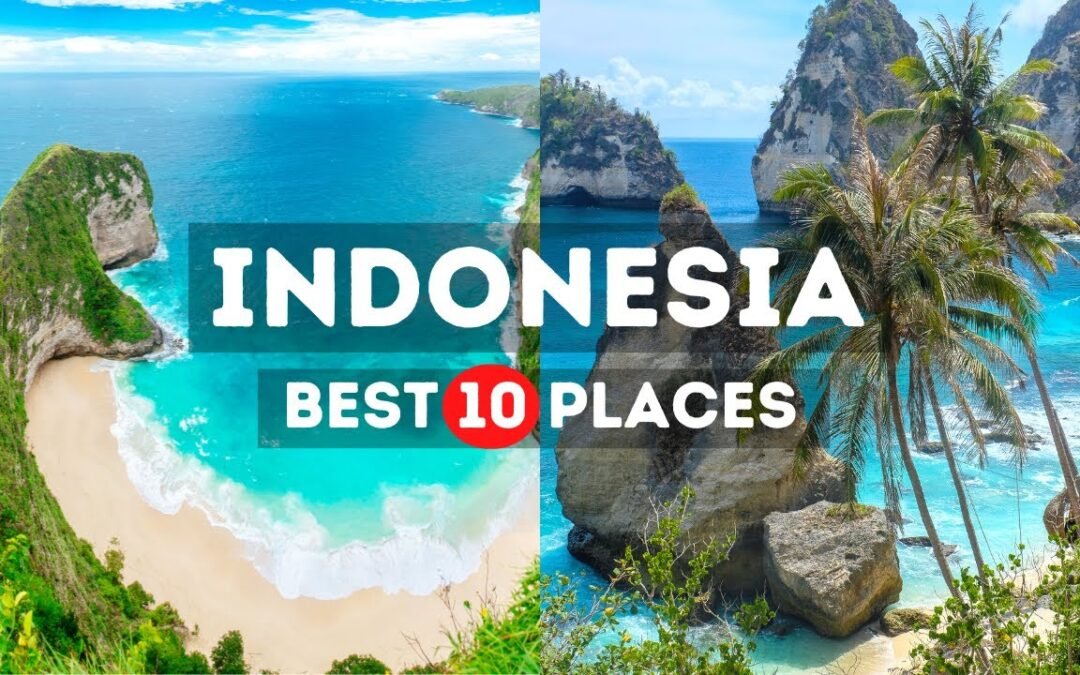
2. Exploring Nusa Penida: The Untamed Beauty
Nusa Penida is a breathtaking island that many travelers overlook. It’s just a one-hour ferry ride from Bali, but it feels worlds apart. This island is less commercialized than its famous neighbor, making it a perfect escape for those seeking untouched beauty.
Accessing Nusa Penida from Bali
Getting to Nusa Penida is easy. You can catch a ferry from Sanur, Bali. The ride is quick and scenic. Once you arrive, you’ll find a different pace of life. Here, the hustle and bustle of Bali fades away. Instead, you’re greeted by stunning cliffs and clear waters.
Adventure Activities
Are you an adventure seeker? Nusa Penida has plenty to offer. You can:
Hike to stunning viewpoints.
Relax on pristine beaches like Kelingking Beach.
Snorkel in crystal-clear waters, teeming with marine life.
Each activity provides a unique way to experience the island’s natural beauty. Imagine hiking down to a secluded beach, with the sound of waves crashing against the cliffs. It’s an experience you won’t forget.
Unique Attractions
Nusa Penida is home to some unique attractions. One of the most famous is Angel’s Billabong. This natural infinity pool is a sight to behold. The water is calm and clear, perfect for a refreshing dip. Just nearby, you’ll find Kelingking Beach, often dubbed the “T-Rex” beach due to its shape. The view from the top is nothing short of spectacular.
Nusa Penida is a hidden gem waiting to be discovered.
With its dramatic cliffs and secluded beaches, Nusa Penida offers an off-the-beaten-path experience. You’ll find breathtaking views at every turn. So, why not explore this untamed beauty? You might just find your new favorite destination.
3. The Gili Islands: A Car-Free Paradise
The Gili Islands are a hidden gem in Indonesia, offering a unique experience without the noise and chaos of motor vehicles. Imagine a place where the only speed limits are the ones you set for yourself. Sounds appealing, right?
Party Paradise: Gili Trawangan vs. Serene Gili Meno
When you think of the Gili Islands, you might picture Gili Trawangan, the party paradise. This island is buzzing with life, filled with beach bars and vibrant nightlife. If you’re looking to dance the night away, this is your spot. But what if you crave peace and quiet? That’s where Gili Meno comes in. This serene island is perfect for couples or anyone wanting to escape the hustle and bustle. You can walk around the entire island in less than 20 minutes!
Transportation: Bikes and Horse Carriages
One of the best parts about the Gili Islands is how you get around. Forget about cars or scooters. Here, you can explore on a bike or take a charming horse carriage. Biking is not only eco-friendly but also a great way to soak in the stunning views. You’ll feel the warm breeze as you pedal along the sandy paths. Have you ever experienced the joy of riding a bike with the ocean on one side and lush greenery on the other?
Underwater Snorkeling Adventures
The Gili Islands are also known for their incredible underwater experiences. Snorkeling here is a must! You can swim alongside vibrant coral reefs and meet colorful fish. Don’t miss the mystical underwater statues that add a unique touch to your adventure. The waters are crystal clear, making it easy to spot marine life. It’s like diving into a living aquarium!
Accessed by a two-and-a-half-hour boat ride from Bali, the Gili Islands are a total area of approximately 20 km. They promote a relaxed atmosphere and an eco-friendly approach to tourism. So, pack your bags and get ready to explore this car-free paradise!
4. Enchanting Flores: Nature’s Best-Kept Secret
Have you ever dreamed of a place where adventure meets untouched beauty? Welcome to Flores, a hidden gem in Indonesia. This island is a paradise for nature lovers and thrill-seekers alike.
Diving and Marine Life in Komodo National Park
One of the main attractions is the Komodo National Park. This UNESCO World Heritage site is famous for its rich marine biodiversity. Imagine diving into crystal-clear waters, surrounded by vibrant coral reefs and exotic fish. You might even spot a majestic manta ray gliding gracefully beneath you. The underwater world here is nothing short of magical.
Visit Traditional Villages and Soak in Local Culture
But Flores isn’t just about the ocean. The island is dotted with traditional villages that offer a glimpse into the local culture. You can wander through these charming communities, where the friendly locals are eager to share their stories and customs. It’s a fantastic way to connect with the heart of Flores.
Experience local crafts and traditional weaving.
Enjoy delicious local cuisine, rich in flavors and history.
Participate in cultural festivals that showcase vibrant traditions.
Cruises to Explore Stunning Islands Like Padar
Another way to experience the beauty of Flores is through boat cruises. These cruises take you to stunning islands like Padar, known for its breathtaking landscapes. Picture yourself on a boat, sailing through turquoise waters, with dramatic cliffs and pristine beaches on either side. It’s a sight you won’t forget.
Flores is best accessed via Labuan Bajo, which offers numerous domestic flights. Once you arrive, the adventures await. Whether you’re diving, exploring villages, or cruising to nearby islands, every moment is filled with wonder.
“Flores is where adventure meets untouched beauty.”
With its breathtaking landscapes and rich biodiversity, Flores truly is a perfect destination for nature lovers and adventurers alike. Are you ready to explore this enchanting island?
5. Sumba: A Hidden Gem for Authentic Experiences
Have you ever dreamed of a place where time seems to stand still? Welcome to Sumba, a serene island in Indonesia that offers a truly authentic experience. Unlike the bustling tourist spots of Bali, Sumba invites you to immerse yourself in its rich culture and breathtaking scenery.
Cultural Immersion Through Local Communities
One of the best ways to experience Sumba is through its local communities. Here, you can engage with friendly locals, learn about their traditions, and even participate in local ceremonies. It’s not just about visiting; it’s about connecting. Imagine sharing stories with the people who call this island home.
Unique Wildlife: Wild Sandalwood Horses
Sumba is also famous for its unique wildlife, particularly the wild Sandalwood horses. These horses roam freely across the island, adding to its charm. Have you ever seen a horse galloping against a backdrop of stunning landscapes? It’s a sight you won’t forget.
Relaxation at Stunning Beaches Like Walakiri
After a day of cultural exploration, unwind at Walakiri Beach. This beach is renowned for its stunning sunsets and picturesque views. Picture yourself lounging on the soft sand, with the sun dipping below the horizon. It’s the perfect spot to relax and reflect on your day.
“On Sumba, time seems to stand still, inviting you to connect with nature and people.”
Sumba provides a tranquil escape from the chaos of modern life. You can explore the island’s natural beauty, from its lush hills to its pristine beaches. The island is less developed than Bali, which means you’ll find fewer crowds and more opportunities to enjoy the beauty around you.
Experience the tranquility and hospitality of Sumba as you immerse yourself in its rich culture and breathtaking scenery. Whether you’re riding wild Sandalwood horses or relaxing at Walakiri Beach, Sumba promises an unforgettable adventure.
6. Raja Ampat: The Ultimate Eco-Friendly Paradise
Raja Ampat is a hidden gem in Indonesia. It’s not just a destination; it’s an experience. Yes, reaching this paradise requires some effort. You’ll need to take multiple flights and then a ferry. But trust me, the journey is worth it. Once you arrive, you’ll find yourself surrounded by breathtaking beauty.
Distant Travel, Rewarding Experiences
Many travelers shy away from places that require a bit of effort to reach. But think about it: isn’t the anticipation of a journey part of the adventure? In Raja Ampat, you’ll discover stunning landscapes, pristine beaches, and vibrant coral reefs. This is where you can truly disconnect from the world. You might even feel like you’ve stepped into a postcard.
Marine Biodiversity and Adventure Activities
Raja Ampat is famous for its marine biodiversity. Did you know it’s home to over 75% of the world’s coral species? Imagine snorkeling or diving in crystal-clear waters, surrounded by colorful fish and unique marine life. Whether you’re a seasoned diver or a beginner, there’s something for everyone. You can also enjoy kayaking, island hopping, or simply relaxing on the beach.
Supporting Eco-Friendly Tourism Initiatives
When you choose to visit Raja Ampat, you’re supporting eco-friendly tourism initiatives. Local communities are dedicated to preserving their natural habitats. By staying in eco-lodges or participating in conservation activities, you contribute to the sustainability of this paradise. As the saying goes, “Raja Ampat is where you can witness nature’s magic up close and personal.”
In conclusion, Raja Ampat is not just a destination; it’s a commitment to preserving the beauty of our planet. The distant travel may seem daunting, but the rewards are immeasurable. From the rich marine life to the eco-friendly initiatives, every aspect of this paradise invites you to explore and appreciate nature. So, pack your bags and get ready for an unforgettable adventure in Raja Ampat! You won’t regret it.
TL;DR: Indonesia is home to stunning islands beyond Bali. From Nusa Penida’s rugged beauty to Raja Ampat’s eco-friendly allure, there are amazing places waiting for your exploration.
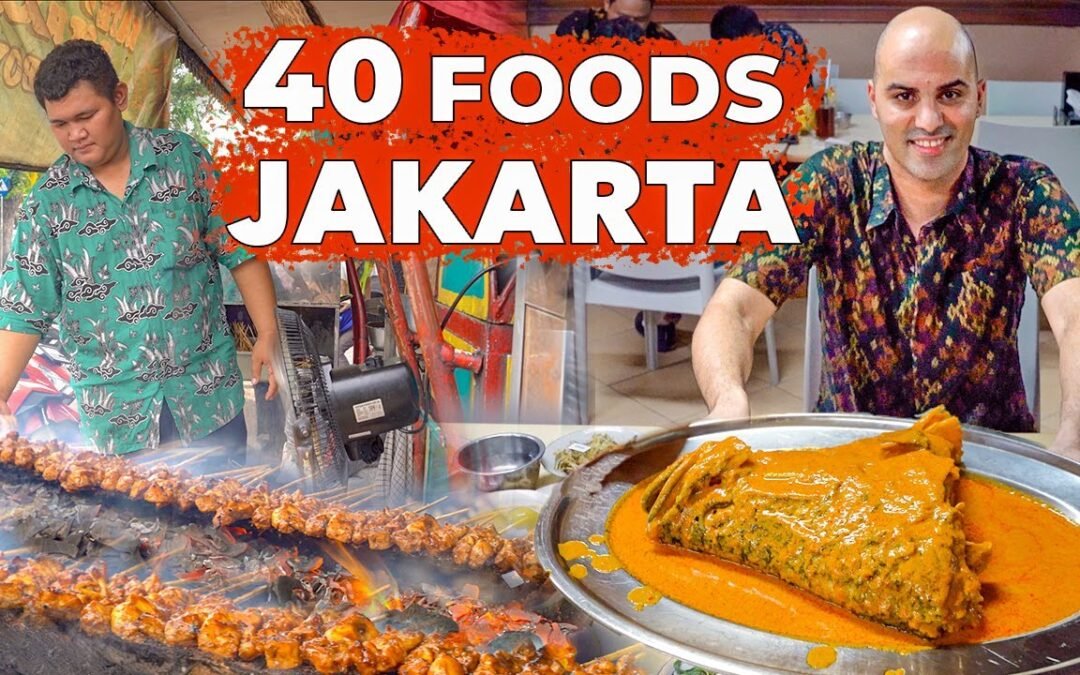
During my travels through Jakarta, I stumbled upon a culinary wonderland that left my taste buds dancing with delight. From spicy vegetarian dishes to savory street food, this city has transformed me into a true food enthusiast. Let me guide you through an unforgettable gastronomic adventure in Indonesia’s bustling capital!
Exploring Jakarta’s Street Food Scene
Jakarta is a city that never sleeps. The streets are alive with the sounds of sizzling woks and the chatter of vendors calling out to passersby. As I wandered through the bustling markets, I couldn’t help but be captivated by the vibrant street food culture. It’s not just food; it’s an experience. Eating street food in Jakarta is a cultural experience that no visitor should miss!
Observation of the Bustling Street Food Culture
Every corner of Jakarta seems to have a food stall. The air is filled with enticing aromas that draw you in. From early morning until late at night, locals gather around these stalls, sharing meals and stories. It’s a social hub, a place where community thrives. The energy is infectious. You can see families enjoying meals together, friends catching up, and solo travelers like me diving into the local flavors.
What strikes me the most is the variety. Each vendor has their specialty, offering a glimpse into Indonesia’s rich culinary traditions. The colors, the sounds, and the smells create a sensory overload that is simply delightful. It’s a feast for the eyes and the stomach!
Most Popular Street Foods to Try in Jakarta
When in Jakarta, you have to try some iconic street foods. Here are a few must-tries:
Nasi Uduk: Rice cooked in coconut milk, served with various side dishes. It’s comforting and full of flavor.
Chicken Satay: Skewered and grilled chicken served with a rich peanut sauce. The smokiness is unforgettable.
Mie Ayam: Chicken noodles that are a staple for many locals. They are delicious at any time of the day.
Cendol: A refreshing dessert made with rice flour, coconut milk, and sometimes durian. It’s a sweet treat that cools you down.
Martabak: A spongy pancake filled with cheese, chocolate, and peanuts. Perfect for dessert lovers!
Each dish tells a story. For instance, the Chicken Satay is not just food; it’s a reflection of the communal dining culture in Jakarta. You can taste the love and tradition in every bite.
Essential Tips for Navigating Local Vendors
As exciting as it is to dive into Jakarta’s street food scene, it can be a bit overwhelming. Here are some essential tips to help you navigate:
Look for Crowds: If a stall has a long line, it’s usually a good sign. Locals know where to find the best food!
Ask for Recommendations: Don’t hesitate to ask locals what to try. They often have insider tips that can lead you to hidden gems.
Be Adventurous: Try something new! You might discover a new favorite dish.
Watch for Freshness: Pay attention to how busy the stall is. Fresh ingredients are key to great street food.
Stay Hydrated: With all the spicy food, it’s important to drink plenty of water.
Jakarta’s street food scene is a treasure trove of flavors. From savory dishes to sweet delights, there’s something for everyone. Whether you’re in the mood for fiery sambal or refreshing desserts, you’ll find it here. Each meal is not just about eating; it’s about connecting with the culture and the people.
So, are you ready to explore? Grab your appetite and dive into the vibrant world of Jakarta’s street food. You won’t regret it!
Must-Try Iconic Dishes
When it comes to exploring the culinary landscape of Jakarta, there are certain dishes that simply cannot be missed. Trust me, the flavors are as vibrant as the city itself. Let’s dive into some must-try iconic dishes that will tantalize your taste buds.
1. Miya Yam: A Flavorful Staple
First up is Miya Yam. This dish is a staple in Indonesian cuisine, and for good reason. It features chicken noodles served with an array of toppings. Imagine tender meat, crispy fried shallots, and a rich, flavorful broth all coming together in one bowl. It’s a dish that can be enjoyed at any time of the day. I remember the first time I tried it; the sweet and savory notes danced on my palate. It’s a true representation of Indonesia’s diverse culinary landscape.
2. Satay: The Smoky Street Food Delight
Next, we have Satay. This dish is Malaysia’s gift to the street food scene, and it’s a must-try when in Jakarta. Picture skewered meat grilled to perfection, served with a creamy peanut sauce. The smokiness of the meat is what truly makes this dish stand out. I can still recall the first bite; it was a burst of flavor that transported me right to the bustling streets of Jakarta. Don’t forget to pair it with some fresh veggies for a delightful crunch!
3. Vegetarian Options: A Culinary Adventure
For those who prefer vegetarian options, Jakarta does not disappoint. One standout dish is Longton, a type of rice cake served with bean sprouts, cabbage, and a rich peanut sauce. The textures and flavors blend beautifully, creating a satisfying meal. You can even customize it with spicy chili sauce to kick it up a notch. It’s a fantastic way to experience traditional Indonesian flavors without meat.
4. The Significance of Sambal
Now, let’s talk about sambal. This spicy condiment is a staple in Indonesian cuisine and is available for almost every dish. It’s made from a variety of ingredients, often including chili peppers, garlic, and lime juice. The beauty of sambal lies in its endless variety. Each region has its own twist, and trying different sambals can be an adventure in itself. I found that a little sambal can elevate a dish from good to unforgettable.
5. A Culinary Melting Pot
From the vegetarian-friendly Longton to spicy beef ribs, the dishes in Jakarta reflect the city’s rich cultural tapestry. Each meal tells a story, and the flavors are as diverse as its people. Make sure to ask for spiciness levels adjusted to your taste! After all, food is not just about sustenance; it’s about experience, connection, and joy.
In conclusion, Jakarta’s culinary scene is a treasure trove waiting to be explored. Whether you’re indulging in the rich flavors of Miya Yam, savoring the smoky goodness of Satay, or diving into the world of sambal, there’s something for everyone. So, grab your fork and get ready for a delicious adventure!
The Sweet Side of Jakarta: Dessert Delights
When I think of Jakarta, my mind races to the vibrant street food scene. But it’s not just savory dishes that steal the show; the desserts here are equally captivating. Let’s dive into the sweet side of Jakarta and explore some of the most popular Indonesian desserts.
1. Introduction to Popular Indonesian Desserts
Indonesian desserts are a delightful blend of flavors and textures. They often combine local ingredients like coconut, pandan, and rice flour. One of the most beloved treats is Martabak. This dish comes in both sweet and savory varieties, making it a must-try for anyone visiting Jakarta. But it’s not just Martabak that shines. Desserts like Klapa Gading (coconut cake) and Roti John (a stuffed flatbread) also deserve a mention. Each dessert tells a story of tradition and innovation.
2. Experience the Unique Flavors of Martabak
Martabak is truly the star of Jakarta’s dessert scene. Imagine a thick, fluffy pancake filled with a variety of toppings. The sweet version often includes chocolate, cheese, and crushed peanuts. The combination is heavenly! I remember my first bite: the warm, gooey chocolate mixed with the crunch of peanuts was a flavor explosion.
“Martabak in Jakarta has the perfect balance of sweetness and texture, making it irresistible!”
But Martabak isn’t just about the taste. It’s an experience. Vendors prepare it right in front of you, creating a lively atmosphere. The sizzling sound of the batter hitting the hot griddle is music to my ears. Watching the process is almost as enjoyable as eating the final product.
3. A Personal Encounter with Local Dessert Vendors
During my culinary journey, I had the chance to meet some local dessert vendors. Their passion for their craft was evident. One vendor, an elderly man, had been making Martabak for over 30 years. He shared stories of how the recipe had been passed down through generations. It was heartwarming to see how food connects people.
As I chatted with him, I learned about the different variations of Martabak. Some are filled with sweetened condensed milk, while others might have a savory twist with eggs and spices. Each vendor has their own secret touch. It’s like a treasure hunt for flavors!
Another delightful dessert I encountered was Cendol. This refreshing treat is made with rice flour, pandan, and coconut milk. The first time I tried it, I was blown away by the creamy texture and the subtle sweetness. It’s perfect for cooling down on a hot Jakarta day.
As I explored more, I found myself drawn to the bustling food stalls. The vibrant colors of the desserts caught my eye. Each stall offered something unique, from traditional cakes to modern twists on classic recipes. It was a feast for the senses!
In Jakarta, desserts are more than just food; they are a celebration of culture and community. Indulging in a slice of Martabak, I couldn’t help but feel like I was tasting a piece of Jakarta’s heart. This dessert not only satisfies the sweet tooth but also brings together the community with its vibrant street-side preparation.
So, if you ever find yourself in Jakarta, don’t miss out on the sweet side of this incredible city. The desserts here are waiting to be discovered, and I promise, each bite will leave you wanting more.
Final Thoughts: A Foodie’s Heaven Awaits
As I reflect on my culinary adventures in Jakarta, I can’t help but feel a sense of wonder. This city is a true paradise for food lovers. From the vibrant breakfast bowls to the iconic dinner dishes, each meal was a delightful experience. I encourage you to explore beyond the typical tourist spots. There’s a world of flavors waiting to be discovered.
A Recap of Amazing Culinary Experiences
During my journey, I tasted a variety of local dishes that showcased Indonesia’s rich culinary heritage. I started with a vegetarian breakfast that was both colorful and delicious. The rice cakes, long ton, and peanut sauce created a perfect harmony of flavors. The addition of Kurupuk added a satisfying crunch. It was a great introduction to the local cuisine.
Next, I ventured to a legendary spot for Miya Yam, a dish that combines chicken noodles with all the trimmings. The tender meat and crispy fried shallots made it a standout. This dish can be enjoyed at any time of the day, which speaks volumes about its popularity among locals.
Then came the Chicken Satay, skewered meat grilled to perfection. The smoky flavor paired with the rich peanut sauce was a highlight. I also tried Kambi Tongsai, a goat meat soup that was fresh and flavorful. Each dish told a story, revealing the heart of Indonesian culture.
Encouragement to Explore Beyond the Typical Tourist Spots
Jakarta is filled with hidden gems waiting to be explored. While the popular restaurants are great, I found that the street food stalls offered some of the most authentic experiences. The bustling atmosphere, the sizzling sounds of food being prepared, and the aromas wafting through the air create an unforgettable experience.
Take a moment to step off the beaten path. Visit local markets and try the dishes that the locals love. You might discover something extraordinary. For example, I stumbled upon a small stall selling Cendol, a refreshing dessert made with rice flour and coconut milk. It was a delightful way to cool off after a day of exploring.
Invitation to Connect with Local Culture Through Food
Food is a gateway to understanding local culture. Each dish I tried was a reflection of the people and their traditions. I remember visiting a kitchen where I watched the preparation of bebek swimming in sambal sauce. The process was fascinating and gave me a deeper appreciation for the culinary arts.
As I savored a monumental braised beef rib dish, I realized that every bite was a connection to the culture. The spices, the ingredients, and the cooking methods all tell a story. I invite you to share your own food adventures. What dishes have you tried that left a lasting impression? How did they connect you to the local culture?
“Food is not just a meal; it’s an experience that nourishes the soul.”
Jakarta’s culinary scene is ever-evolving. New restaurants and food stalls pop up regularly, each offering unique flavors and experiences. Whether you are a seasoned foodie or just starting out, the culinary experiences in Jakarta promise to offer something unforgettable for everyone.
In conclusion, my time in Jakarta was filled with incredible flavors, textures, and aromas. Each meal was special, and I encourage you to embark on your own culinary journey. Explore the local cuisine, connect with the culture, and savor the stories behind each dish. A foodie’s heaven truly awaits in this vibrant city.
TL;DR: Embark on a tantalizing food adventure in Jakarta, exploring iconic dishes, street food gems, and the vibrant local flavors that make Indonesian cuisine a true delight.
Have you ever been captivated by the allure of a destination that promises untold adventures and breathtaking landscapes? When I decided to embark on a ten-week journey through Indonesia, I sought not just the typical tourist traps but the vibrant heart of this beautiful archipelago. From the bustling streets of Jakarta to the serene beaches of Flores, join me as I recount my unforgettable exploration of Indonesia’s hidden treasures.
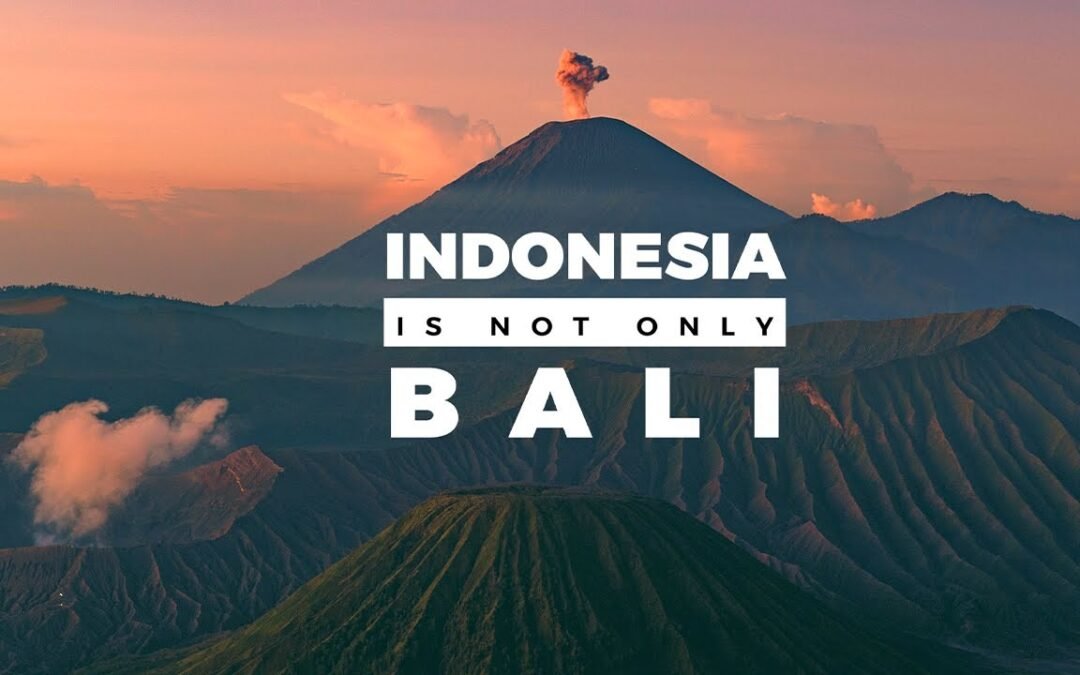
Unveiling Indonesia: More Than Just Bali
When you think of Indonesia, what comes to mind? For many, it’s Bali. But did you know that Indonesia is home to over 17,000 islands? Yes, you read that right! This vast archipelago is a treasure trove of experiences waiting to be discovered. So, why do so many tourists miss out on this incredible diversity?
Why Tourists Overlook Indonesia’s Islands
It’s easy to see why Bali steals the spotlight. With its stunning beaches, vibrant nightlife, and rich culture, it’s a paradise for many travelers. However, focusing solely on Bali means missing out on the unique charm of other islands. Here are some reasons why:
Familiarity: Bali is well-known and heavily marketed. Tourists feel comfortable sticking to what they know.
Accessibility: Bali has more direct flights and tourist infrastructure, making it easier to visit.
Social Media Influence: Pictures of Bali flood social media, creating a perception that it’s the only place worth visiting.
But what if you could step off the beaten path? What if you could explore places that offer just as much beauty and adventure?
Diverse Experiences Beyond Bali
Indonesia isn’t just a single destination; it’s a collection of islands, each with its own unique offerings. From the bustling streets of Java to the serene beaches of Lombok, there’s something for everyone. Here are a few highlights:
Java: The largest island, Java is a cultural hub. Visit Jakarta for its rich history, or Yogyakarta for its art and heritage.
Flores: Known for its stunning landscapes and the famous Komodo National Park, Flores is perfect for nature lovers.
Lombok: Just east of Bali, Lombok offers beautiful beaches and hiking opportunities, including the majestic Mount Rinjani.
Each island tells a different story. Each has its own culture, cuisine, and landscapes. Imagine tasting local delicacies in Yogyakarta or hiking to see the sunrise over Mount Bromo. The possibilities are endless!
Understanding Indonesia’s Rich Cultural Tapestry
Indonesia is the largest archipelagic state in the world. This means that traveling through its diverse regions showcases a rich variety of cultures. From the traditional dances of Bali to the intricate textiles of Sumba, every island has its own identity. This cultural variety adds depth to your travel experience.
Moreover, understanding the historical context of each region enhances your journey. For instance, in Java, you can explore the remnants of Dutch colonialism in Jakarta. Or visit the ancient temples of Borobudur and Prambanan, which reflect the country’s deep spiritual roots.
“Indonesia is not only Bali, it is a mosaic of cultures and natural wonders.”
As you travel, you’ll find that each island offers a different perspective on life. The warmth of the locals, the flavors of the food, and the beauty of the landscapes all combine to create an unforgettable experience.
Conclusion
So, the next time you think about Indonesia, remember that it’s more than just Bali. It’s a vast archipelago filled with hidden gems waiting to be explored. Whether you choose to wander through the streets of Jakarta, hike up a volcano in Lombok, or relax on the beaches of Flores, you’ll discover that Indonesia is a land of endless possibilities.
Culinary Adventures: Tasting the Heart of Indonesian Flavors
Indonesia is a treasure trove of flavors. The culinary scene here is vibrant and diverse. You can find everything from spicy dishes to sweet treats. One of the best ways to explore this diversity is through traditional dishes. Let’s delve into some of these iconic foods.
Traditional Dishes to Savor
Rendang: This is a slow-cooked beef dish, rich in spices. It’s often described as a spicy meat stew. The flavors are deep and complex, thanks to ingredients like ginger, turmeric, and lemongrass. Have you ever tasted something that felt like a warm hug? That’s rendang.
Lumpia: These are Indonesian spring rolls, filled with a mix of vegetables and sometimes meat. They are crispy on the outside and bursting with flavor on the inside. Perfect as a snack or appetizer, lumpia reflects the local tradition of using fresh ingredients.
When you visit Yogyakarta, you can’t miss trying these dishes. The city is a culinary hub, offering a unique blend of flavors that represent the heart of Java.
Personal Anecdotes from Yogyakarta
During my time in Yogyakarta, I wandered through local markets. The air was filled with the scent of spices and grilled meats. I remember stopping at a small stall. The vendor was making fresh lumpia right in front of me. The crunch of the wrapper and the burst of flavors inside were unforgettable. It was a moment that connected me to the culture.
Another memorable experience was trying rendang at a family-owned restaurant. The owner shared stories about how the recipe had been passed down through generations. “Trying the local cuisine is essential, as it uniquely represents Java’s rich culinary heritage,” he said. His passion for food was evident in every bite.
The Unique Blend of Spices
Indonesian cuisine is a symphony of spices. Each region has its own unique blend. In Yogyakarta, you’ll find a mix of sweet, spicy, and savory flavors. Ingredients like chili, garlic, and shallots are staples. They create a depth of flavor that is hard to resist.
Local markets are essential for experiencing these authentic flavors. You can find fresh herbs, spices, and local produce. It’s a feast for the senses. The colors, the smells, and the sounds create an atmosphere that is alive with culture.
Traditional Snacks and Cultural Heritage
Traditional snacks reflect the cultural heritage of Indonesia. Each family has its own recipes, often passed down through generations. These snacks are not just food; they are stories on a plate. They connect you to the history and traditions of the community.
For instance, you might find kue cubir, a sweet cake made from rice flour, or pisang goreng, fried bananas that are crispy on the outside and soft on the inside. These treats are often enjoyed during family gatherings or celebrations. They are a reminder of the importance of food in bringing people together.
Distinct Culinary Practices Across Regions
Every region in Indonesia offers distinct culinary practices. From the spicy dishes of Padang to the sweet flavors of Bali, the diversity is remarkable. It’s like traveling through a world of flavors without leaving the country.
So, are you ready to embark on your own culinary adventure? Indonesia awaits with its rich tapestry of flavors, stories, and traditions. Each dish tells a story, and every bite is a journey into the heart of this incredible culture.
As you explore, remember that food is more than just sustenance. It’s a way to connect with the people and the land. Enjoy every moment, and let the flavors of Indonesia linger in your memory.
Cultural Treasures: A Journey Through History and Heritage
Indonesia is a treasure trove of culture and history. You might think of Bali when you hear about Indonesia, but there’s so much more to explore. Let’s dive into the rich historical landmarks of Jakarta, the cultural sites of Yogyakarta, and the breathtaking Borobudur temple.
1. Jakarta’s Historical Landmarks
Jakarta, the capital city, is often overlooked by travelers. But it holds a wealth of historical significance. One of the must-visit sites is Monas, or the National Monument. Built in 1975, it commemorates Indonesia’s independence. From its observation deck, you can see the sprawling city below. It’s a reminder of the journey Indonesia has taken.
As you explore further, you’ll find the National History Museum nearby. Here, 51 dioramas depict key events in Indonesia’s past. This includes the arrival of Islam, European colonization, and the struggle for independence. Each display tells a story. Each story shapes the identity of this nation.
Have you ever wondered how colonial history influences modern society? In Jakarta, you can see it firsthand. The blend of cultures is evident. A Catholic Cathedral stands across from the largest mosque in Southeast Asia. This symbolizes Indonesia’s commitment to religious tolerance. It’s a beautiful sight.
2. Cultural Sites in Yogyakarta
Next, your journey takes you to Yogyakarta. This city is known for its rich culture and heritage. It served as Indonesia’s capital during the national revolution. Here, you can visit Taman Sari, the Water Castle. This site was once a royal garden. Imagine walking through its lush landscapes, feeling the history around you.
Another highlight is the Kraton, the royal palace of the sultanate. It’s not just a palace; it’s a living museum. You’ll learn about classical fine arts and the region’s history. The intricate architecture tells stories of the past.
While in Yogyakarta, don’t miss the local cuisine. Try traditional snacks like lumpia. It’s a delightful way to experience the local culture. Each bite connects you to the community.
3. The UNESCO World Heritage Site of Borobudur
Now, let’s talk about Borobudur. This UNESCO World Heritage Site is a must-see. It’s the largest Buddhist temple in the world. The intricate carvings and massive stupas are awe-inspiring. As you walk around, take a moment to appreciate the craftsmanship.
But Borobudur is more than just a temple. It embodies the spiritual quests of its creators. The temple represents a journey towards enlightenment. Each step you take is a reflection of that journey.
“Each new location teaches you more about the history of this enchanting nation.”
Visiting Borobudur is not just about seeing a beautiful site. It’s about understanding the cultural significance behind it. The temple stands as a testament to Indonesia’s diverse heritage.
4. The Importance of Historical Narratives
Understanding Indonesia’s colonial history is crucial. It shapes contemporary perceptions. The stories of the past influence how people view the present. Temples like Borobudur and sites in Jakarta and Yogyakarta embody this history. They are not just structures; they are symbols of resilience and cultural identity.
As you explore these treasures, you’ll find that each location offers a unique perspective. Each site tells a part of Indonesia’s story. It’s a journey through time, revealing the layers of history that make this nation so enchanting.
So, are you ready to embark on this journey? The cultural treasures of Indonesia await you.
A Local Perspective: The Vibrancy of Everyday Life in Indonesia
When you think of Indonesia, what comes to mind? Is it the stunning beaches of Bali, or perhaps the lush jungles of Sumatra? While these are certainly highlights, the true essence of Indonesia lies in its everyday life. To truly understand this vibrant nation, you must interact with locals. This engagement opens doors to authentic insights that guide you through the cultural maze of this archipelagic paradise.
Engaging with Locals
Imagine walking through a bustling market in Yogyakarta. The air is filled with the aroma of spices and street food. You stop to chat with a vendor selling traditional snacks. This simple interaction can lead to stories that reveal the heart of Indonesian culture. Locals are often eager to share their experiences and traditions, making your travel experience richer.
Have you ever wondered how a culture can be so diverse yet so unified? In Indonesia, this is achieved through the warmth of its people. Engaging with them allows you to see beyond the tourist facade. You learn about their daily lives, their struggles, and their joys. This connection humanizes your travel narrative.
Cultural Rituals and Traditions
Indonesia is a tapestry of cultures, each thread woven with unique rituals and traditions. From the vibrant ceremonies of Bali to the solemn rituals of Java, every region has its own story to tell. For instance, in Yogyakarta, you might witness a traditional Javanese wedding. The intricate costumes and elaborate rituals are not just for show; they hold deep cultural significance.
These rituals often reflect the values and beliefs of the community. By observing and participating, you gain a deeper appreciation for the local way of life. You might even find yourself asking, What does this mean for the people here? Understanding these traditions can transform your perspective on life in Indonesia.
The Significance of Religion
Religion plays a crucial role in the daily lives of Indonesians. With a rich tapestry of beliefs, including Islam, Hinduism, and Buddhism, the country showcases a unique blend of spirituality. You may notice how the call to prayer punctuates the day in many cities. Or perhaps you’ll visit a temple where offerings are made to honor the gods.
In Jakarta, the juxtaposition of a grand mosque and a Catholic cathedral across the street from each other is a powerful symbol of Indonesia’s religious tolerance. This coexistence is not just a visual spectacle; it’s a testament to the nation’s commitment to harmony. You might find yourself reflecting on how religion shapes social interactions and community bonds.
Conclusion
As you explore Indonesia, remember that the vibrancy of everyday life is found in its people, traditions, and beliefs. Engaging with locals not only enriches your travel experience but also deepens your understanding of this diverse nation. The stories you gather and the connections you forge will stay with you long after your journey ends. Indonesia is more than just a destination; it’s a living, breathing tapestry of culture and life waiting to be discovered.
TL;DR: Indonesia offers a wealth of breathtaking landscapes, rich cultures, and culinary delights beyond Bali. Discover hidden gems and iconic sites like Borobudur, explore lesser-known islands, and indulge in the unique flavors of Indonesian cuisine.
Ordered to remove her bulky baggage, the woman walked around a corner, added more clothing, and placed heavy objects in her pockets. Having read the article titled "Passenger criticizes airport staff for 0.5 kg of extra hand baggage," I feel empathy towards the...
British travelers have escalated their competition for sunbeds to extreme levels by staying on recliners throughout the night to secure the most favorable position beside the pool at a Spanish hotel . Ben Smith was shocked when he saw that the top lounge chairs at his...
ADDIS ABABA - The Ethiopian Tourism and Hotel Industry Association (ETHMA) has introduced a fresh project aimed at establishing Addis Ababa as a top choice for global conventions and corporate travel. Getahun Alemu, president of ETHMA, stated to The Ethiopian Herald...
Four travelers lost their lives on Phuket Island over the course of a week, raising increasing worries regarding security and prompting demands for enhanced precautions due to the island's powerful monsoon tides and absence of rescue personnel. On August 20, a...
A former Nigerian official and security expert has sharply condemned the most recent travel warning released by the U.S. government, calling it inflated, unhelpful, and grounded in obsolete information. On July 15, 2025, the U.S. Department of State issued an alert...
At the start of each day, Daniel enjoys a cup of coffee on his balcony along Tran Phu Street in Nha Trang, watching over the sea. This Canadian software developer has been residing in the city for one year. His initial visit to Vietnam was three years back as a...
VICTORIA FALLS, August 26 (SANGGRALOKA.COM Live) - Over 300 businesses along with representatives from six additional nations have verified their attendance at the much-anticipated 18th edition of the Sanganai/Hlanganani Tourism Fair set to take place in the eastern...
A lone traveler has shared the incredible locations she's explored that have left her completely amazed. Sarah, known as @vivjewelry on social platforms, documents her travels across the globe through online posts, and . In a clip, she shares details about several top...
Morocco has been acknowledged as among the leading international travel spots for 2025, as stated in a publication from Travel and Tour World a website focused on the travel sector. A North African nation has become part of an esteemed group which comprises Saudi...
Panic-driven vendors offer significant price reductions Lifestyle shoppers are encountering a tough truth as the previously sought-after rural retreats of Bowral and Byron Bay turn into some of Australia's most difficult sales. Recent information from Cotality shows...
Indonesia dikenal memiliki banyak objek wisata yang eksotis dan mendunia. Keindahan alam dan keragaman budaya Indonesia banyak memikat turis mancanegara, baik untuk sekadar singgah maupun mempelajari secara mendalam. Perusahaan biro perjalanan daring (online) asal...
Hari Wajib Berpakaian Adat di Jogja : Para pelajar dan Aparat Sipil Negara (ASN) di Daerah Istimewa Yogyakarta (DIY) sudah bertahun-tahun lamanya diwajibkan untuk memakai busana adat Jawa setiap hari Kamis Pahing. Kegiatan wajib berpakaian adat Jawa disebut pula...
YOGYAKARTA tidak hanya menawarkan keindahan alam, tetapi juga memiliki banyak candi yang tersebar di beberapa tempat. Ada 27 candi di Yogyakarta, misalnya Candi Prambanan, Candi Ratu Boko, Candi Banyunibo, Candi Kalasan, Candi Goa Sentono, dan masih banyak lagi....
Underfoot lies the weathered black stone of the Nakasendo pathway, covered in moss. For more than four centuries, travelers have walked this route, an idea that sends shivers down my spine—though maybe those chills come from the frigid air at freezing five degrees below zero.
Tall magnolias and dense bamboo groves block out the sun, leaving icy spots of snow blanketing the earth beneath them.
Atop the Japanese Alps, all I can hear are bird calls and water trickling through the stream next to the trail. However, when travelers initially traversed this historic pathway, it would have been much more chaotic.
The Nakasendo Road: An Ancient Path in Japan That Still Welcomes Travelers After 400 Years
The Nakasendo highway came into existence during the 17th century to promote commerce and transportation.
travel
Between Kyoto and the Shogun capital Edo – now Tokyo – for military leaders, samurais, and warlords.
Wandering processions of individuals and packhorses occasionally required several days to traverse a solitary village. The travelers on this path held significant status and considerable riches, prompting the emergence of teahouses, stores, and lodging options alongside their routes, which eventually developed into modest townships.
The entire Nakasendo Road remains intact, along with many of the post towns it connects, making for an impressive hiking trail through central Japan.
Japan
.
Much of the path follows contemporary roadways, yet the stretch passing through the Gifu prefecture offers an idyllic 2-3 day hike that transports you back to the rustic ambiance of feudal Japan.
Woodblock prints depicting the Nakasendo in Ena City
I start my trek in Ena city, visiting the Hiroshige Museum of Art to inspire my journey ahead.
This center focuses on 19th-century ukiyo-e woodblock prints, such as the collection ‘Sixty-nine Stations of the Nakasendo’. These works portray ordinary scenarios featuring people carrying heavy loads.
travellers
, pit stops at tea houses, visitors enjoying baths at an onsen, and bustling market towns.
Behind them stand soft mountains, gentle cherry blossoms, distant shrines, and hints of an almost clear ocean.
A particular scene from “Oi Juku,” a post station only a few hills distant from Ena, appears notably fitting as the indistinct figures of travelers cloaked in robes struggle through snow up to their ankles.
landscape
.
Teahouses and mountain sanctuaries dotting the Nakasendo route
The section with the greatest ambiance along the historic highway in the Gifu Prefecture lies just beyond the village of Ochiai, on the edge of Nakatsugawa city.
In Ochiai, you can explore a ‘honjin,’ which was formerly an official resting place and now operates as a museum showcasing the security measures once necessary at roadside lodgings. This site features a hidden escape window, a concealed passageway used by ninjas who protected traveling nobles, along with translucent panels designed to prevent attackers from hiding.
The town features an distinctive S-curved turn in the roadway, typical of post towns, which aided travelers evading attacks by allowing them to lose pursuers more easily.
Leaving Ochiai, you start the steep climb up to Jikkoku Pass. Along the way, you have the option to visit Io-ji Temple, which is devoted to aiding travelers’ recoveries and houses deities associated with healing in alcoves.
Just past this point lies the sole stretch of the 400-year-old cobblestone path that has been maintained—and even augmented—enabling you to stroll for about half an hour much like travelers from the Edo period did.
The section concludes at the two-story Shin Chaya inn, offering you the chance to enjoy tea, homemade plum wine, or secure a futon for the evening.
Step back into the past in two Edo-era post stations
The path extends towards the postal town of Magome, with the snow-covered Kiso Mountains serving as a dramatic background.
As tour buses arrive and depart, it maintains the bustling atmosphere of a longstanding destination.
journey
At pit stops, expansive eateries offering views of the mountains alongside road-side vendors provide quick bite options such as glutinous rice balls drenched in savory sesame sauce and zesty miso served with spoons, complemented by thermos flasks filled with piping hot green tea.
Magome features a partially restored 17th-century main street with small, dark wooden buildings, sake distilleries, and stores offering items such as straw hats and yukata robes for tourists.
More historically significant is the Manpuku-an Eishoji Buddhist temple.
temple
Just uphill stands a large bell ready to be rung with a bamboo pole, alongside an inner sanctuary adorned with shimmering silver curtains and ornate golden lanterns.
The portion of the Nakasendo Road in Gifu Prefecture concludes at Magome, yet just across the border in the Nagano Prefecture lies the well-preserved village of Tsumago.
Automobiles are banned from the principal thoroughfare lined with closed-up homes featuring classic lattice screens, while telephone wires and electrical cables have been rerouted out of sight.
Experience staying at a traditional ryokan as Edo-period travelers did.
To enhance your historical walking adventure, avoid modern lodging options and choose to stay at a ‘ryokan’ instead. These traditional guesthouses offer an affordable yet culturally enriching experience.
experiential offerings
.
In Ena City, Ryokan Ichikawa has served as an inn for four centuries; however, the present building was constructed in the 1950s. Despite this, it maintains the traditional ambiance of welcoming visitors. Upon entering, guests remove their shoes in the lobby and are provided with plastic slippers.
The rooms come equipped with tatami flooring, soft futon mattresses paired with soothing rice husk pillows, traditional sliding paper partitions, and low tables. Typically, ryokans do not offer en-suite facilities; instead, they usually have shared restrooms and a common bath area for guests to use.
Dinners are where these
traditional inns
In a large room where heaters are operating at full blast, I’m served a seven-course meal by the 15th and 16th generation of innkeepers — a mother-daughter duo dressed in silk kimonos with their hair neatly arranged.
Related
Within Japan’s cat island, where cats are venerated at an altar and believed to bestow good fortune.
Reduce your volume and avoid eating as you walk: Key manners advice for visitors to Japan
The sequence of dishes starts with a selection of small bowls filled with bits of black mushrooms braised in soy sauce, crispy shrimp encased in kadaif dough, and deep-fried millet gluten crowned with miso.
Next comes succulent raw blue prawns, amberjack, and konjac, all delicately fresh. For the second course, you get marbled Hida beef served sizzling on personal grills along with pools of melting butter and slices of vegetables. This is followed by steamed shrimp dumplings in broth, pickles, and rice, concluding with a pumpkin pudding for dessert.
After that
feast
, I swiftly fall asleep beneath the fluffy duvet, although not before ensuring there are no hidden threats behind the curtains.
Currently, middle managers face some of the highest levels of pressure in their work environment.
According to a survey carried out in the UK by Capterra, 75% of participants reported feeling overwhelmed, stressed, or burnt out.
Managing both personal and bureaucratic responsibilities concurrently indicates that 61% of individuals lack sufficient time during an average week to complete all their tasks.
The survey found 44% of their time is used purely to attend meetings.
The findings further indicate that one of the major challenges faced by middle managers is beginning their role without being fully prepared.
In fact, 77% of middle managers report that they did not receive any managerial training prior to their promotion.
Fifty percent wished for conflict resolution training, followed by 37% wanting project management training, 32% seeking delegation skills, and 31% desiring time management instruction.
While feedback is key in improving one’s performance, 51% of middle managers say their boss never or rarely schedules a one-to-one with them to discuss their work.
Consequently, almost one out of every four people (24%) report that they are currently seeking new employment opportunities.
In 1978, Terrence Malick was regarded as one of the most promising newcomers in Hollywood. His sophomore movie
Days of Heaven
was a pure masterpiece following his exceptional 1973 first album
Badlands
. Malick had endless possibilities for his next project. However, as the Hollywood legend suggests, he vanished from public view.
Malick astonishingly returned to the big screen after two decades with his third movie.
The Thin Red Line
Today, this mysterious director has become highly productive. From 2011 to 2019, they unveiled six movies. This marks quite a shift from the long gap between their second and third features.
Despite the higher productivity, Malick remains an enigma. His last known interview was with the French newspaper Le Monde back in 1979. Since then, he hasn’t provided any direct quotes to media outlets, and the sole photograph permitted for public release is a blurry promo image showing him at work directing.
The Thin Red Line
.
The scene is drenched in the warm glow of late afternoon—the magical hour. This photograph was captured by his father, Emil Malick. Despite their disagreements, Terry continued to view himself through his father’s perspective,” states the biography accompanying the image. Appearing midway through the book, this passage encapsulates much of John Bleasdale’s significant challenge, offering glimpses into both Malick’s human side and his distinctive style within the realm of cinema.
“The Magic Hours: The Films and Hidden Life of Terrence Malick” offers an extensive look into the filmmaker’s life, showcasing thorough research through detailed exploration of the challenges involved in leading large teams both in front of and behind the camera. Bleasdale enriches this narrative with newspaper excerpts, insights from colleagues, and personal reflections on Malick’s body of work.
This marks the first time Malick has been biographied. Consequently, an important query arises about whether Bleasdale managed to gain access to Malick directly. Although he readily mentions discussions with longtime associates including production designer Jack Fisk and actors like Sean Penn, he dismisses the idea of having spent significant time with Malick by stating they only exchanged “very courteous emails.”
However, “The Magic Hours” explores more aspects of Malick’s private life than any previous individual source has managed to do. Can we consider any part of this information as coming directly from him, despite it not being explicitly attributed to his request? The most I could obtain from Bleasdale was: “If there were, I wouldn’t be able to disclose it.”
While the detailed biography of Malick’s career is fascinating—especially the part about his challenging period during what has been called his “wilderness years” and how his difficult times with producers Bobby Geisler and John Roberdeau fueled his creativity—it remains intriguing.
Knight of Cups
– The most compelling parts of the book delve into how Malick’s personal life intertwined with his professional journey.
Bleasdale’s biography portrays Malick as an affable and highly approachable individual, equally likely to engage in lighthearted banter as they are to delve into profound philosophical discussions. Despite acknowledging Malick’s reserved nature, it becomes evident that one should not be swayed by the myths perpetuating his image as a recluse in Hollywood.
When the legends are set aside, details regarding Malick’s personal life emerge. His complicated connection with his father, the absence of his siblings, and his romantic experiences all influence Bleasdale’s interpretations of his movies and how they correlate with their respective release periods.
“He observes that tragic brothers and troubled fathers recur throughout his films.” However, even though aspects of his marriage to Michèle Monette shed some light on
To The Wonder
Bleasdale makes it evident that his body of work is not merely concealed autobiography.
I believe he strongly wishes to conceal aspects of his personal life,” Bleasdale states. Similar to how his philosophical background and interest in spirituality frequently provide entry points into understanding Terrence Malick’s body of work, Bleasdale argues this approach may not be entirely accurate. “He likely believes that if people view these elements as the ultimate keys to interpreting his films, they might miss out on truly engaging with them personally and extracting their own meanings.
If Malick deliberately avoids the spotlight in an effort similar to Barthes’ ‘Death of the Author,’ aiming to prevent his personal life from overshadowing viewers’ interpretation of his work, wouldn’t a biography contradict his creative intentions? Bleasdale suggests this might be a misinterpretation of Malick’s distance from media attention.
Bleasdale states, “He will definitely not read this book.” According to him, “he previously mentioned that he would avoid therapy at all costs as it would deplete his energy. Instead of delving into himself through interviews, he prefers to explore within his films.”
Similar to his AFI classmate David Lynch’s well-known reluctance to explain the meanings behind his movies, Malick’s primary focus regarding his public persona is solely about his films.
Engaging with these films, be it through a post-screening discussion or even reading a biography about them, allows his works to become part of our lives. “Ultimately, the purpose of any film-related book should be to encourage readers to revisit the movies and appreciate them in a more profound and vivid manner,” explains Bleasdale.
“The Magic Hours” lives up to this expectation. It fully immerses itself in how Malick integrates his life story into a filmmaking approach that pushes the boundaries of the genre. The fact that it achieves this with Malick’s most controversial movies is even more remarkable compared to what he does with his well-loved works. As Bleasdale elaborates in his section on this topic:
To The Wonder
There is much more to his approach to filmmaking than just the apparent link between his narratives and his second wife.
It’s strange. The film is ostensibly autobiographical, yet it’s presented entirely through Marina’s [Olga Kurylenko] perspective. Ben Affleck barely has three lines throughout the entire movie; it primarily focuses on her character and Javier Bardem playing a roving priest.” According to Bleasdale, Malick remains creatively innovative even when delving into personal stories. “An autobiography doesn’t always mean sharing one’s innermost feelings. Instead, it can be about examining the viewpoints of others who have influenced your life, which is quite a noble approach.
If Malick’s initial trio of films were regarded as masterpieces and his fifth – which was equally autobiographical –
The Tree of Life
solidified his comeback with the Palme d’Or at Cannes and Academy Award nominations; however, his subsequent movies have mostly received criticism for being tedious and aimlessly spiritual, with visuals reminiscent of a perfume commercial.
Bleasdale contends that even in his more subtle works, an avant-garde artistic approach persists, maintaining its influence on cinema similar to his earlier productions.
Out of Malick’s seven films produced in this century, five were shot by cinematographer Emmanuel Lubezki (known as Chivo). Their collaboration has created a distinctive visual style that characterizes their work together.
Over Chivo’s debut film collaboration with Malick,
The New World
, they established a “dogma” for filming that involved using “only available natural light,” with strict prohibition against underexposure. Additional guidelines disallowed zooming, discouraging pans and tilts in favor of movements along the z-axis instead. This set of rules has become characteristic of Malick’s movies—sometimes even leading to parodic imitations—but these techniques have also seeped into mainstream modern cinematography. Lubezki received his third Academy Award for his contributions to this project.
The Revenant
, a movie featuring distinct bear claw marks inspired by Malick’s work.
Bleasdale mentions films and directors whom he believes exhibit a clear influence of Malick’s work. Paul Thomas Anderson’s movies are among them.
There Will Be Blood
and
The Master
owe a significant debt to Malick’s historical works. From last year’s
Oppenheimer
“, “You won’t find that type of editing with two scenes split throughout the entire film; instead, most of the narrative relies on individual shots rather than complete scenes, excluding ‘The Tree of Life’ from consideration.” Even this year’s Best Picture contender doesn’t break away from this trend.
Nickel Boys
is “totally
The Tree of Life
in its technique of montage and use of subjective camera work.
If his work doesn’t appeal to a general audience, it’s because he’s pushing boundaries by experimenting with cinematic storytelling techniques, according to Bleasdale. The aim is always to narrate tales that resonate with viewers through fresh approaches.
As someone not previously inclined towards Malick, reading “The Magic Hours,” Bleasdale presents a compelling human case for appreciating Malick both as a director and an individual, finding him more relatable without the veil of enigma perpetuated by media coverage.
As he cites one of Malick’s coworkers: “We truly thought each morning at work that our aim was to revolutionize the cinematic language.”
“Terrence Malick’s Secret World: His Movies and Concealed Existence” by John Bleasdale is out now.
The condition of your gastrointestinal tract directly affects the well-being of your mind.
Approximately 95 percent of serotonin, which controls mood, pain, and sleep as a neurotransmitter, is generated in an individual’s gastrointestinal system. This same GI tract contains numerous nerve cells called neurons that are significantly affected by the microorganisms present in your gut microbiota.
As stated by Harvard Health, ‘good’ bacteria play several crucial roles: they create a robust defense against toxins and harmful bacteria; they reduce inflammation; they enhance nutrient absorption from your diet; and they stimulate neural connections that run directly from the gut to the brain.
The development of these bacteria relies on their dietary intake. Research indicates that traditional diets comprising whole foods, unprocessed grains, and fermented items can lower the risk of depression by approximately 30 percent when contrasted with the usual Western diet pattern.
FOODS YOU SHOULD EAT
Below are some food options you can include in your diet to enhance your mental well-being.
Whole grains:
Jungle or brown rice, oats, beans, and lentils contain complex carbs that help slow down glucose release and maintain stable blood pressure (since quick surges have been linked to certain mental health issues).
They assist in absorbing tryptophan, which may reduce signs of depression and anxiety gradually over time.
Healthy fats:
Discovered in fatty fish like salmon or mackerel, along with avocados and various nuts and seeds, these food items are rich in omega-3 and omega-6 fatty acids—essential nutrients for brain health.
Colourful fruits and vegetables:
Leafy vegetables like kale and spinach provide folate, which may help prevent depression, dementia, and insomnia. These foods also include omega-3 fatty acids, magnesium, and various other nutrients.
Lycopene, responsible for giving tomatoes their vibrant red hue, is linked to enhanced focus, alertness, and reasoning abilities. Meanwhile, yellow and orange vegetables such as carrots, pumpkins, and squashes offer beta-carotene, an element known to boost brain performance.
Whenever feasible, choose a broad selection of brightly colored fruits and vegetables; this will ensure a comprehensive mix of essential vitamins and minerals.
Fermented food:
Yogurt, kimchi, or kombucha have live cultures that assist your body in breaking down and absorbing nutrients from the meals you consume, thereby enhancing the efficiency of digesting these foods.
Dark chocolate:
Shifting your choice from milk to dark chocolate may offer you polyphenols, flavonoids, and various antioxidants that can enhance your mood. An optimal mix would be 85 percent dark chocolate. Nonetheless, even though it contains less sugar compared to milk chocolate, it should still be enjoyed moderately.
Caffeine:
In modest amounts, caffeine has the ability to enhance dopamine levels and elevate your spirits. Nonetheless, specialists recommend taking tiny, regular servings (such as 20 mg of caffeine each time). Consuming excessive caffeine may result in sleeplessness and heightened feelings of anxiousness.
ITEMS TO PASS ON OR AVOID IN FOOD CHOICES
On the flip side, here are some foods you should cut back on for better mental health:
Sugar:
Although it might seem appealing to indulge in sweet treats during stressful times, consuming sugar actually impairs your brain’s capacity to handle stress. Additionally, it correlates directly with an increased risk of depression. Aim to cut back on sodas, fruit juices, energy drinks, sweets, and even natural sugars such as maple syrup or honey.
Artificial sweeteners:
Likewise, sweeteners such as aspartame have been associated with anxiety and depression. Instead of opting for diet sodas, it might be wiser to select unsweetened options like tea or simply water.
Saturated and trans fats:
Often referred to as ‘hydrogenated oil,’ these fats are commonly present in processed foods like deep-fried items, margarine, and palm oil. They do not offer the advantages of beneficial fats. Rather, they are associated with depression, sluggishness, and poor mood.
Refined carbohydrates:
Although whole wheat bread or pasta is rich in complex carbs which benefit mental well-being, white flour and white rice might exacerbate symptoms of depression and anxiety. Nonetheless, this issue has a simple solution: try substituting some of your refined grains with whole grain alternatives.
Alcohol:
Even though it’s okay in small amounts, alcohol acts as a depressant. When consumed in large quantities, it can disturb the chemical equilibrium in our brains by reducing neurotransmitter levels. It’s advisable for women to limit themselves to one drink per day, and for men to have up to two drinks daily.
Since you’re aware of which foods to steer clear of, it’s now important to reassess your personal eating habits. Are you eager to find out exactly how much sugar you’re taking in?
Tap here for more details
!